

Why Italian Espresso Somehow Tastes Better?
Have you noticed that Italian espresso tastes better in Italy? It never seems to taste the same when you make it at home.
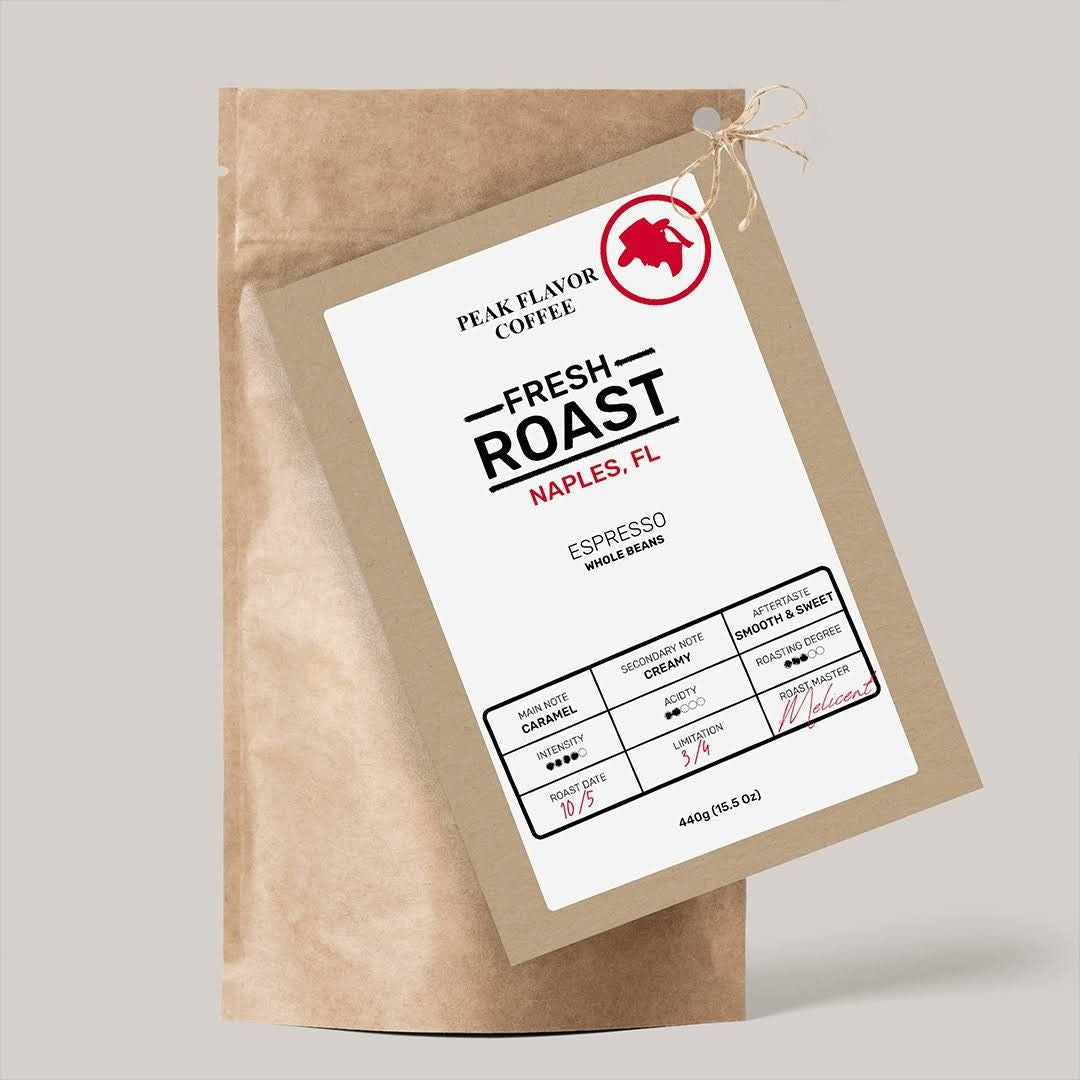
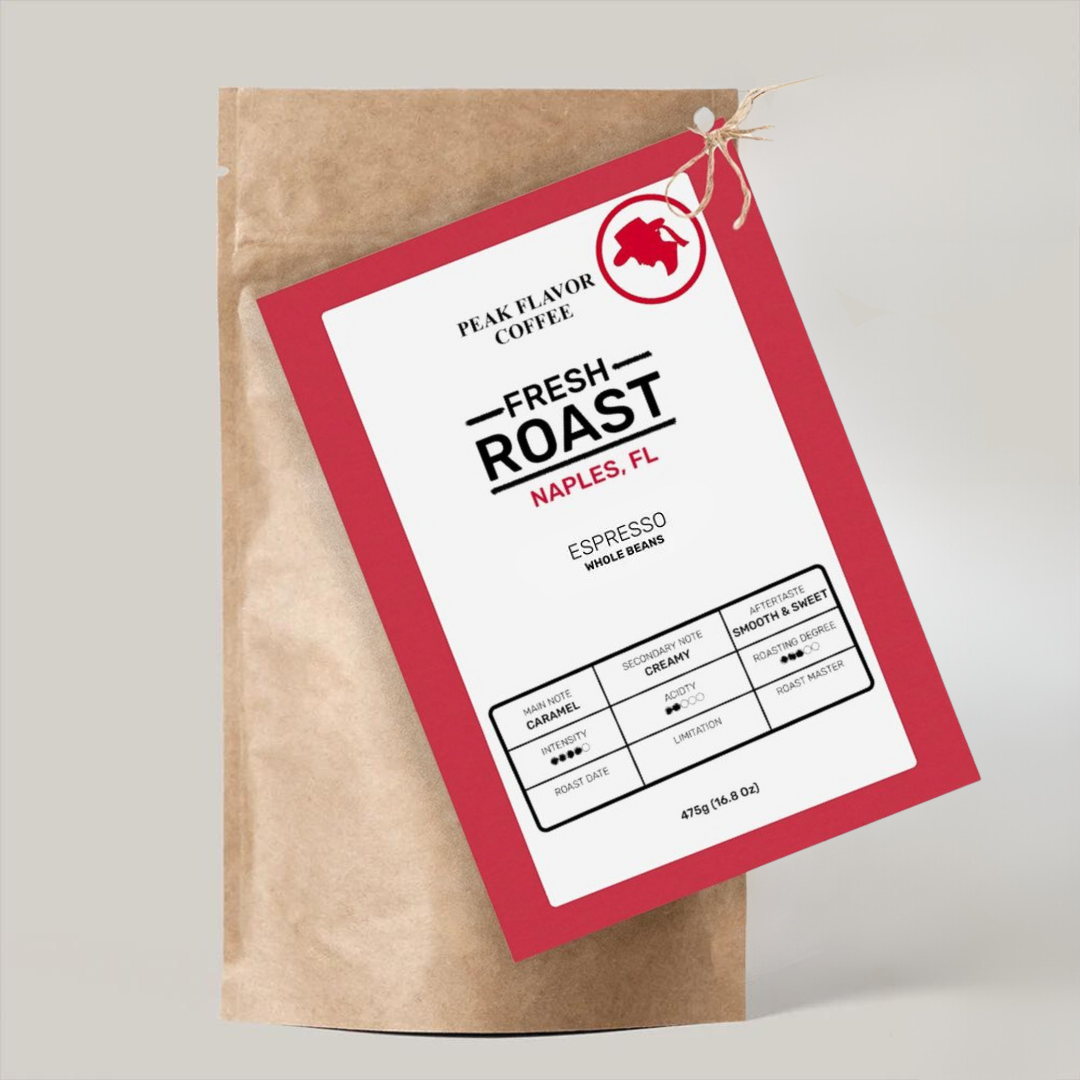
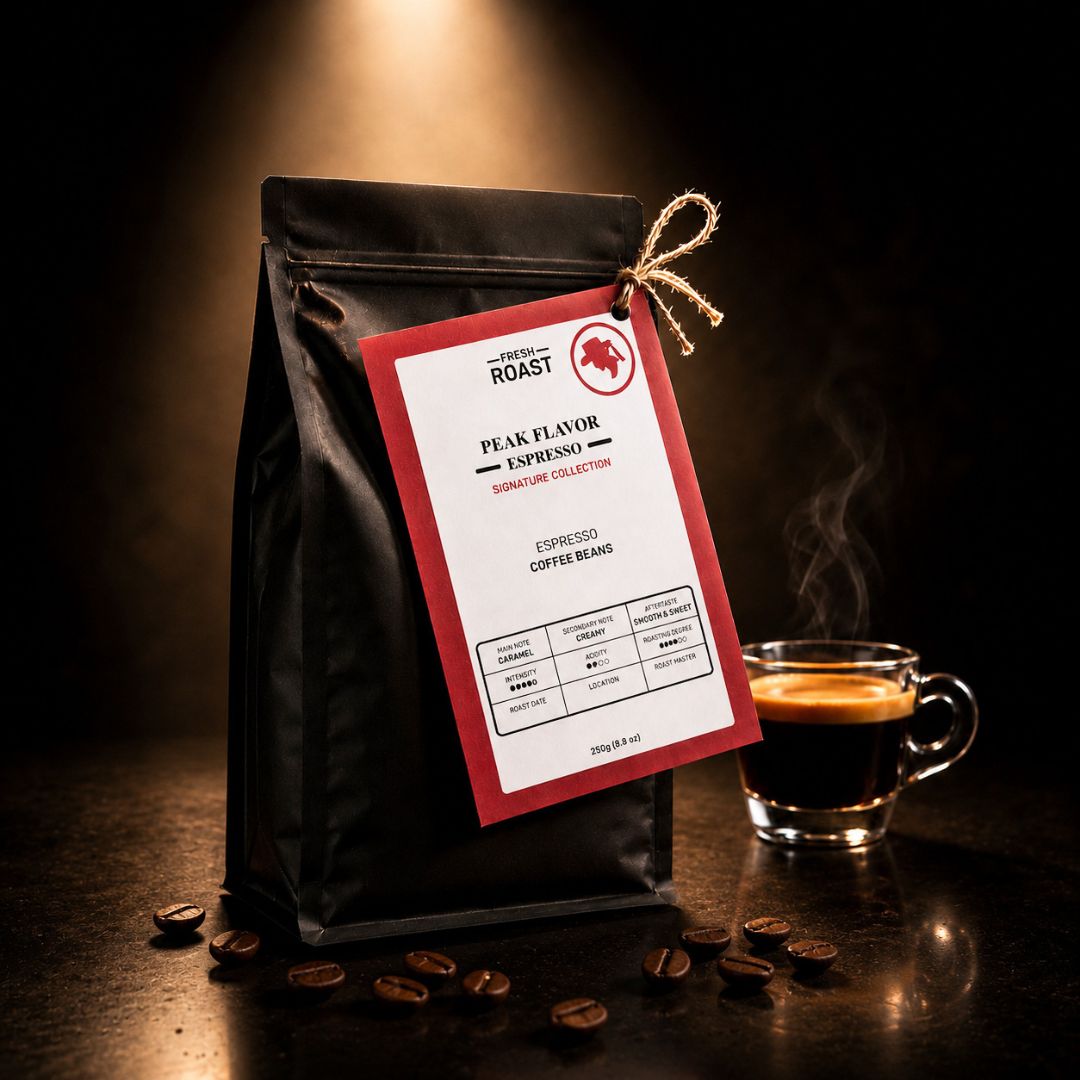
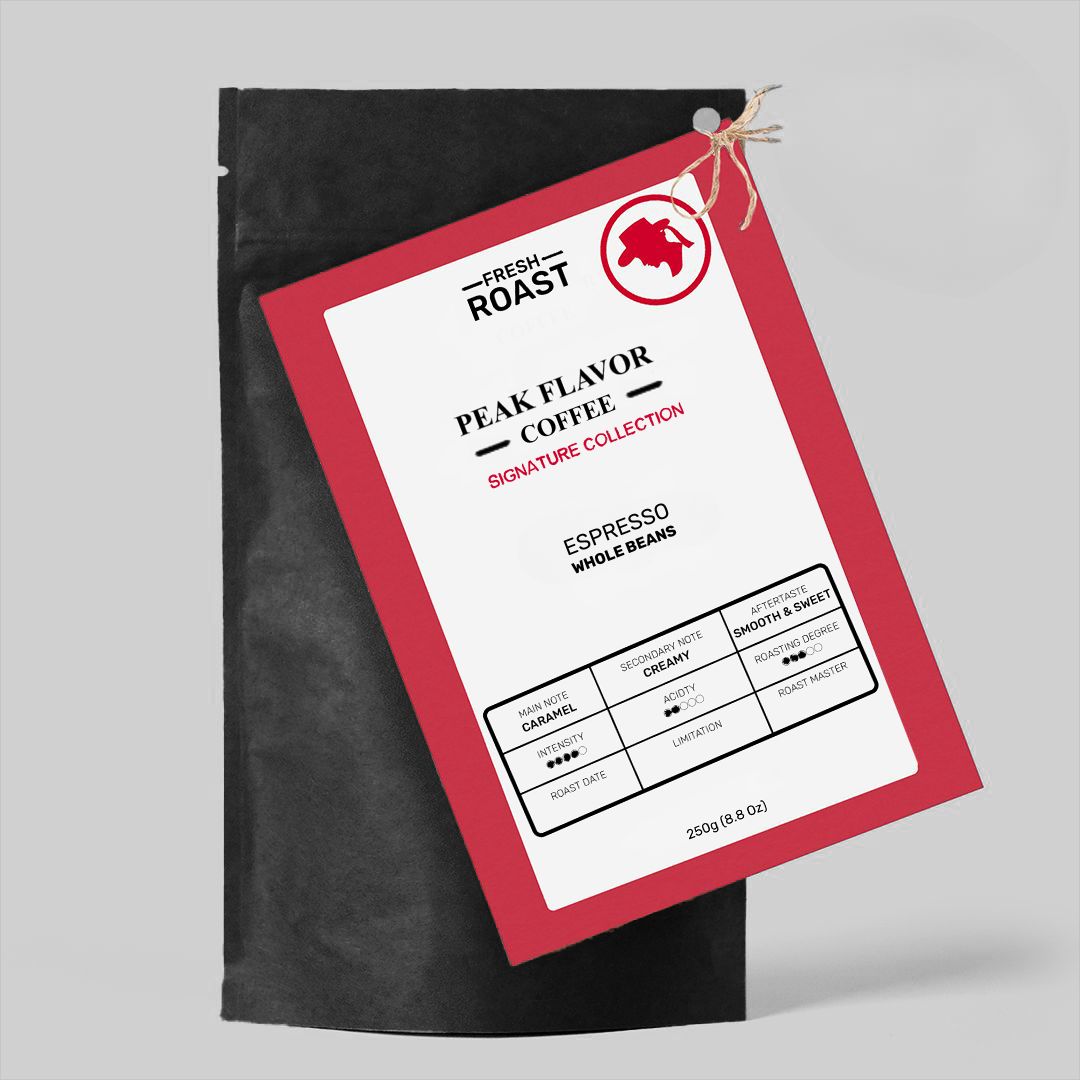
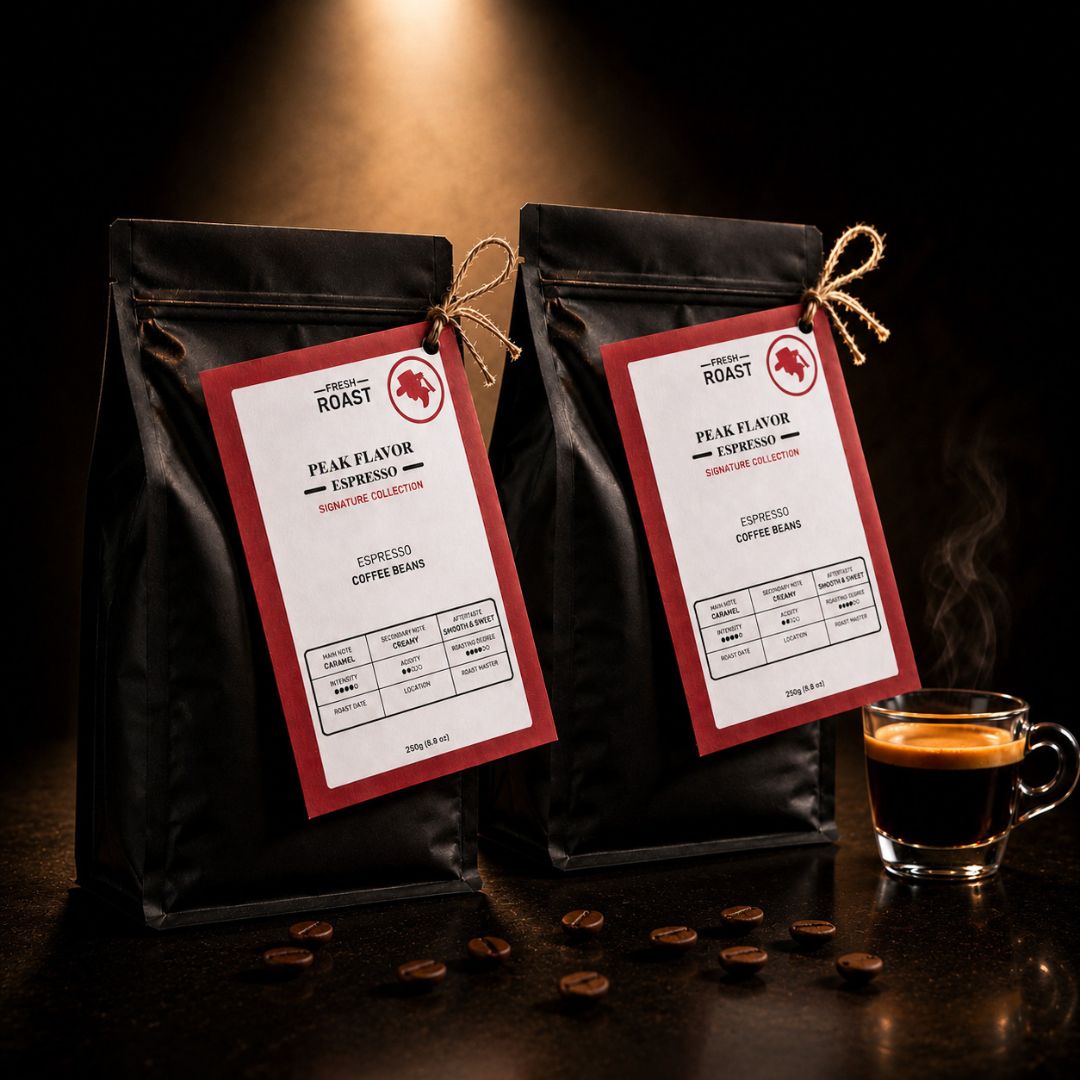
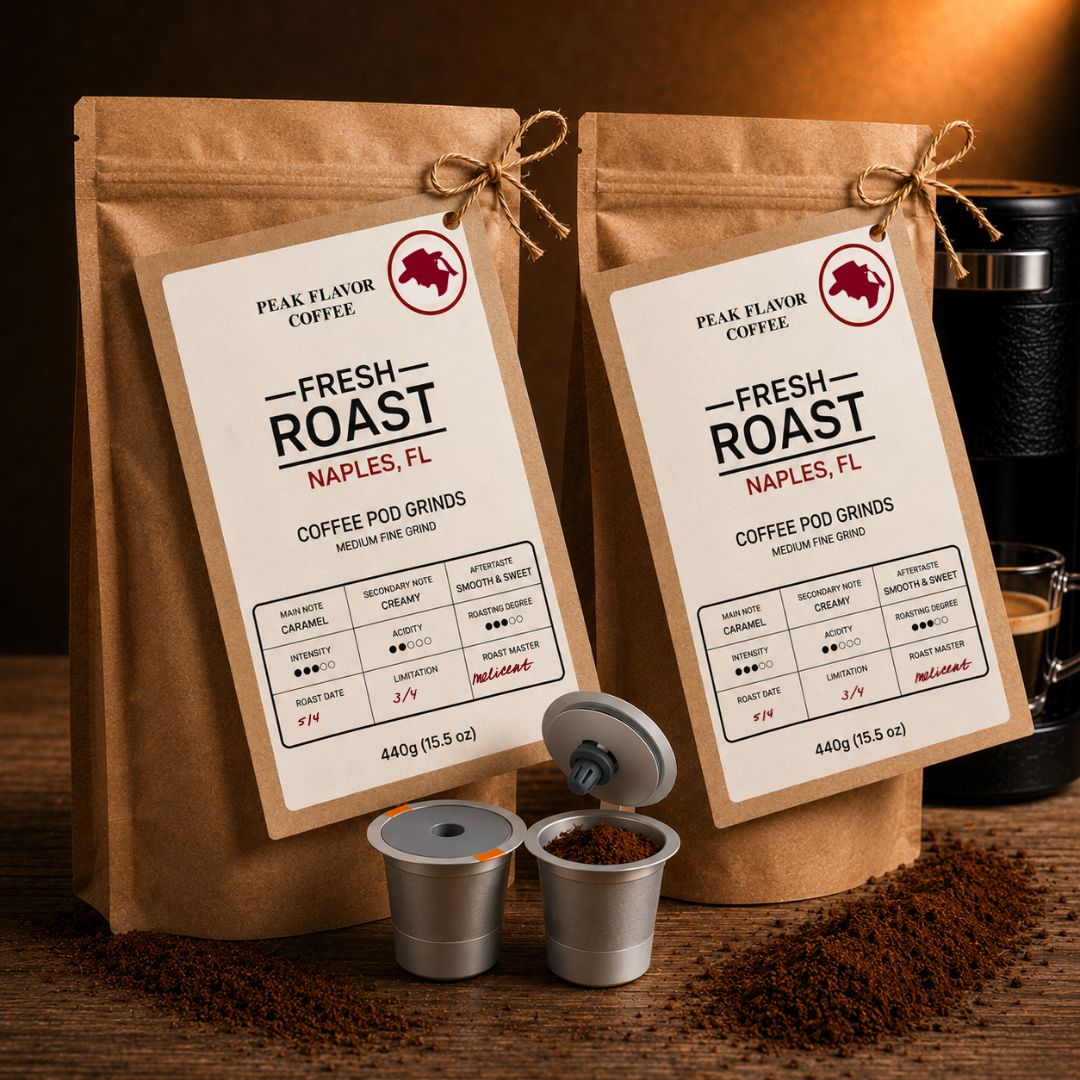
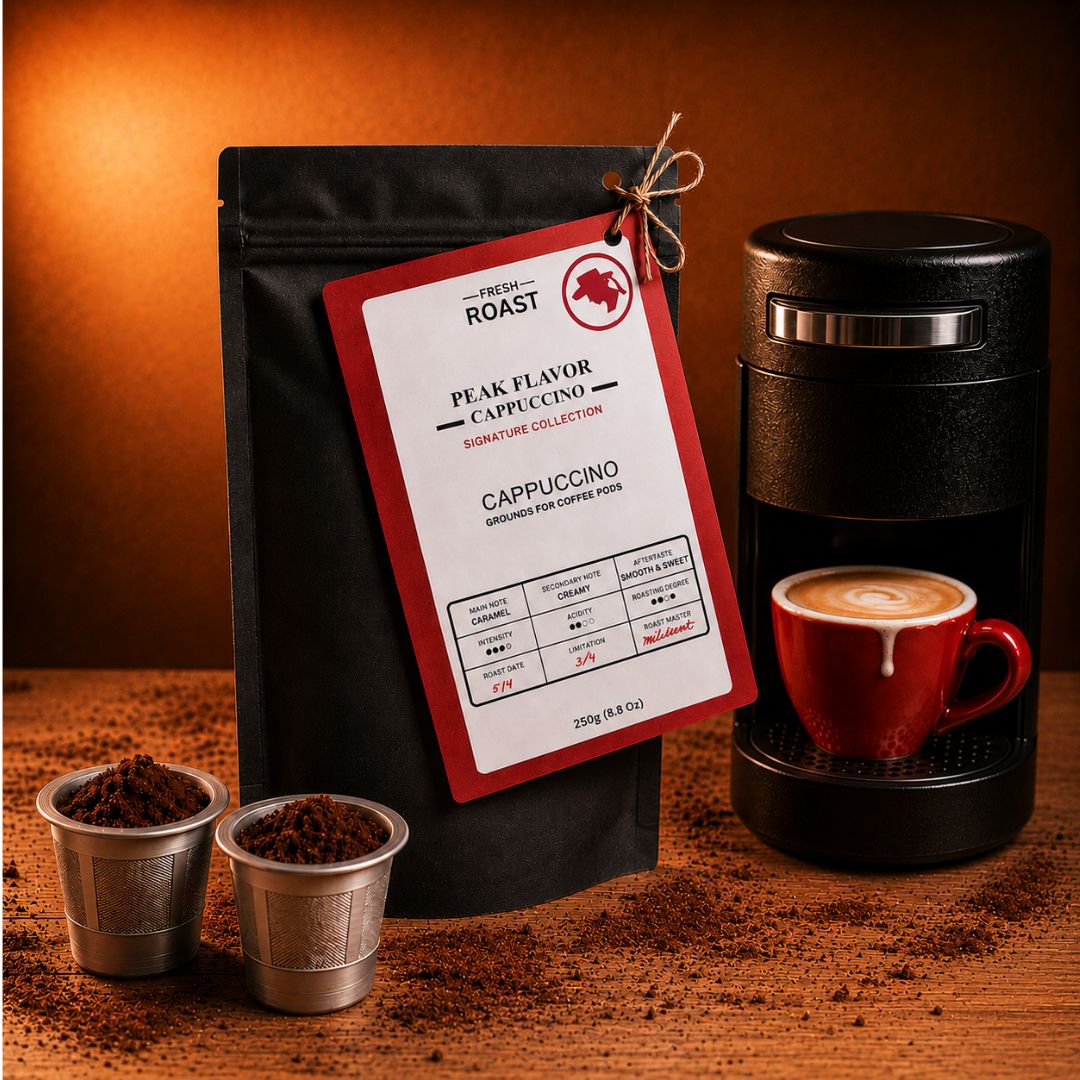
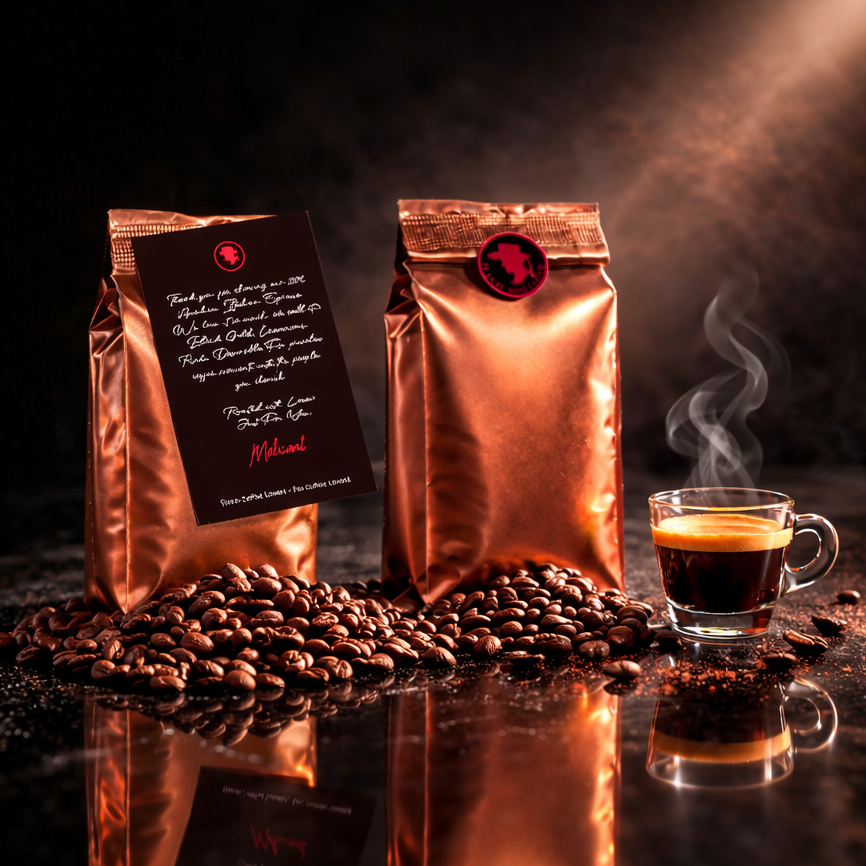
I am Melicent. I started Peak Flavor Coffee to bring authentic Italian coffee to America. I have always wondered why Italian coffee tastes so good?
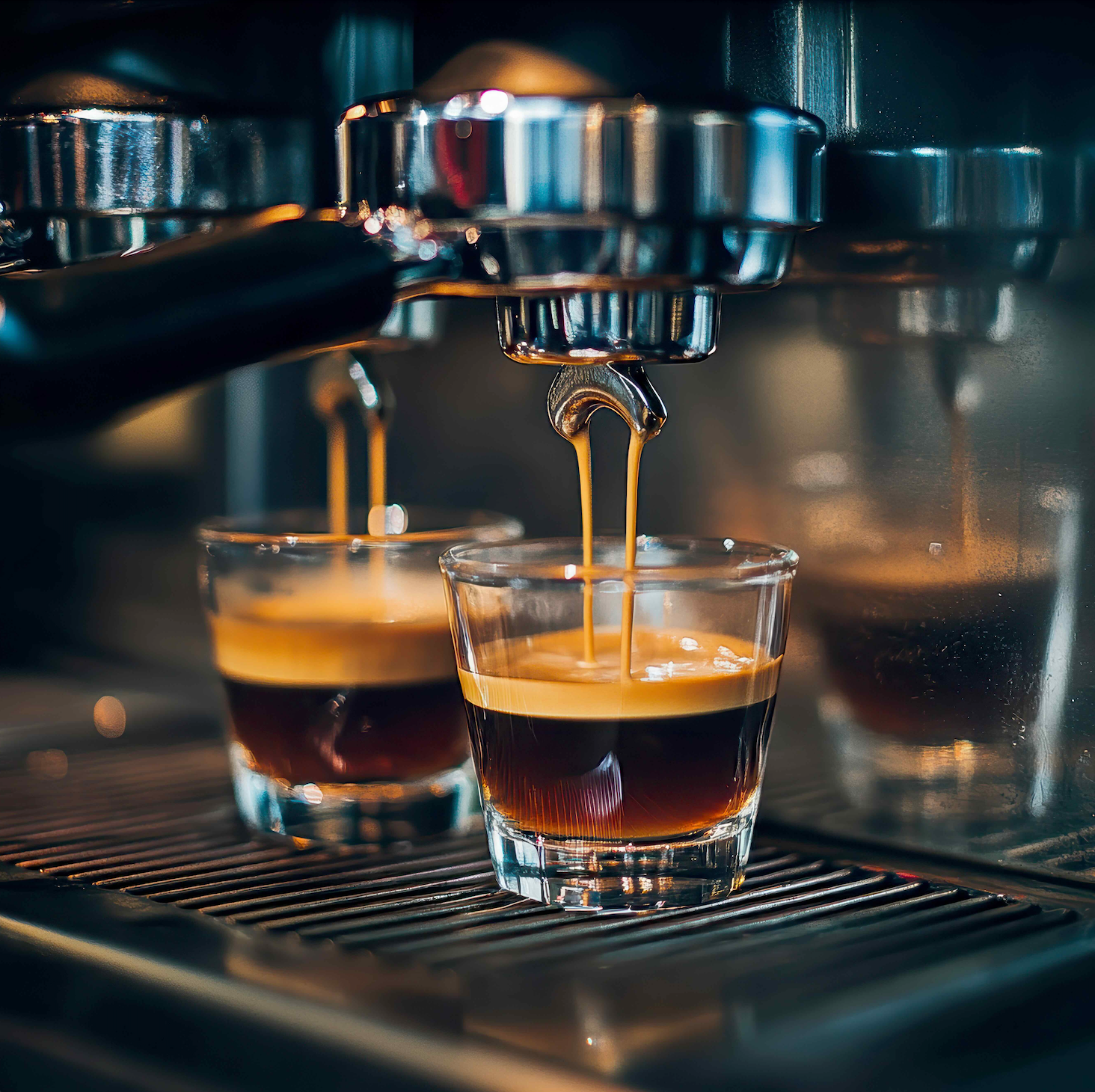
Italian espresso - the liquid gold that fuels conversations, dreams, and dramatic hand gestures in cafés from Milan to Sicily. If you’ve ever sipped a shot of espresso in Italy, you know it’s a different experience entirely. It’s smoother, richer, and somehow transports you to a higher plane of caffeinated bliss.
But why? What sorcery makes espresso coffee in Italy taste so much better than anywhere else?
Spoiler alert: It’s not just the charming barista or the cobblestone streets. There’s real science (and a little Italian magic) behind it.
1. Freshness: The Eight-Day Rule 🗓️
In Italy, espresso isn’t just a drink; it’s a way of life. And that life demands freshness. Italian coffee roasters follow a golden rule: espresso beans should never be older than eight days after roasting. That’s the sweet spot when coffee reaches Peak Flavor—bold, aromatic, and naturally sweet without needing a sugar avalanche.
Meanwhile, in America? That “fresh” bag of espresso beans from the supermarket might be closer to 120 days old than 8. Yikes. By the time you use it in your espresso machine, your espresso has lost its best qualities and gained something much less desirable: bitterness.
2. Small-Batch Roasting: Less is More 🔥
In Italy, coffee isn’t mass-produced in factory-sized roasters that spit out lifeless, overcooked beans. No, no, no! Italy has thousands of small, local roasters who supply coffee shops in their area, roasting in small batches to keep the beans as fresh as possible. When an Italian barista pulls a shot of espresso on his espresso maker, the espresso beans are at their peak in flavor.
In Rome alone, there are over 30 coffee roasters, ensuring that coffee houses serve only the freshest espresso. In contrast, America’s coffee infrastructure relies on fewer, large-scale industrial roasters churning out coffee that sits on shelves for months before reaching your cup.
Fresh roast = happy espresso. Stale roast = sad, bitter coffee. It’s that simple.
3. The Italian Espresso Ritual ☕✨
Drinking espresso in Italy isn’t a “grab-and-go” affair. There are rules, traditions, and an unspoken understanding among locals that this isn’t just caffeine - it’s coffee culture.
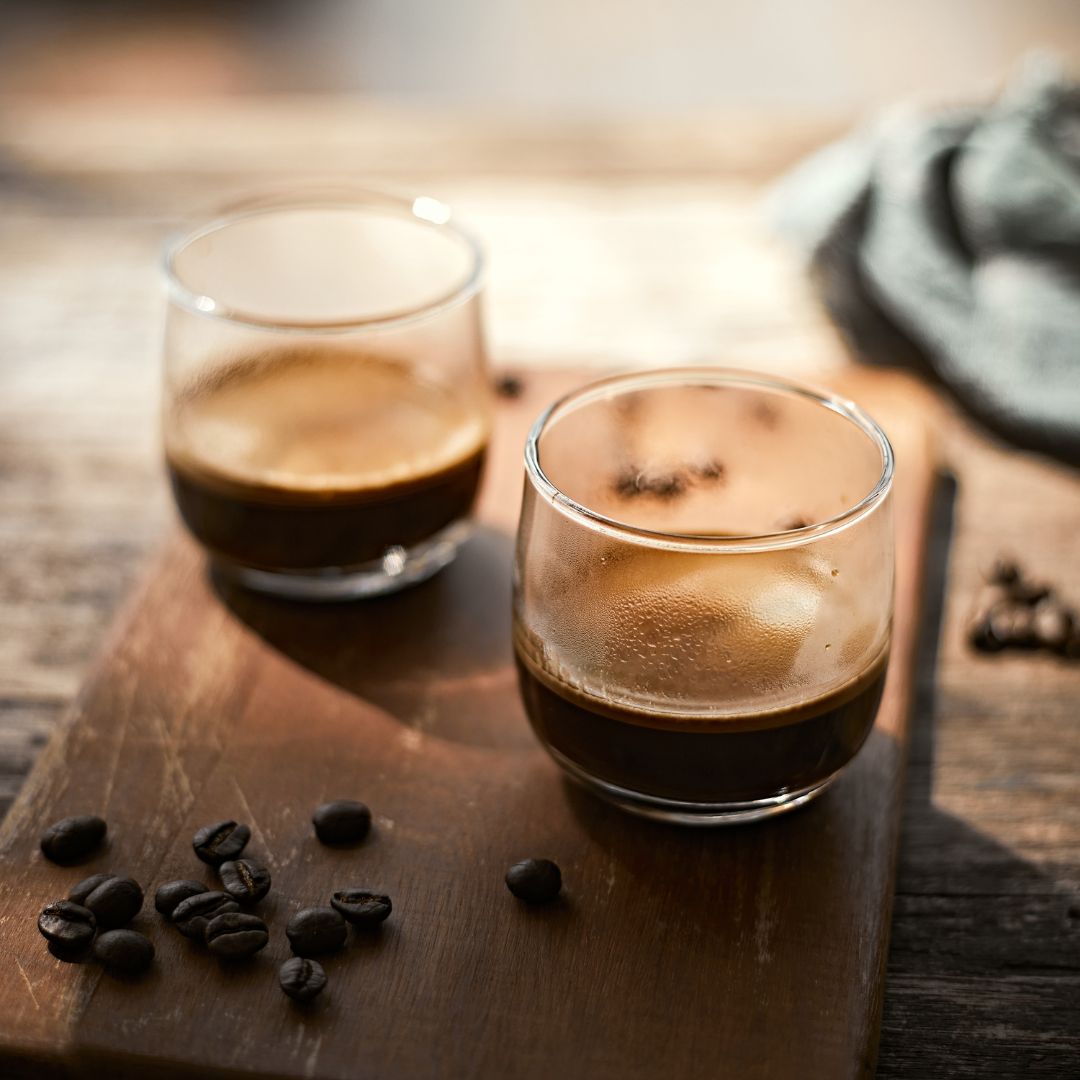
- Espresso is served in small cups (about 4.5 oz), not gigantic mugs the size of your head.
- Italians don’t drown their espresso in milk, syrups, or whipped cream. The flavor is so good it doesn’t need distractions.
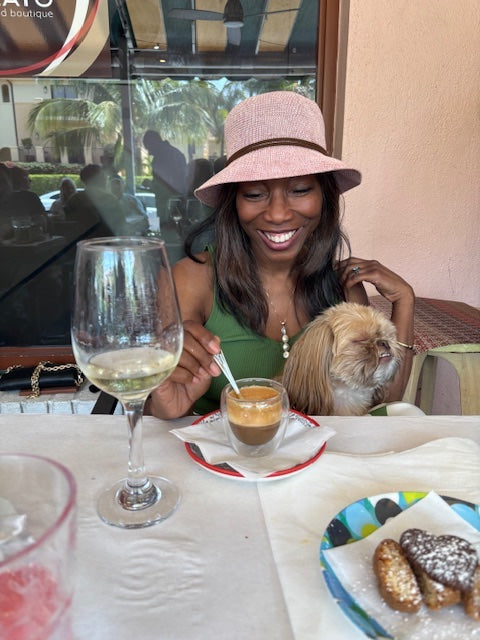
- Italians drink their espresso at the bar, standing up, chatting, and enjoying the moment. In contrast, Americans sip their coffee in traffic, while dodging pedestrians, or from a drive-thru.
4. Slow Roasting = Sweetness 🍯
Most Italian espresso beans are slow-roasted, allowing the natural sugars in the beans to caramelize properly. This unlocks beautiful flavor notes of caramel, vanilla, and honey, making espresso naturally sweeter.
Meanwhile, industrial roasters often burn the beans at high temperatures for efficiency, producing coffee that tastes like it was cooked in a volcano. Burnt coffee = bitter coffee. No wonder we end up dumping milk and sugar into it!
5. Better Beans = Better Coffee 🌱
Italian espresso blends often use high-altitude beans from Brazil, Honduras, and Vietnam. These beans grow slower, which means they develop more natural sweetness and complexity.
Many supermarket espresso blends, on the other hand, prioritize cost over quality, leading to lower - grade beans that taste more like punishment than pleasure. No matter what type of coffee you prefer, it's impossible to brew a good cup of joe with low grade beans.
6. The Water Matters Too 💧
Here’s an underrated secret: Italy’s water is different. The mineral content of the water used to brew espresso affects its taste significantly. Many Italian cities have perfectly balanced mineral-rich water that enhances coffee’s natural flavors.
If you’ve ever tried making espresso on your home coffee maker and wondered why it doesn’t taste the same, your tap water might be the culprit!
7. Less Sugar, More Flavor 🍫
Because Italian espresso is naturally sweet, most Italians don’t drown their coffee in sugar. Instead, they let the coffee shine on its own. Compare that to American coffee culture, where syrup-drenched, caramel-swamped concoctions sometimes outweigh the actual espresso content!
Want to enjoy espresso the Italian way? Ditch the sugar packets and let the natural flavors of a fresh roast do the talking.
8. The Coffee Shop Density Phenomenon ☕🏙️
In Italy, it feels like there’s an espresso bar on every street corner. That’s because there actually is. Italy boasts over 550,000 coffee shops, averaging one for every 145 people. Compare that to the U.S., where there’s one coffee shop for every 5,800 Americans.
With such an insane coffee shop density, competition is fierce. If a café serves bad espresso, Italians will simply walk next door to a better one. This creates a natural quality control system where only the best espresso survives.
In contrast, in some parts of the U.S., your only option might be a gas station coffee machine. No wonder Italian espresso tastes better!
How to Get Italian-Quality Espresso at Home 🏡☕
Okay, so you’re not in Italy, but that doesn’t mean you can’t enjoy espresso like an Italian. Here’s how:
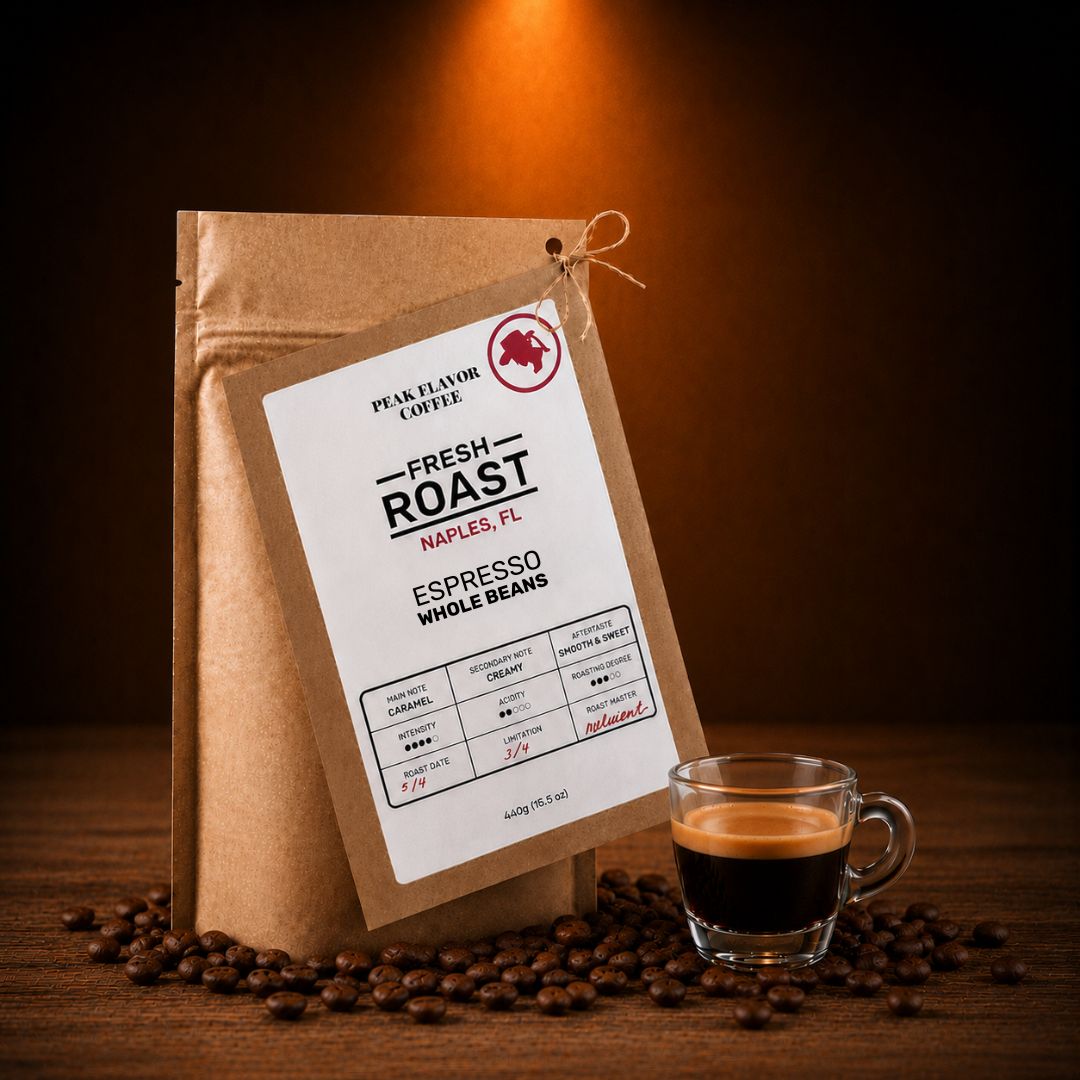
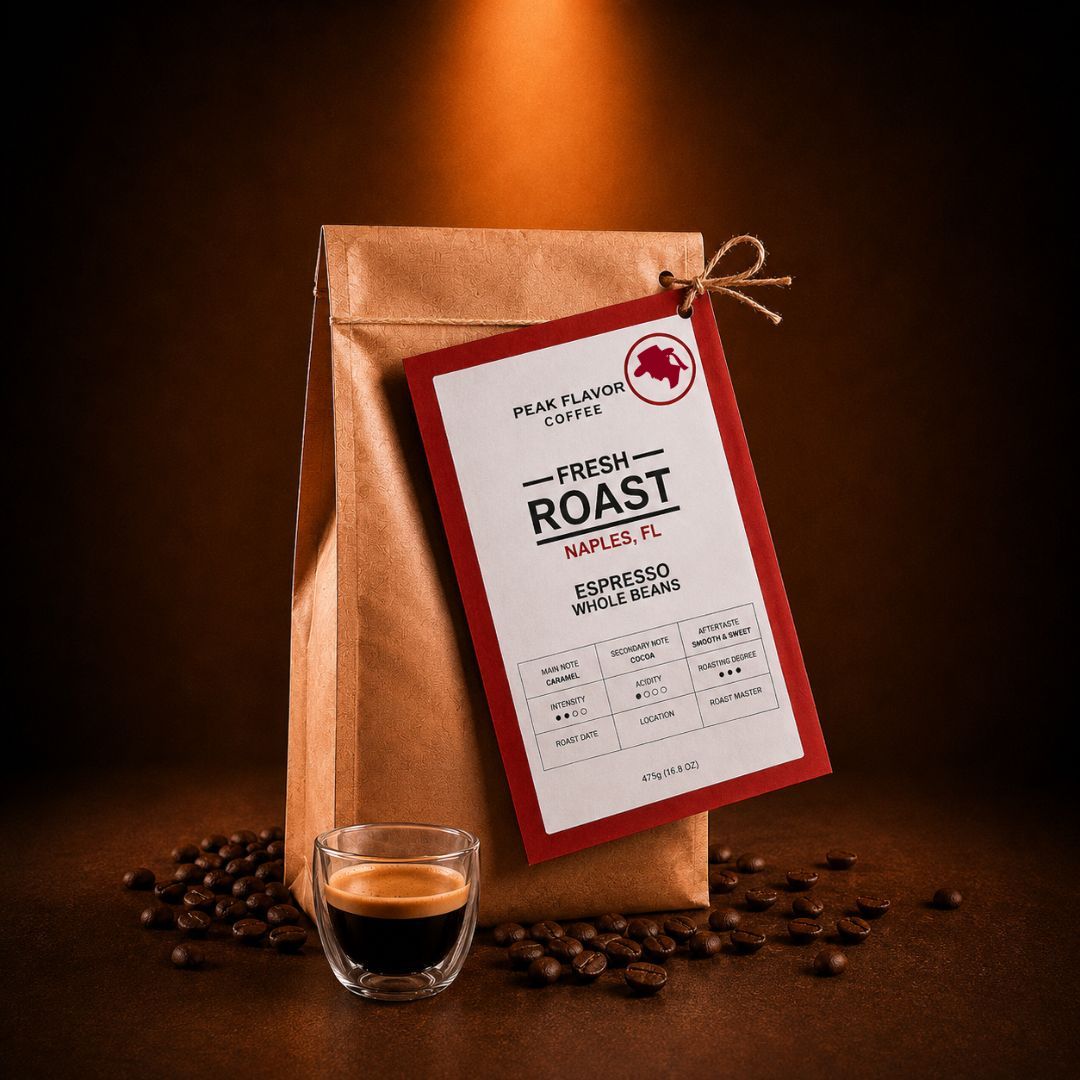
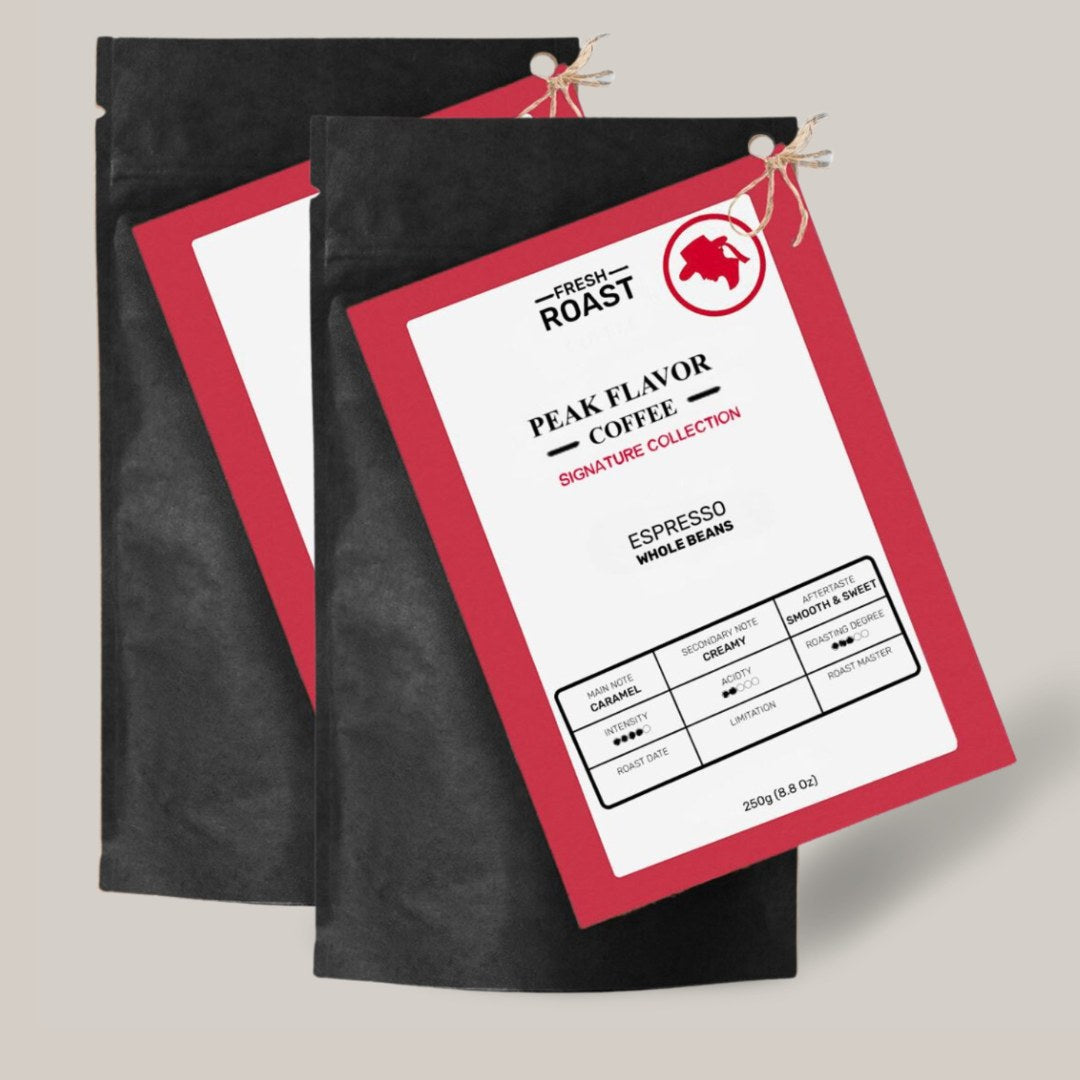
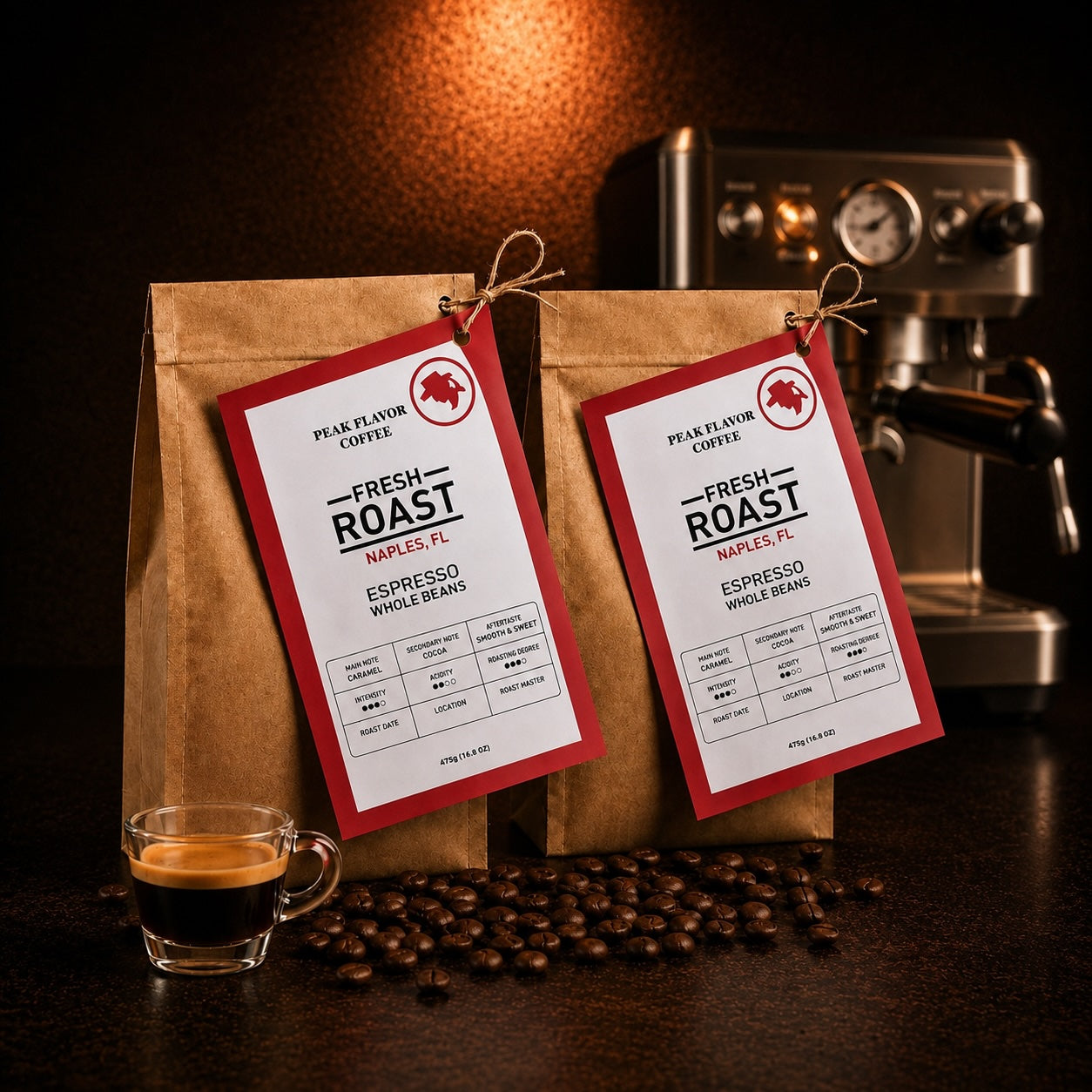
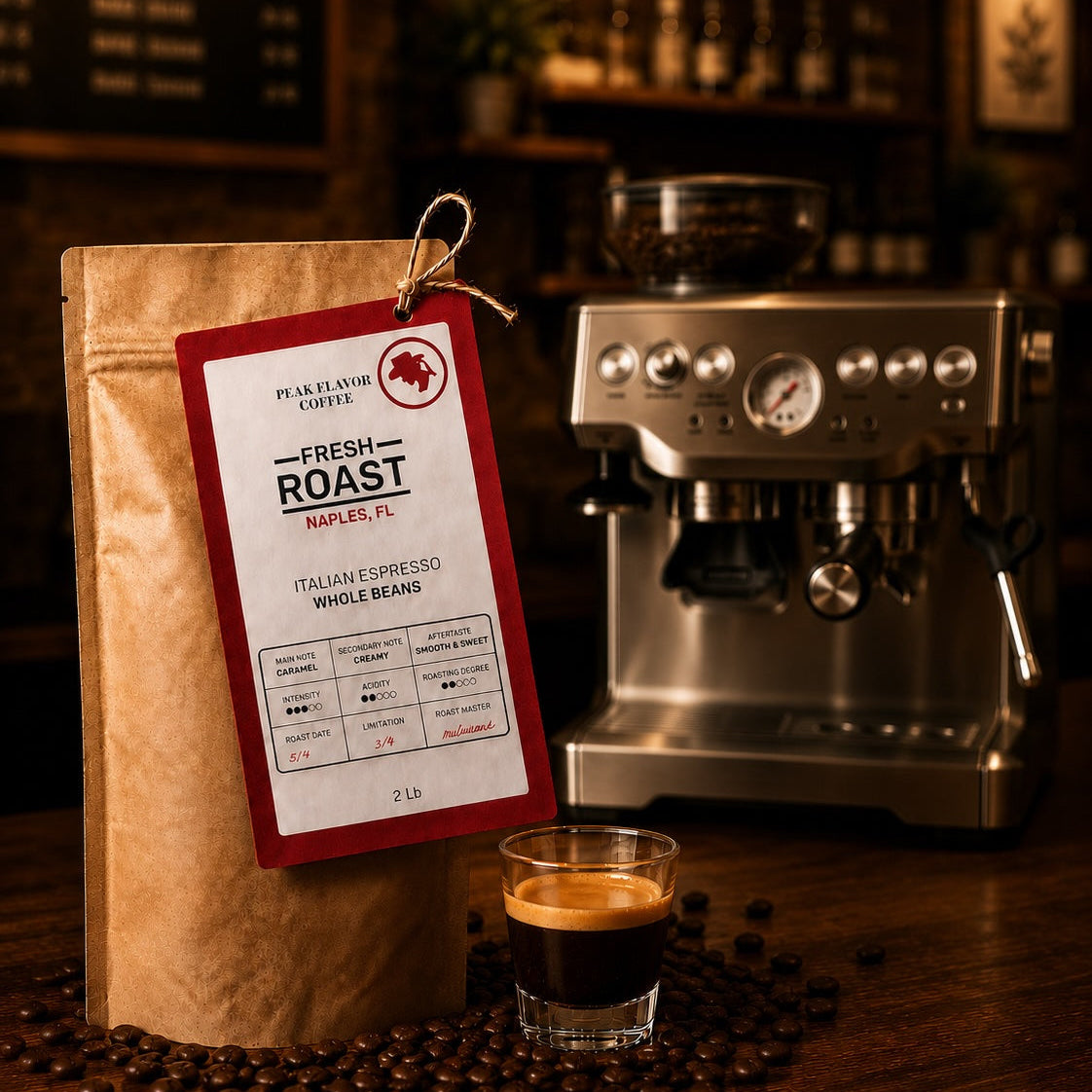
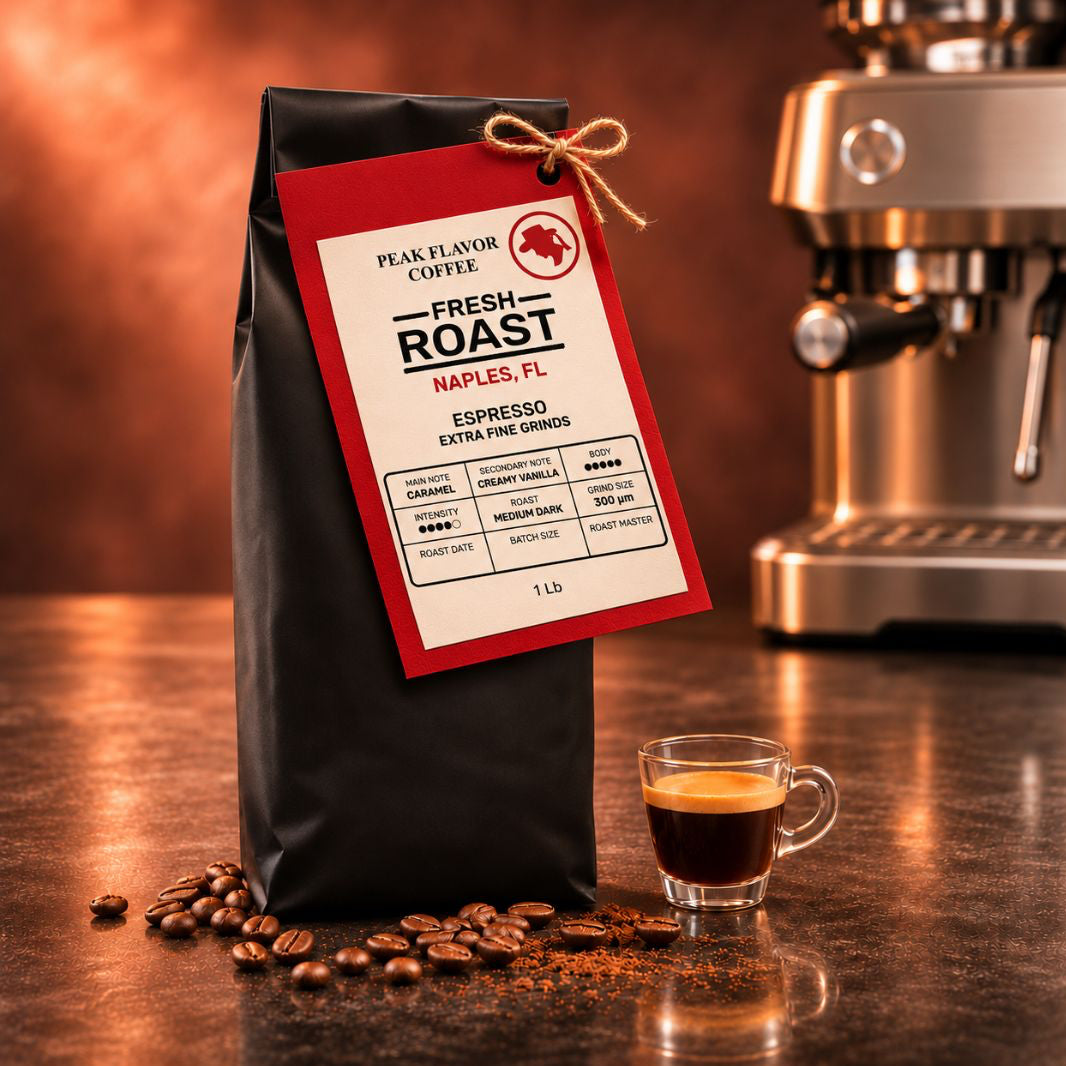
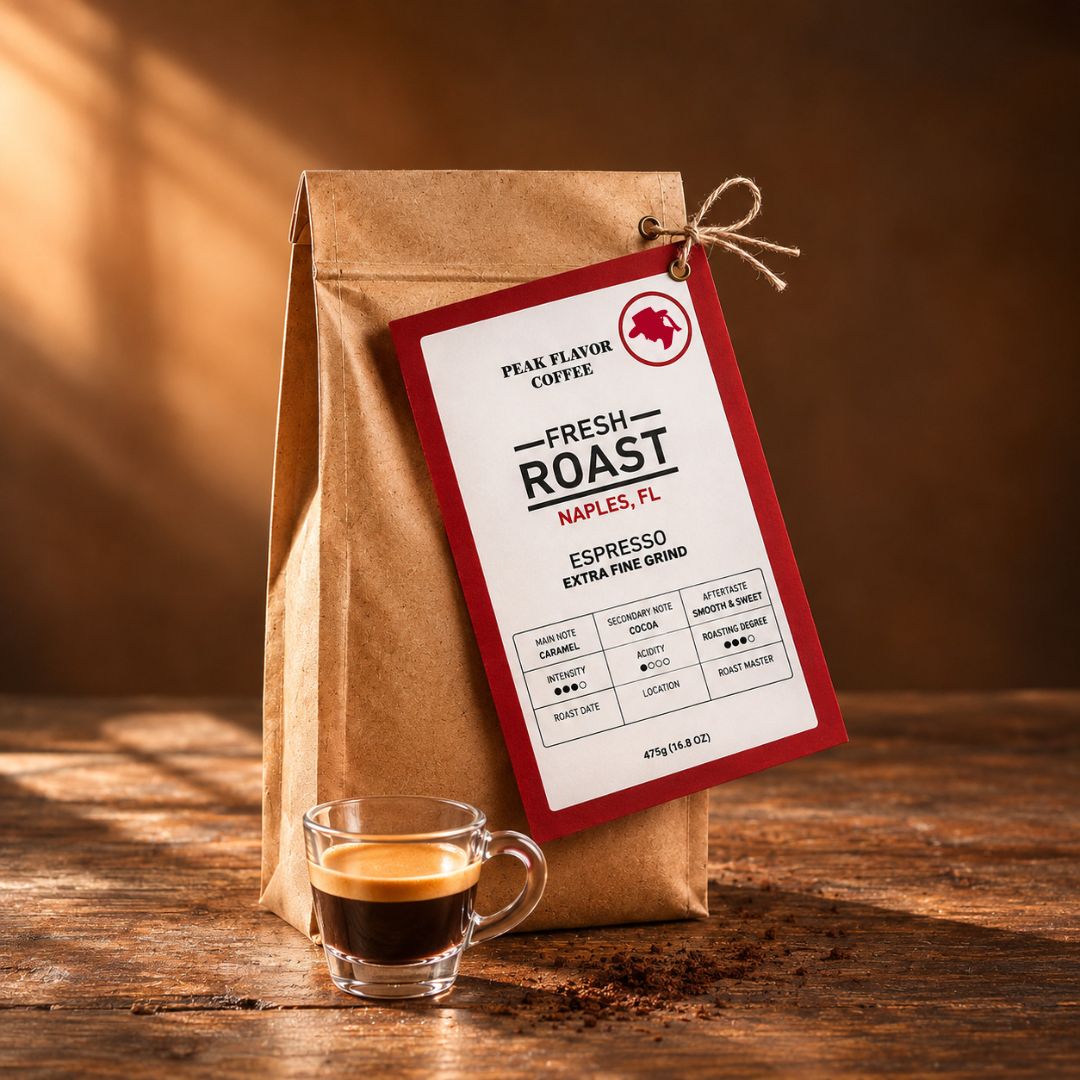
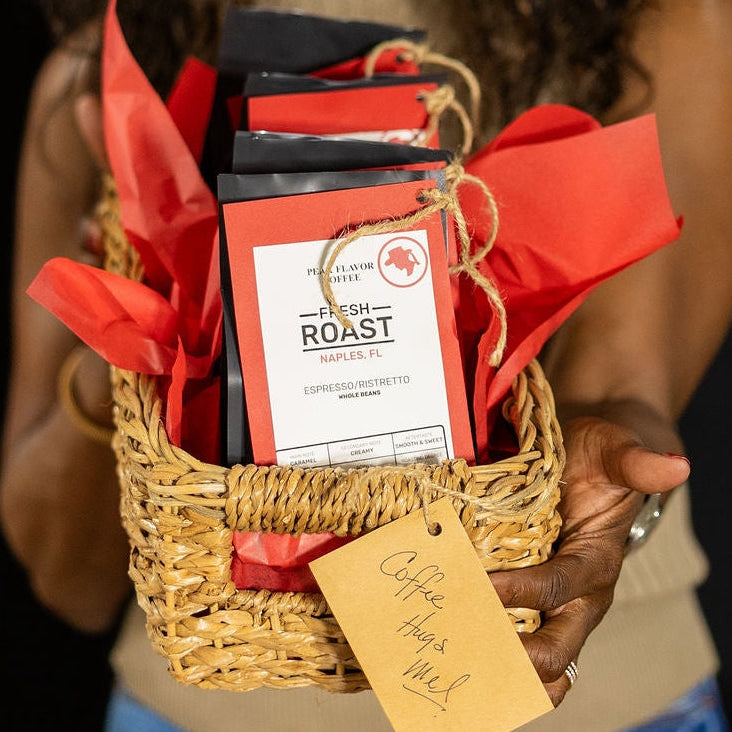
✅ Get fresh-roasted coffee beans. Supermarket coffee is usually stale. Instead, order fresh-roasted espresso from Peak Flavor Coffee—we ship fresh within eight days of roasting!
✅ Choose slow-roasted espresso beans. These beans are roasted to enhance natural sweetness, so you don’t need to drown them in sugar. Find your perfect match here.
✅ Use good water. If you can, use filtered or mineral-balanced water for better taste.
✅ Embrace the Italian way. Sip your espresso from a small cup, no sugar, no distractions. Maybe even throw in a dramatic hand gesture while you’re at it.
Final Thoughts: The Italian Coffee Connection ❤️
Espresso in Italy tastes better because it’s fresh, roasted with care, and brewed in a culture that respects coffee as an art form—not just a caffeine delivery system. But the good news? You don’t need a plane ticket to enjoy espresso the Italian way.
Try a fresh roast from Peak Flavor Coffee and taste the difference yourself. Who knows? Your mornings might just start feeling a little more... Italian. 🇮🇹☕ Buon caffè!
Italian Coffee Hugs,
Melicent