




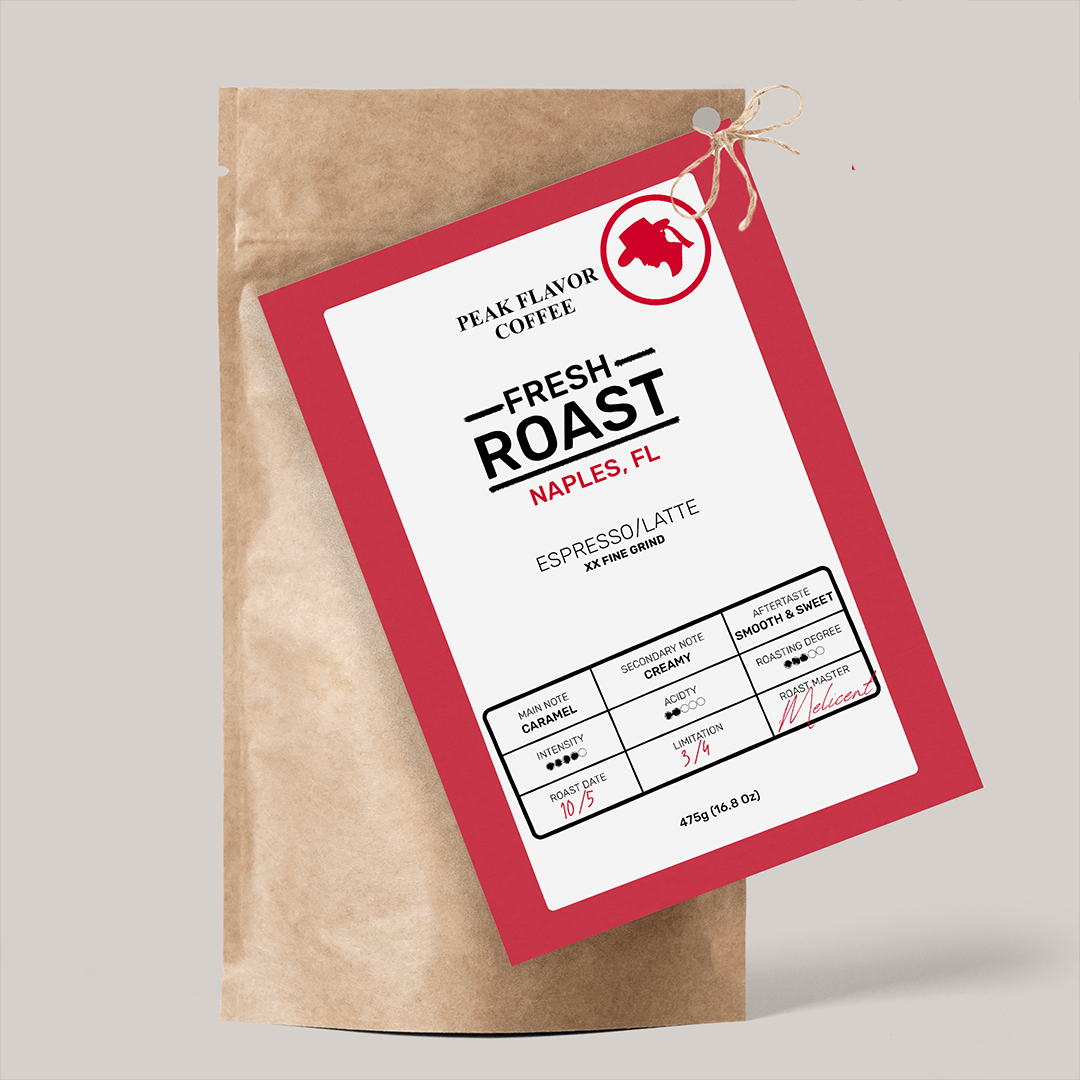


Not all Espresso is Made for Milk
Brewing Creamy Comfort
I learned the hard way that not all espresso beans or espresso grounds are made for creamy cafe latte.
I bought beautiful, expensive coffee and still got thin, sour milk drinks. Then an Italian latte lover told me that beans must be freshly roasted and latte grounds need their own grind size.
Later, I learnt that science about milk and coffee is clear: creamy latte with caramelized crema depends on fresh roasting oil-rich beans, balanced Arabica–Robusta blends, precise grind size, and uniform extraction - especially when milk is involved.
If you love cafe latte or latte macchiato, this is the guide I wish I had years ago.
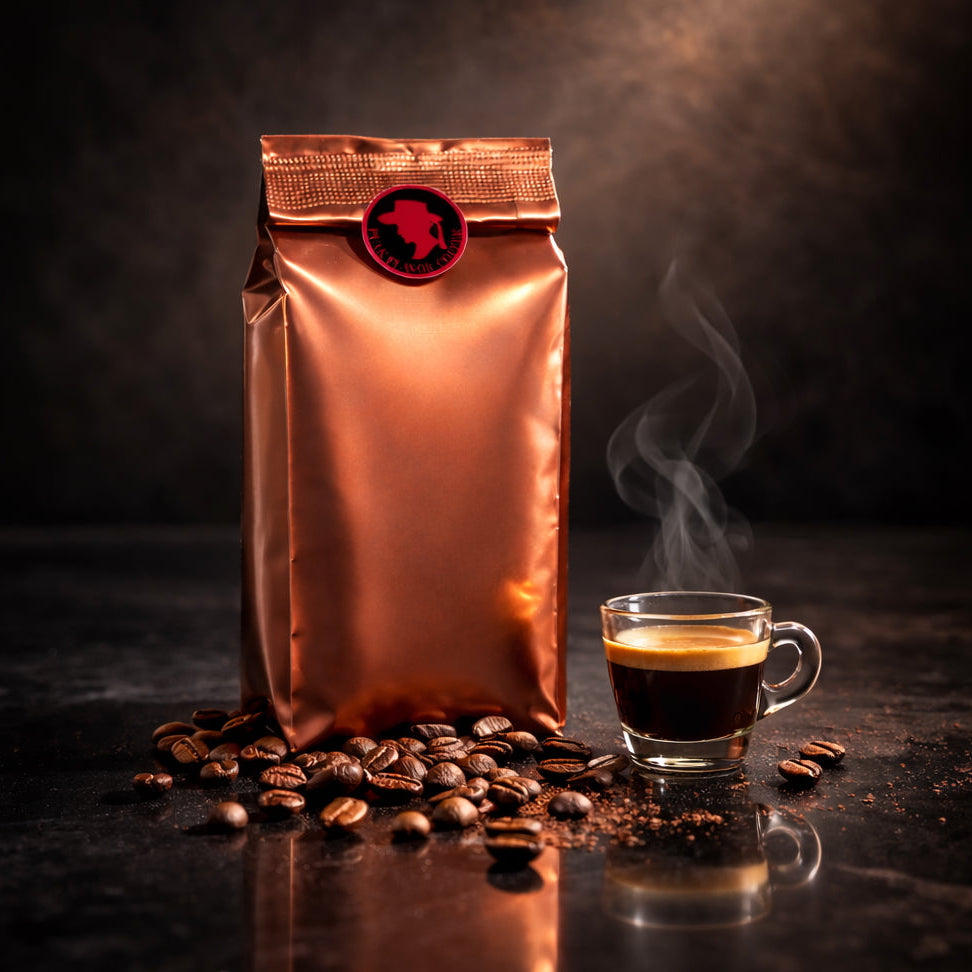
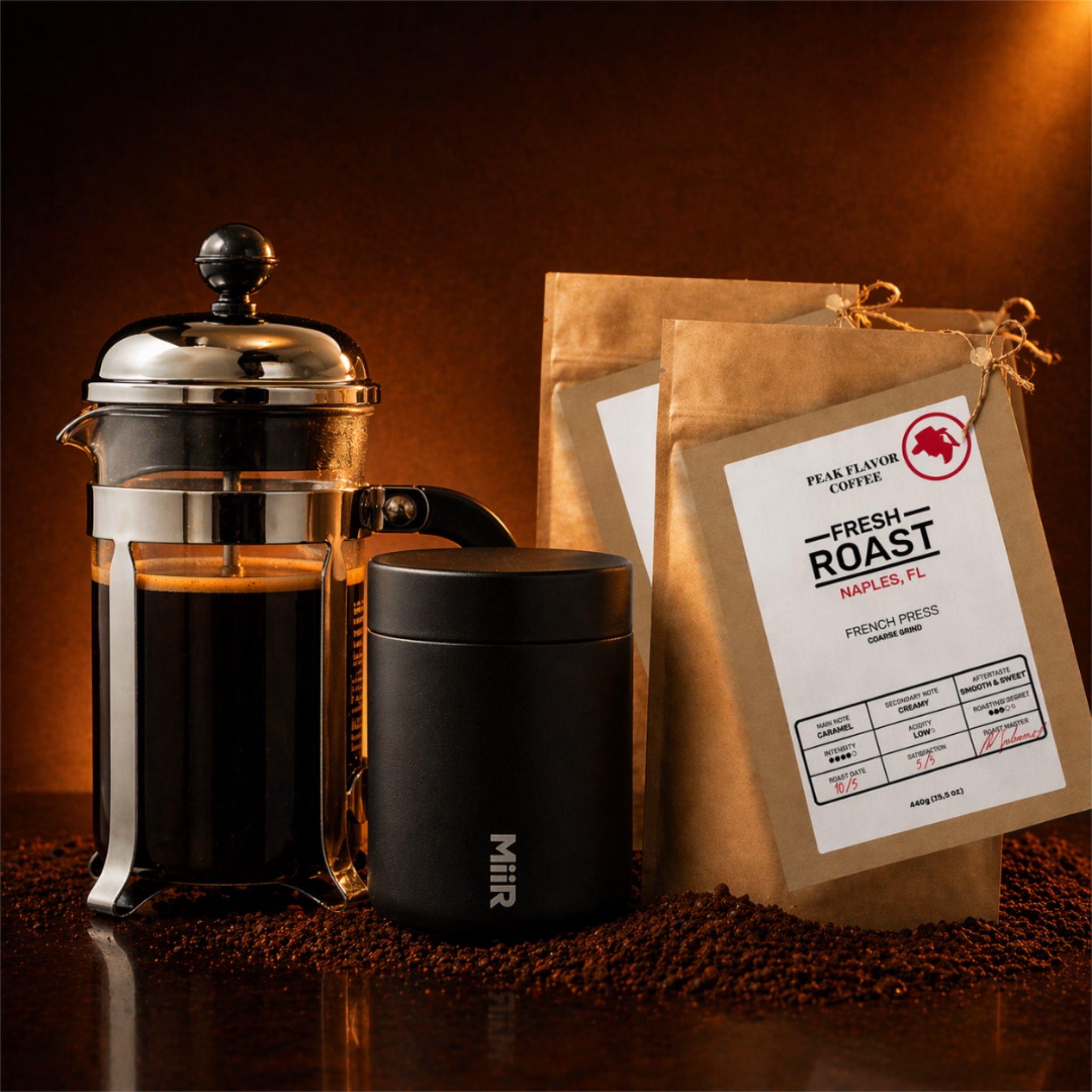
Save Latte Beans in an Airlock Coffee Canister
Protecting Fresh Roasted Beans
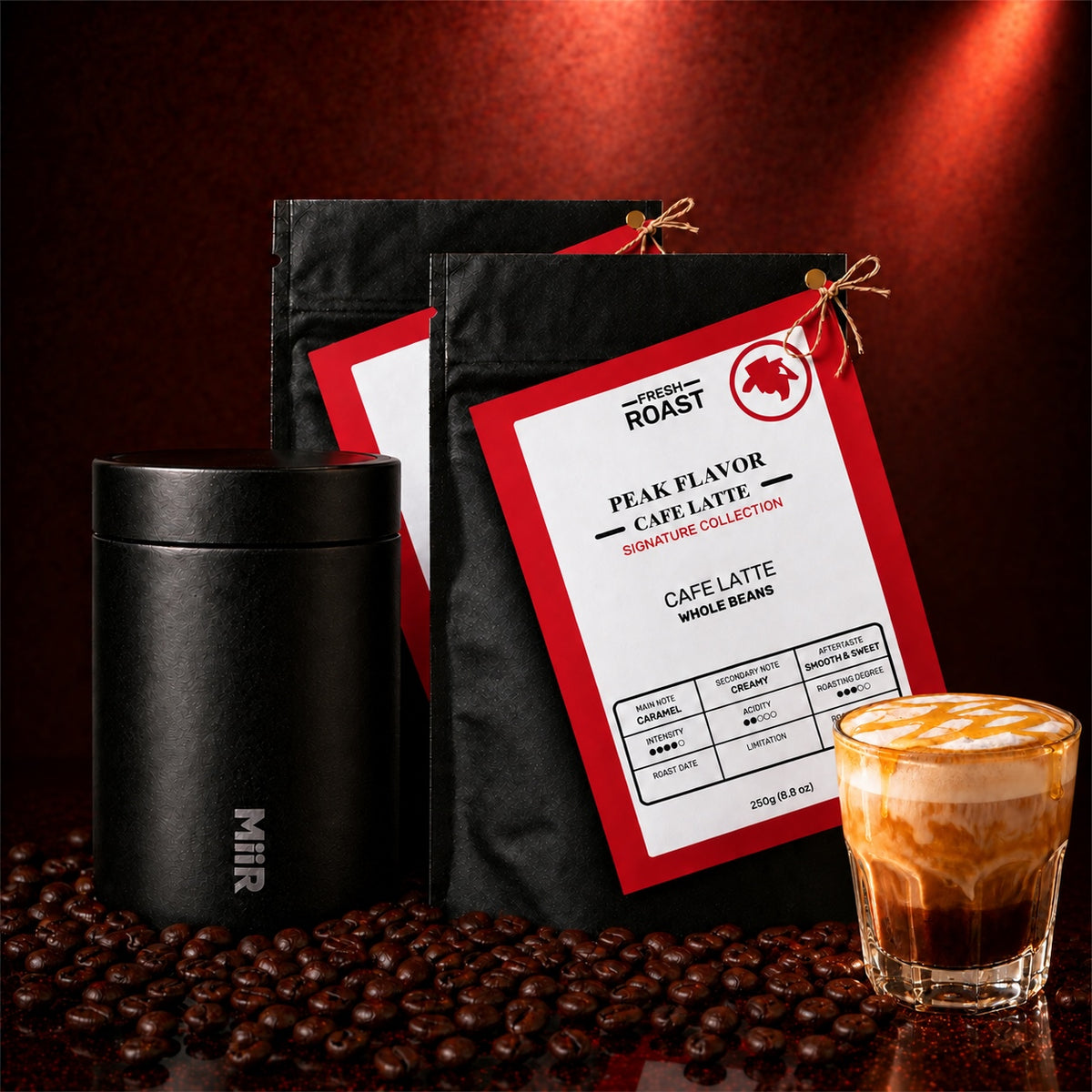

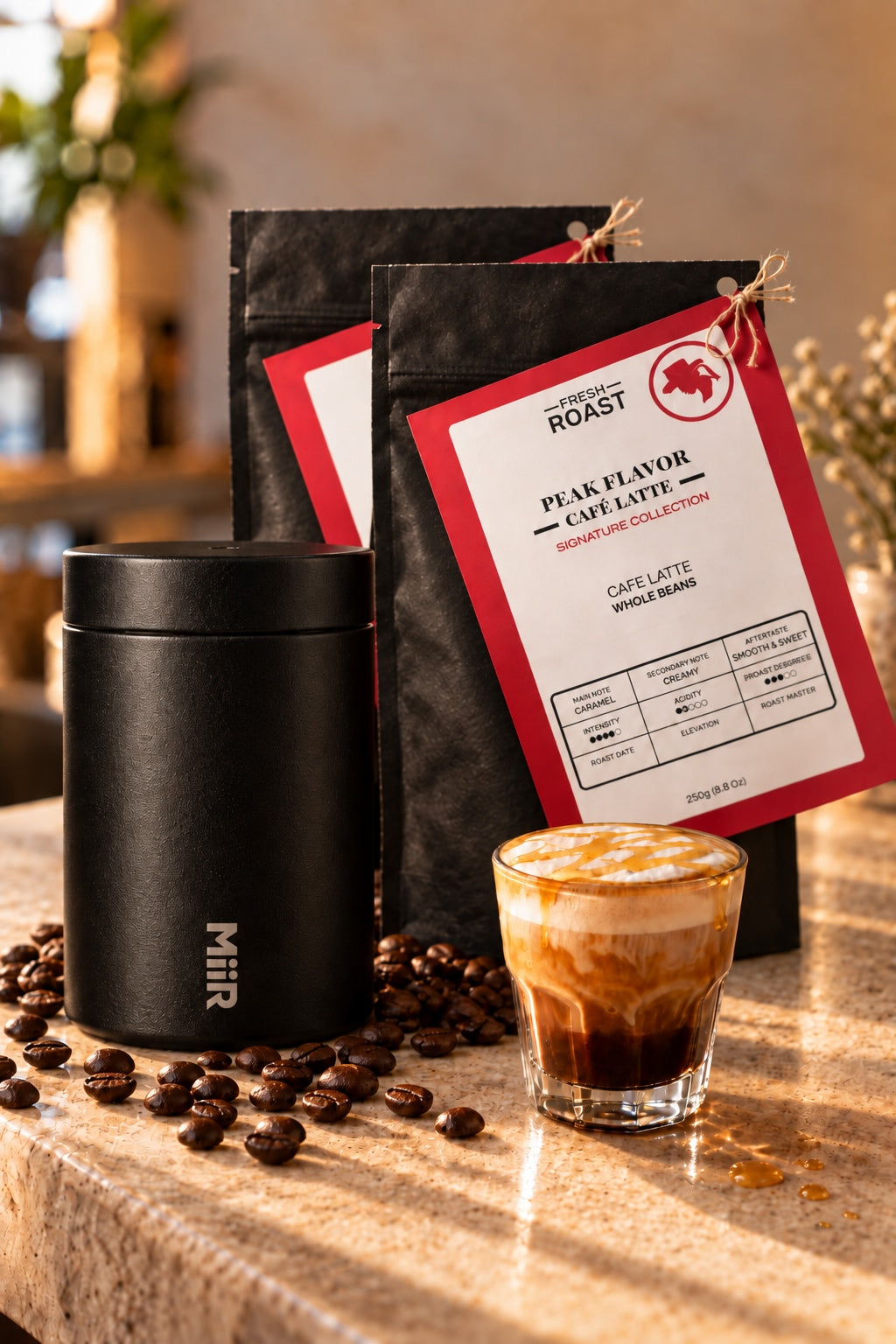
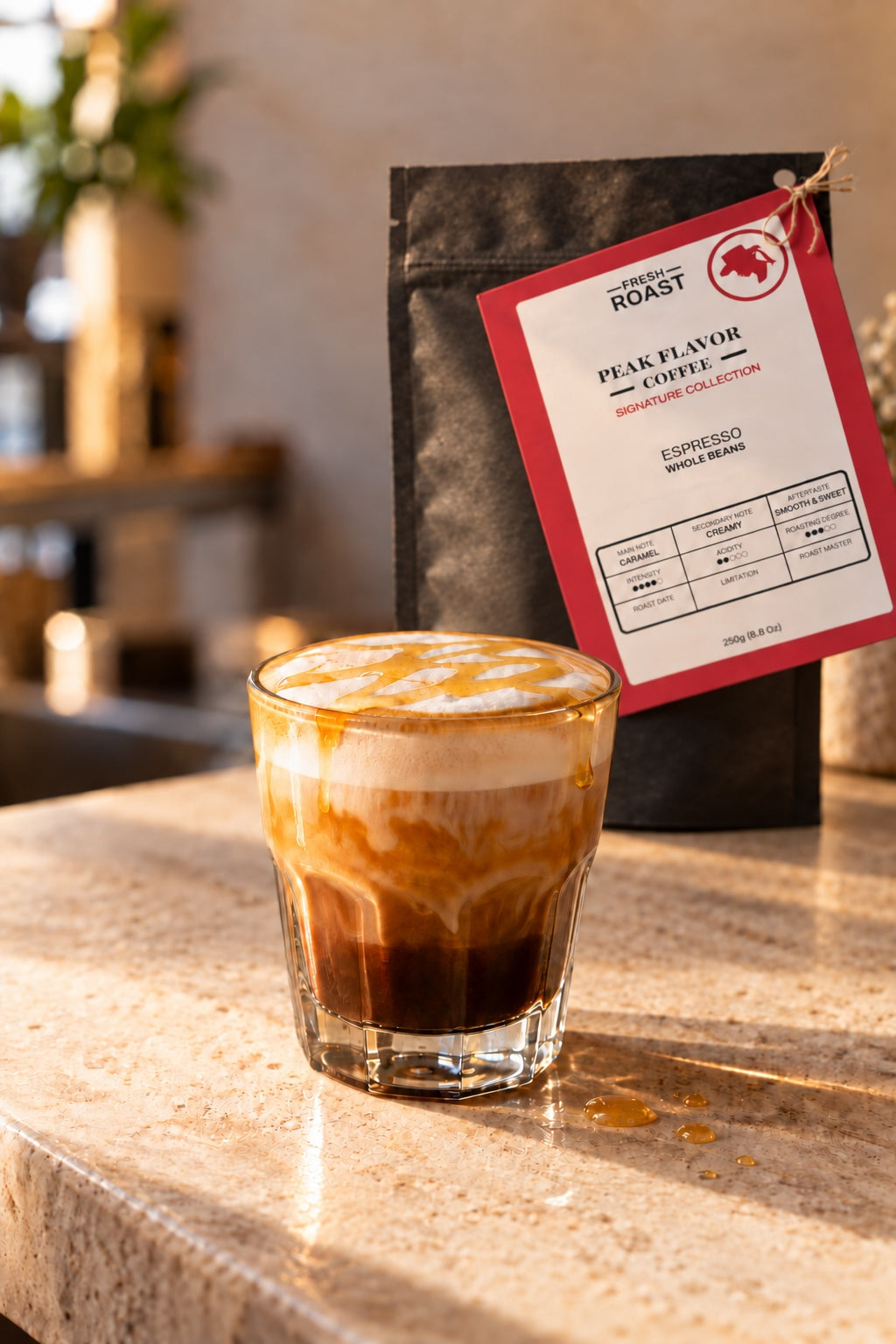

Comforting Latte Magic Starts With the Right Espresso
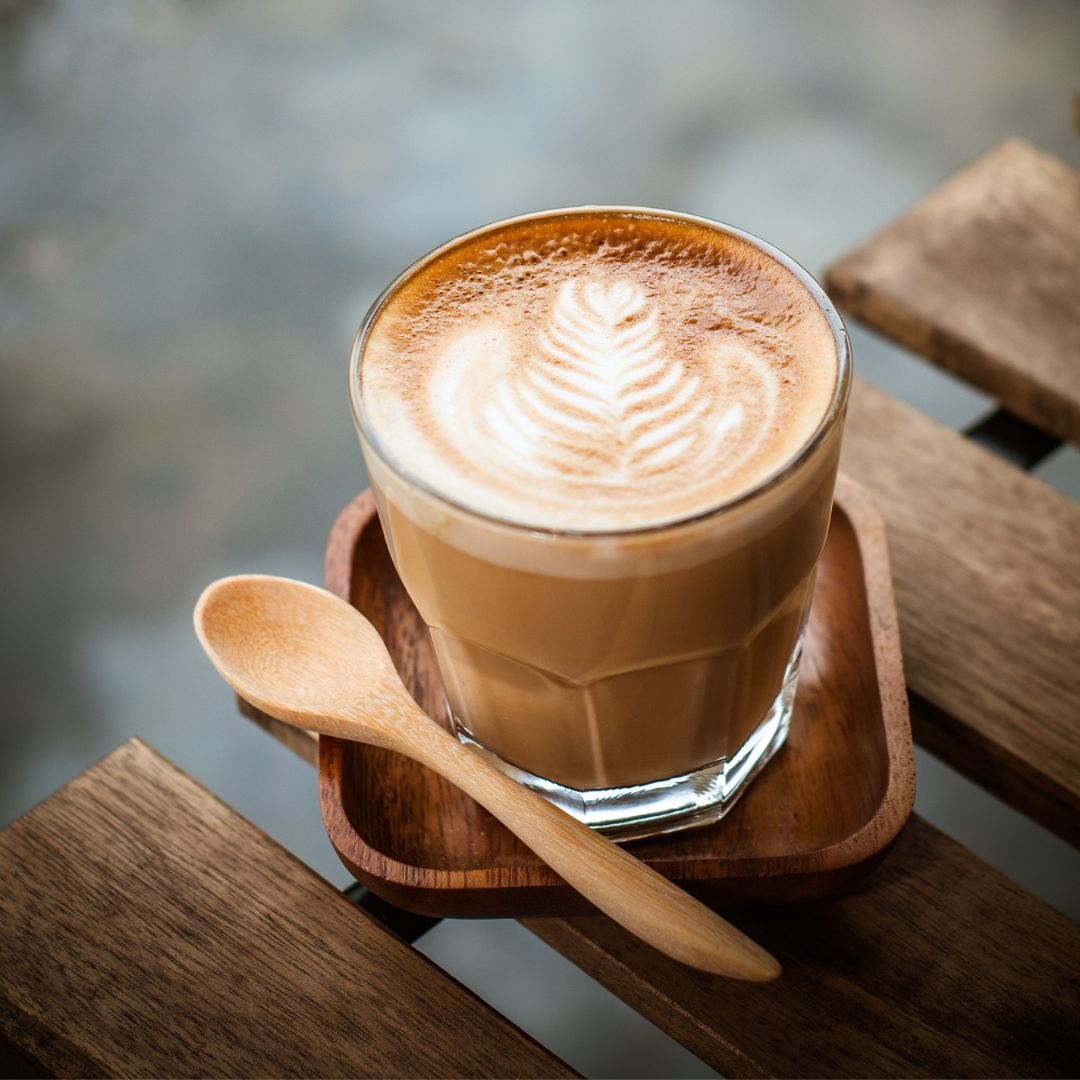
Creamy Cafe Latte with Caramelized Crema


Different Beans, Different Intent
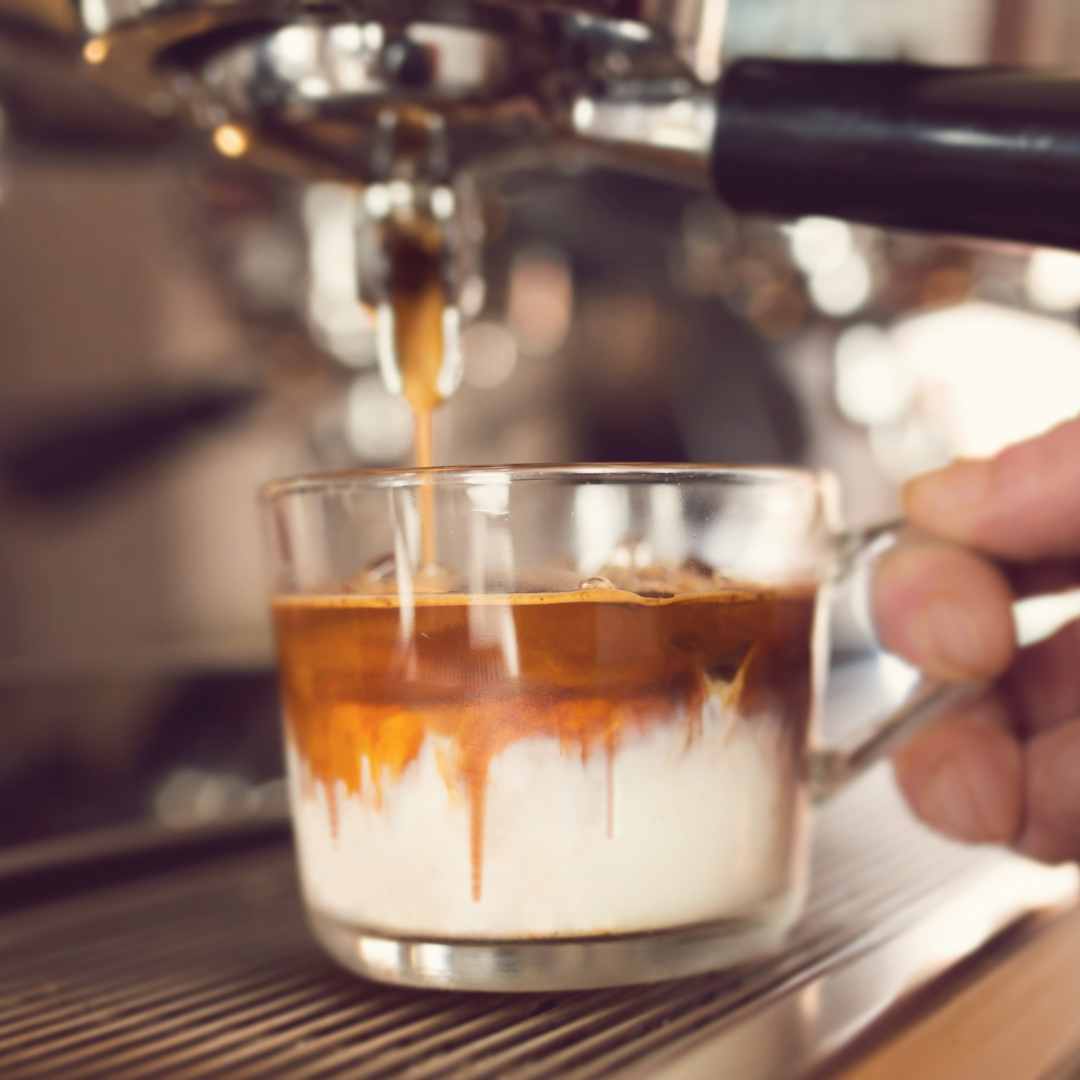
Latte vs Macchiato
Latte vs macchiato is where the beans truly matter. A real Italian cafe latte is built on beans designed for harmony with milk: sweet, structured, and creamy, with caramelized crema. A proper latte macchiato uses a similar philosophy, but demands even more structure and crema stability because the espresso is poured into milk, not the other way around. Chain-style “latte macchiato” drinks miss this entirely, leaning on sugar, syrups, and excess milk to hide weak or poorly roasted beans.
In Italy, we don’t dress up coffee. We choose the right beans from the start and let them do the work.
Same Beans, Different Coffee Grounds
Latte vs Cappuccino
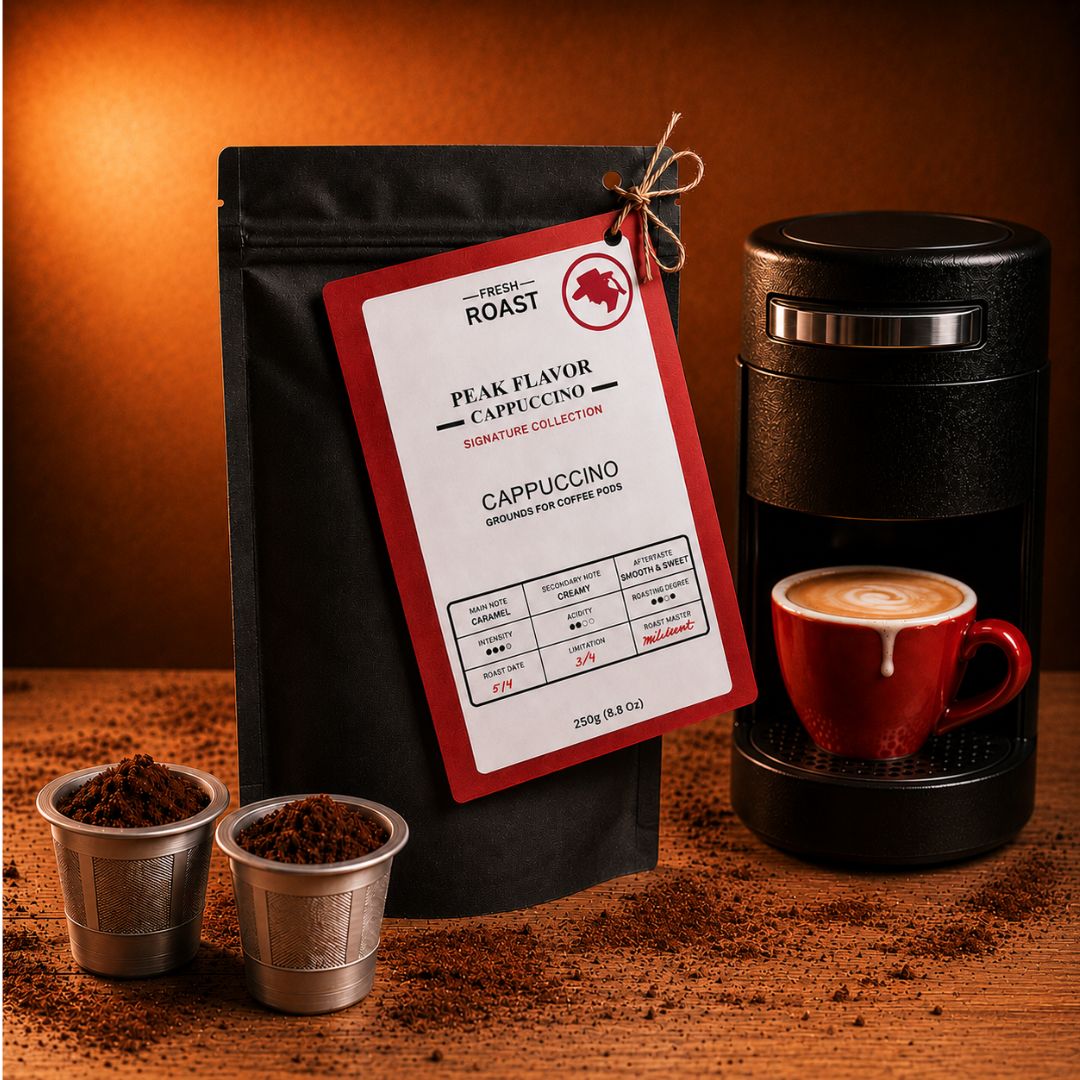
I’m often asked about latte vs cappuccino, and here’s the part most people miss: the key difference isn’t the beans, it’s the grind. Both drinks can use the same latte-focused bean blend, but cappuccino benefits from a slightly coarser espresso grind.
With less milk and more foam, cappuccino allows more espresso clarity, so the grind doesn’t need to push as much body.
A latte, on the other hand, needs a touch finer grind to extract extra sweetness and strength, so the coffee doesn’t disappear into the milk. Same beans, different balance, adjusted at the grinder.
Espresso Crafted for Creamy Cafe Latte
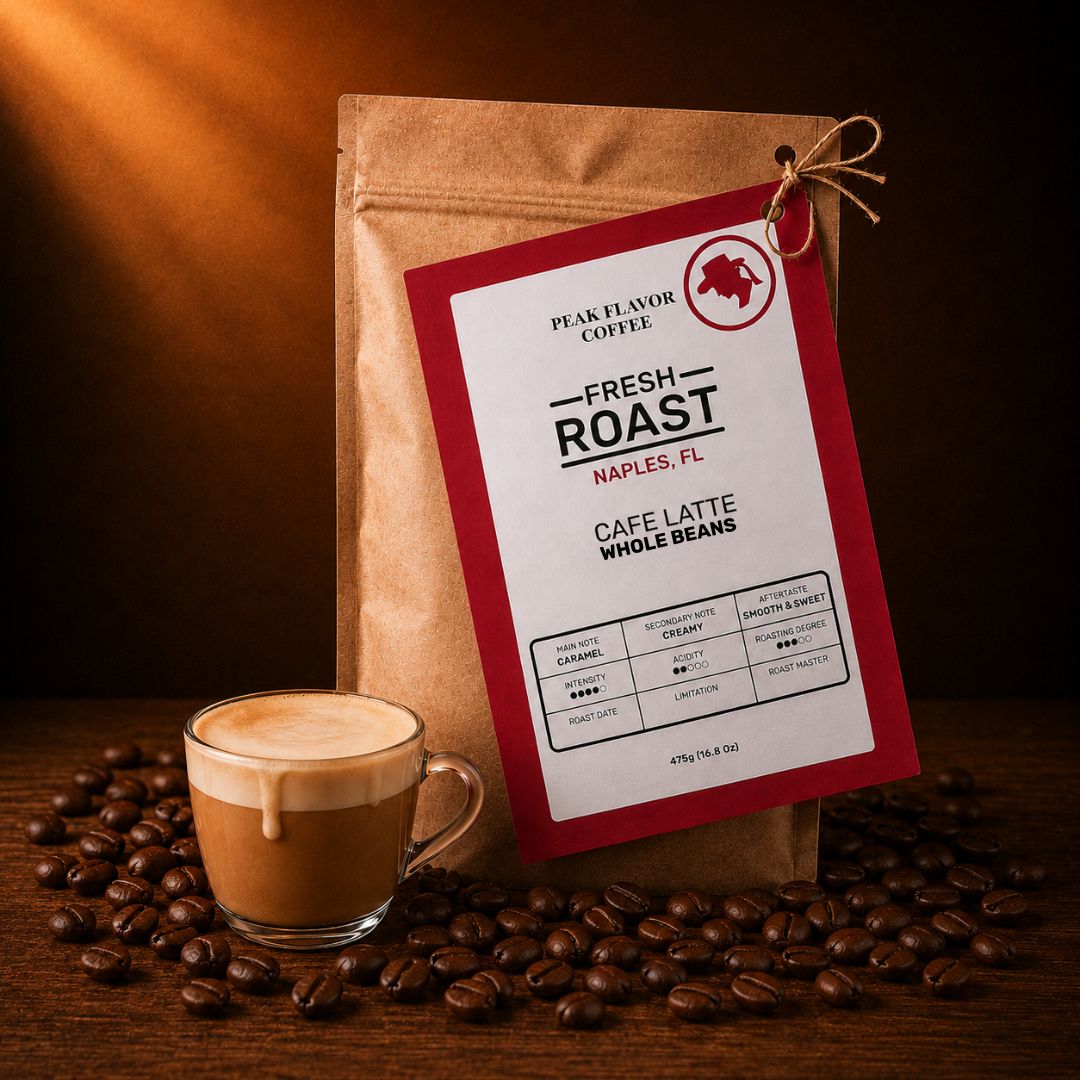
Select Latte Beans or Coffee Grounds
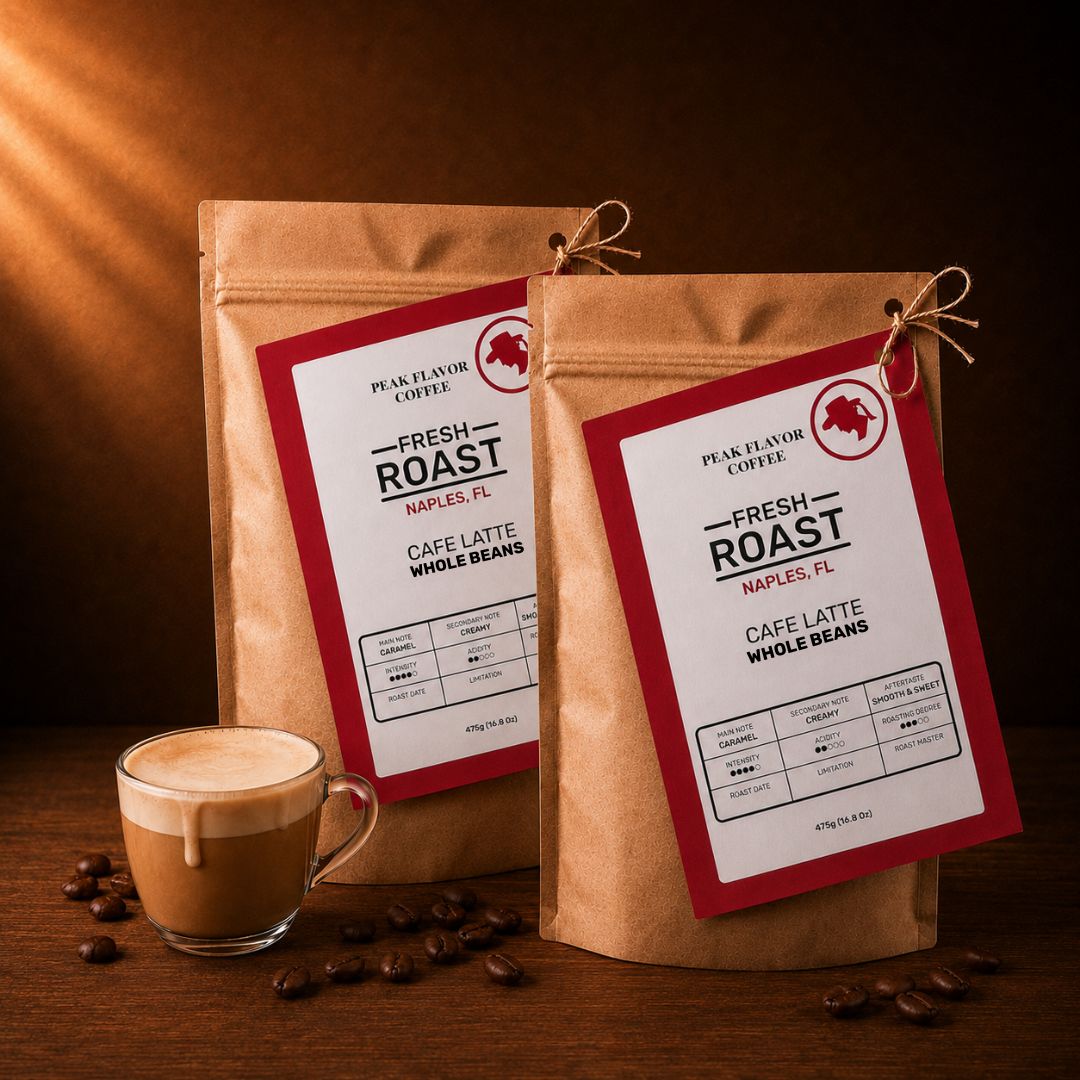
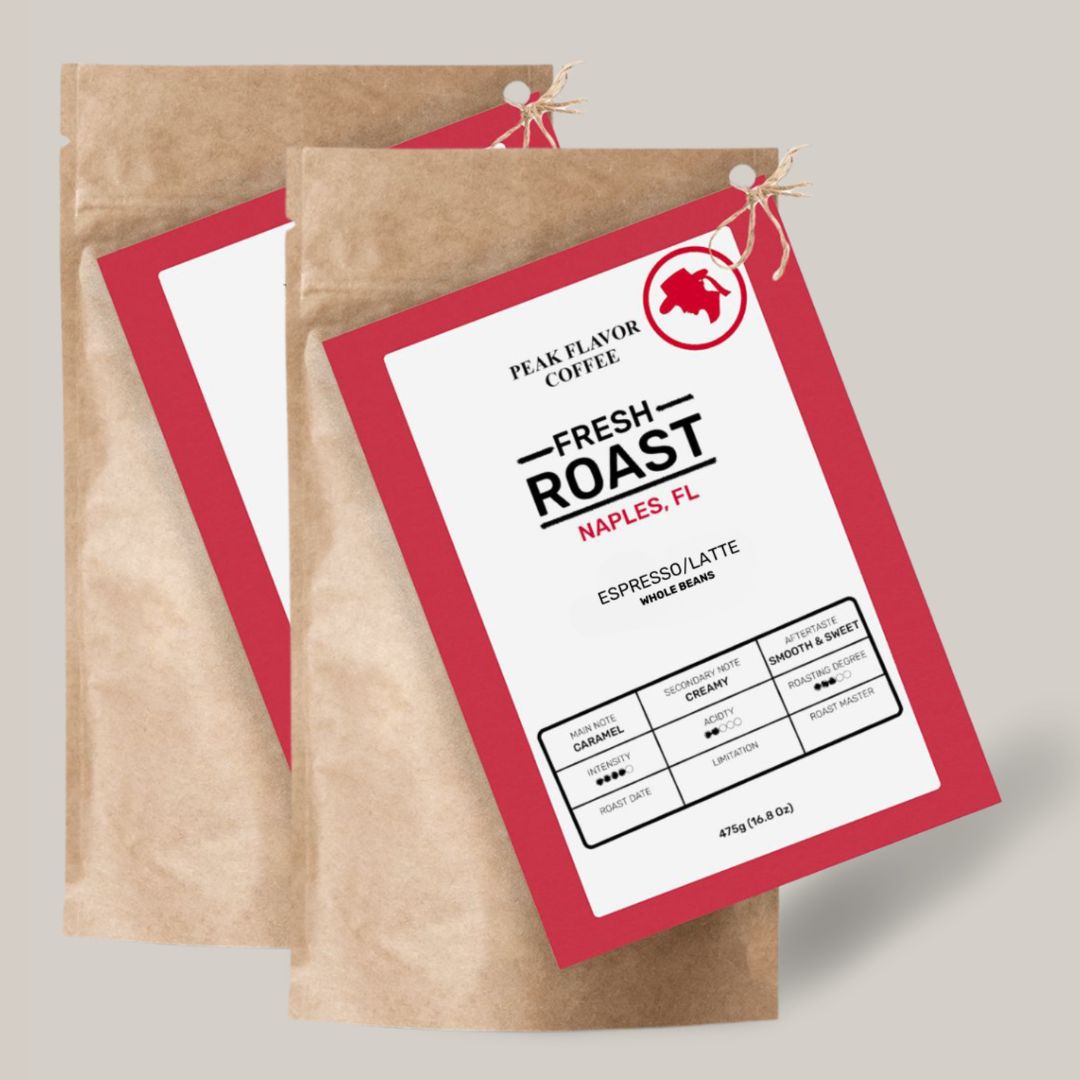
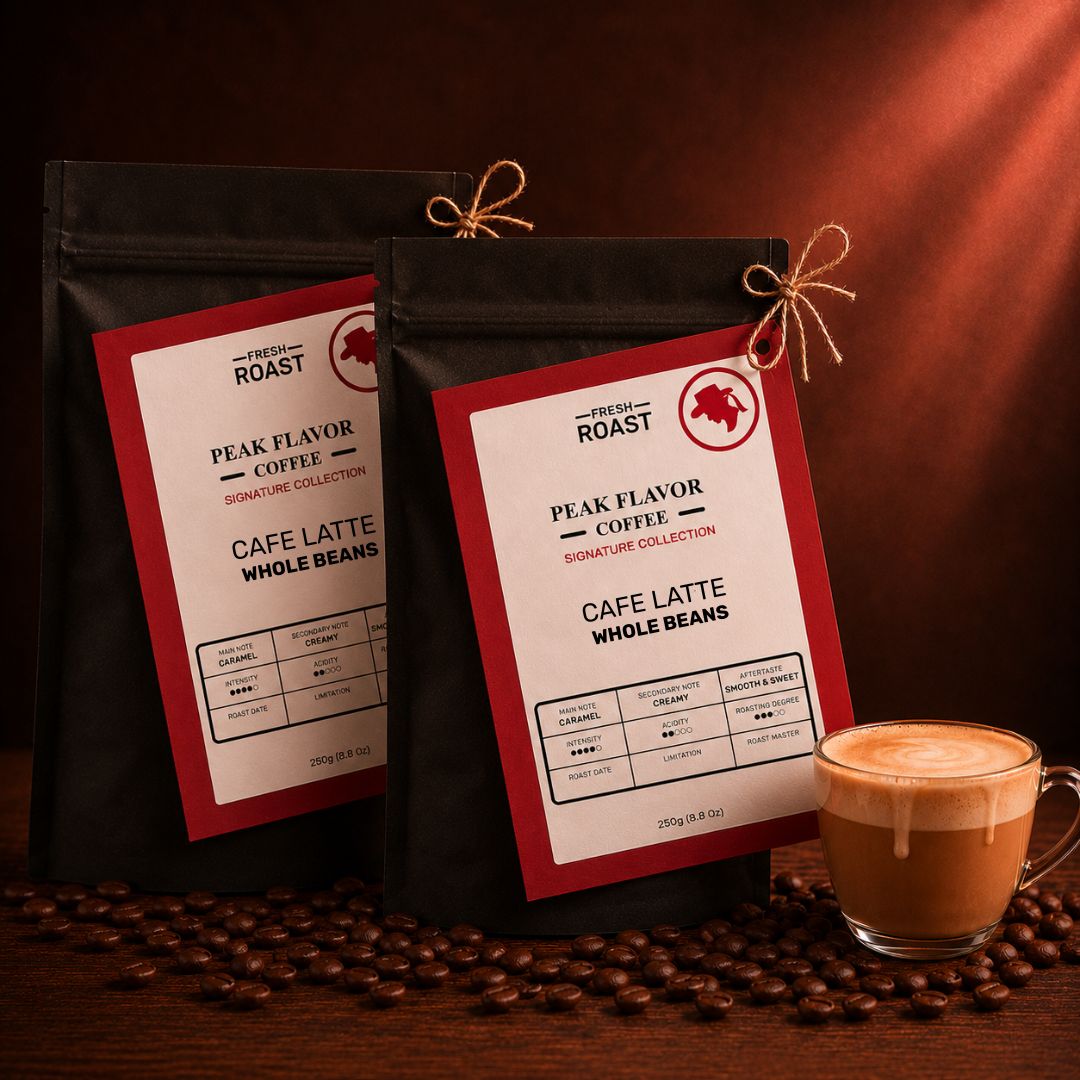
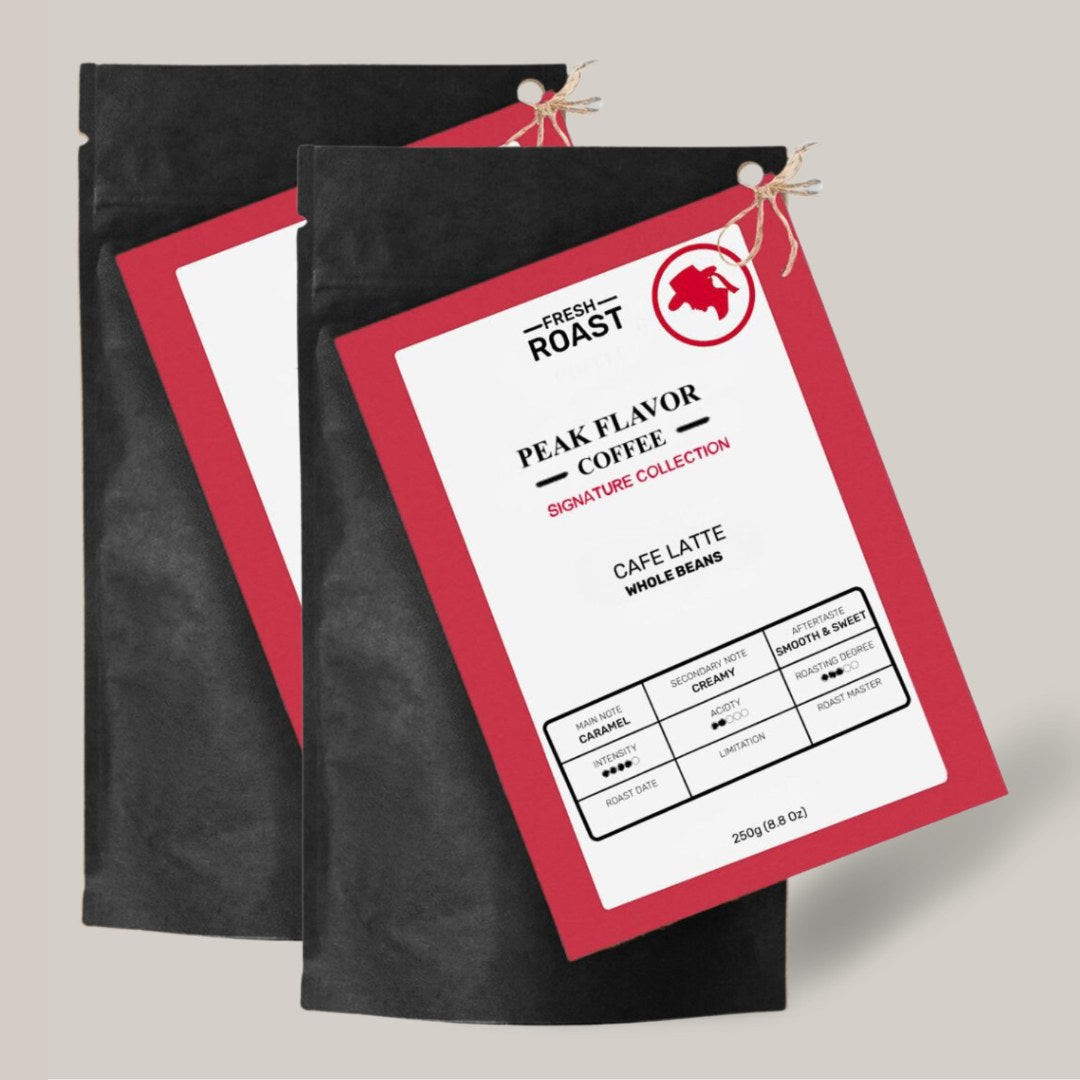
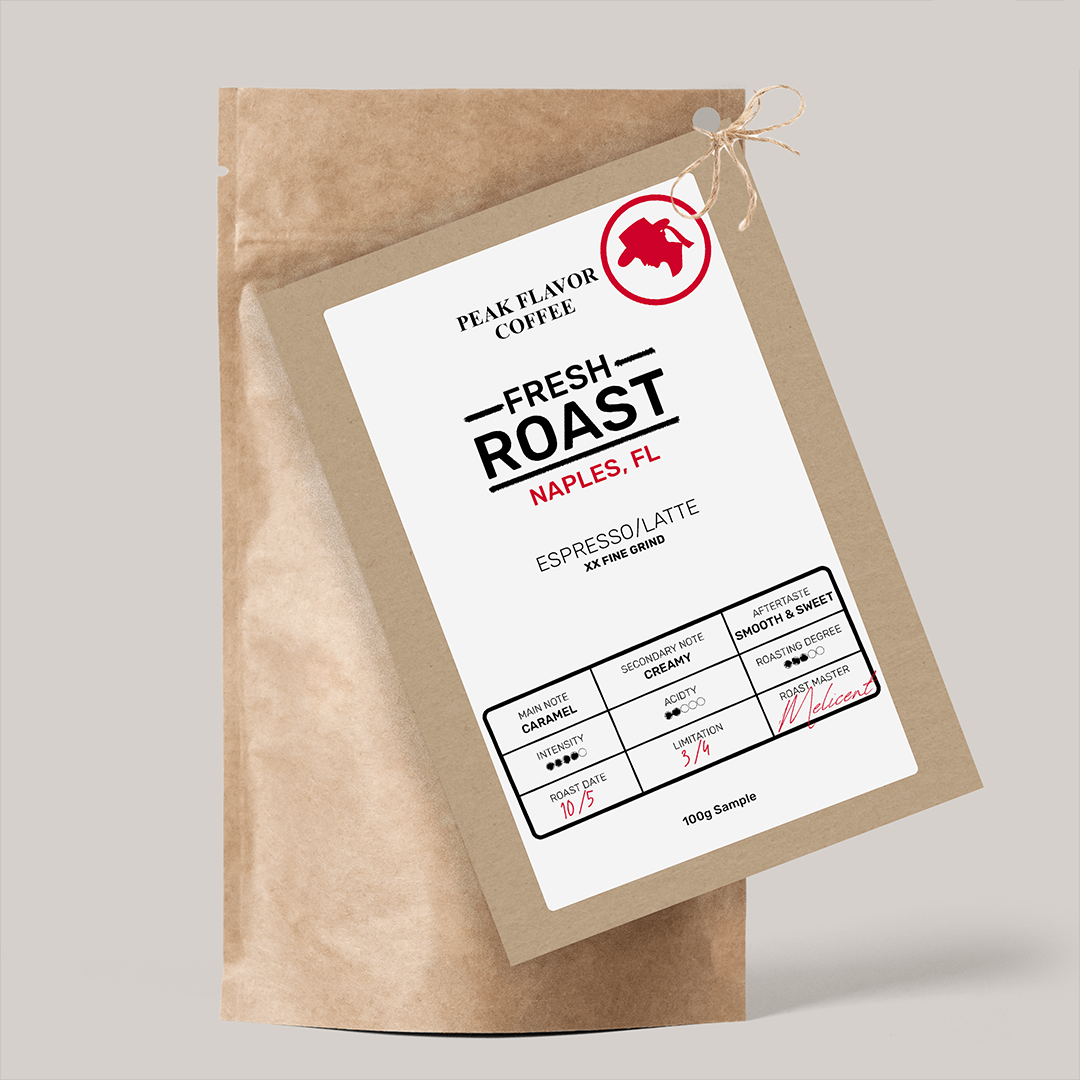
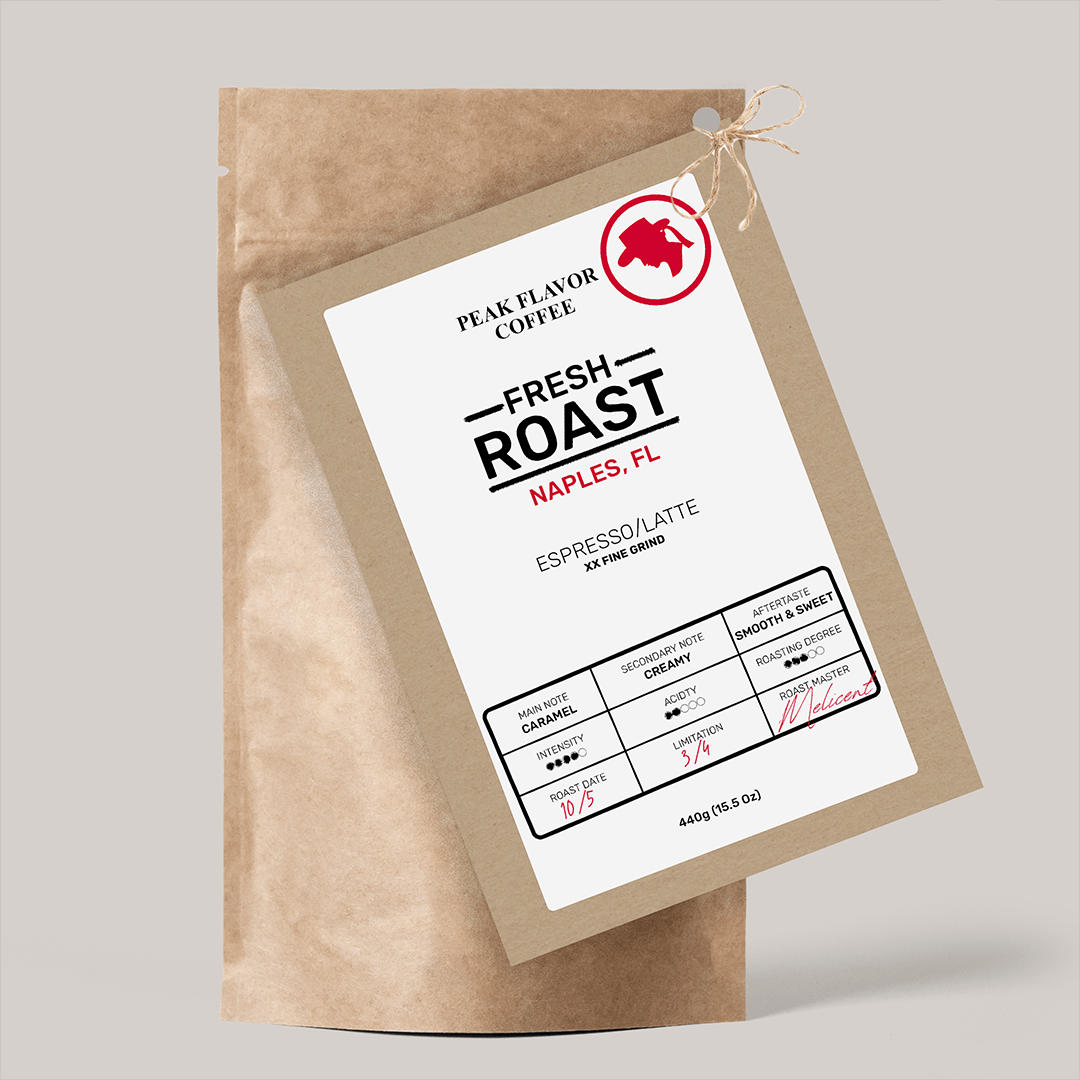
Unlock Peak Flavor Cafe Latte
How We Craft for Creamy Latte
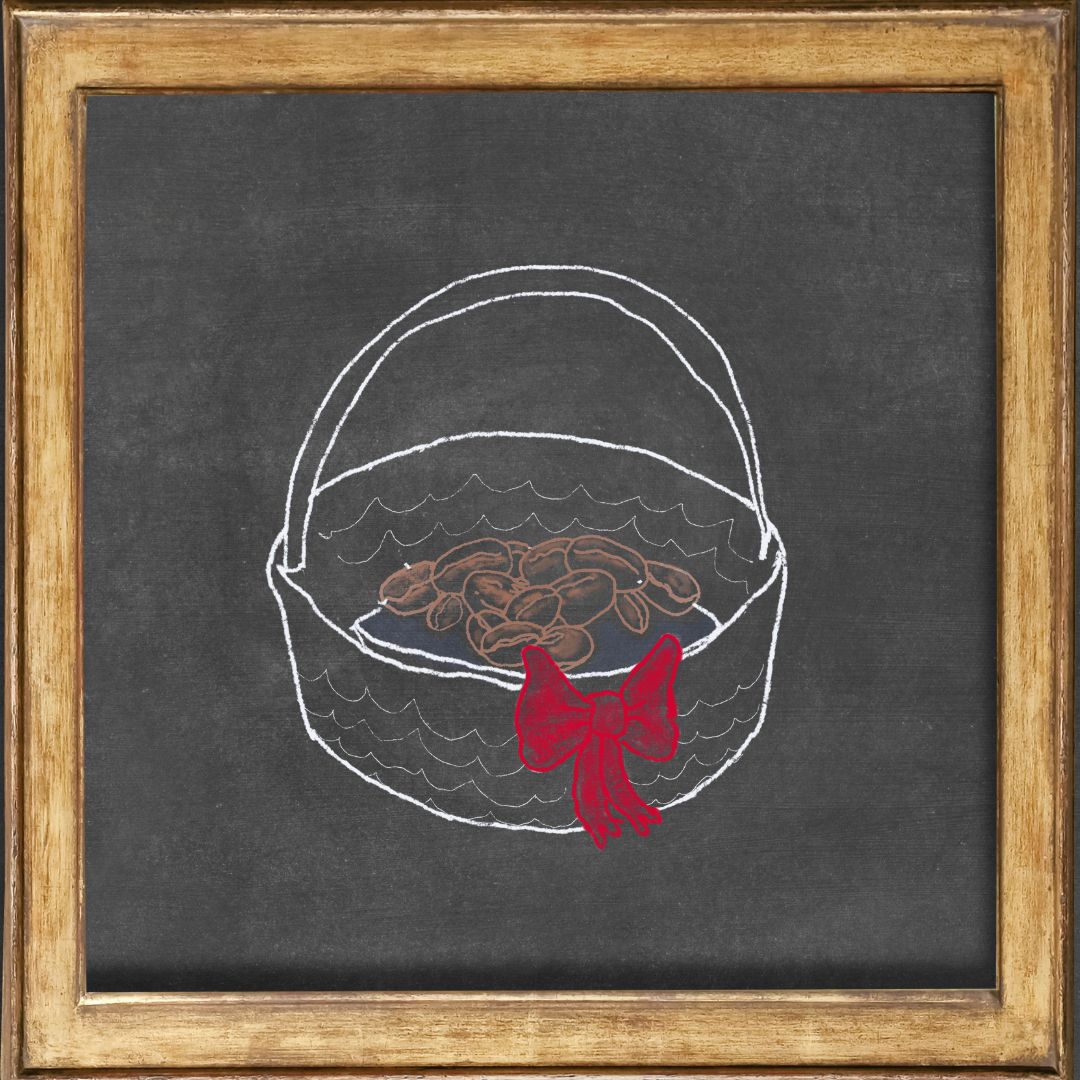
The Ideal Latte Blend
Italian Balance for Creamy, Caramelized Crema
A perfect latte starts with balance. A classic Italian blend of high-altitude Arabica and Robusta, naturally processed and medium-dark roasted, delivers sweetness, body, and stable crema—designed to melt into milk, not fight it.
Freshness Makes Great Latte
Why Time After Roasting Changes Everything
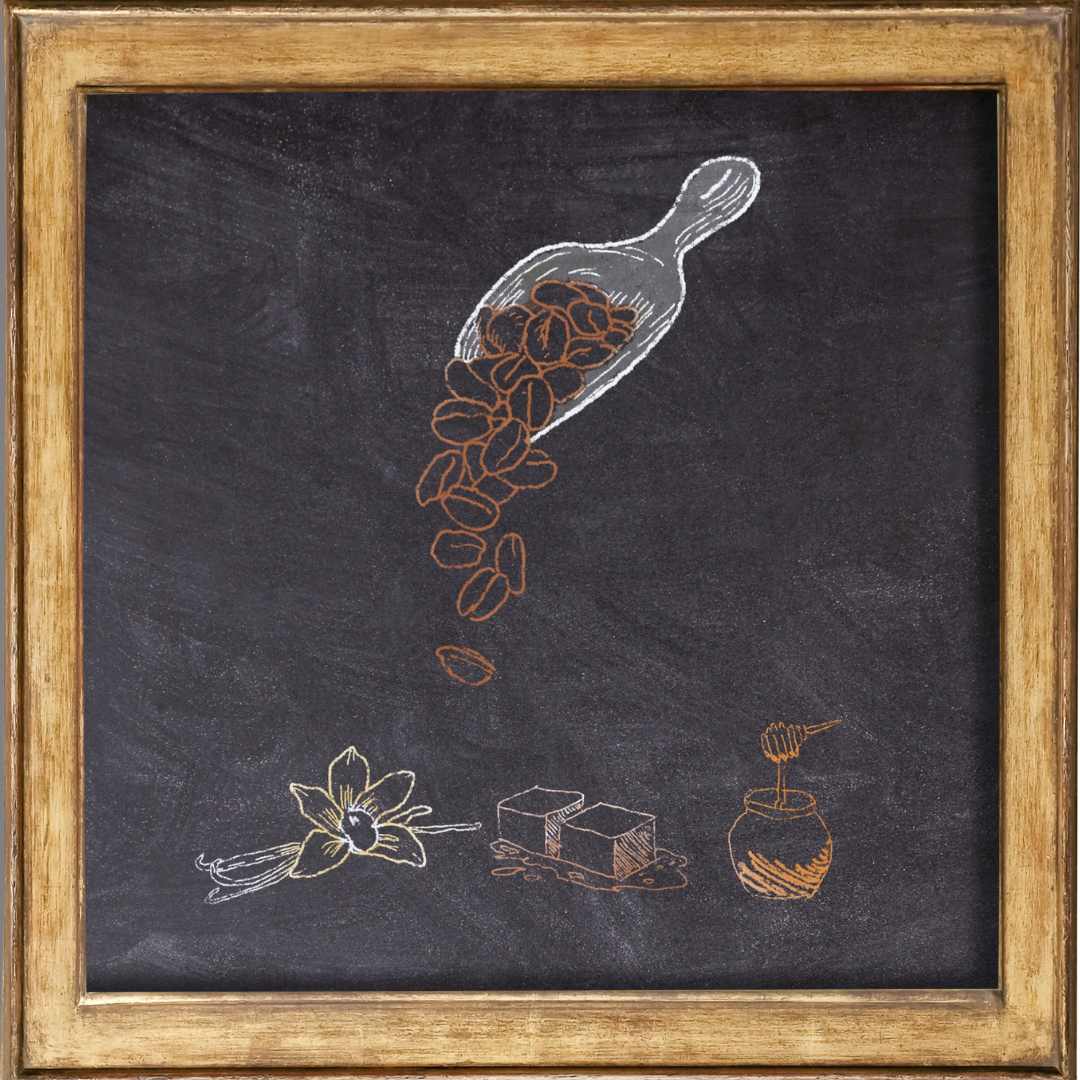
Coffee peaks shortly after roasting, then quickly loses oils, sweetness, and crema through oxidation. For creamy latte, fresh roasted beans are essential. Brew within one week of the roast and enjoy caramel, vanilla, and honey notes.
The Right Grind Size for Creamy Latte
Why Grind Size Decides Everything
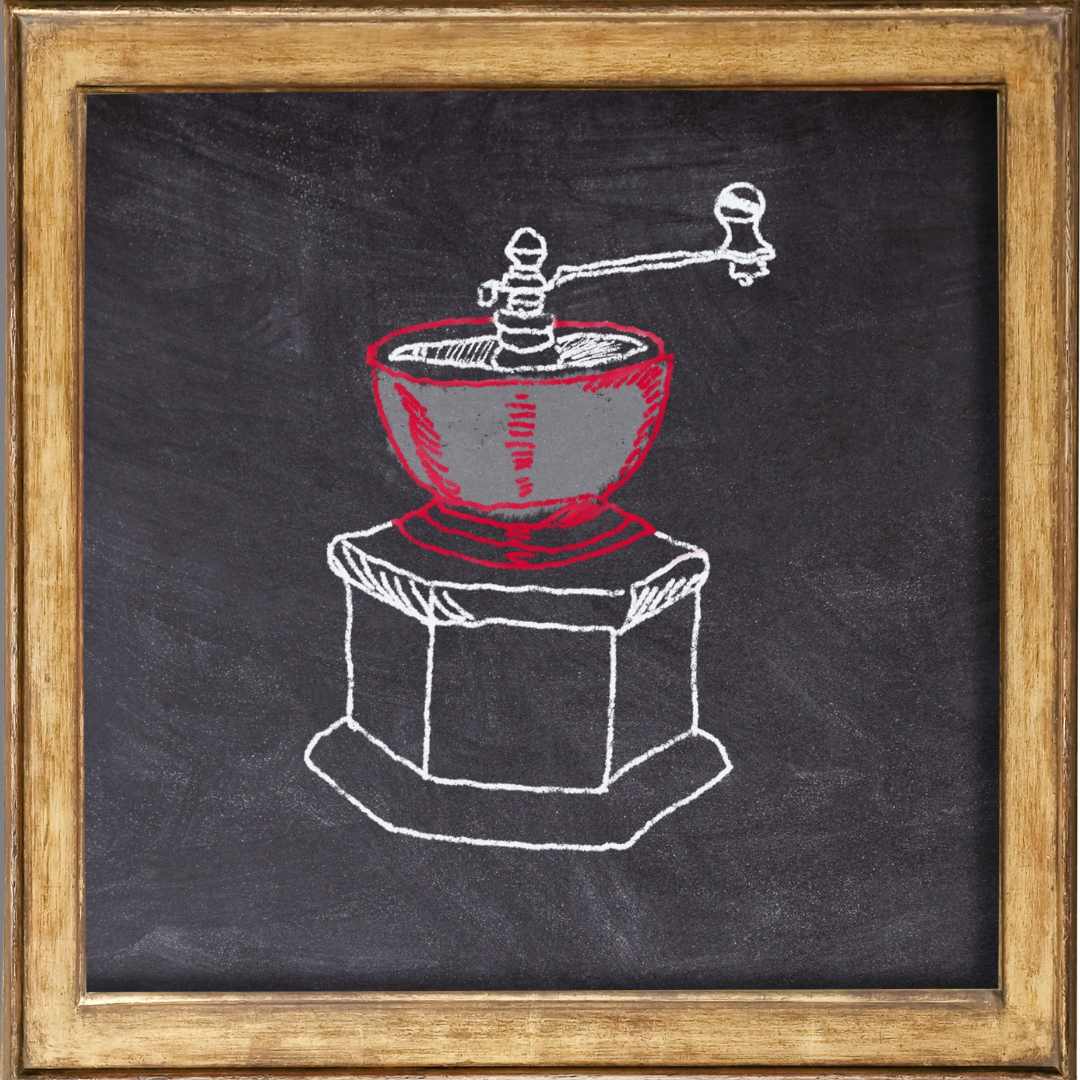
Even perfect beans fail if the grind is wrong. Caffè Latte brewing needs a grind slightly finer than standard espresso. Around 300 microns is ideal. This creates enough extraction strength to stand up to milk without tipping into bitterness.

Roasted to Order, Brewed at Peak
Fast Shipping to Protect Your Flavor
We roast only when you order and ship the same day, so your coffee arrives at peak freshness. This matters most for latte grinds, which oxidize faster. Fresh roasting preserves sweetness, crema, and creamy latte flavor at home.
Creamy Latte - Everywhere You Go
Take Your Latte On-The-Go



Peak Flavor Cafe Latte Reviews
What Coffee Lovers Say

Best Cafe Latte Beans
Read what coffee lovers say about the difference between café latte and café au lait.

A Fresh Roast is Delicious
Brew within 7 days of the roast date is the easiest way to brew creamy latte with caramelized crema.

Real Cafe Latte ... Love it!
This is the Real Deal! Read what latte lovers say about real latte.


Espresso Made for Creamy Cafe Latte with Caramelized Crema
Not all espresso is meant for milk
Here’s the uncomfortable truth latte lovers eventually discover: many espresso beans and espresso grounds are designed to shine alone. They’re bright, acidic, floral, and stunning as straight shots. Add milk, and those same qualities collapse. The latte tastes hollow, sharp, or oddly bitter.
Italian coffee culture solved this long ago. Milk-based drinks demand structure, sweetness, and oils that survive dilution. That’s why traditional Italian coffee blends look nothing like trendy single-origin espresso. Latte is not weaker coffee. It’s a different job.
Why Creamy Latte Has Caramelized Crema
Coffee science confirms that rich crema and creamy mouthfeel come from coffee oils, trapped CO₂, and caramelized compounds formed during roasting. Medium-dark Italian-style roasts and small amounts of Robusta increase crema thickness and stability, especially in milk-based drinks. Fresh roasting is essential, as these compounds degrade quickly over time. Read more about the science of espresso quality.
Crafting Great Latte Made Easy
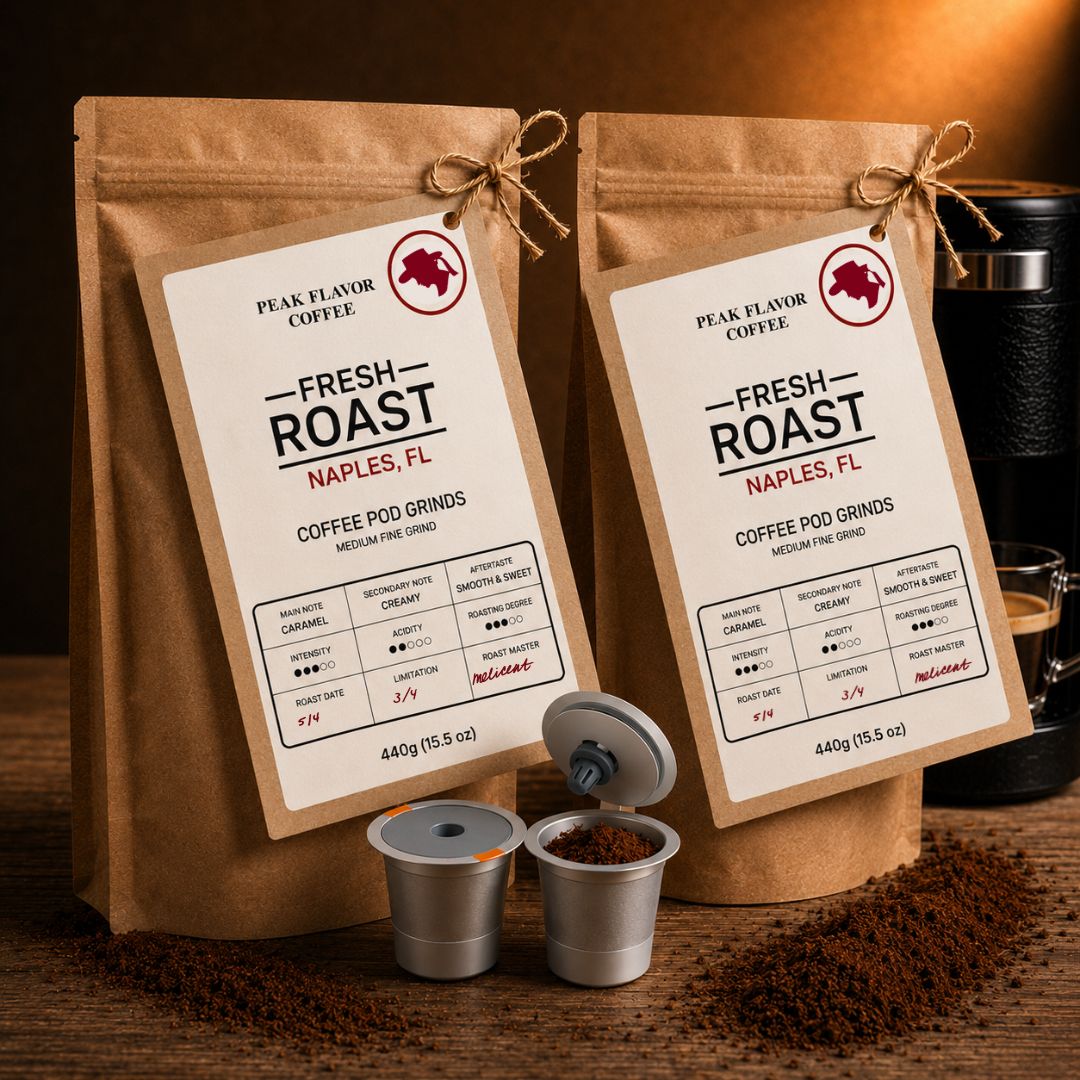
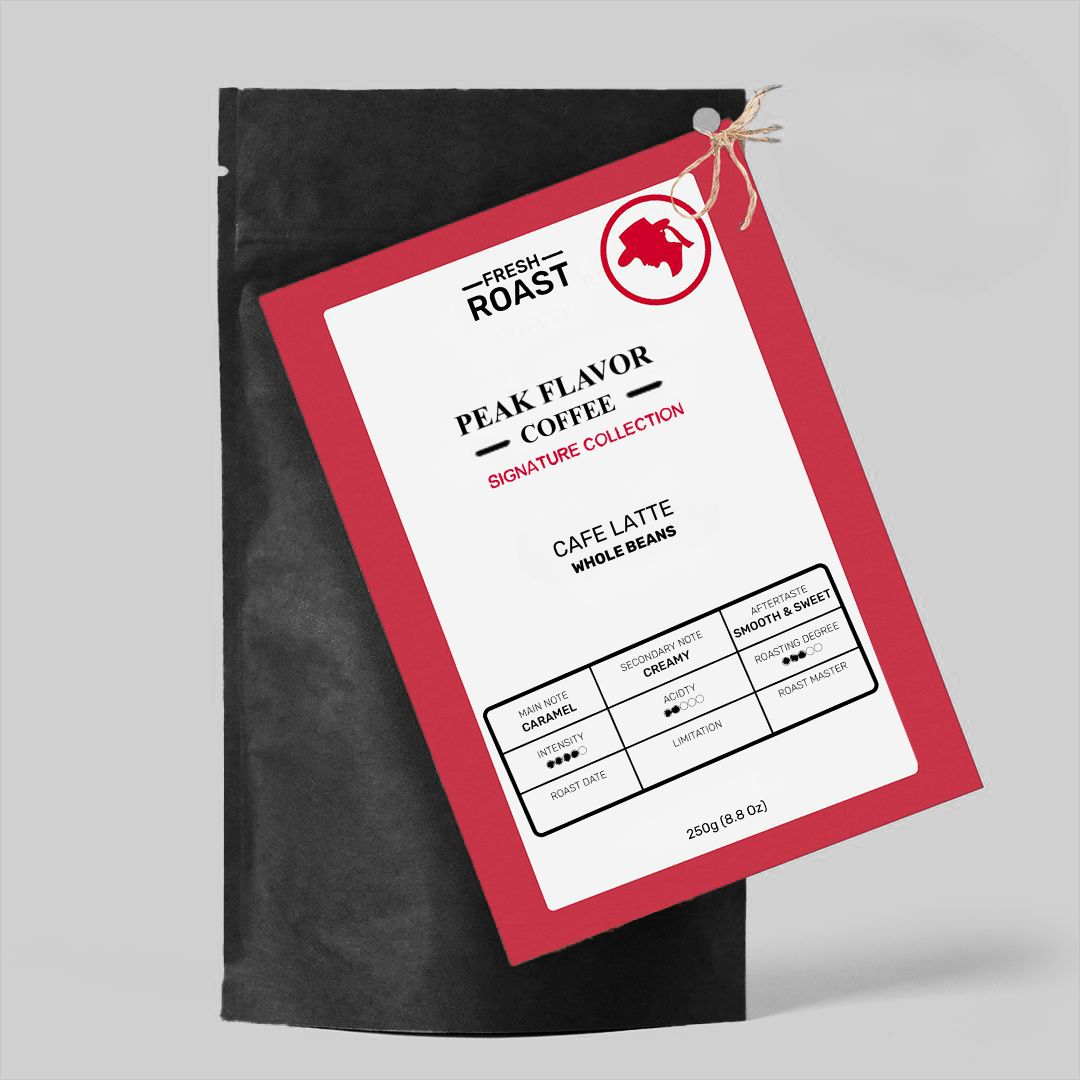
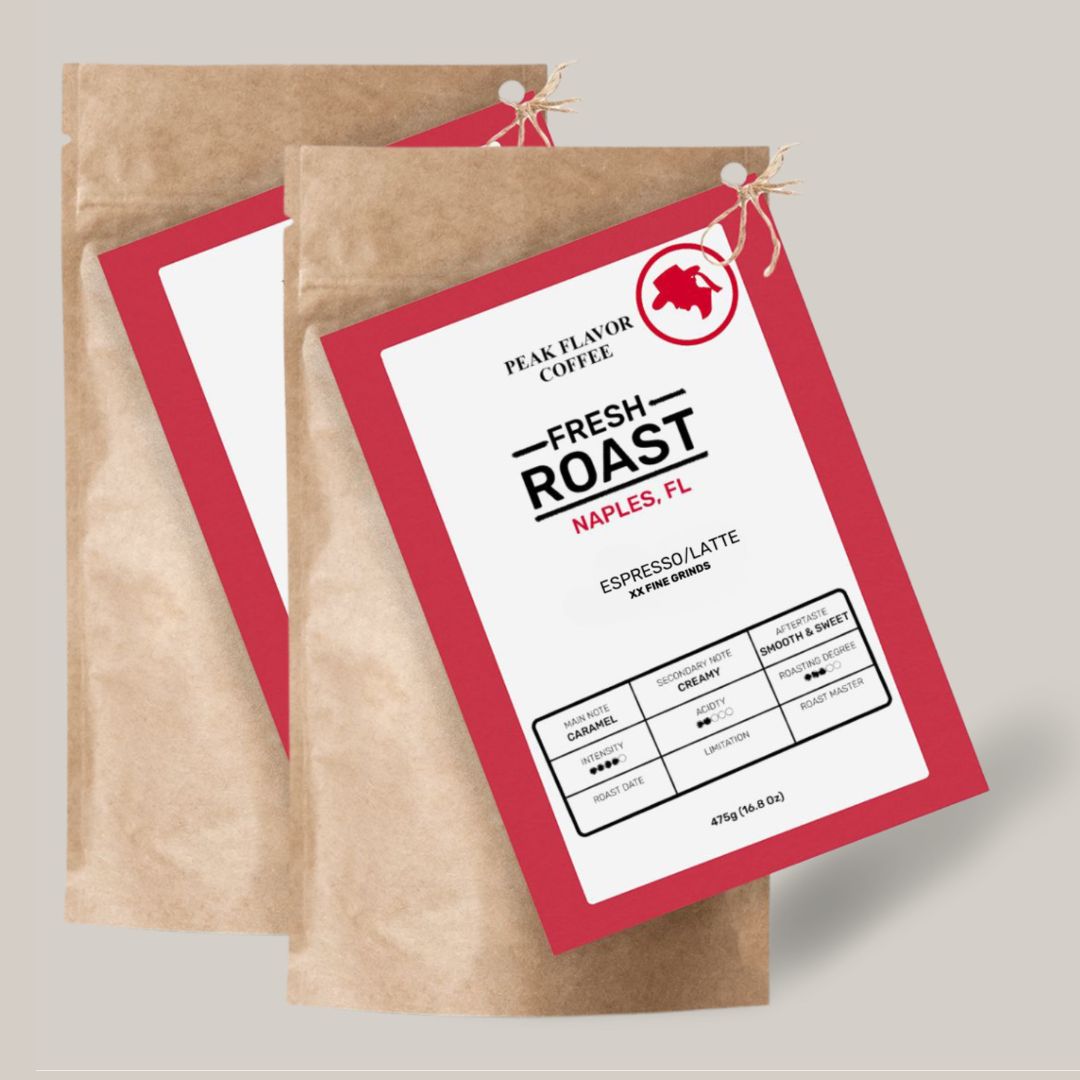
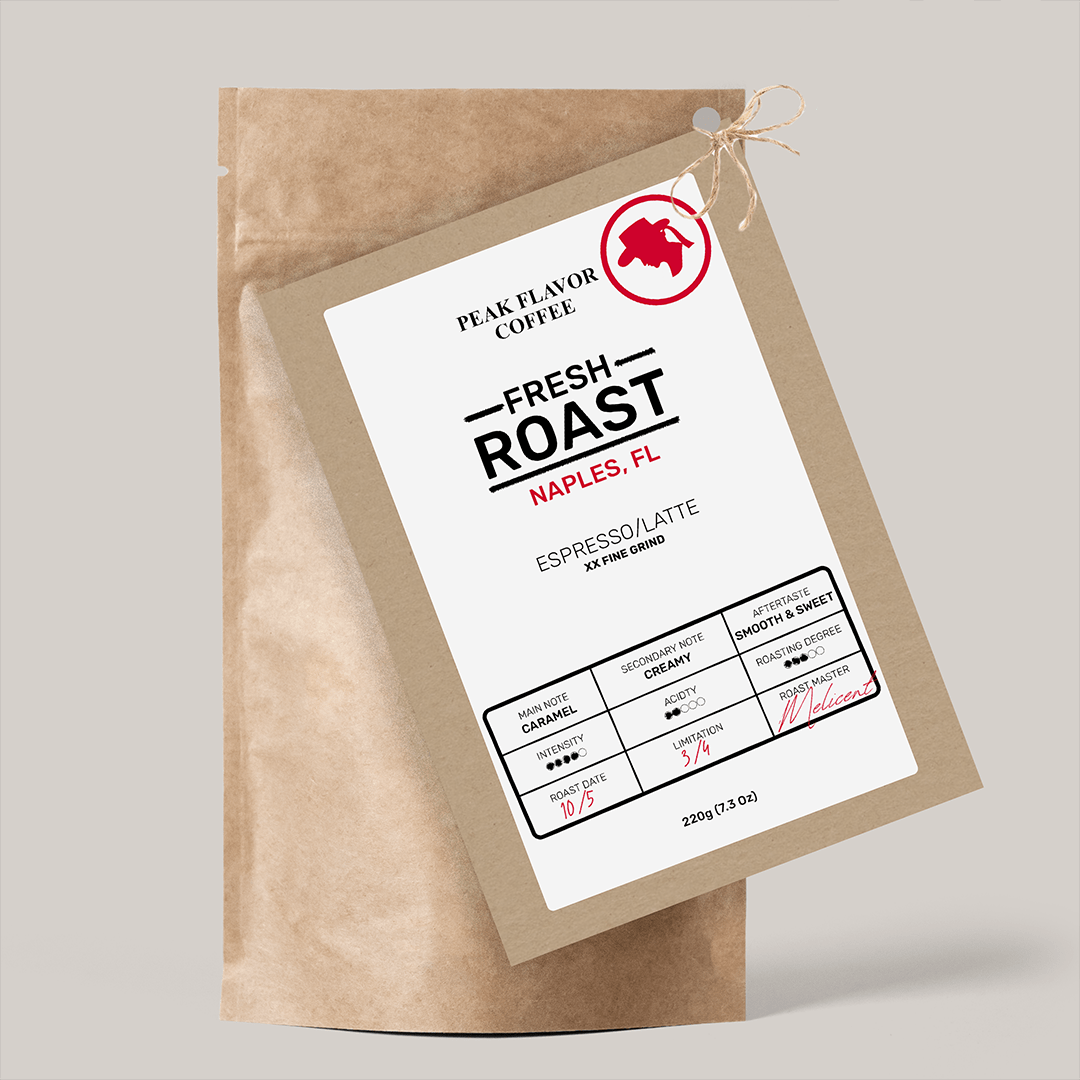
Coffee Grounds Made for Cafe Latte

Why Coffee Bean Blend Matters?
The Perfect Latte Coffee Bean Blend
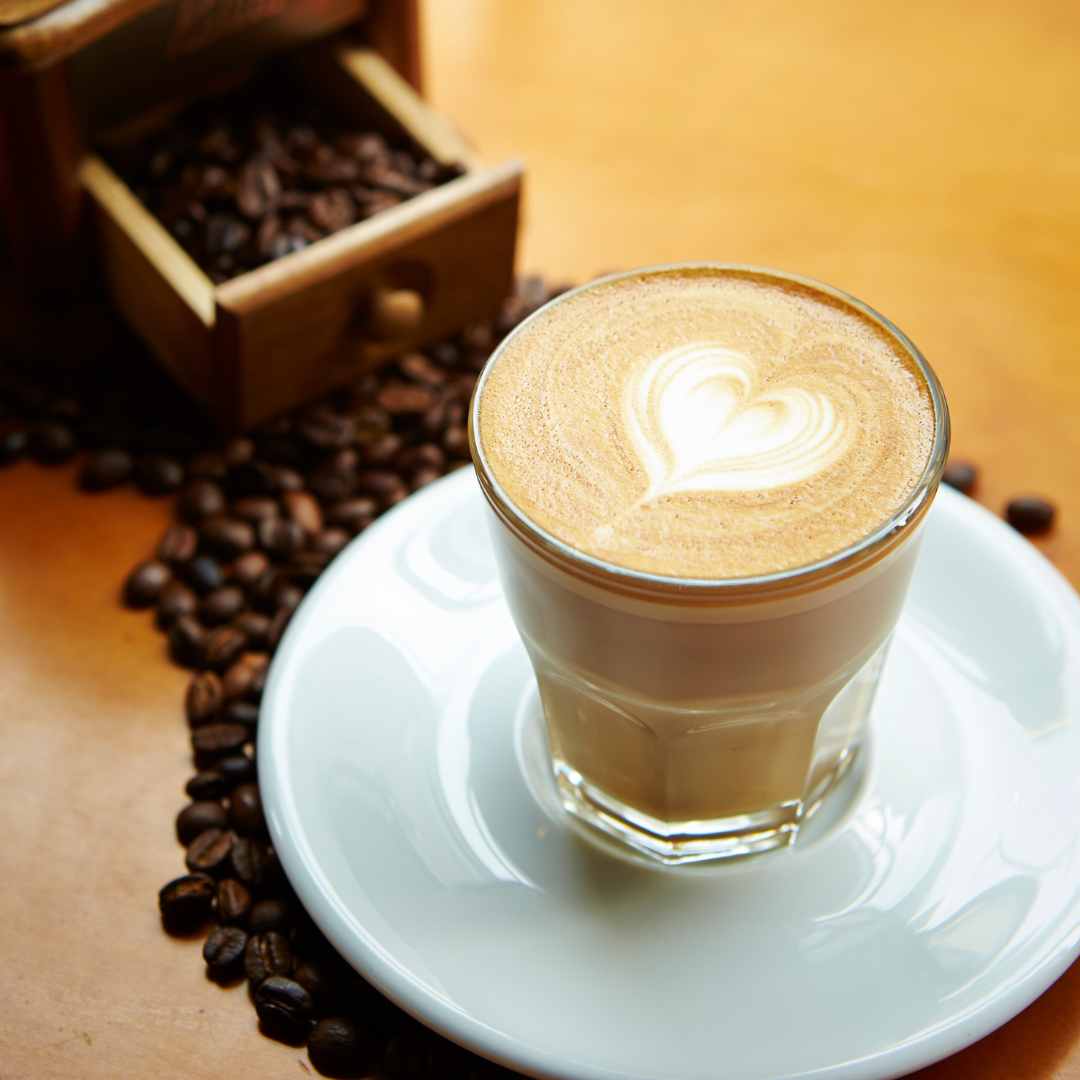
If your goal is a creamy latte with caramelized crema, the bean blend matters more than origin prestige.
Arabica and Robusta, working together
The best latte coffee beans are a blend, not a compromise. I design ours around roughly 70–80% Arabica and 20–30% Robusta. Arabica brings natural sweetness, soft acidity, and flavors like caramel and chocolate. Robusta adds body, strength, and the thick crema milk loves.
This is classic Italian espresso thinking. Without Robusta beans, milk-based espresso drinks often taste thin. With too much, they turn harsh. Balance is everything.
High-altitude beans for natural sweetness
High-altitude Arabica beans mature slowly, developing more sugars. During roasting, those sugars caramelize instead of burning. That’s where the natural caramel note in a creamy latte comes from. Low-altitude beans can be bold, but they rarely melt into milk gracefully.
Natural processing for body and crema
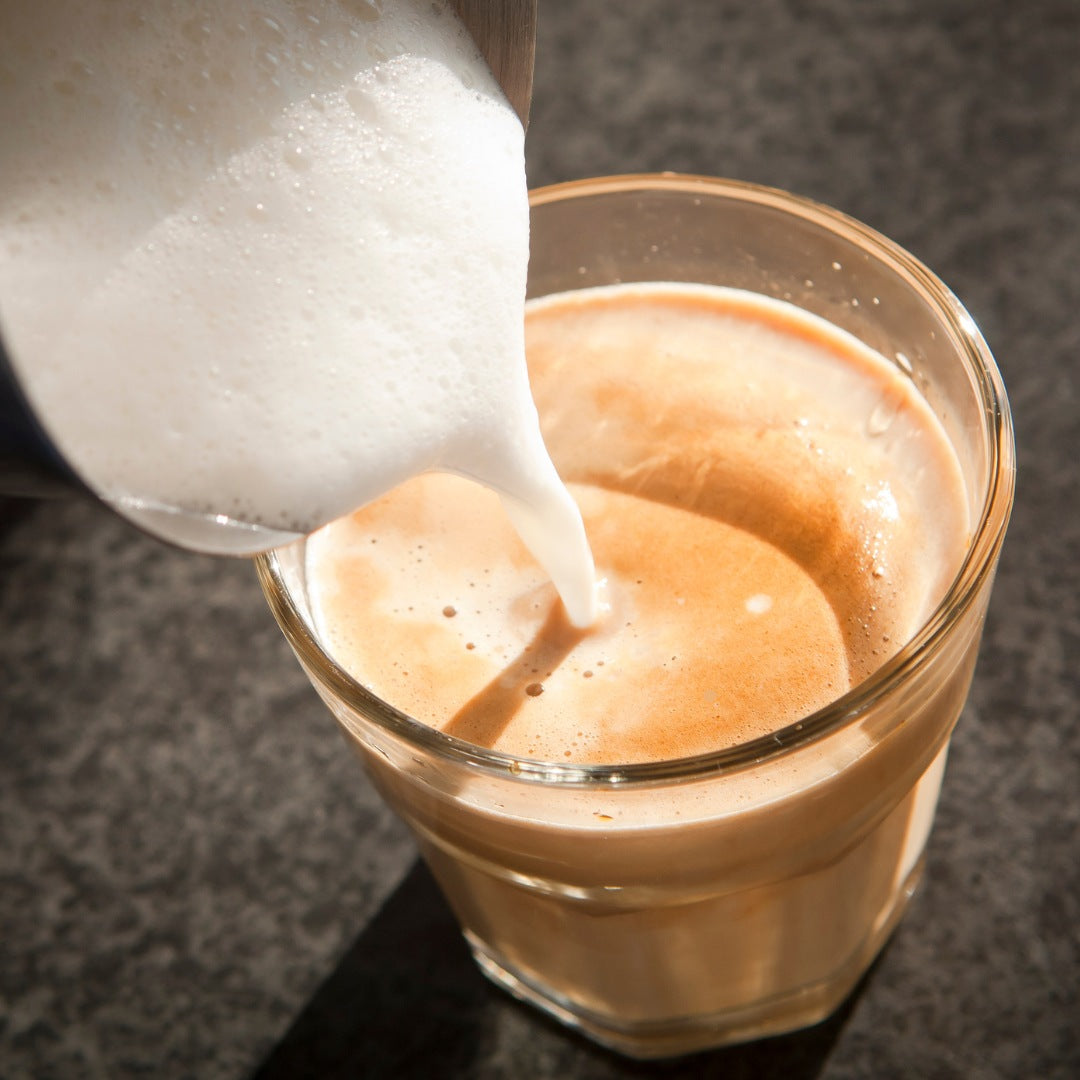
Natural processed beans retain more natural coffee oils. Those oils build mouthfeel, stabilize crema, and soften bitterness. For latte macchiato, where espresso is poured into milk, this oil-rich structure is essential. It’s the difference between full bodied harmony and watery separation.
Medium-dark roast, Italian style
Some coffee drinkers prefer blond roasts. But light roasts turn sour in milk. Dark roasts taste burnt. The sweet spot is medium-dark, just before bitterness takes over. This roast unlocks cocoa, toasted nuts, and caramel tones that milk amplifies instead of hides. That’s Italian espresso logic, not trend-chasing.
Latte Beans & Airtight Coffee Storage
Protecting Latte Coffee Beans



Why A Fresh Roast Matters?
Freshness Is Not Optional
This was my biggest “aha” moment. Coffee starts degrading immediately after roasting. Oils oxidize. Crema weakens. Sweetness fades.
For creamy latte results, beans should be freshly roasted and brewed within weeks, not months. Forget supermarket dates. Fresh coffee is the difference between flat and luxurious. This is non-negotiable when brewing milk drinks from espresso shots.
Any coffee roast reaches it's Peak Flavor after about 8 days. Good coffee taste lasts for about 7 days.
After that, flavor gets worse due to oxidation, no matter how well you package or store the roast. After about 20 days, bitterness develops and your coffee needs sugar or artificial sweetener to mask an old roast. Grocery store coffee is often 120 days past its roast date.
About Grind Size Consistency
Why Grind Size Decides Everything
Espresso extraction research shows that grind size controls sweetness, strength, and bitterness. Uniform grinding produces balanced extraction and natural sweetness, while inconsistent grounds cause sourness and bitterness at the same time.
Milk amplifies these flaws, which is why latte brewing requires precise, consistent grind sizes rather than generic espresso grounds.
Consistency matters just as much. Inconsistent grounds cause over- and under-extraction at the same time. That’s why professional burr grinders matter so much.
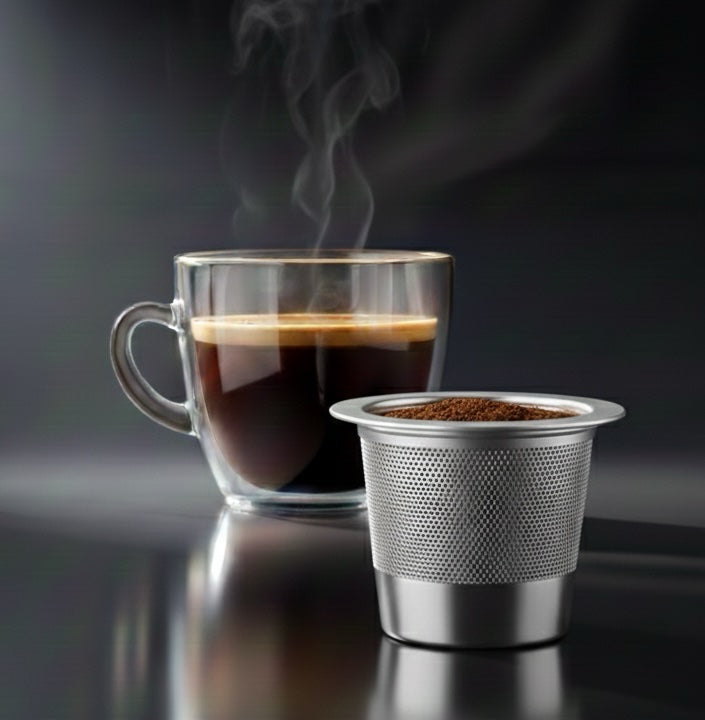
If you own a home coffee grinder, buy whole latte beans and grind fresh. If you don’t, properly crafted latte coffee grounds are your best friend.
Creamy Comfort - Crafted by Coffee Lovers
Final Sip and Invitation
Final Sip and Invitation
If you are a coffee lover in search of creamy comfort, stop forcing delicate espresso beans or generic espresso grounds to do a job they weren’t designed for. Milk deserves structure, sweetness, and freshness.
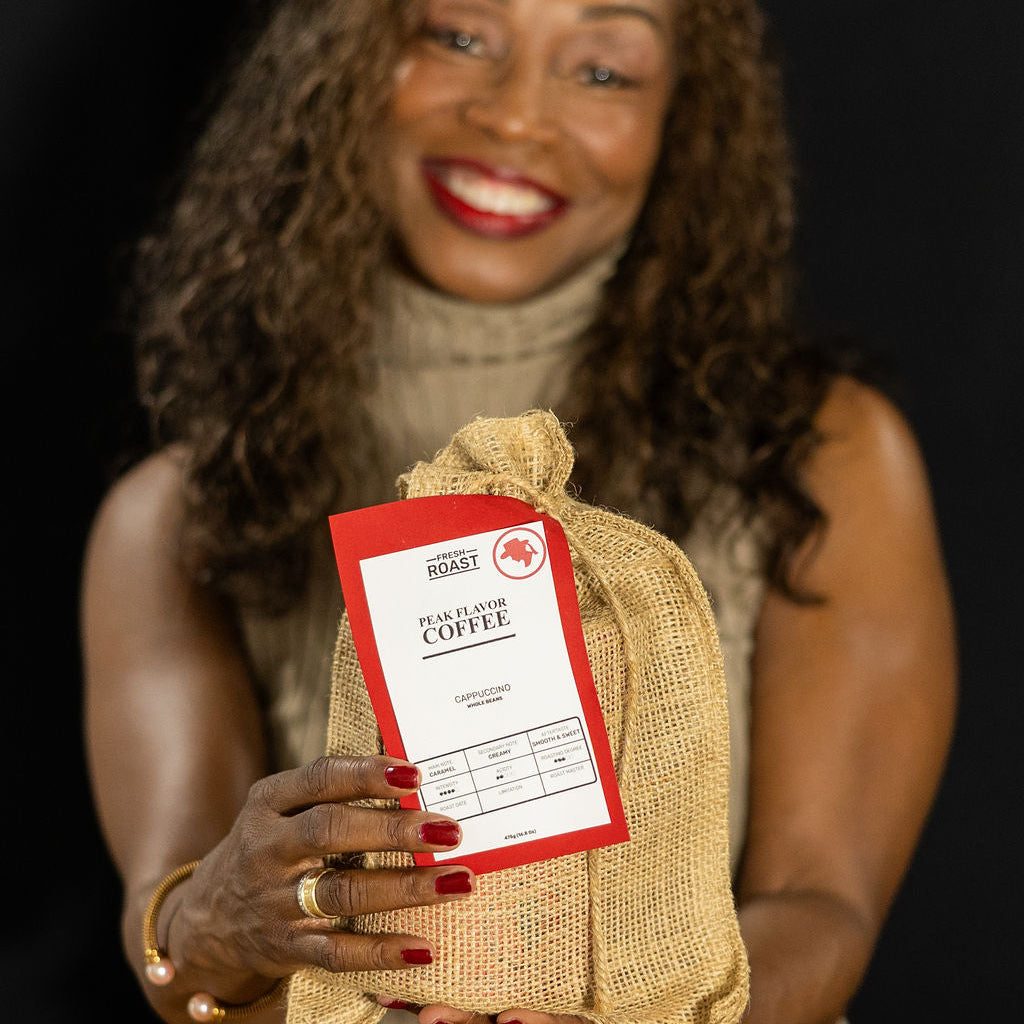
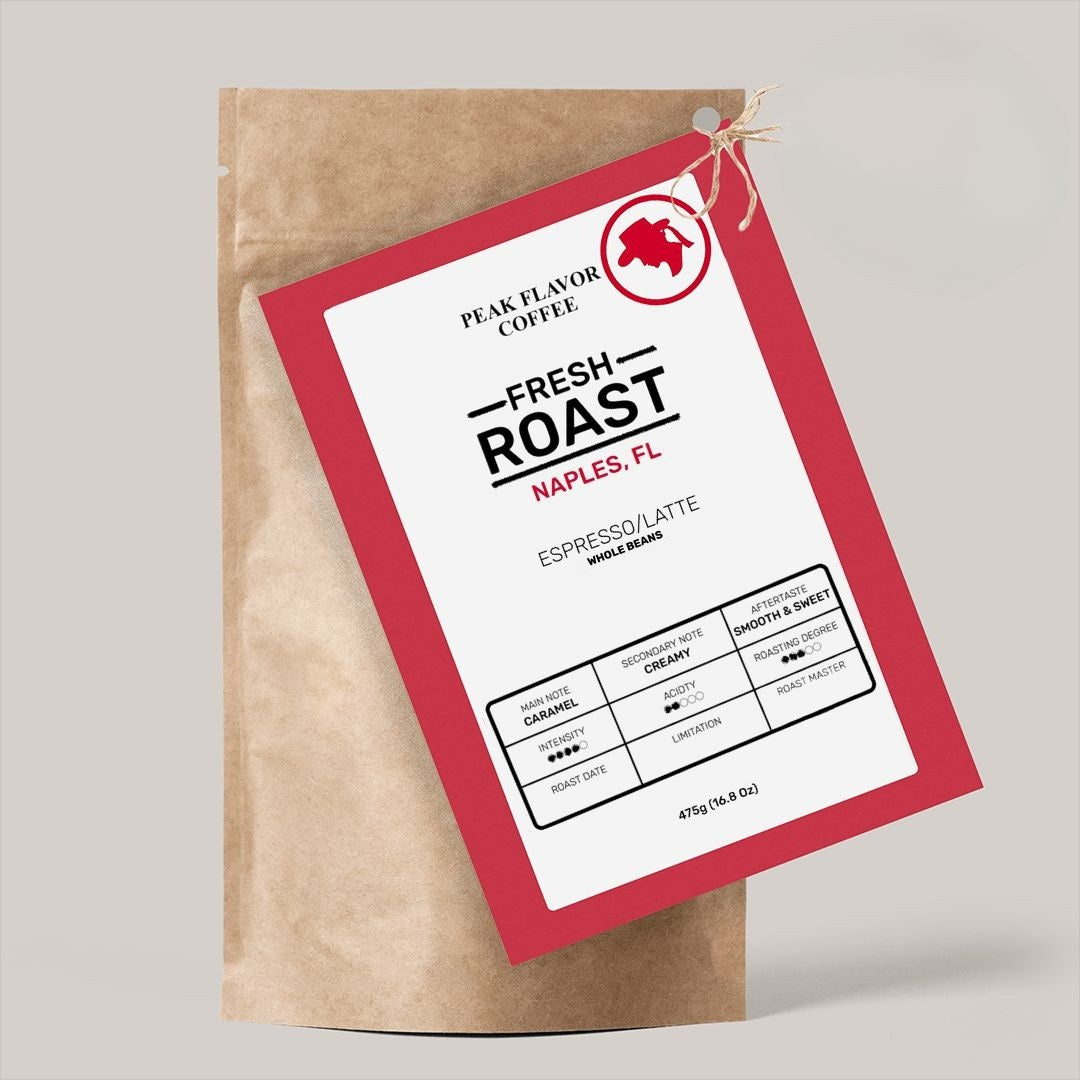
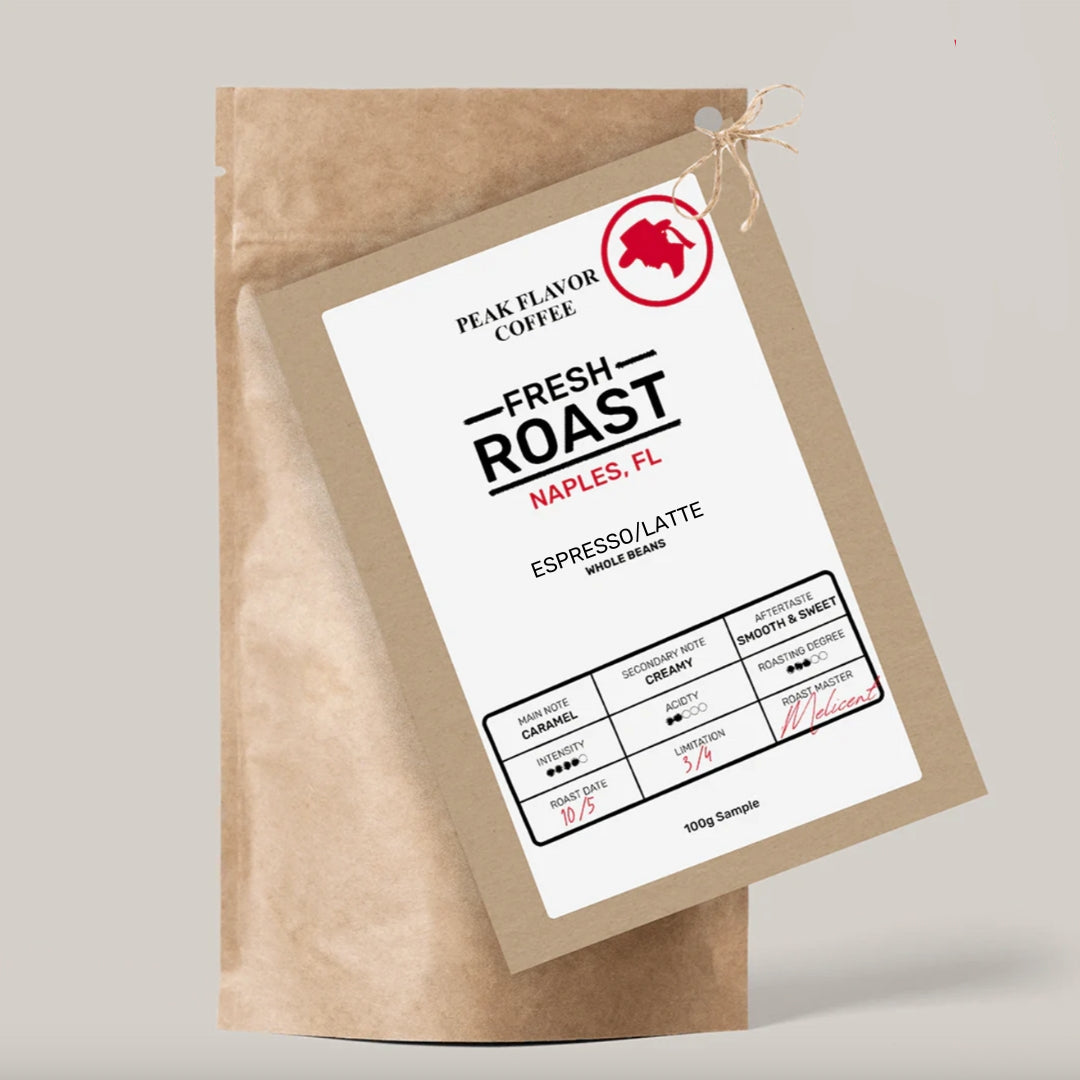
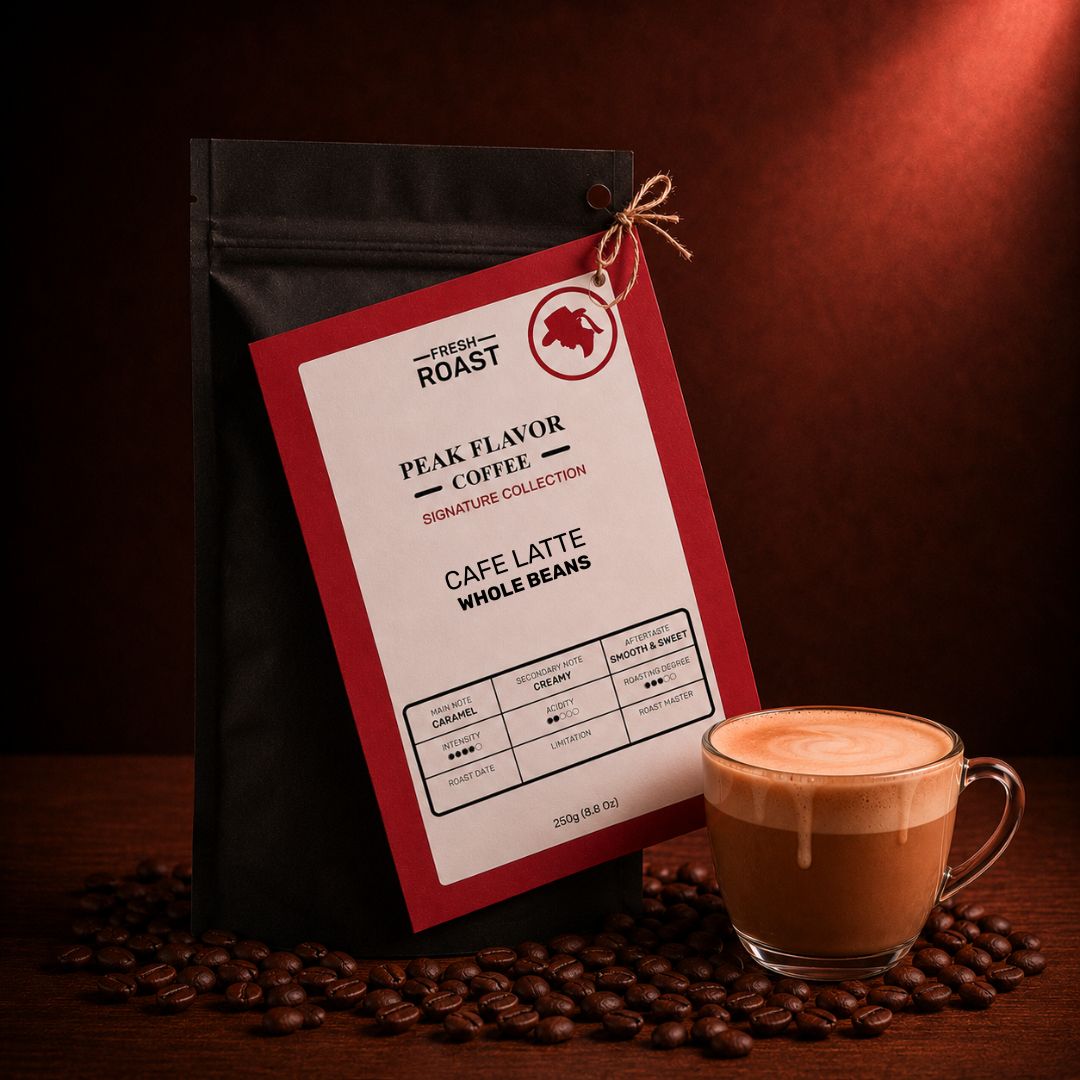
If you have a high-quality home burr grinder, choose our latte coffee beans and grind fresh. If you don’t, choose our latte coffee grounds, crafted precisely for creamy latte comfort. Either way, this is Peak Flavor Coffee, built for people who love real Italian coffee at home.