














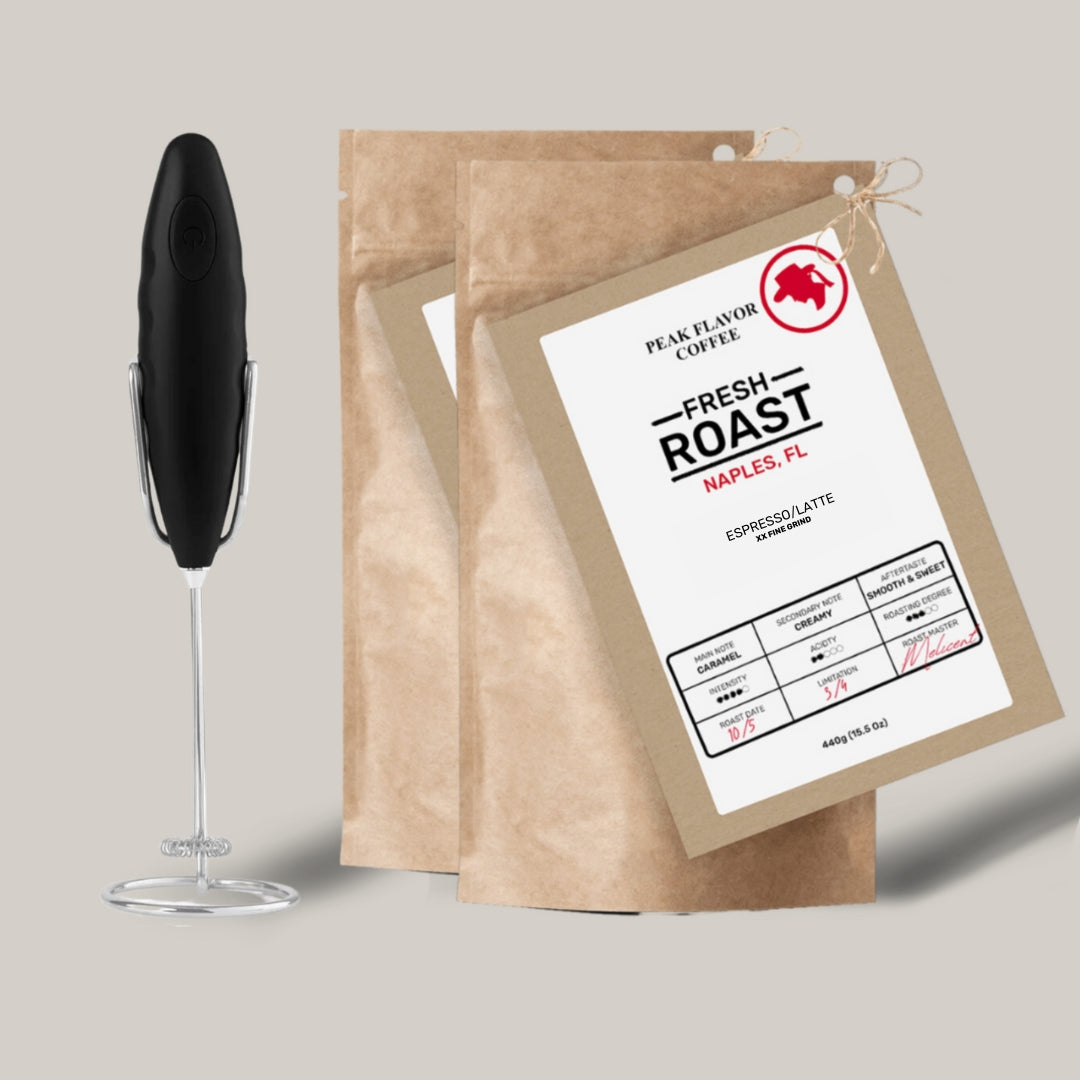

Not all espresso grounds are made for milk.
The Grinder Lesson Behind Exceptional Latte
I learned this the expensive way. I bought gorgeous single-origin espresso beans. Award winners. Absolute divas. And every latte I made tasted flat or harsh. Then an Italian coffee expert laughed kindly and said, “Melicent, the grinder matters as much as the bean.” Everything changed.
I’m Melicent, founder of Peak Flavor Coffee, and if you love café latte or latte macchiato the Italian way, I want to save you years of frustration and a small fortune in beans.
Not all espresso grounds are suited for creamy latte drinks with luxurious, caramelized crema. In fact, many espresso grounds are actively working against you once milk enters the picture. Latte brewing is a game of balance. And the unsung hero of that balance is grind size and grind size consistency.
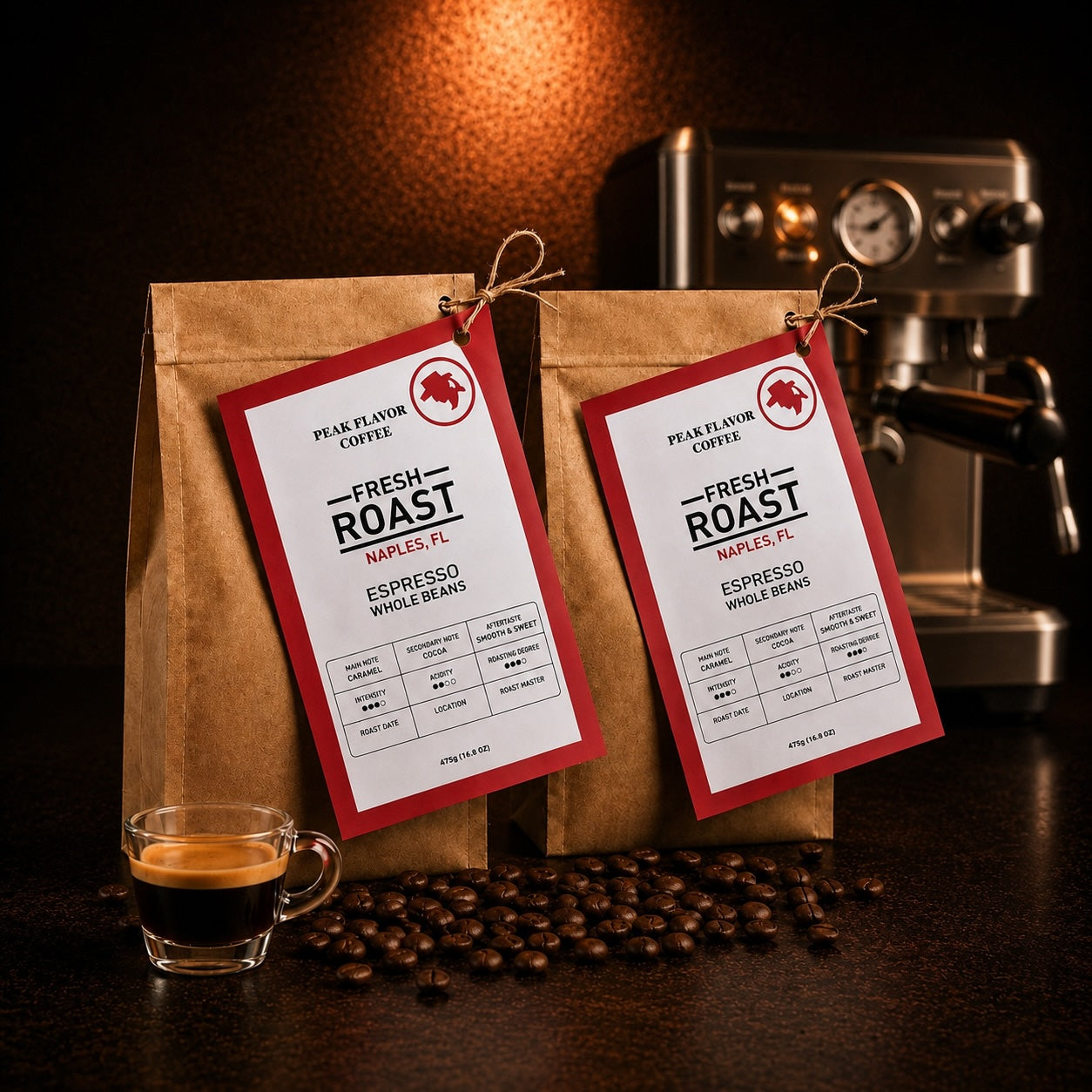
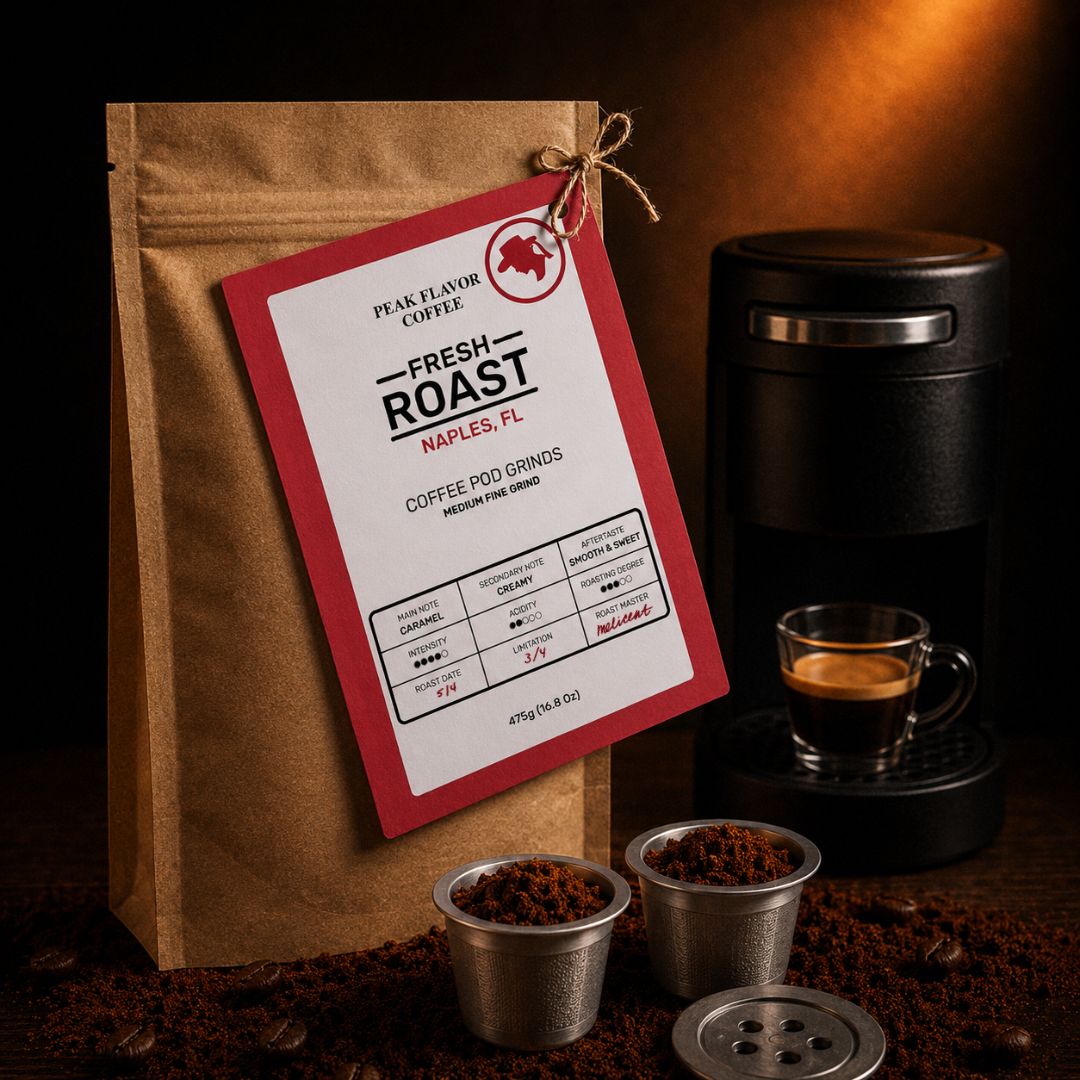
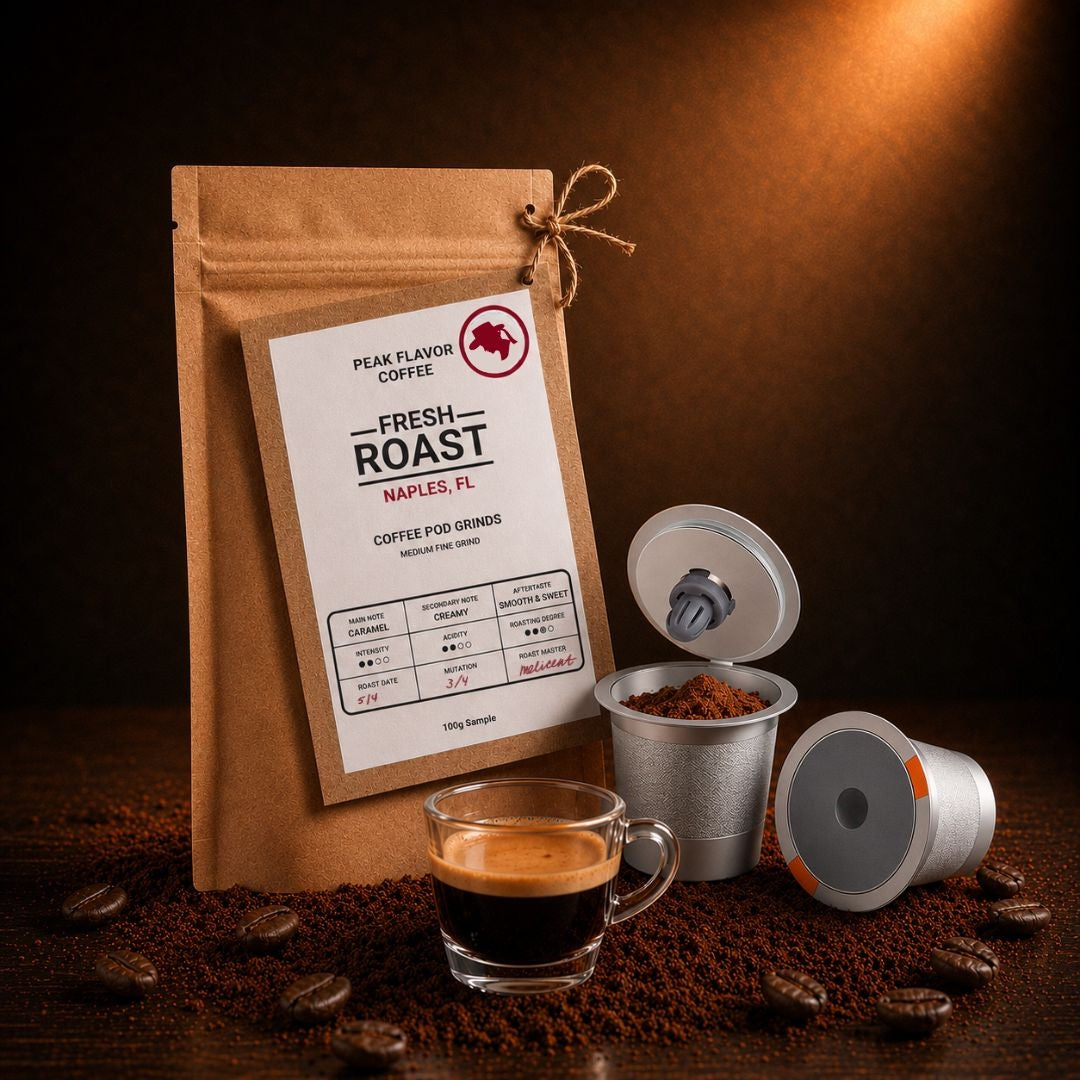
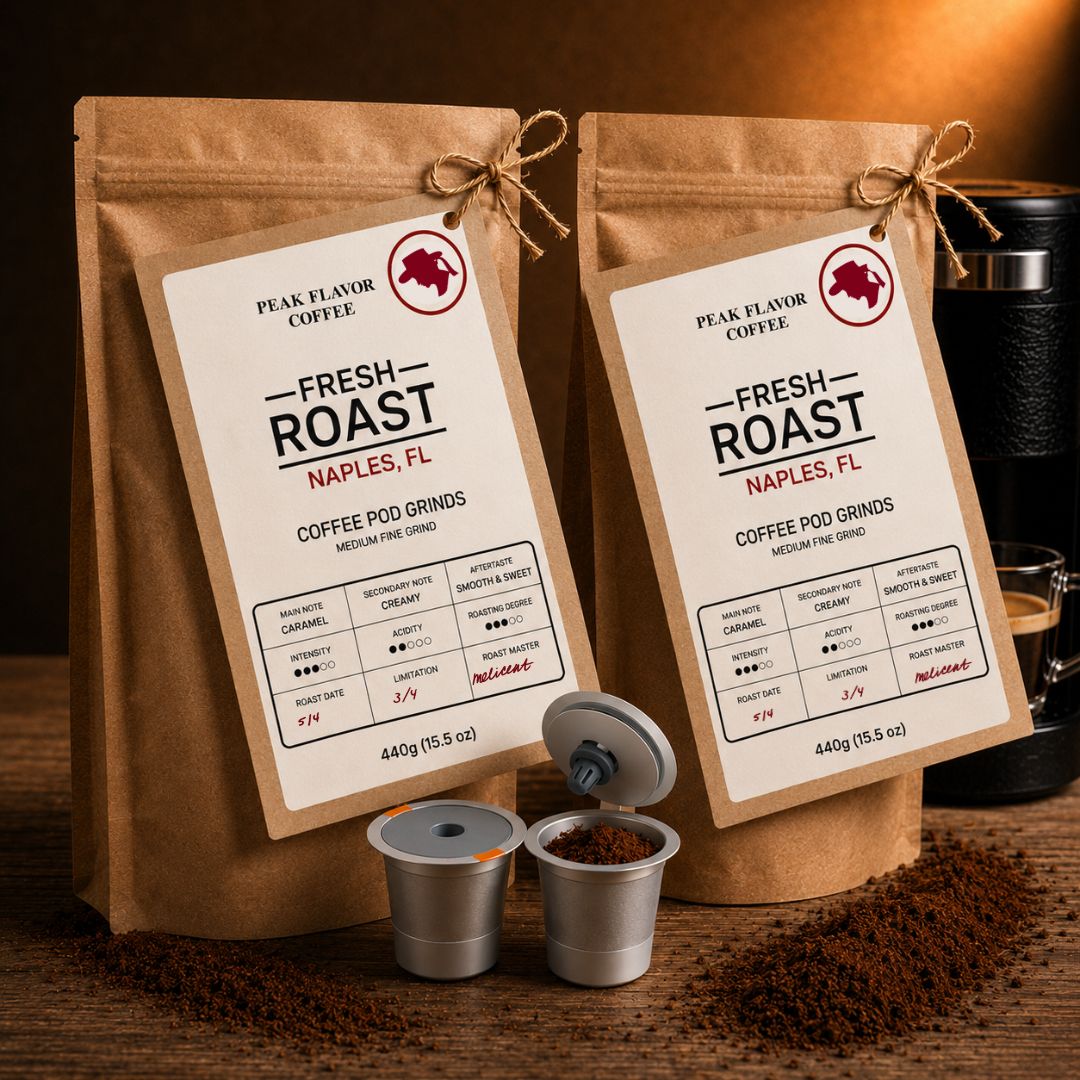
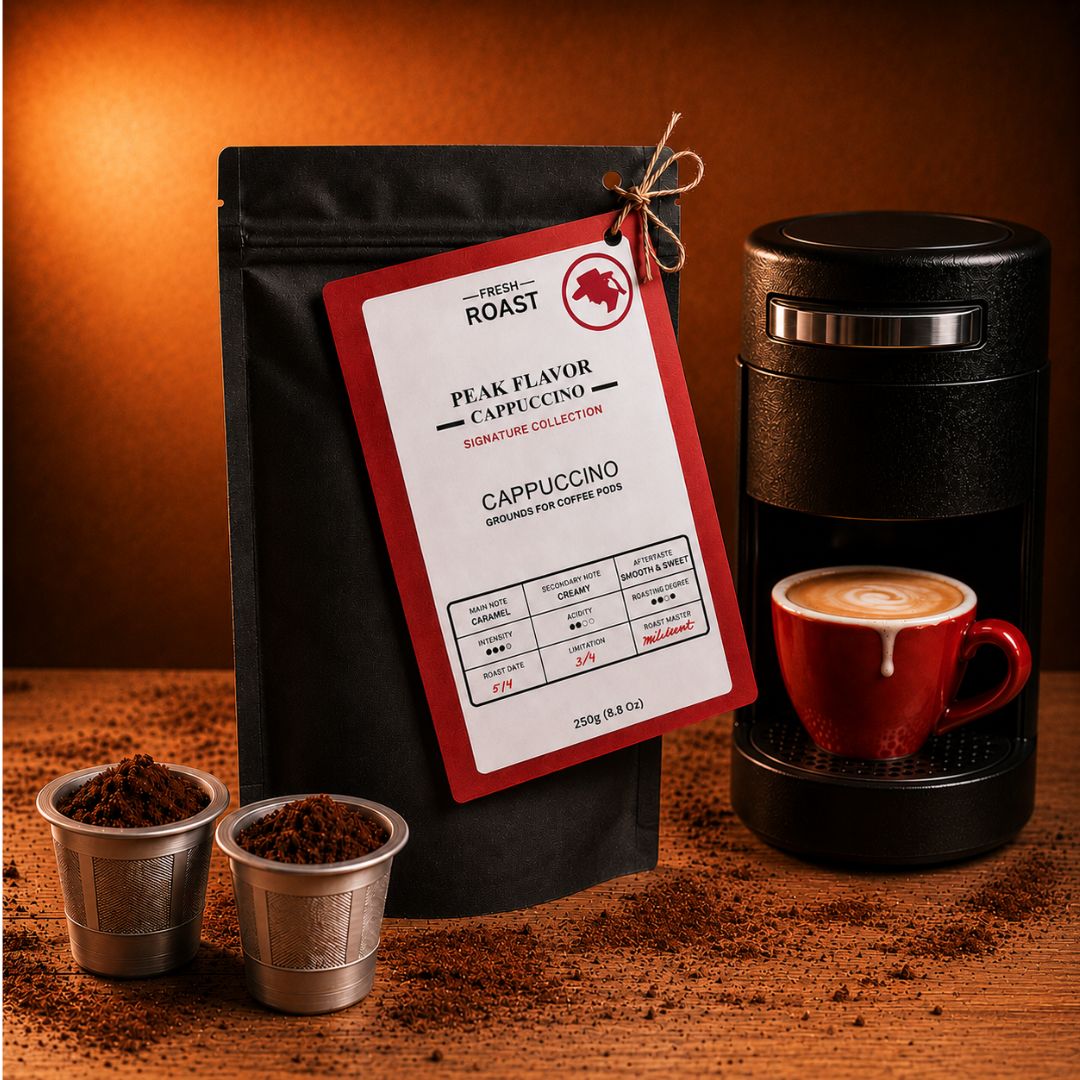
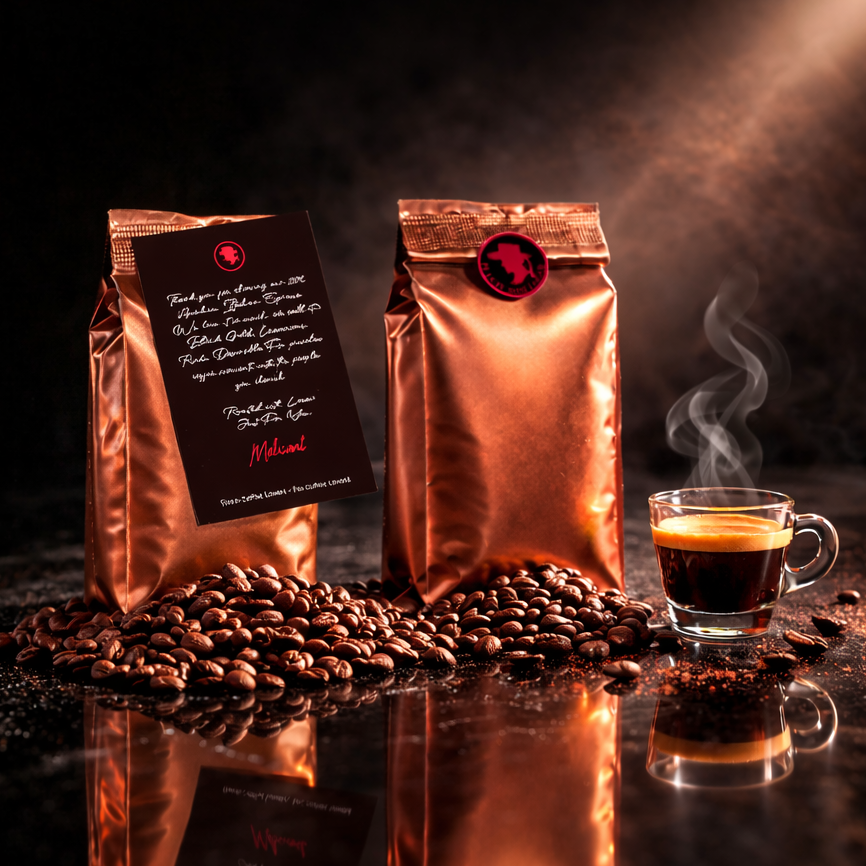
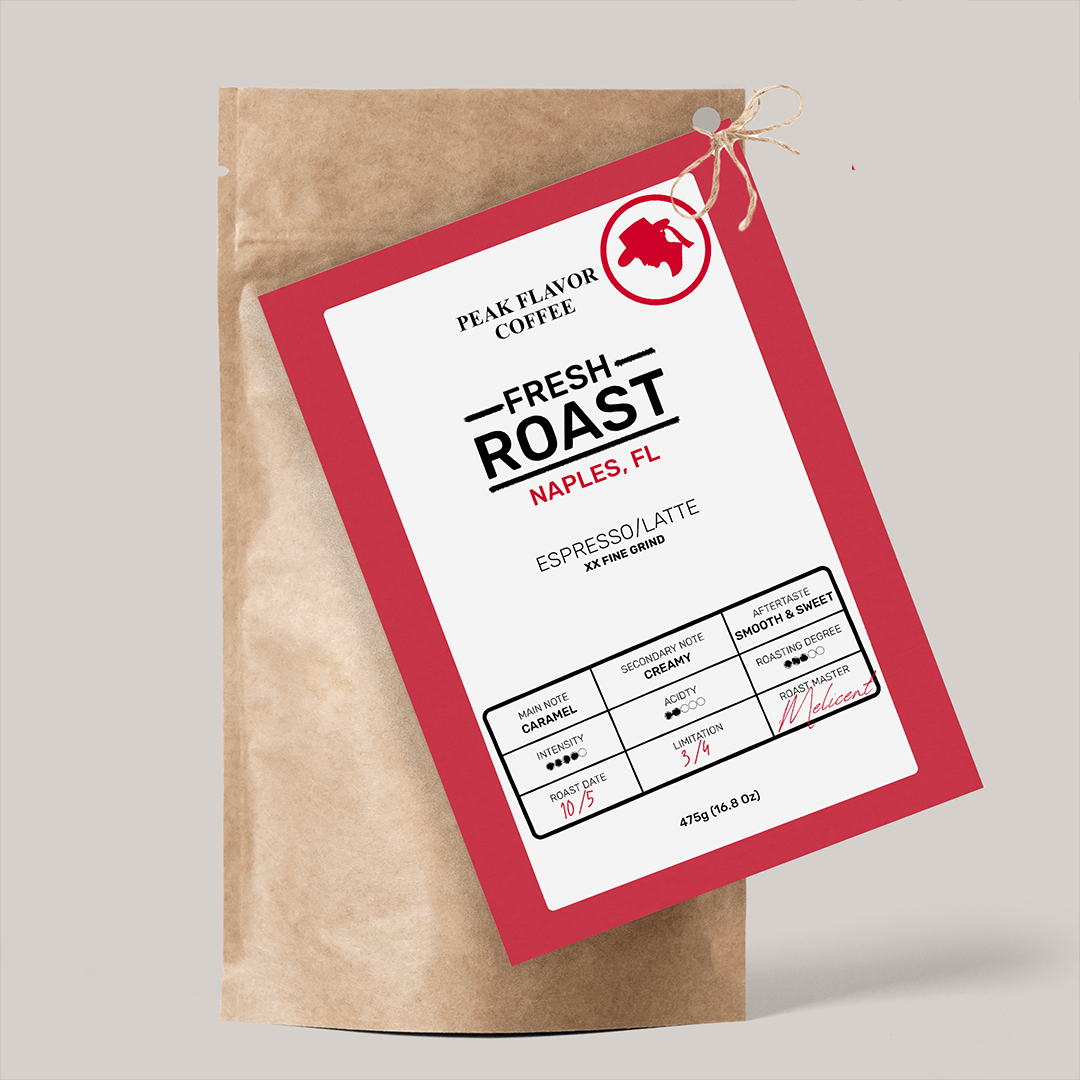
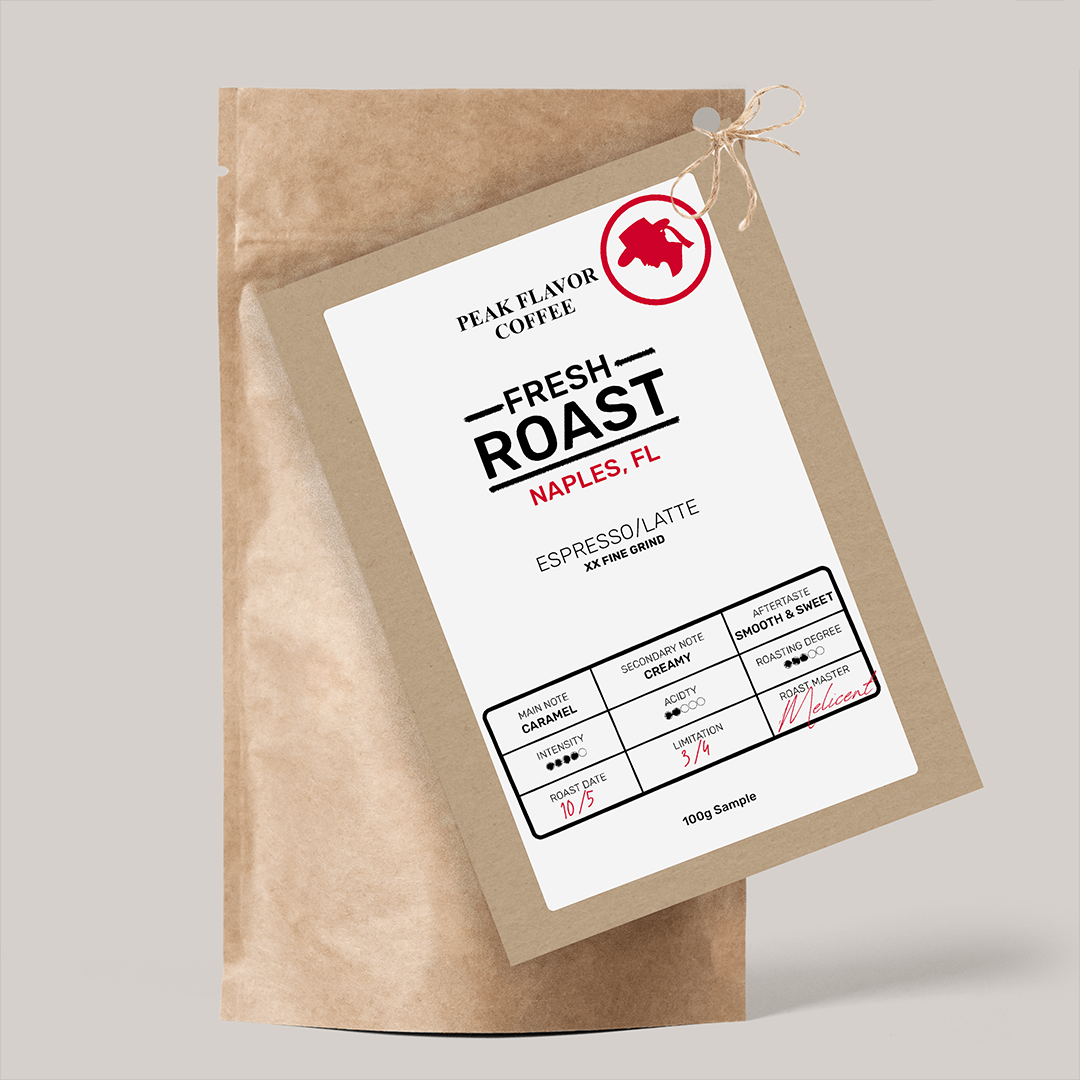
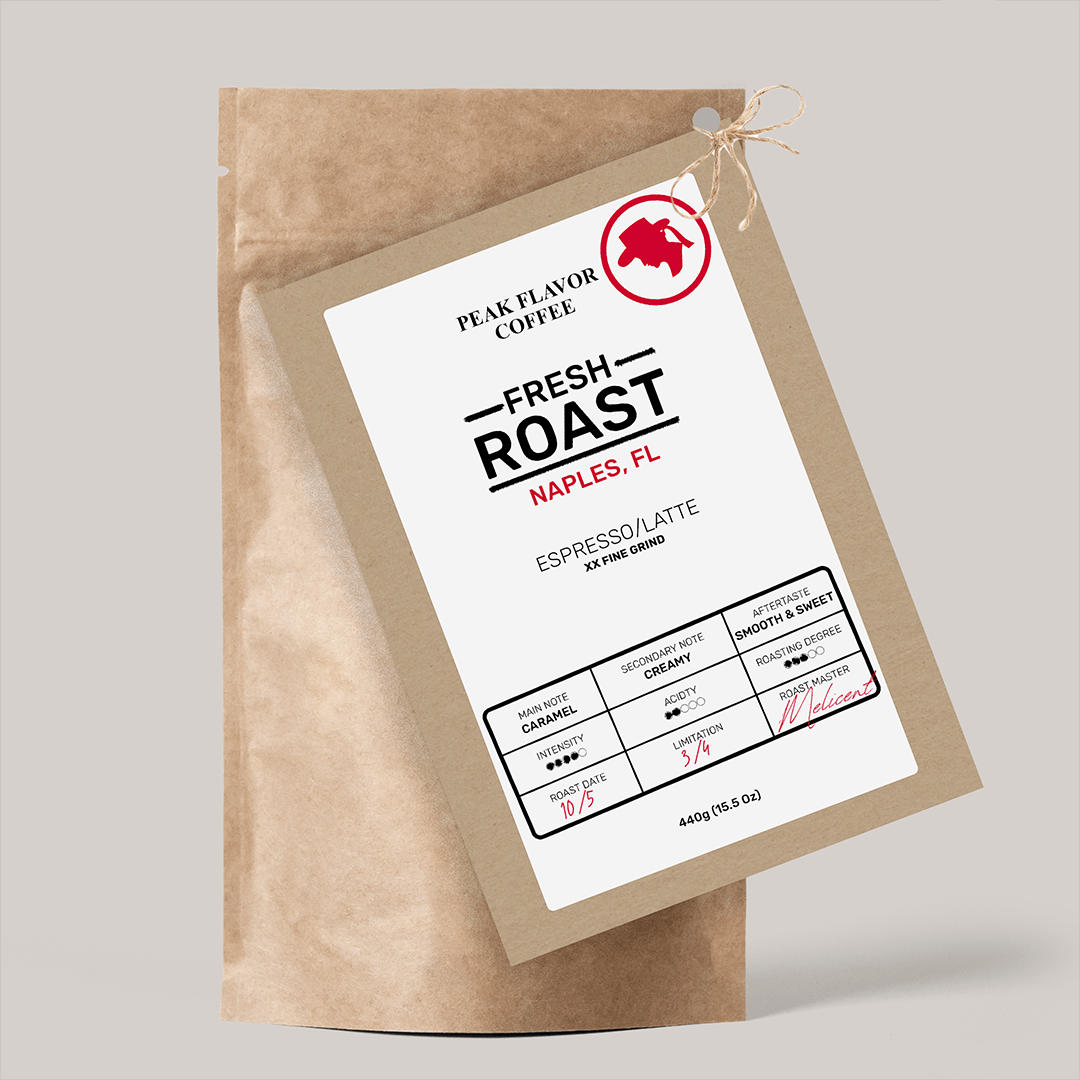
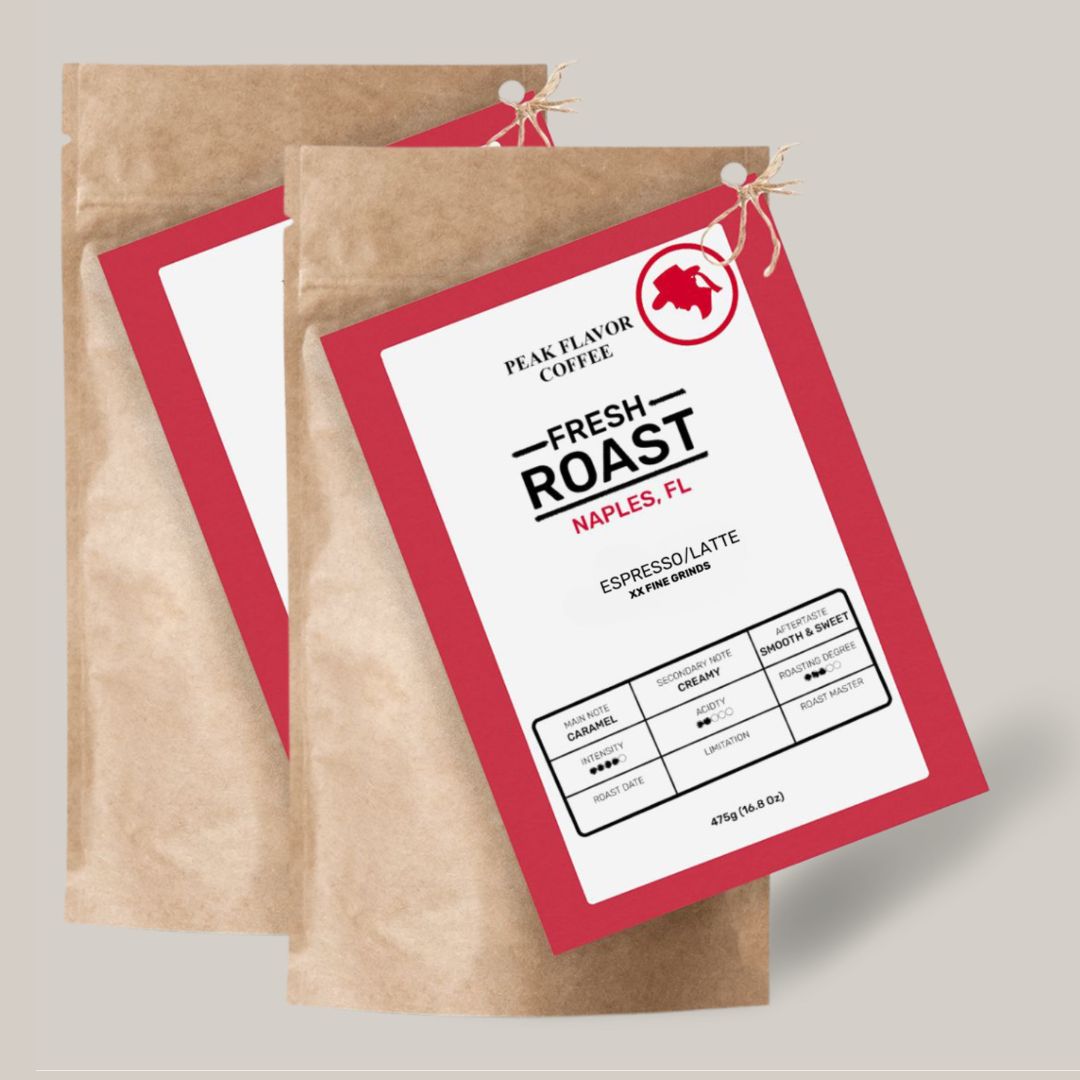
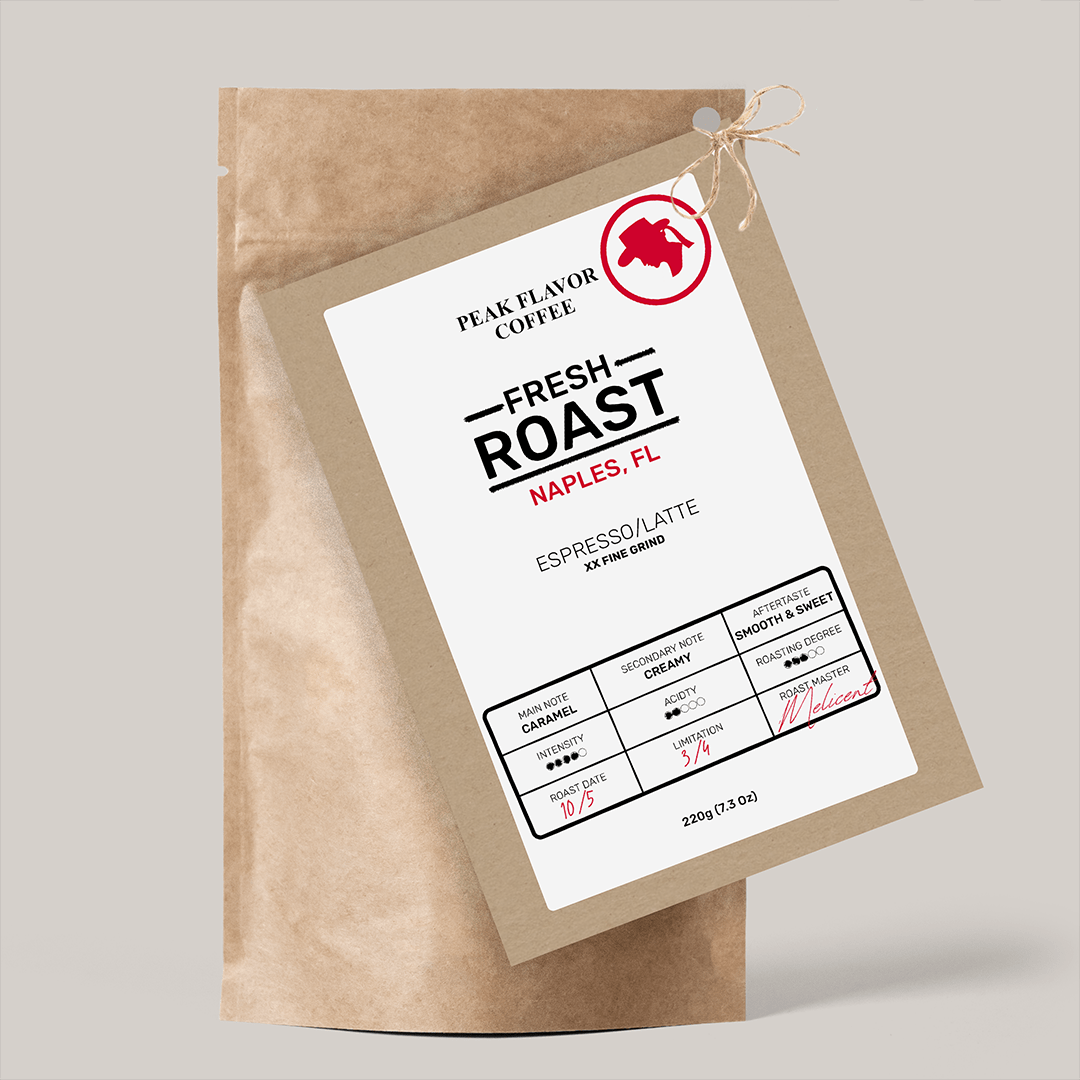
Explore my favorite latte coffee grounds, developed for smooth & creamy comfort to revitalize body & mind.
Creamy Latte with Caramelized Crema
Best Selling Latte Coffee Grounds
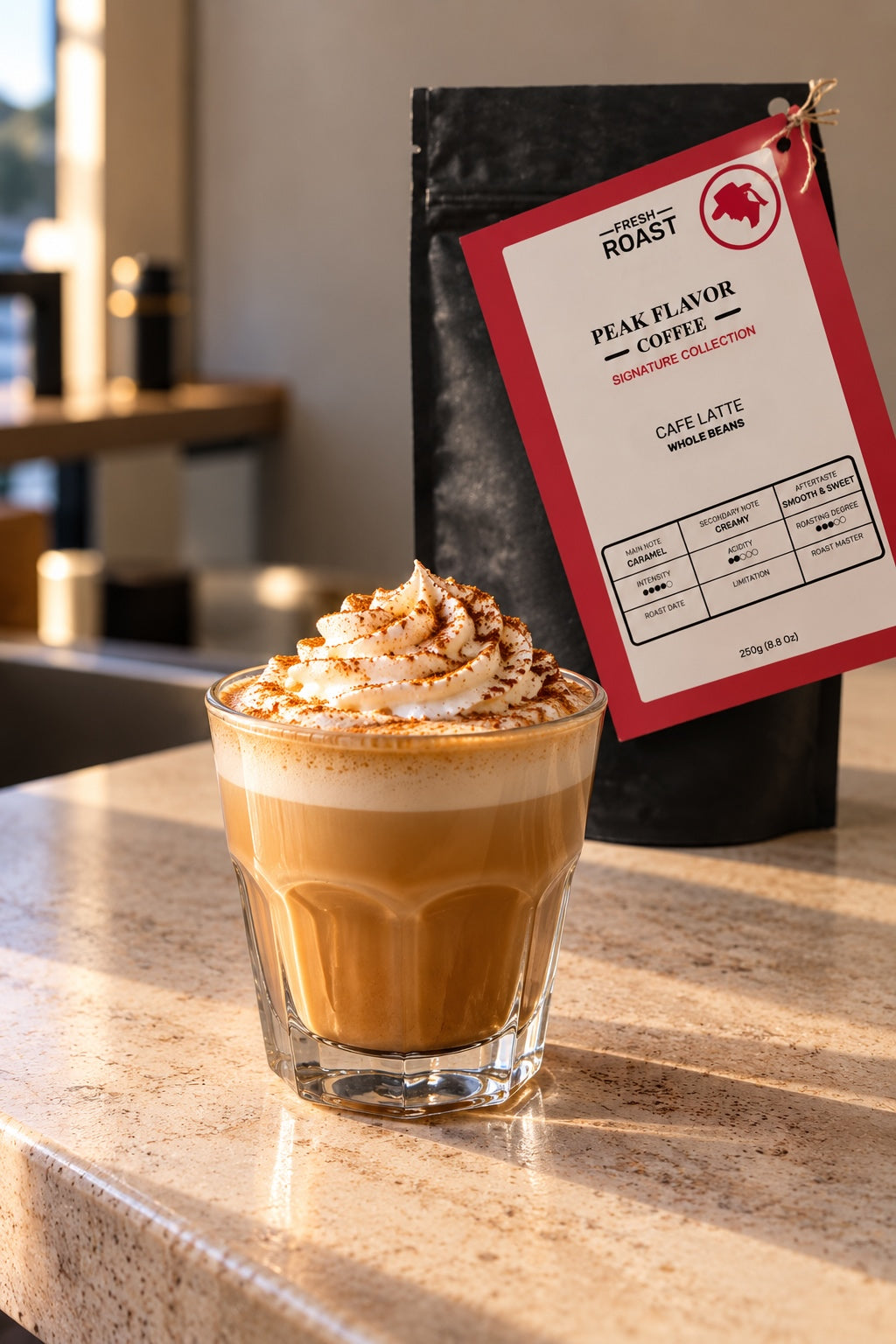


Brew Peak Flavor Cafe Latte
How We Grind for Perfect Latte Coffee
At Peak Flavor Coffee, we grind specifically for creamy caffè latte and latte macchiato. The result is a creamy latte with caramelized crema that blends seamlessly with milk - the way Italian espresso drinks are meant to taste. Here is what we do to get the best coffee taste for creamy latte.
We Slow-Roast the Right Beans
We balance Arabica and Robusta for sweetness and structure. We roast medium-dark for caramelized depth without bitterness.

We Grind Accurately
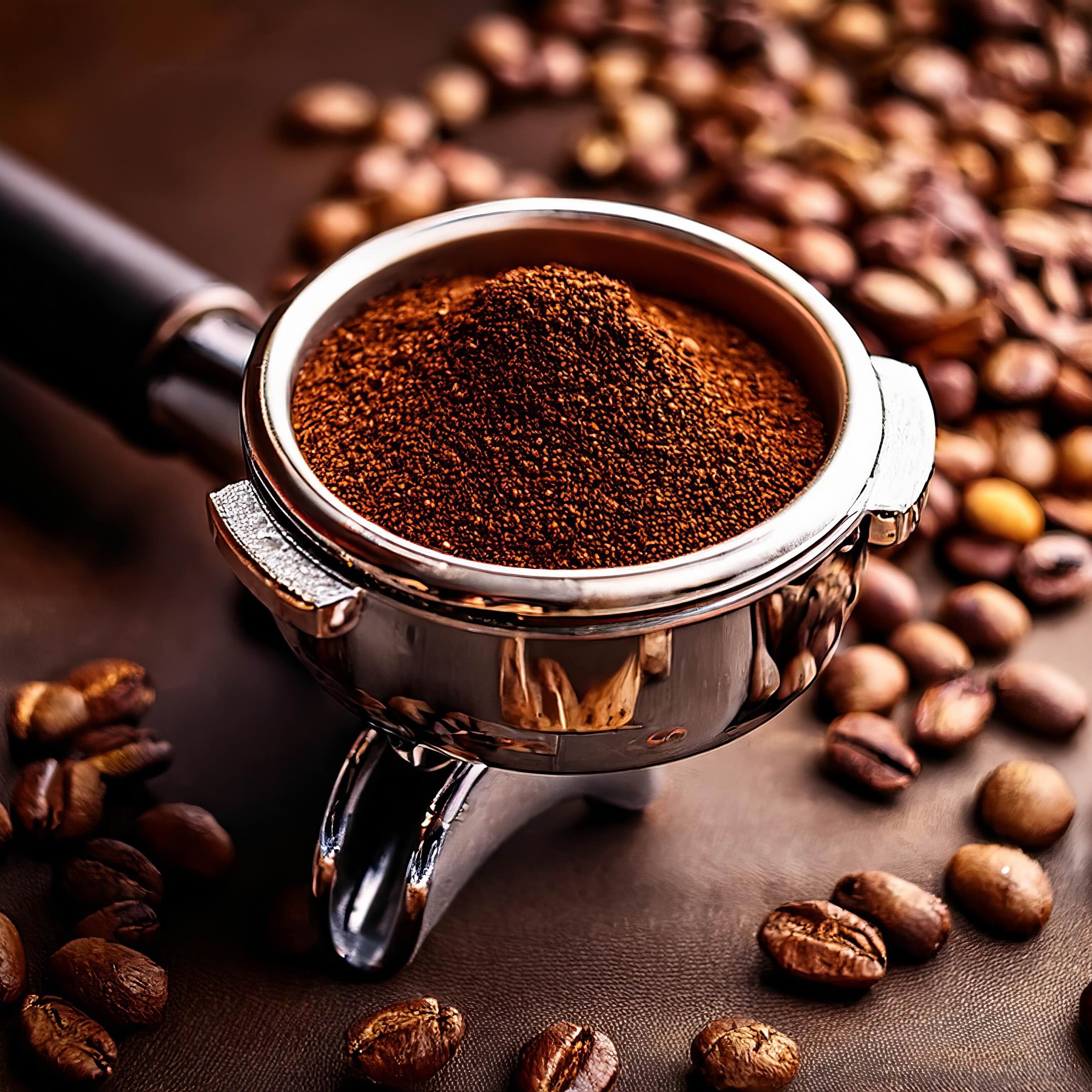
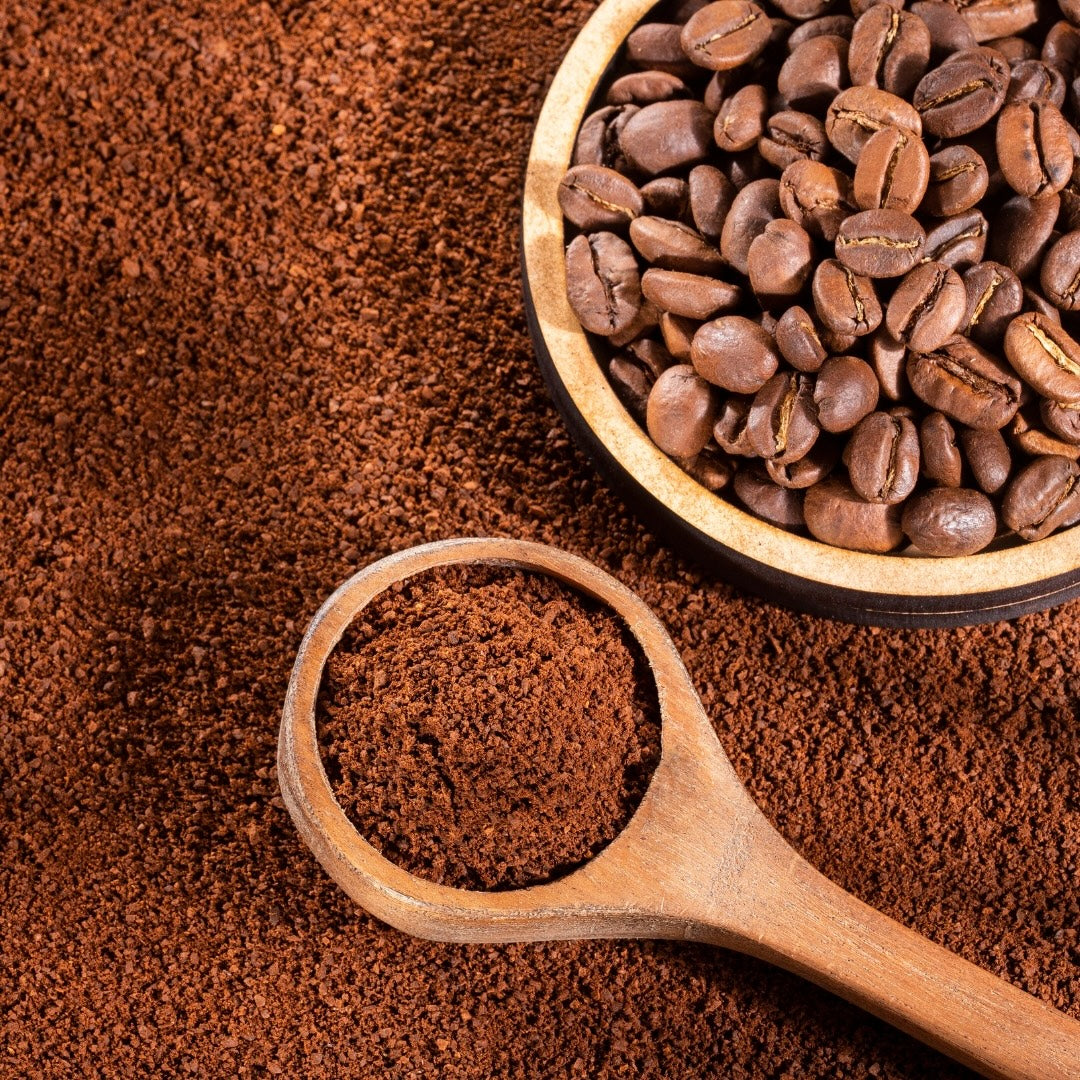
The right grind size for creamy latte is 300 microns, a little finer than espresso grounds to get the best flavor profile to balance with milk.

We Grind with Consistency
Like in a professional coffee shop, we deliver >98% uniform particles or near perfect grind size consistency. More consistent grinds means more flavor.

We Grind for Latte Love
Specialty coffee experts the world over agree that a professional burr grinder is required to calibrate espresso grounds for brewing best Italian coffee drinks.
For Smooth & Creamy Latte
Most Popular


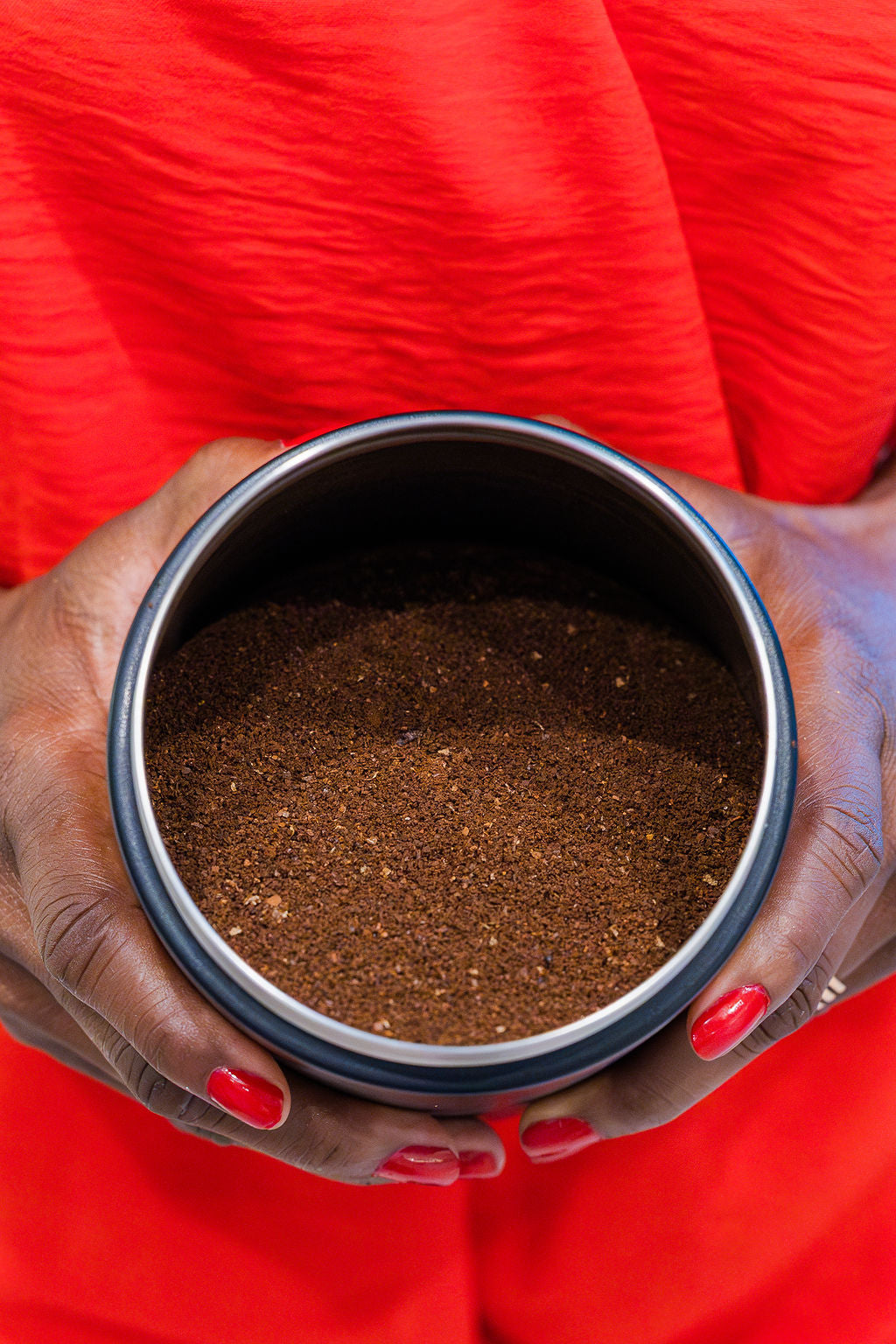

When Grinds Match, Flavor Blooms
Consistency Is Where Great Lattes Are Born
Whether you’re just starting out or deep into espresso obsession, creamy café latte becomes effortless with consistent coffee grounds.
When over 98% of your grounds hit the same, precise size, extraction evens out instantly.
Sweetness rises, bitterness disappears, and flavor becomes richer, rounder, and reliable. In Italian coffee, consistency isn’t a detail. It’s everything.
The Silent Flavor Killer Behind Bitter or Empty Lattes
Why Inconsistent Grinding Ruins Great Coffee
Take a look at the chart and you’ll see the problem immediately. When only half your espresso grounds are the right size, your cup splits in two directions. The finer particles over-extract and turn bitter. The coarser ones barely extract at all, leaving you with no flavor. Nothing in between tastes balanced.
This is why Italians have always trusted professional burr grinders. They don’t guess. They hit a precise grind size and keep it uniform, well above 98 percent consistency. Most home grinders, even good ones, sit closer to 50 percent. And just like the chart shows, your flavor falls right along with it.
Preserving a Fresh Roast
Preserving Fresh Coffee Grounds



Why Tradition, Not Toppings, Defines a True Milk Espresso
Latte vs Macchiato?
The Italian Difference Matters
I’m often asked about the difference between a true Italian café latte and the latte macchiato sold by big chains. The honest answer? They barely belong in the same conversation.
A genuine café latte is restrained and balanced. Fewer calories, no syrups, no disguises. It relies on well-roasted, high-quality latte coffee grounds that deliver enough espresso intensity to harmonize naturally with milk.
Chain-style latte macchiato is something else entirely. More milk, more sugar, flavored syrups piled on to hide tired beans, rushed roasts, and uneven grinding. In Italy, we don’t mask coffee. We make it right. As you notice, my preference is clear. Read what coffee experts on r/coffee say and discover the difference for yourself.
Own a Professional Burr Grinder?
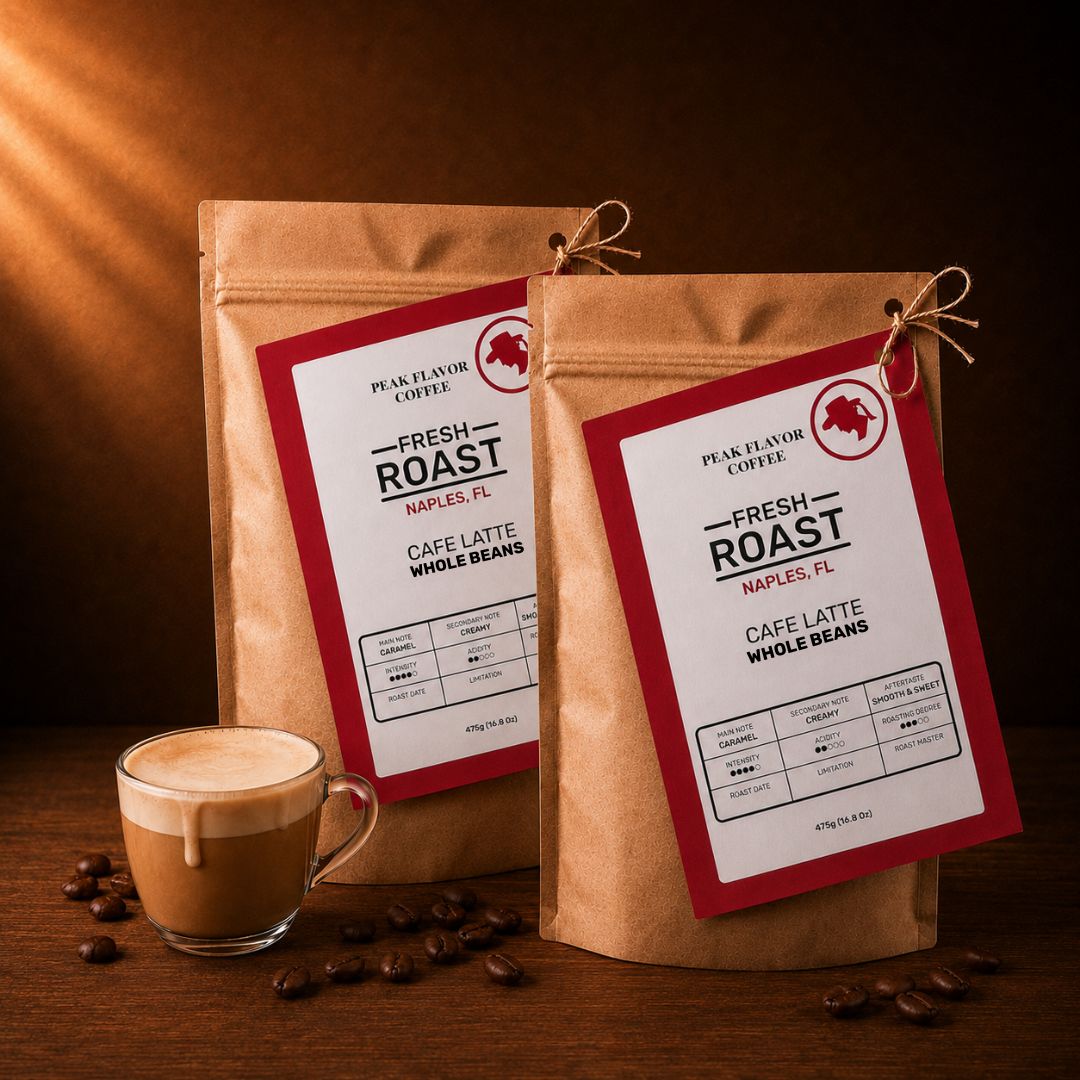
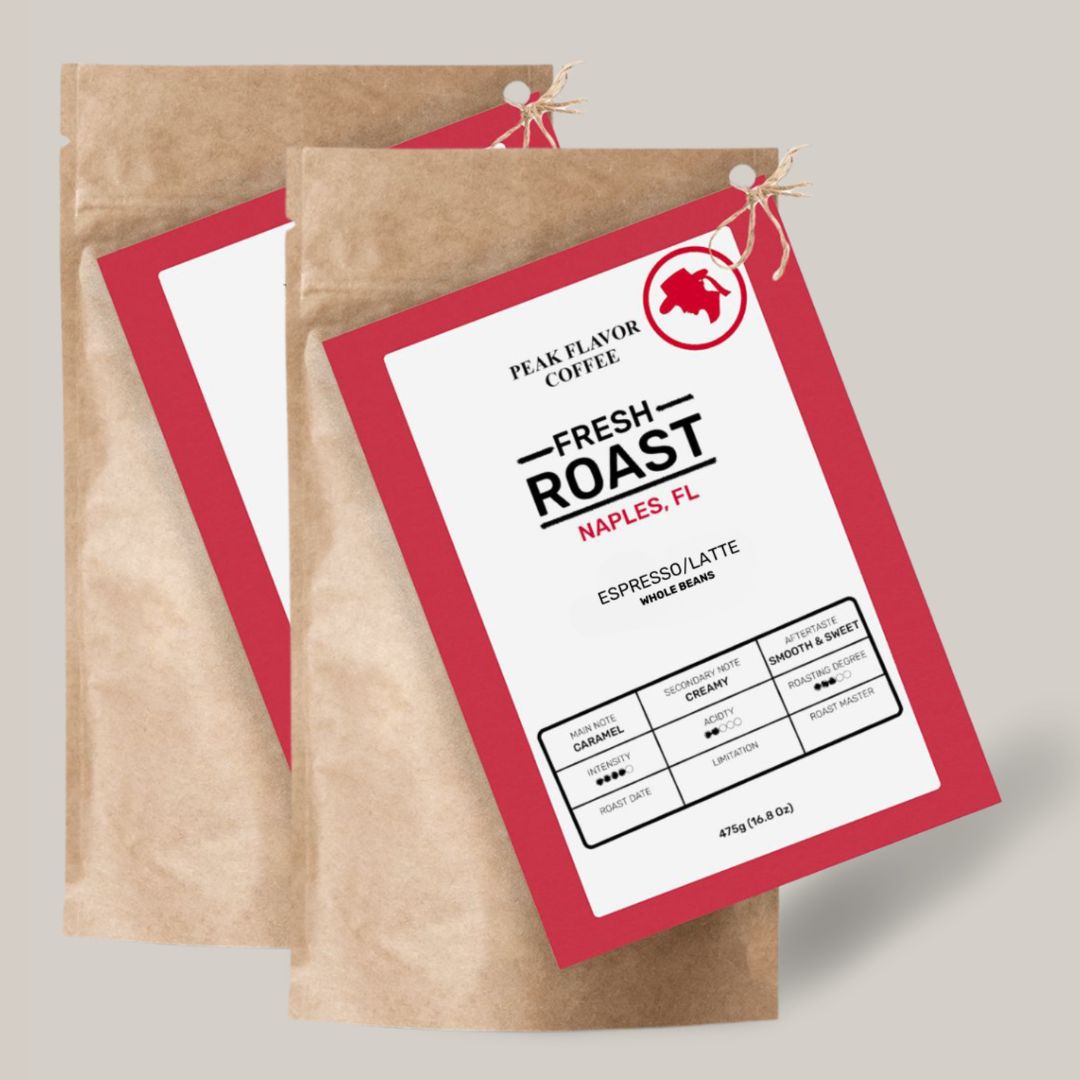
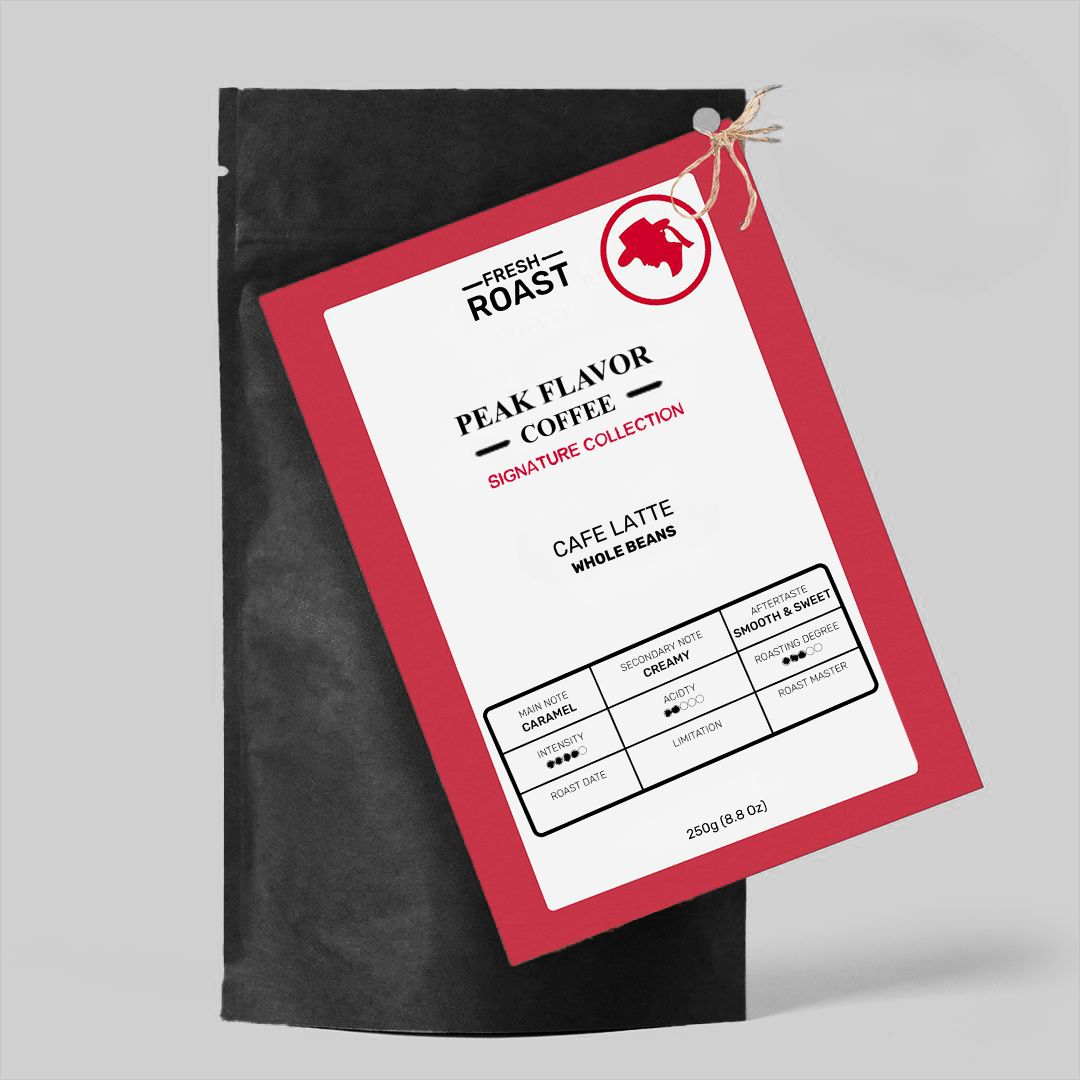
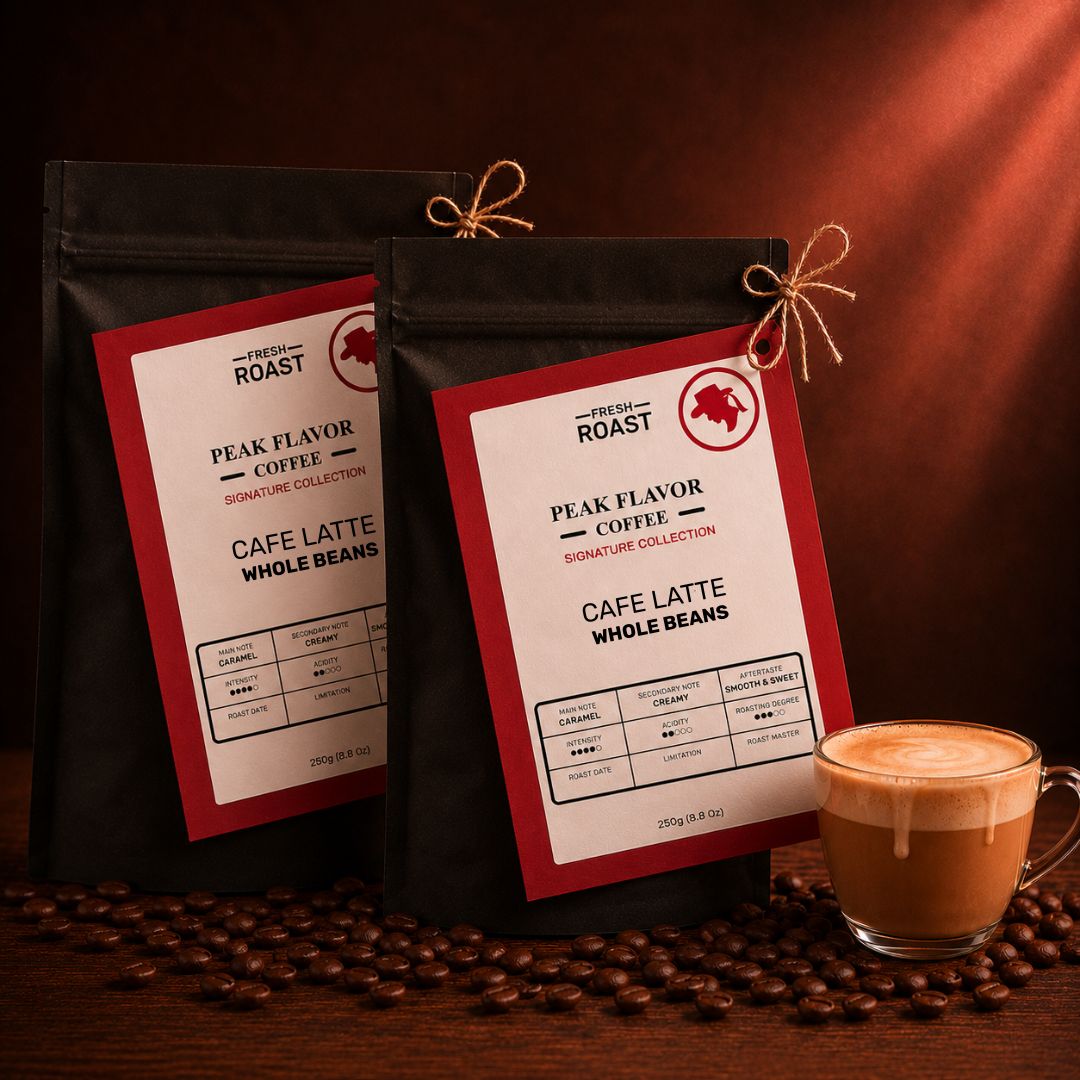
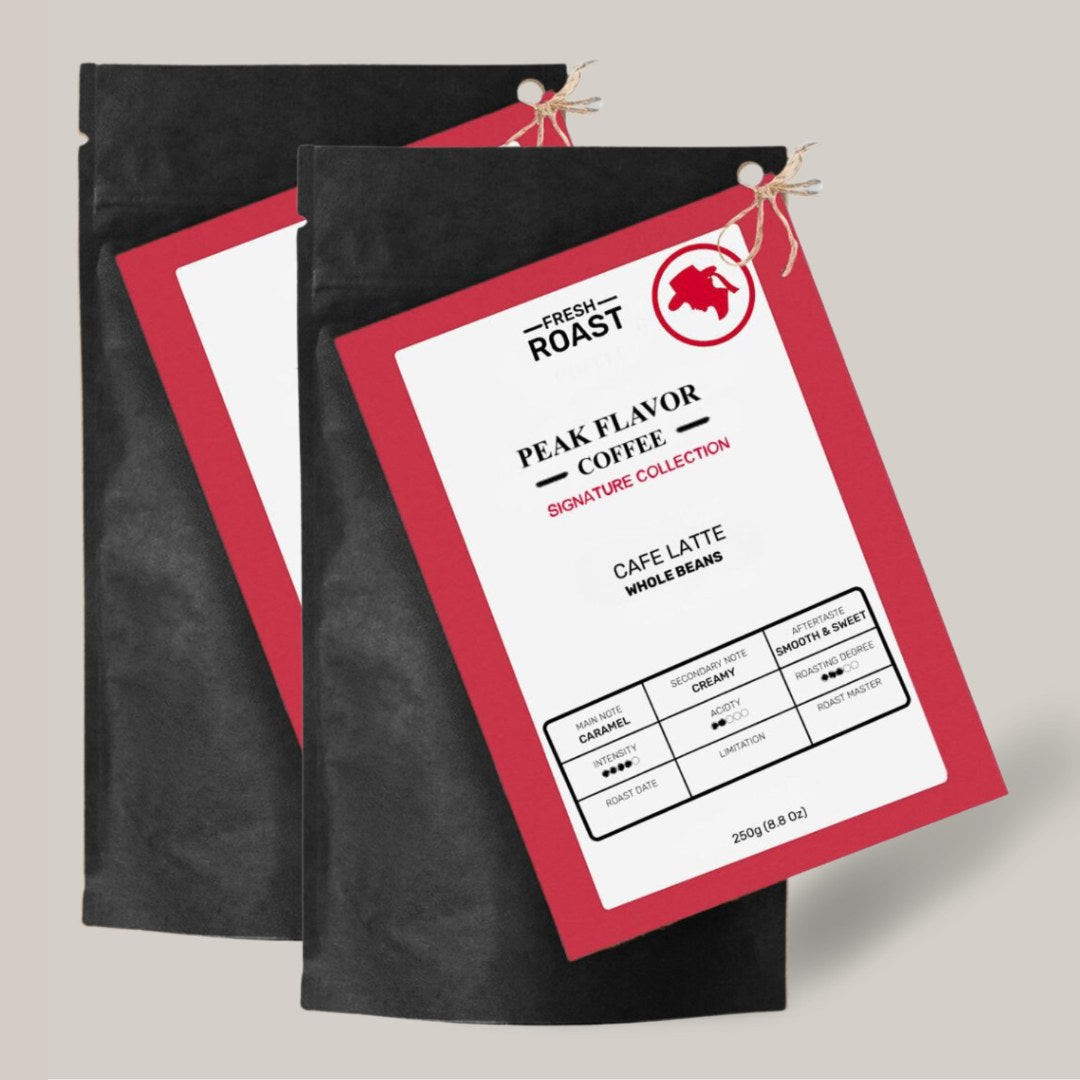
Explore Cafe Latte Beans
Caramelized crema, silky body, and true Italian balance. Not all coffee beans belong in milk. Our Latte Beans are crafted specifically for café latte and latte macchiato lovers, who crave creamy texture and natural caramel sweetness. Discover our Latte beans.
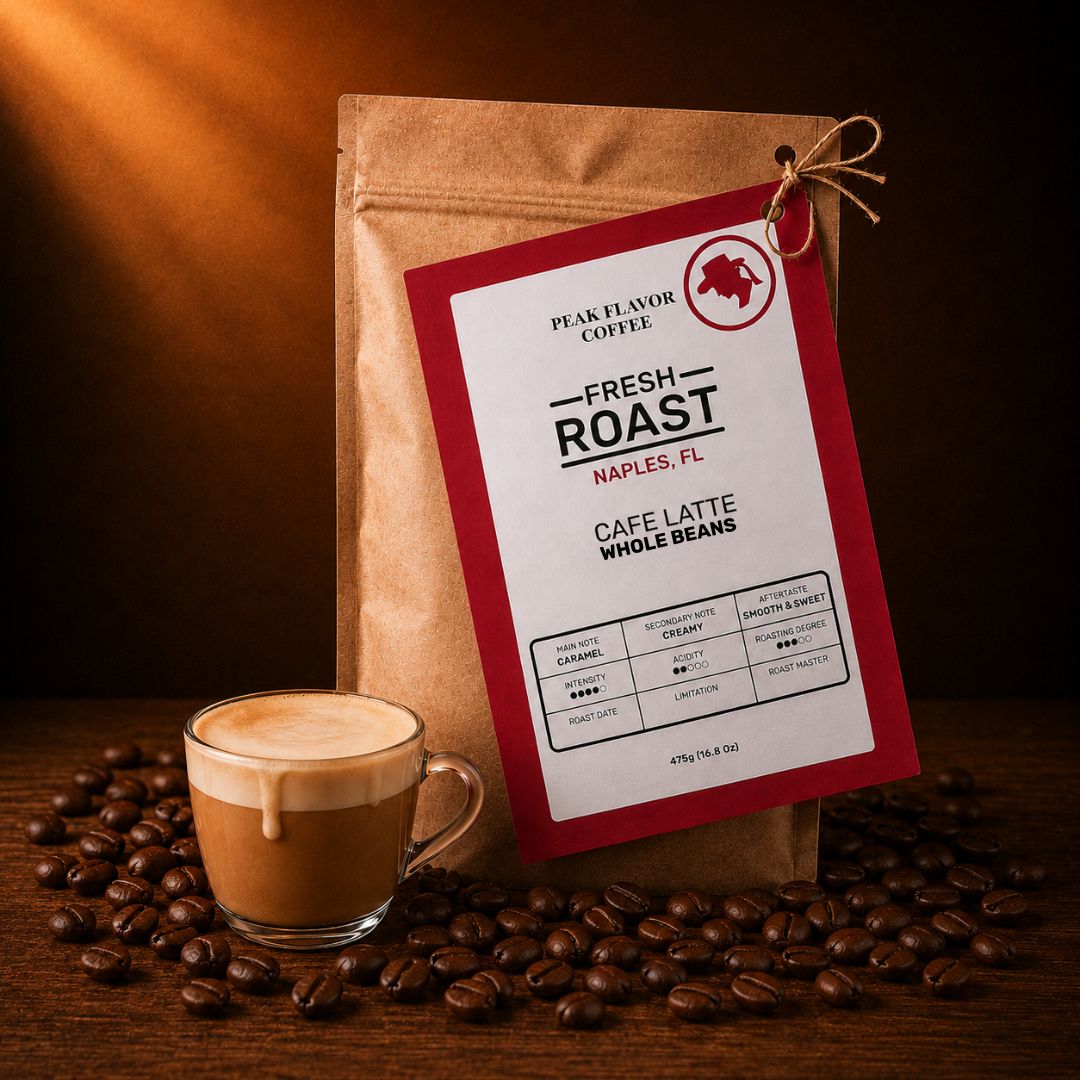
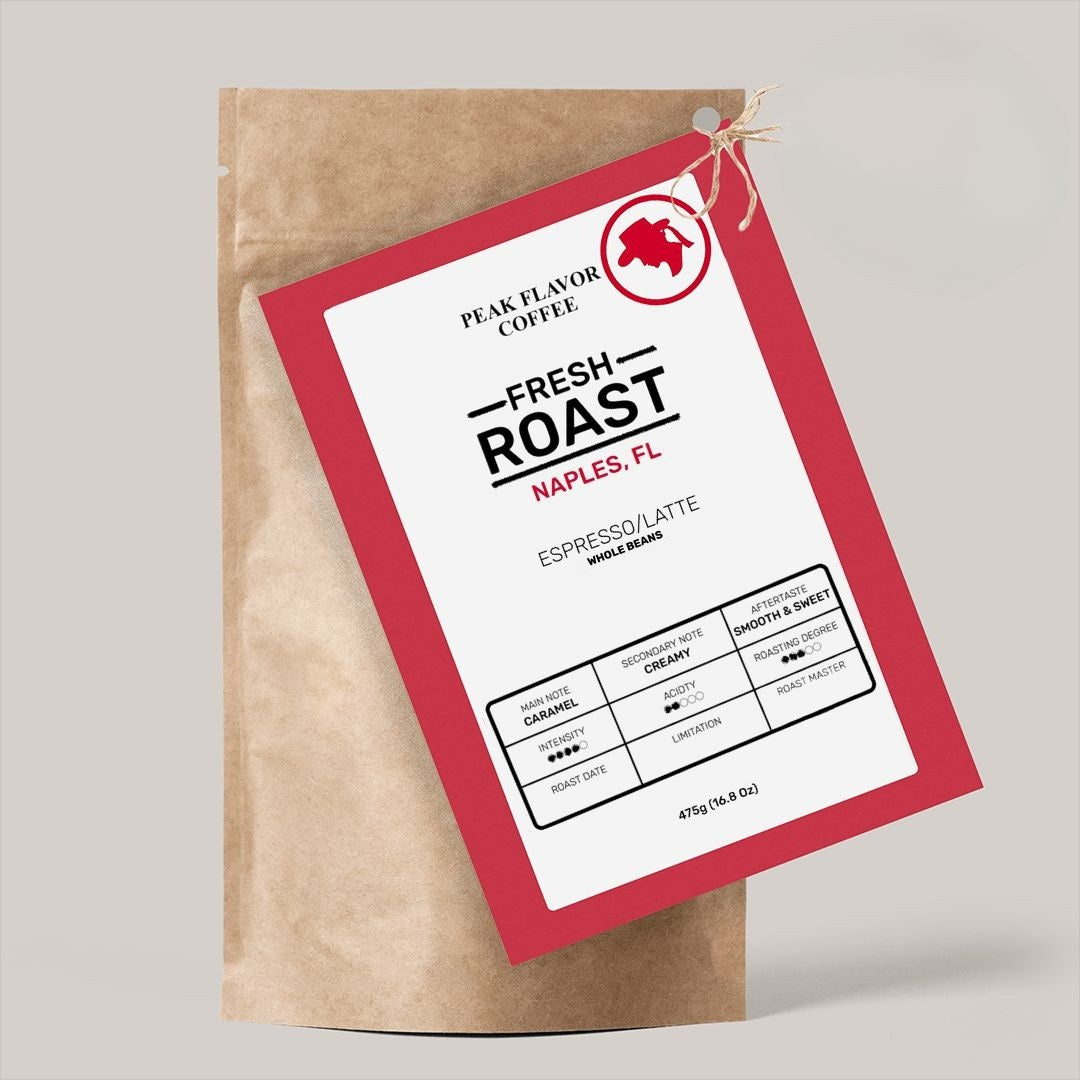

Find the Right Grind Size for Cafe Latte
Cafe Latte Coffee Grounds – Made for Italian Coffee Lovers
Creamy by Design – Select Latte Coffee Grounds that Balance With Milk
Not all espresso grounds yield creamy latte drinks with rich, caramelized crema. Many espresso grounds taste bitter, sour or burnt when mixed with Milk. Latte brewing is a game of balance. And although beans and roast arer important, the main characteristics behind balance are grind size and grind size consistency. Lets break it down.
Beans and Roast Come First – But They Aren’t the Finish Line
Italian coffee culture has always understood that latte drinks need structure. Milk softens acidity and amplifies bitterness. That means your espresso base must be sweet, full, and stable.
At Peak Flavor Coffee, our latte coffee grounds start with a carefully balanced blend. Arabica brings caramel, chocolate, and natural sweetness. A touch of Robusta adds backbone and that velvety crema that doesn’t collapse the second milk touches it. Read more about beans and crema.
Scientific work on espresso foam shows that oils, CO₂, and melanoidins formed during roasting are essential for stable crema and creamy mouthfeel. That’s why the choice of latte coffee beans and roast style matter. Read more science on roasting and coffee brewing.
We use a slow, medium-dark Italian-style roast. Not burnt. Not oily. Just enough time in the roaster to develop caramelized sugars and body without killing sweetness. Research on roasting chemistry confirms that slower development enhances melanoidins, which contribute to both crema stability and perceived sweetness in milk-based drinks. Learn more about milk in espresso.
But even perfect beans can make terrible latte if the grind is wrong. If you have a good coffee grinder buy café latte beans.
Why Grind Size Matters More Than You Think
Espresso brewing is physics. Water under pressure moves fast and takes the path of least resistance. Your coffee grounds decide what that path looks like.
For creamy café latte and latte macchiato, the ideal grind size is 300 microns. This is slightly finer than classic espresso and far coarser than Turkish coffee. In an espresso machine, extraction happens quickly and evenly, producing enough intensity to stand up to milk without tipping into bitterness.
Too coarse and your shot lacks strength - you’re drinking warm foam with a hint of coffee. Too fine and water struggles to pass through. Over-extraction results in harsh bitterness that milk can’t hide. Milk doesn’t fix bad extraction. It magnifies it.
Grind Size Consistency Is Everything
The right grind size alone is only half the story. Grind Size Consistency is the other half, and it’s the more important one. Imagine cooking pasta where half the noodles are angel hair and half are rigatoni. Some are mushy. Others are raw.
Espresso brewing with inconsistent grounds causes simultaneous over- and under-extraction. Fine particles release bitter compounds too fast. Larger particles barely extract at all. You end up with muddled flavor, even if the average grind size looks correct. For latte coffee grounds, you need about 98% grind size uniformity.
Most home grinders, even well-intentioned ones, deliver around 50% consistency. That means half your grounds are working against the other half. No amount of expensive coffee beans can fix that.
Milk-based espressos demand even more precision. A creamy latte needs extraction that is predictable, repeatable, and sweet enough to harmonize with milk proteins.
About Brewing Creamy Cafe Latte