


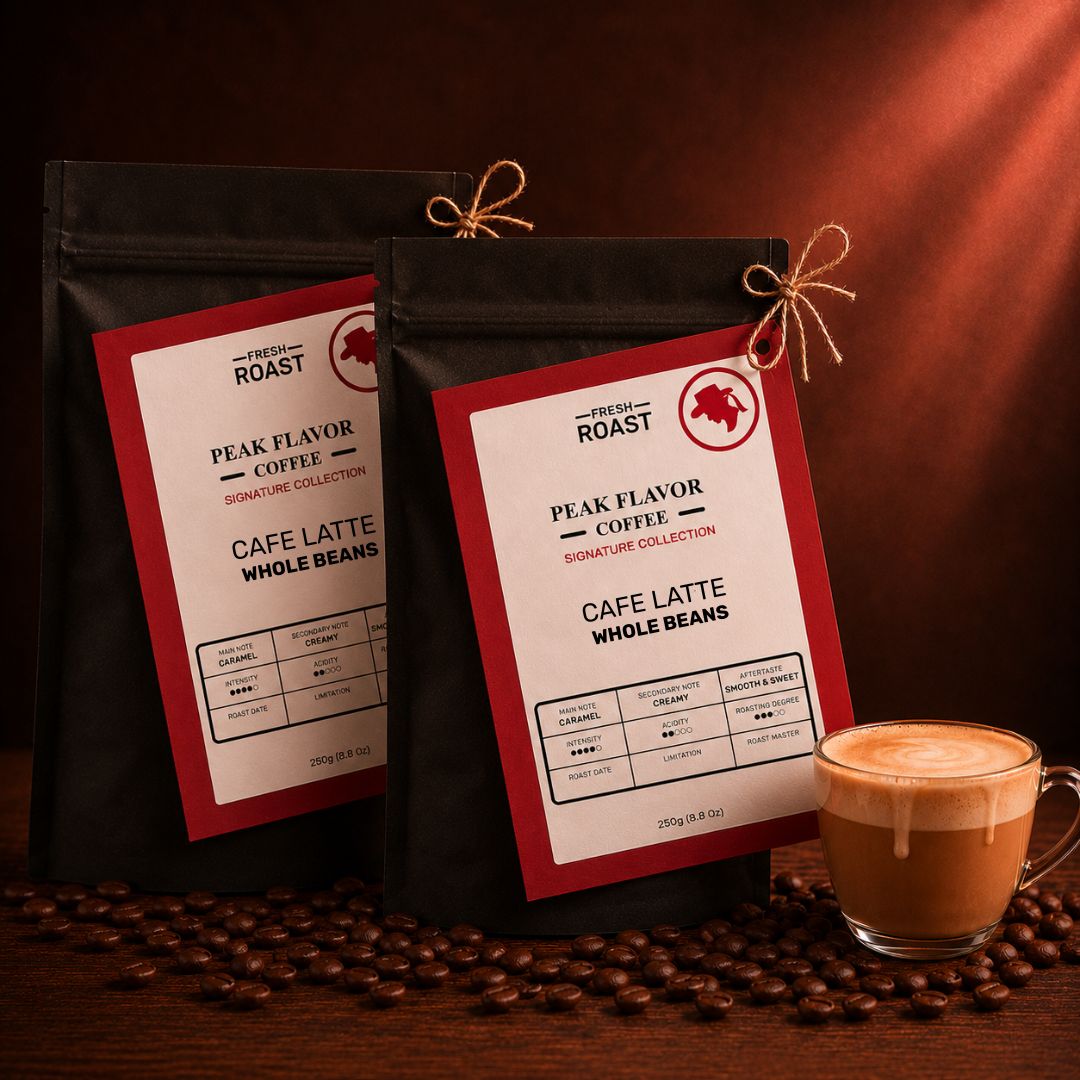


Not all espresso beans are made for milk.
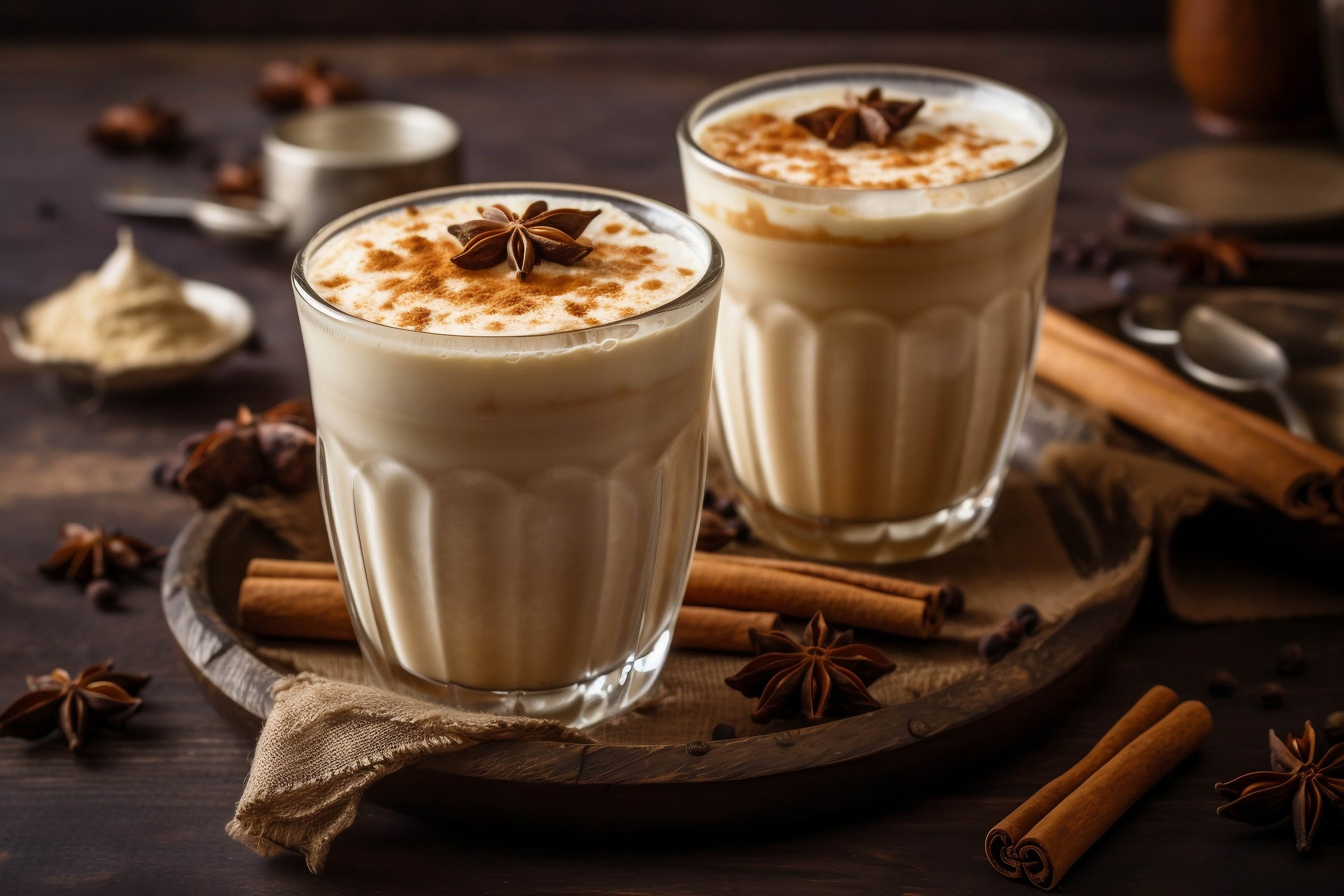
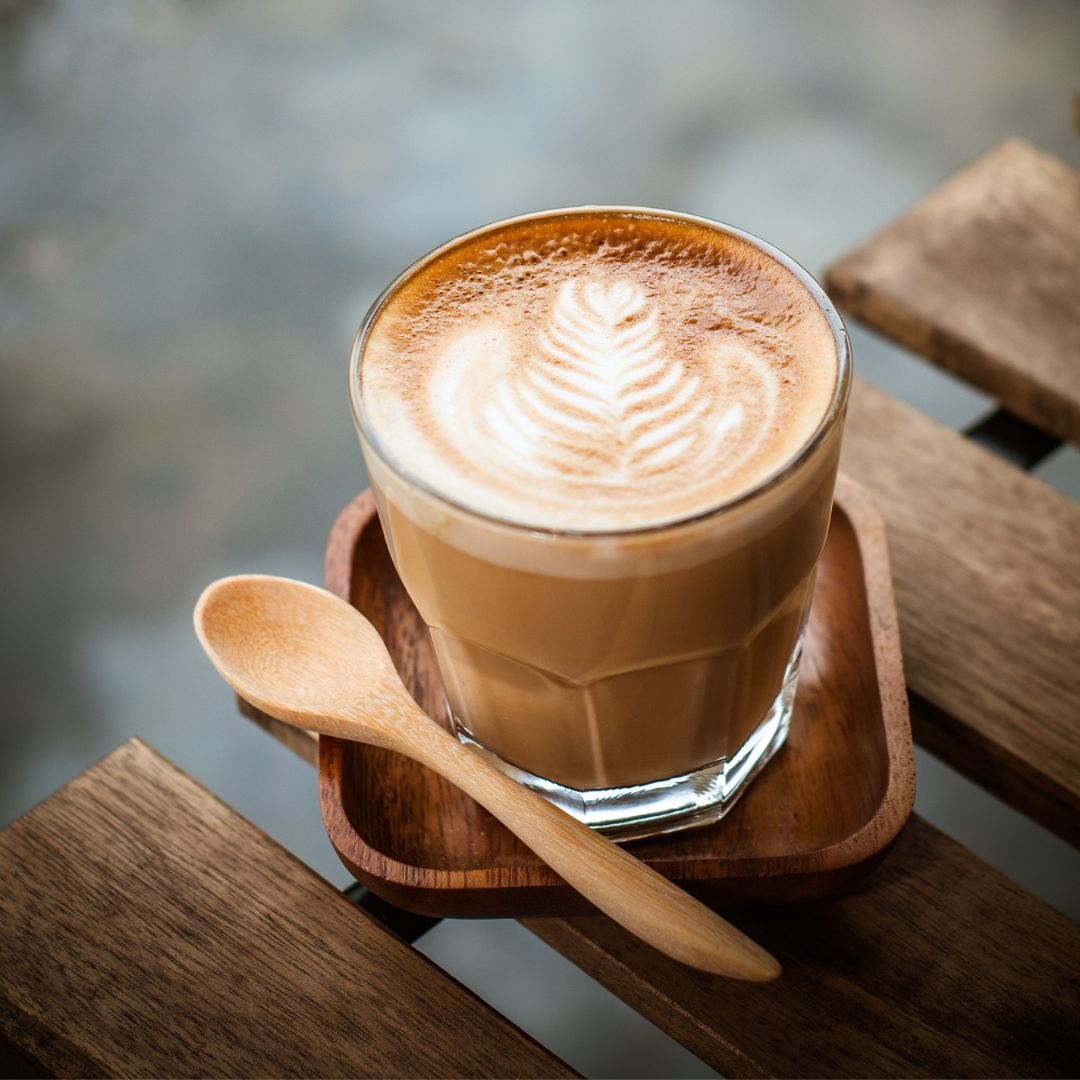
Creamy Latte with Caramelized Crema
"I learned this the expensive way. Bags of gorgeous single origin specialty coffees lined my counter. Floral Ethiopians. Bright Colombians. All stunning. All wrong. My café latte kept tasting thin, sharp, or oddly hollow. It wasn’t until I stumbled into research on freshness and staling that the penny finally dropped. Milk demands a different bean.
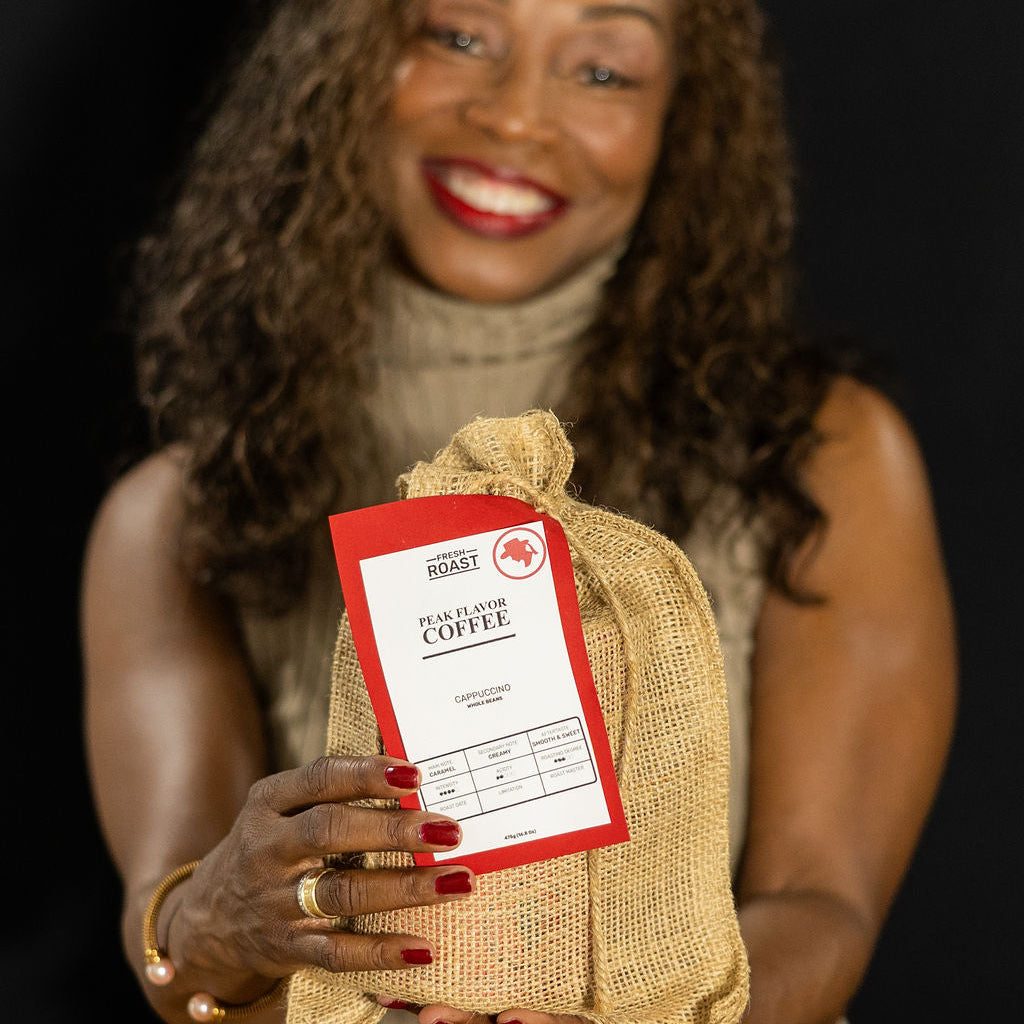
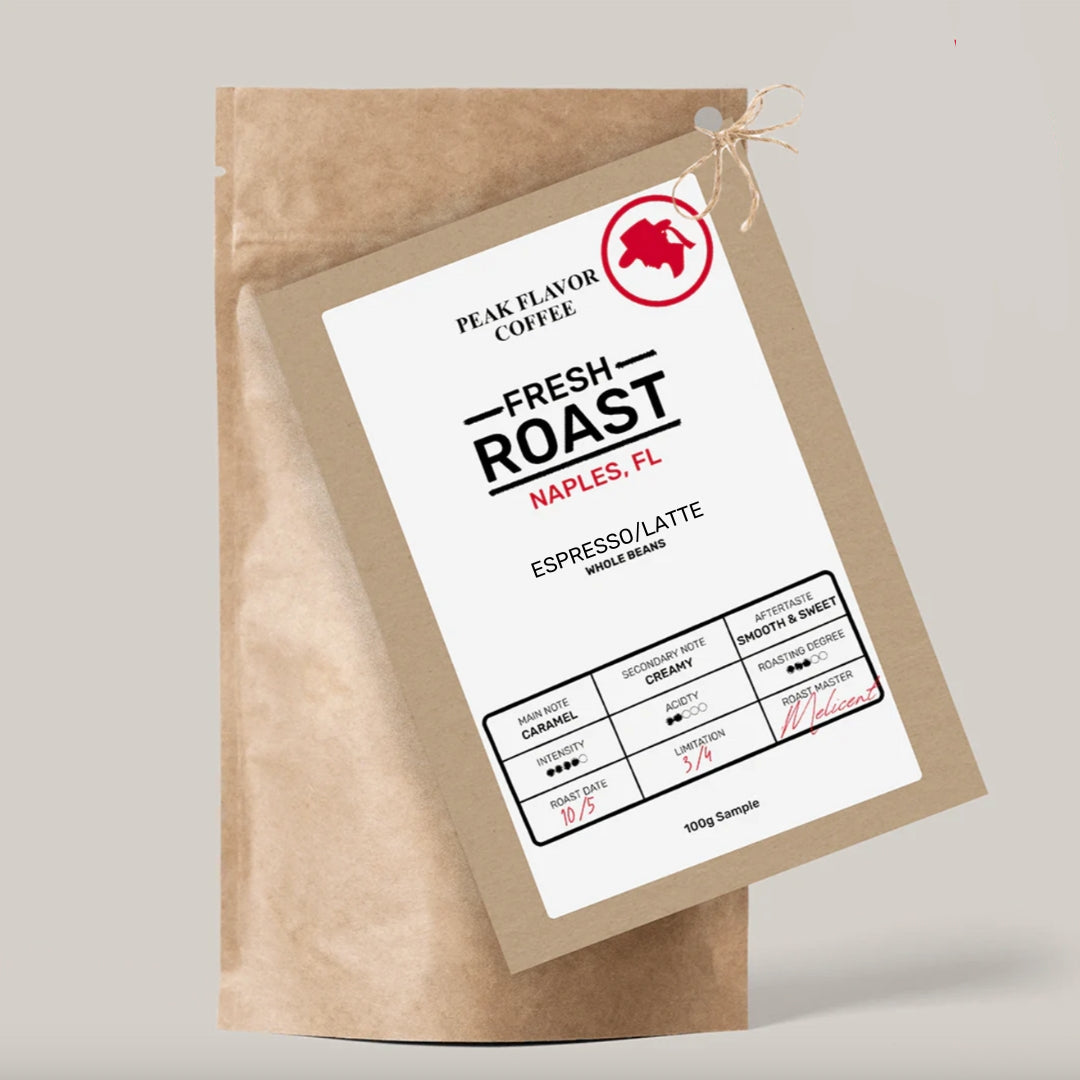
I’m Melicent, founder of Peak Flavor Coffee, and I’ve spent years chasing one simple goal: a creamy latte with natural caramel sweetness, the kind Italians quietly expect and never overthink. What I discovered is this. A great café latte isn’t about prestige beans. It’s about the right beans, treated the right way, at the right time. Explore and Enjoy the Difference"
Brew Creamy Cafe Latte on Your Espresso Machine
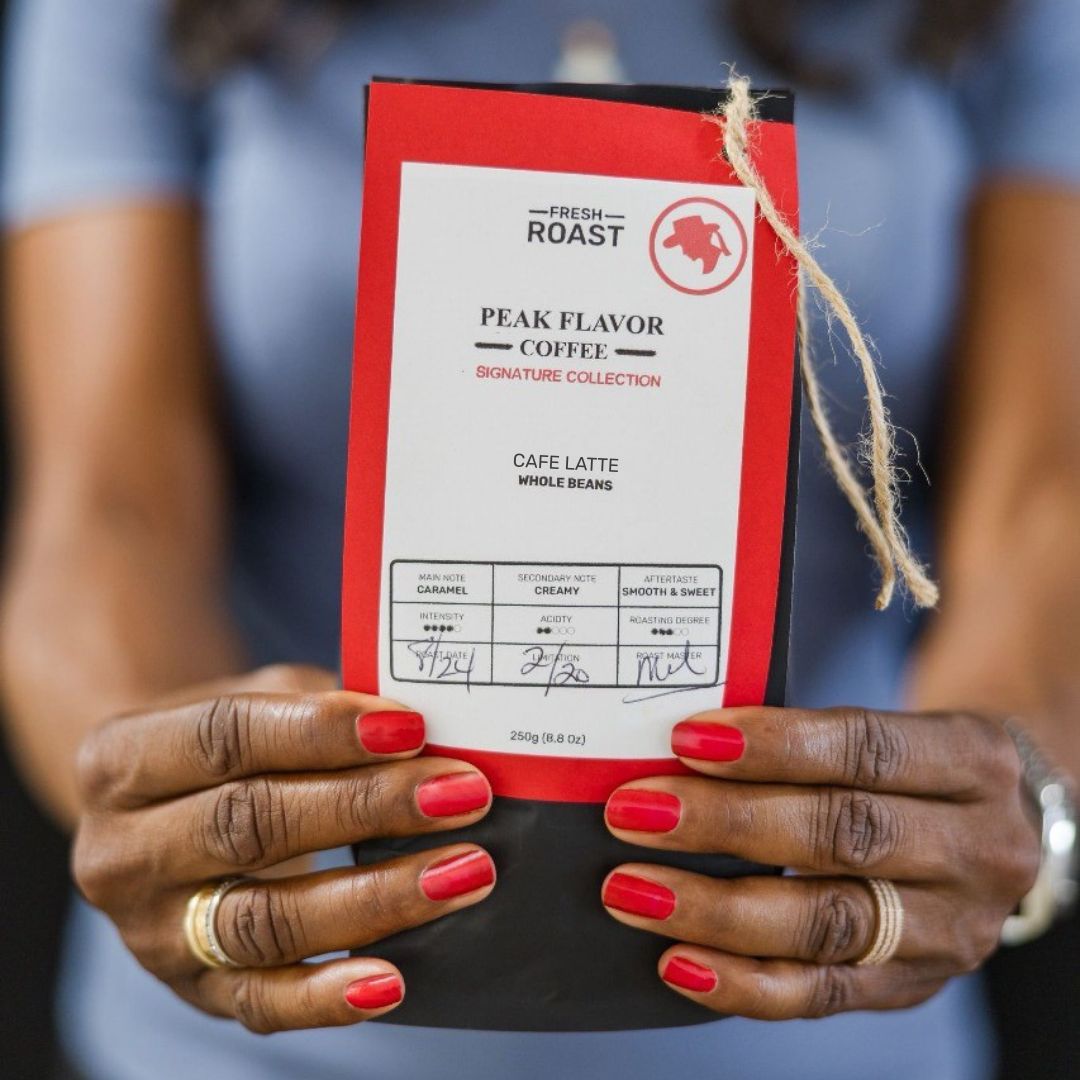
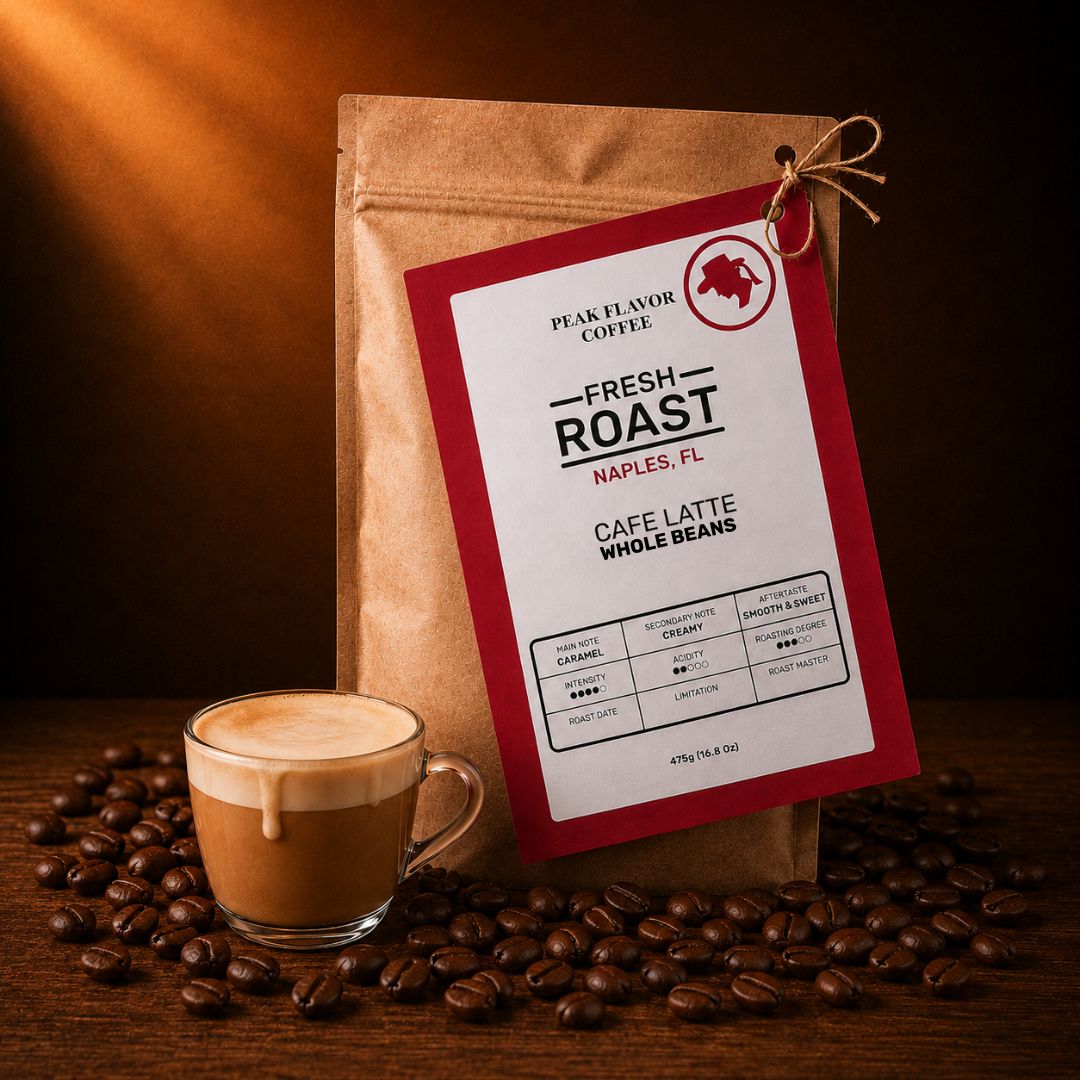
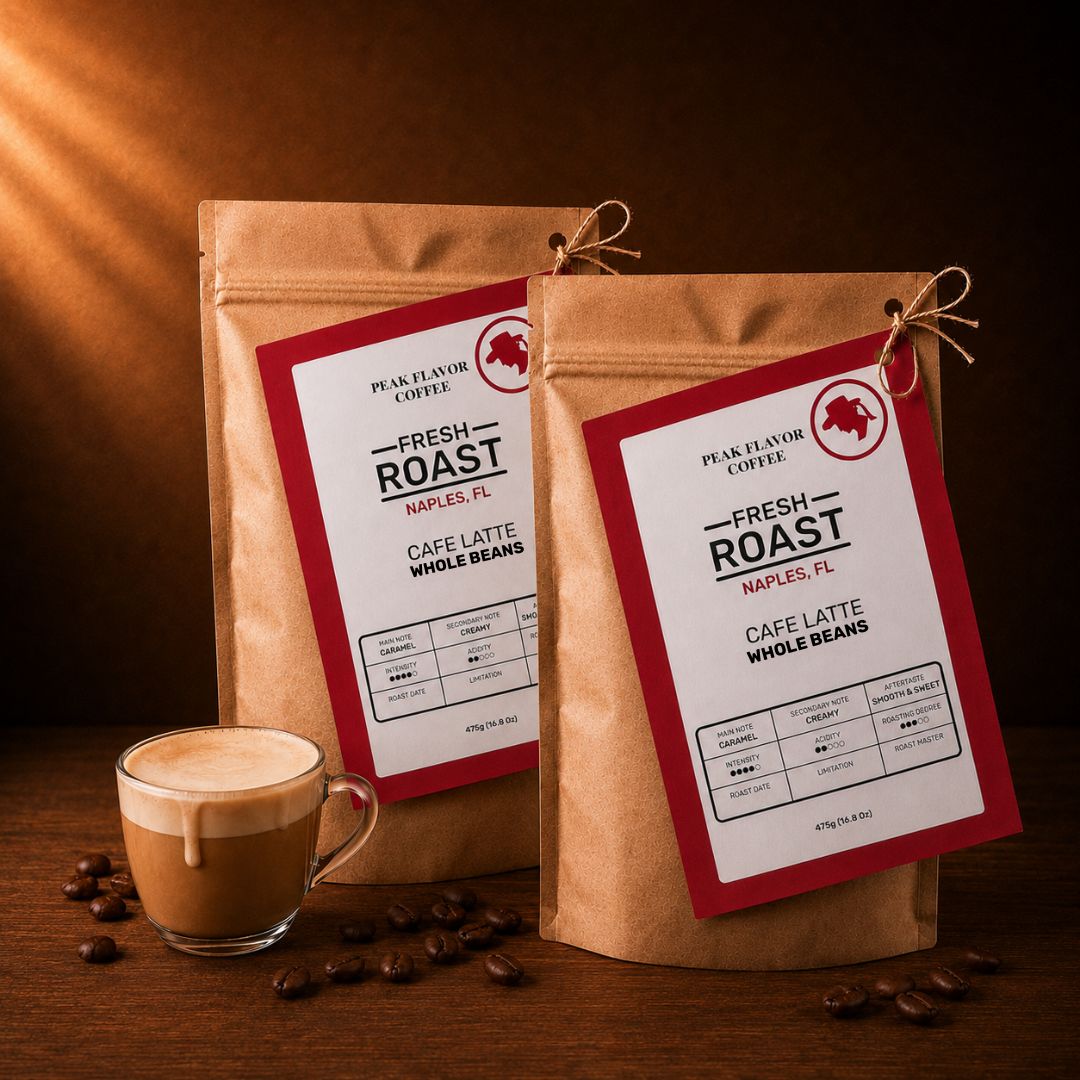
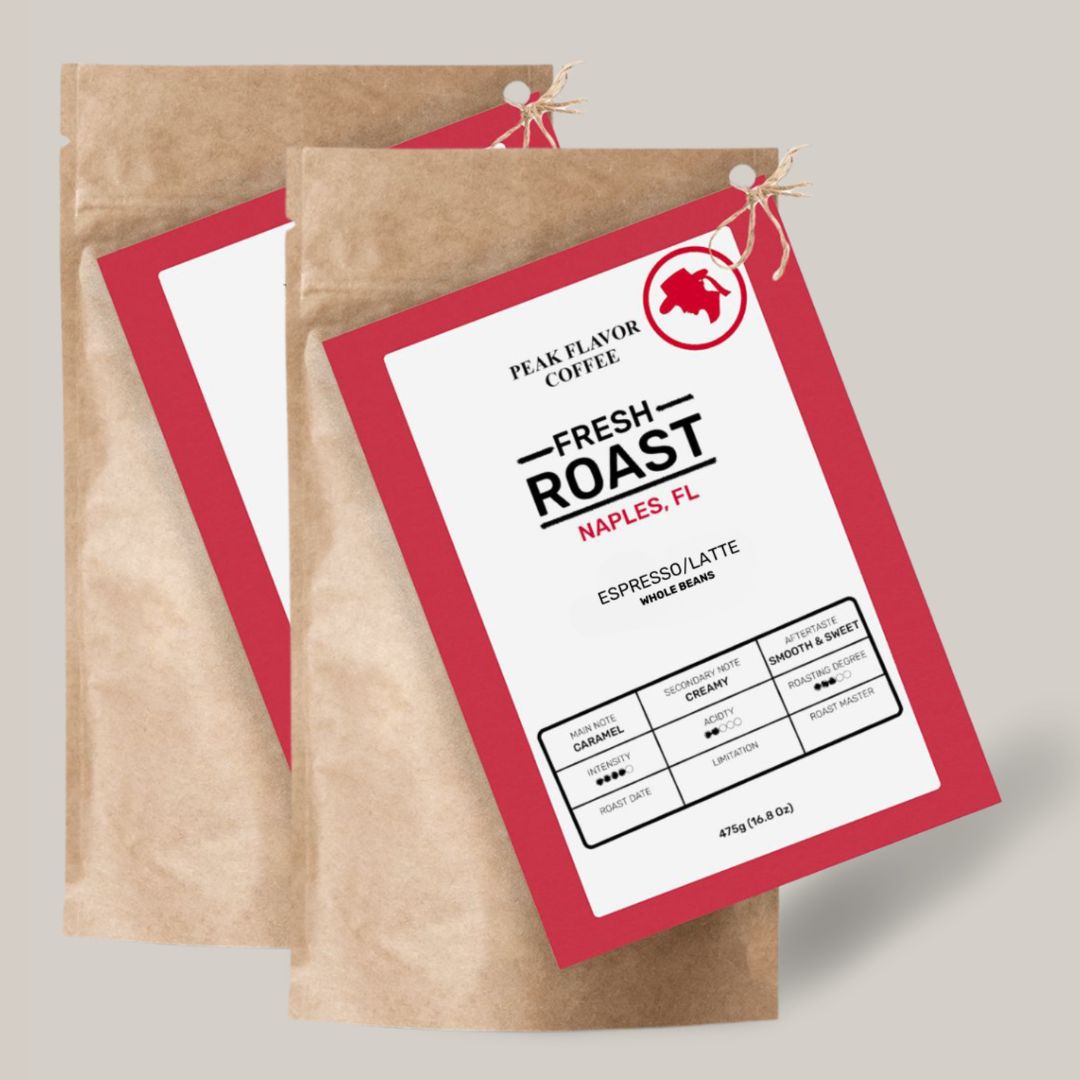
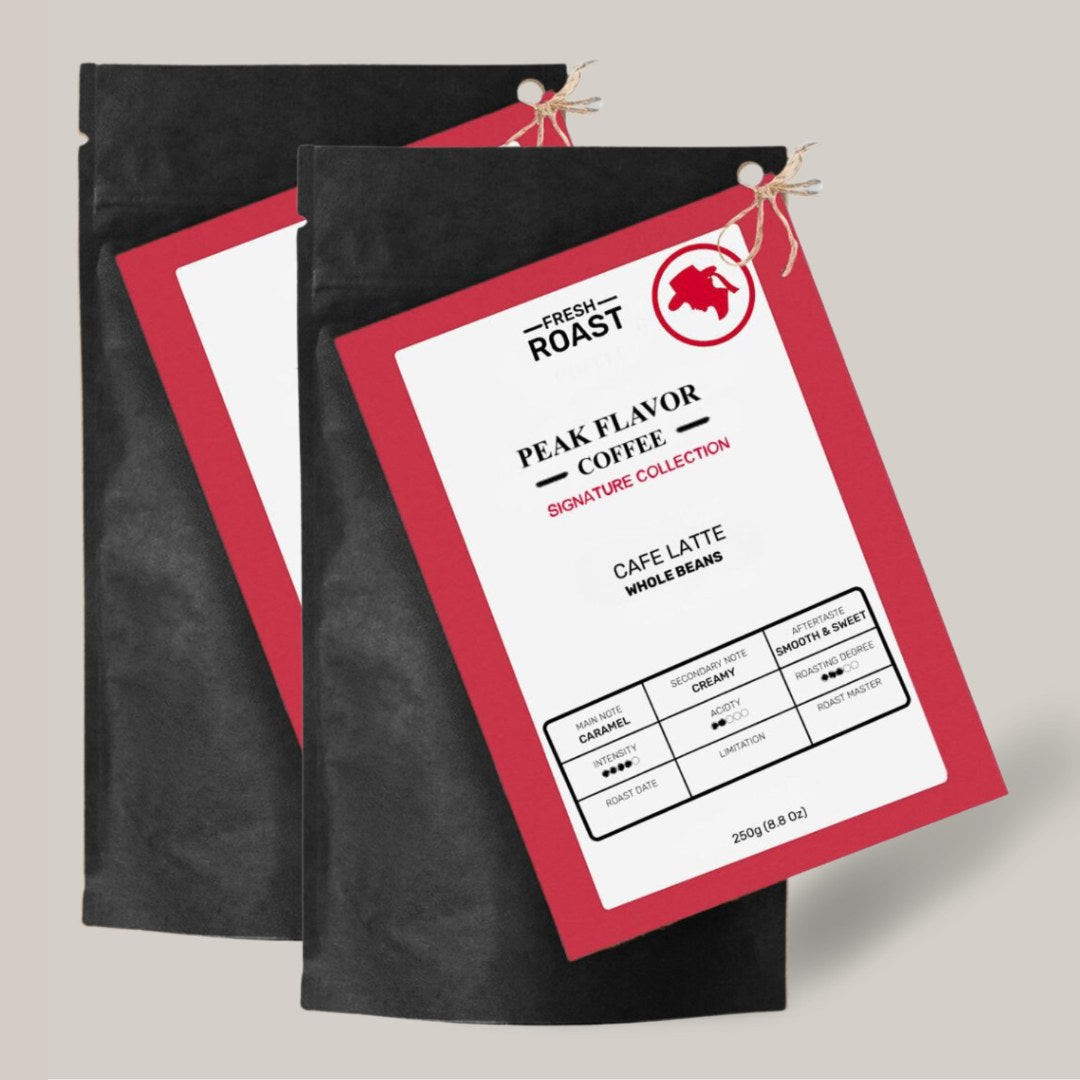
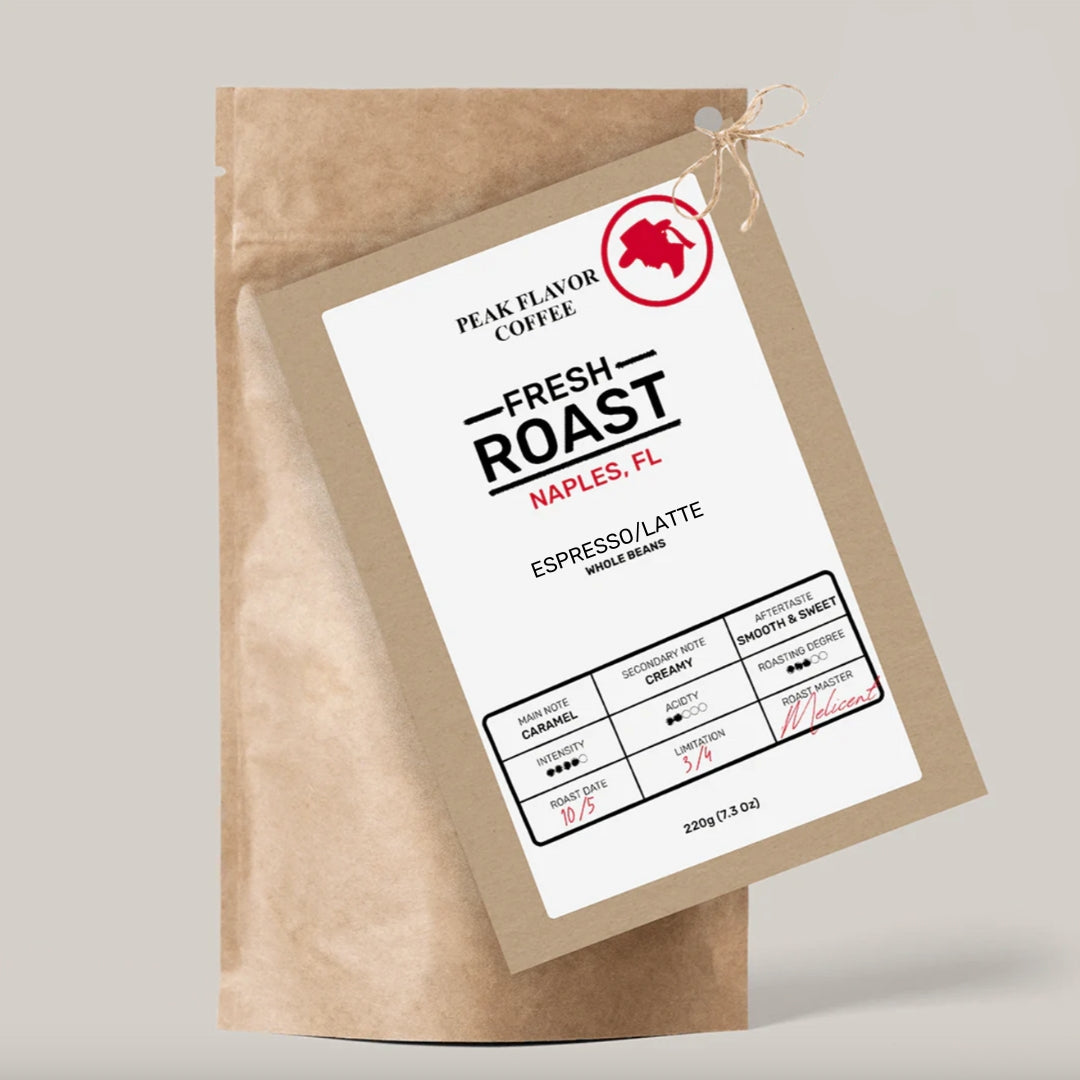
Latte Beans - Best Seller

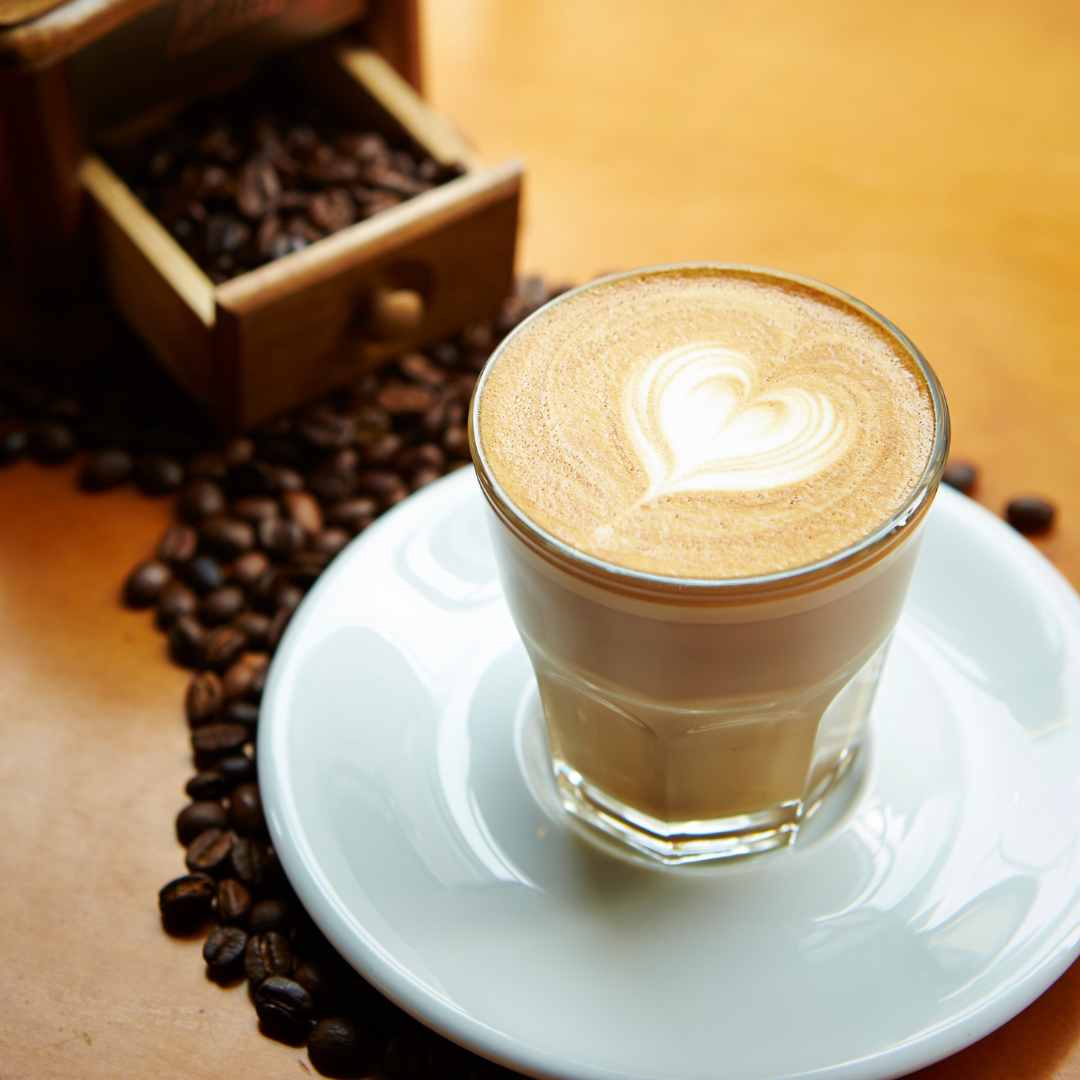
Brew Peak Flavor Cafe Latte
Why Peak Flavor Latte Beans Work?
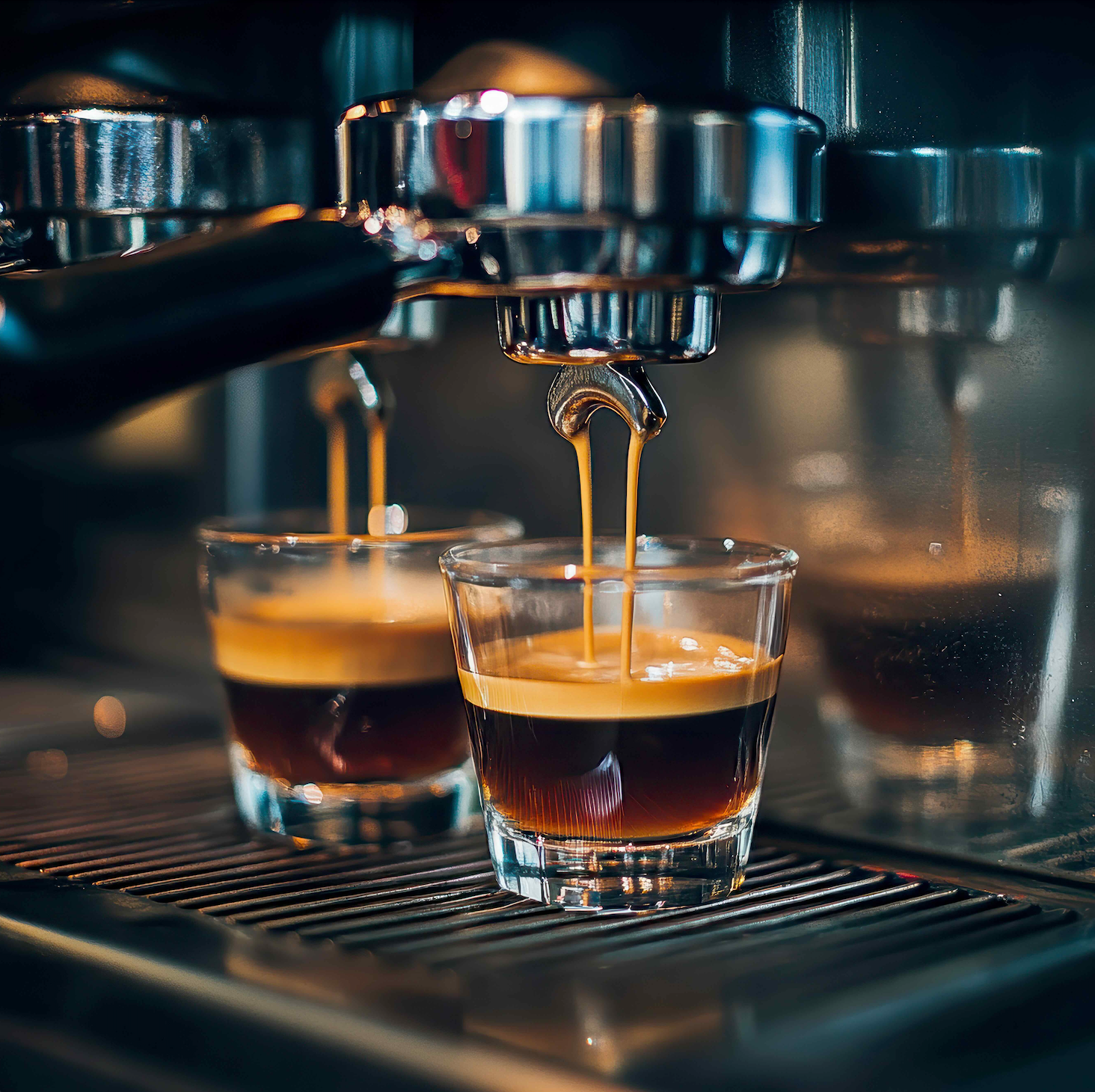
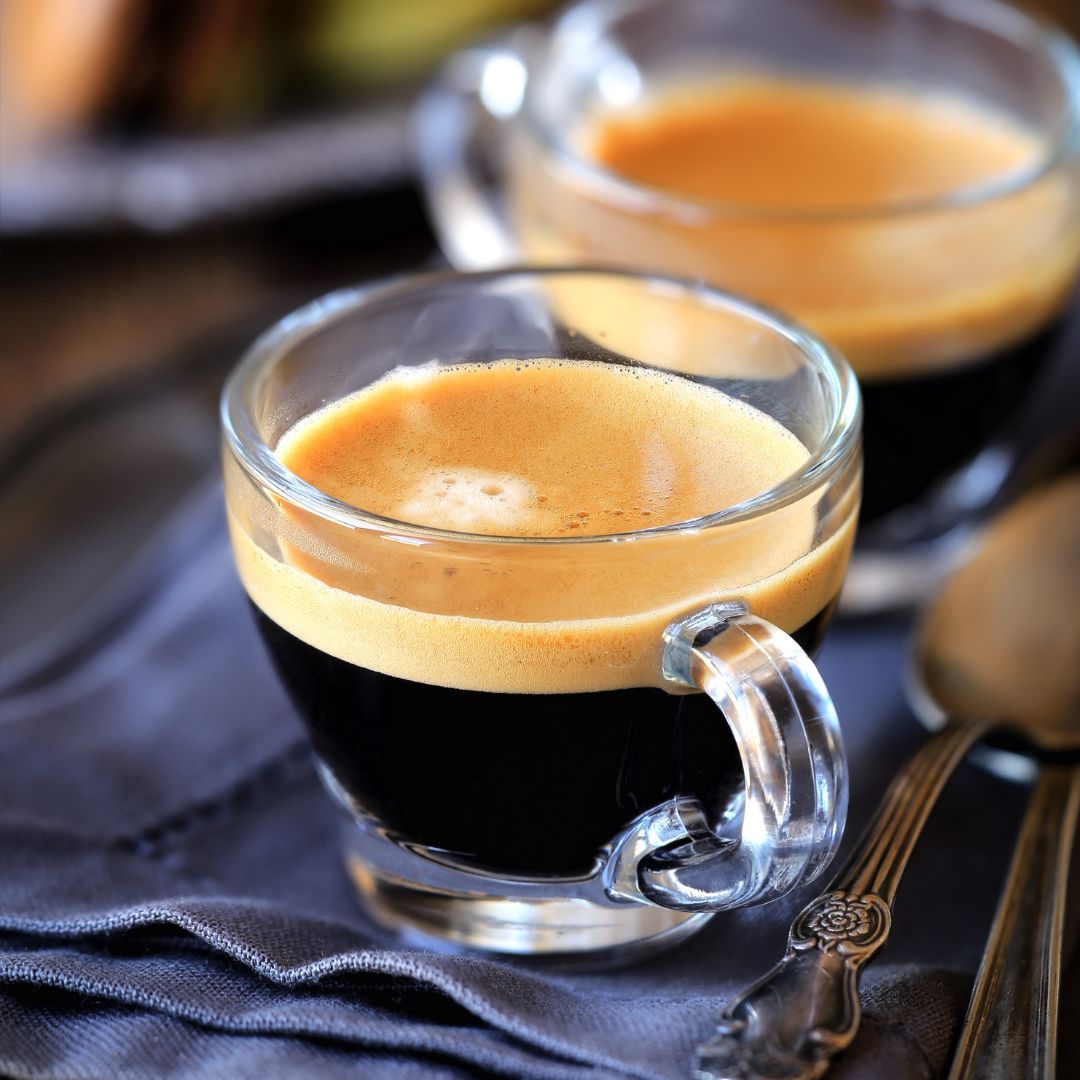
Brewing on your home espresso machine should be easy. Thats why we build our Caffè Latte Beans around a couple of solid principles (ignoring the trends). The result is a smooth, sweet espresso that melts into milk. Dense crema. Caramel warmth. No sharp edges. No burnt finish. This is what latte beans should taste like.
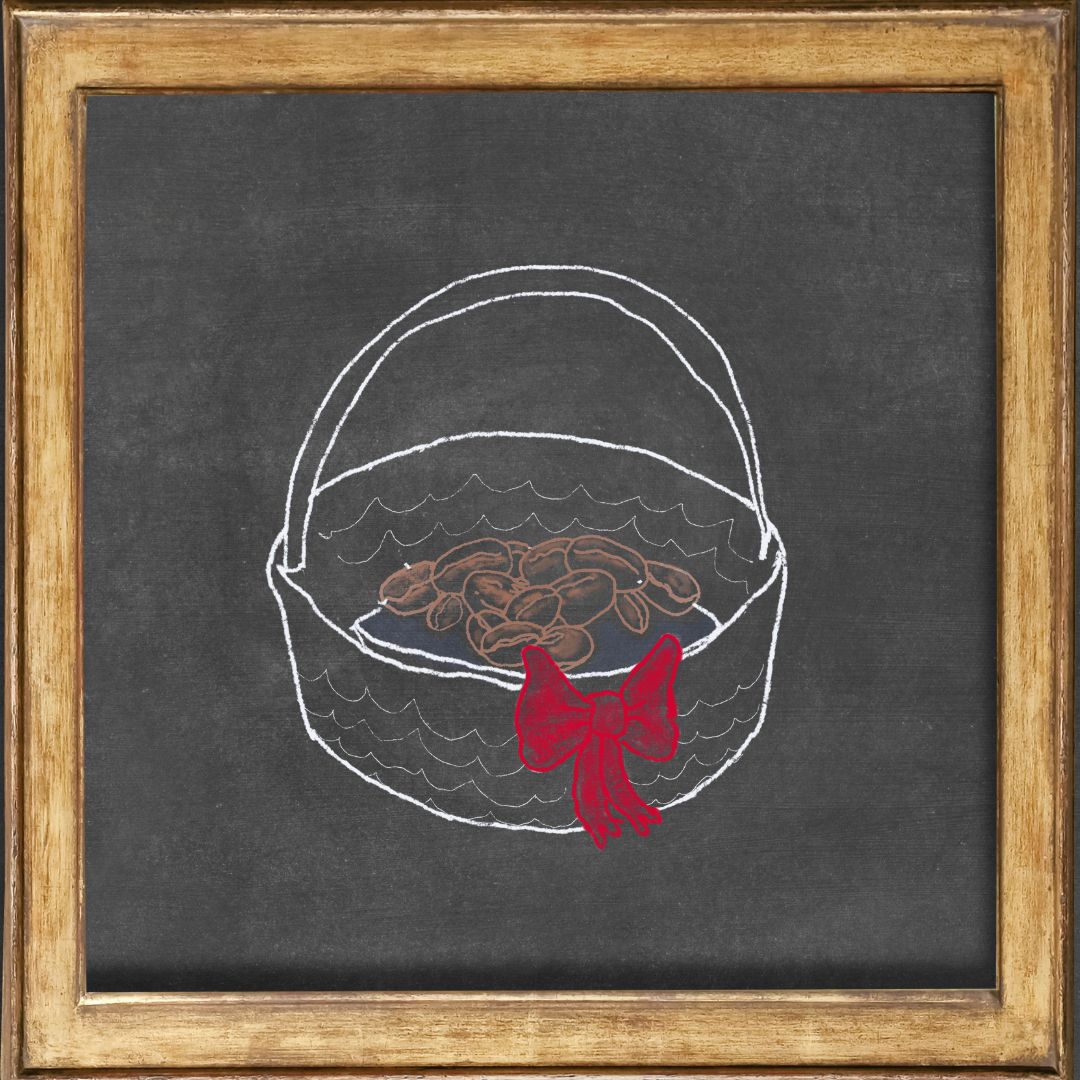
The Right Bean Blend for Cafe Latte
We balance Arabica and Robusta for sweetness and structure.
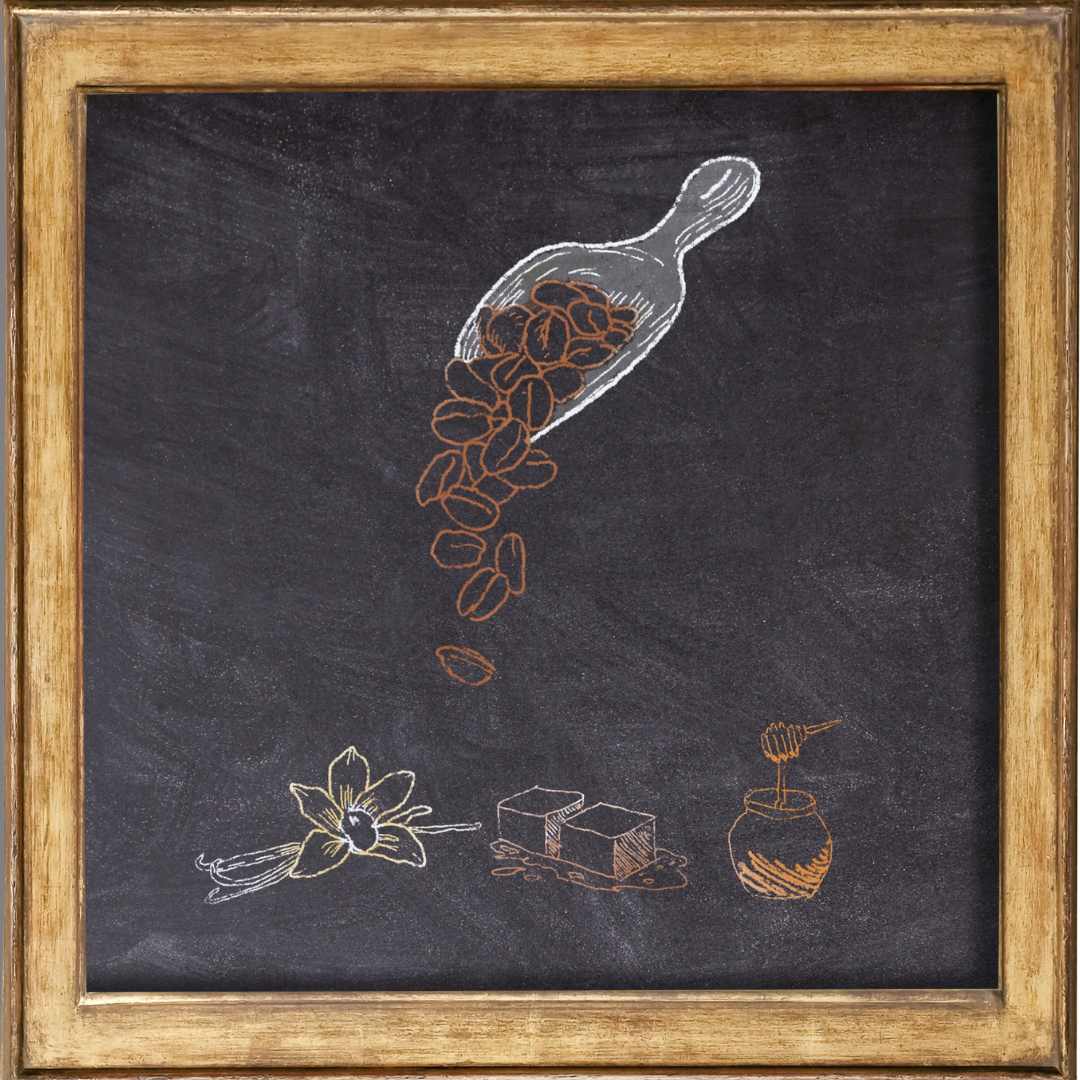
Beans Rich in Natural Sugars
We select high altitude coffee bean origins for maximum natural sugar content.
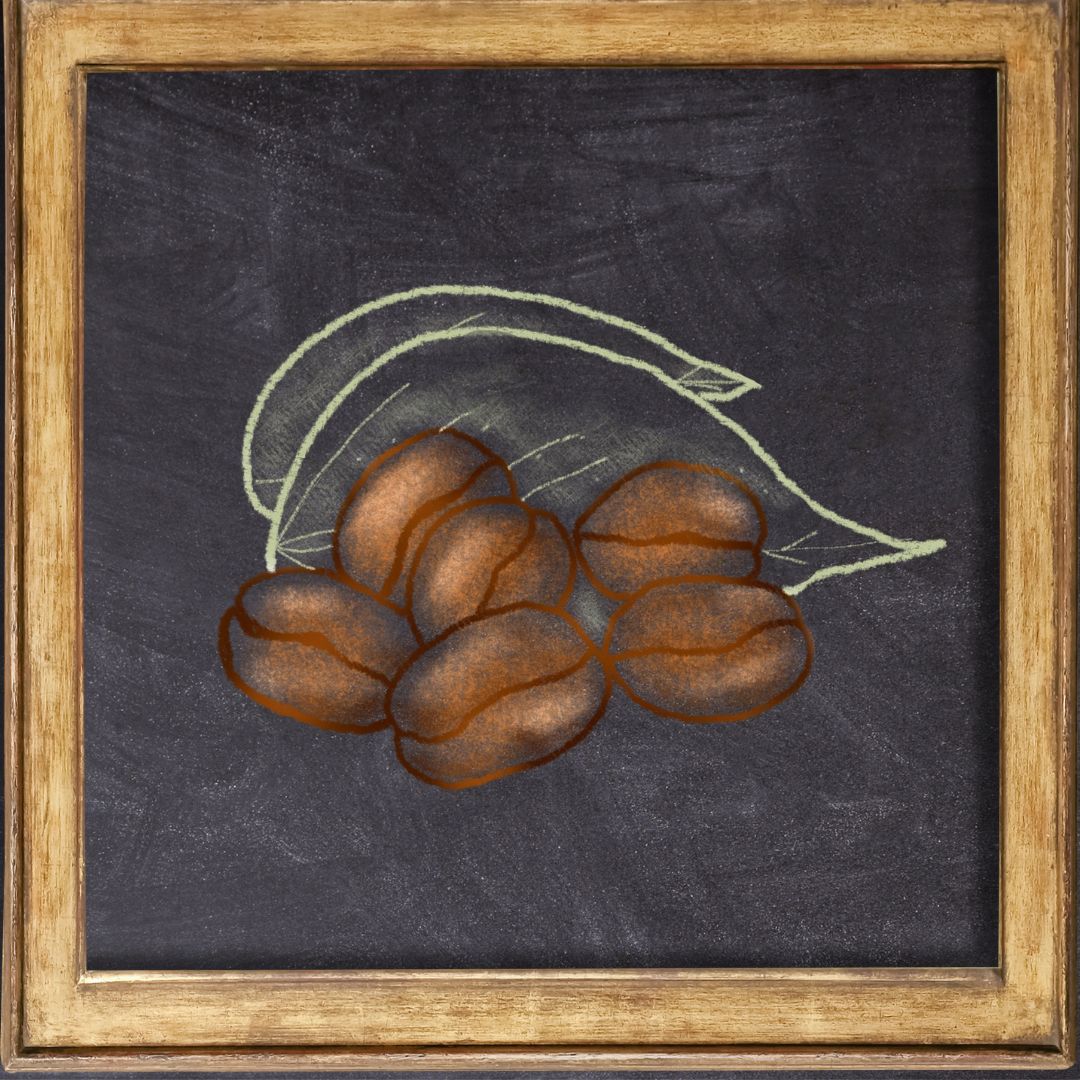
Natural Coffee Bean Drying
We prefer natural processing to preserve richer oils and more luxurious crema.
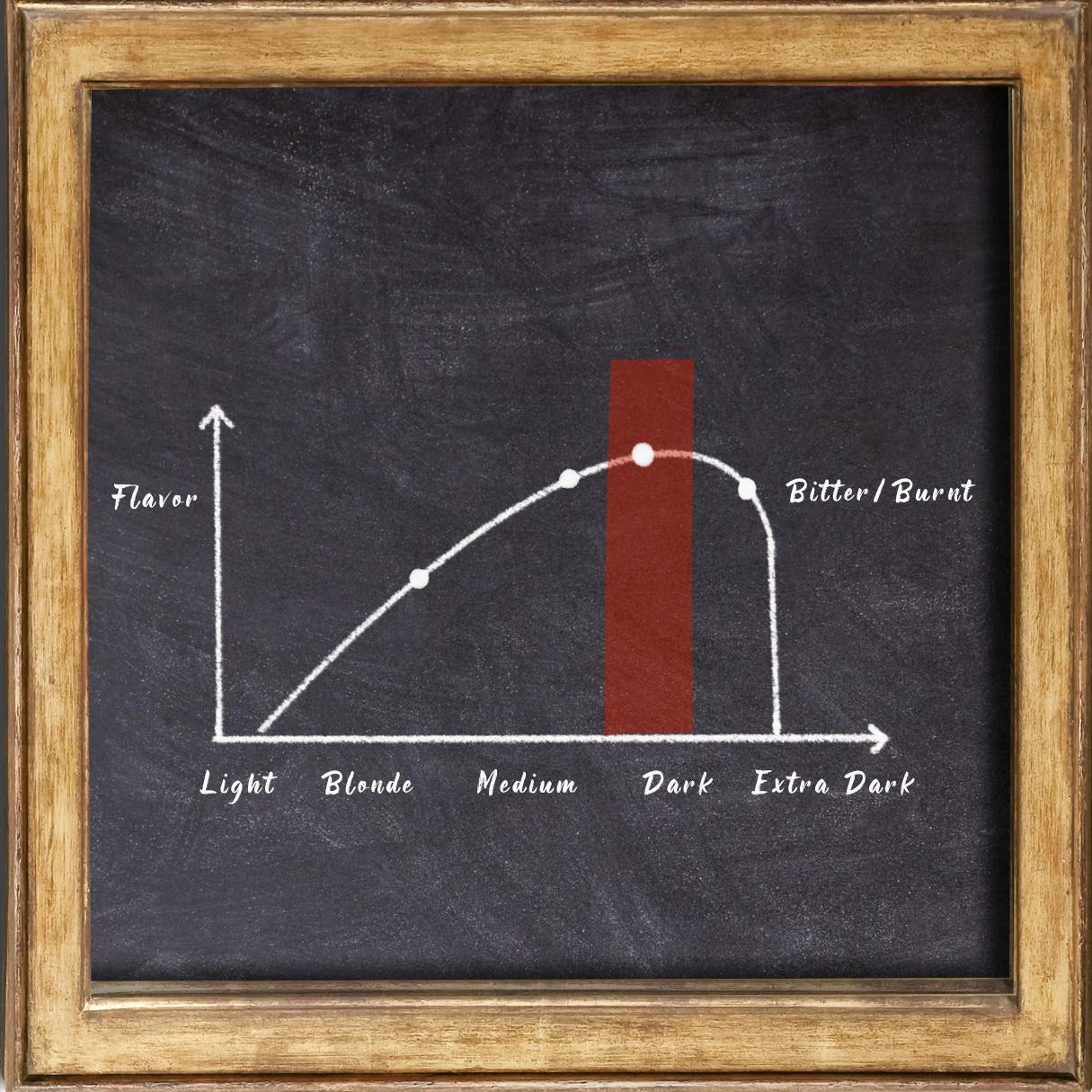
Slow, Italian-style Coffee Roast
We roast medium-dark for caramelized depth without bitterness.
Creamy Latte Made Easy
Most Popular Latte Beans
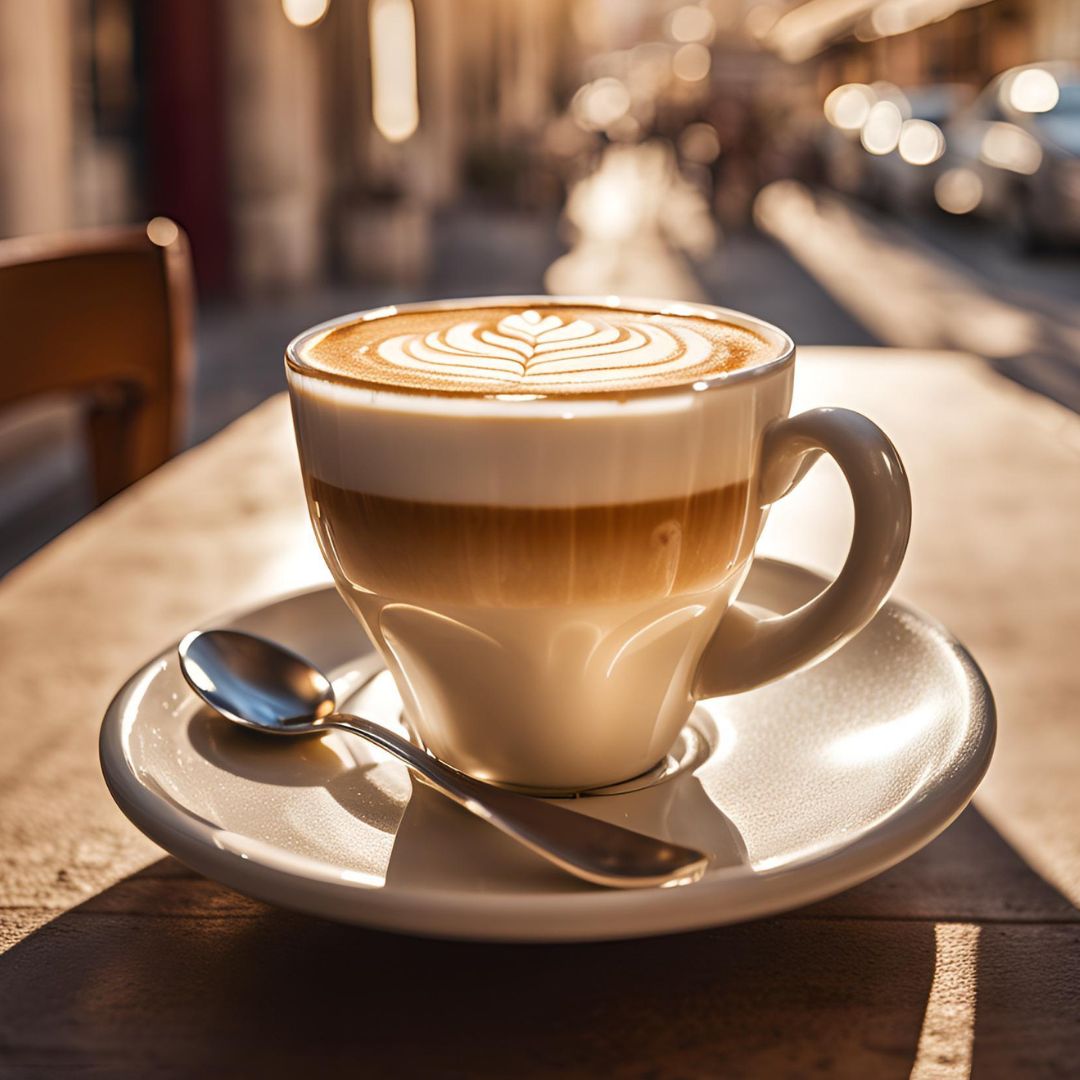
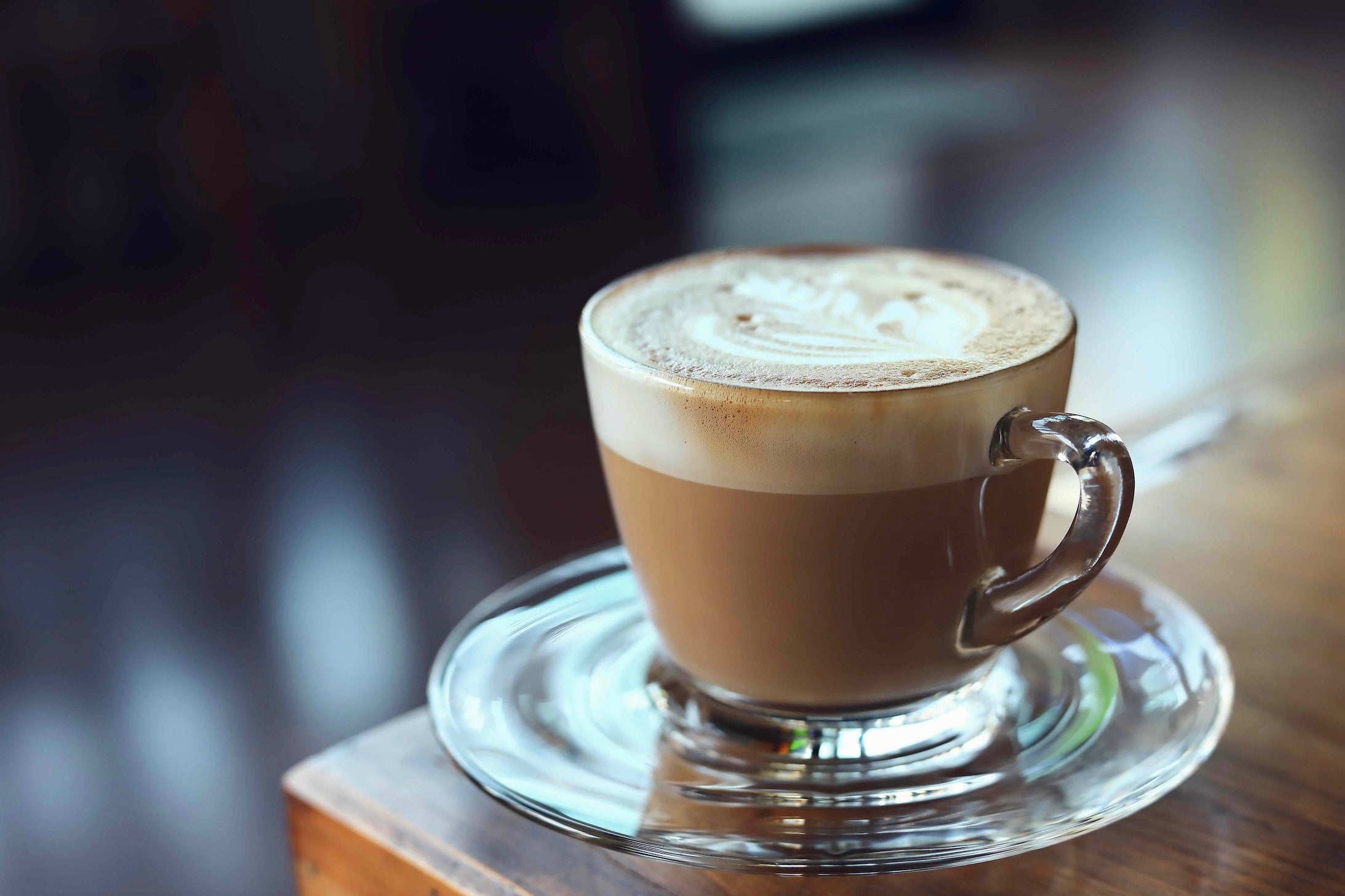

Same Beans - Different Balance
Latte vs Cappuccino
I’m often asked about latte vs cappuccino and cafe latte vs cappuccino beans. Here’s the simple answer.
Both drinks benefit from the same bean blend. The difference is milk ratio, not coffee. A cappuccino has less milk and more foam, so the espresso comes through more clearly.
A latte has more steamed milk, which demands extra body and sweetness from the coffee. If your beans work for a latte, they will absolutely work for a cappuccino. The reverse is not always true.
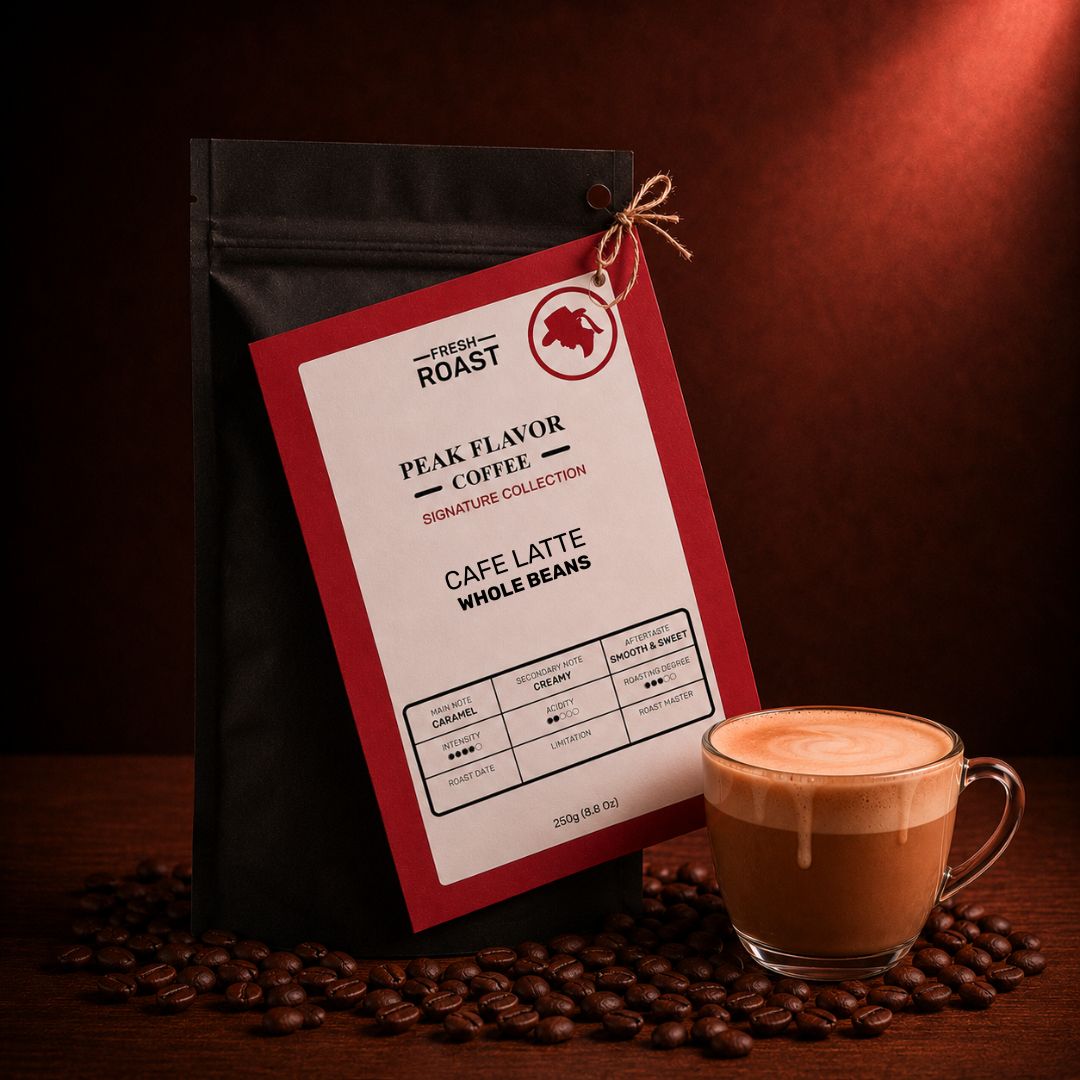
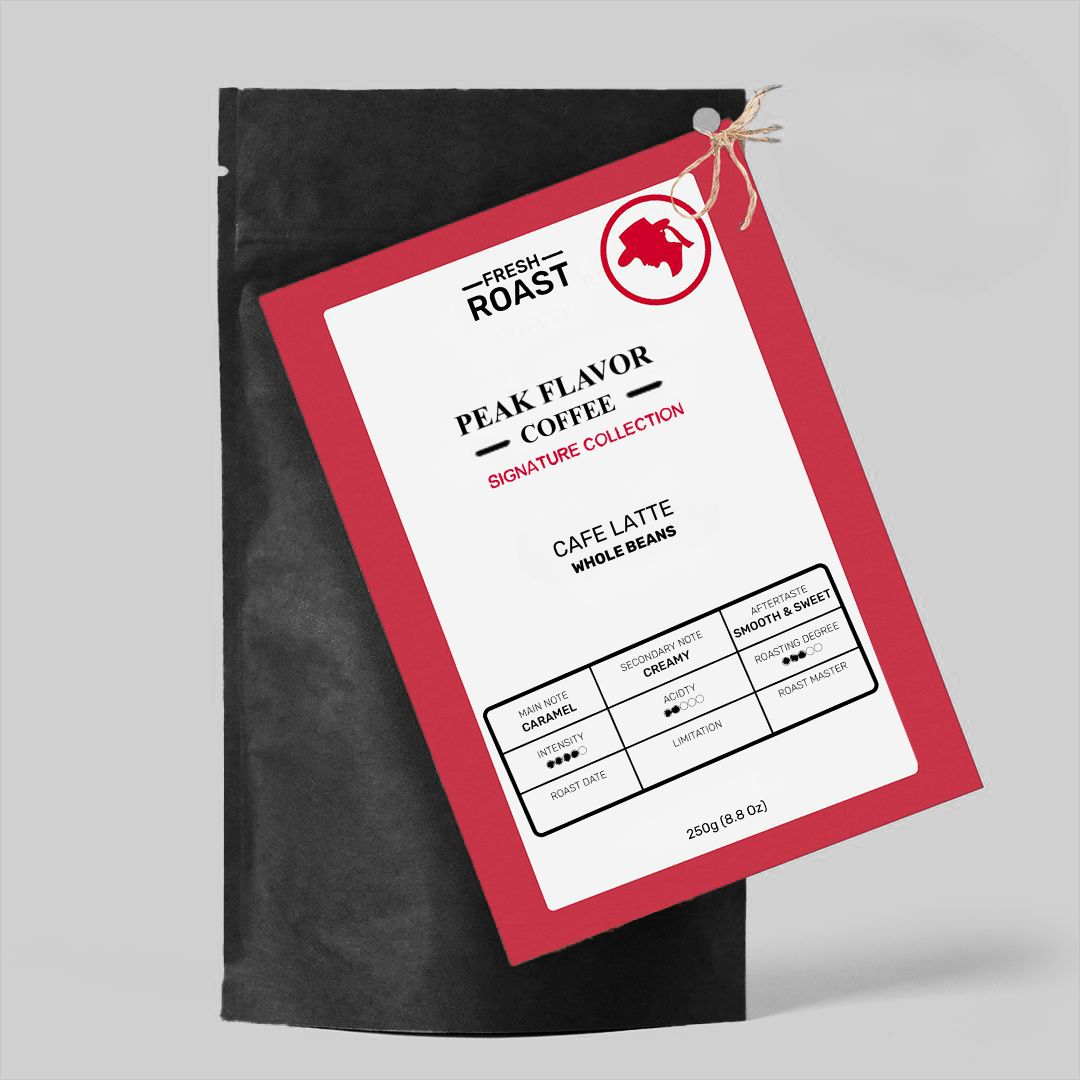
Discover our signature latte beans.
Subheading
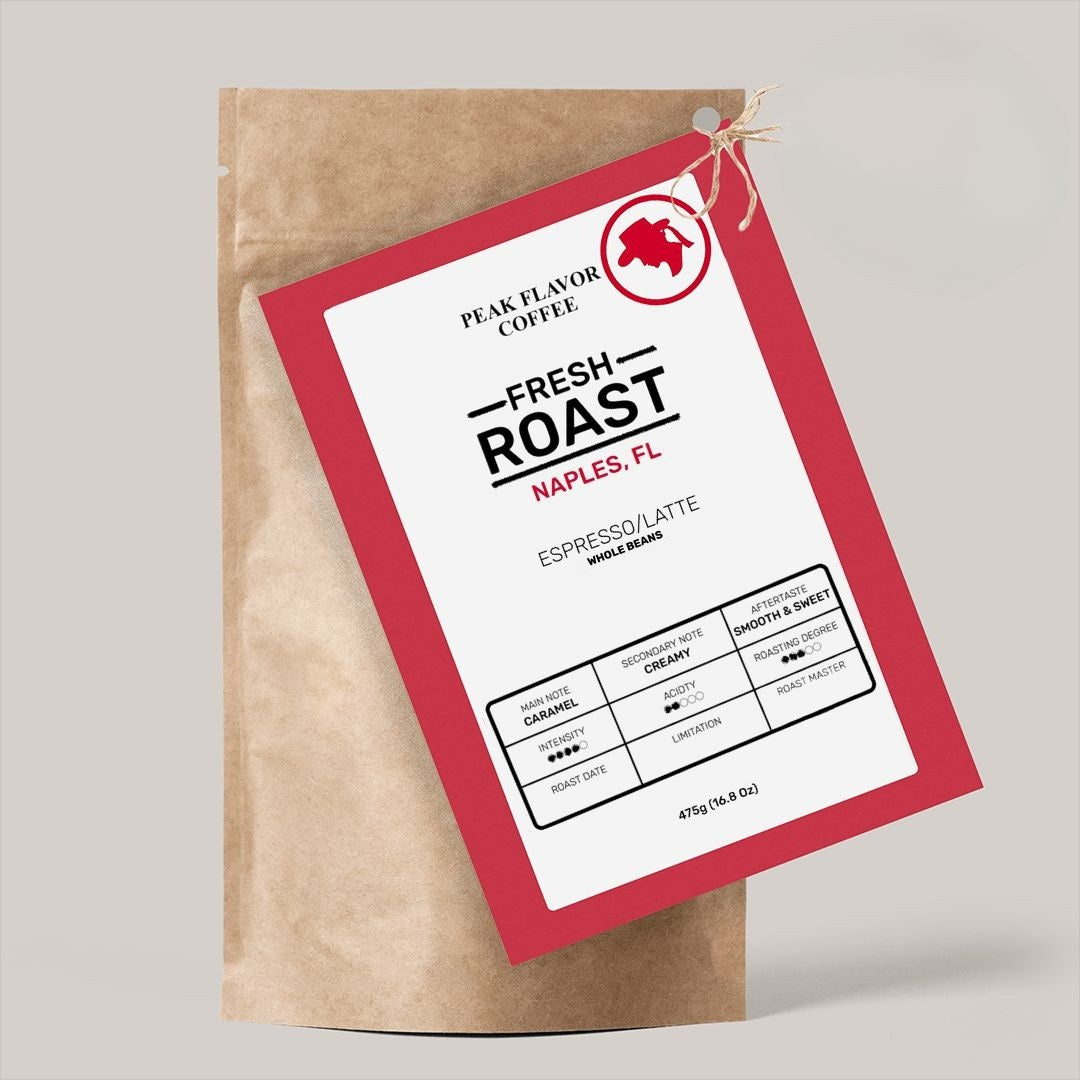
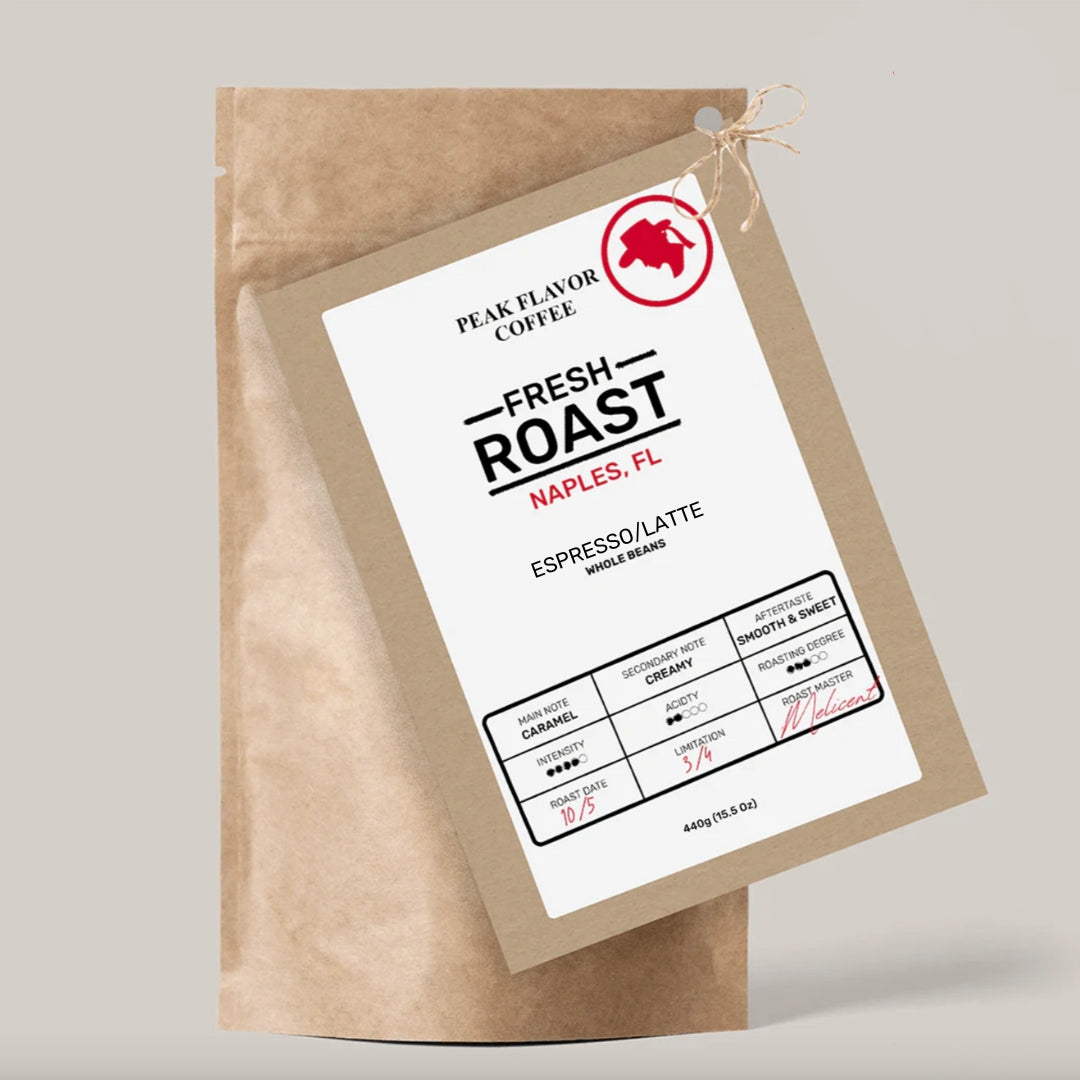
Cafe Latte Beans - Best Value
Unlock Peak Flavor Cafe Latte
How to Make Luxuriously Creamy Cafe Latte?
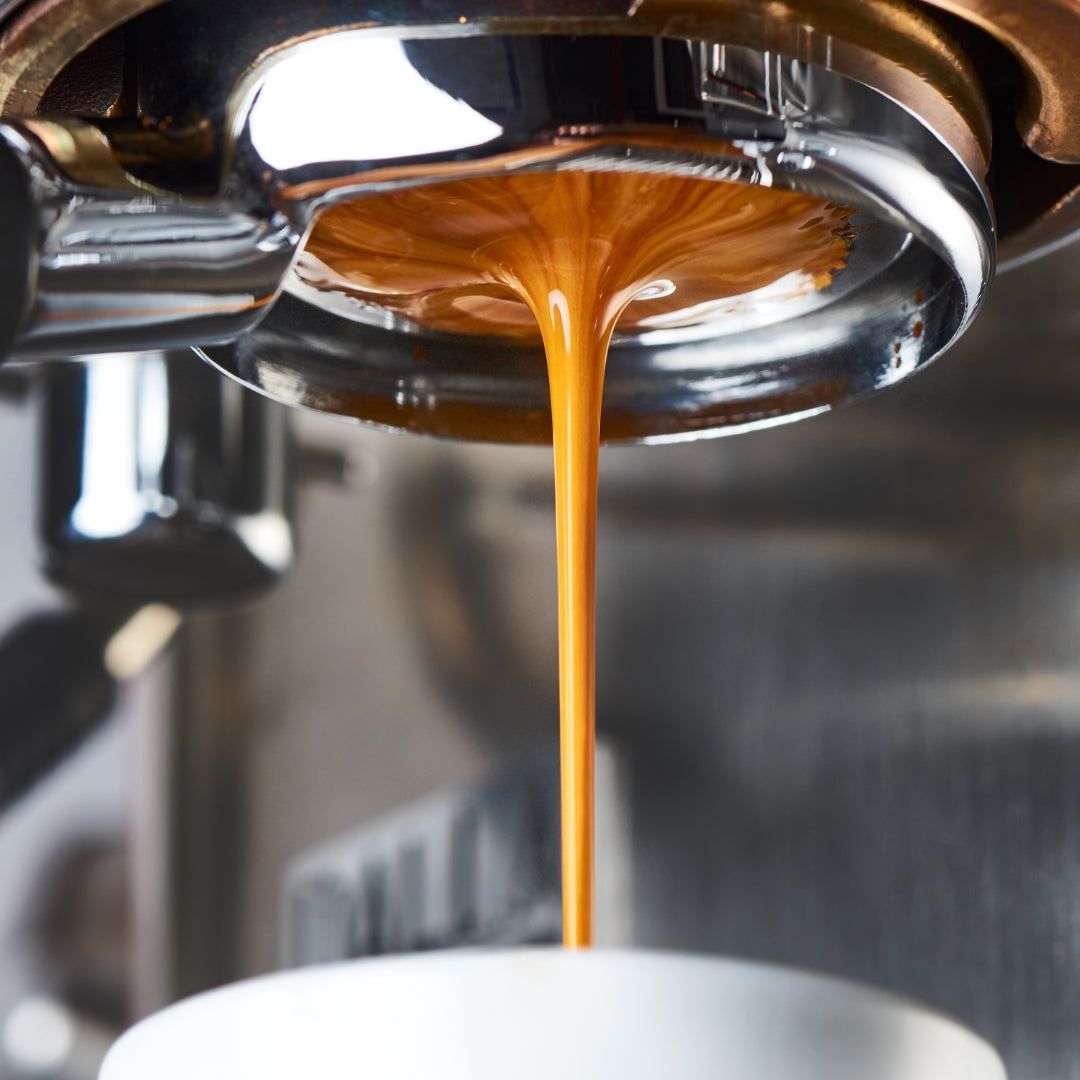
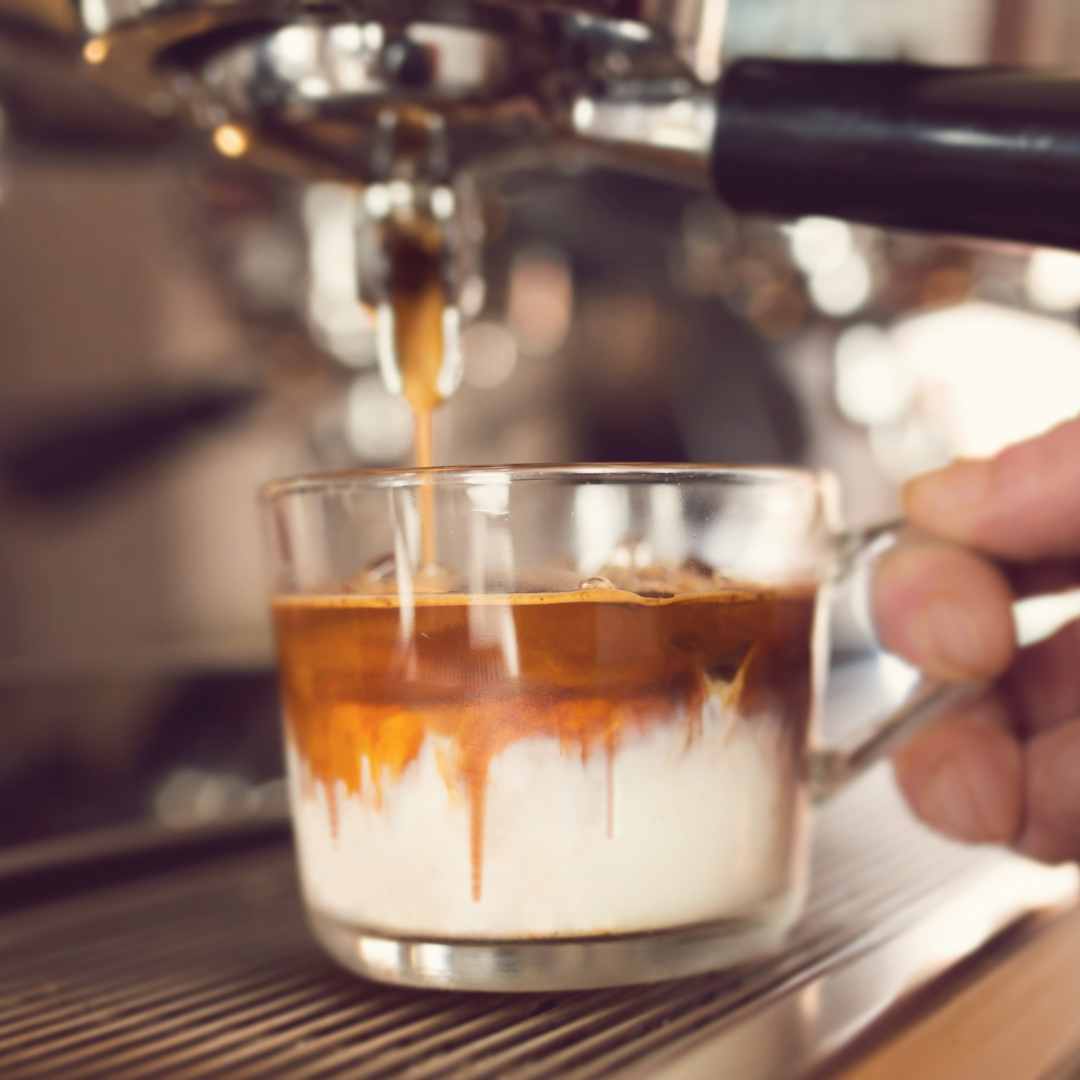
Brew a Double Espresso
Use Signature Latte Beans to let your espresso machine extract enough coffee strength and espresso crema for rich and smooth Cafe Latte.
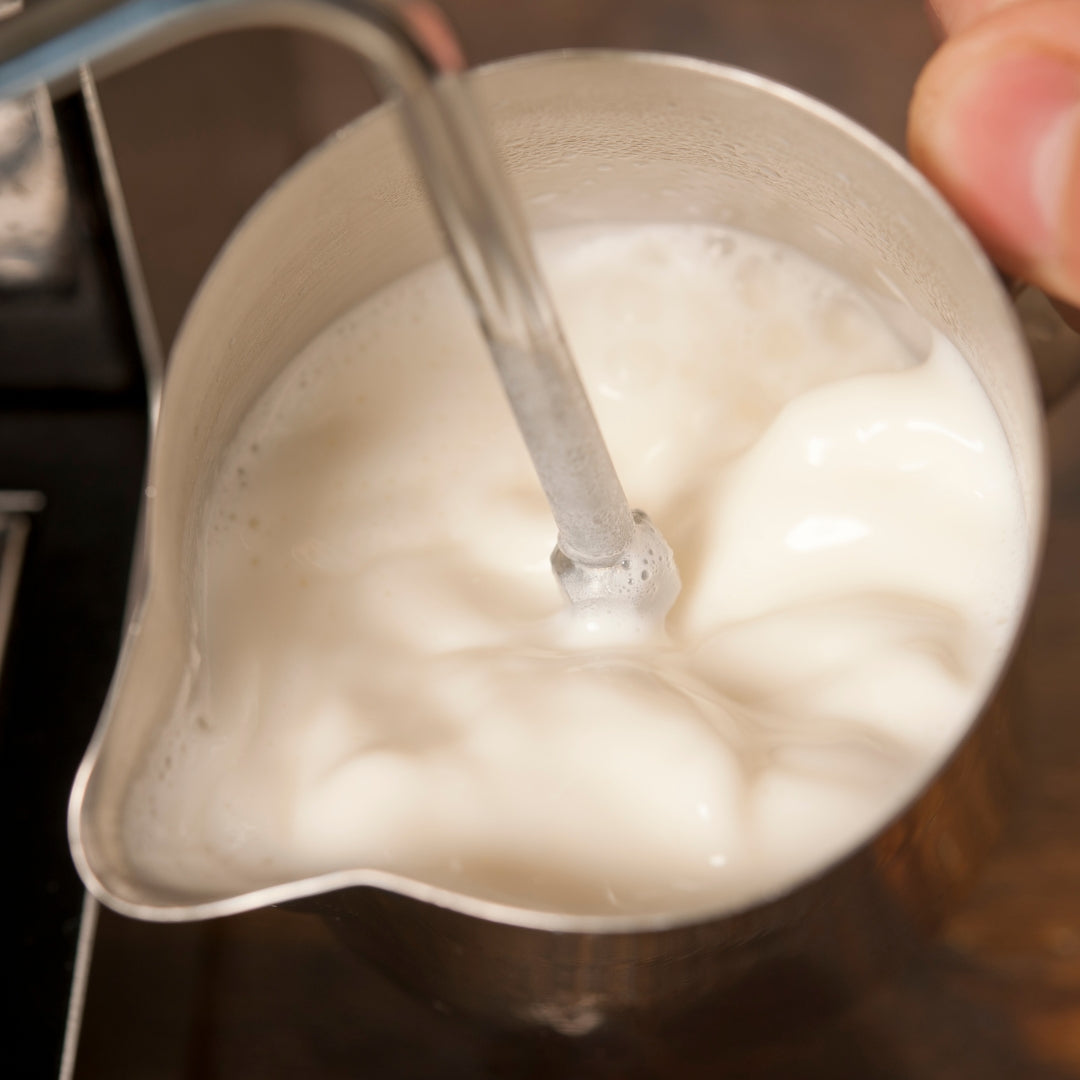
Steam Your Milk of Choice
At Peak Flavor Coffee, we recommend using lactose free whole milk (3%) for rich and smooth milk foam. Whole milk best balances Italian espresso strength.
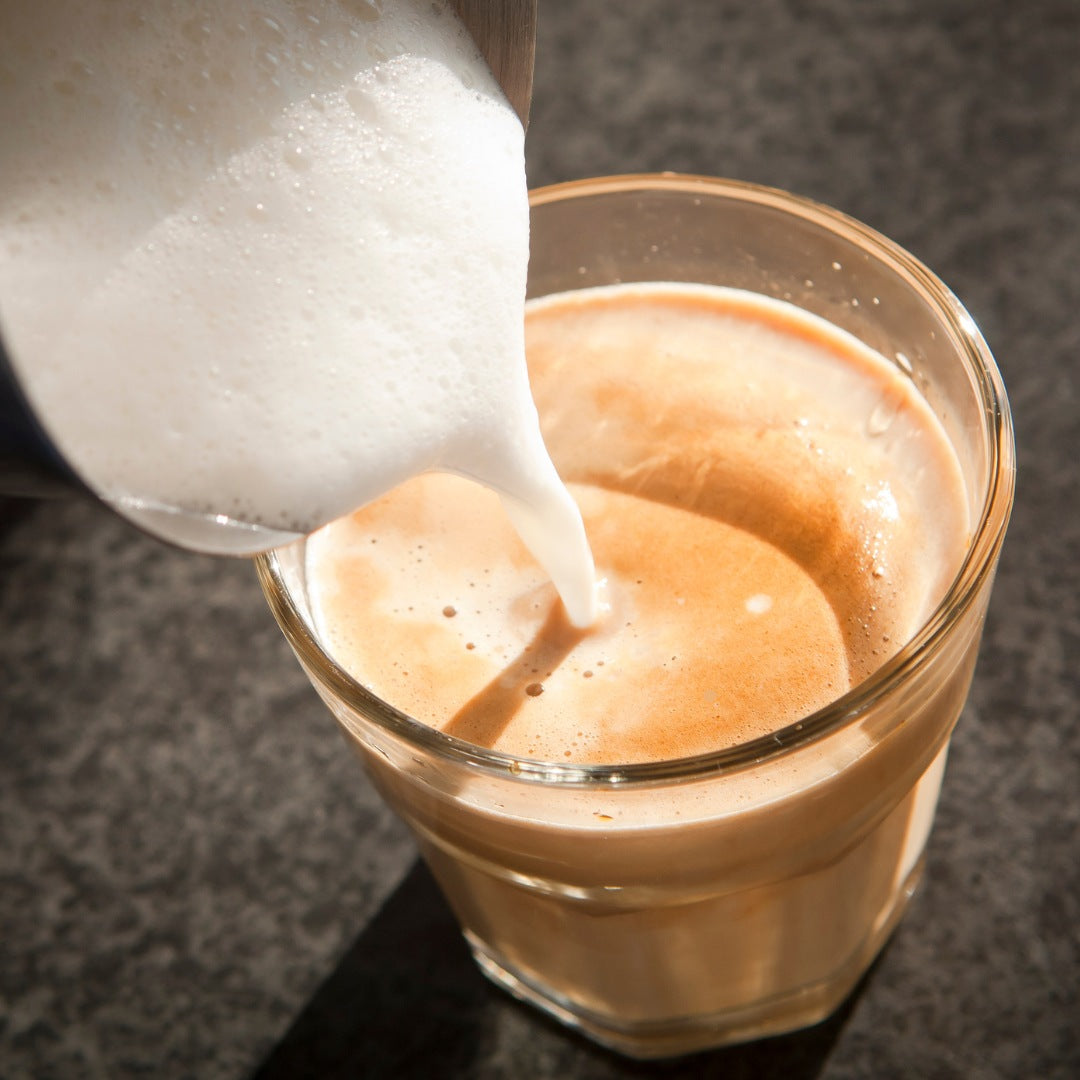
Add Milk to Balance Coffee Strength
Accurate Italian Cafe Latte Grinds add a little espresso strength. For every part espresso, add 2 parts milk and 1 part milk foam for the best cafe latte ratio. Read more about how to make Cafe Latte.
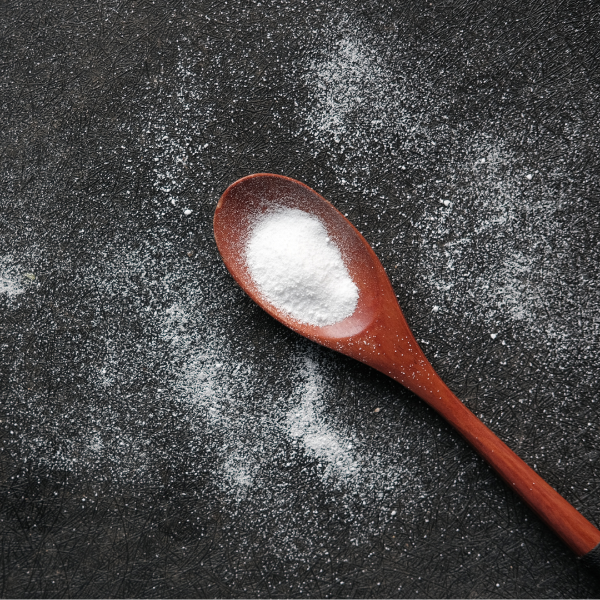
Add Cane Sugar Only When Needed
Because we use naturally sweet espresso beans, we believe extra sugar is not really needed. Only if you want to balance with more than just milk, which contains milk sugar, add a little natural cane sugar.
Indulge in Peak Flavor Cafe Latte
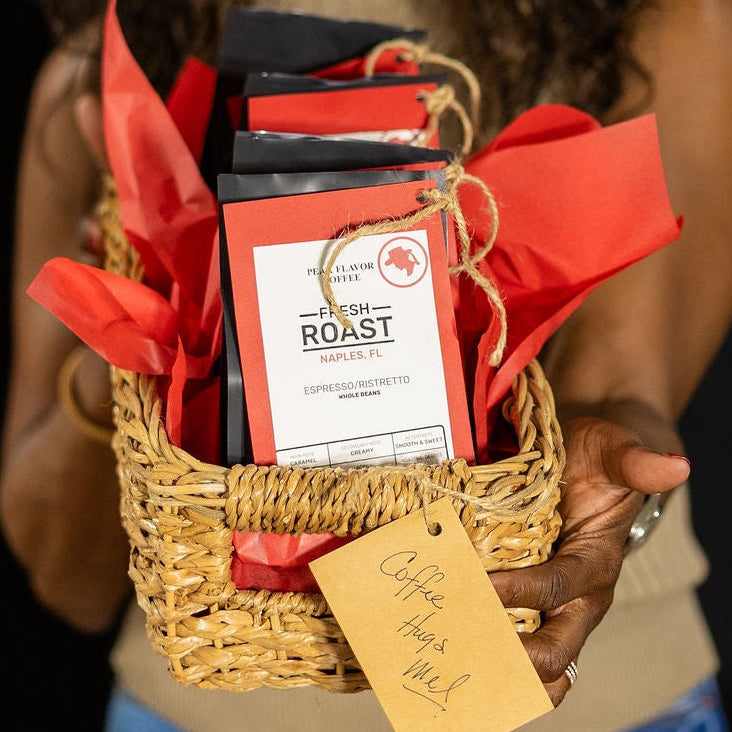
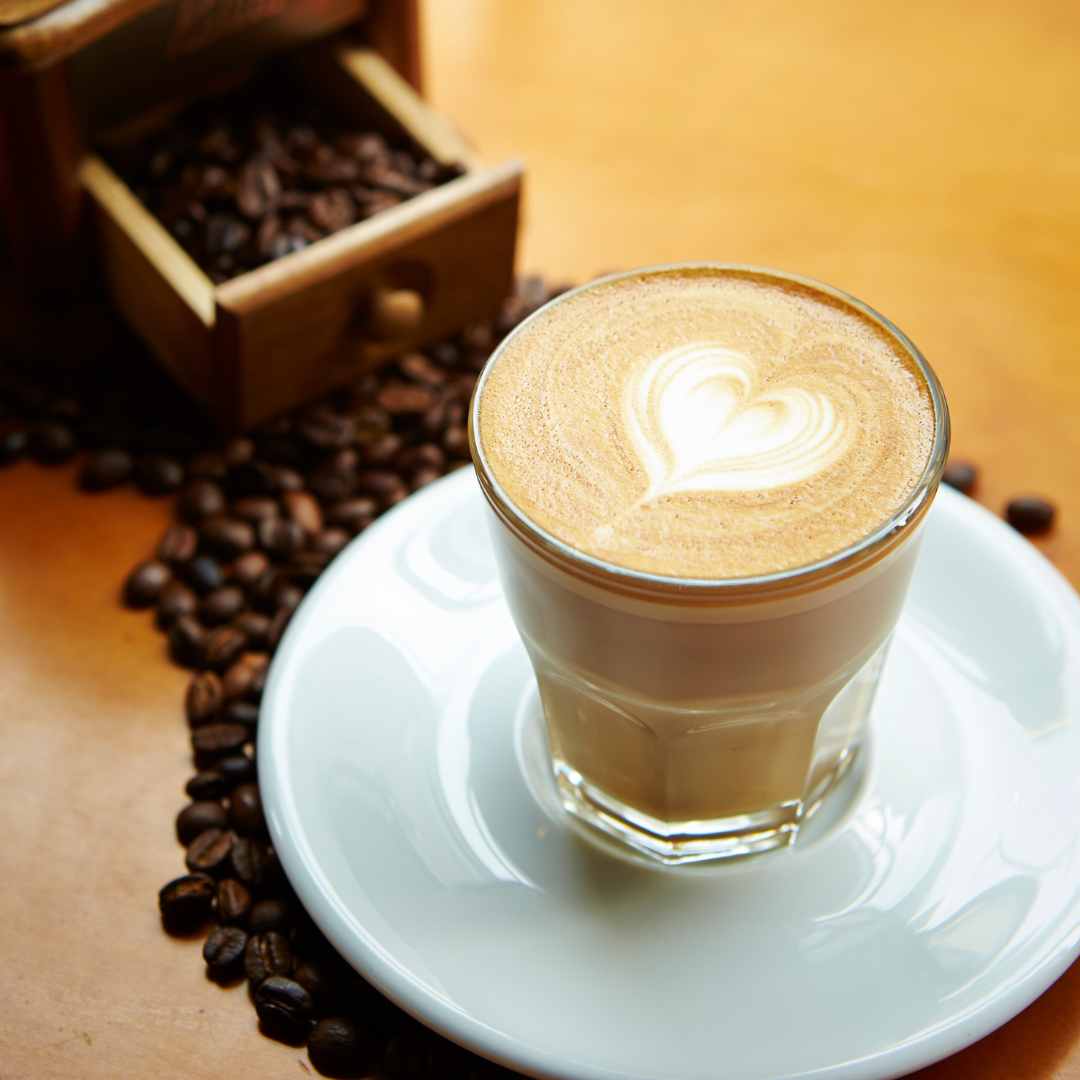
I love to drink Italian style cafe latte from a small glass and have a naturally sweet coffee moment with my friend Ro. Try Genuine Italian Cafe Latte. Coffee Hugs, Melicent
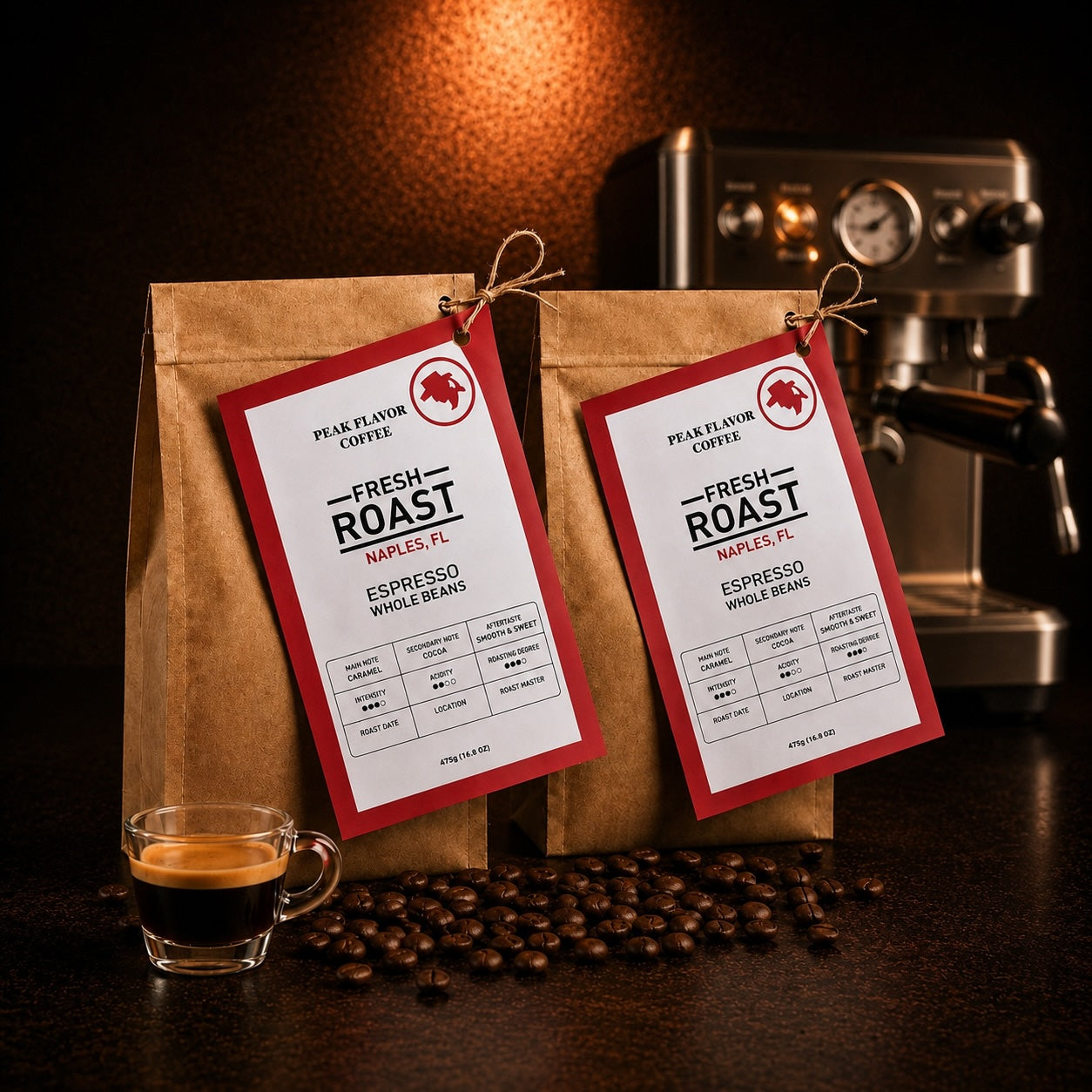
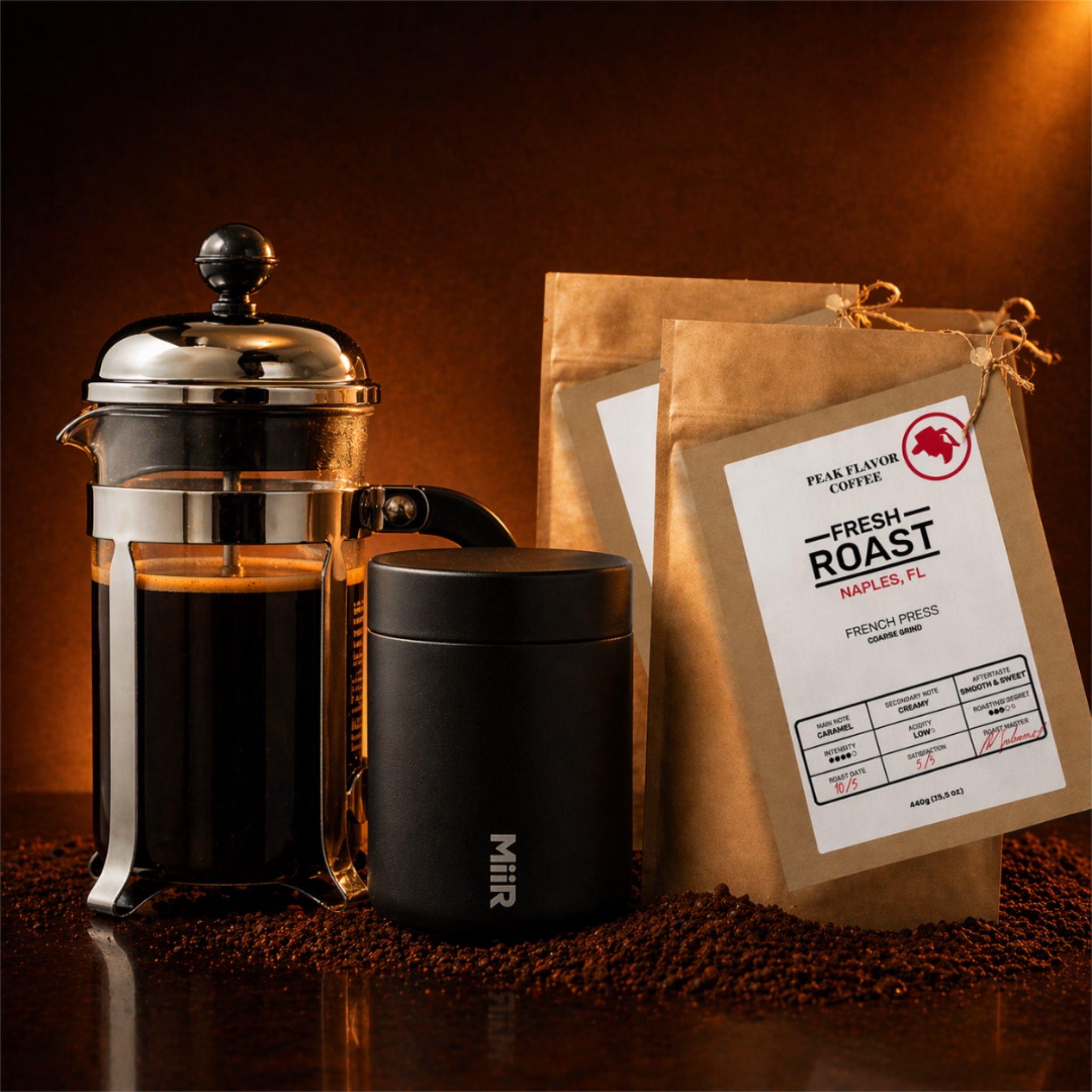
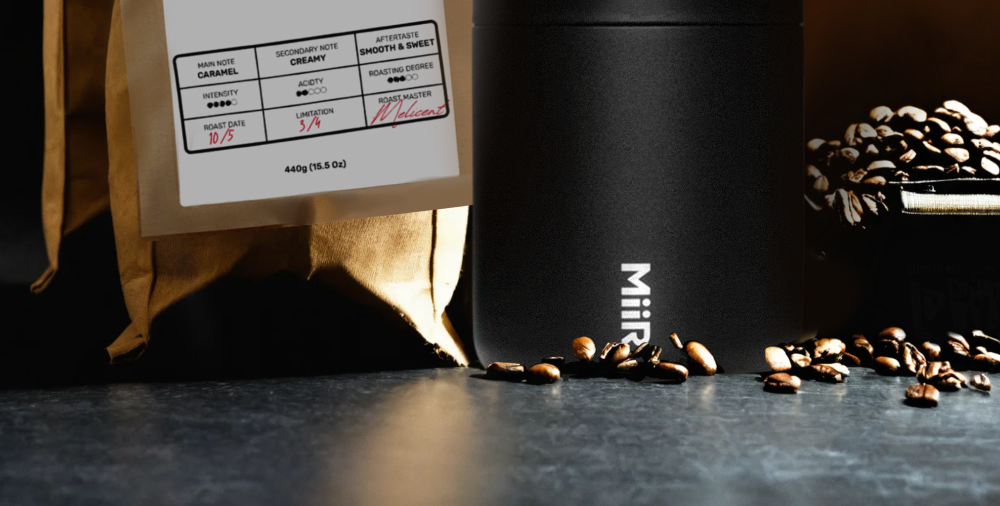
Maintaining a Fresh Roast
Preserving Fresh Roasted Latte Beans

What Coffee Lovers Say About Our Cafe Latte Beans?
Praise for Latte Beans

Best Beans for Creamy Latte
"Espresso Beans for the Perfect Latte".
Learn more about latte. Discover our signature cafe latte beans.

The Perfect Latte Blend
"These beans really make the difference."
Read what barista's say about latte vs cappuccino.

Loved this Latte
"Best Latte I've brewed in some time."
Read what coffee lovers think about Latte or cappuccino.
Don't Have a Good Coffee Grinder?
Explore Latte Coffee Grounds
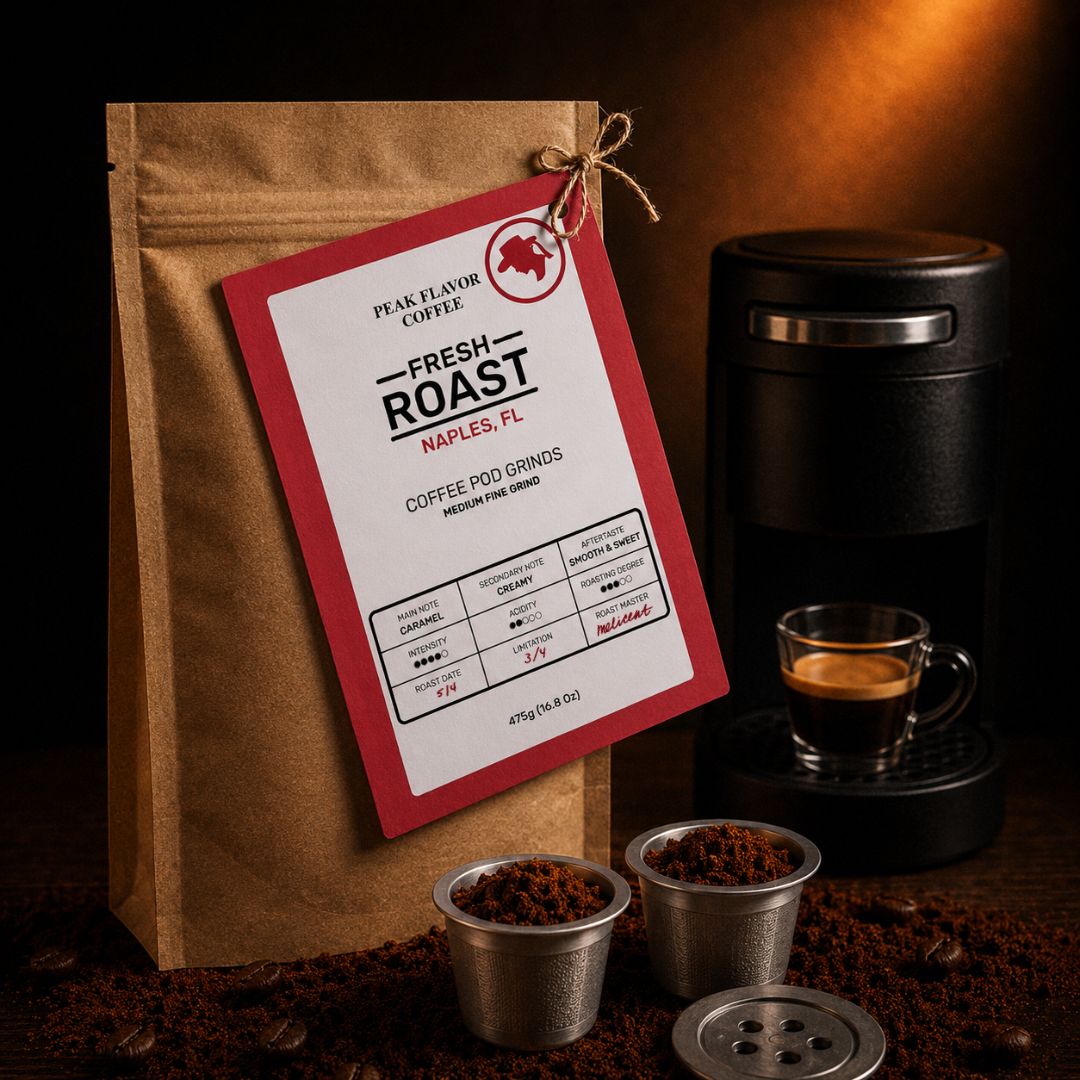
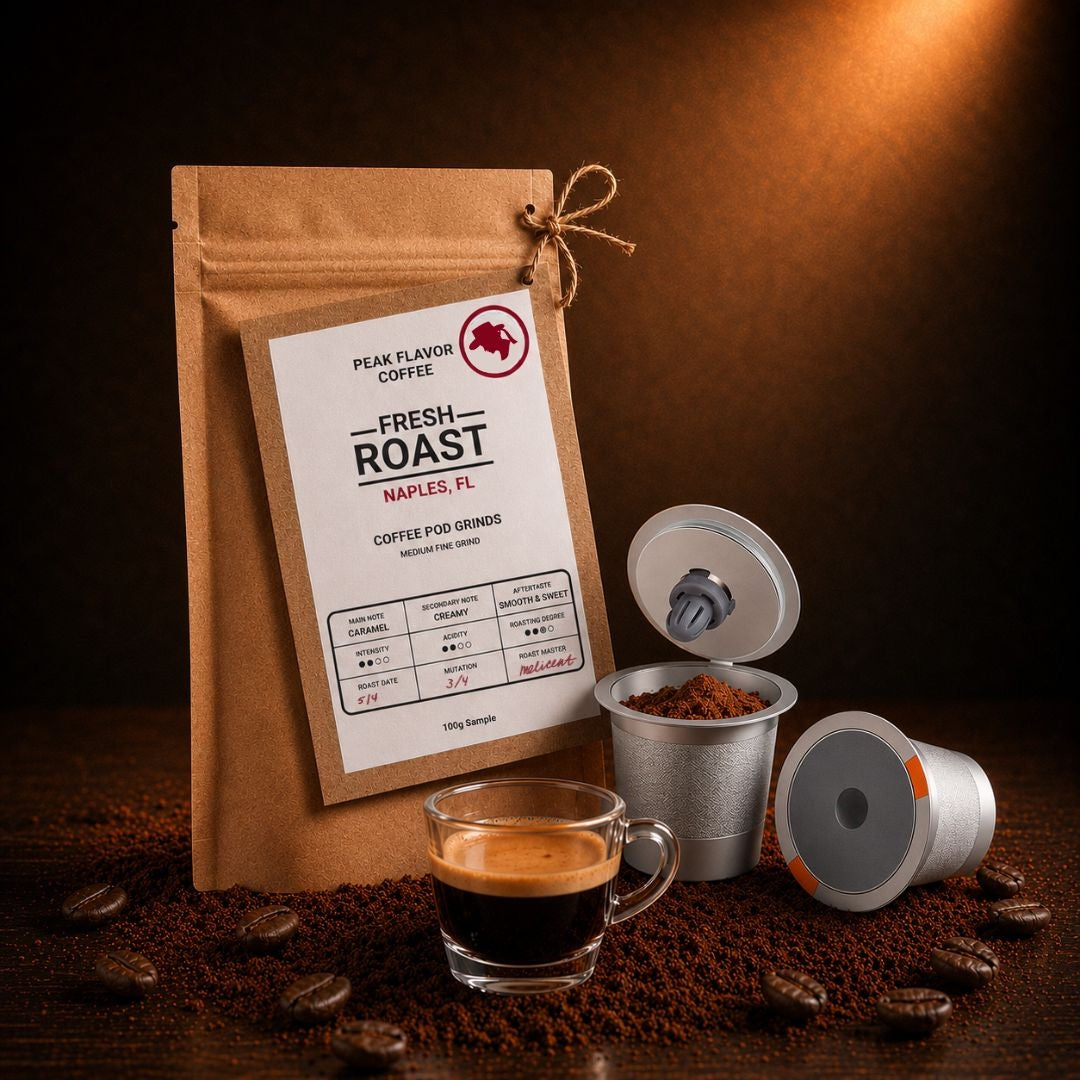
Ground to Perfection (300 Microns) with near perfect grind size consistency, explore Latte Coffee Grounds made for brewing creamy latte with ease.
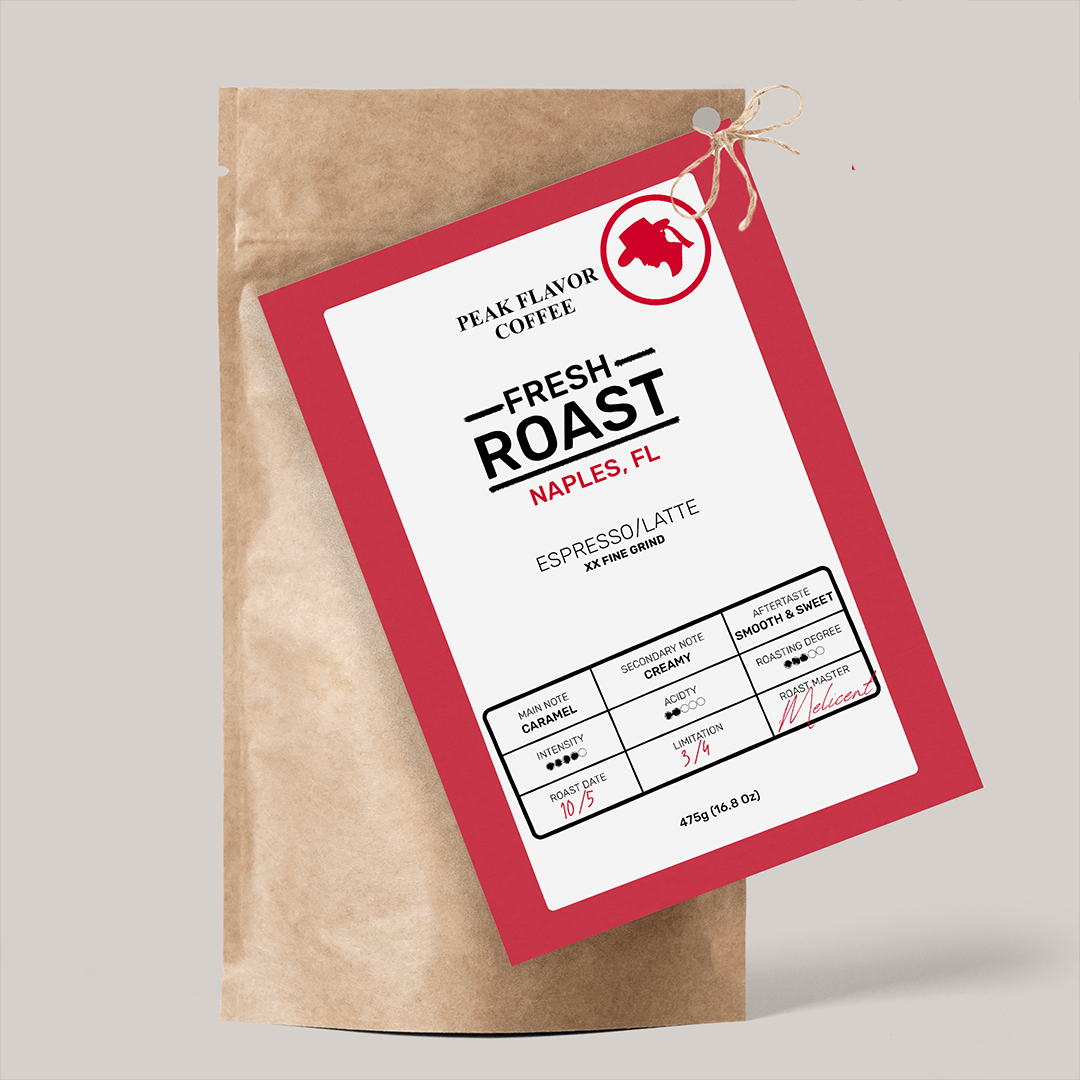
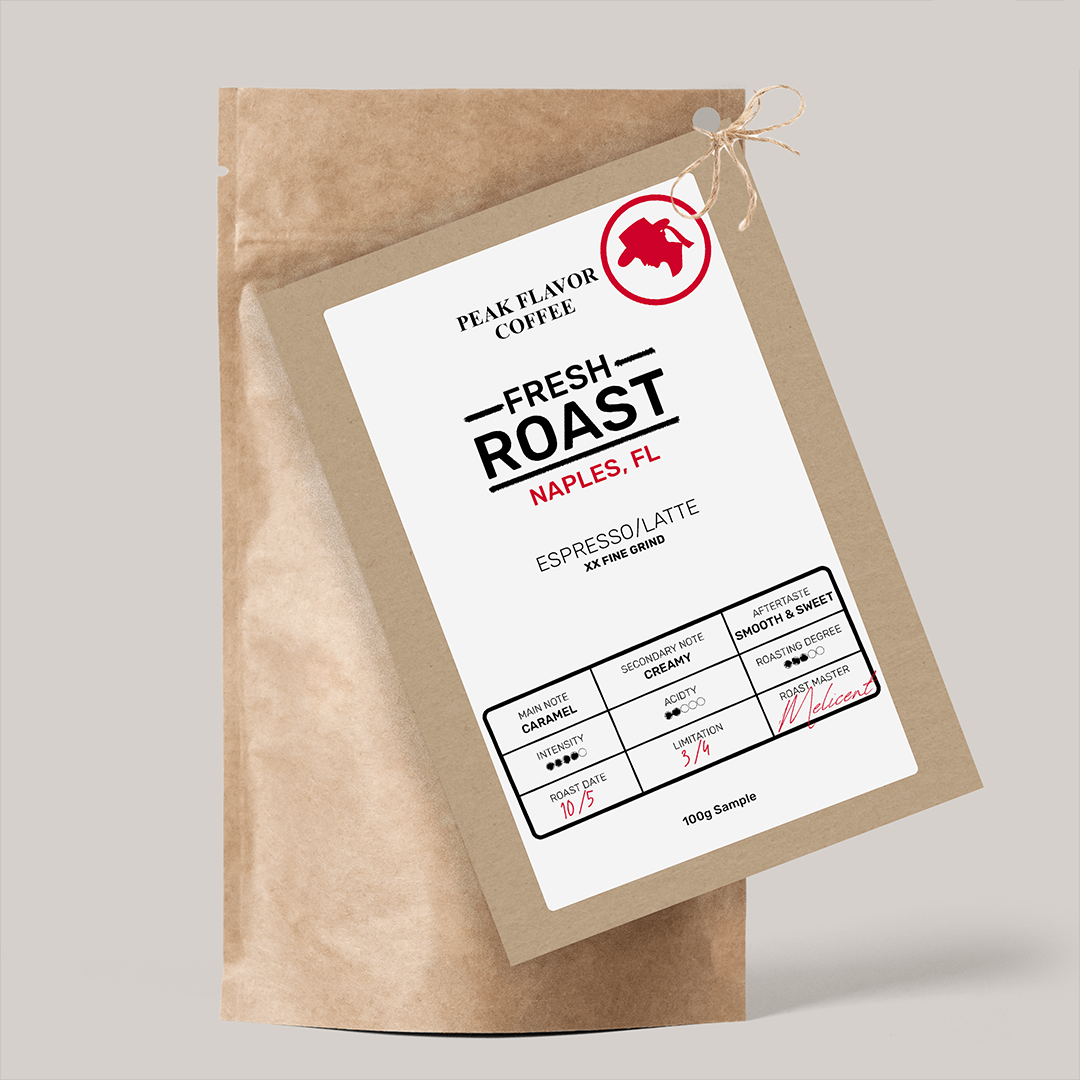
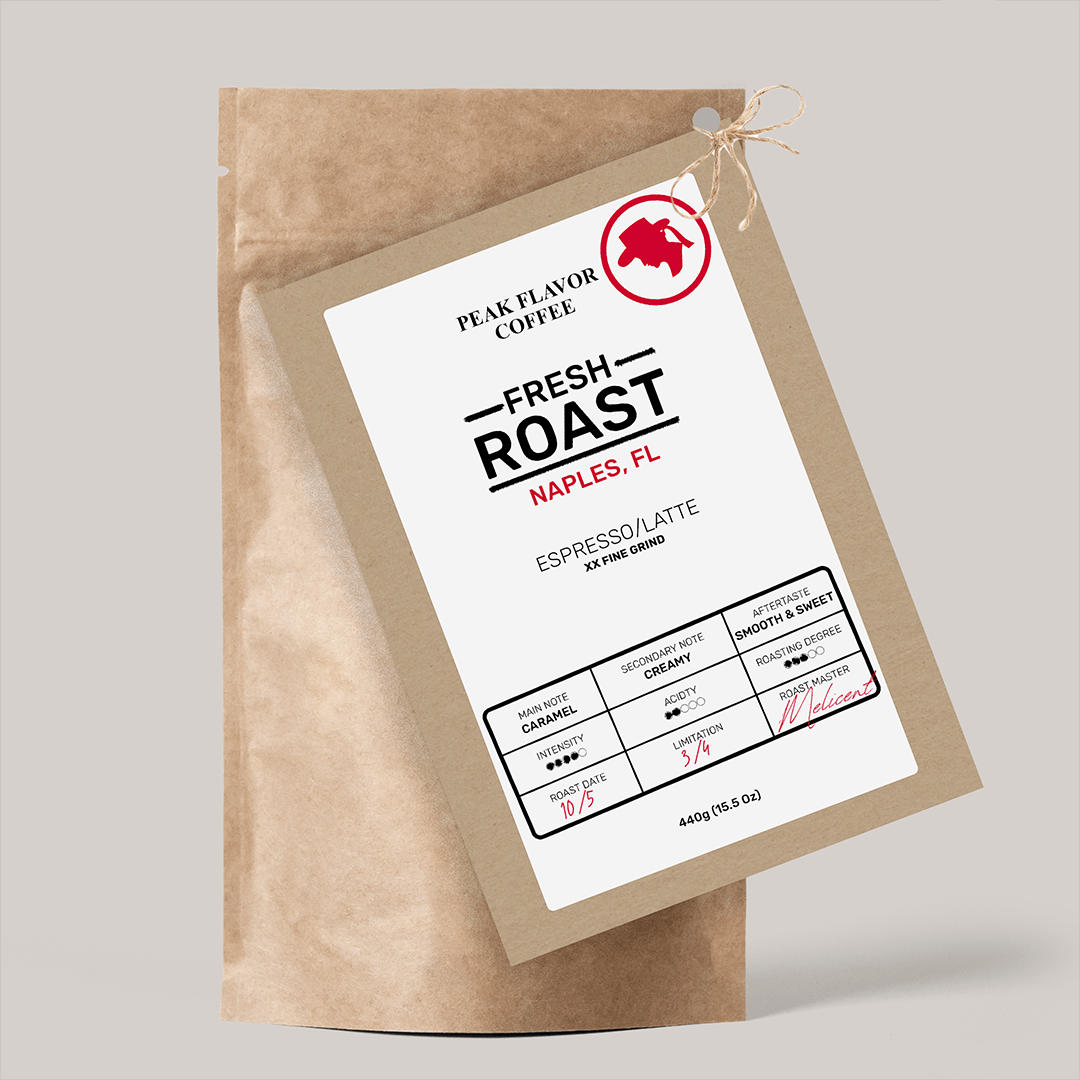

Find the Right Bean Blend for Cafe Latte
Why Espresso Beans Fail In Café Latte and Latte Macchiato
Most espresso blends are built to shine alone. High acidity, sparkling aromatics, and delicate florals taste incredible as straight shots. Add milk, and those same qualities disappear or turn sour.
Milk needs structure. It needs body. It needs oils and sugars that survive dilution. Italian coffee culture figured this out decades ago, which is why traditional Italian espresso blends were never 100% Arabica, no matter what modern trends say.
A proper latte or latte macchiato starts with beans designed to carry milk, not fight it.
The ideal coffee bean blend for café latte or latte macchiato
After testing obsessively and digging into coffee chemistry, this is the formula I stand behind for latte coffee beans that actually deliver.
Bean type: Arabica + Robusta, not a compromise but a partnership
For a creamy latte with authentic Italian character, the sweet spot is a bean blend of 70–80% Arabica and 20–30% Robusta coffee beans.
Arabica brings sweetness, acidity, and layered flavor. Think caramel, cocoa, and gentle fruit. Robusta does three critical things milk loves. It boosts body, thickens crema, and adds intensity so the espresso doesn’t vanish under foam.
This balance is the backbone of classic Italian espresso and the reason Italian coffee works so effortlessly in milk drinks.
If you’ve ever wondered why your latte tastes watery at home, this is usually why.
Origin: high altitude is not marketing fluff
For our café latte beans, I prioritize high altitude Arabica from origins like Brazil, Colombia, and select regions in Honduras.
Here’s why it matters. Beans grown higher mature more slowly. That slower growth allows sugars to fully develop inside the bean. During roasting, those sugars caramelize instead of burning.
The result is natural sweetness without sharp acidity. Exactly what you want when milk enters the picture.
Low altitude beans can be bold, but they rarely bring the round sweetness a creamy latte depends on.
Processing: why natural processing makes milk happier
Processing is where many latte blends go wrong. Washed coffees are clean and bright. That’s lovely for filter coffee. But for a latte, brightness often reads as thin or sour once milk is added.
Natural processed beans, on the other hand, dry with the fruit still on the seed. During this time, sugars and oils migrate into the bean. Those oils are gold. They build mouthfeel. They stabilize crema. They soften bitterness.
For latte macchiato, where the espresso is layered into milk, this oil-rich structure is essential. It’s what gives you that creamy integration instead of a harsh coffee stripe.
Roast design: medium-dark, but never burnt
Roast level might be the most misunderstood part of latte design. Light roasts taste acidic in milk. Dark roasts taste ashy and bitter. The sweet spot sits just under second crack.
A medium-dark roast allows caramelization to fully develop while stopping short of burnt flavors. This is where chocolate, toasted nuts, vanilla, and honey notes live. Milk doesn’t mask these flavors. It amplifies them.
This roast style is why traditional Italian coffee tastes comforting instead of aggressive.
Latte vs cappuccino: same beans, different balance
I’m often asked about latte vs cappuccino and café latte vs cappuccino beans. Here’s the simple answer.
Both drinks benefit from the same bean blend. The difference is milk ratio, not coffee. A cappuccino has less milk and more foam, so the espresso comes through more clearly. A latte has more steamed milk, which demands extra body and sweetness from the coffee. If your beans work for a latte, they will absolutely work for a cappuccino. The reverse is not always true.
CRAFTING THE PERFECT CAFE LATTE AT HOME IS SIMPLE
THE RIGHT BEANS FOR CAFE LATTE

The Forgotten Factor: A Fresh Roast
Freshness Changes Everything
This is where my own breakthrough happened.
Coffee oils and aromatics begin degrading immediately after roasting. Carbon dioxide escapes. Lipids oxidize. Crema collapses. Sweetness fades. Bitterness creeps in.
For creamy latte results, use beans 2 to 4 weeks post-roast. Not months. Not supermarket “best by” dates. Store your coffee beans airtight. Away from heat and light. Grind right before brewing. Freshness is not a detail. Fresh roasted coffee is the difference between dull and luxurious.
Final sip
If you love café latte or latte macchiato, stop forcing delicate espresso beans to do a job they weren’t designed for. Milk deserves a blend with backbone, sweetness, and freshness.
That’s why we created our café latte beans at Peak Flavor Coffee. Crafted for milk. Inspired by Italian espresso tradition. Designed for people who love lattes. If creamy, caramelized, and comforting sounds like your kind of coffee, you already know what to do.

