
















Your Morning Coffee Might Be Smarter Than You Think
How a Better Coffee Ritual Can Unlock Focus, Mood, and Creative Problem-Solving
Hi, I’m Melicent, founder of Peak Flavor Coffee, and I have a confession.
I used to chug my morning coffee in a hurry.
Not savor. Not reflect. Just gulp down a bitter, over-extracted brew while mentally sprinting into the day. Coffee was fuel, not a moment. And honestly, it wasn’t helping much. I felt wired, rushed, and somehow still foggy.
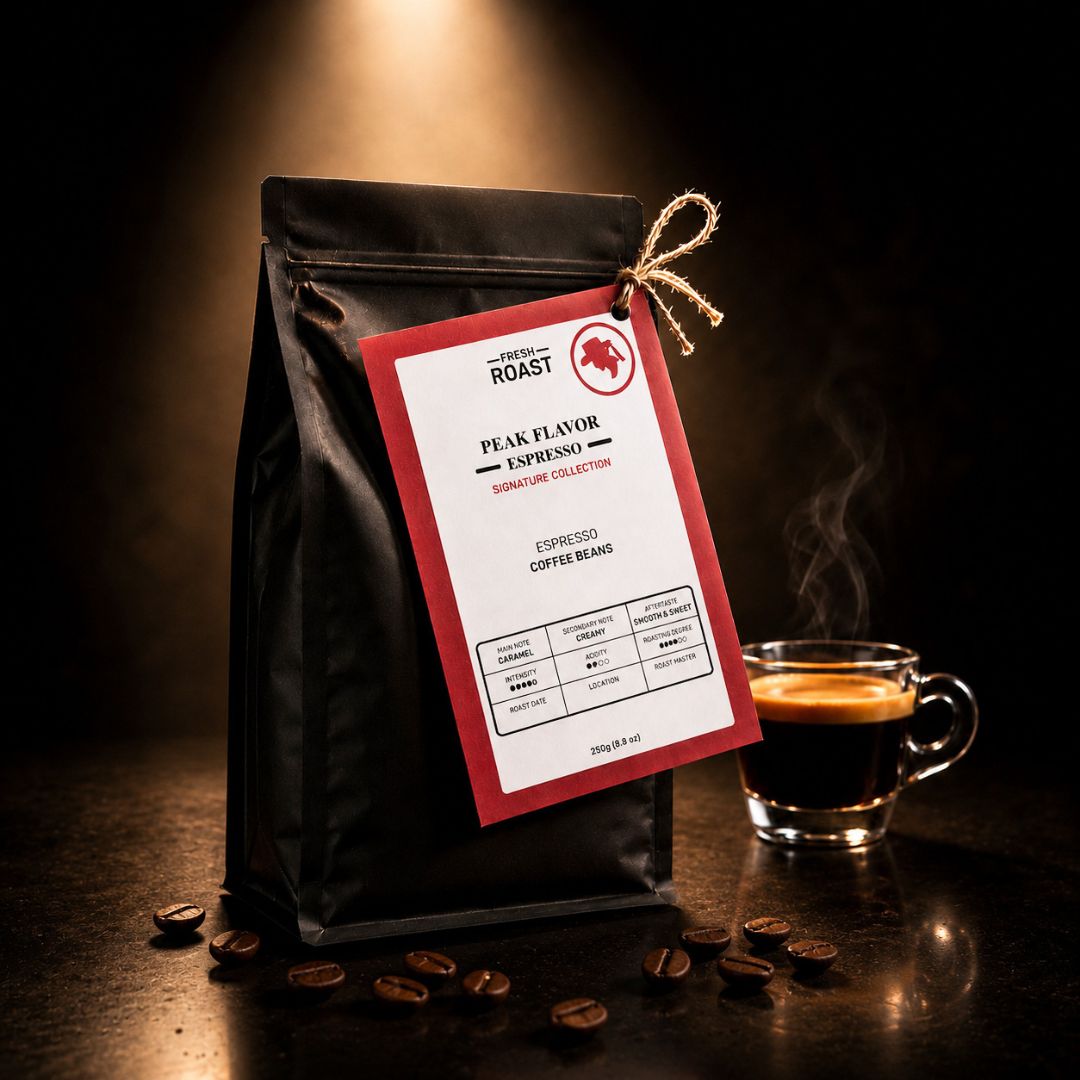
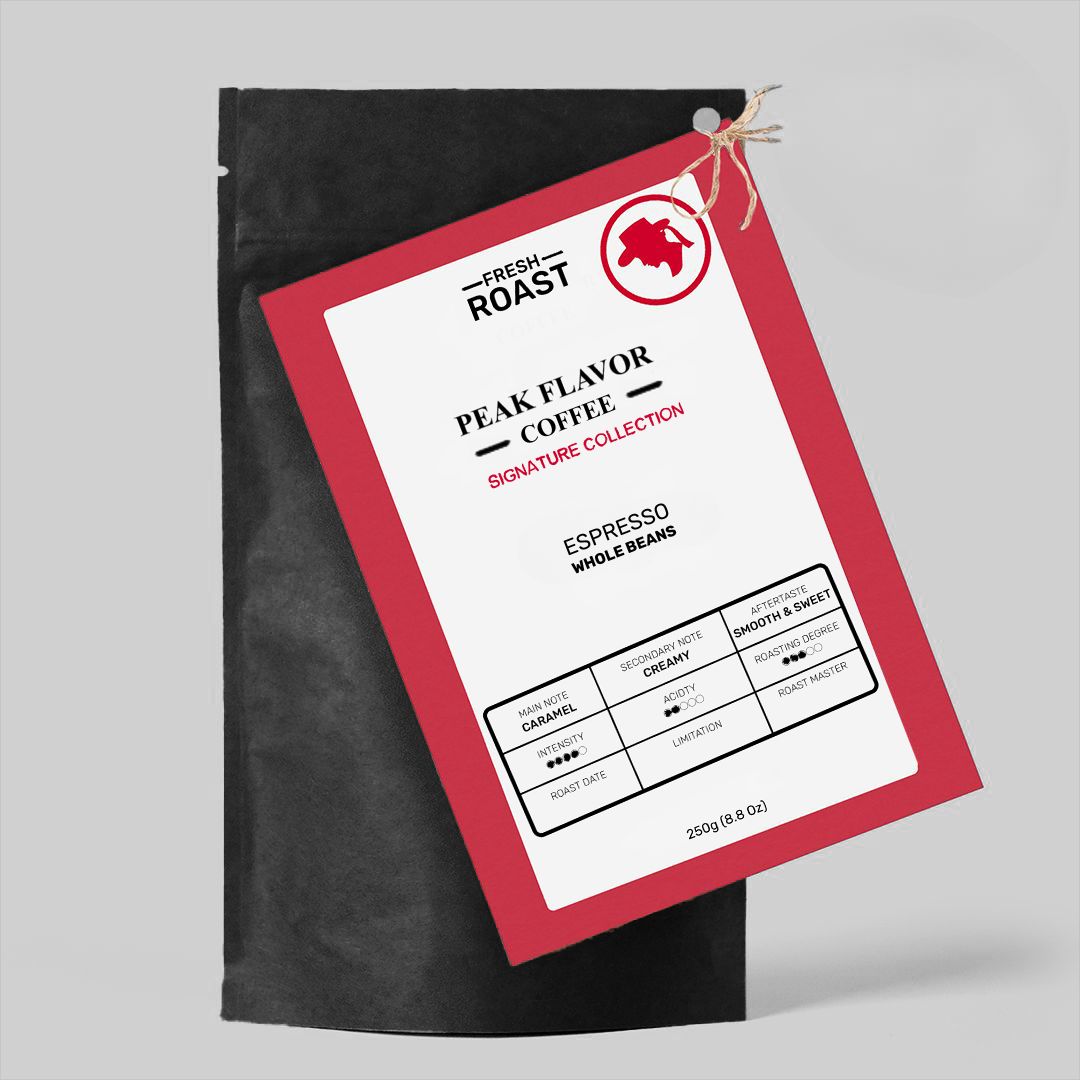
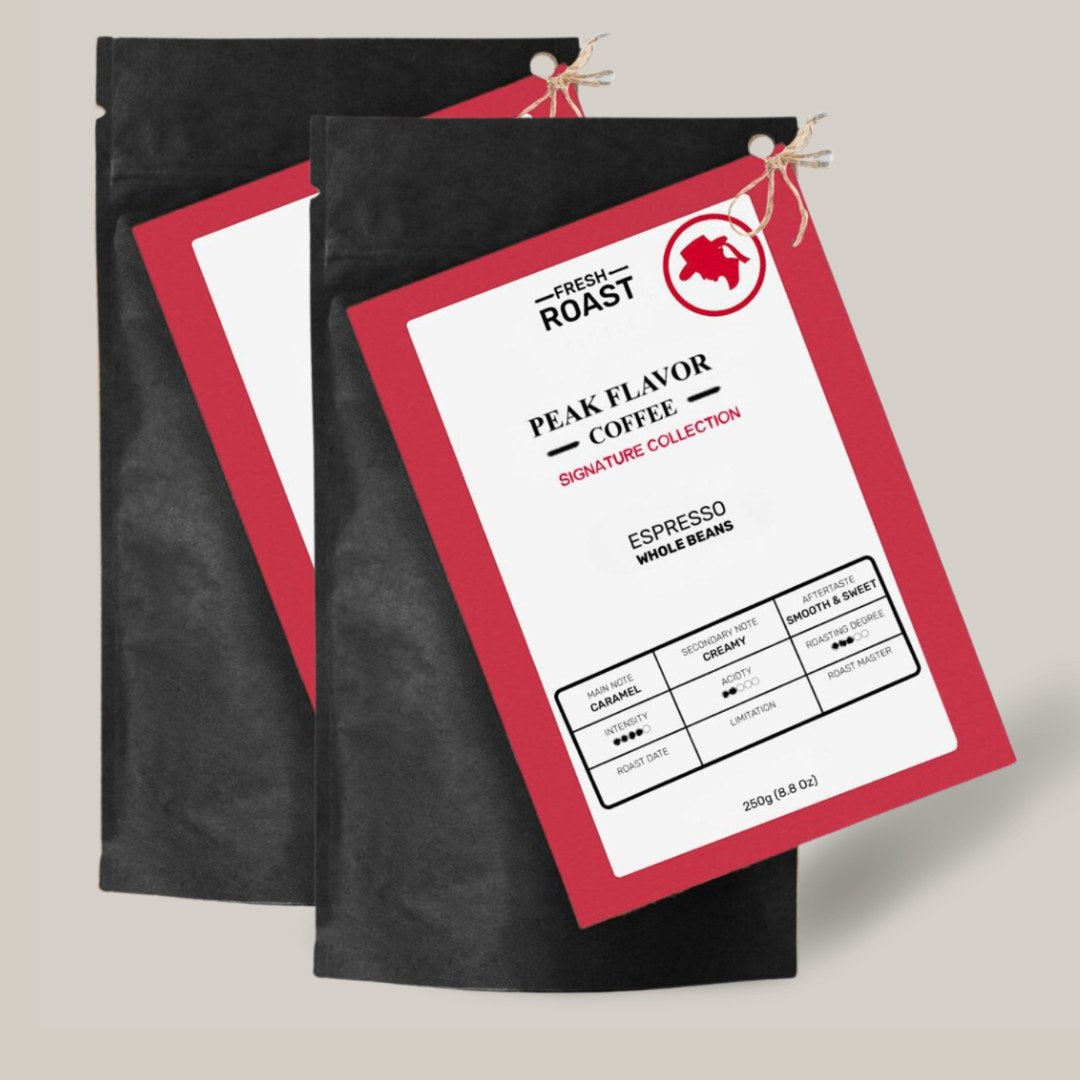
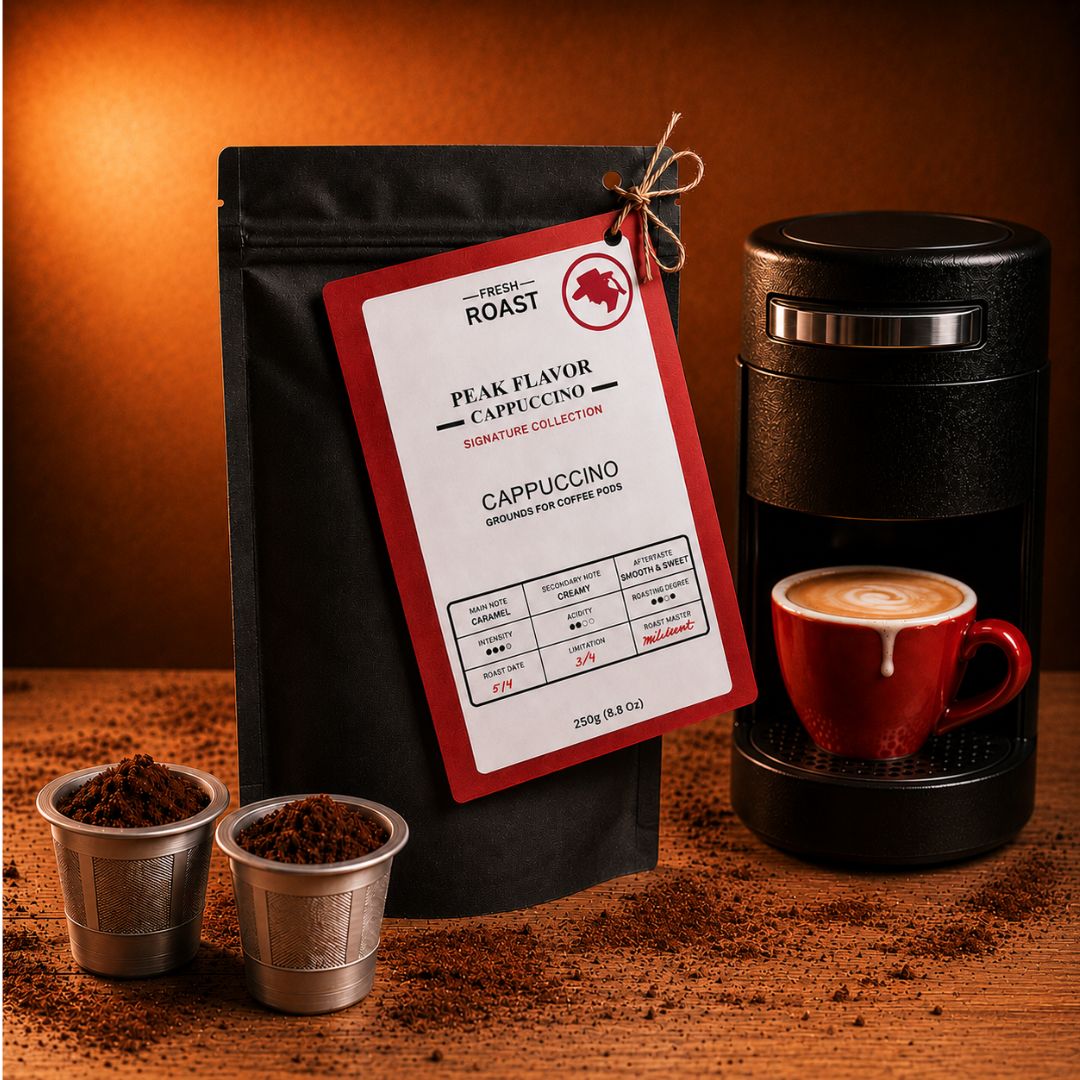
Everything changed when I slowed down and upgraded my home coffee. I searched and found better coffee beans, roasted for balance instead of bitterness. For my espresso machine, I found the right espresso grounds.
But most importantly, I found some time for my coffee ritual: a few quiet minutes in the morning. That small shift created something unexpected: mental space. And that’s where creativity lives.
So, can coffee make you more creative? Science says yes, but only if you’re drinking the right coffee, in the right way. Allow me to share some thoughts on coffee and creativity.
Creative Coffee Hugs, Melicent

The Comforting Coffee Moment Matters More Than You Think
Creativity doesn’t usually strike when you’re stressed and distracted. Creativity appears when your brain feels calm enough to wander and focused enough to stay present.
A comforting coffee moment does exactly that. When your cup isn’t harsh or bitter, your nervous system relaxes. You stop rushing. You sit. You think.
This matters because research shows that sustained attention is critical for creative problem-solving. Studies published in Psychopharmacology show that moderate caffeine intake improves focus and vigilance without reducing accuracy. Espresso and well-brewed coffee deliver caffeine efficiently, helping your brain settle into a productive rhythm rather than a jittery sprint. Read more about coffee and cognitive performance.
Beyond attention alone, researchers have also shown that caffeine improves executive control. A review in Nature Neuroscience explains that caffeine enhances the brain’s signal-to-noise ratio, making relevant ideas stand out more clearly during complex thinking tasks. Learn more about coffee and cognitive behavior.
That’s one reason I love Italian coffee traditions. Italian espresso isn’t about excess but rather about precision. Balanced flavor. Intentional pauses. That mindset alone invites reflection.

Good Coffee Enhances Focus Without Overstimulation
Caffeine works by blocking adenosine, the chemical that makes you feel mentally tired. This increases alertness and supports working memory, both essential for creative flow.
But here’s the part most people miss: bitterness changes how your body responds. And more higher caffeine only adds to that bitterness. A lot of light roasted, single origin specialty coffee may have high caffeine content, but the combination makes coffee taste harsh.
When coffee tastes harsh, people tend to drink it faster or overload it with sugar. That leads to spikes and crashes. Smooth, well-developed espresso beans or carefully dialed-in espresso grounds slow you down naturally. You sip instead of rush. That steadiness helps your mind stay engaged longer.
This is why custom coffee matters. Coffee matched to your brewer extracts evenly, tastes smoother, and supports longer periods of focused thinking. Find coffee for your brewer and fuel your creative flow.
Coffee Improves Mood, and Mood Drives Creativity
Creativity thrives on good mood. Caffeine stimulates dopamine, the neurotransmitter tied to motivation and curiosity. Dopamine is sometimes referred to as the "happy hormone".
Research shows caffeine improves mood and motivation even in people who aren’t sleep-deprived. Dopamine, in particular, supports exploratory thinking and creative drive. Read more about how coffee induces dopamine.
Coffee also contains antioxidants and polyphenols that support long-term brain health. Studies in The Journal of Nutrition link regular coffee consumption with reduced risk of depression, which matters because emotional stability supports creative resilience.
Coffee’s effect on mood extends to stress regulation, too. Various studies found that habitual coffee drinkers showed improved emotional resilience under pressure, especially during demanding cognitive tasks.
Read more science in the National Library of Medicine about coffee as a mental performance enhancer. That calm focus is creative fuel.
Coffee Encourages Cognitive Flexibility
Creativity isn’t just focus. Creativity refers to the flexability to shift perspectives and connect ideas that don’t seem related at first. Coffee
Research in Consciousness and Cognition shows that moderate caffeine intake improves convergent thinking, a key part of creative problem-solving. Reviews in Neuroscience & Biobehavioral Reviews also highlight caffeine’s role in executive function and mental adaptability. Learn more about coffee and percolating ideas.
The keyword here is moderate. A thoughtfully brewed cup using quality coffee grounds, espresso beans, or italian espresso keeps caffeine in the sweet spot. Enough to stimulate. Not enough to scatter.
Creativity Starts Before the First Sip
Here’s my favorite part: Creativity doesn’t start after coffee. It starts while you’re making it.
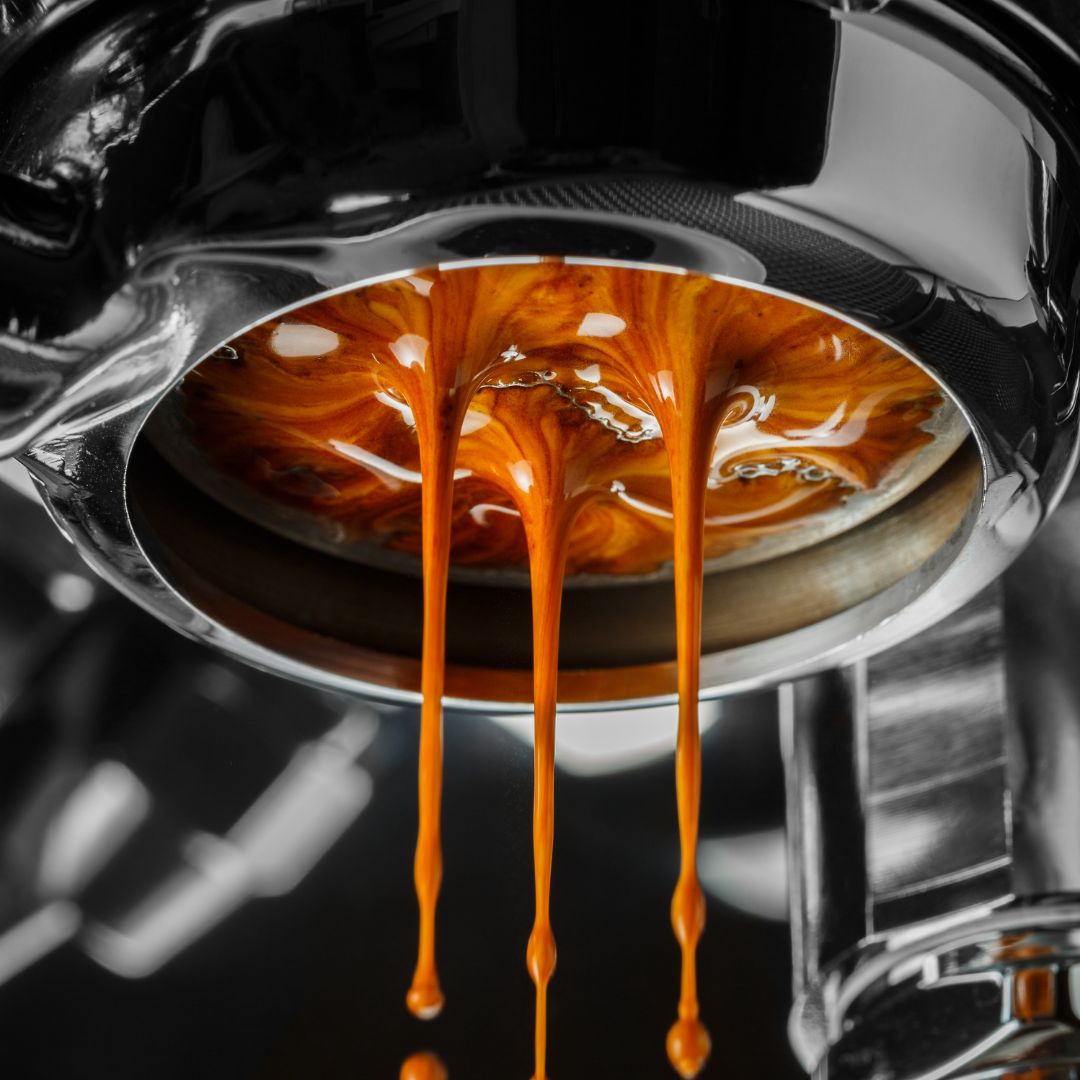
Grinding beans. Heating water. Pulling a shot. Those small rituals create a pause before the day demands everything from you.
Research in Scientific American shows that even simple personal rituals increase perceived control and mental readiness before problem-solving tasks. That quiet espresso moment isn’t just indulgent. During that moment your brains cells are preparing neurologically.
So yes, coffee can make you more creative. Especially when it’s peak flavor coffee, crafted for your coffee maker, brewed at home, without bitterness, with intention. And if you’re wondering where to start, start slower. Start with better beans, made for your espresso machine. Have a few quiet minutes enjoying what you brewed.
Your best ideas might already be waiting in your cup.
Creative Coffee Hugs,
Melicent