







Filters
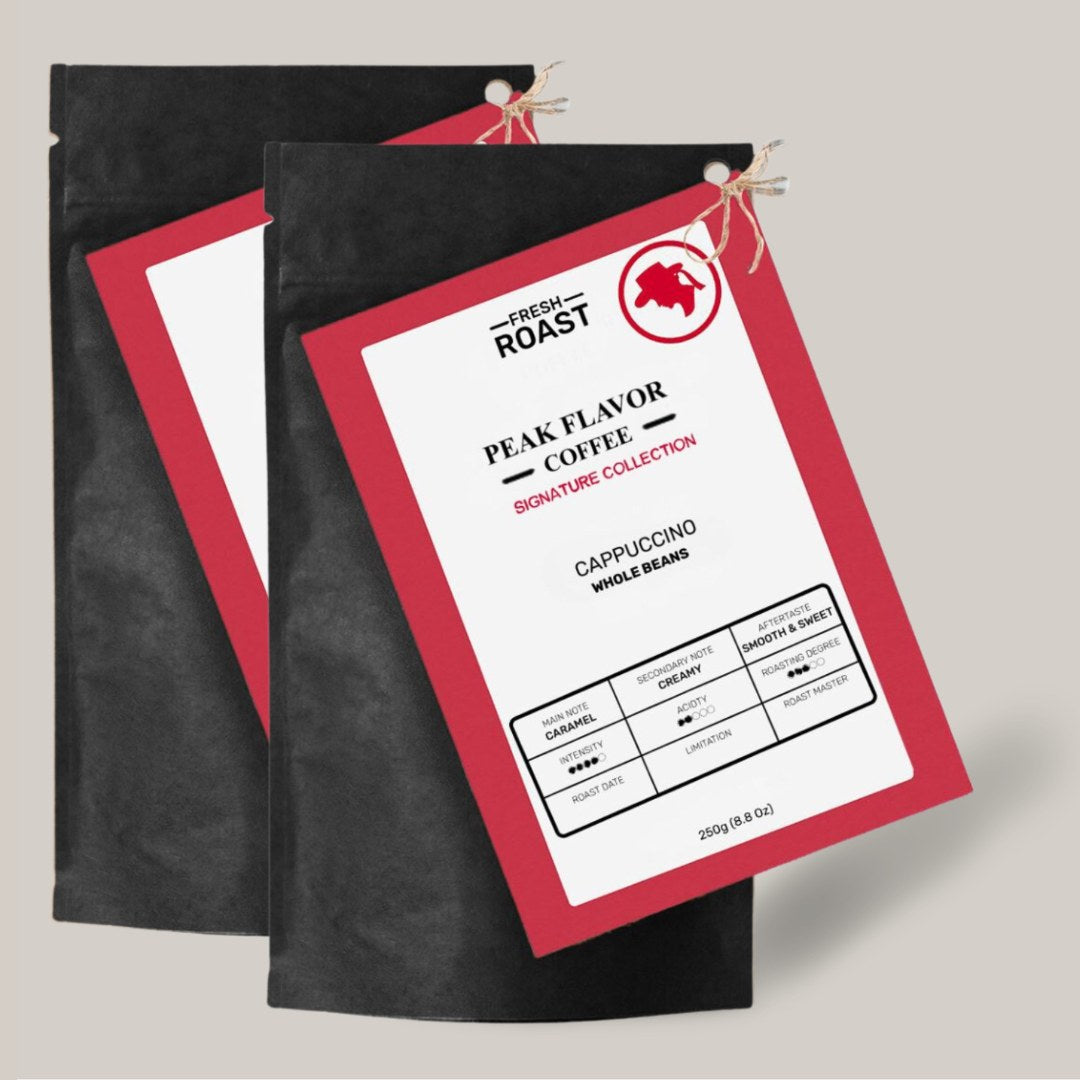
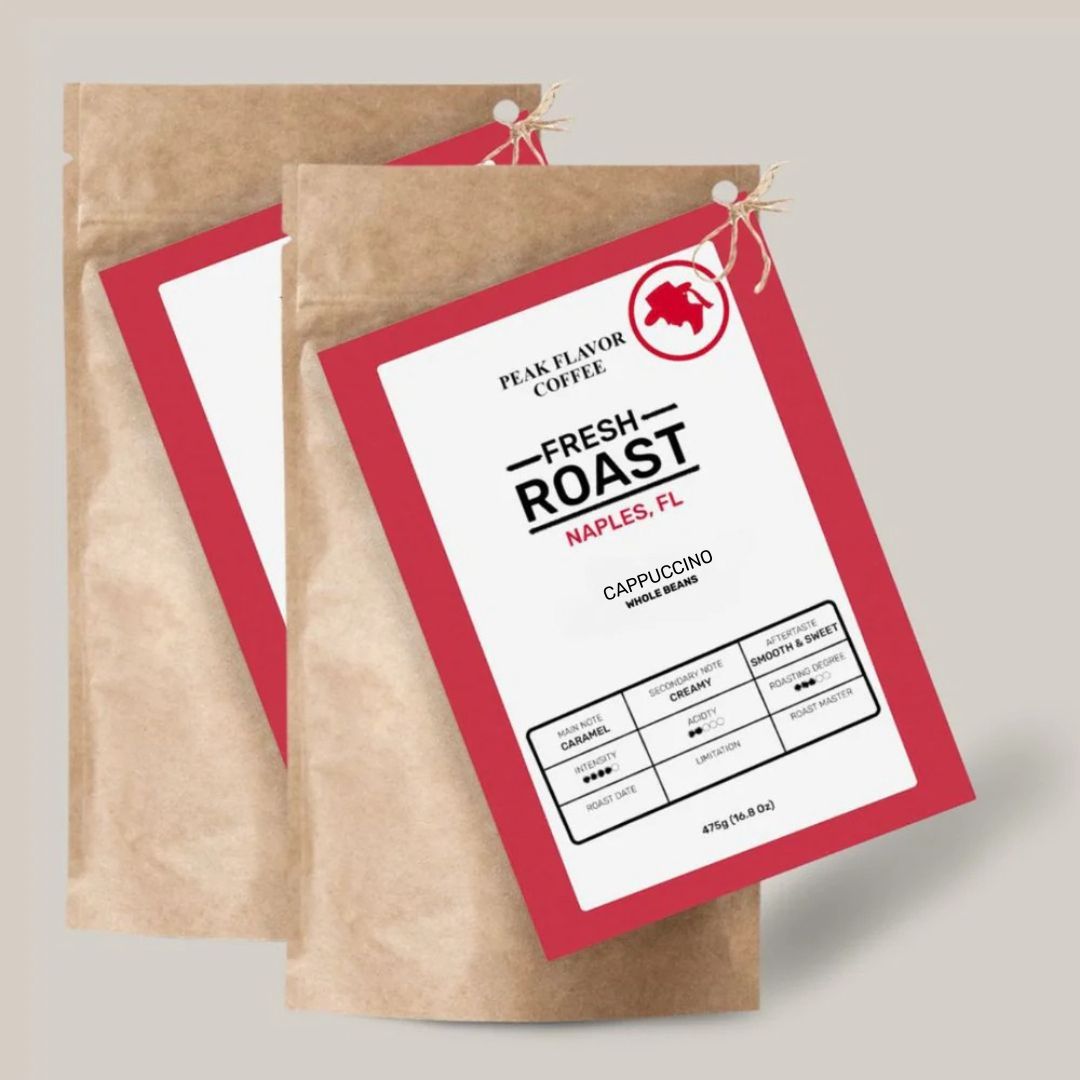


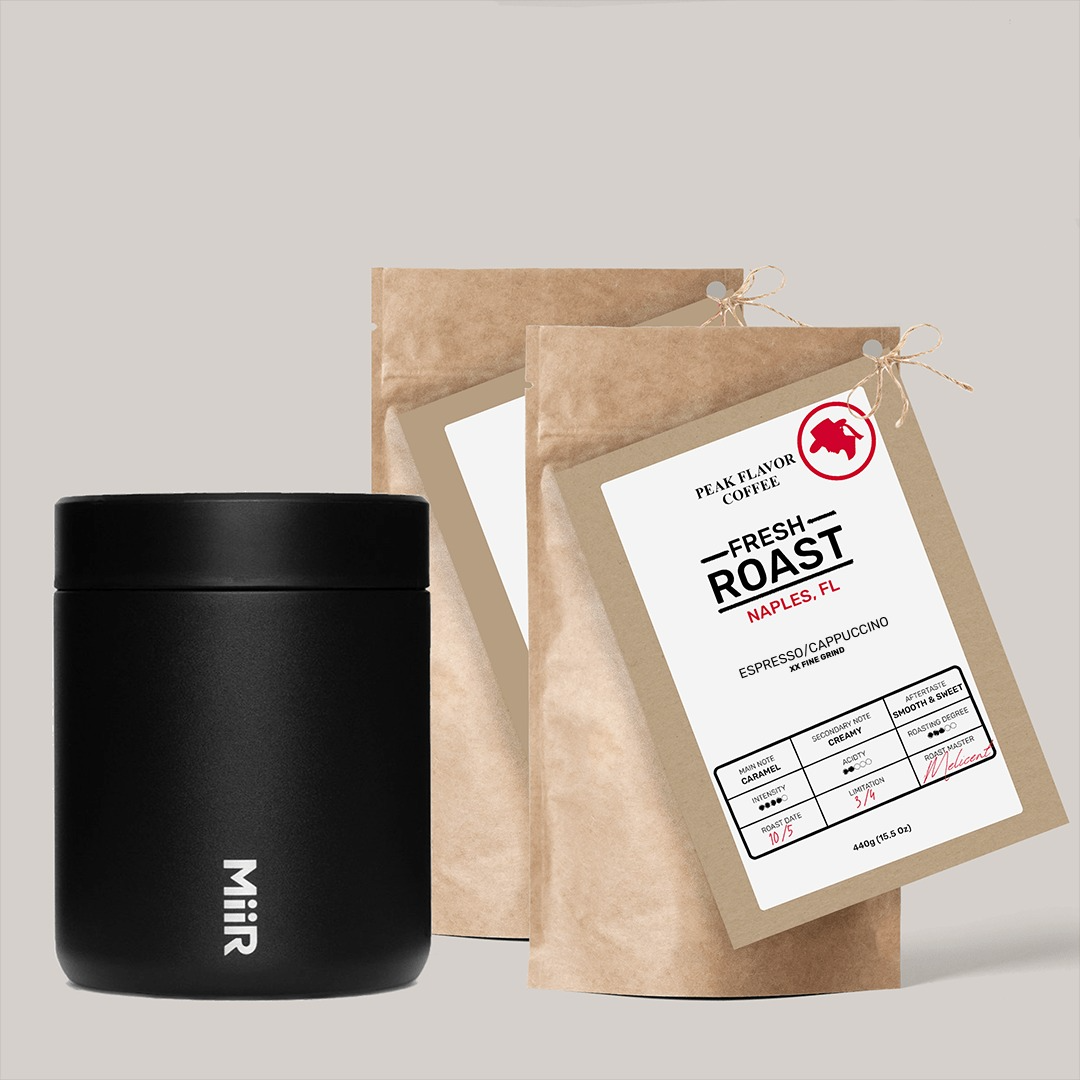


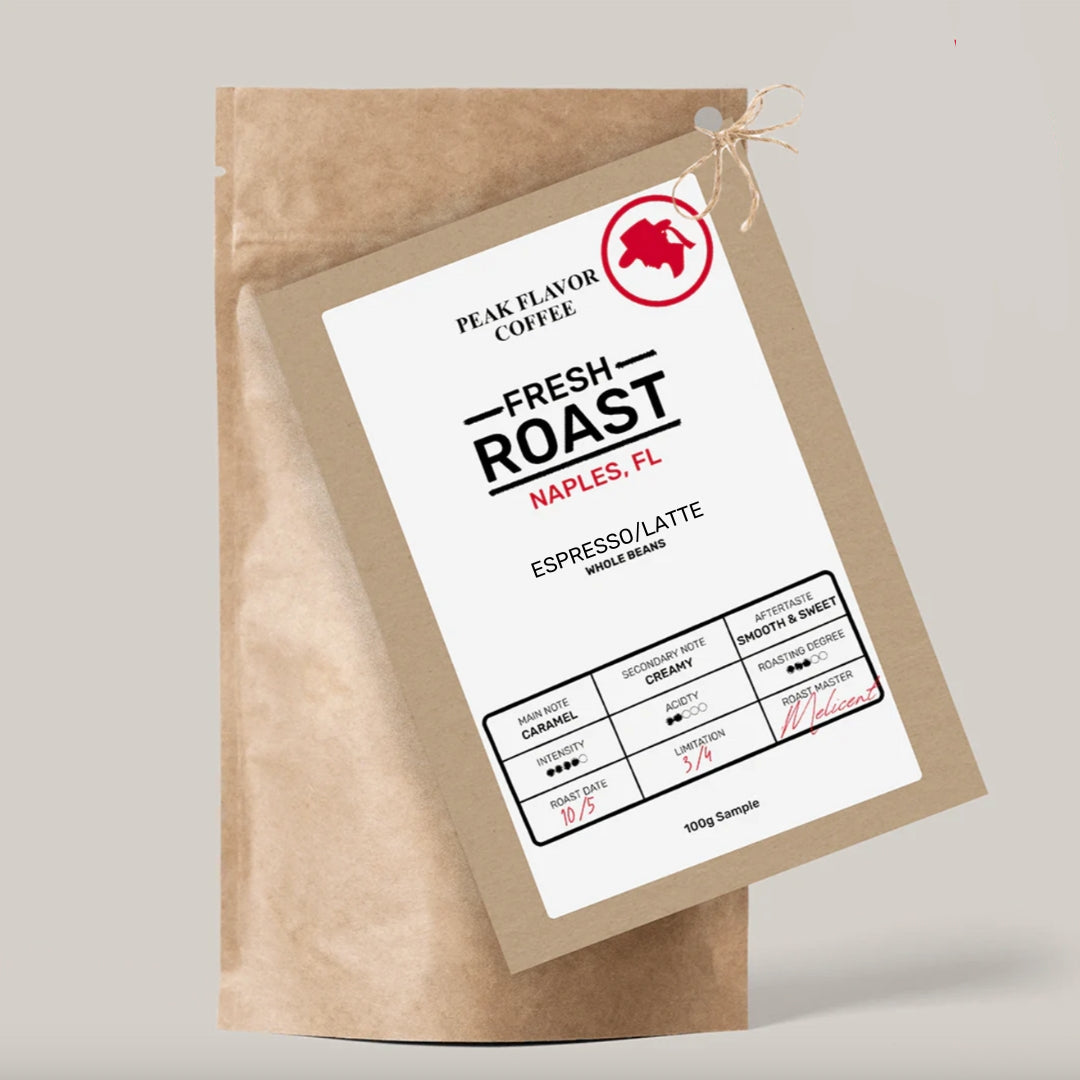
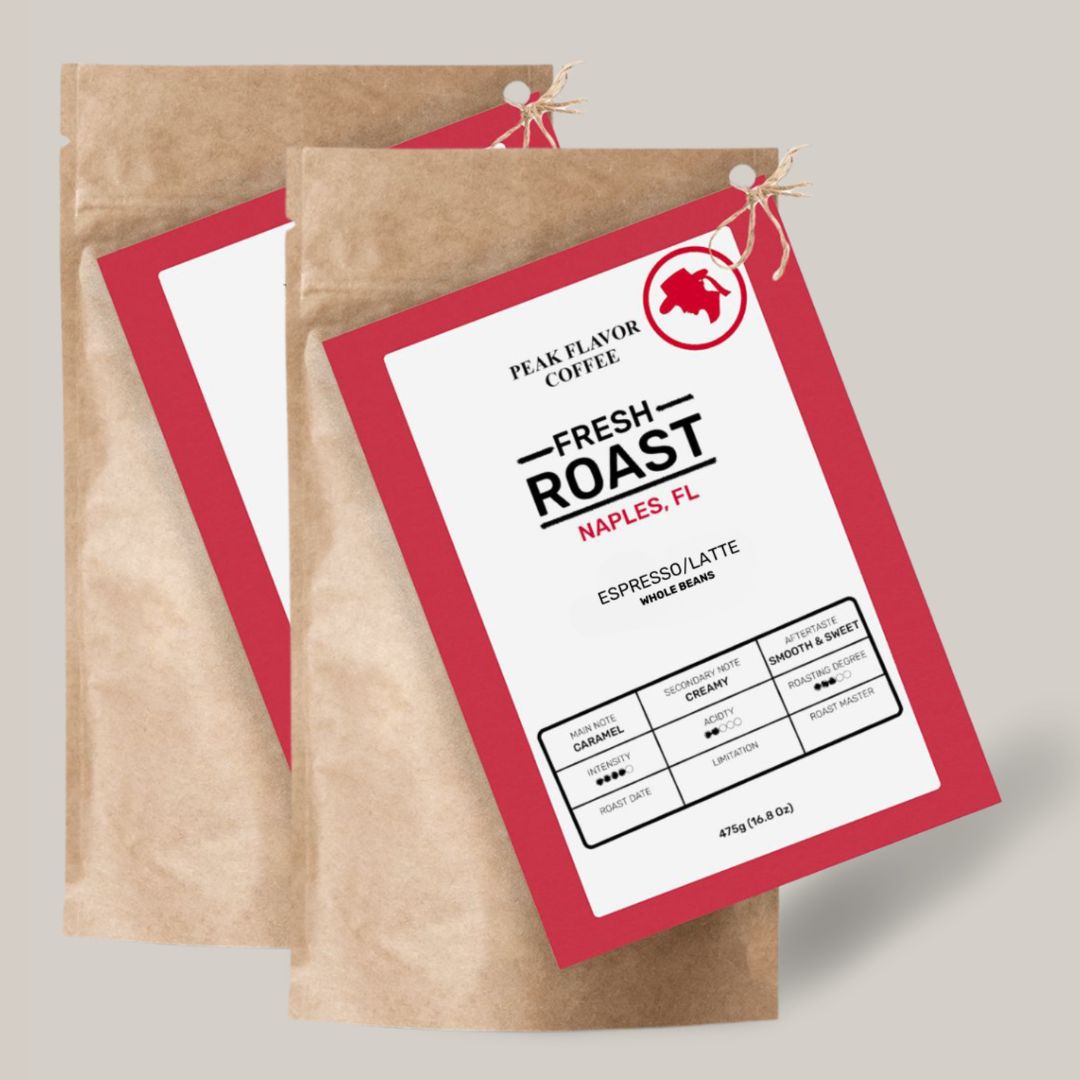
Espresso Beans Made for Milk
What Is Classic Italian Cappuccino?
Rich Taste, Caramel Crema & Creamy Comfort — Perfectly Portioned to Fuel Your Morning Flow
Classic Italian cappuccino is a balanced 180ml (6oz) drink made with a double espresso (60ml), 60ml steamed milk, and 60ml milk foam.
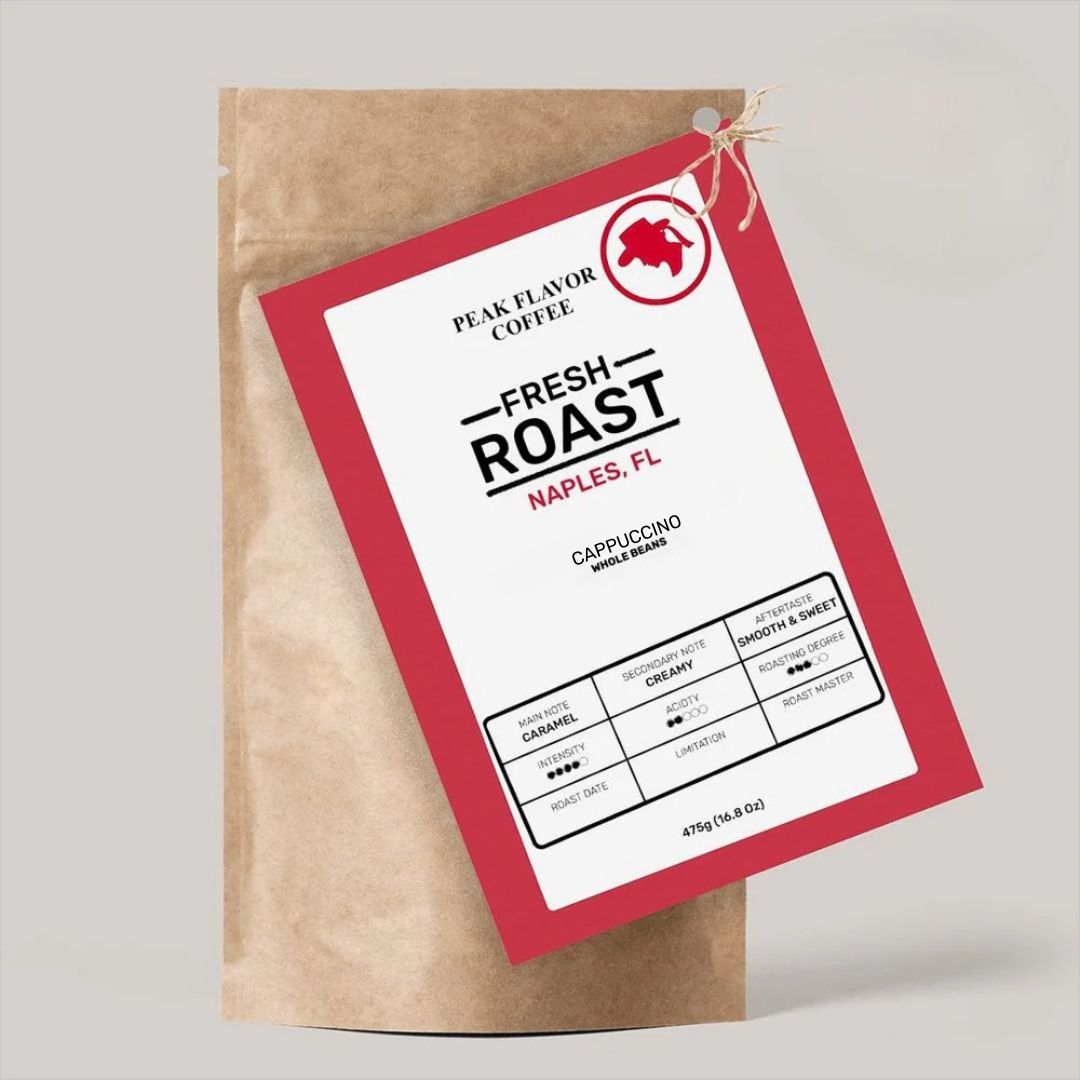
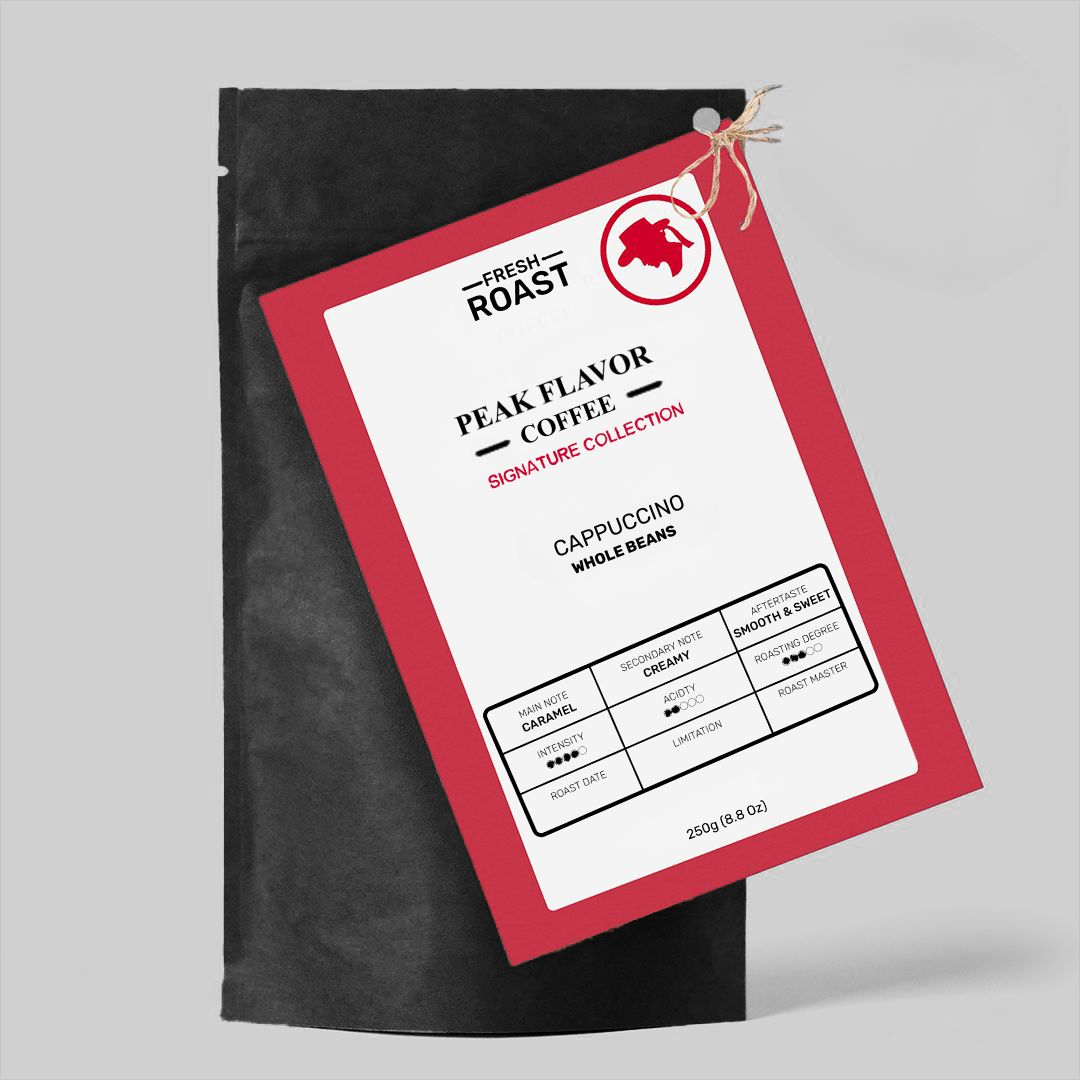
The espresso is carefully blended, roasted, and ground to harmonize with milk, not disappear in it. Find our most popular espresso beans for cappuccino.
Unlike oversized 12oz versions, the traditional Italian portion is lighter, lower in calories, and better suited to a thoughtful cappuccino coffee diet—rich, satisfying, and perfectly proportioned.
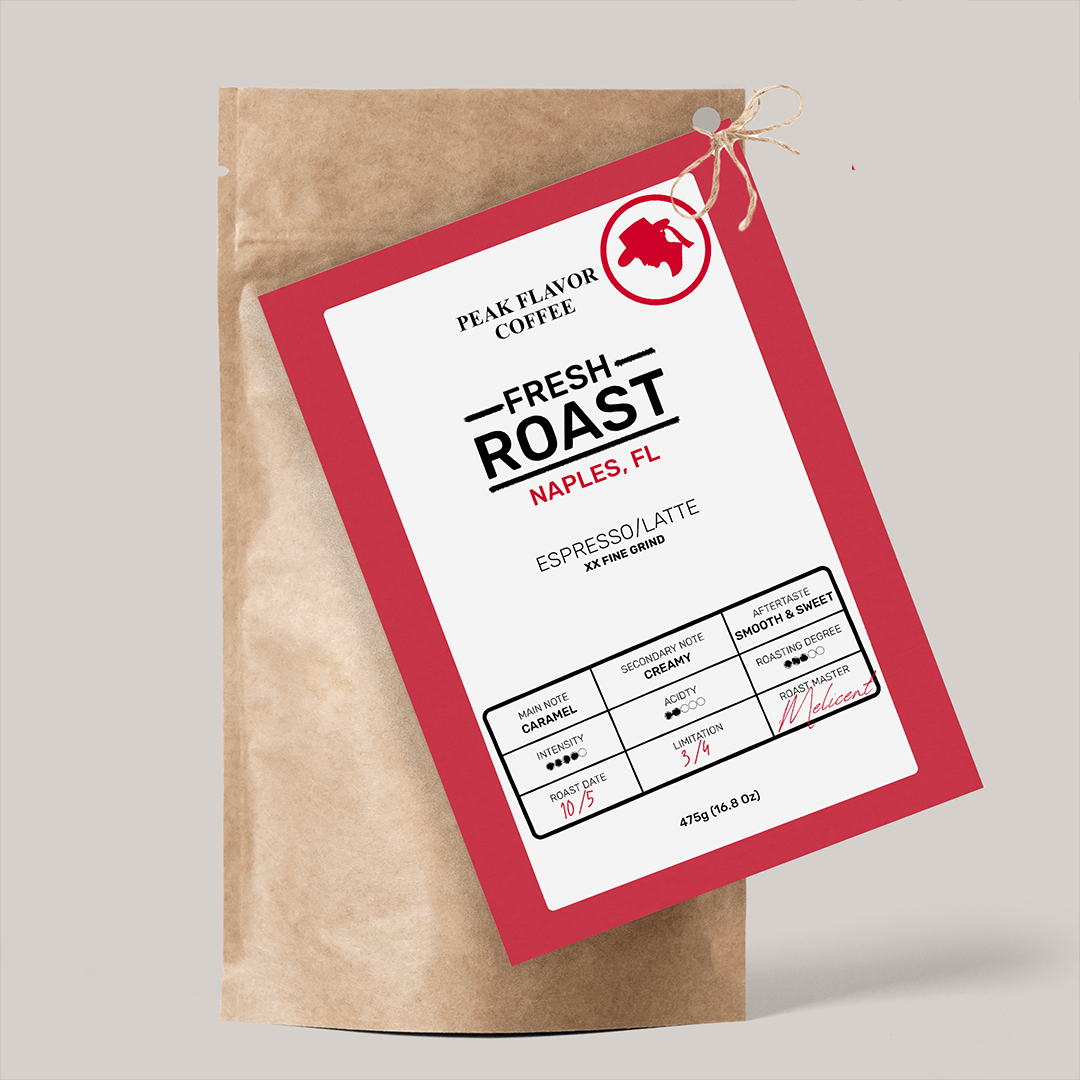
Espresso Grounds Made for Milk
What is Italian Espresso for Cappuccino?
Rich Taste, Caramel Crema & Creamy Comfort — Crafted to Fuel Your Morning Flow
Italian espresso for cappuccino is crafted specifically to stay rich and expressive once milk is added. It begins with a purposeful Arabica and Robusta blend, using slightly more high-quality Robusta than standard espresso beans.
Arabica provides sweetness and aroma, while Robusta adds body, crema, and the extra intensity needed for milk-based espresso drinks.
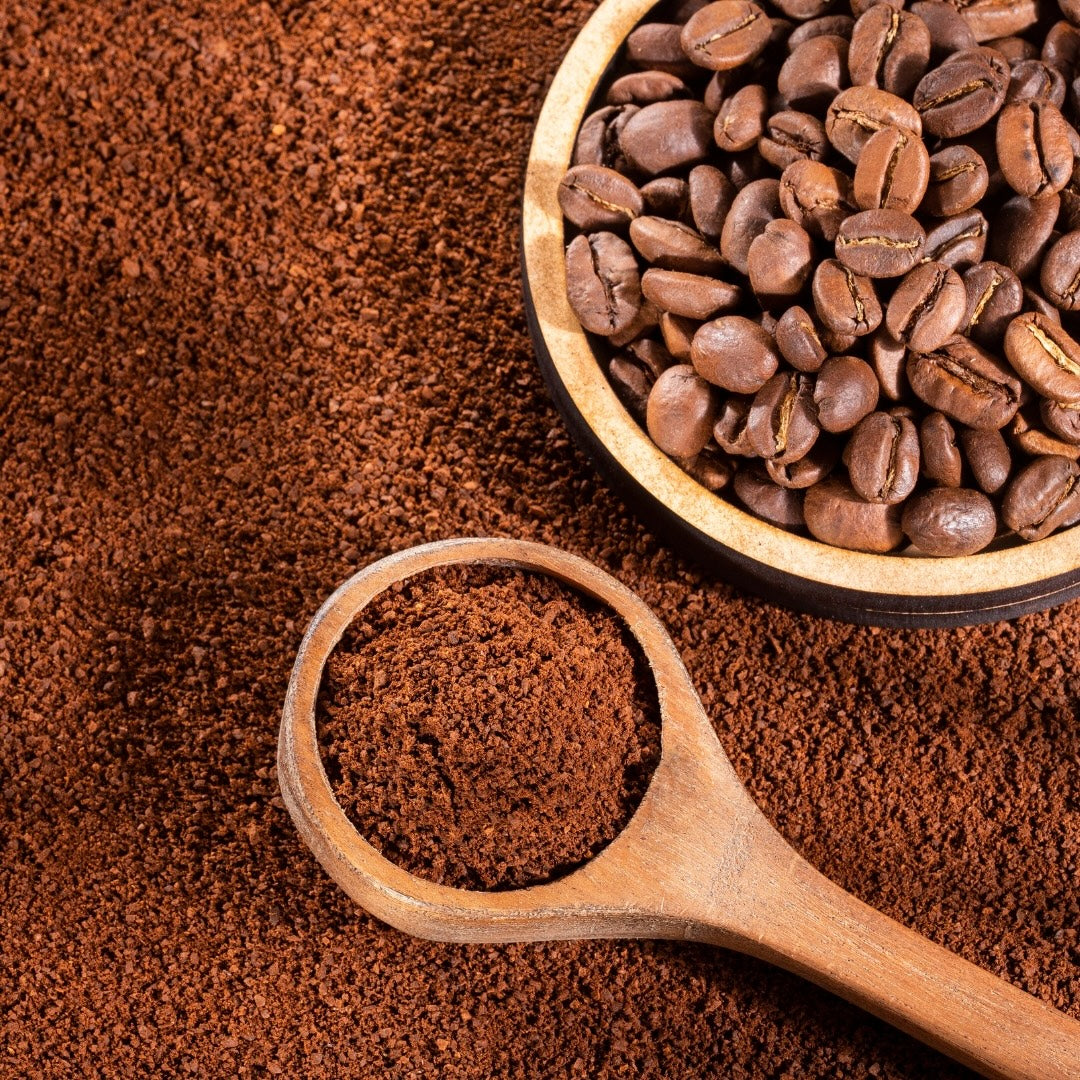
It’s also ground a little finer—about 300 microns instead of the typical 350—to ensure enough coffee strength remains after adding steamed milk and foam. Find the most popular espresso grounds for cappuccino.
Creamy Comfort to Revitalize Body & Mind
Italian Cappuccino Beans

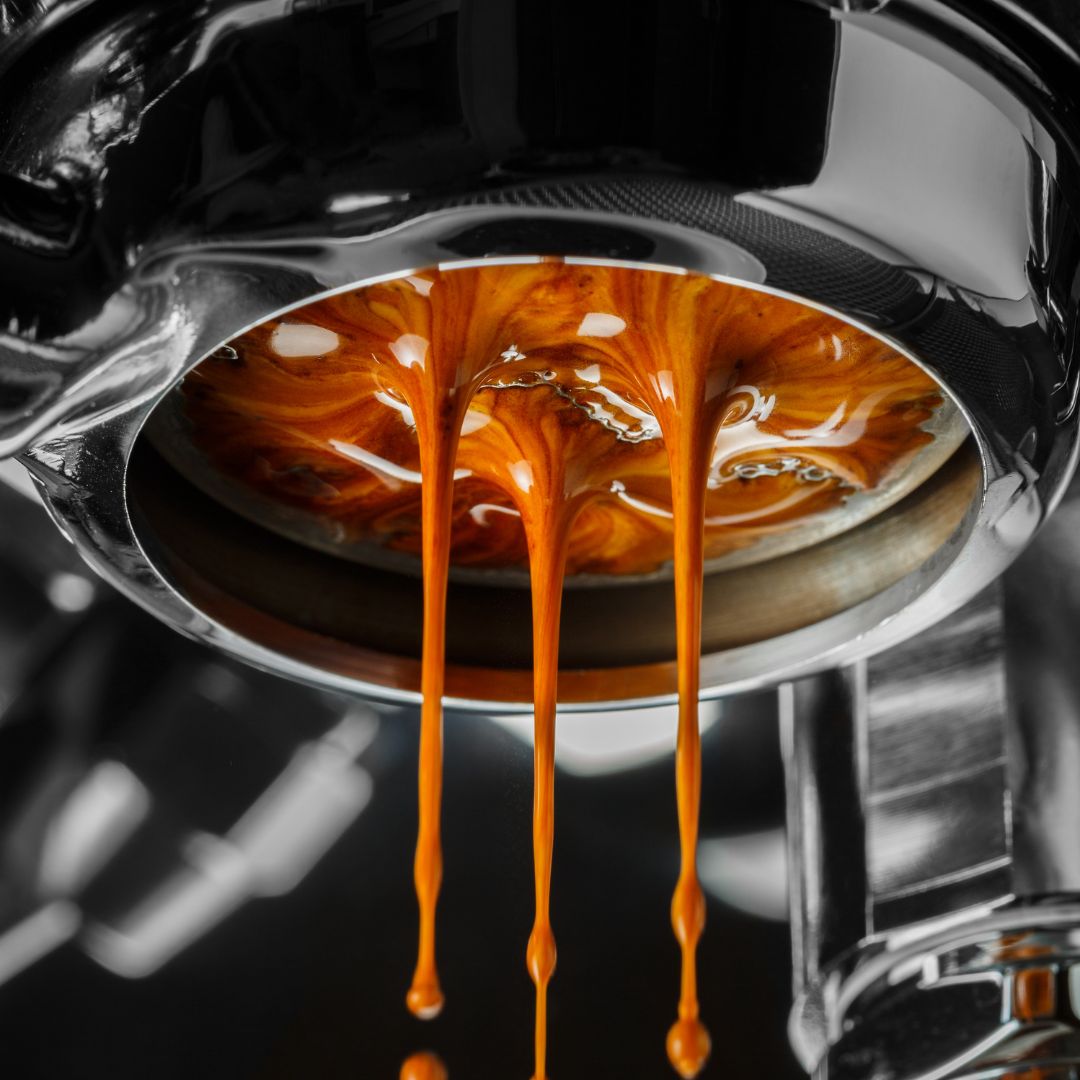
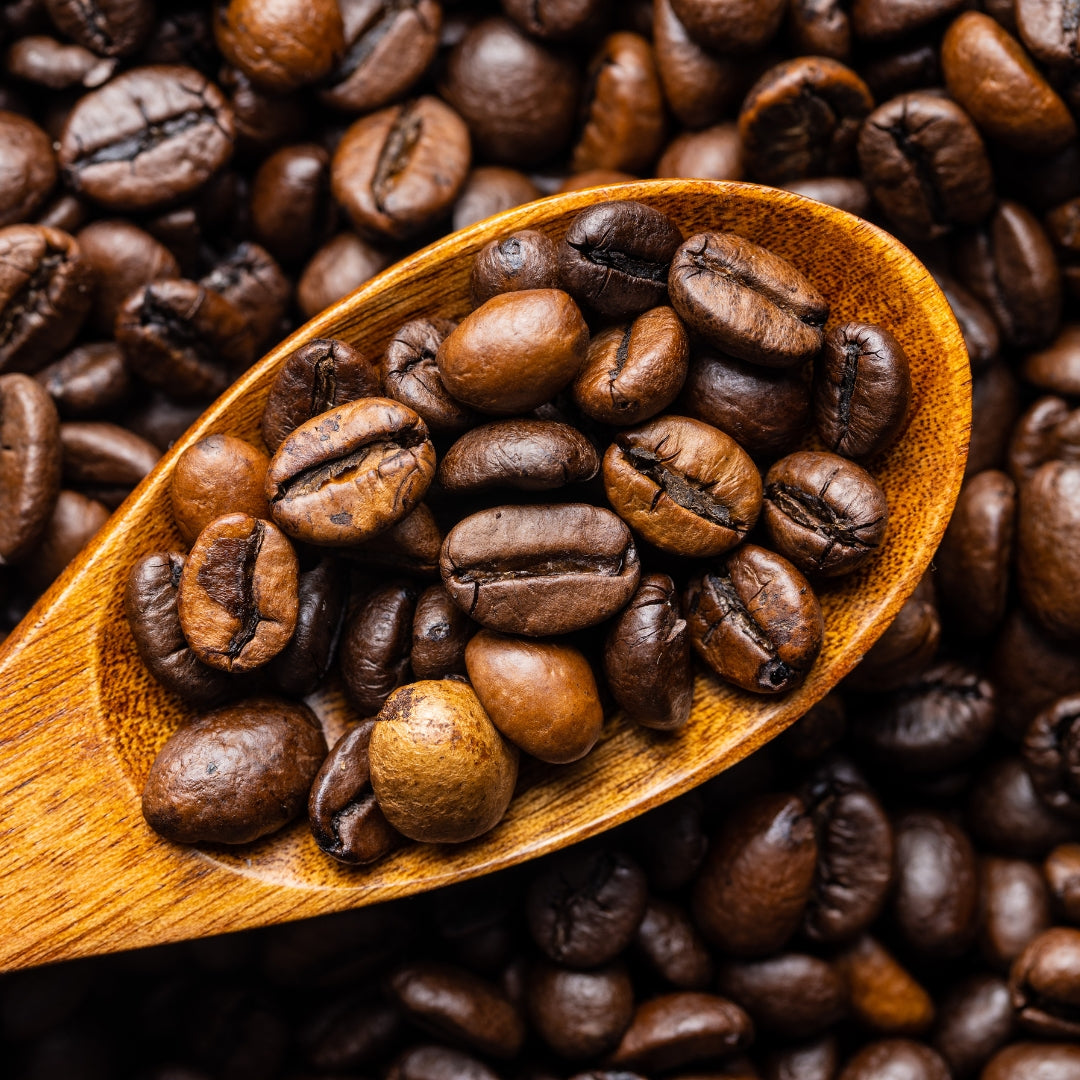

Espresso Made to Harmonize with Milk
Discover Classic Italian Cappuccino

Cappuccino - Italian Style
The Cappuccino Coffee Method
How a Delicious Italian Morning Coffee Ritual Curbs Cravings, Saves Calories & Fuels Your Flow
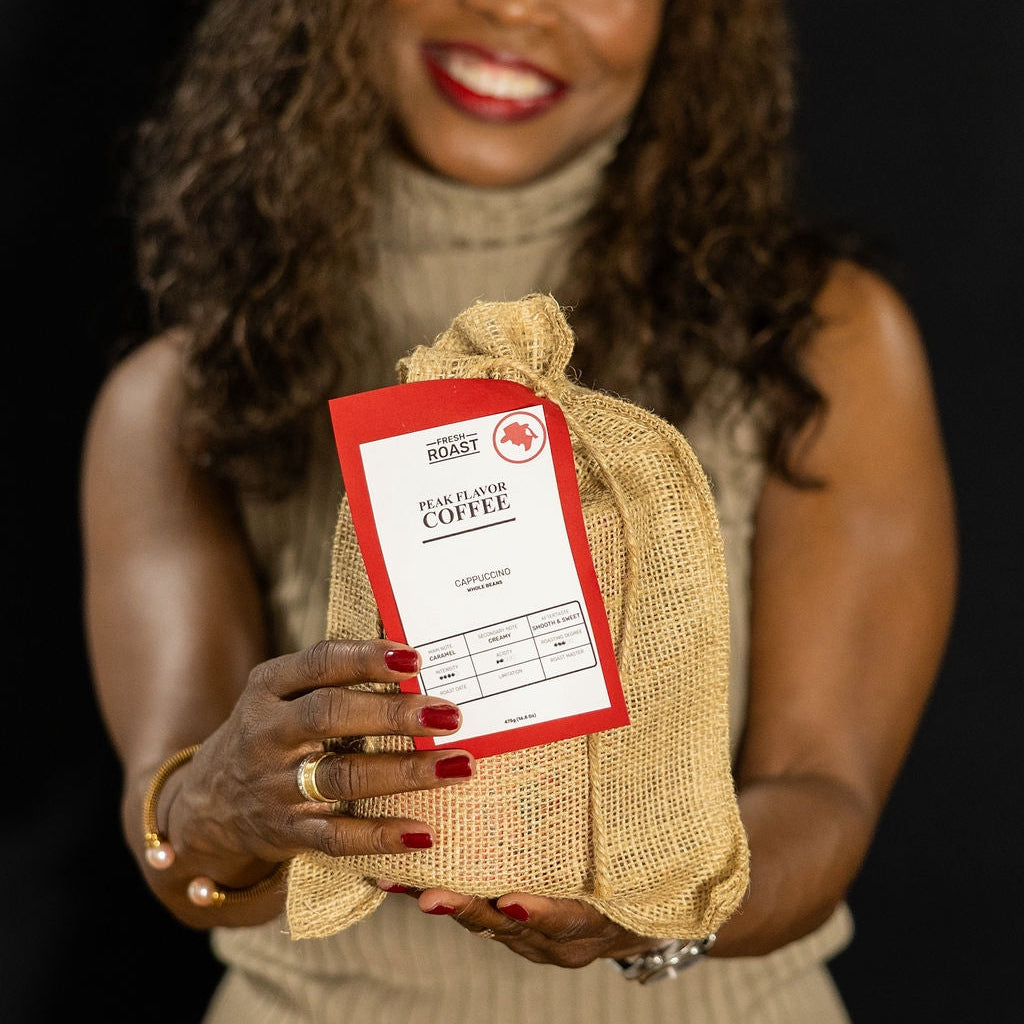
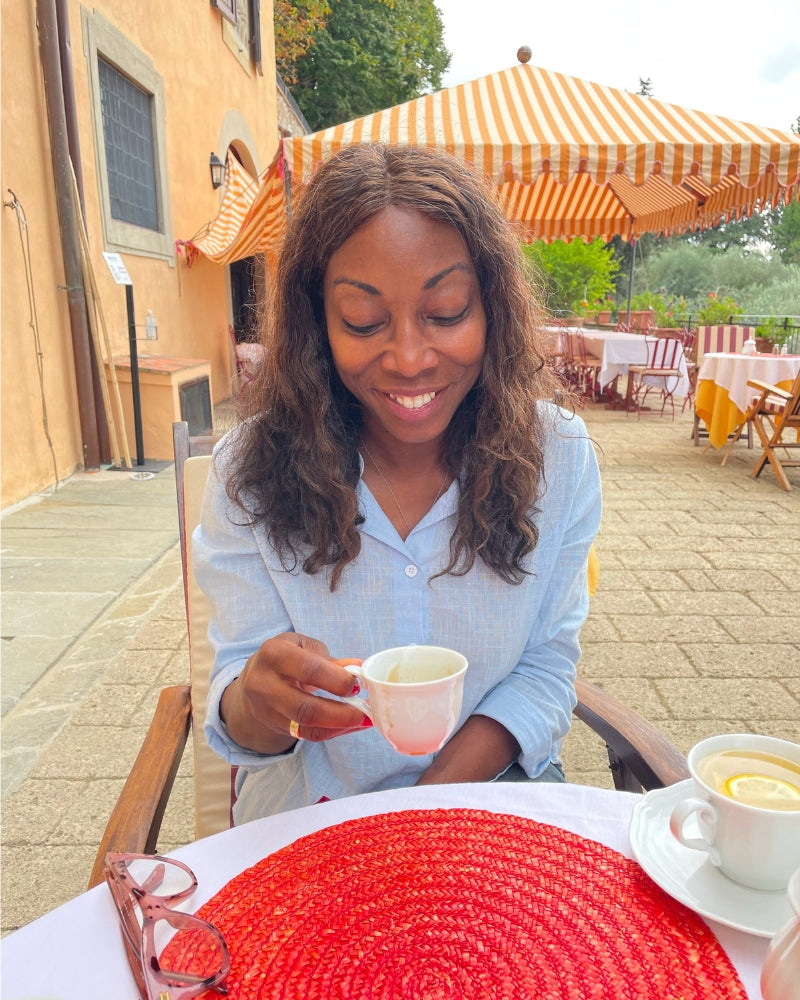
For years, I thought Italian women were simply blessed with impossible discipline. Always sharp, well dressed and looking spectacular. Then I learned their little secret: many skip heavy breakfasts and enjoy a proper Italian cappuccino instead.
A double espresso, silky milk, no syrups. It curbs cravings, fuels focus, and keeps calories sensible.
The Italian cappuccino coffee diet isn’t magic. It’s smart, satisfying balance. Enjoy portion-sized cappuccino with rich taste, caramel crema for creamy comfort and fuel more than just your morning flow. Check our our most popular cappuccino beans.
Coffee hugs, Melicent
Brew Rich Taste with Caramel Crema
Espresso Crafted for Milk
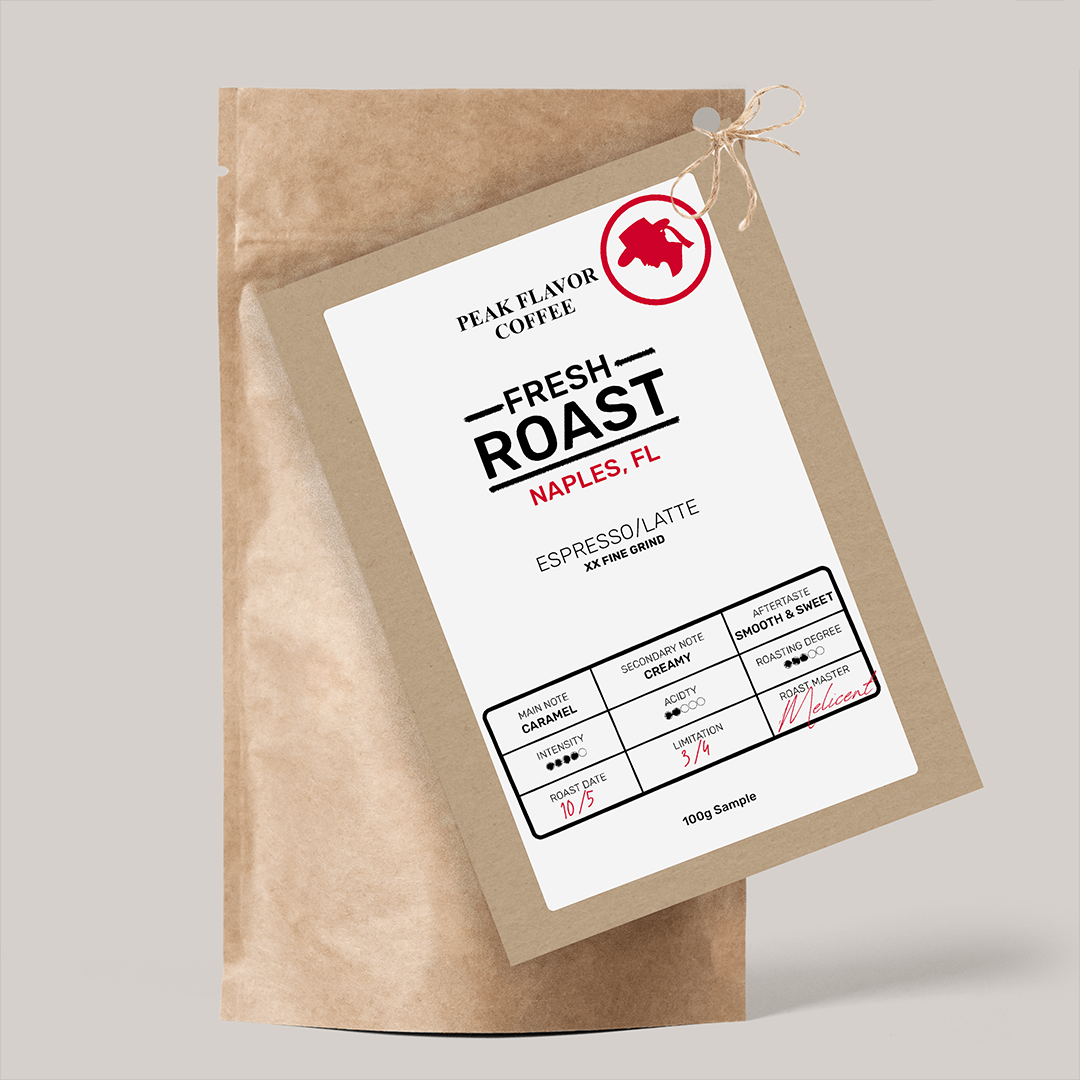
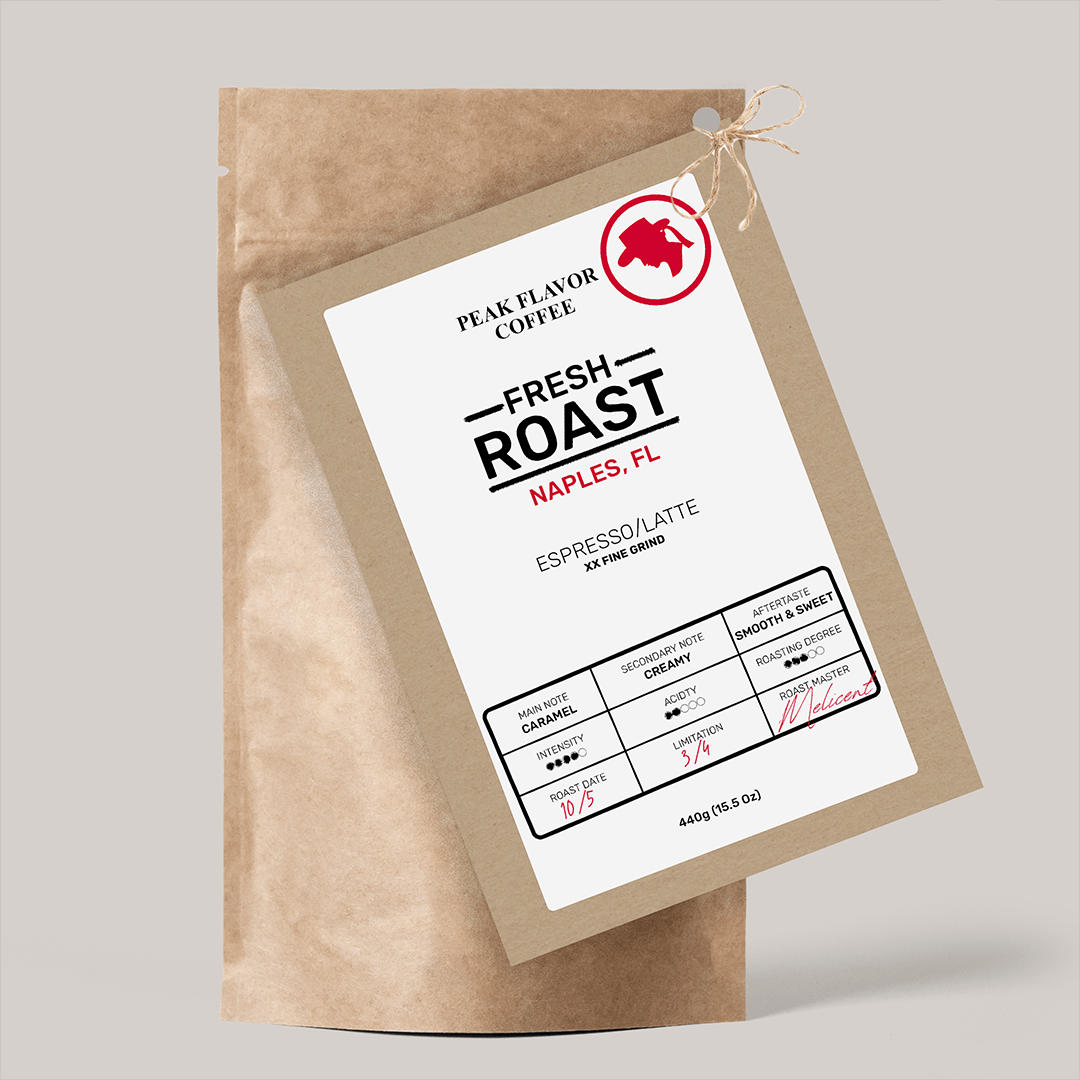
Find Espresso Beans and Espresso Grounds to perfectly harmonize with milk based espresso drinks like classic cappuccino. Brew Italian Cappuccino on your home espresso machine.
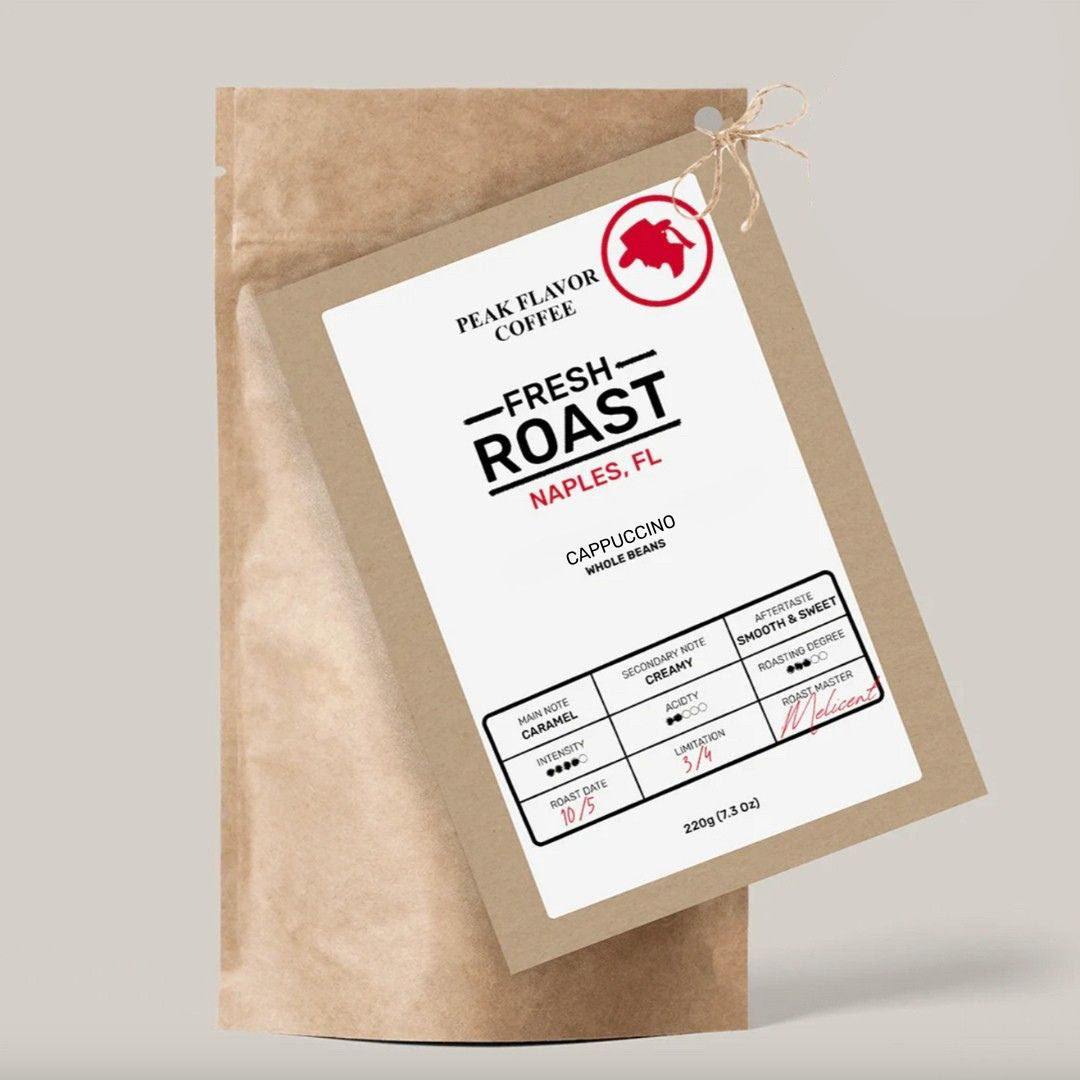

Beans for Classic Cappuccino
Not every espresso bean performs well in milk-based espresso drinks. True cappuccino coffee beans require sufficient depth, body, and crema to blend with milk, not clash against it.
Bean Origin: We select coffee beans from Brazil, Honduras, and Vietnam based on how beautifully they perform in milk. Brazilian beans contribute natural caramel notes and a creamy texture. High-grown Honduran beans add balance and structure, keeping cappuccino smooth instead of thin. Vietnamese beans bring strength and stable crema, a hallmark of classic Italian coffee.
Bean Type: Rich cappuccino depends on a thoughtful Arabica vs Robusta blend. Arabica delivers natural sweetness, layered flavor, and silky coffee oils. Robusta brings extra strength, a thicker caramel crema, and a subtle boost that shines in milk. This balance creates espresso that harmonizes with milk, giving you creamy comfort, rich taste, and satisfying strength.
Roasting for Cappuccino
Traditional Italian cappuccino begins with an espresso roast crafted specifically for milk. The ideal profile is slow-roasted to a medium-dark level, Italian style. At this sweet spot, natural sugars fully caramelize, unlocking notes of caramel, vanilla, and honey that milk enhances rather than hides.
Lighter, blond roasts often taste sharp or sour once milk is added. Darker roasts can turn bitter or burnt. A balanced medium-dark roast delivers the rich taste, caramel crema, and creamy comfort cappuccino lovers expect.
Roast freshness, however, is what transforms good espresso into a true Italian cappuccino ritual. Fresh roasted beans preserve aroma, crema, and body. As coffee ages, oils dull and flavors flatten, leaving milk to dominate the cup. Fresh roasting ensures smooth extraction and vibrant flavor.
When roast profile and freshness align, cappuccino becomes a comforting pause that fuels your morning flow.
CRAFTING THE IDEAL CAPPUCCINO AT HOME IS SIMPLE WITH OUR EXPERTLY TAILORED ESPRESSO GRINDS


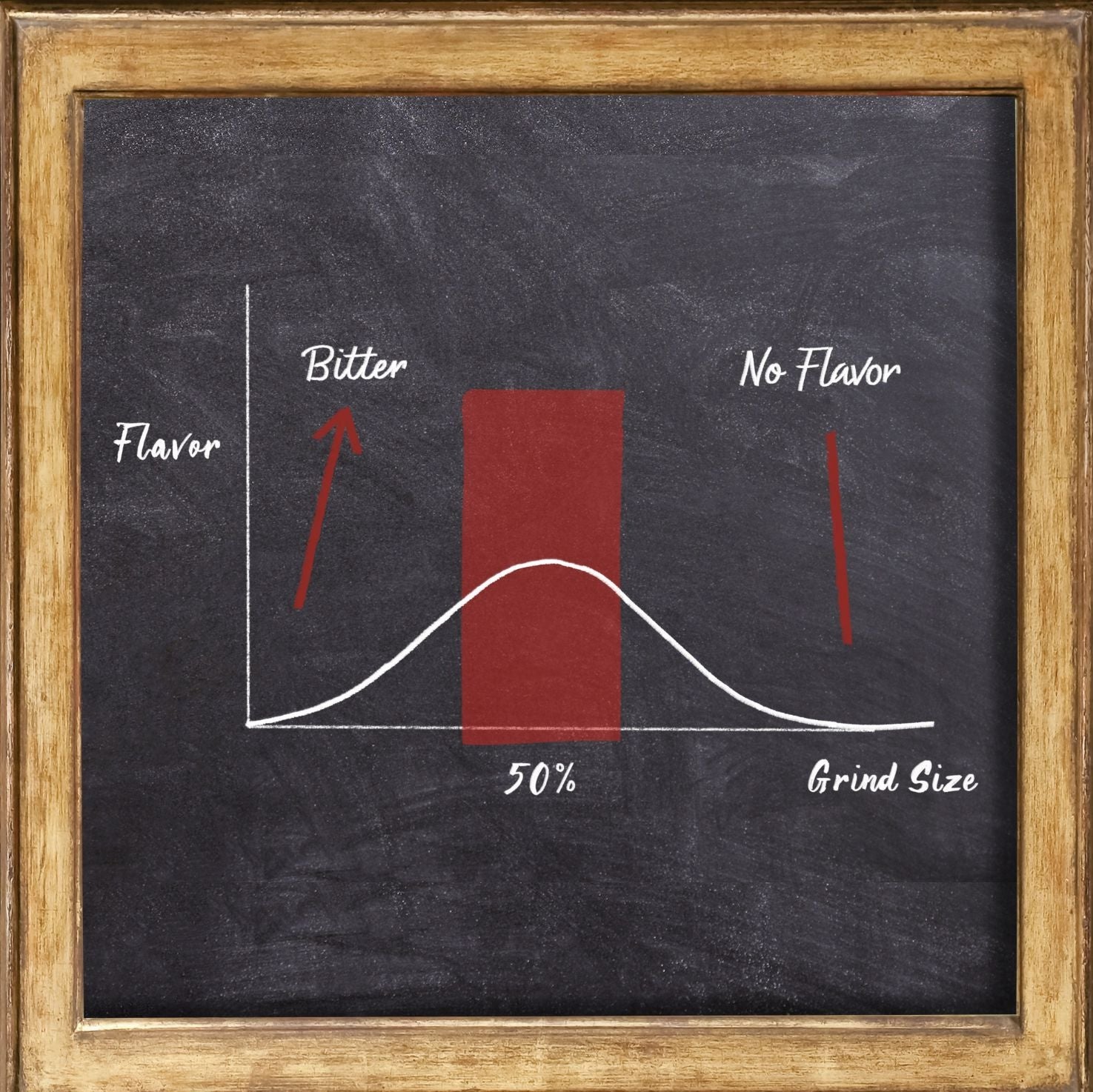

The Right Grind Size for Cappuccino
Why Cappuccino Needs a Different Grind
Cappuccino requires coffee grounds tailored specifically for milk-based espresso drinks.
Traditional espresso is typically ground around 350 microns, which works beautifully when served straight. But once milk is introduced, the dynamics change.
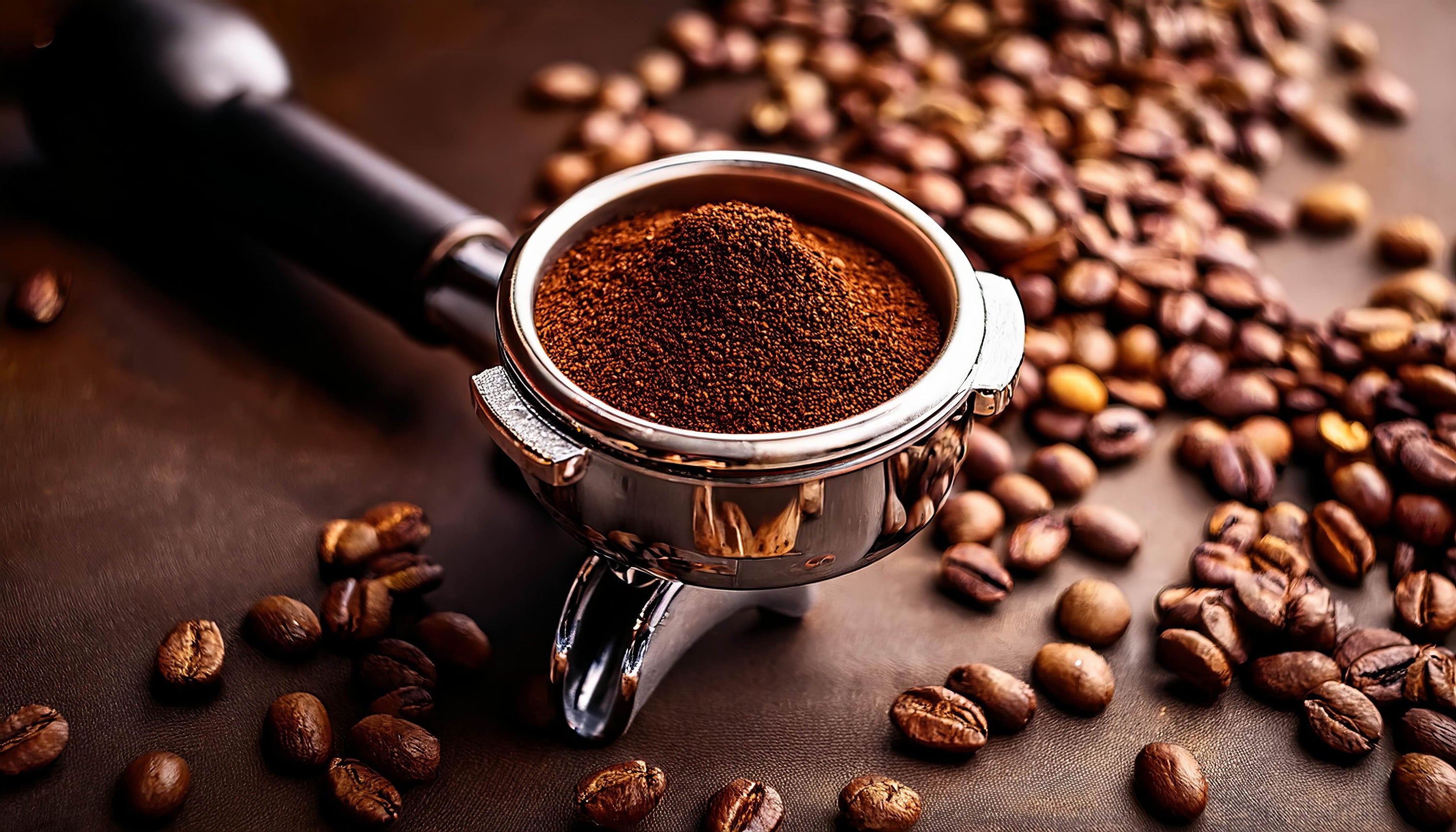
For authentic Italian cappuccino, the grind should be slightly finer—about 300 microns. That subtle adjustment increases extraction strength and draws out more natural sweetness, ensuring the espresso maintains its character in milk.
Too coarse, and the flavor becomes weak. Too fine, and bitterness dominates. When the grind is right, the result is a creamy cappuccino with depth, balance, and caramelized richness. Find espresso grounds for cappuccino.
Grind Consistency Makes the Difference
Grind size alone isn’t enough. Uniformity or consistency is just as important. High-quality cappuccino espresso grounds are milled with exceptional consistency—about 98% of particles matching the target size—so extraction remains even and predictable.
When consistency is high, your espresso machine extracts richer flavor.
When grounds vary widely in size, some particles over-extract while others under-extract. Milk intensifies those flaws, creating bitterness or dullness. But when grind consistency is precise, extraction is balanced, crema remains stable, and the cup delivers smooth caramel depth—fueling your morning flow with creamy Italian comfort.
Learn more about grind size consistency.
Cappuccino Reviews
What Coffee Lovers Say?



The Italian Cappuccino Diet - Does it Exist?
About Coffee Drinking and Weight Loss
Italian Cappuccino, the Coffee Diet & Your Morning Flow
Italian cappuccino can naturally complement a structured coffee diet, especially when enjoyed in the morning as a light, balanced start to the day. Research frequently cited in discussions around coffee and weight loss suggests that caffeine may increase metabolic rate by 3–11% and stimulate thermogenesis, the process by which the body burns energy. This metabolic effect is one reason the idea of a “coffee loophole” has gained attention among those exploring smarter weight management habits. Read The Coffee Lover's Diet by Dr. Arnot about how to lose weight with coffee to learn more.
But the key isn’t just drinking coffee—it’s following the right coffee method. A traditional Italian cappuccino is portion-controlled at about 180ml, made with a double espresso and equal parts steamed milk and foam. No syrups. No hidden sugars. Just balance. When consumed in moderation, caffeine may also help reduce appetite, potentially supporting lower calorie intake throughout the day.
Beyond increased metabolism and appetite suppression, strong coffee contains antioxidants and can improve focus and mood, making it easier to stay active and intentional with food choices. Of course, cappuccino works best within a balanced lifestyle. Yet prepared the Italian way, it becomes more than creamy comfort—it can be a supportive ritual within a thoughtful coffee diet.
Explore expert opinions on coffee and weight loss (Mayo Clinic).
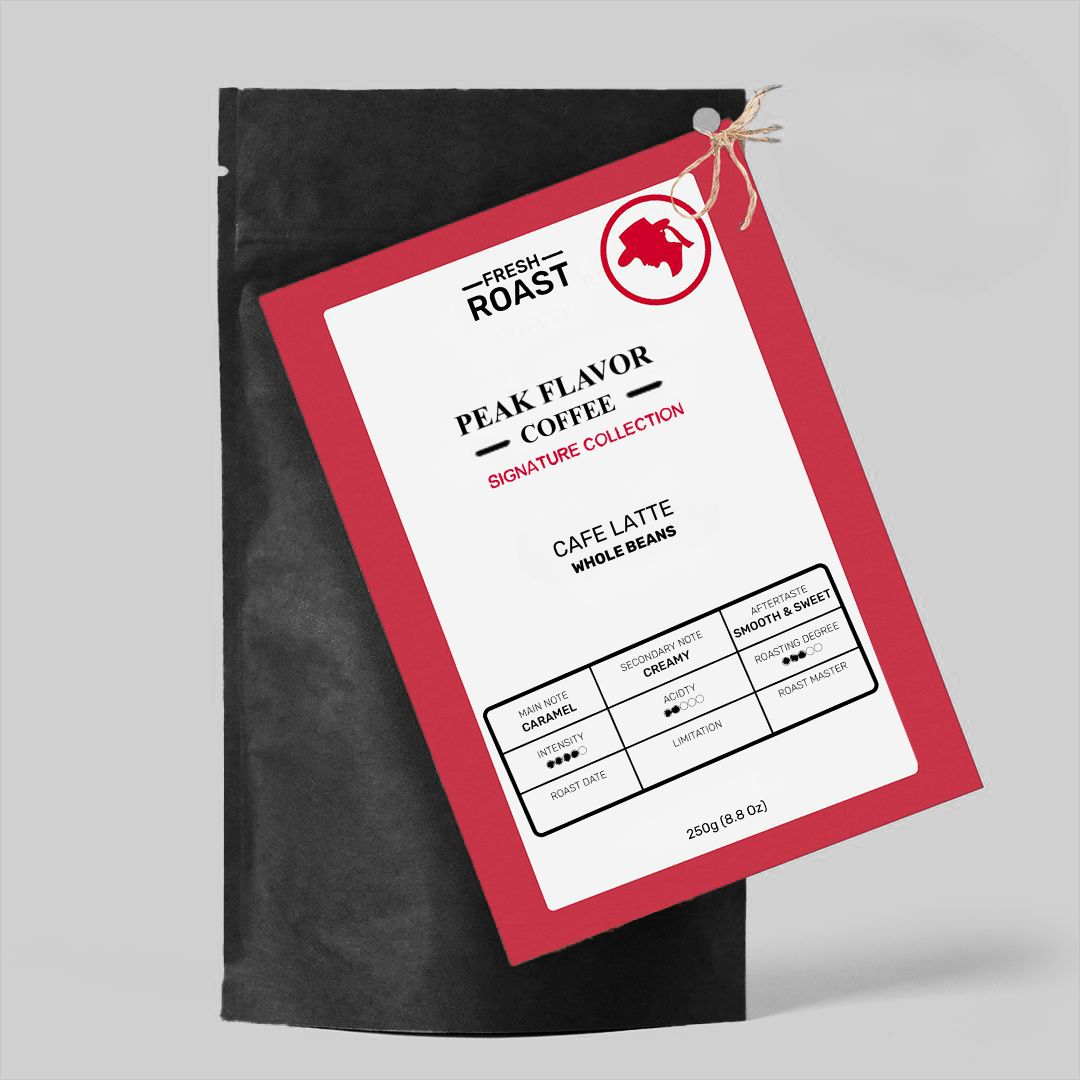
Maybe You Like Creamy Latte Instead?
Espresso Crafted for Latte
Find Espresso Beans and Espresso Grounds to perfectly harmonize with milk-based espresso drinks like cafe latte. Brew creamy on your home espresso machine.
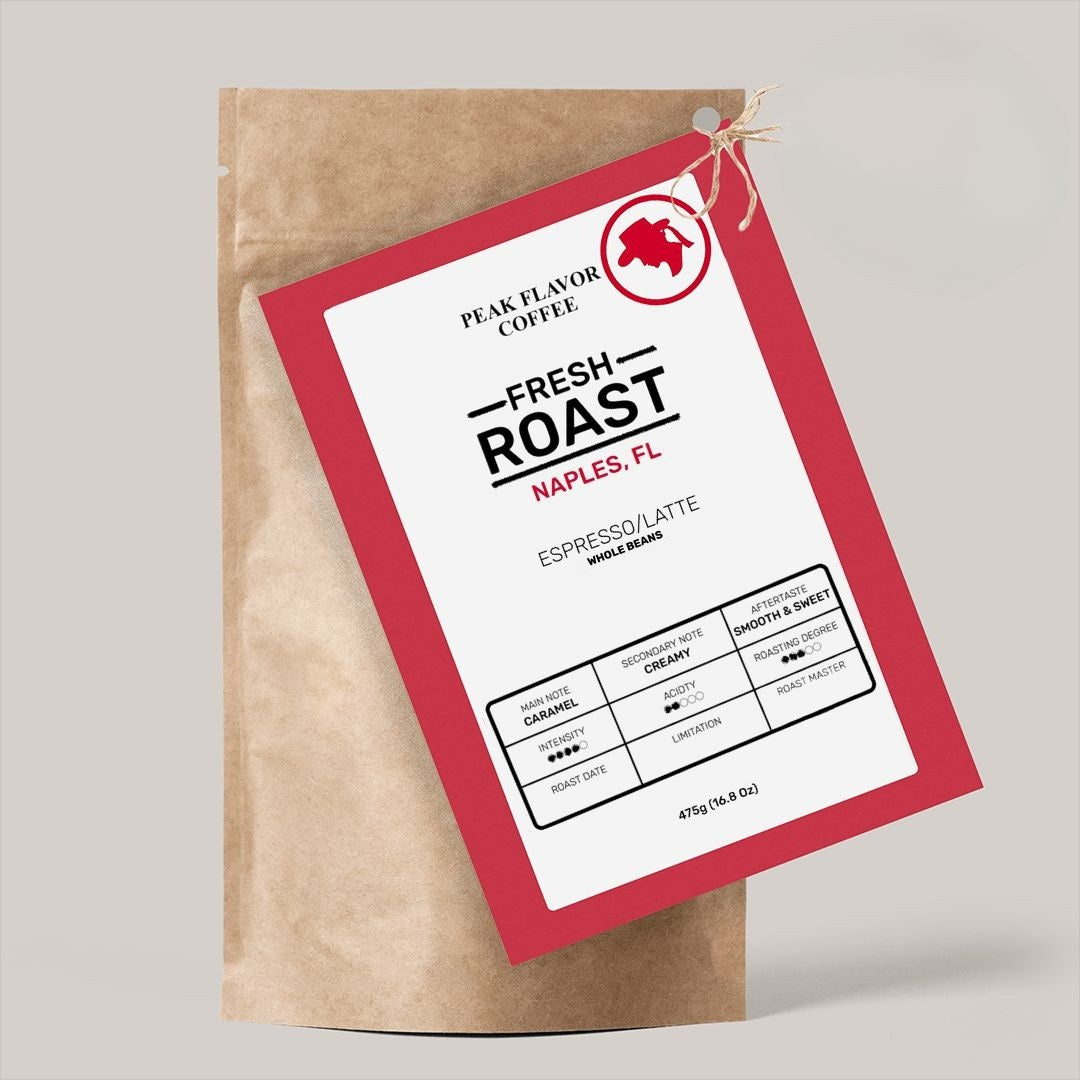



How to Make Cappuccino?
About Authentic Italian Cappuccino


FAQ
Italian espresso is made with an extra fine grind (350 microns) ground with near perfect grind size uniformity or consistency. Consistency prevents bitter notes while proviing the coffee intensity Italian espresso is famous for.
Find Italian espresso grounds to brew richer home coffee.
Italian espresso beans refer to a naturally bean blend of high-quality Arabica and high-grown Robusta beans to provide rich taste with caramel notes and abundant crema.
In Italian coffee culture, fresh roasted espresso beans are the standard for brewing on an espresso machine.
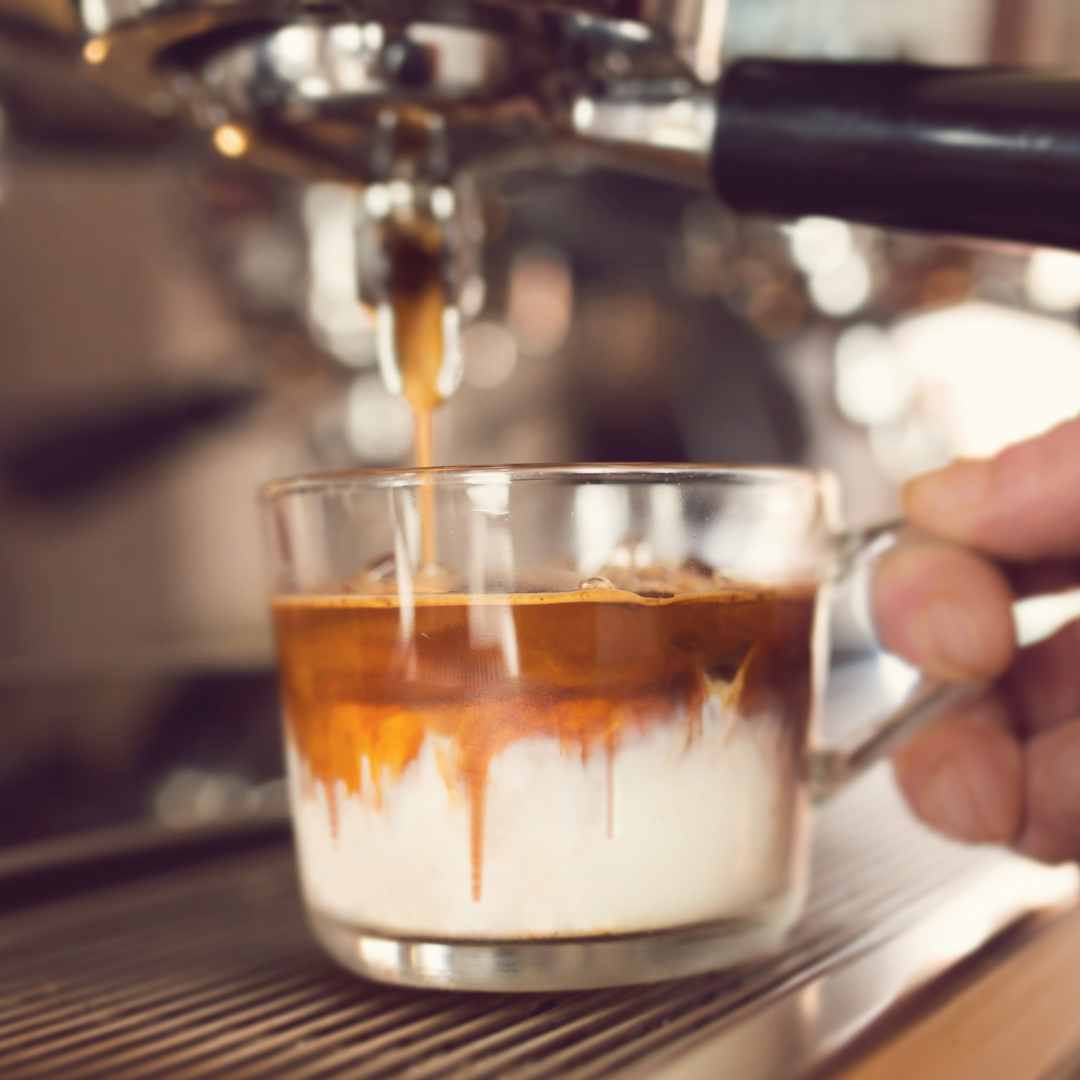
Here are 3 simple steps to make great cappuccino: 1) Use 20 grams of our cappuccino coffee grounds, 2) pull a double espresso shot as a base for cappuccino, 3) Add 1/3 milk and 1/3 milk foam for an Italian cappuccino recipe (1:1:1).
Always use freshly roasted espresso beans or grinds, roasted within the past 8 days. Check the roast date on the label of your coffee package. If there's no roast date, assume that your roast is too old for a good cappuccino. Read more about how to make a cappuccino.