








Filters
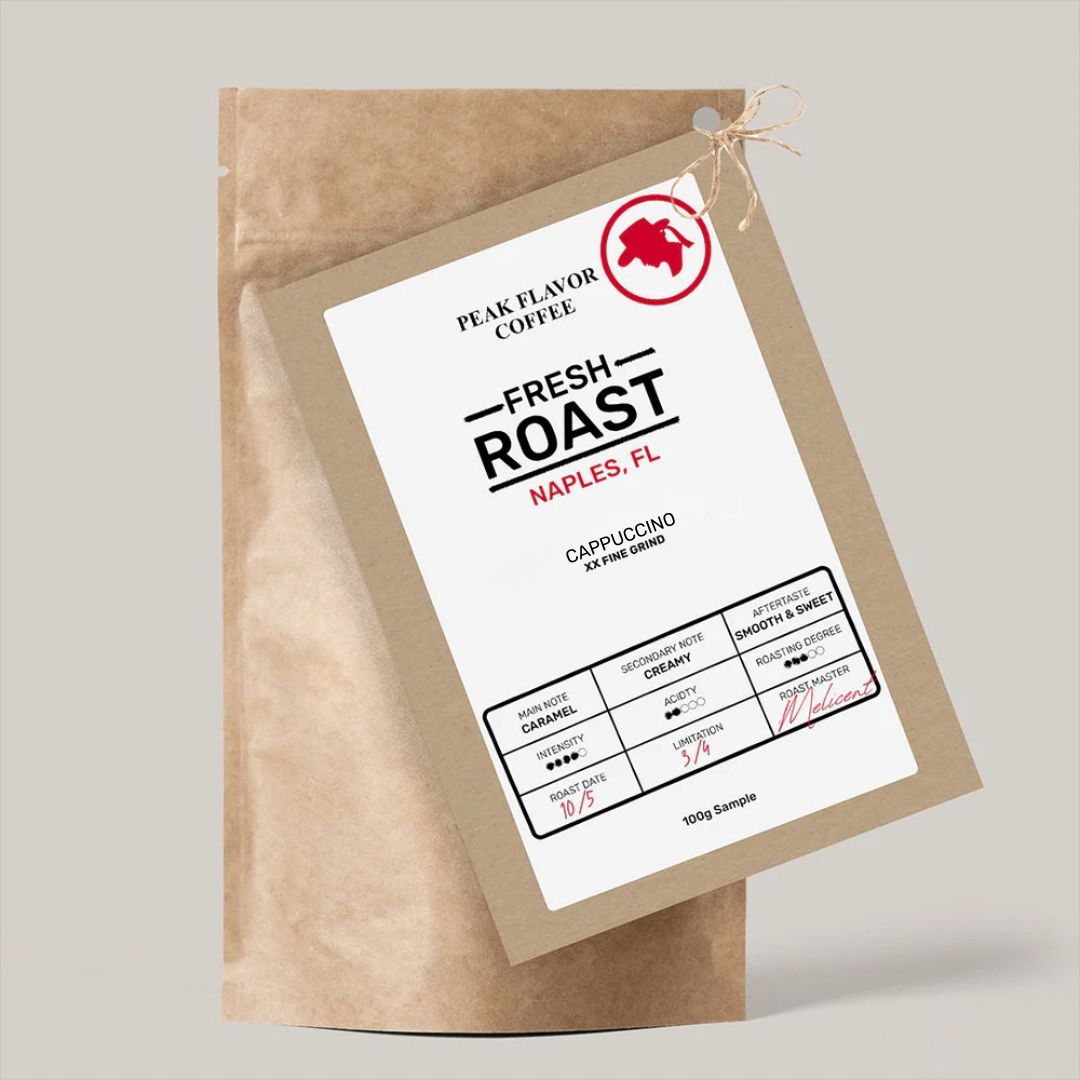

The right Grind Size for cappuccino
The Secret to Richer Cappuccino is in The Grind
For years, I blamed my espresso machine. If my cappuccino tasted thin after adding milk, clearly the machine was the problem. Or the milk. Or the weather. It never occurred to me that the grind size might be the culprit.
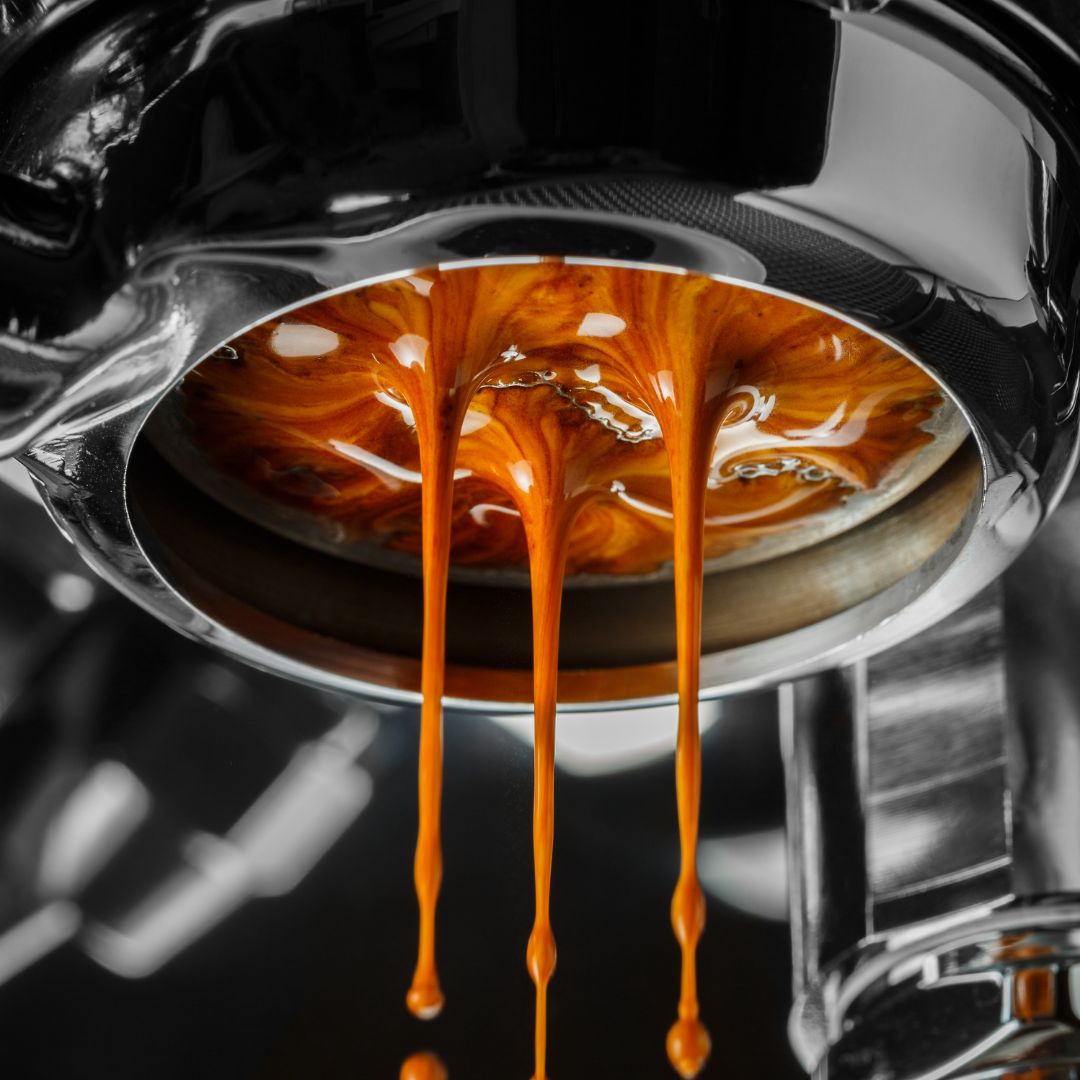
Then one day, after yet another “why does this taste flat?” moment, I adjusted my grind just a little finer. Not dramatically. Just enough. And suddenly, my cappuccino had depth. Rich taste. Real crema. The espresso didn’t disappear under milk.
Only much later, I found that Italian baristas use two grind sizes. One is for espresso. The other is for milk-based espresso drinks like cappuccino and cafe latte.
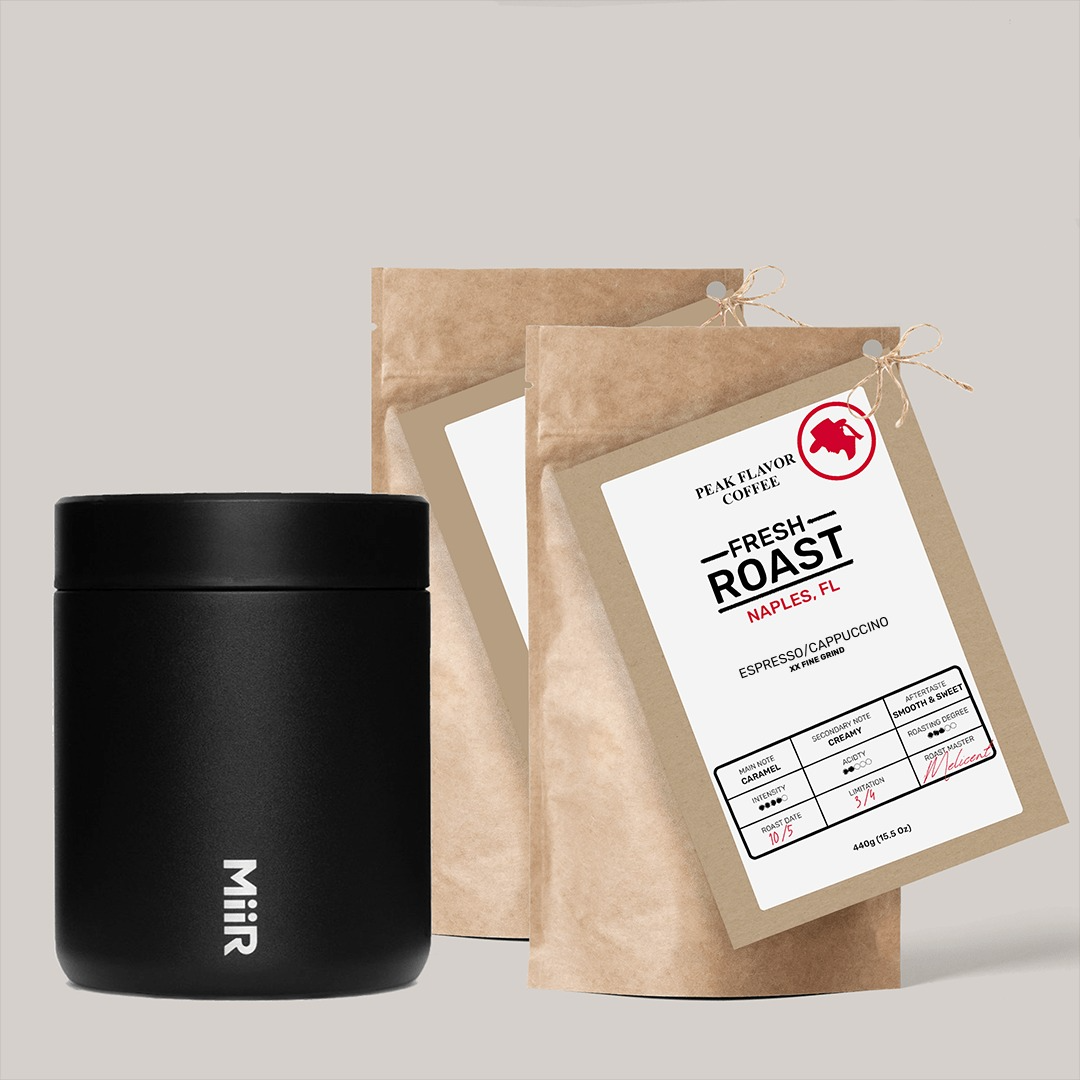
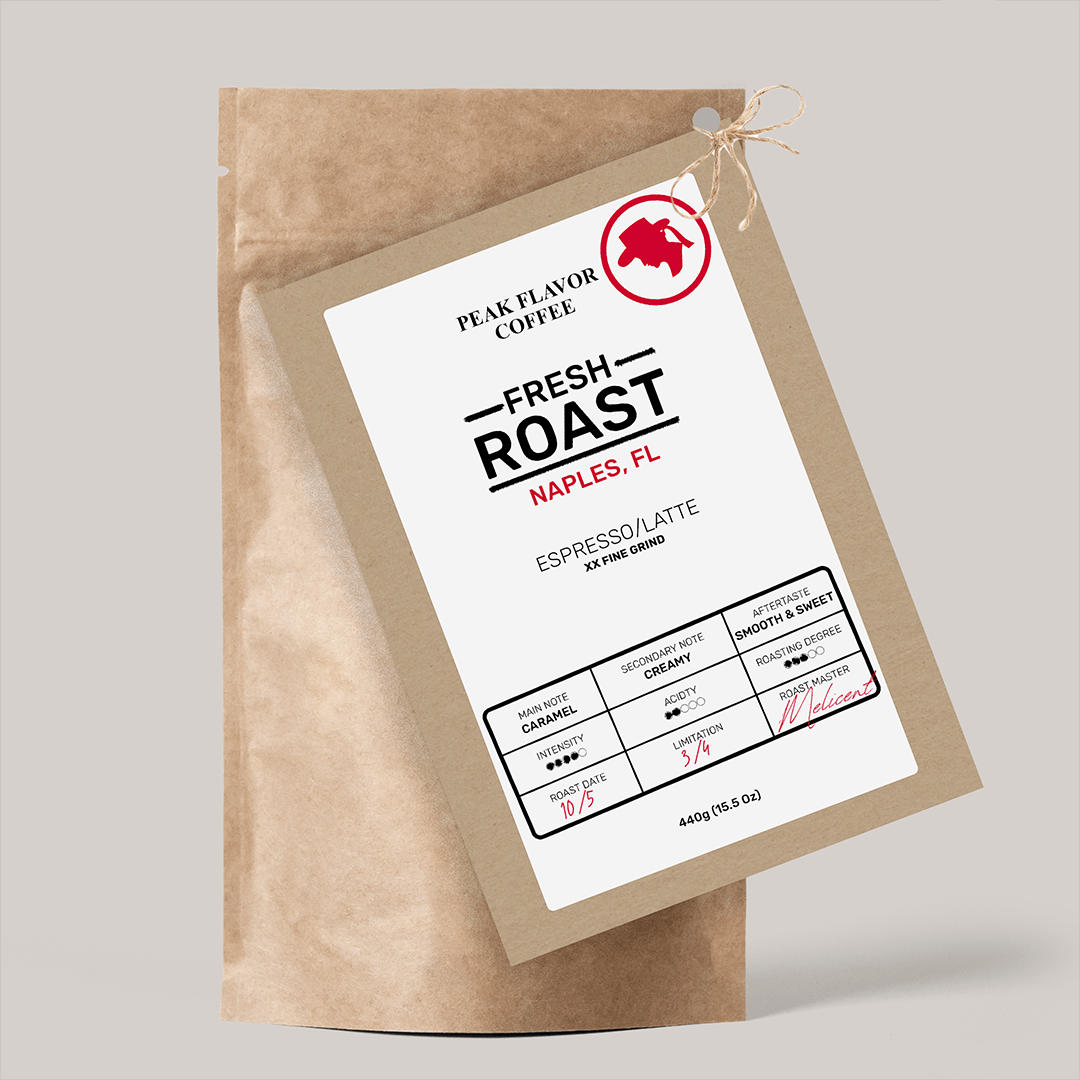
This cappuccino coffee grounds collection is for Italian coffee lovers who want the same breakthrough. You won’t need a home grinder or barista certification.
Coffee Hugs, Melicent
For Cappuccino Lovers (w/o Grinder)



Perfect Coffee Grounds for Richer Flavor
Why Cappuccino Needs a Different Grind
Not all espresso grounds are designed for milk-based espresso drinks. Most standard espresso beans are ground for classic Italian espresso at about 350 microns. That works beautifully for straight shots. But once milk enters the picture, things change.
For authentic Italian cappuccino, the ideal grind size is closer to 300 microns—just a touch finer. That slight adjustment increases extraction strength and natural sweetness, giving the espresso roast enough intensity to harmonize with milk instead of drowning in it.
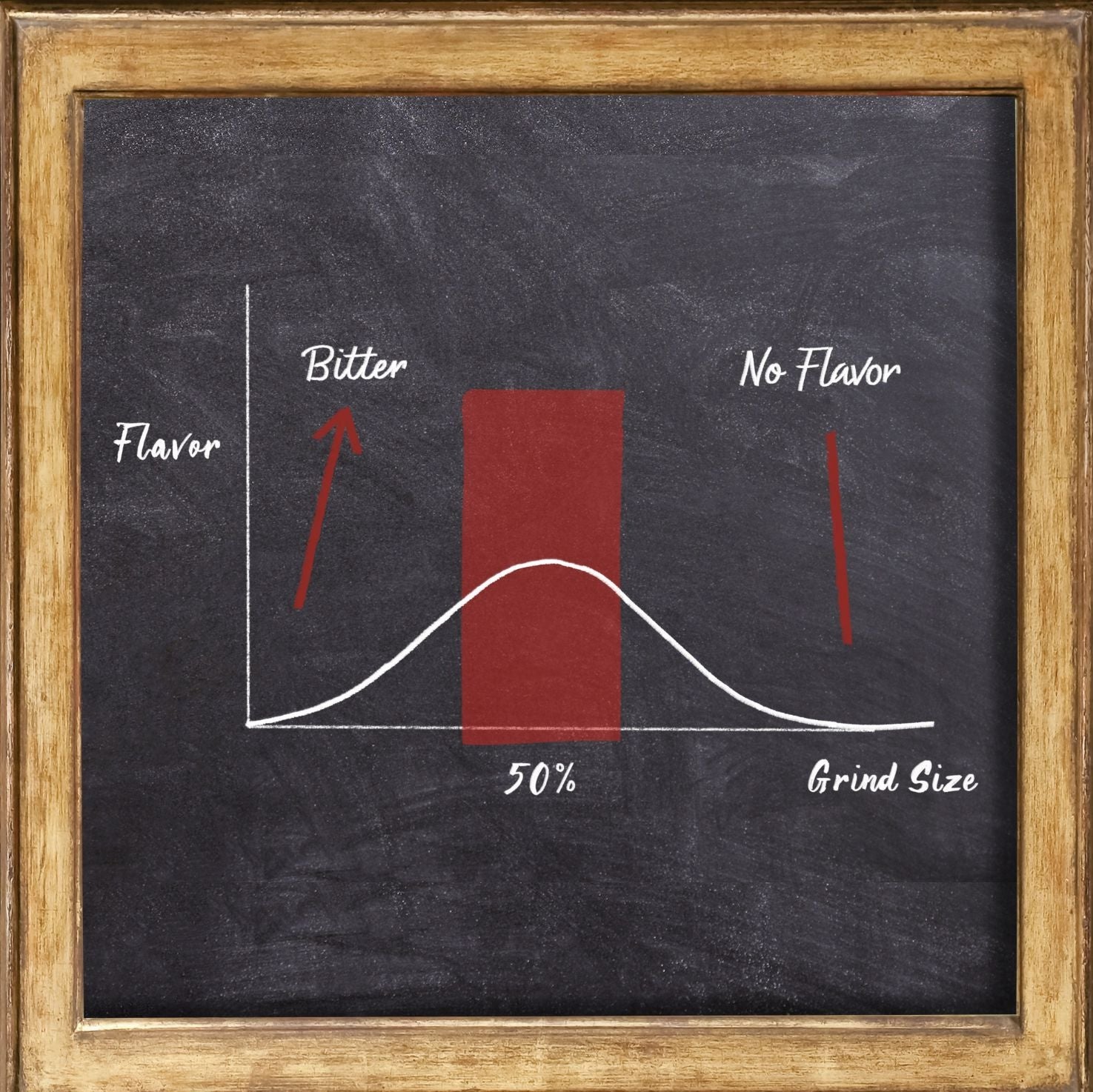
As with all types of coffee, grind too coarse and taste is weak. Grind too fine and your brew turns bitter. Get the right grind size and cappuccino turns into creamy comfort with rich coffee backbone.
Perfect Coffee Grounds for Richer Flavor
Consistency Makes the Difference
Great cappuccino espresso grounds are not just about size. They’re about grind size consistency.
Our espresso grounds for cappuccino are milled with near-perfect uniformity—about 98% consistency—so extraction is even and predictable. And you can brew richer taste.
When coffee grounds are inconsistent, some particles over-extract and taste bitter while others under-extract and taste sour. Milk amplifies those flaws.
When grind size and uniformity are dialed in like in this graph, you get balanced Italian coffee with stable crema and smooth caramel depth.

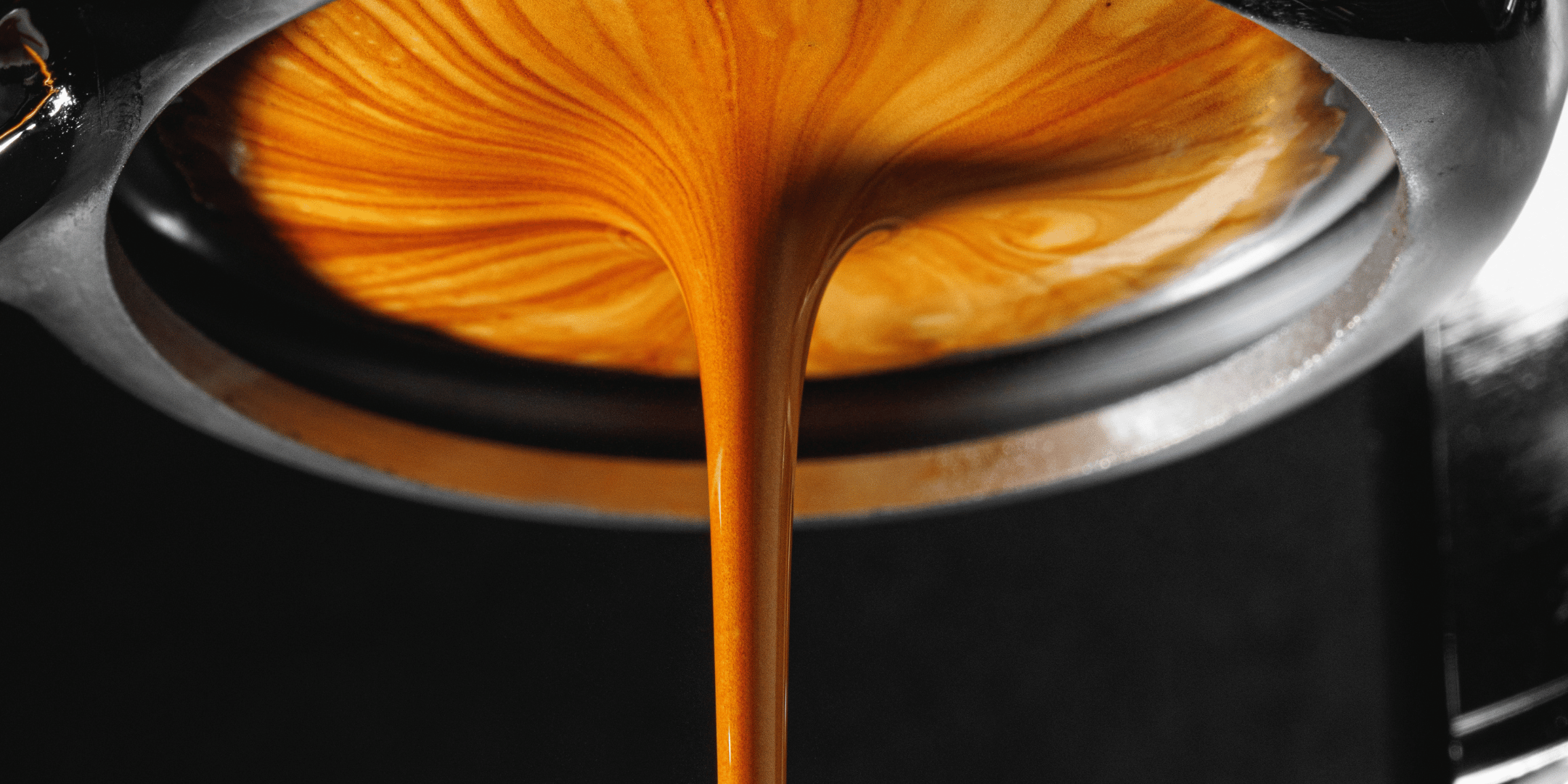


The Right Beans for Classic Cappuccino
Arabica Depth and Robusta Intensity Selected to Shine in Milk
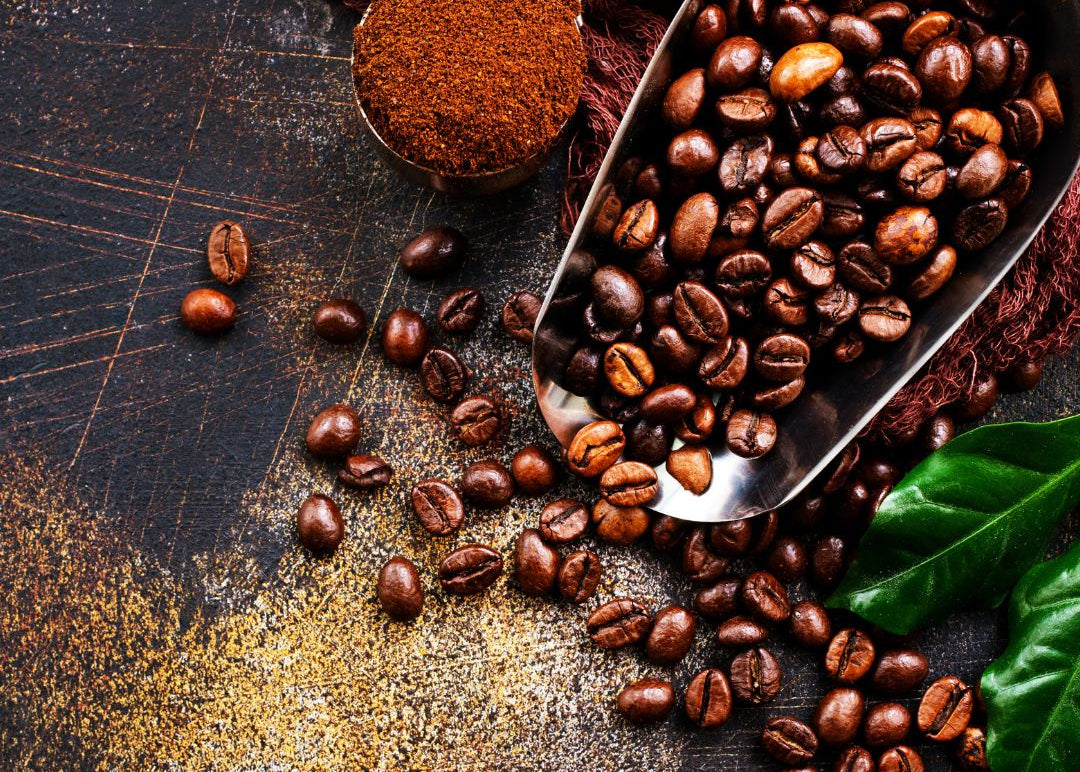
True cappuccino begins with beans selected to harmonize with milk - cappuccino coffee beans. strictly high-grown Brazilian beans bring natural caramel sweetness and creamy body.
High-grown Honduran beans add structure and balance. Vietnamese Robusta contributes strength and stable crema. Blending Arabica for flavor with Robusta for intensity creates "cappuccino espresso beans" that stay rich, smooth, and present once you add milk. Find the right beans for classic cappuccino.
Arabica vs Robusta – The Italian Balance
A thoughtful Arabica vs Robusta blend delivers natural sweetness, silky coffee oils, and the strength needed for milk-based espresso drinks.
Arabica brings deep flavor, abundant natural coffee oils and complex aroma's like caramel, vanilla and honey. Robusta adds body, crema, and energy.
Together, they create cappuccino espresso grounds that feel comforting and energizing at the same time.

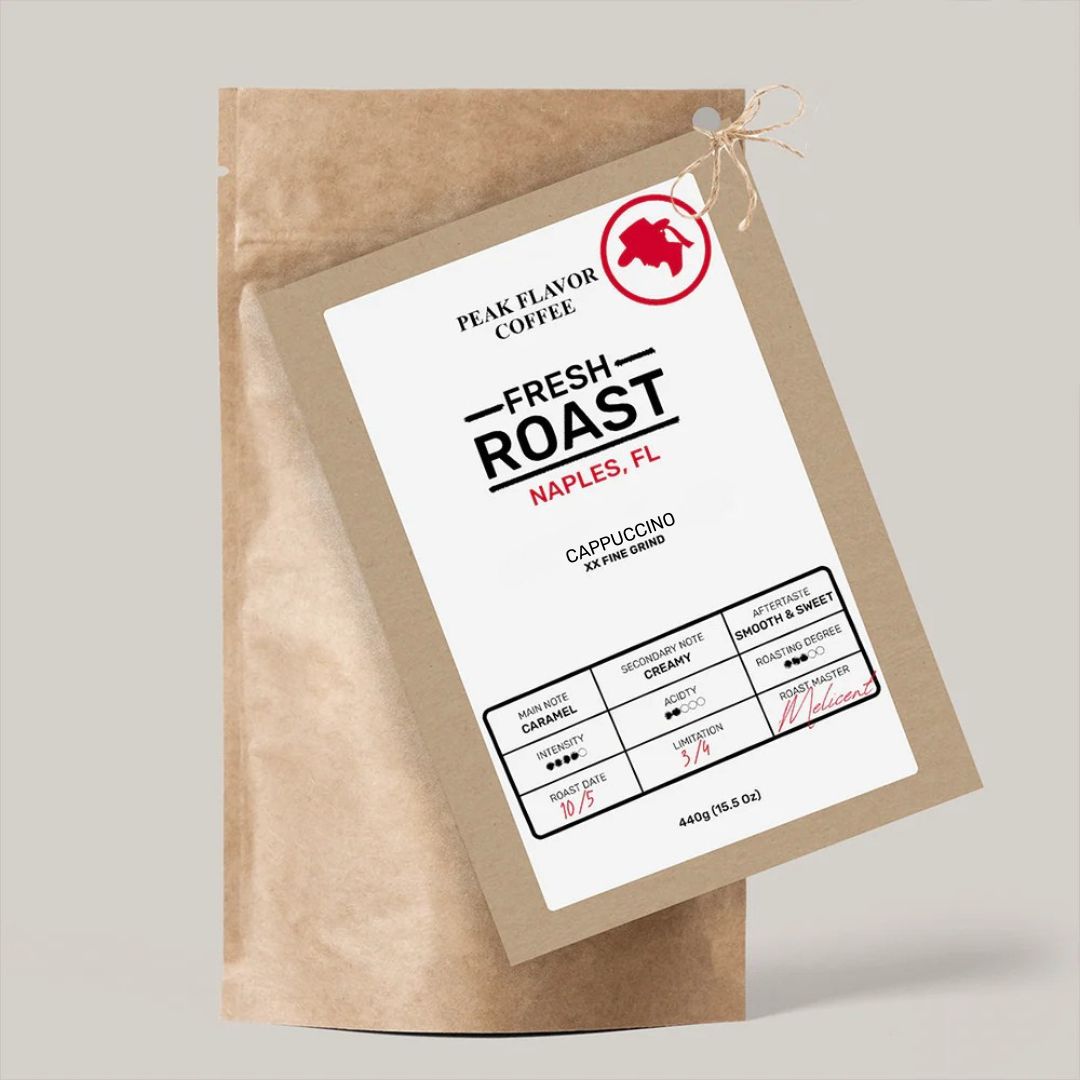
Rich Taste - Caramel Crema - Creamy Comfort


Explore Espresso Beans for Classic cappuccino
Find Cappuccino Beans - Made for Milk
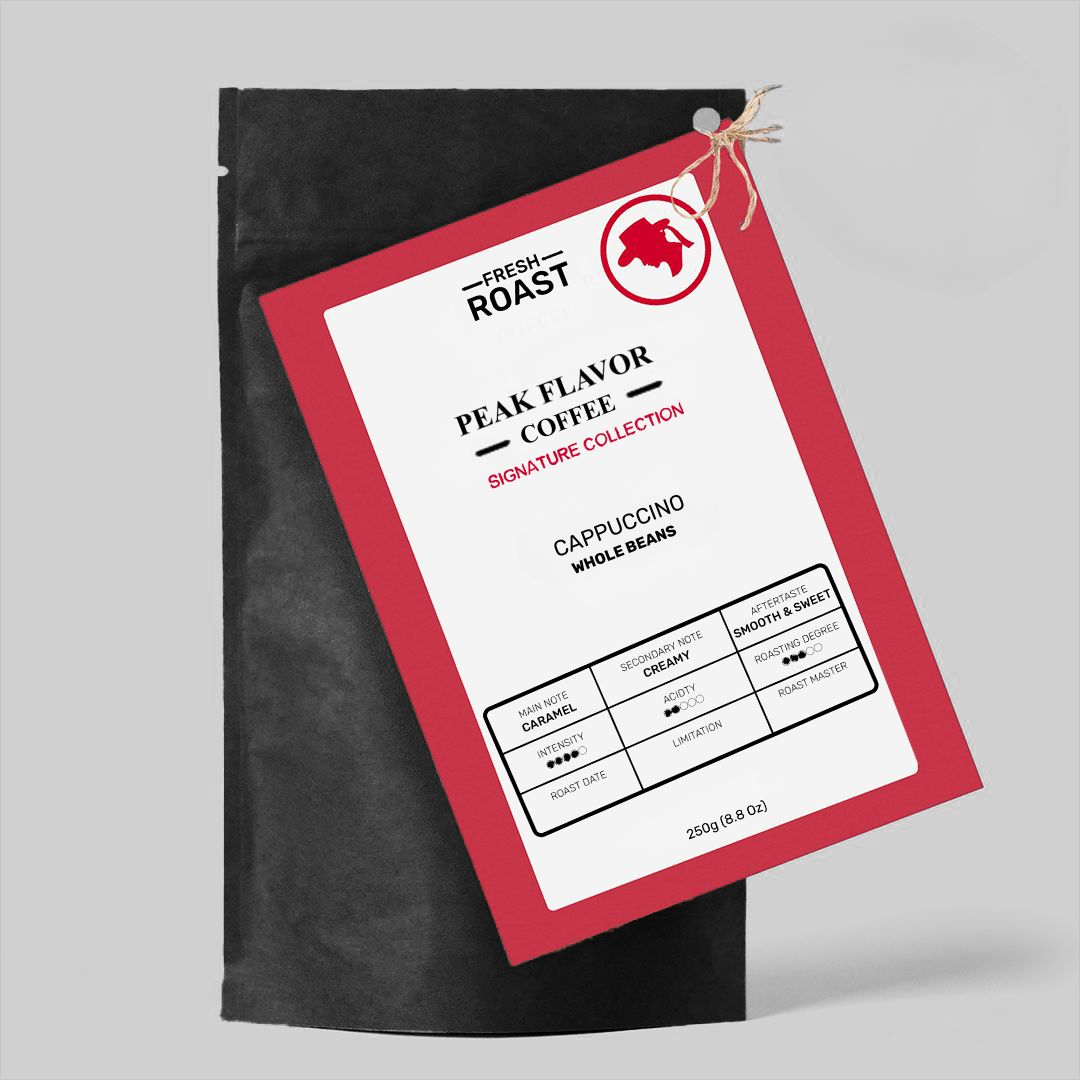
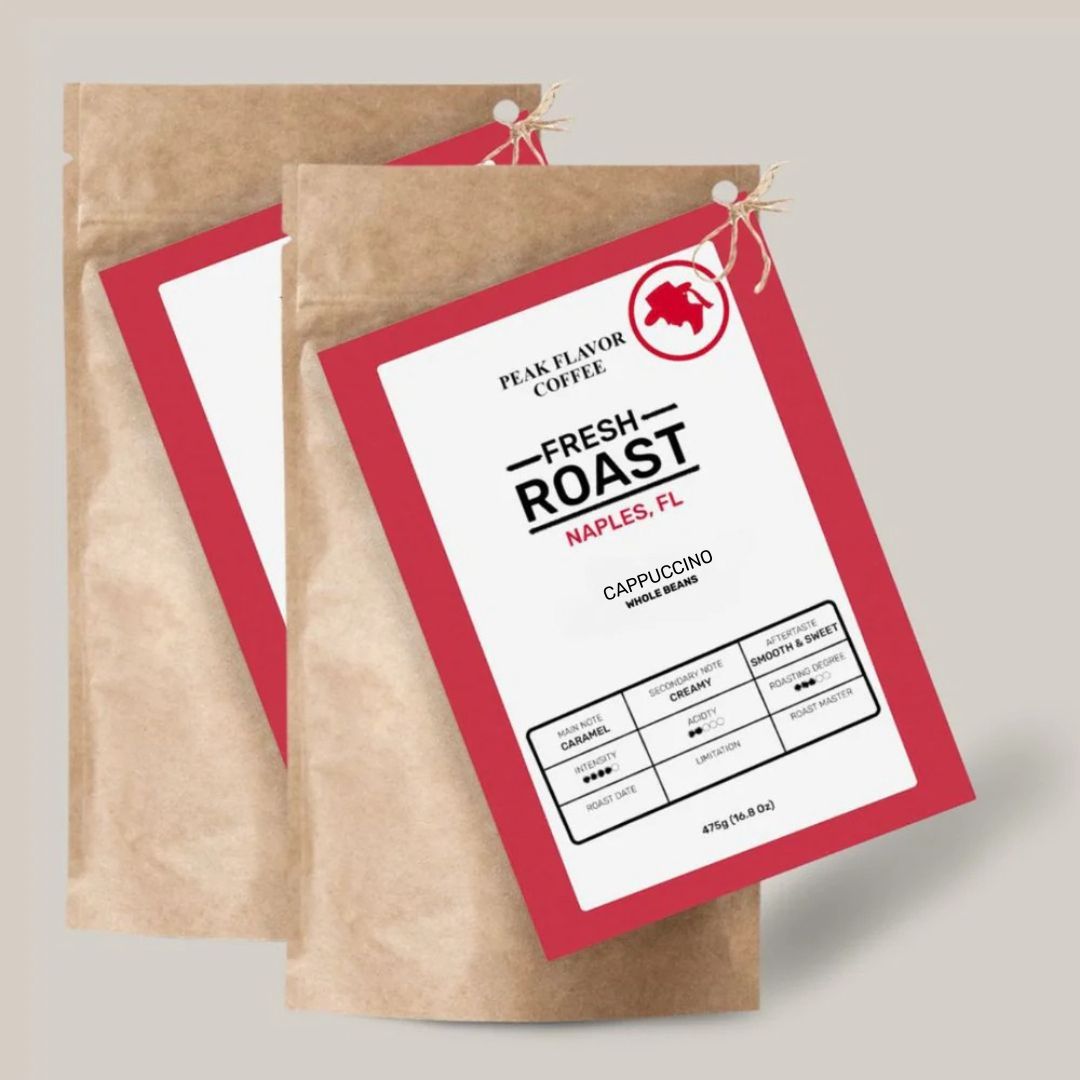
About Coffee Drinking and Weight Loss
Italian Cappuccino & The Coffee Diet
How Italian Cappuccino and the Right Espresso Grounds Support Your Morning Flow
Typical Italian cappuccino can fit naturally into a structured coffee diet, especially when enjoyed in the morning as a light breakfast replacement. According to research highlighted in The Coffee Lover’s Diet, caffeine may increase metabolic rate by 3–11% and support thermogenesis, helping the body burn energy more efficiently. This is one reason the so-called coffee loophole has gained attention among those exploring coffee and weight management.
A well-crafted cappuccino follows a smart coffee method: high-quality espresso balanced with milk, no syrups, no excess sugar. When consumed in moderation, caffeine may help suppress appetite, potentially reducing overall calorie intake throughout the day. That makes a traditional Italian 180ml cappuccino portion - 2 shots of espresso with equal amounts of steamed milk and foam - a satisfying yet controlled way to start the morning.
Beyond metabolism, coffee contains antioxidants and may enhance focus and mood, making it easier to stay active and mindful with food choices. Of course, cappuccino works best as part of a balanced lifestyle. But when prepared the Italian way, it’s not just creamy comfort. Cappuccino can be a supportive morning habit within a thoughtful coffee diet.
Read some science about the effects of coffee on weight loss or learn how independent health professionals summarize the issue of coffee and weight loss.
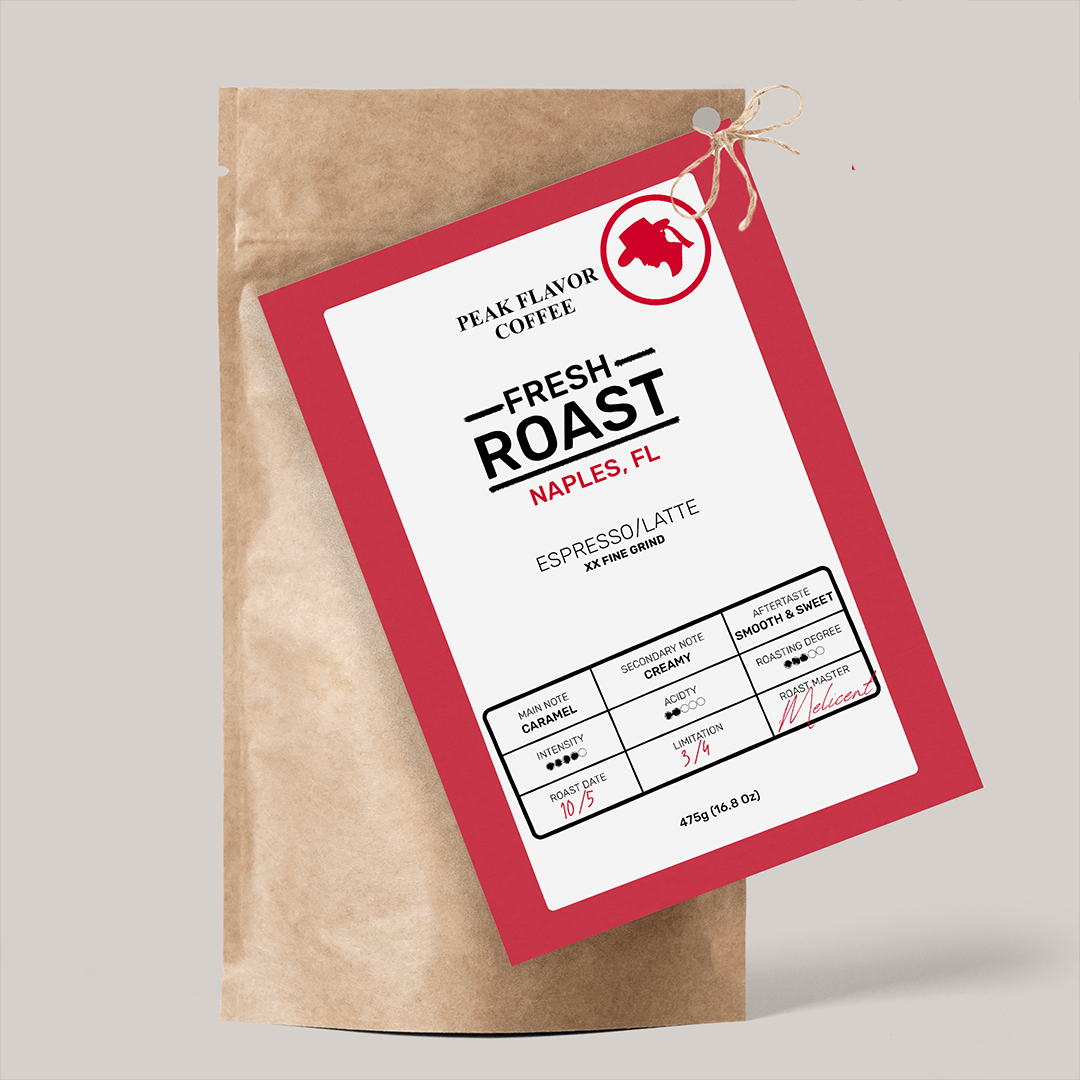
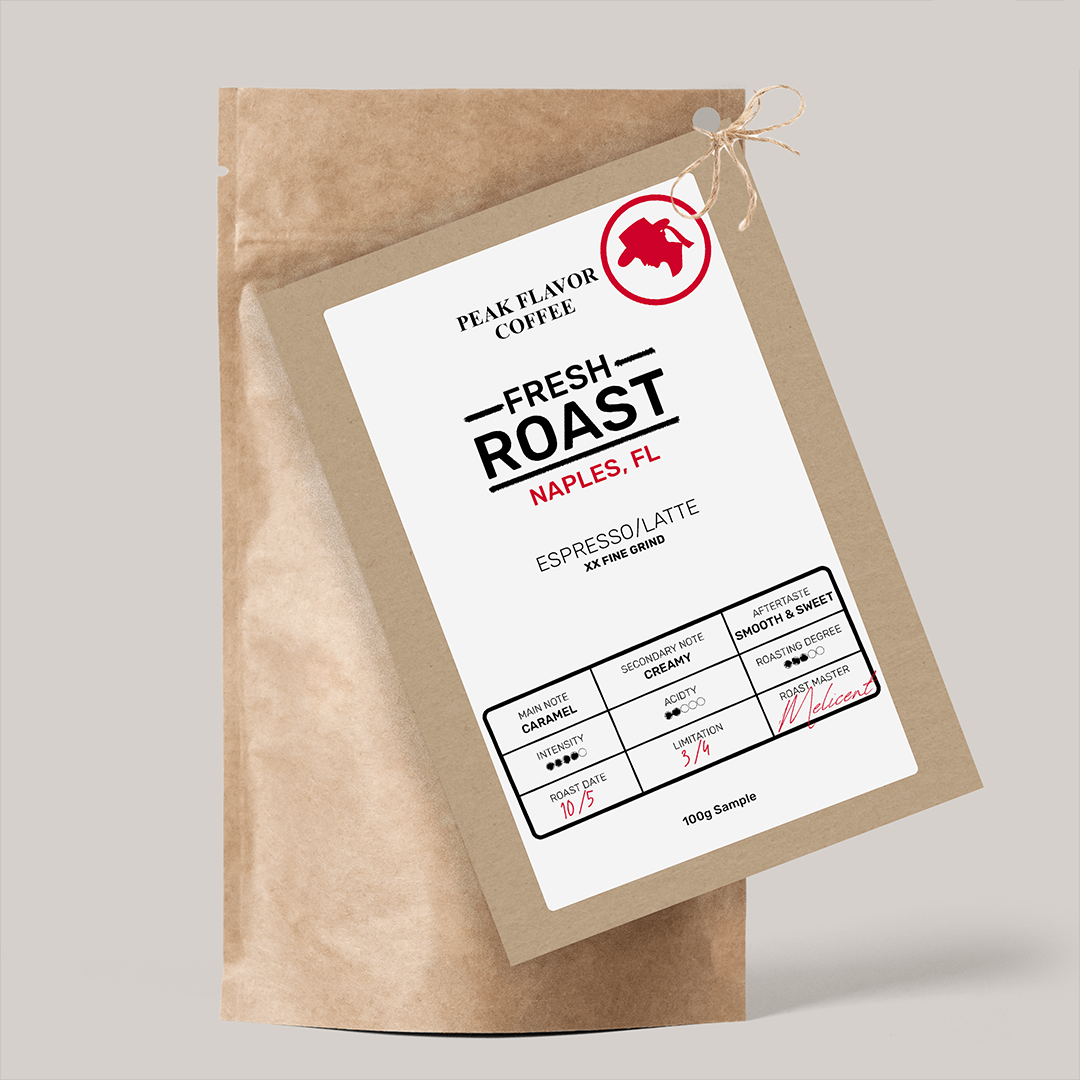
Explore Cafe Latte Coffee Gounds
Pre-Ground Espresso for Creamy Latte


FAQ
A classic Italian cappuccino combines equal parts espresso, steamed milk, and thick foam for a balanced, creamy drink.
An espresso macchiato or cafe macchiato as the Italians say, is simply espresso “stained” with a small spoon of milk or foam, keeping the coffee bold and intense. Find espresso, ground for macchiato.
After you find the right grind size for milk-based espresso, pull a double espresso (about 60ml). Steam milk until silky and lightly foamed. Pour equal parts steamed milk and foam over espresso. Serve immediately and enjoy balanced, creamy Italian cappuccino.
Italian cappuccino is typically about 180ml or 6oz. Small sized portions replacing breakfast are a useful way to help you manage weight.
A cappuccino has equal parts espresso, steamed milk, and thick milk foam, creating a stronger coffee flavor and airy texture. Find the right grinds for classic cappuccino.
A latte on the other hand contains more steamed milk and only a thin foam layer, resulting in a creamier, milder espresso drink. Find espresso ground for cafe latte.
A cappuccino has equal parts espresso, steamed milk, and thick, airy foam, giving it a stronger flavor and lighter texture.
A flat white on the other hand has less foam and more velvety microfoam milk, creating a smoother, creamier drink with more pronounced espresso intensity.
Read what Barista's say about the difference between Cappuccino and a Flat white.