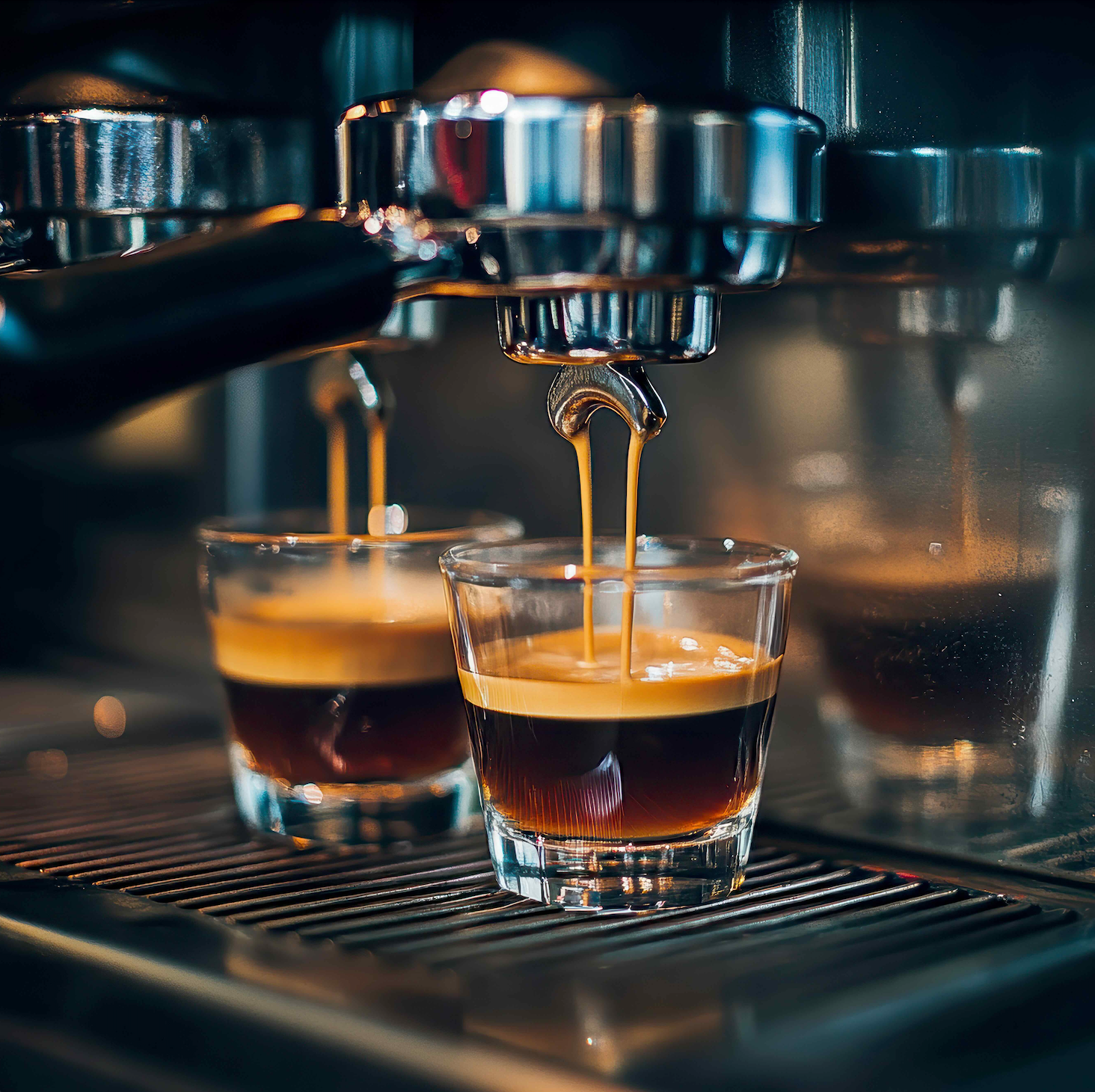




Choosing between a traditional espresso and a ristretto shot comes down to water volume and extraction chemistry: while a standard espresso uses a 1:2 brew ratio to deliver a balanced, intense cup, a true Italian ristretto restricts the water to a tight 1:1 ratio.
Ristretto lovers prefer this restriction because it deliberately cuts off the bitter end-phase of brewing, isolating a more intense natural sweetness, richer caramelization from slow-roasted beans, a thicker crema layer, and a slightly lower caffeine yield for a smoother, less jarring finish.
If you own a home espresso machine, you know the thrill of dialing in a beautiful, syrupy extraction. But if you have ever ordered a ristretto shot at a specialty café, you probably noticed it tastes and smells fundamentally different from your daily morning double. It isn't just a smaller espresso; it is an entirely different sensory experience. Here is a graph that summarizes the main differences between ristretto and espresso.

Let's dive into the science of extraction mechanics so you can master both profiles on your home setup.
Why a Short Espresso is Not the Same as a Ristretto Shot
A common mistake made by home baristas is assuming that a ristretto is simply a standard espresso shot stopped early. If you pull a normal double shot and yank the cup away at the 12-second mark, you haven't made a ristretto—you have just made an under-extracted, violently sour under-shot that completely misses the rich aroma loop.
A traditional espresso is designed to extract over 25 to 30 seconds, pulling out acids, sugars, and eventually bitter plant matter to create a well-rounded balance. As noted in several passionate home barista community discussions on r/espresso, a true ristretto (which translates to "restricted" in Italian) is re-engineered from the ground up.
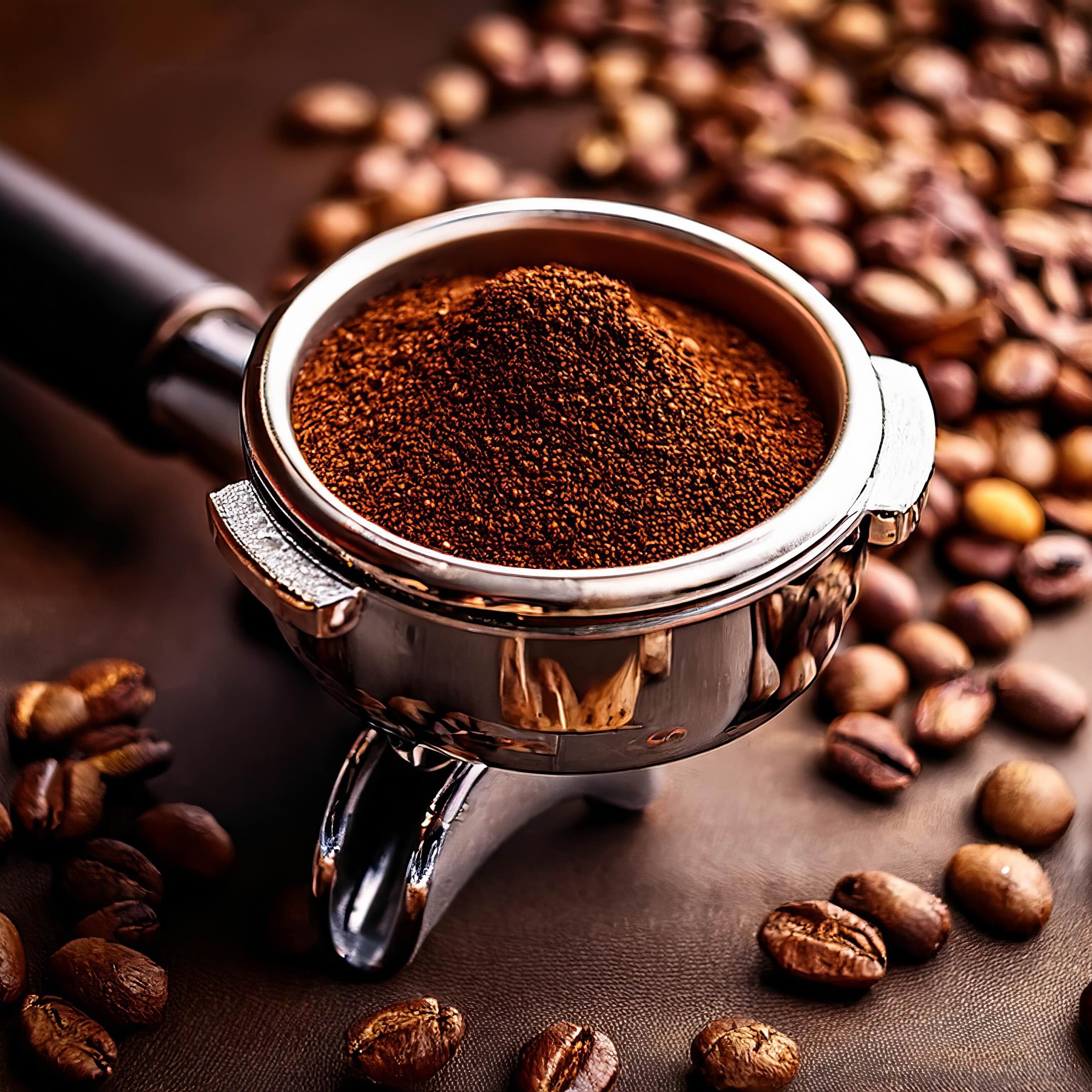
True espresso grounds for ristretto alter the hydraulic resistance of the coffee bed so that a smaller, hyper-concentrated yield is pulled in that same 25-second window, capturing only the most desirable flavor compounds.

The 1:1 Brew Ratio: Altering the Taste and Chemistry
To understand why these drinks look, smell, and taste so different, we have to look at the extraction timeline. When hot water passes through espresso grounds, flavors dissolve in a strict, predictable order:
- Bright Acids dissolve first.
- Oils, Complex Aromatics, and Sugars dissolve second.
- Heavy Bitterness and Astringent Tannins dissolve last.
By altering the brew ratio to a tight 1:1 ratio (e.g., 18 grams of coffee out for 18 grams of liquid out) instead of the standard 1:2 espresso ratio (18 grams of coffee out for 36 grams of liquid out), you alter the underlying chemistry. You completely cut off the final third of the extraction phase where harsh bitterness hides, a foundational difference often highlighted in verified coffee expert answers on Quora regarding traditional Italian drink definitions.
Furthermore, because caffeine is highly water-soluble and continues washing out heavily during the latter half of a standard pull, a ristretto actually delivers a slightly lower caffeine hit per shot. Instead of caffeine bitterness, you get an ultra-dense, concentrated liqueur highlighted by deep caramelization notes that develop during a slow, traditional Italian roast.
This graph illustrates that the 1:1 brew ratio for ristretto extracts different compounds than the 1:2 brew ratio for espresso.

The Blend Matrix: Crafting the Perfect Crema and Flavor
Because a ristretto cuts off the tail end of the brewing cycle, it requires a slightly different engineering choice for your espresso beans.
Traditional Italian coffee relies on precision blending to balance flavor notes, but your blend needs to adapt based on the volume of water you use.
- The Espresso Blend: A classic Italian espresso thrives on an 80% Arabica and 20% Robusta split. The 20% Robusta provides dark, punchy body and massive crema that can cut through large volumes of milk.
- The Ristretto Blend: A flawless ristretto requires a more delicate touch: a high-grown 85% Arabica and 15% Robusta lead blend. Because water contact time is brief, you need specialty coffee beans grown at high altitudes (above 1,200 meters). These dense beans are packed with more concentrated natural sugars. The 15% inclusion of high-quality, high-grown Robusta ensures an exceptionally thick, velvety crema layer that traps volatile aromas inside the cup without dominating the delicate, floral sweetness of the premium Arabica.

The Micron Difference: Grind Size Matters
You cannot pull a true 1:1 ristretto using standard espresso grounds. If you use your normal grind size but cut the water volume in half, your machine will finish the shot in 10 seconds, leaving you with a sour, watery mess completely devoid of body.
To restrict the water flow naturally and force the maximum amount of oils into the cup, a ristretto needs a slightly finer grind: 250 microns versus the 350 microns typically used for a standard espresso.
This geometric shift alters the bed's hydraulic resistance—a concept detailed in a fluid dynamics study on uneven espresso extraction in the journal Physics of Fluids, which proves how even minor variations in grind size completely rewrite how water permeates and extracts flavors from a compacted coffee bed.
⚠️ The Micron Hurdle: Here is where most home baristas hit a wall. Pulling a premium ristretto at home is notoriously difficult because standard residential grinders struggle to mill beans to a uniform 250-micron spec without creating "micro-fines." These microscopic dust particles clog the filter basket, causing severe water channeling that makes your shot run thin, uneven, and aggressively sour.
Explore our guide on the best ground coffee for Italian ristretto or watch the "Great Italian Coffee Debate: Ristretto vs Espresso" in below video.
The Shared Foundation: Fresh Roasted Coffee is Non-Negotiable
Whether you are pulling a traditional espresso or a restricted shot, stale beans will ruin your extraction instantly. Both styles rely heavily on fresh roasted coffee.
When coffee is freshly roasted, carbon dioxide gas is trapped inside the cells of the bean. During extraction, this gas creates natural back-pressure against your machine's pump, forcing the water to move evenly through the puck.
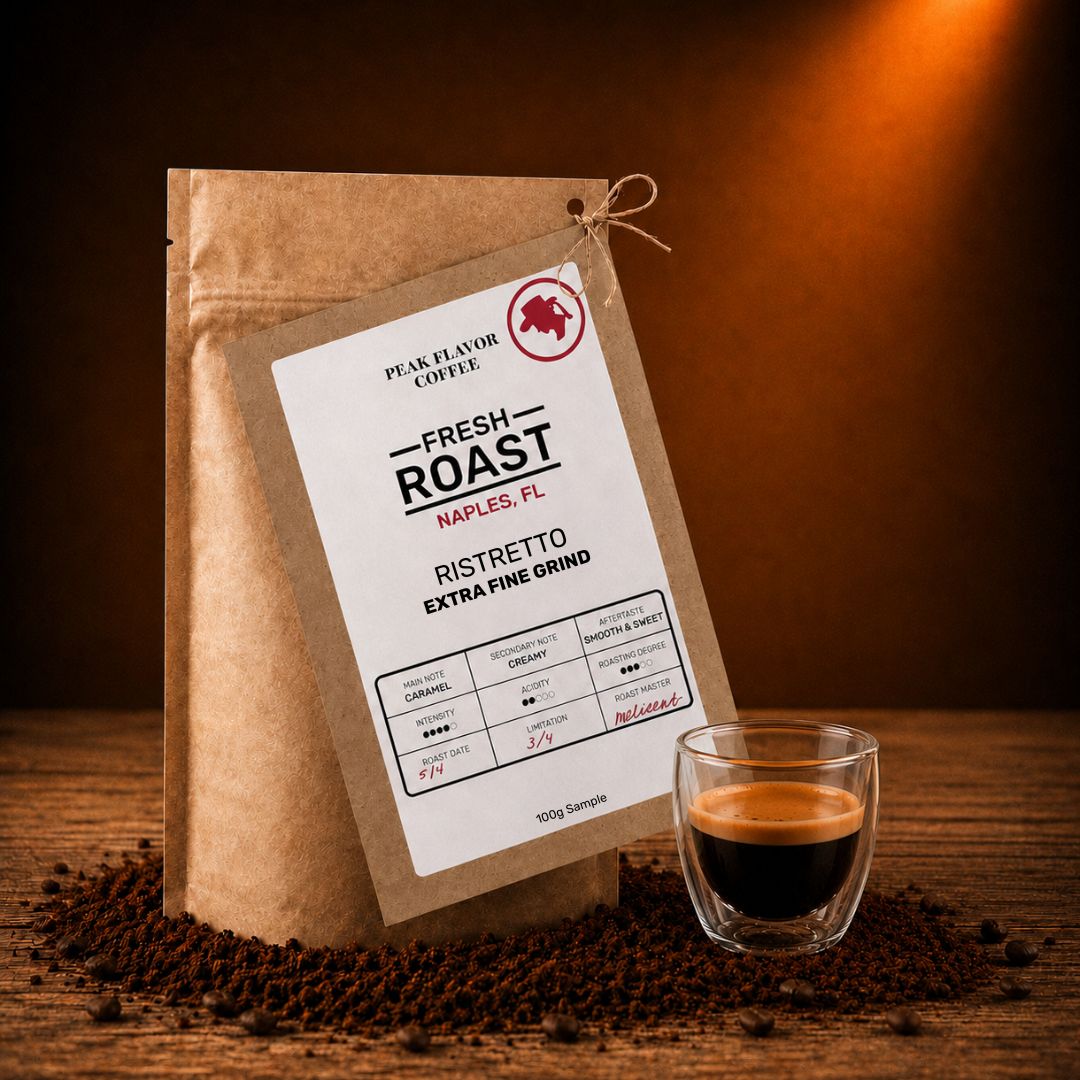
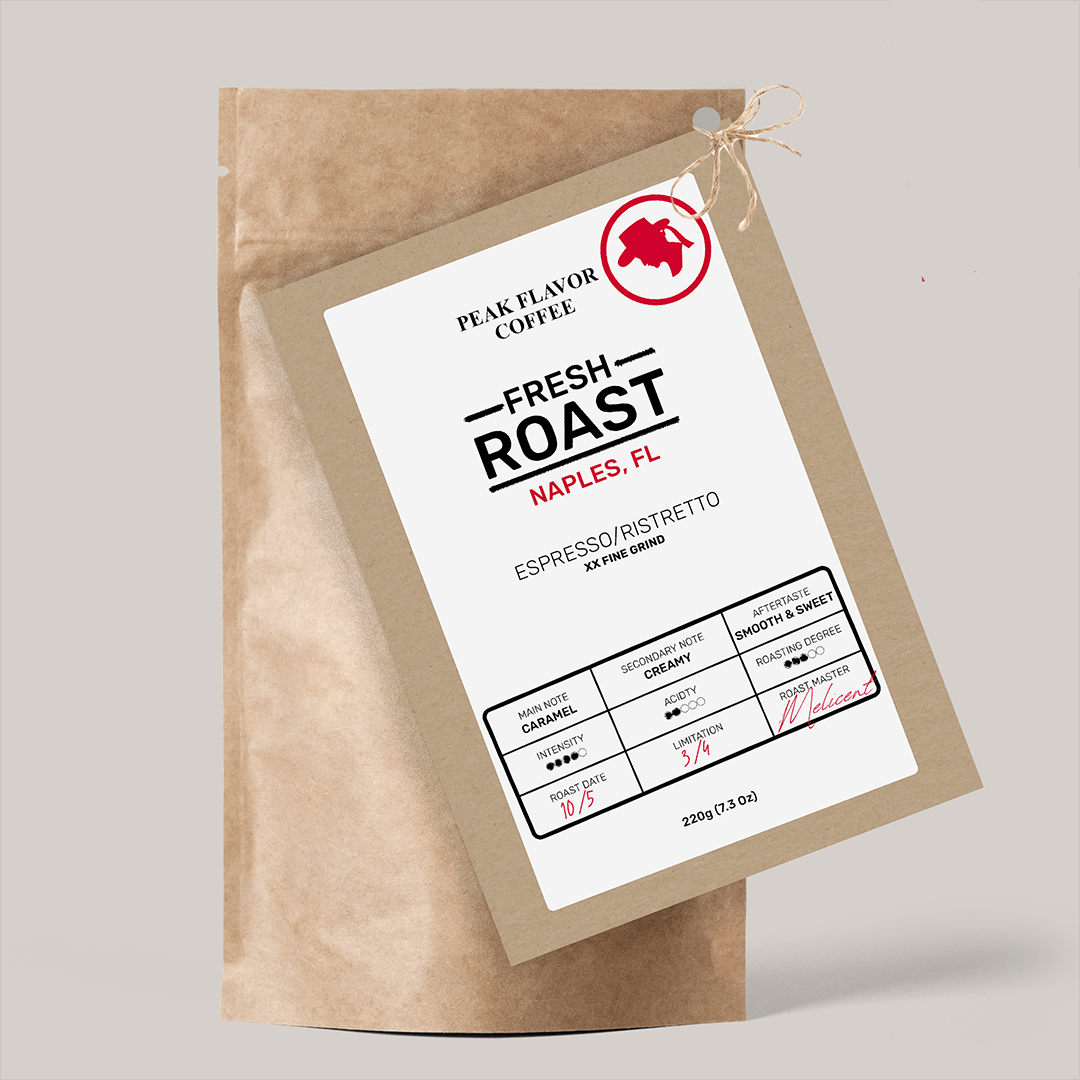
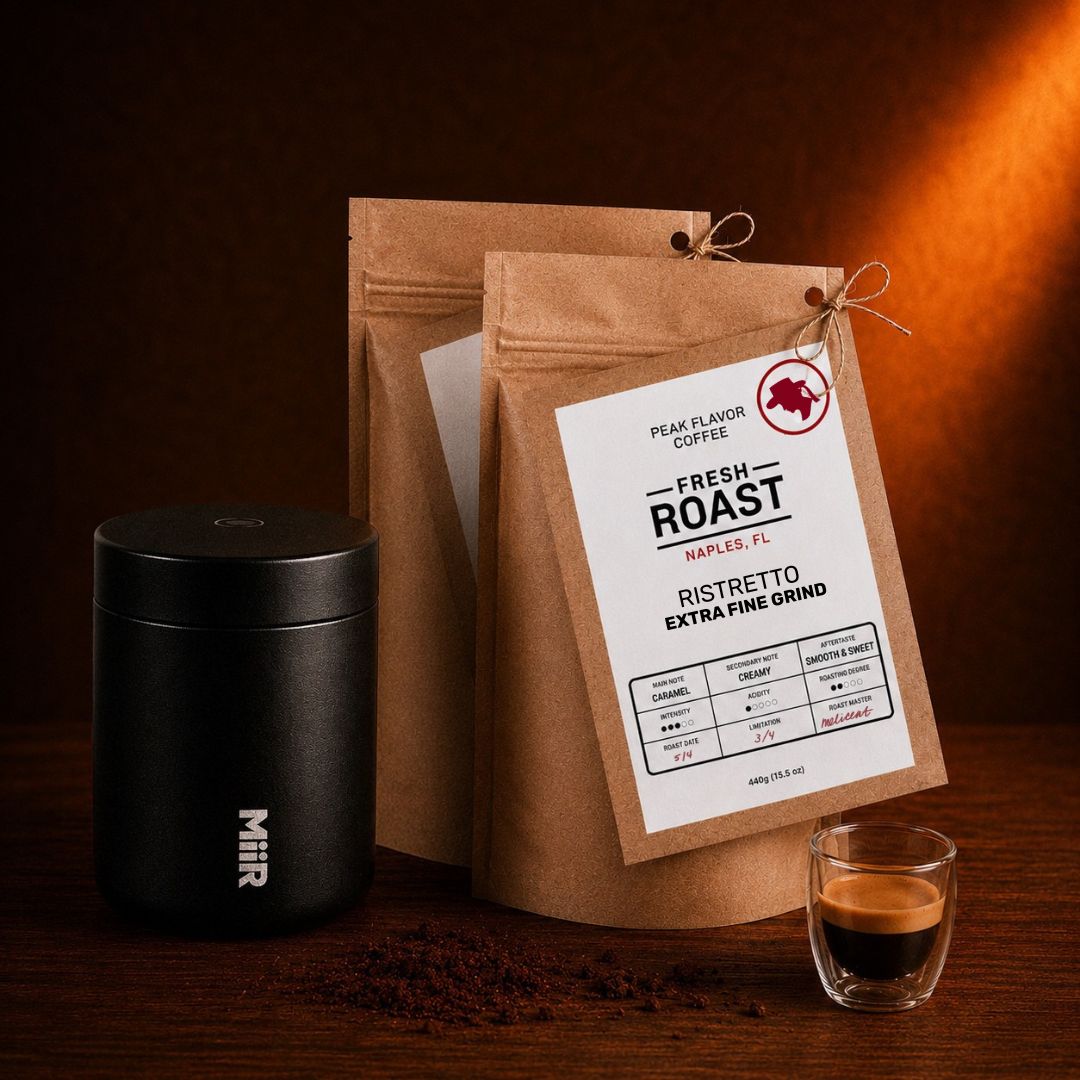
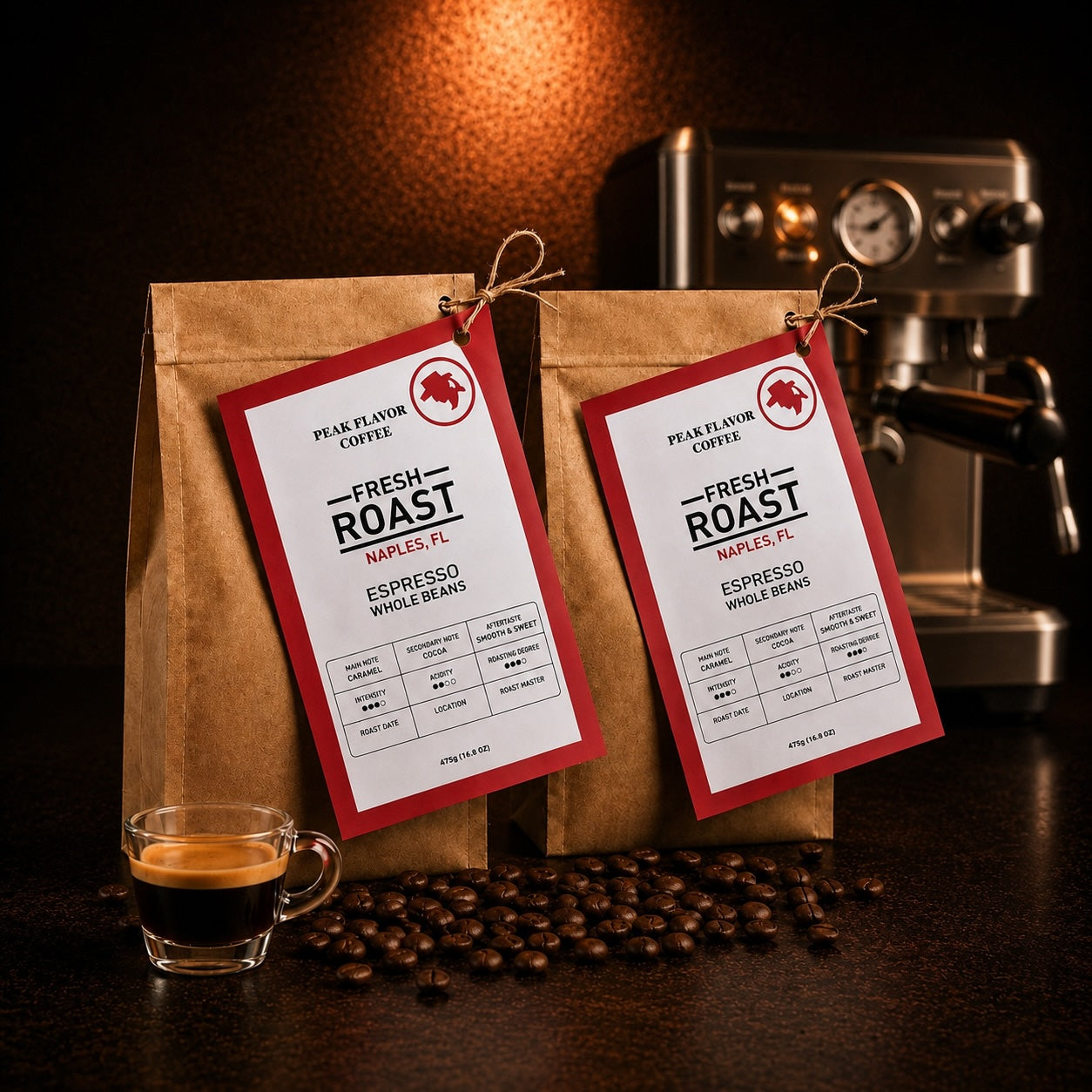
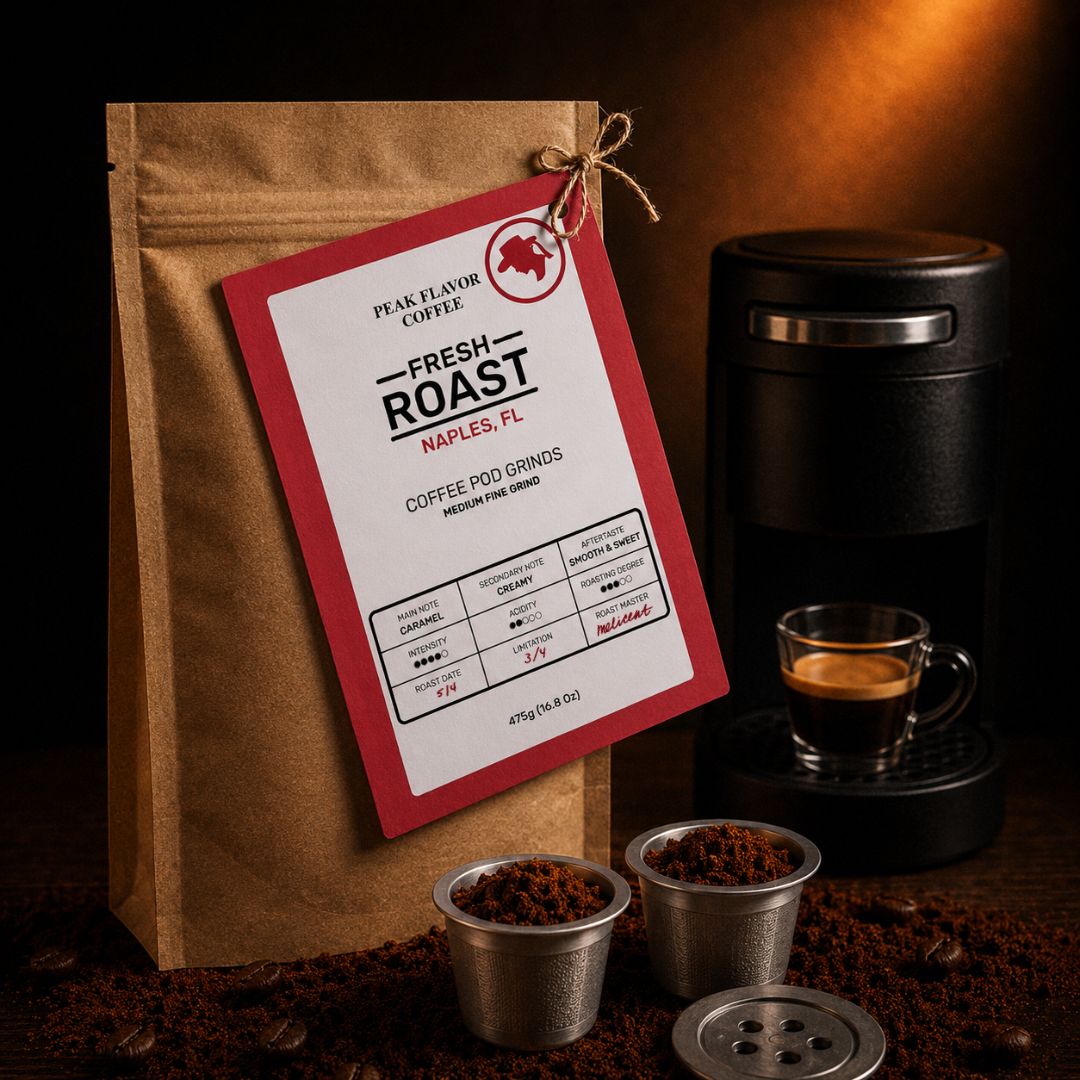
At Peak Flavor Coffee, we roast strictly to order in small batches to maximize natural sugar caramelization, and we ship within 4 hours of the roast cycle. Your beans arrive exactly as they hit their peak degassing window, ensuring a perfect, syrupy pour.
Watch our video guide on the secret to Naturally Sweet Ristretto or discover more benefits of fresh roasted coffee for ristretto.
☕ Upgrade Your Home Espresso Setup
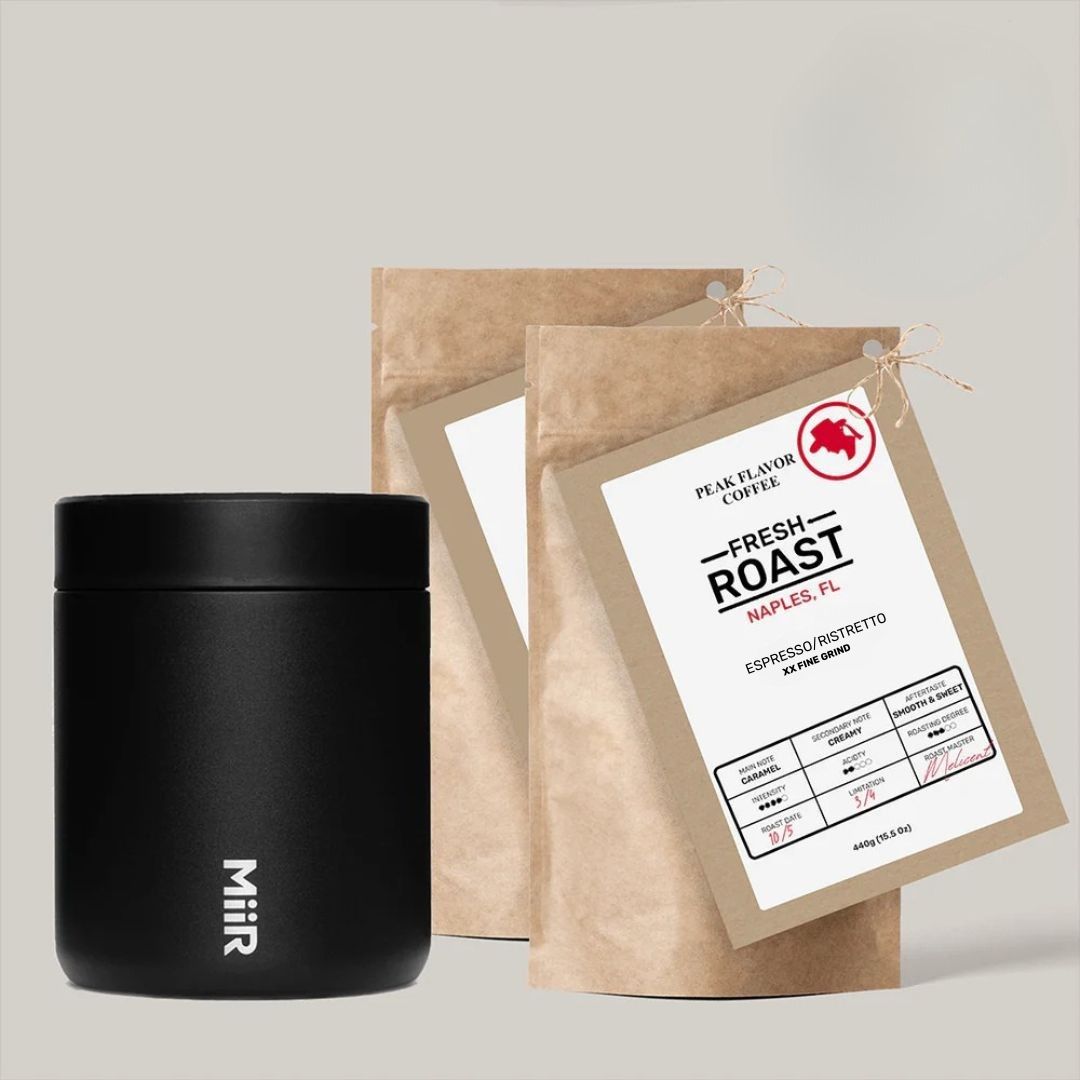
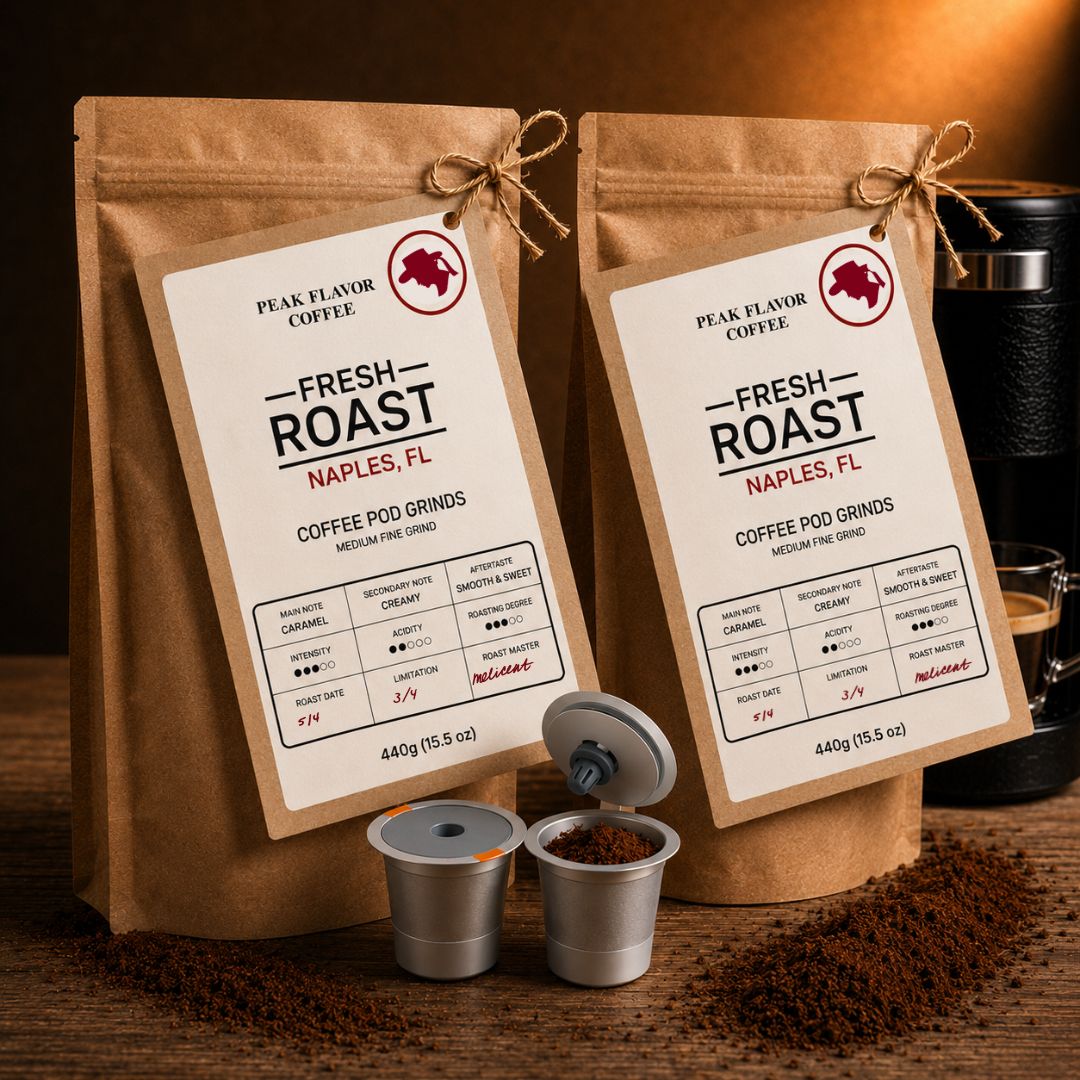
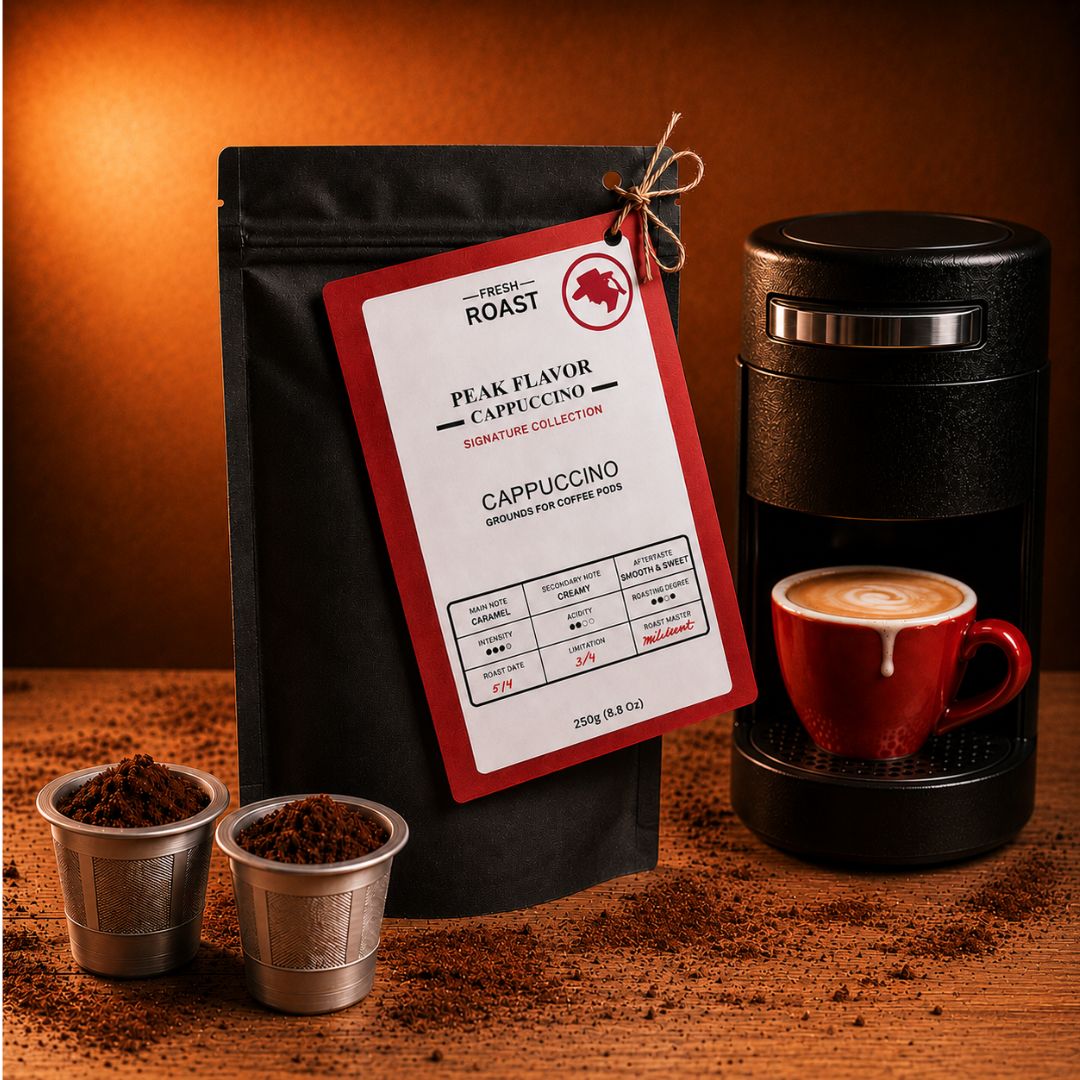
Stop fighting the frustrating trial-and-error of dialing in your home grinder. Peak Flavor completely eliminates the equipment headache by custom-roasting your batch to order and precision-milling your selection to an exact, uniform 250-micron spec right before shipping.
Skip the calibration stress entirely—visit our Ristretto Shot Page to explore the science, or Shop pre-ground ristretto coffee today to experience a sweet, barista-quality extraction right from your home machine!
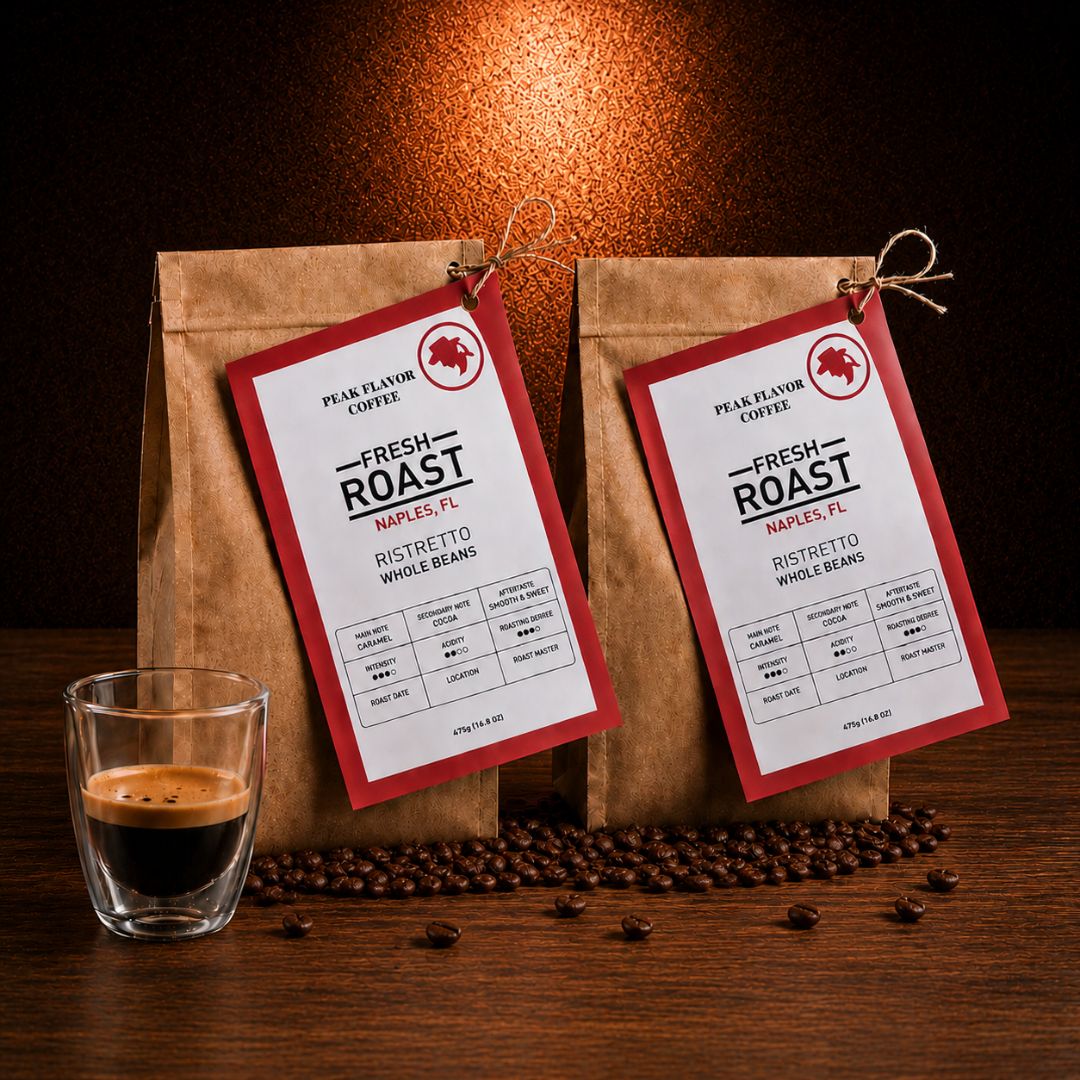
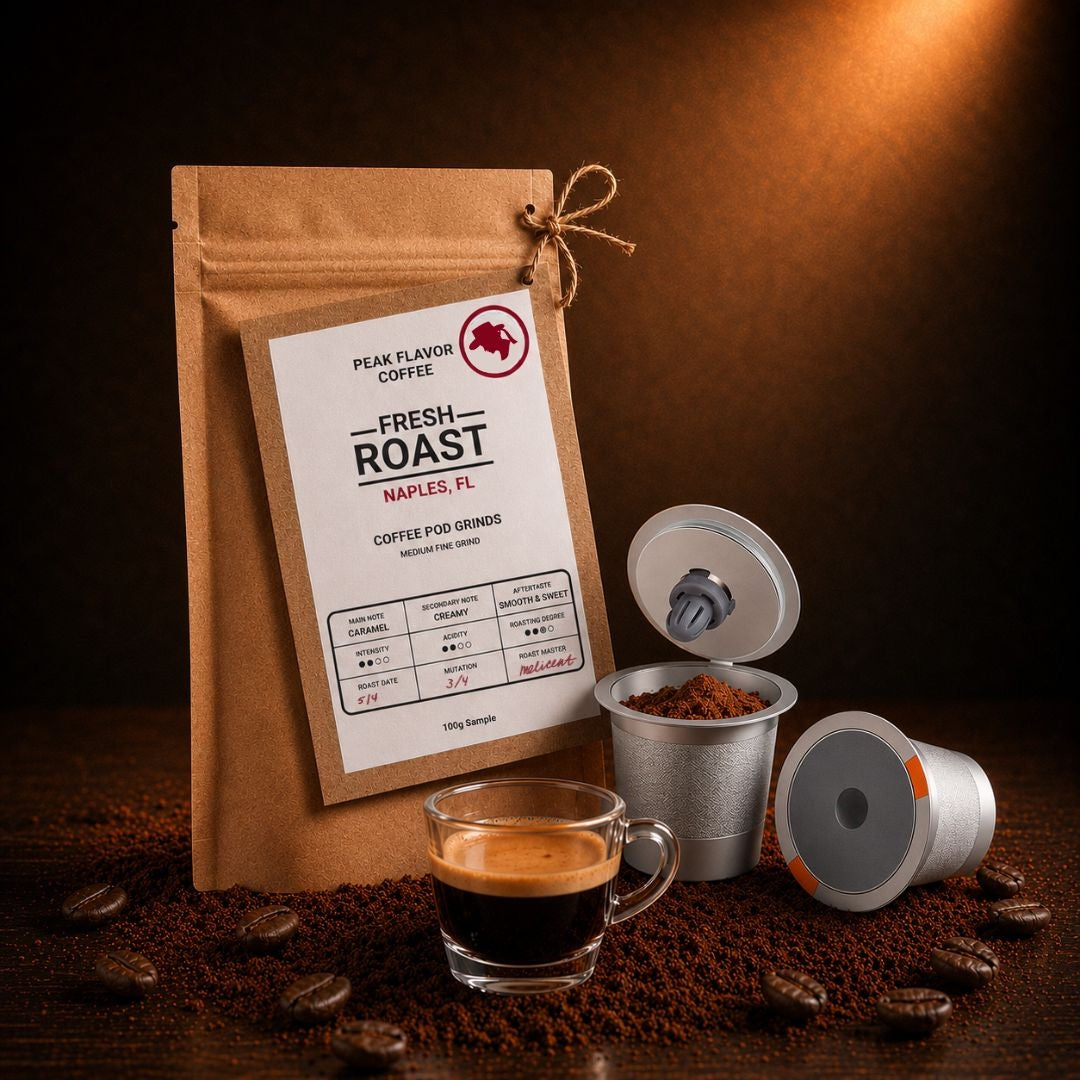
Ready to skip the frustrating trial-and-error of dialing in your home grinder? You can grab an introductory, fresh-roasted trial size bag of our Italian ristretto espresso beans or choose our custom-milled, precision-calibrated pre-ground specialty coffee for ristretto shots to brew 10 flawless, syrupy extractions for just $9.95 (with Free Shipping) on your home machine today!
FAQ's about Ristretto vs Espresso
What is the Main Difference Between a Ristretto and an Espresso?
The main difference between a ristretto and an espresso is the water volume and brew ratio. A ristretto is brewed with a restricted 1:1 ratio (less water, shorter time), whereas a standard espresso is brewed with a 1:2 ratio.
While a standard espresso uses a 1:2 ratio (extracting roughly 36ml of liquid from 18g of coffee in 30 seconds), a ristretto uses a restricted 1:1 or 1:1.5 ratio, cutting the extraction short at around 15 to 20 seconds.
Is a Ristretto Stronger Than an Espresso?
Yes, a ristretto is stronger in flavor, body, and concentration, but it contains slightly less total caffeine than a standard espresso.
Because less water passes through the coffee grounds, the resulting shot is a highly concentrated, syrupy burst of early-extraction flavors, missing the watery end of a normal espresso pull.
Explore our guide about caffeine content in ristretto.
Why Does a Ristretto Taste Less Bitter Than Espresso?
A ristretto tastes less bitter than a standard espresso because the brewing process is stopped early, intentionally cutting off the final stage of extraction where heavy, bitter plant tannins dissolve into the cup.
Discover why coffee experts use ristretto as a base for flat white and other milk based espresso drinks.
Does a Ristretto Have More Crema Than an Espresso?
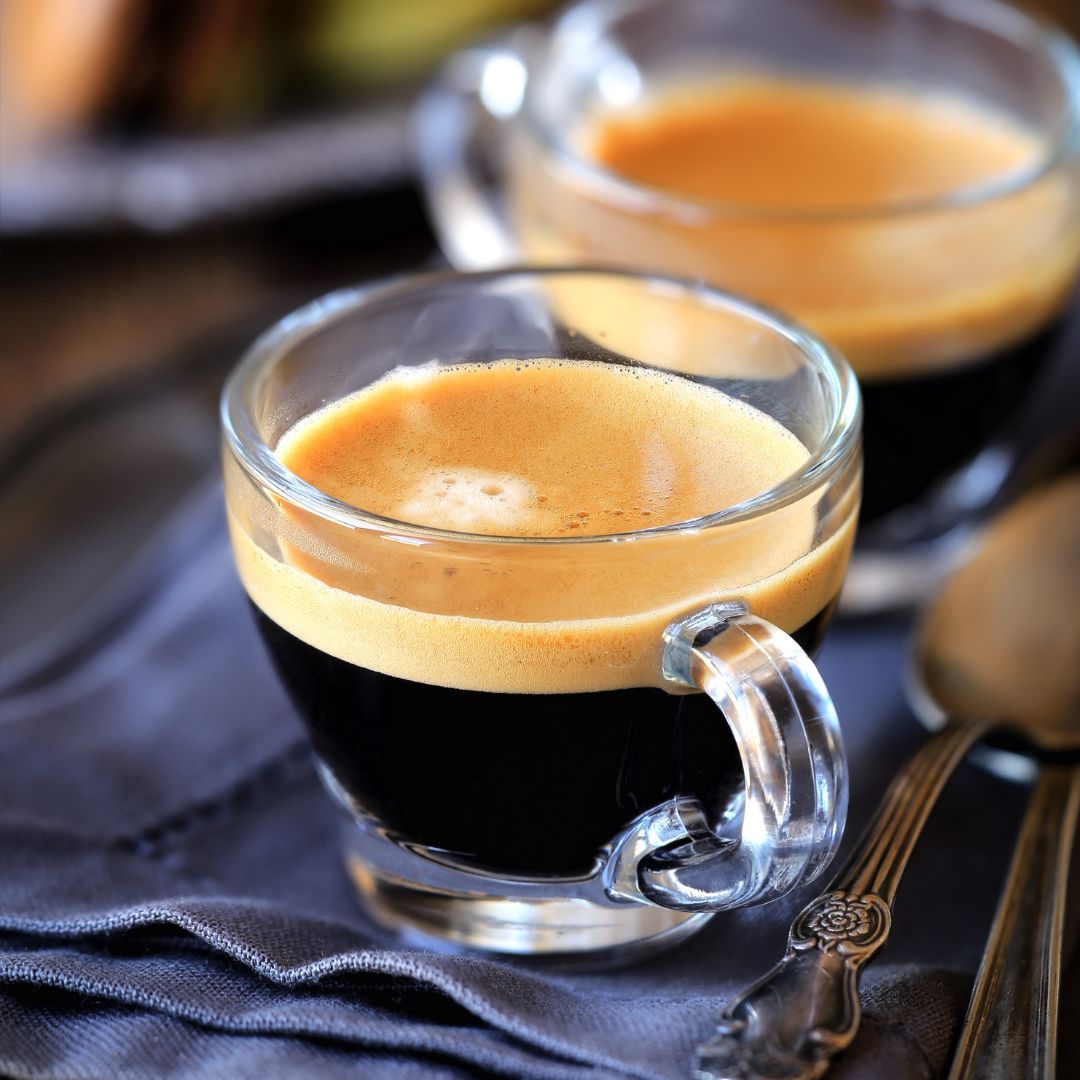
Yes, a ristretto typically produces a noticeably thicker, denser, and darker crema than a standard espresso because the restricted water flow yields a much higher concentration of emulsified coffee oils and trapped carbon dioxide.
Explore our home barista guide about pulling the perfect ristretto shot.