


The Great Caffeine Myth: Ristretto vs. Espresso
Yes, a ristretto shot has about 10% to 15% less total caffeine mass than a standard Italian espresso.
While caffeine front-loads instantly due to high water solubility, cutting the water flow to a tight 1:1 ratio leaves the final trace amounts of slow-dissolving caffeine trapped inside the portafilter.

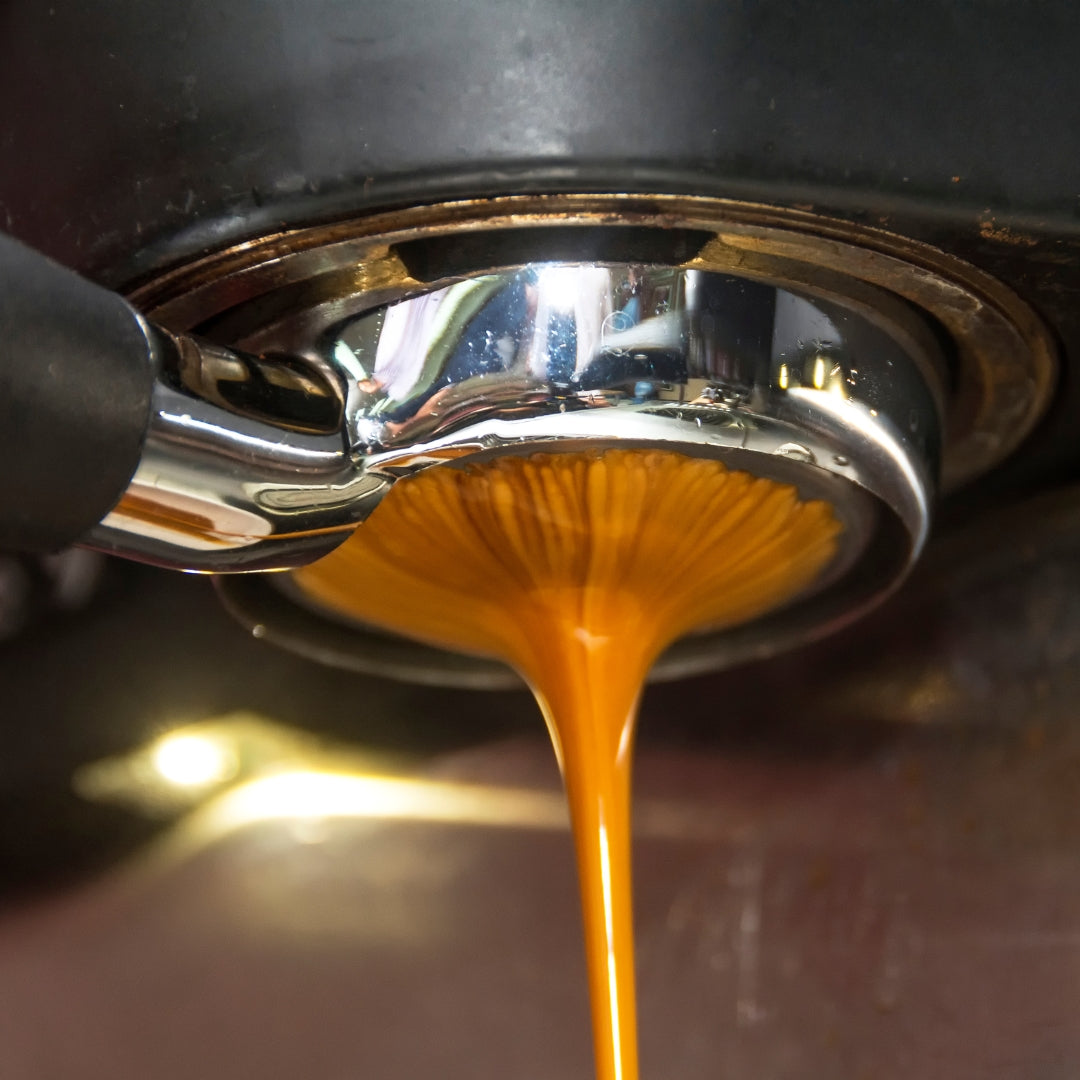
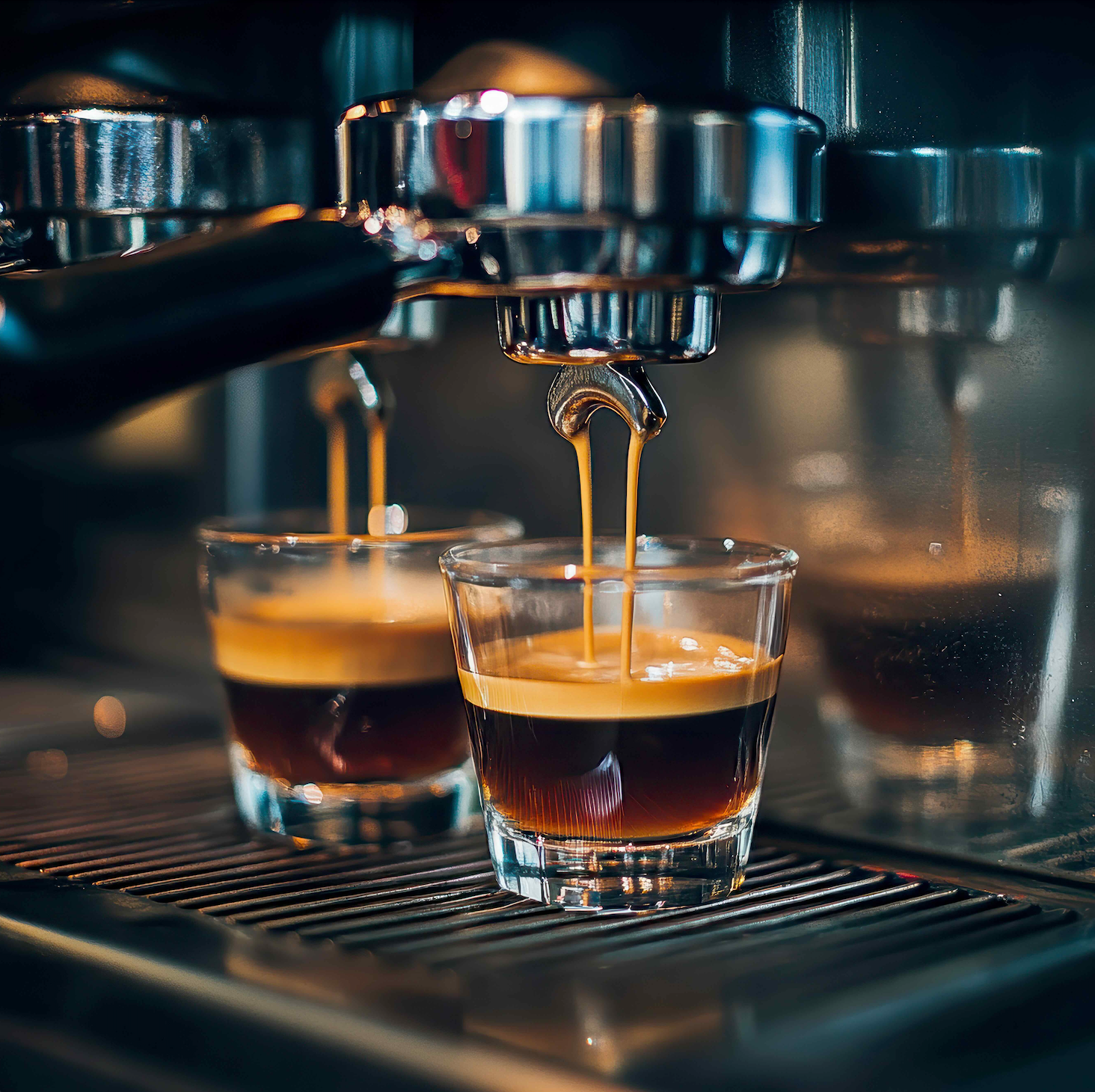
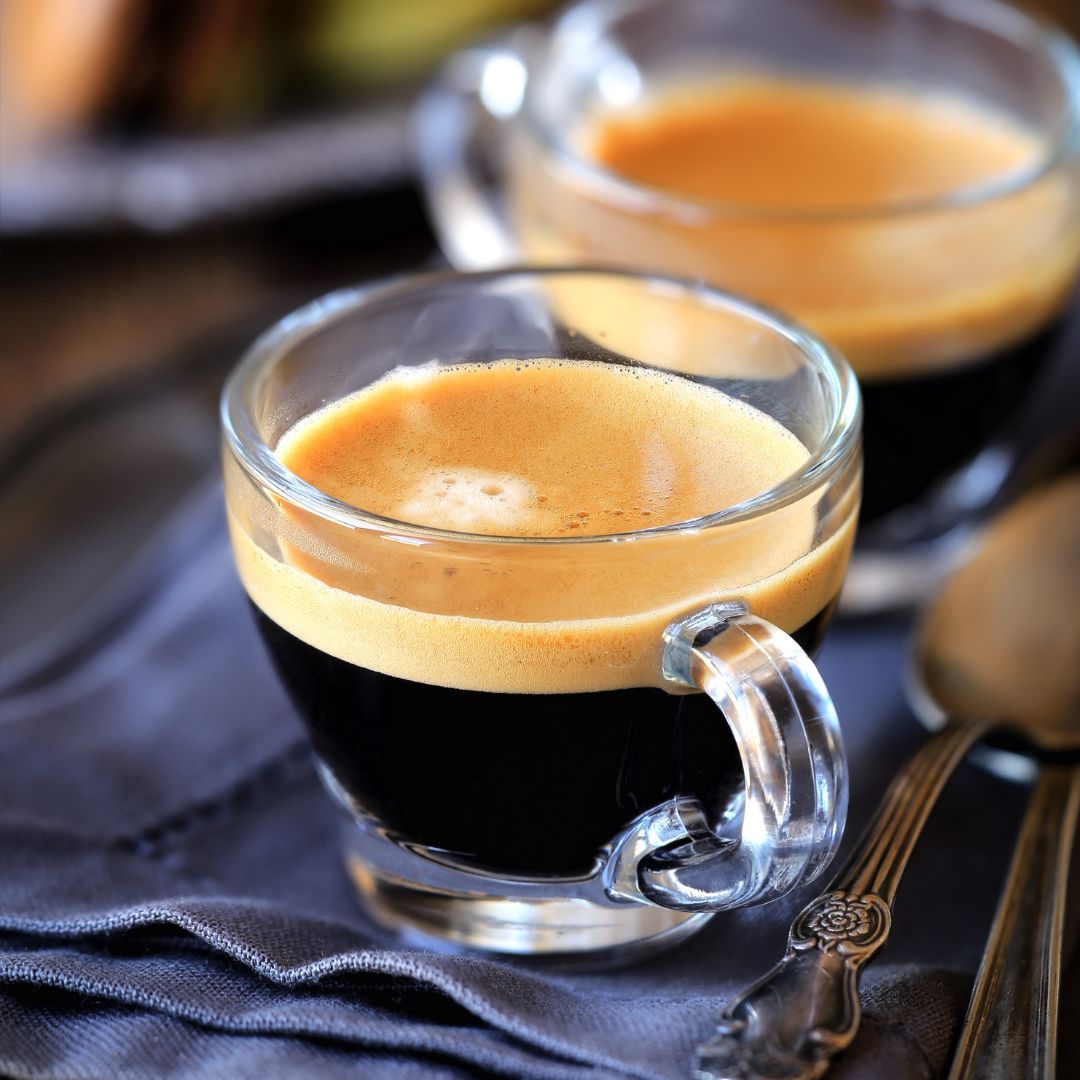
As a home barista, you are likely familiar with the structural blueprint of a short Ristretto shot. A traditional Italian espresso is pulled to a 1:2 brew ratio over 25 to 30 seconds. A ristretto cuts that yield straight down to a tight 1:1 ratio in roughly 15 to 20 seconds.
Because a ristretto is incredibly viscous, bold, and flavor-intense, many espresso machine owners assume it delivers a massive spike in caffeine. Conversely, others believe cutting the shot in half cuts the caffeine in half.
The physical laws of extraction kinetics and modern laboratory testing dismantle both myths. When you pull a short shot, you are manipulating flavor chemistry and compound solubility, not just cutting your energy kick.

What the Science Proves: Fractional Sampling & Solubility
To understand exactly how caffeine behaves under pressure, researchers used a laboratory technique called fractional sampling. By physically splitting a single extraction stream into ten consecutive fractions during the brewing cycle, scientists calculated the exact mass of caffeine, organic acids, and total dissolved solids (TDS) that land in a cup at various stages.
The data mapped out in this landmark study on the physicochemical characterization of timed espresso fractions yielded two crucial facts for home baristas:
1. Caffeine Front-Loads Instantly
Caffeine is highly hydrophilic (water-soluble). The moment hot, pressurized water hits your coffee puck, caffeine dissolves almost instantly. It does not wait around for the end of the shot; the vast majority of your beans' total caffeine mass is completely washed out into the liquid stream within the first few seconds of extraction. Because this initial wave happens so fast, a ristretto and a standard espresso end up sharing almost the exact same baseline caffeine foundation.
2. The Volume Limitation
Even though caffeine extracts at lightning speed, a true ristretto shot still finishes with 10% to 15% less overall caffeine mass than a standard espresso or a long-pour lungo. The study notes that changes in total fluid mass collected in the cup are the single most dominant factor dictating the final concentration of nonvolatile compounds.
By stopping the pump at a tight 1:1 ratio, you capture that massive initial wave of caffeine, fruit acids, and organic sugars. However, you leave behind the final trace amounts of slow-dissolving caffeine—along with the heavy, dry, and bitter plant tannins that normally taint the tail-end of a standard espresso shot.
Here is a graph that illustrates how coffee extraction differs from ristretto vs espresso.

Arabica vs. Robusta: Balancing the Caffeine Baseline
While water volume dictates how much caffeine is successfully extracted, your choice of coffee beans establishes the chemical ceiling inside your filter basket:
- Arabica Coffee Beans: Sourced from high-altitude estates, premium organic coffee beans of the Arabica variety contain about 1.2% to 1.5% caffeine by mass. They deliver complex acidity and deep sweetness, but if over-extracted into a long espresso shot, they can easily turn sharp or bitter.
- Robusta Coffee Beans: Robusta strains contain nearly double the caffeine content, averaging 2.2% to 2.7%. Robusta provides an incredibly thick crema and deep body, which is why authentic Italian coffee blends strategically introduce a small percentage of high-grade Robusta into an Arabica base to give the blend structure.
Utilizing a specialized Italian blend for a ristretto shot gives you the ultimate home setup. The short pull isolates the smooth, floral caramel notes of the Arabica while capturing the dense crema of the Robusta, all while the volume cap prevents the heavy Robusta caffeine from becoming overwhelming.

3 Reasons Why a Lighter Morning Kick is Better
Trading a standard espresso for a restricted ristretto drop in caffeine provides significant biological advantages for your morning routine:
1. Eliminates the Mid-Morning Energy Crash
Flooding your adenosine receptors with an excessive spike of caffeine causes an immediate energy surge, but as it clears, an accumulated backlog of adenosine floods your brain all at once. Keeping your single-serving caffeine dose controlled prevents this sudden exhaustion, a concept detailed in a neuroscience study on adenosine receptor blockades, which demonstrates how moderate, stable dosing prevents afternoon fatigue.
2. Protects Against Stomach Discomfort
While many blame coffee's physical acidity for heartburn, clinical data shows that high concentrations of caffeine actively stimulate the stomach to over-produce gastric acid. Lowering your overall caffeine intake while locking in rich, syrupy oils keeps your digestive system calm, as backed by a gastroenterology study on coffee components and gastric secretion.
3. Keeps Cortisol Levels in Check
Your body naturally produces peak levels of cortisol (the alertness and stress hormone) right after waking up. Stacking an aggressive dose of caffeine on top of this natural spike can over-stimulate your central nervous system, causing jitters and underlying anxiety. Balancing your morning with a smoother ristretto curve supports your natural circadian rhythm, a link verified by a psychosomatic study on caffeine consumption and cortisol secretion.

How to Dial In Your Home Grinder for a Peak Ristretto
If you are using whole beans, translating a standard 1:2 espresso grind over to a tight 1:1 ristretto requires tactical adjustments. Because you are pushing less water through the puck, your biggest enemy is erratic hydraulic resistance.
Follow this quick template to lock in your extraction:
- Step 1: Keep Your Dose Fixed: Pick a standard dry dose (e.g., 18 grams in an 18g double basket) and keep it constant. Do not change your dose while adjusting your grind size.
- Step 2: Micro-Adjust Finer: To hit a 1:1 ratio (18g dry coffee to 18g liquid yield) in the sweet-spot time frame of 15 to 20 seconds, you must adjust your grinder slightly finer than your normal espresso setting. This creates the optimal 250-micron profile to slow the restricted water flow just enough.
- Step 3: Eliminate Channeling: Ristretto pressures can easily cause water to tear holes in the puck. Use a WDT tool or meticulous distribution techniques to ensure uniform density before you tamp. If your shot rushes out like water in under 12 seconds, click finer; if your machine pump chokes or drips painfully slow past 22 seconds, back off a half-step coarser.

Pull Flawless, Sweet Ristrettos Without the Waste
Home baristas spend hours "dialing in".
⚠️ The 250-Micron Hurdle: Because a ristretto strictly restricts water flow to a tight 1:1 ratio, standard espresso grounds will either cause espresso channeling or completely choke your home machine.
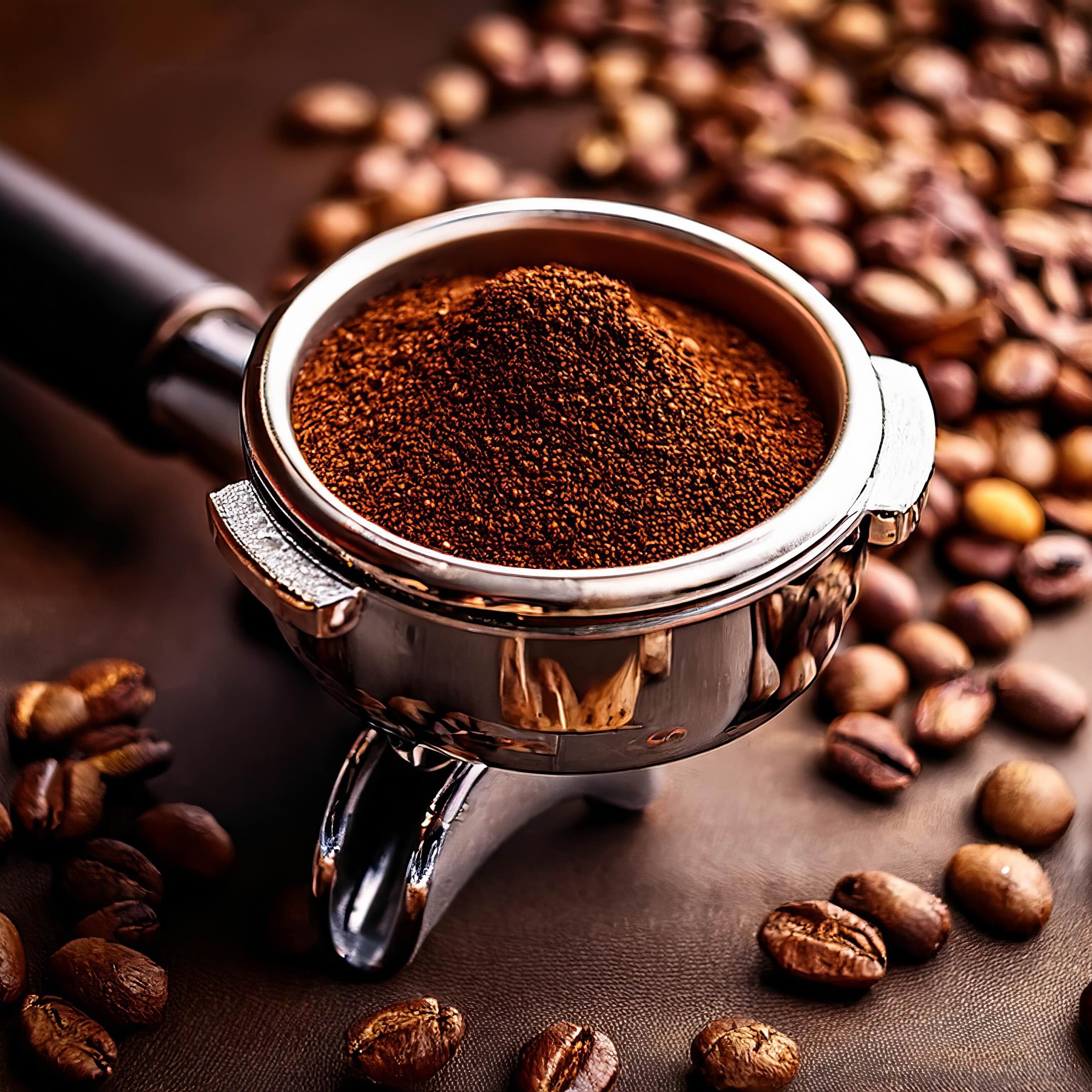
To achieve the perfect hydraulic resistance to extract early sugars while trapping bitter tannins, your grind size must be locked onto an exact, ultra-fine 250-micron profile (slightly finer than table salt, approaching the texture of powdered sugar).
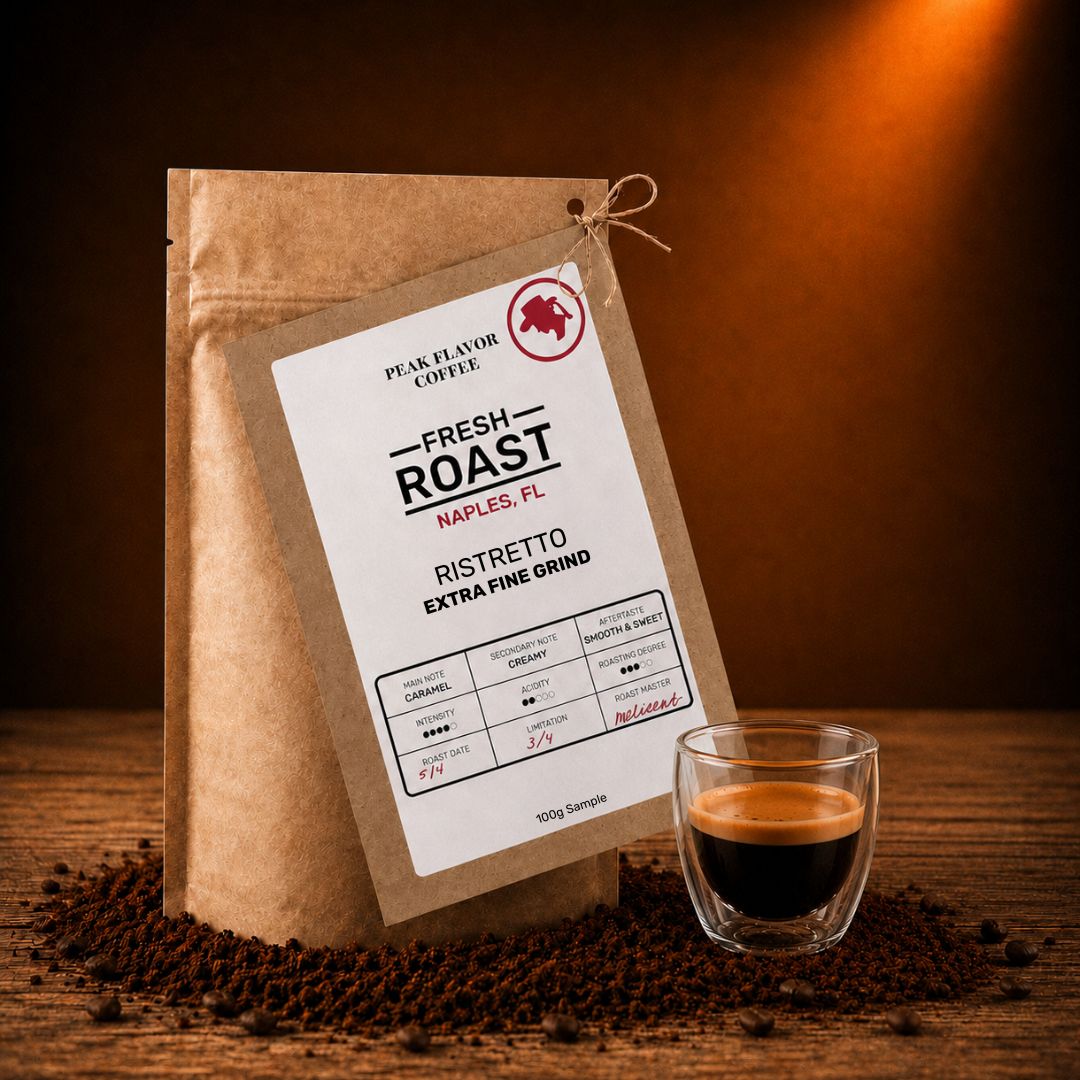
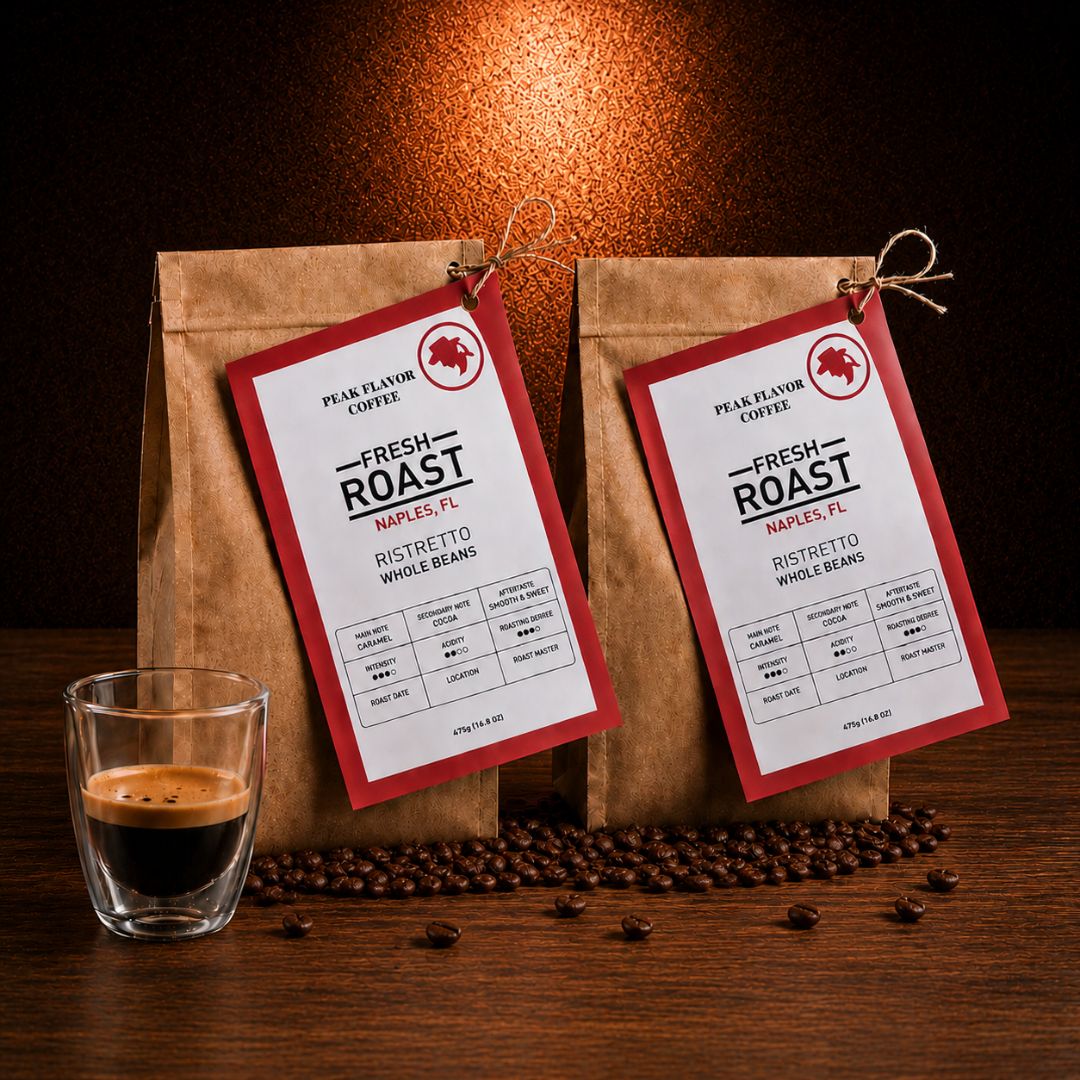
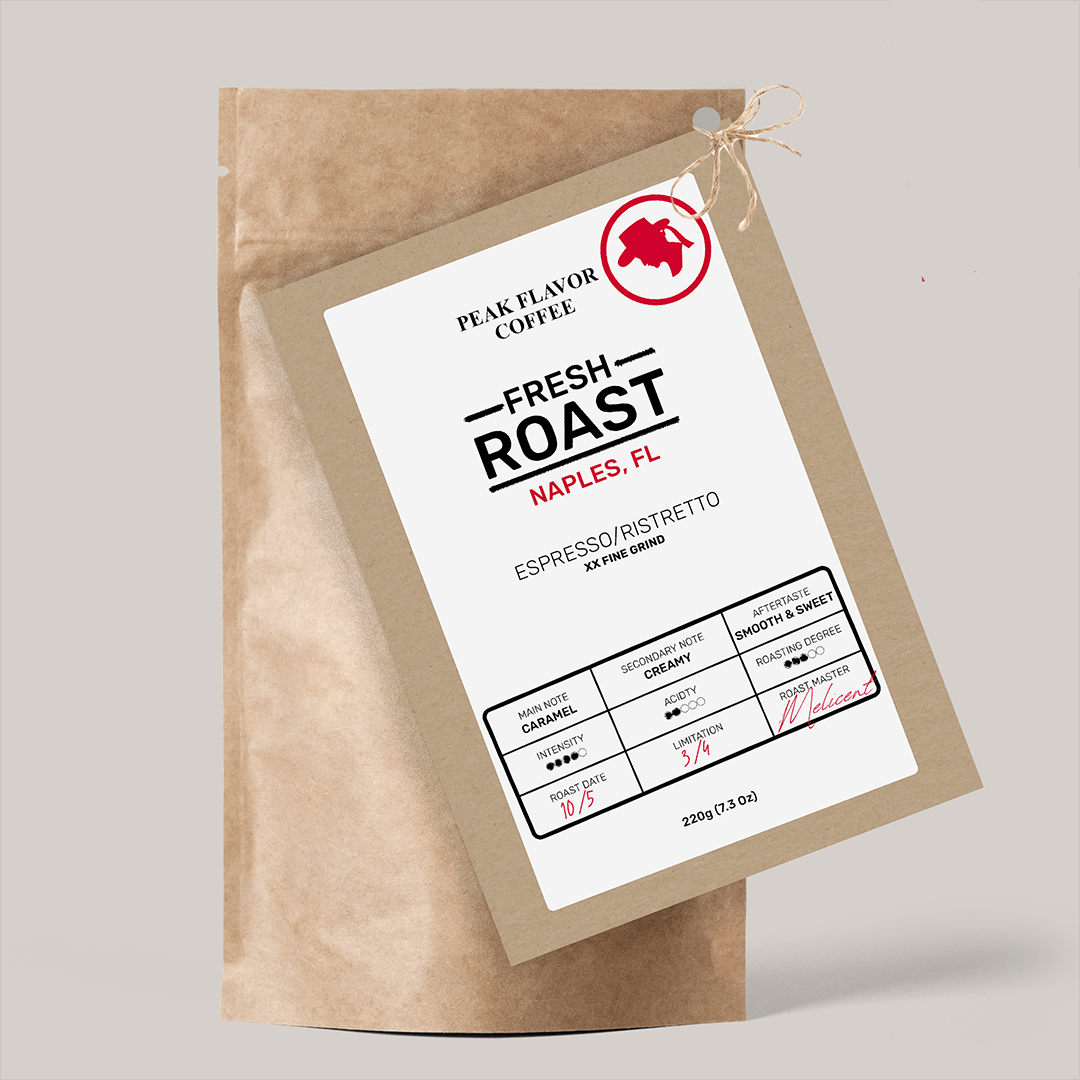
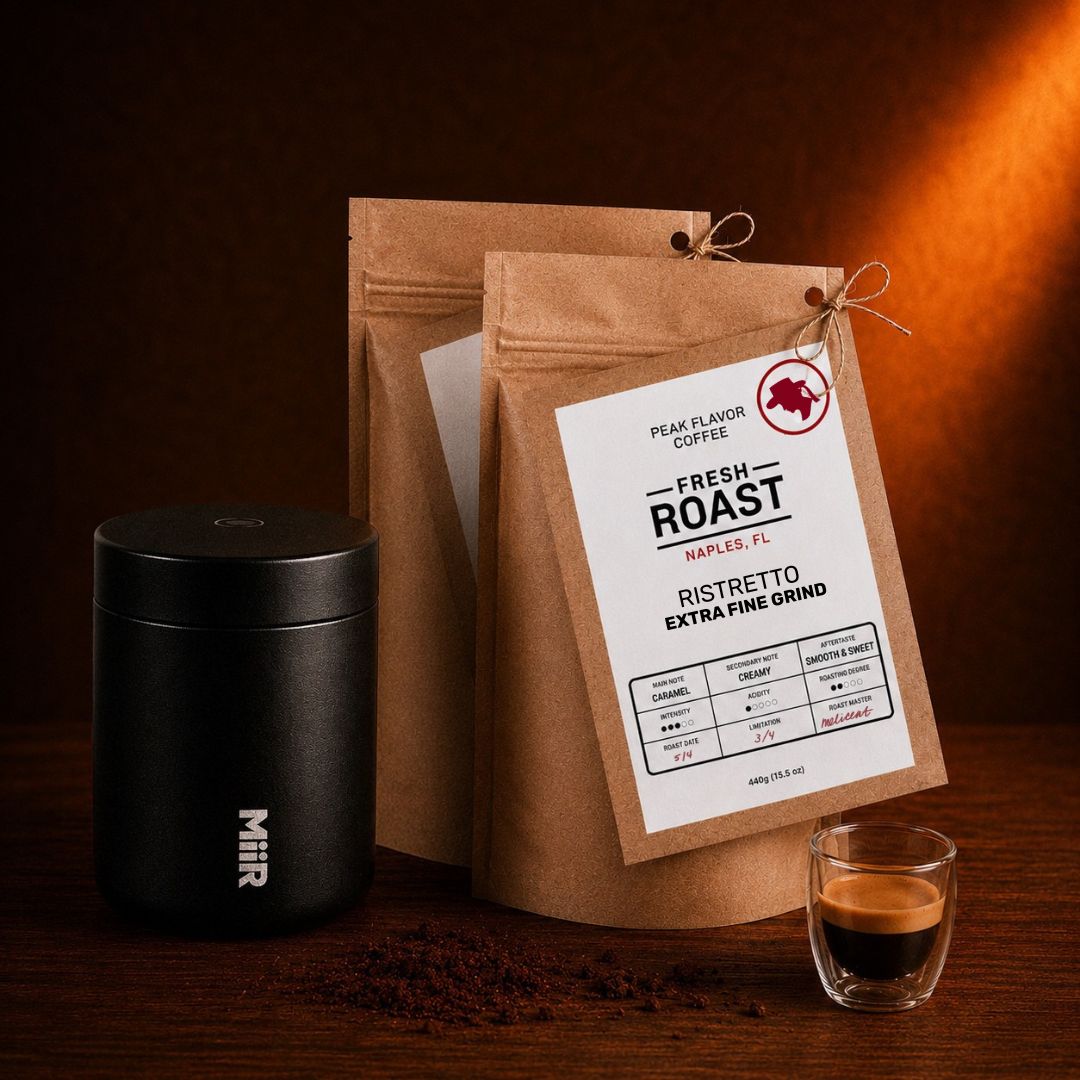
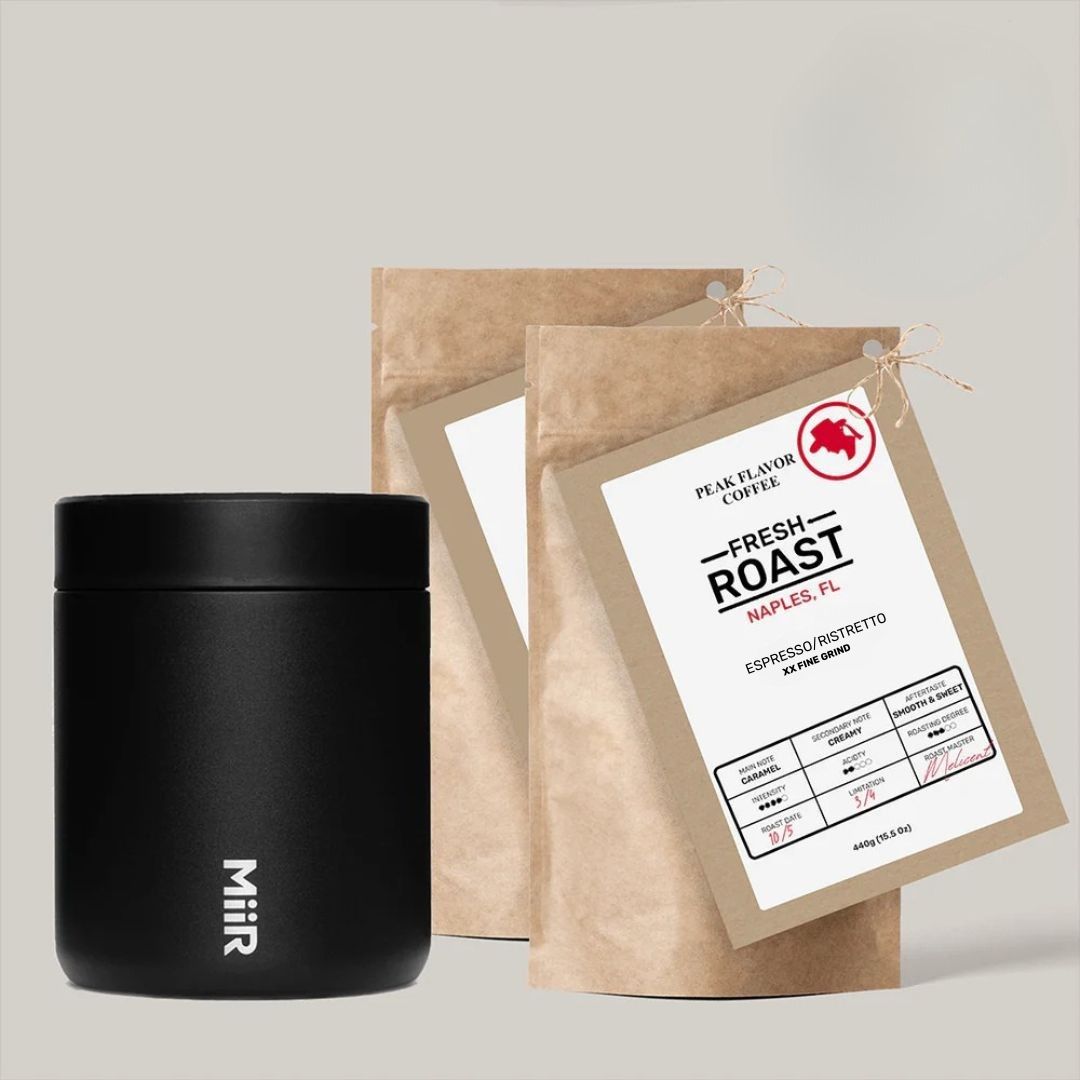
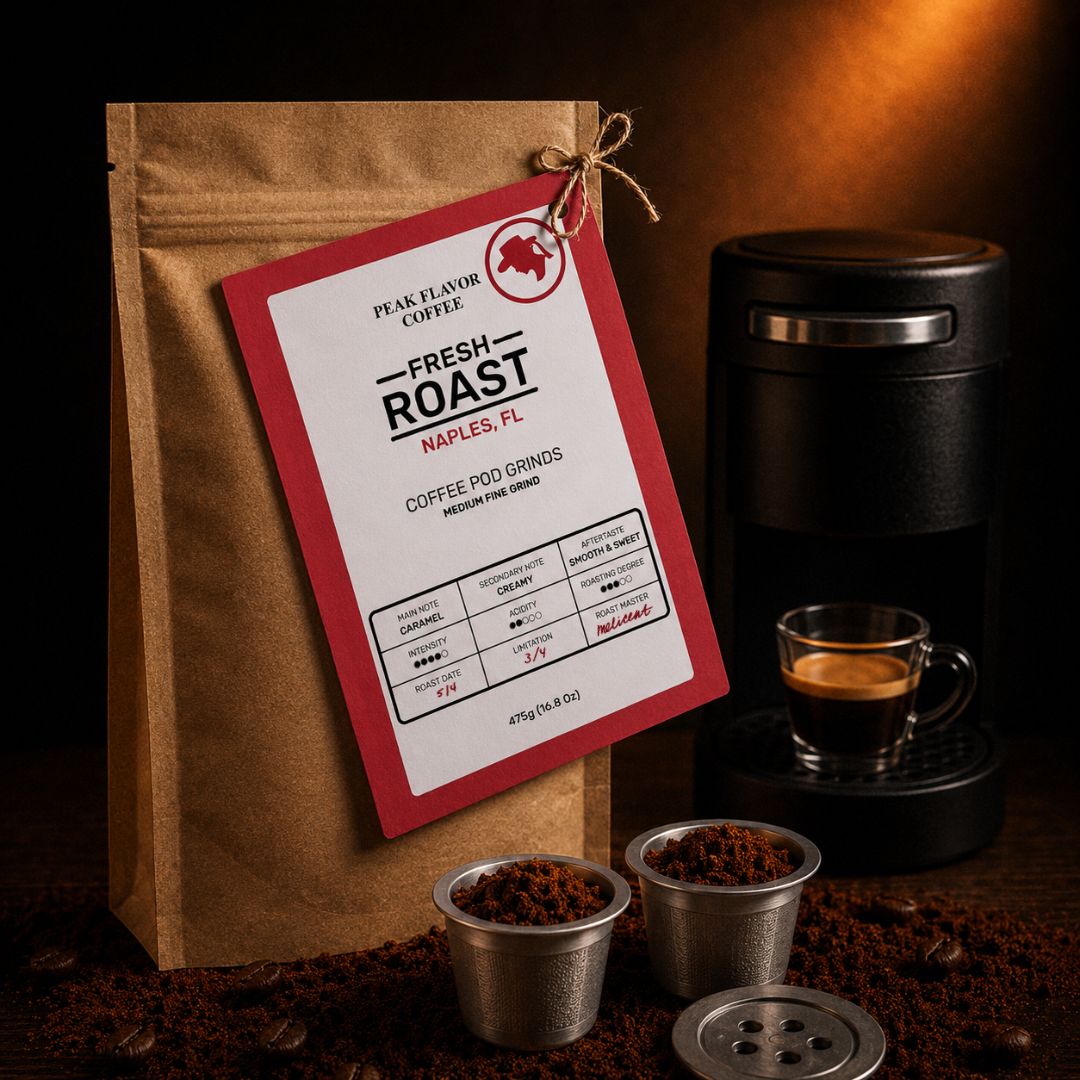
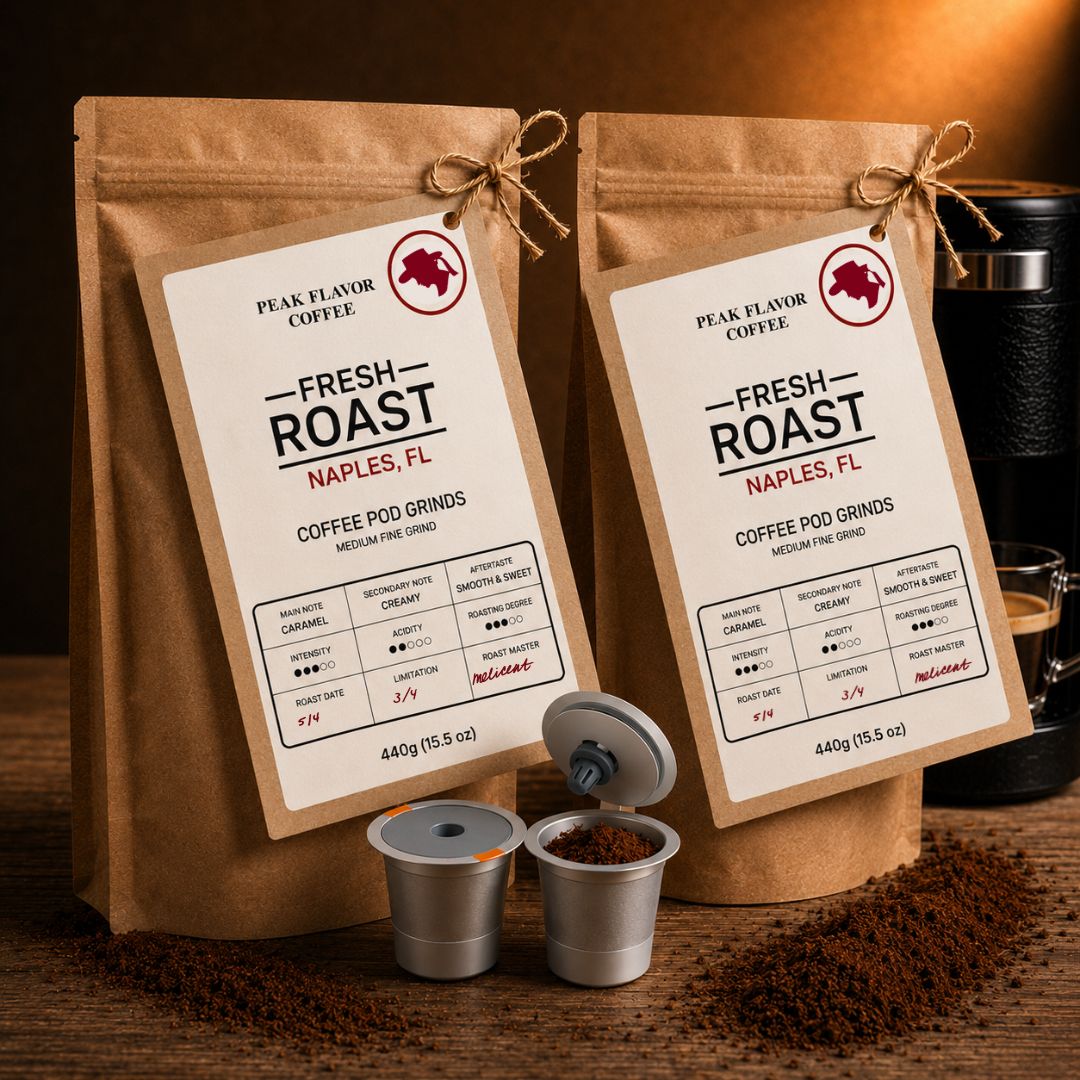
At Peak Flavor Coffee, we eliminate that frustrating trial-and-error completely. We custom-craft authentic Italian coffee profiles, roast them in meticulous small batches, and use precision commercial roller mills to grind your order to the exact micron specifications required for short-pour extraction kinetics.
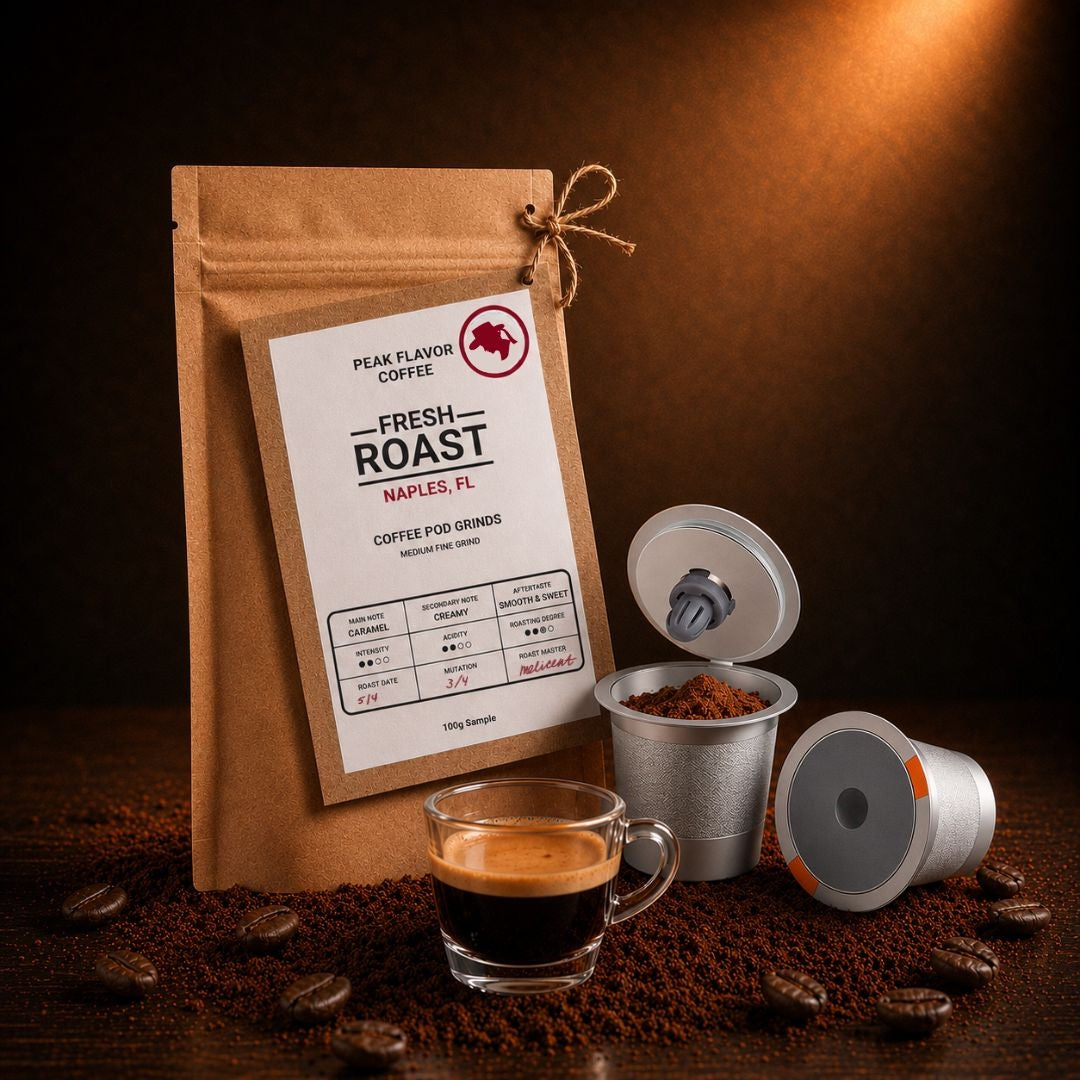
Skip the dialing-in headache and try our no-risk 100g Tasting Samples to experience a perfect, low-bitterness pull on your very first try for just $9.95 with Free Shipping:
Try Your Perfect Ristretto — $9.95 with Free Shipping
Frequently Asked Questions About Ristretto
What are the best coffee beans to use for a ristretto shot? +
Because a ristretto is short and highly concentrated, you want to choose beans that lean into deep sweetness and low acidity. Darker roasts with chocolatey, nutty, or caramel profiles work exceptionally well. For specific recommendations on origin and flavor profiles, check out our guide on how to choose the best coffee beans for your next extraction.
Does the freshness of the roast really matter for a short shot? +
Absolutely. A ristretto relies heavily on trapped gases and delicate oils to create its signature thick, syrupy crema. If your beans are stale, your shot will taste watery and thin. To get that perfect, velvety texture, always opt for fresh roasted coffee that has rested for at least a few days post-roast but hasn't lost its vibrant aromatics.
Should I use pre-ground coffee or grind my own beans? +
For a ristretto, precise particle size is everything. Pre-ground coffee rarely offers the exact micro-adjustments needed to choke the water flow correctly, often resulting in a sour under-extraction. To understand why your equipment matters, read our breakdown on using the best ground coffee vs burr grinder setups to achieve the perfect fine, uniform grind.