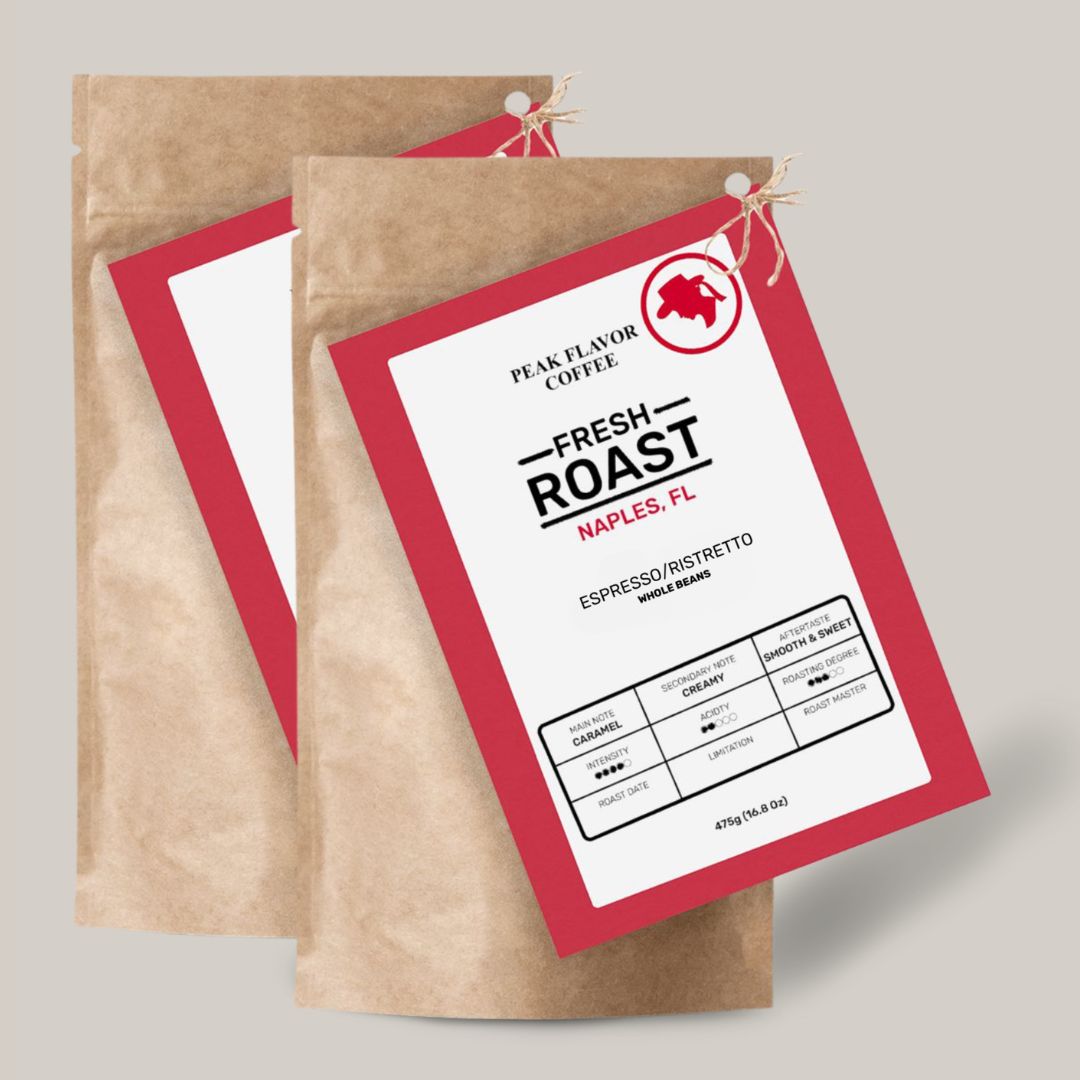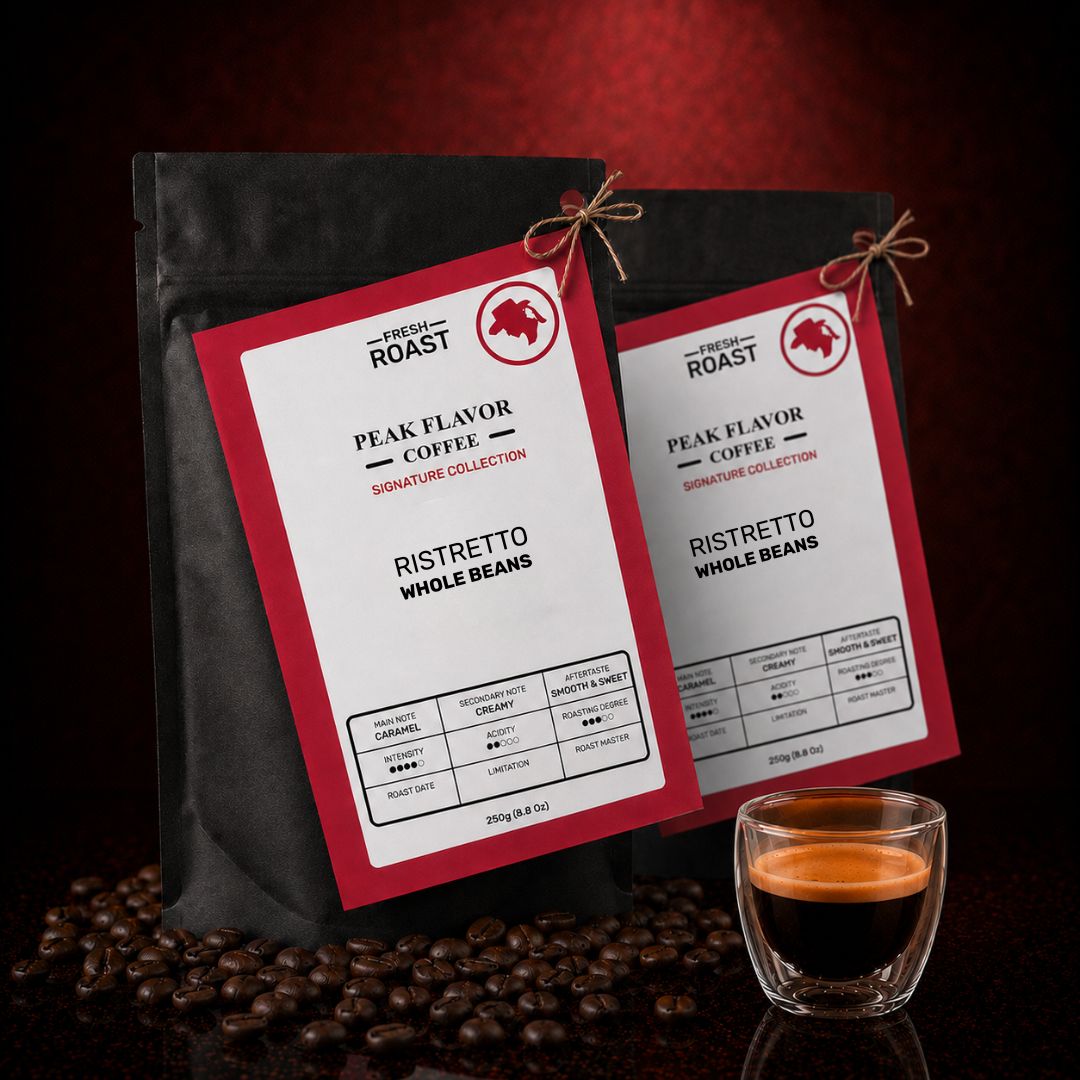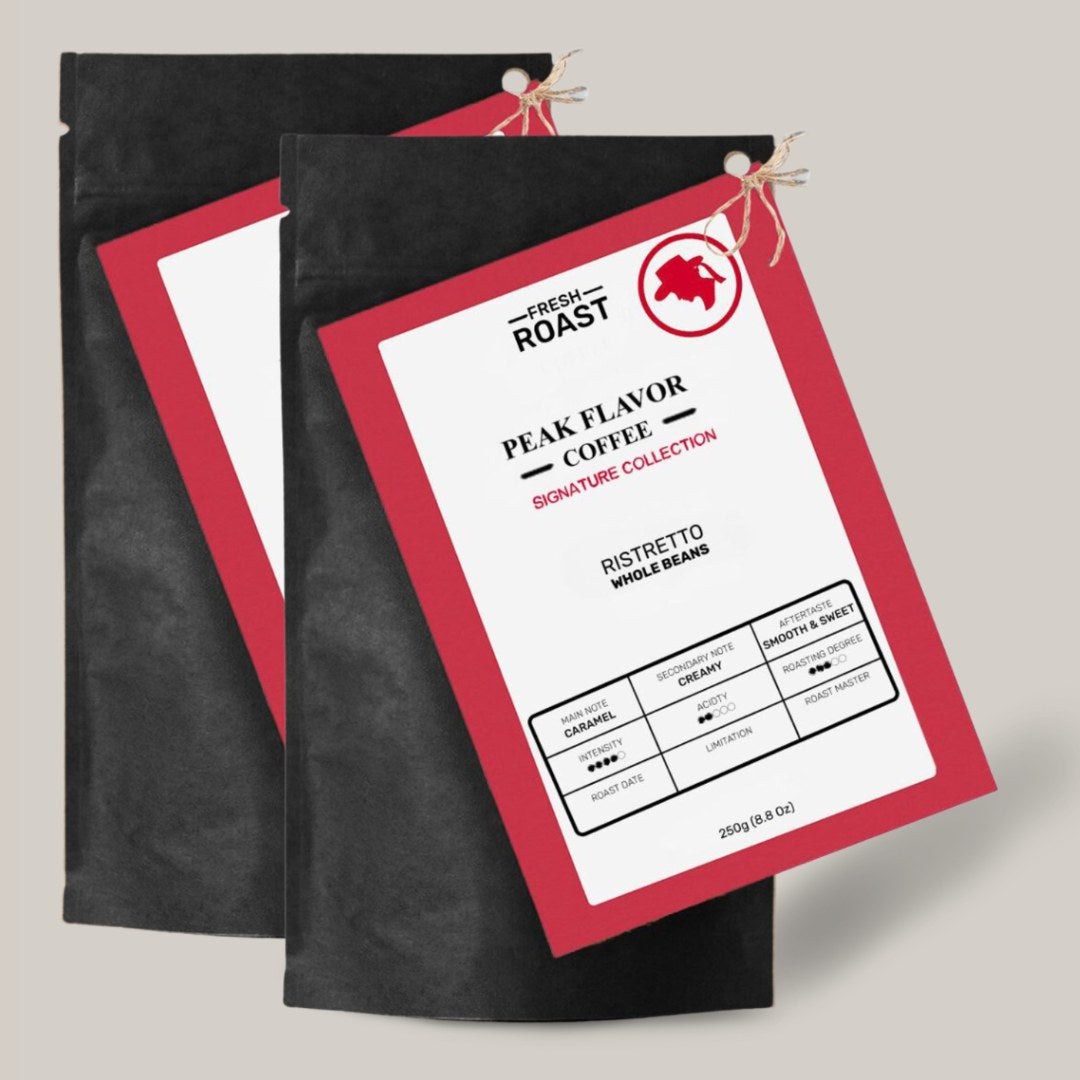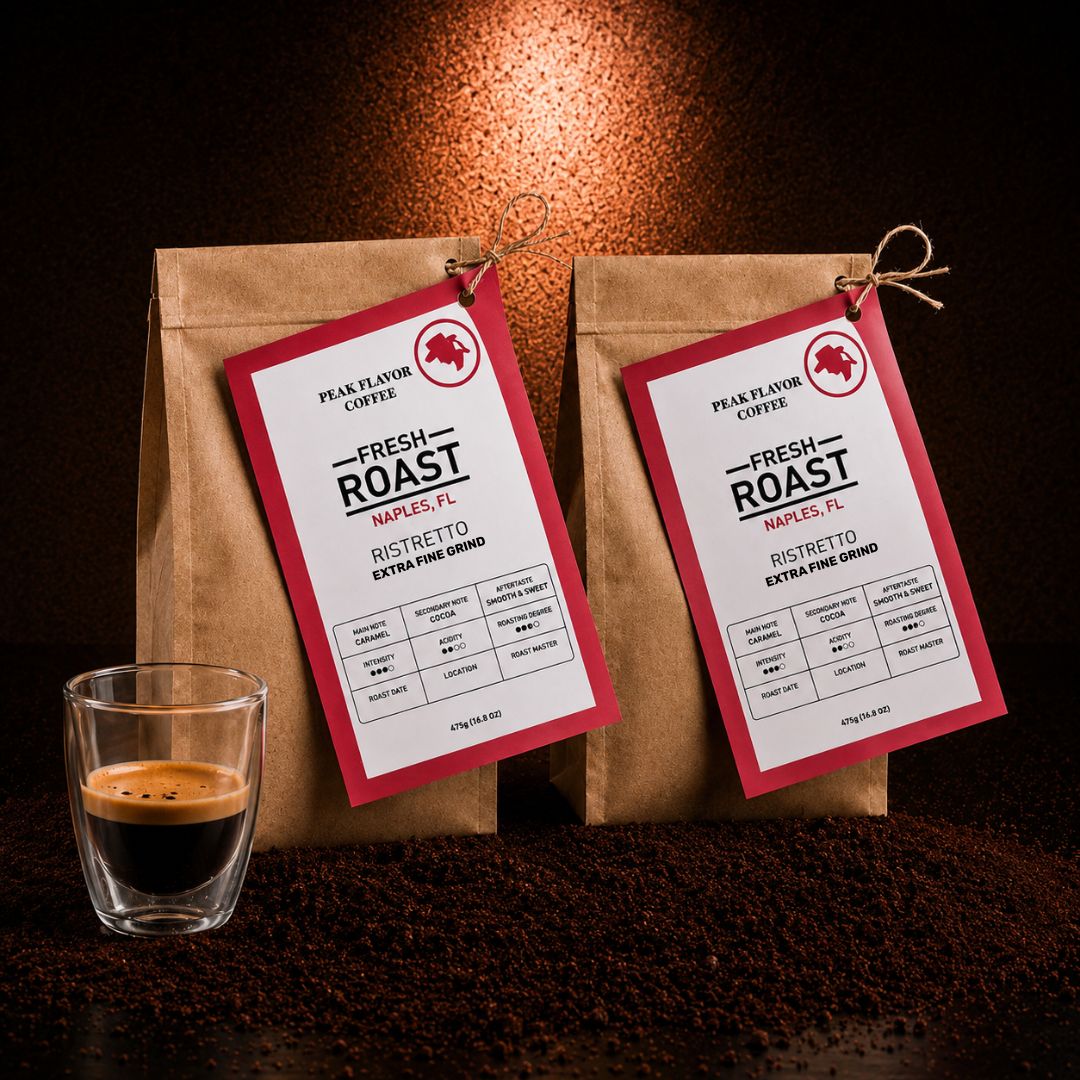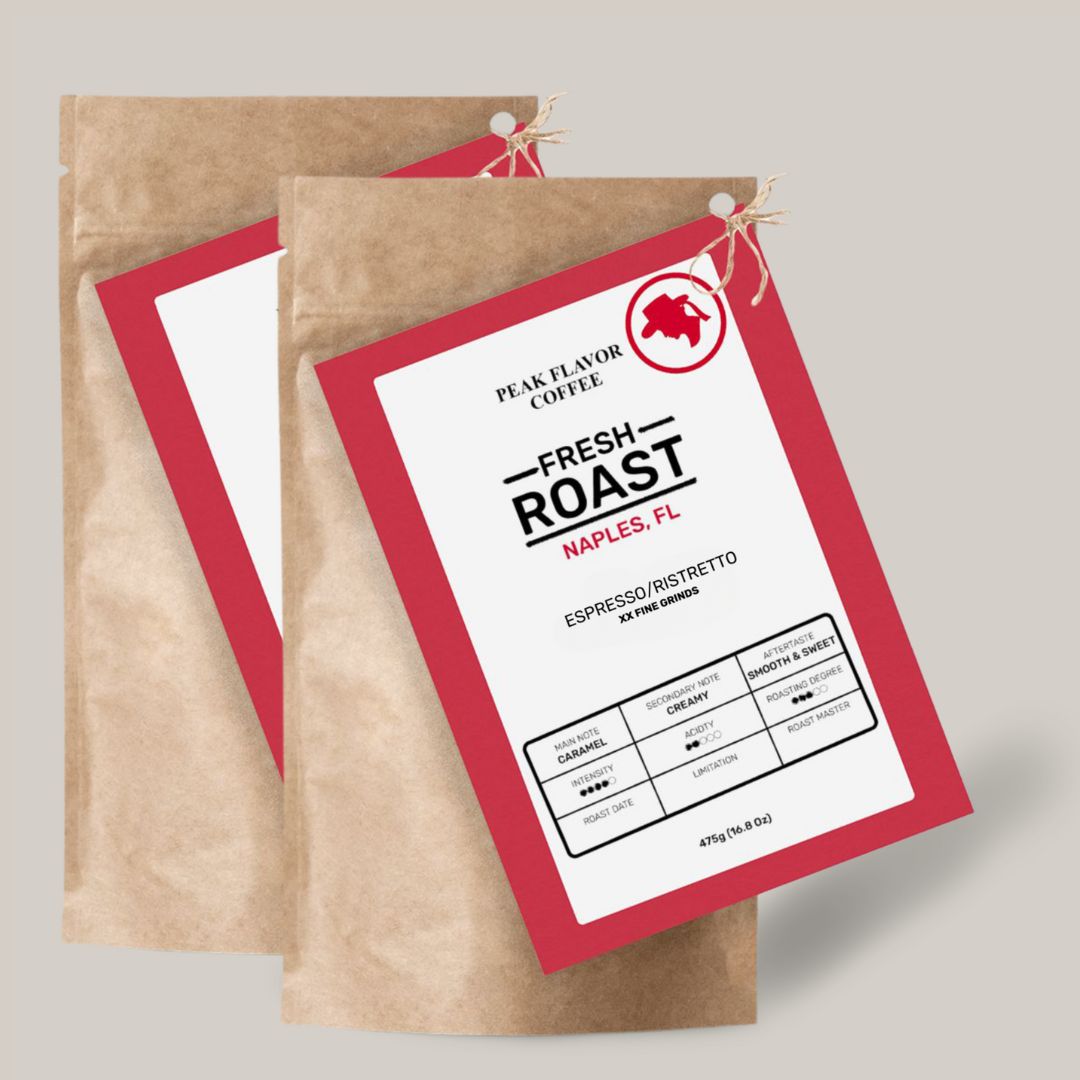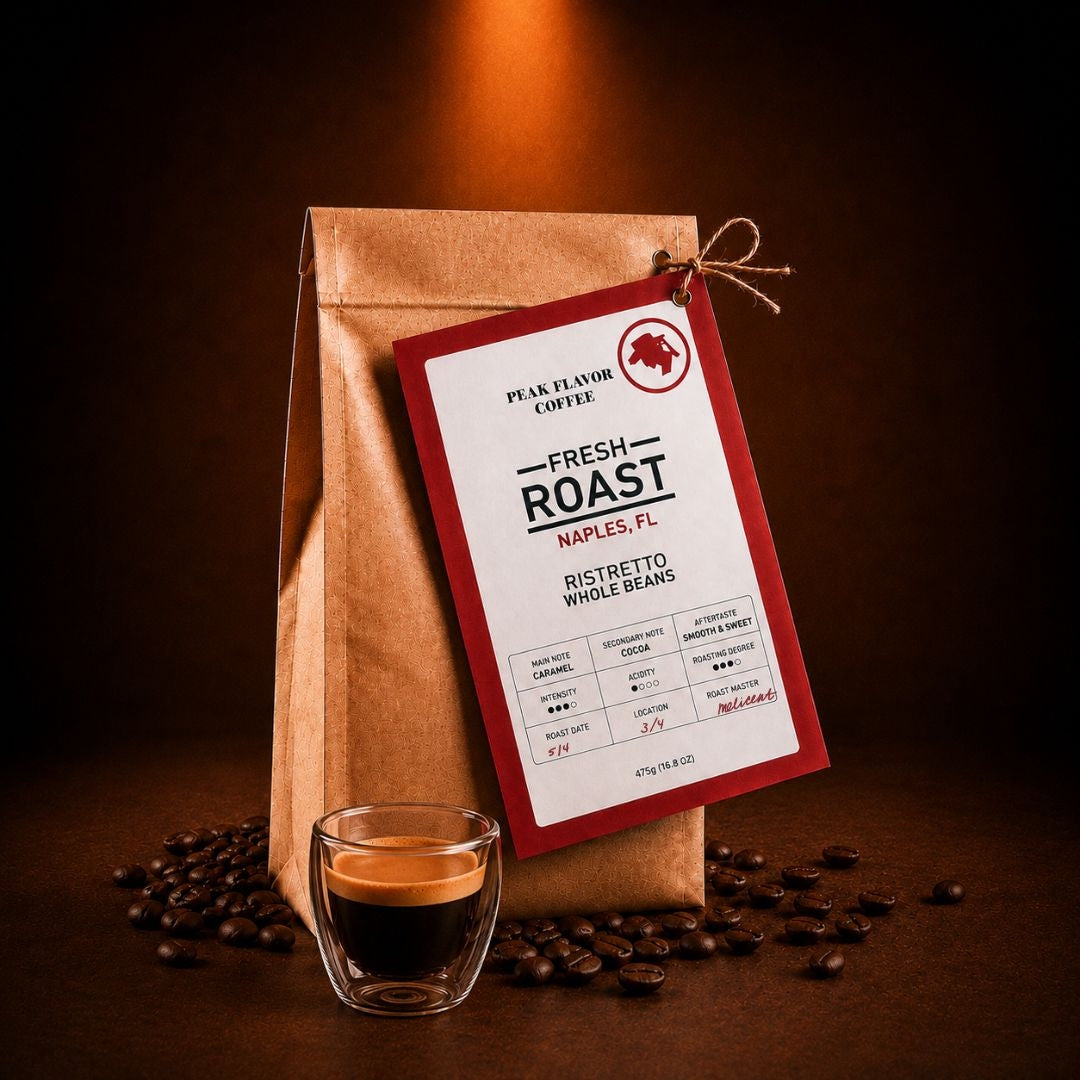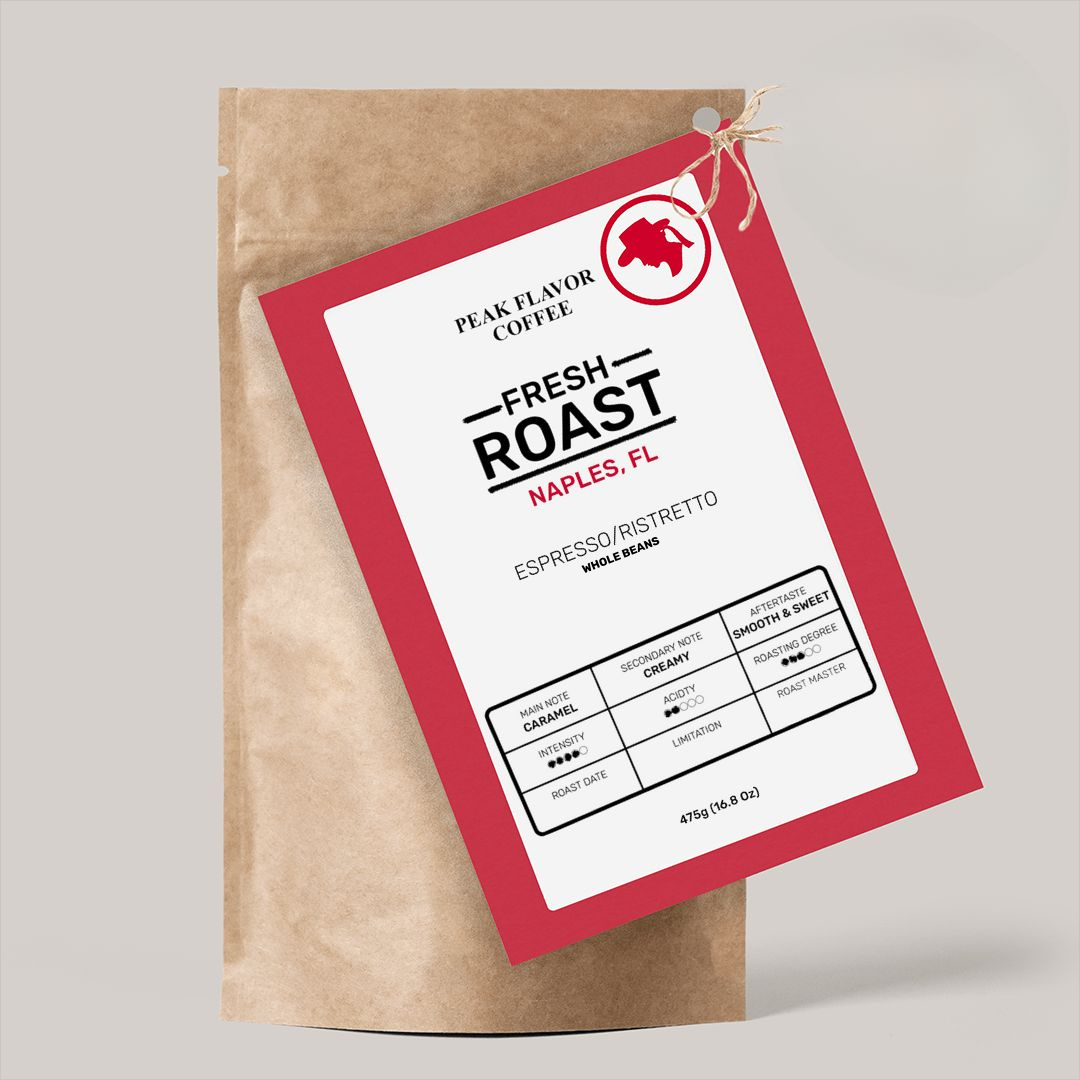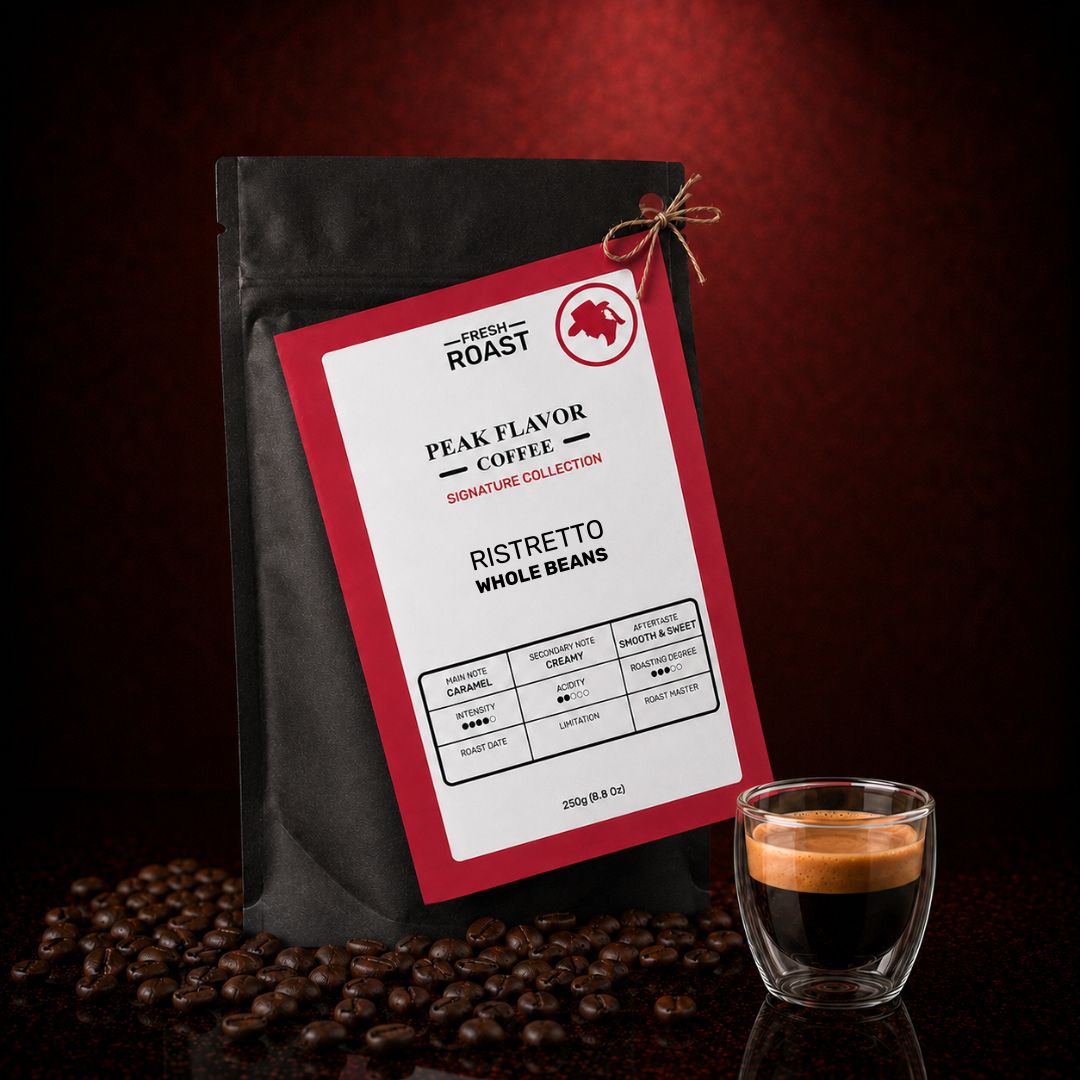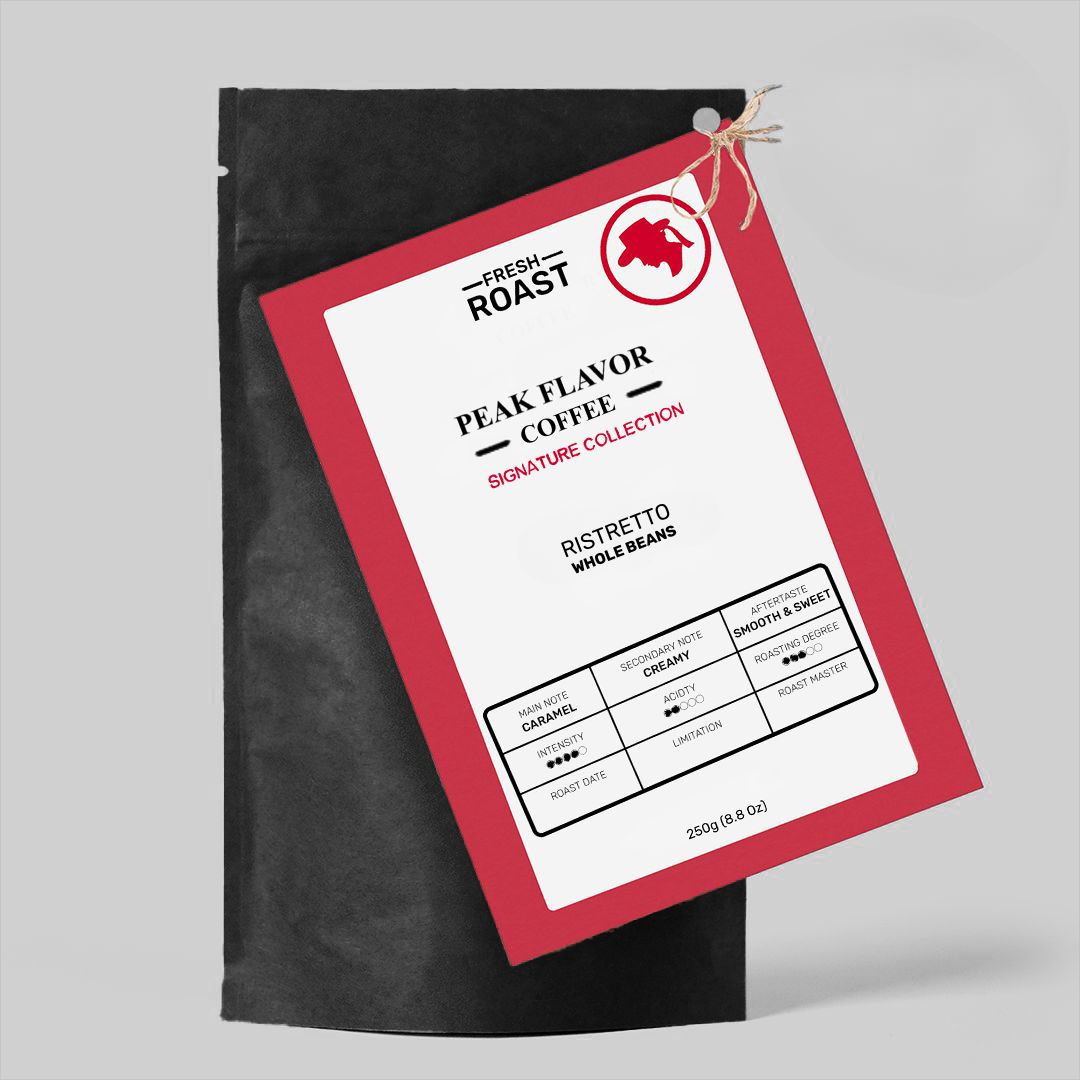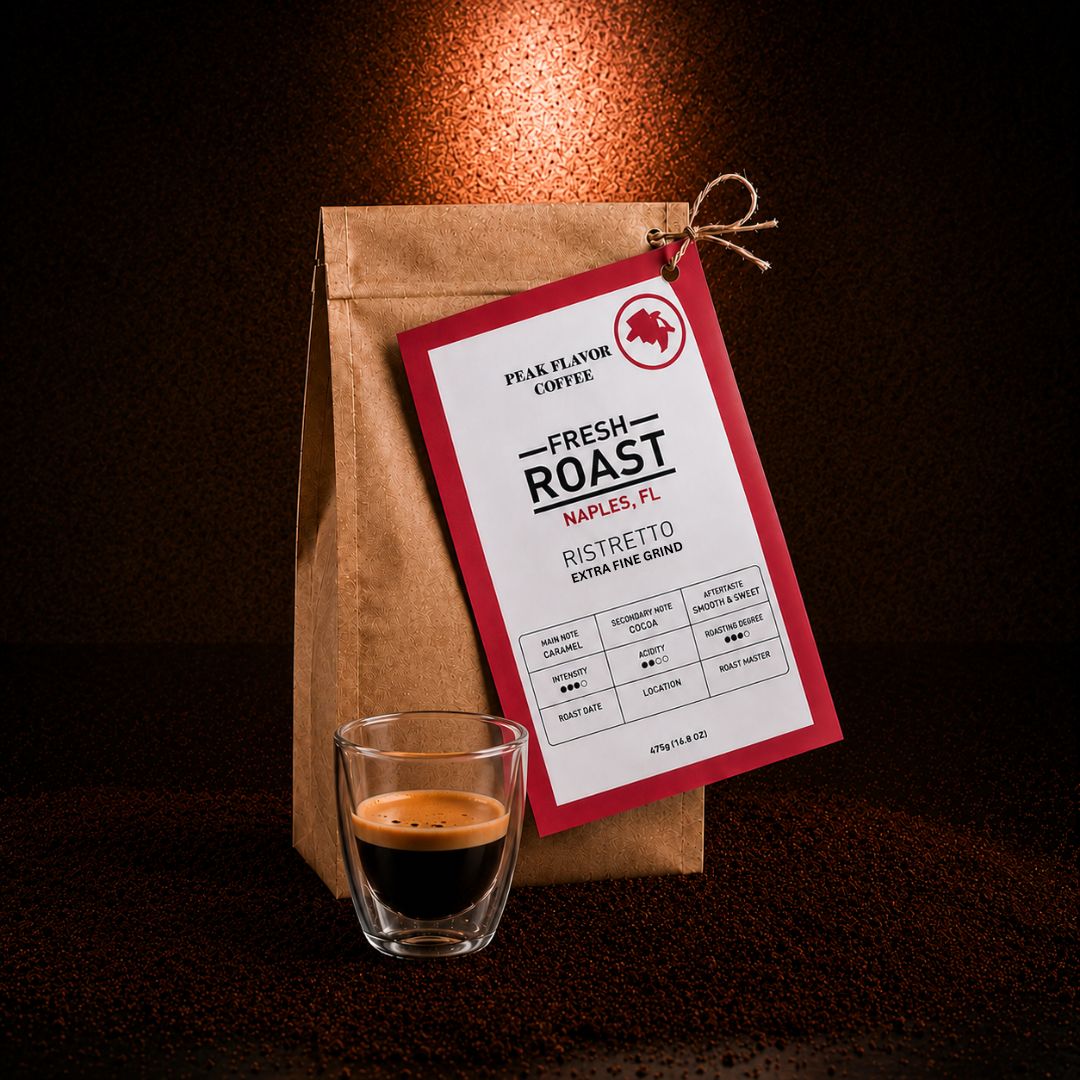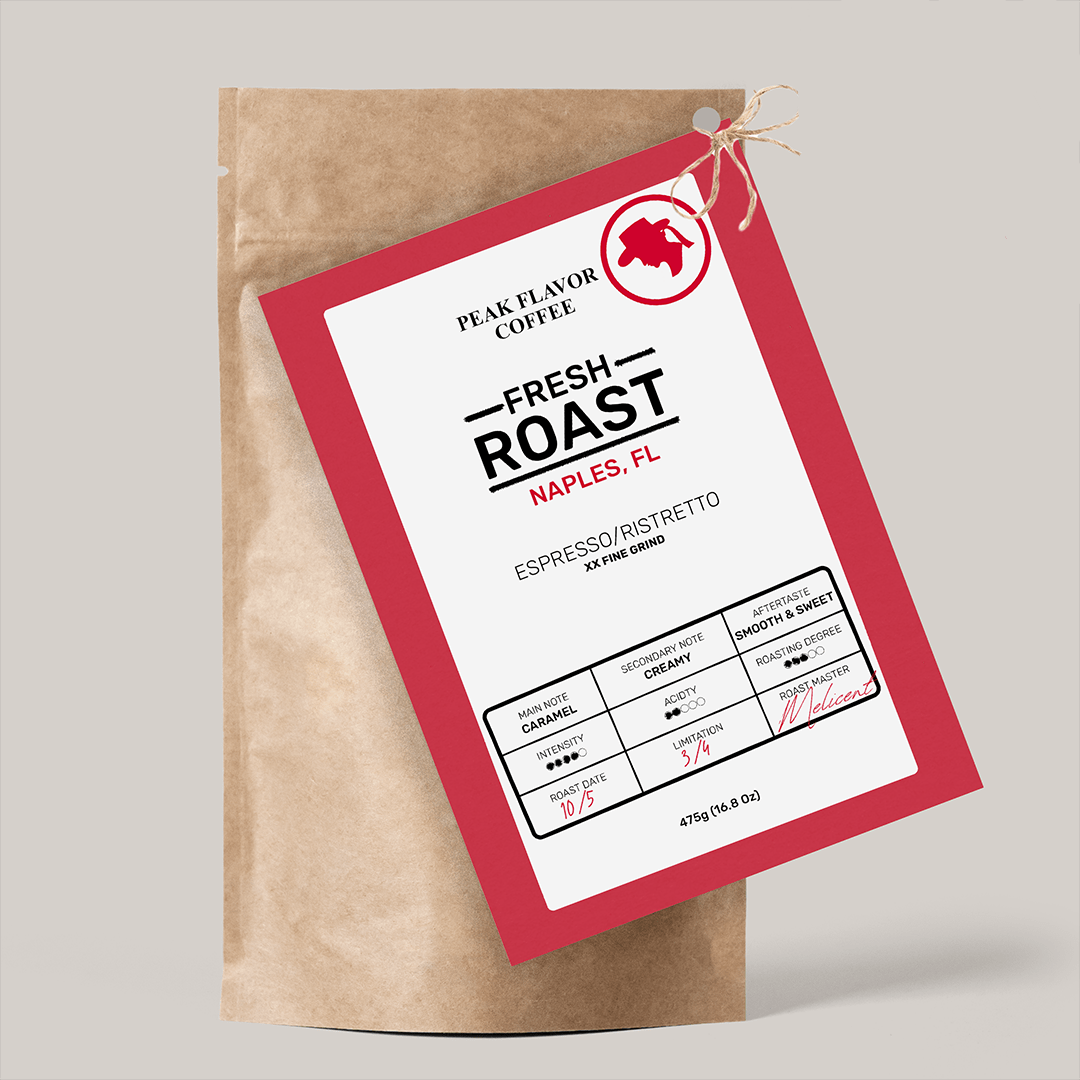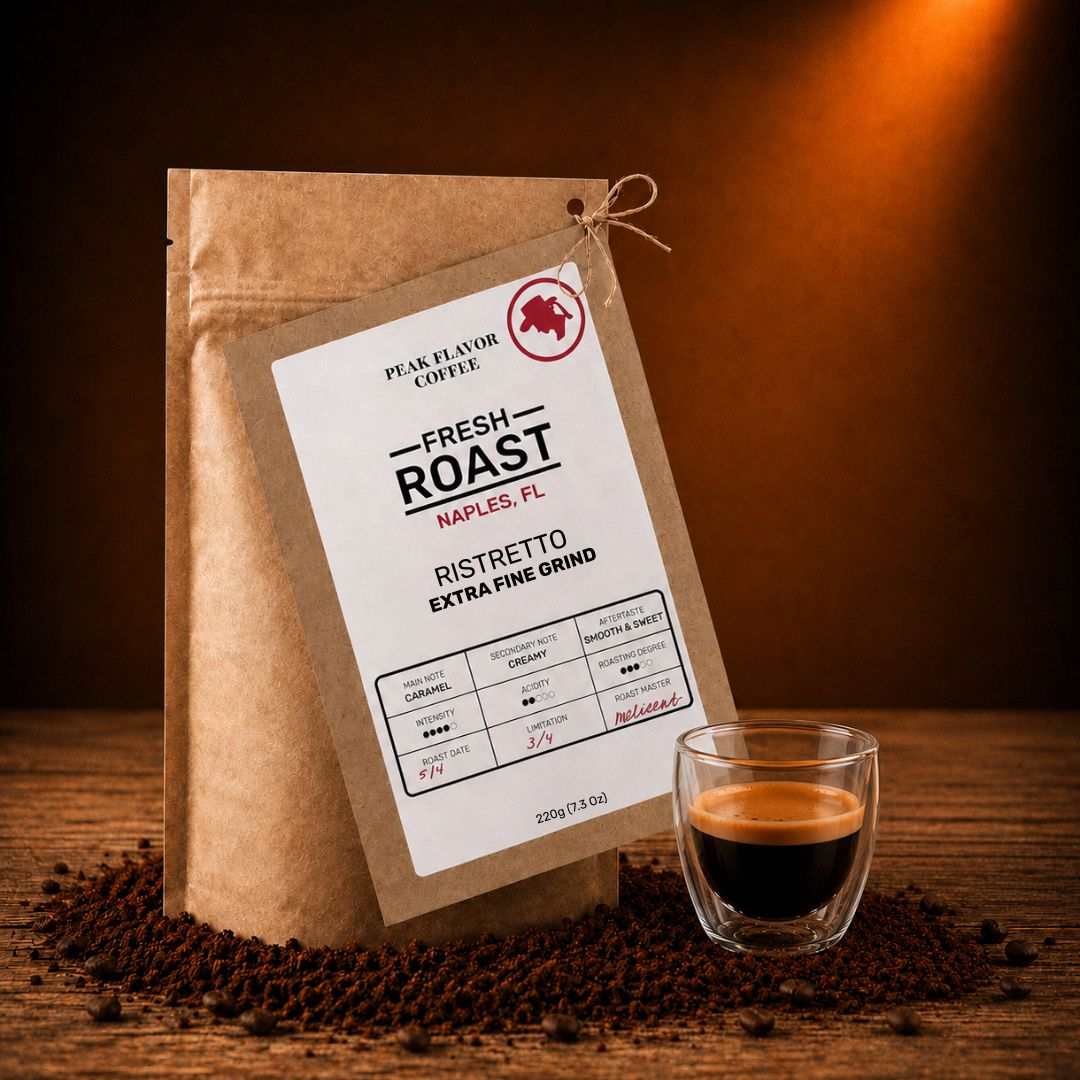
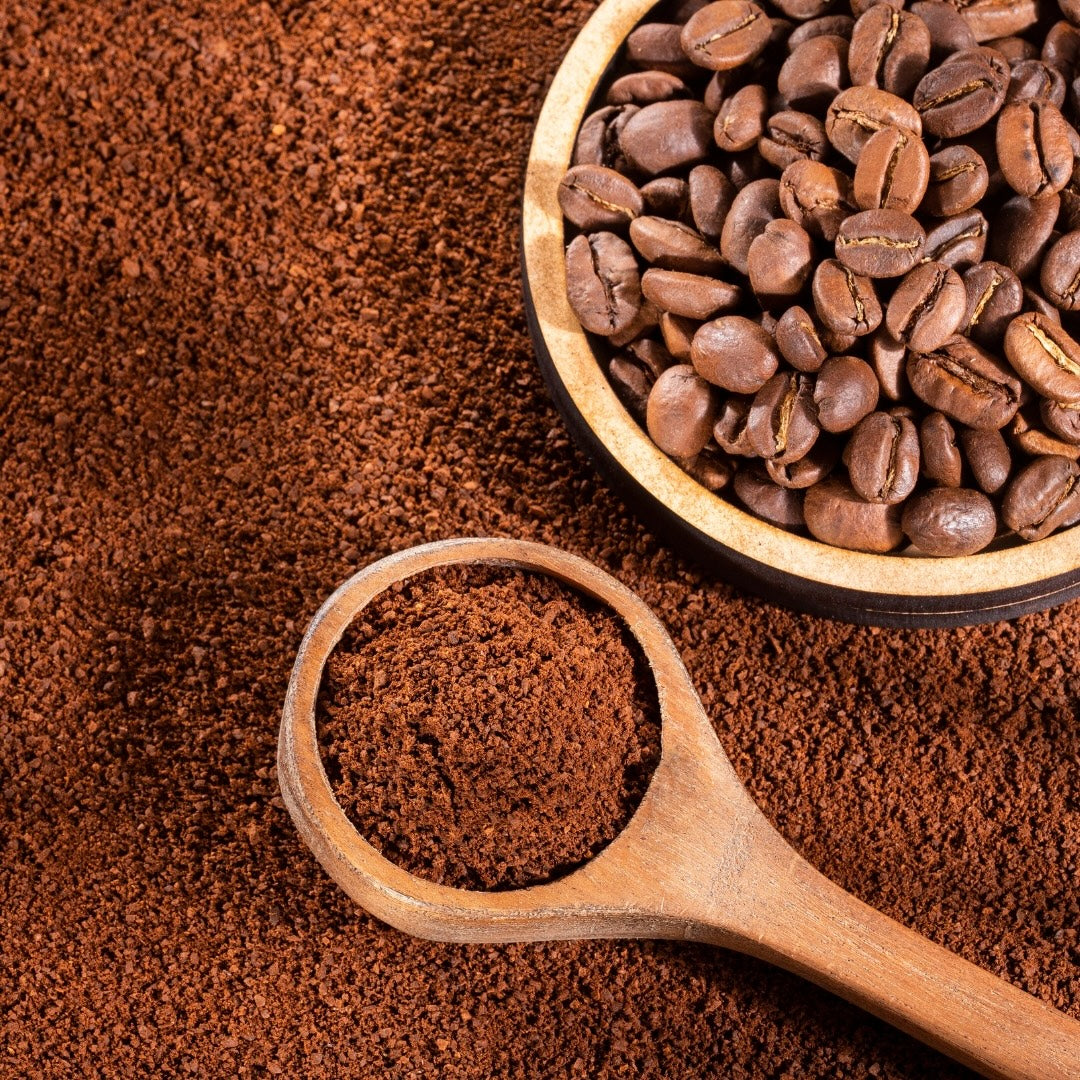


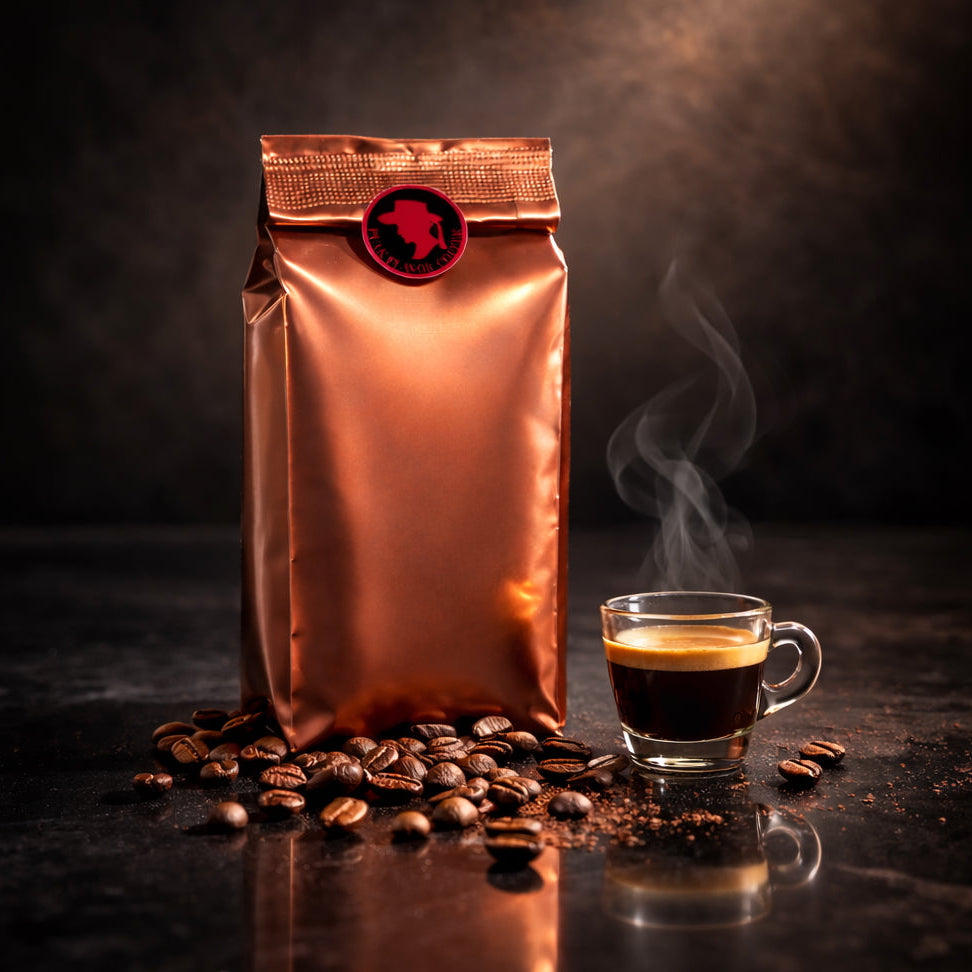

The best coffee beans for an authentic Italian ristretto are high-altitude, specialty-grade Arabica varieties blended with a precise splash (around 15%) of premium Robusta.
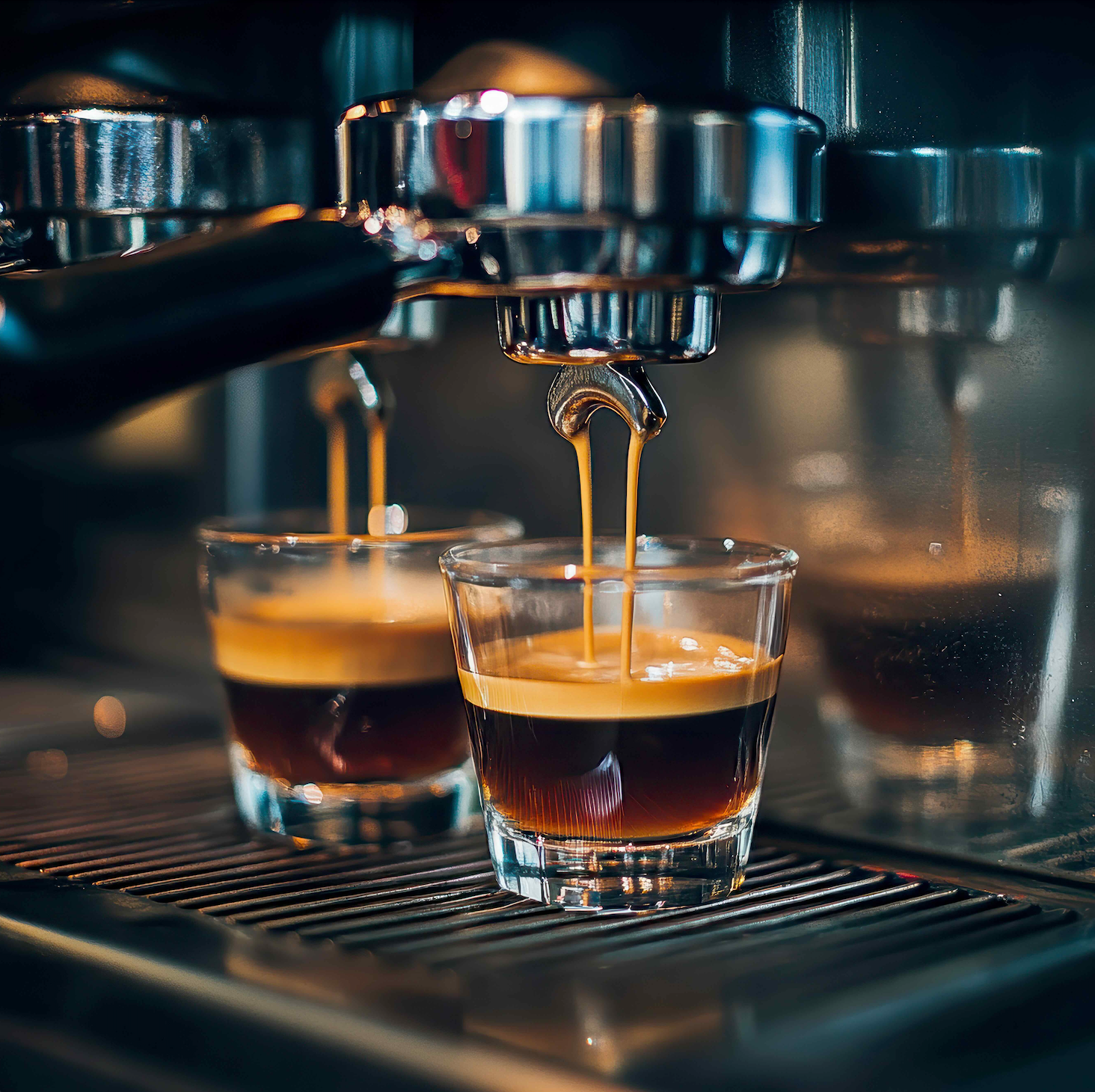
If you own a home espresso machine, you have likely chased the elusive dream of the perfect, syrupy ristretto shot. It is the ultimate test of extraction mechanics—a concentrated, restricted pour that balances heavy body with intense sweetness. Yet, too many home baristas struggle with shots that run too quickly, taste aggressively sour, or mimic the thin texture of battery acid.
The secret to a true Barista Quality Ristretto doesn't lie in purchasing a $3,000 commercial machine; it starts entirely with the chemistry inside your hopper.
Pulling an authentic Italian ristretto requires a strict combination of high-grown, fresh roasted, specialty coffee beans.
Let's break down the exact bean anatomy required to pull a perfect restricted shot at home, grounded in research on specialty coffee beans and arabica plant lineage.

High-Grown Coffee Beans: The Secret to Natural Sweetness
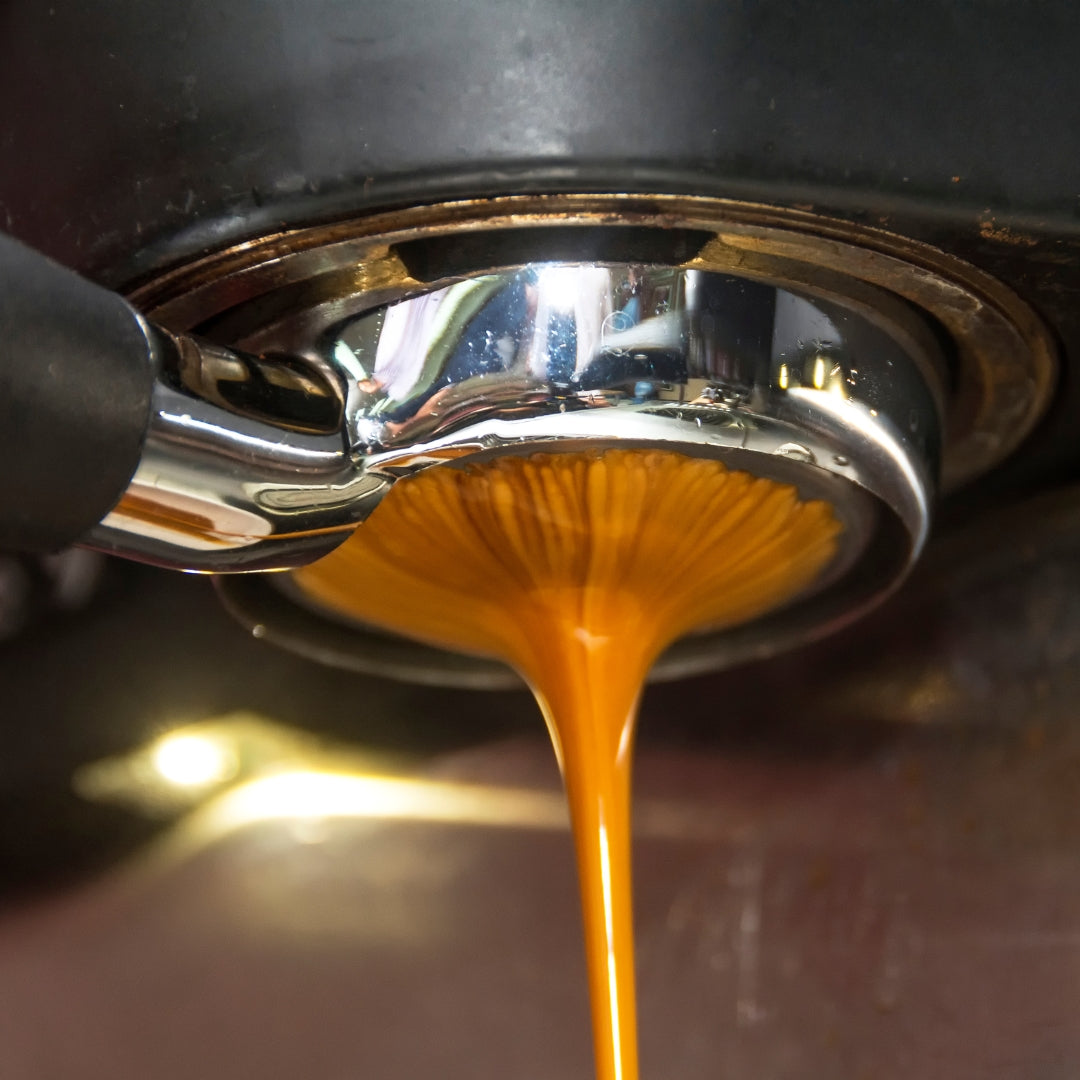
A traditional ristretto uses a tight 1:1 or 1:1.5 brew ratio, cutting the extraction short to trap volatile flavor compounds before the bitter elements emerge. Because the water contact time is restricted, your coffee beans must be structurally dense and packed with organic compounds to yield a balanced cup.
This is why high-grown coffee is essential. Coffee plants cultivated at high altitudes (typically above 1,200 meters) experience cooler temperatures, slowing down the maturation process of the coffee cherry. This prolonged growth phase allows the bean to develop a high concentration of natural sugars and complex organic acids. When extracted as a ristretto shot, these concentrated natural sugars dissolve immediately into the stream, giving the beverage its signature, lingering sweetness without a single grain of added sugar.
📺 Want to see extraction physics in action? Check out our quick video breakdown on how to identify naturally sweet Italian ristretto coffee beans to see exactly how bean density affects your flow rate.
Arabica vs. Robusta: The Authentic Italian Blend Matrix
A common misconception in the specialty world is that espresso must always be a 100% single-origin Arabica. If you walk into a traditional café in Milan or Rome, however, you will discover that authentic Italian coffee relies heavily on precision blending. For a flawless ristretto, the magic formula is an Arabica-led blend comprising roughly 85% Arabica and 15% Robusta.
Why an Italian Blend Needs Both:
- Arabica Coffee Beans (85%): Arabica varieties are highly celebrated for their incredible aromatic complexity, delicate fruit notes, and rich sweetness. They provide the core flavor profile, acidity balance, and elegant fragrance that defines a premium extraction.
- Robusta Coffee Beans (15%): While Robusta gets a bad reputation in cheap commodity coffee, a high-quality Robusta is a secret weapon for espresso. Robusta contains significantly lower sugar content but boasts double the lipids and caffeine. This 15% inclusion adds massive structural body to the liquid and produces a thick, exceptionally rich crema layer that seals in volatile aromas.
⚠️ The Blending Problem:
Even if you buy the perfect 85/15 Arabica-Robusta bean ratio, residential coffee grinders struggle to mill beans of differing densities uniformly. This causes "fines" and "boulders" that lead to immediate water channeling, completely ruining your ristretto's syrupy texture.
Here is a graph that illustrates how an uneven grind of different bean blends often contributes to lower coffee flavor.

What is Specialty Coffee?
Specialty coffee is coffee that scores 80 points or higher on a strict 100-point scale established by the Specialty Coffee Association (SCA). This elite classification represents the top 20% of coffee beans globally, ensuring they are entirely free of primary defects and deliver superior flavor clarity.
These premium coffee beans undergo rigorous sorting to ensure they are completely free of primary defects. High-grade specialty beans possess significantly deeper flavor clarity, clean and balanced acidity, and leave absolutely no harsh bitterness or chemical off-taste in the back of your throat.
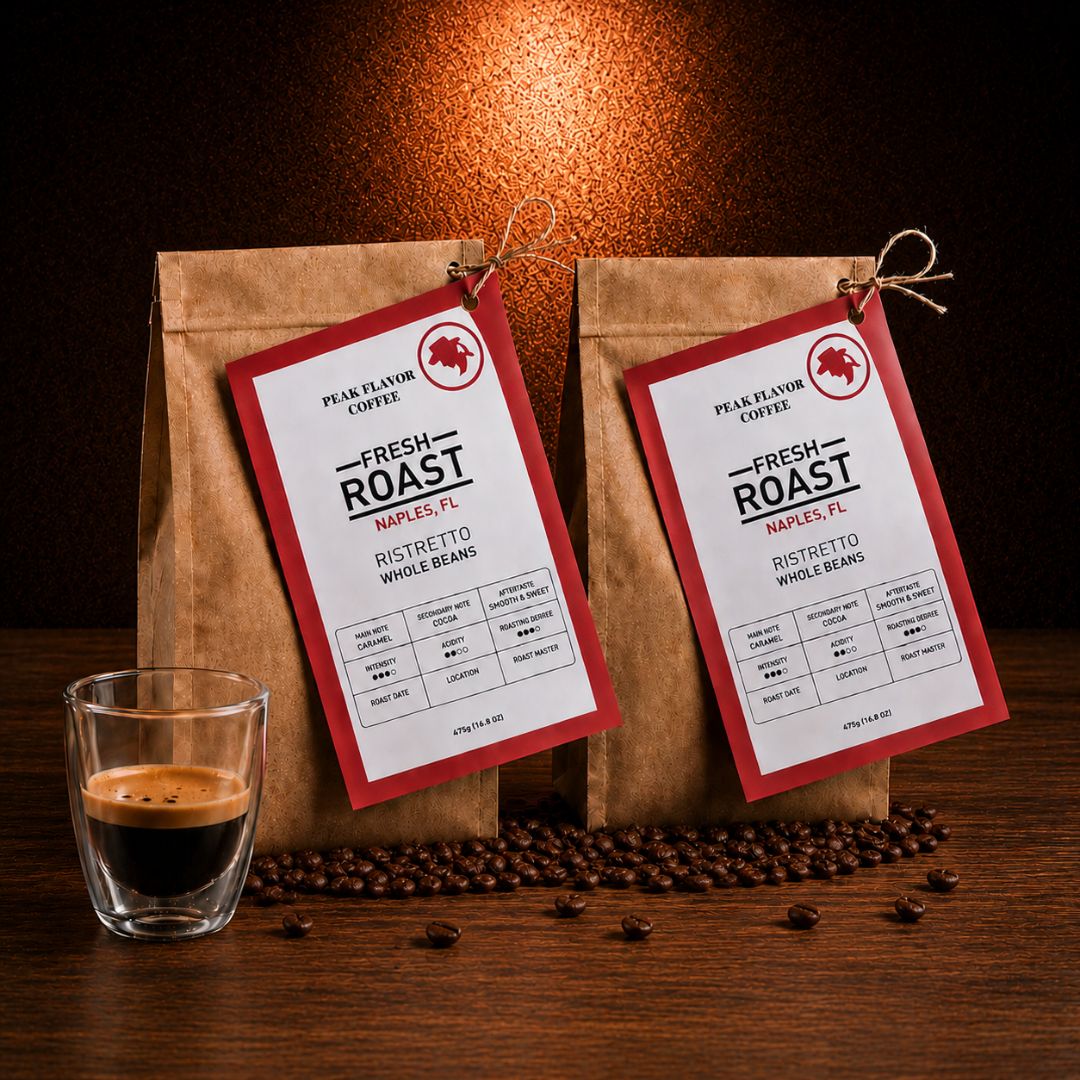
At Peak Flavor Coffee, we push this standard even further. We source exclusively 85+ graded specialty coffee beans, positioning our supply within the top-15% of Arabica coffee globally. We source these elite lots directly from high-elevation, family-run organic coffee farms in Brazil, Colombia, and Honduras.

What is Organic Coffee?
Organic coffee is coffee that is grown, harvested, and processed without the use of synthetic fertilizers, chemical pesticides, or artificial additives. To be certified organic, farms must strictly adhere to USDA Organic regulations that preserve soil chemistry and support ecological balance.

Fresh Roasted Coffee: The Non-Negotiable Foundation
You can buy the most expensive, highly graded beans in the world, but if they have been sitting on a grocery store shelf for three months, your ristretto shot will fail.
What is Fresh Roasted Coffee?
Fresh roasted coffee is coffee that has been roasted recently enough to retain its natural structural gases—specifically carbon dioxide (CO₂) trapped within the bean cell walls. These gases are essential for creating the hydraulic resistance needed during extraction to emulsify coffee oils into a thick, syrupy texture.
Freshness is the single most critical factor for short extractions. As hot, high-pressure water hits the coffee puck, the trapped CO₂ gases expand, creating natural hydraulic resistance against the pump. This slows down the water flow, forcing a uniform extraction that emulsifies coffee oils into a thick, syrupy texture. Stale beans lose this gas, leading to severe water channeling that leaves your shot thin, watery, and stale.
After roasting, coffee needs to de-gas for about 7 days to reach its absolute peak flavor. If you look at the degassing curve on my chalkboard, you will see that carbon dioxide CO₂ emissions spike drastically immediately after roasting before beautifully tapering off right around day seven.
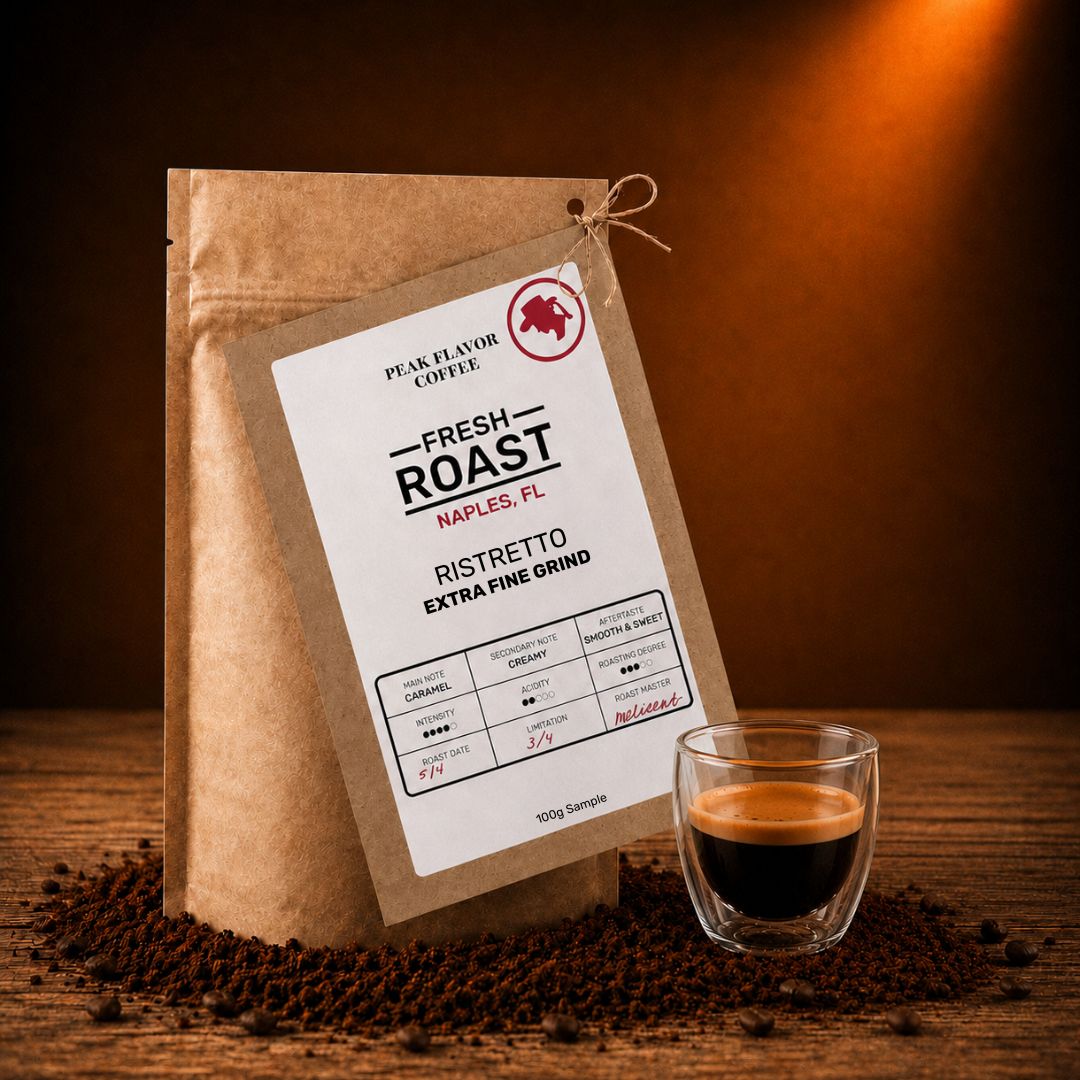
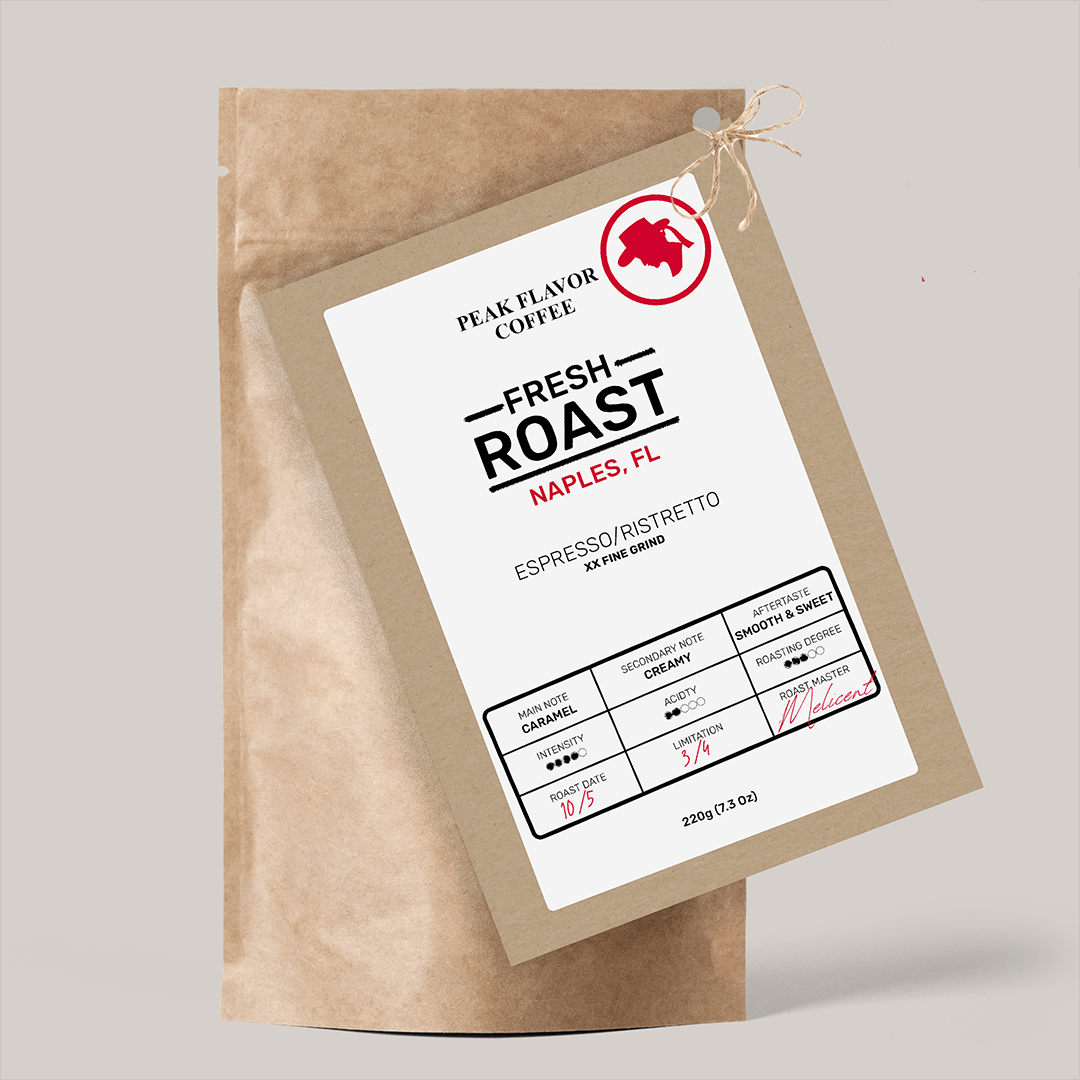
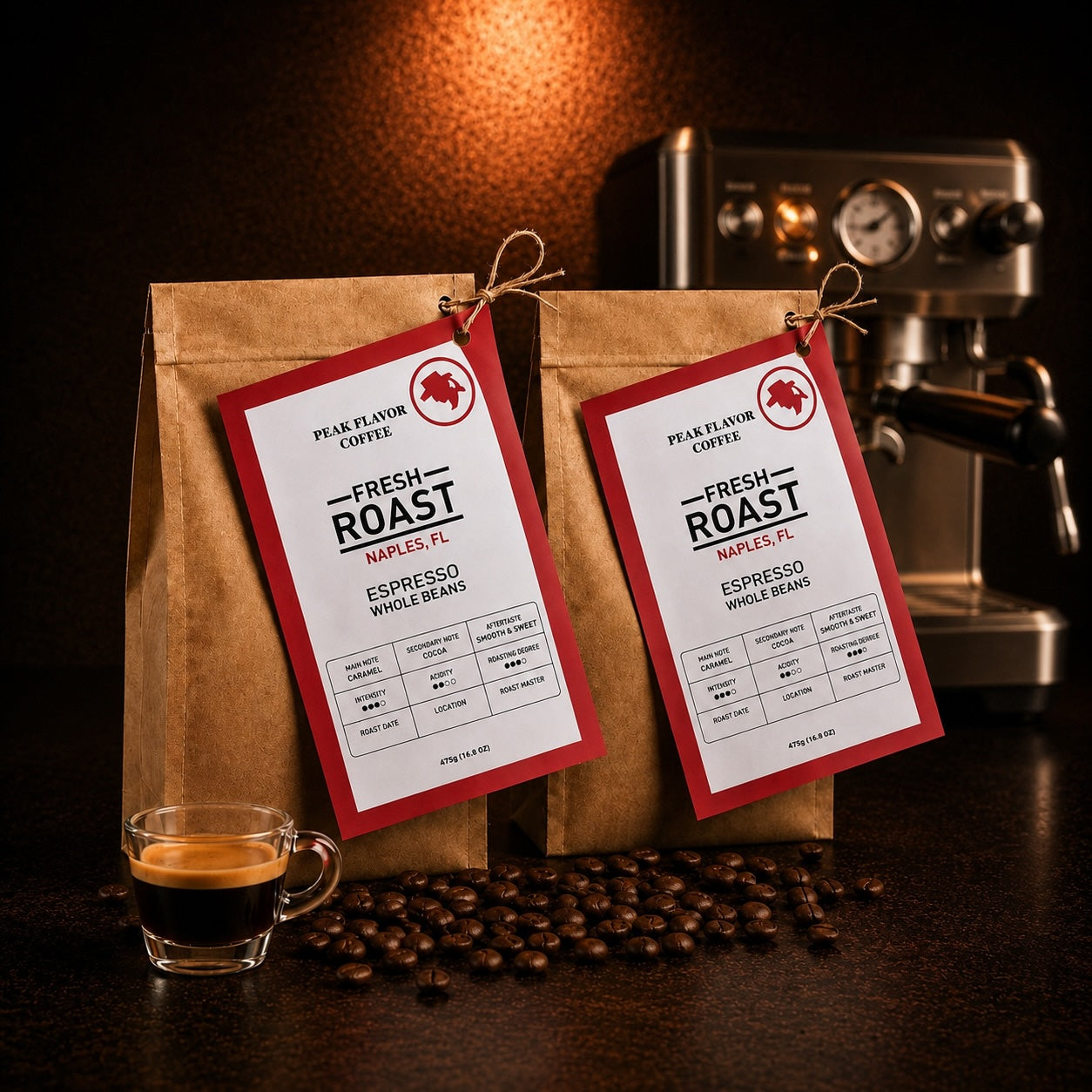
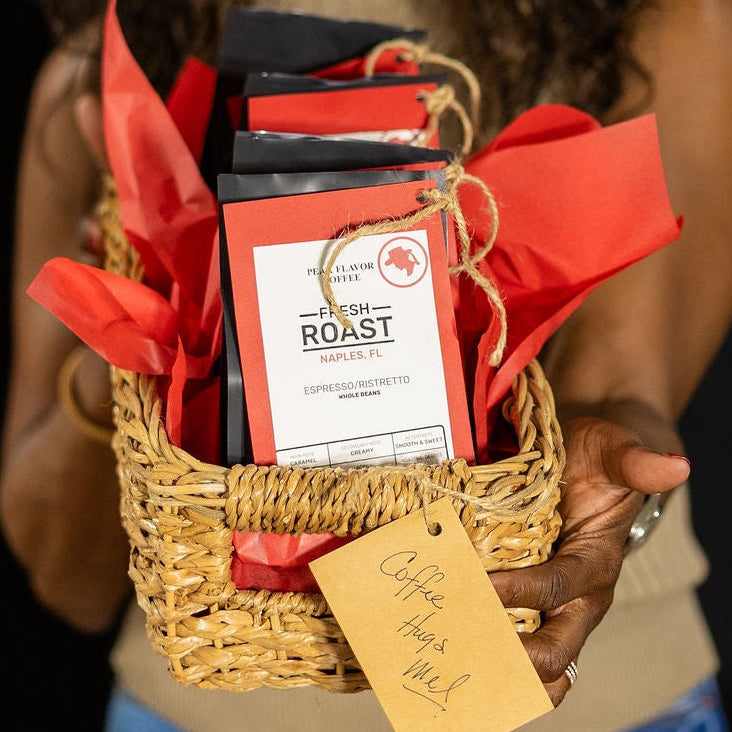
That is why Peak Flavor Coffee roasts strictly to order. We slow-roast our specialty beans in small batches to maximize natural caramelization of the sugars, and we ship your order within 4 hours of the roast cycle. Because it takes about 5 to 7 days for your custom package to land on your doorstep, your beans arrive right as that degassing curve settles into perfect harmony—giving you a flawless, syrupy extraction the second you open the bag. Learn more about why fresh roasted coffee is non-negotiable.

The Verdict: Stop Fighting Your Setup
Pulling a masterful ristretto at home is notoriously difficult because standard residential equipment struggles to replicate commercial café standards. If your home grinder cannot output a perfectly uniform particle size, you will constantly battle thin, sour extractions.
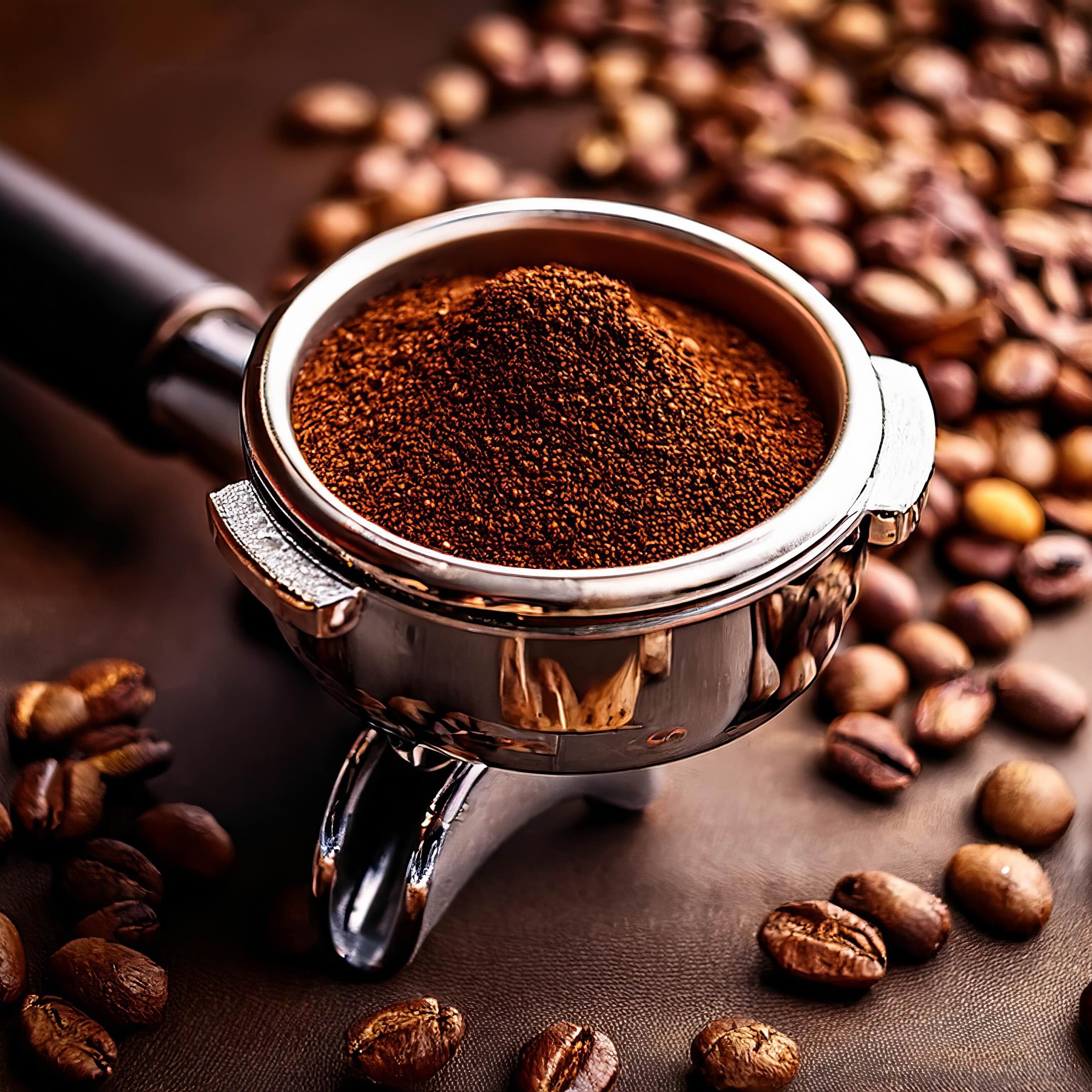
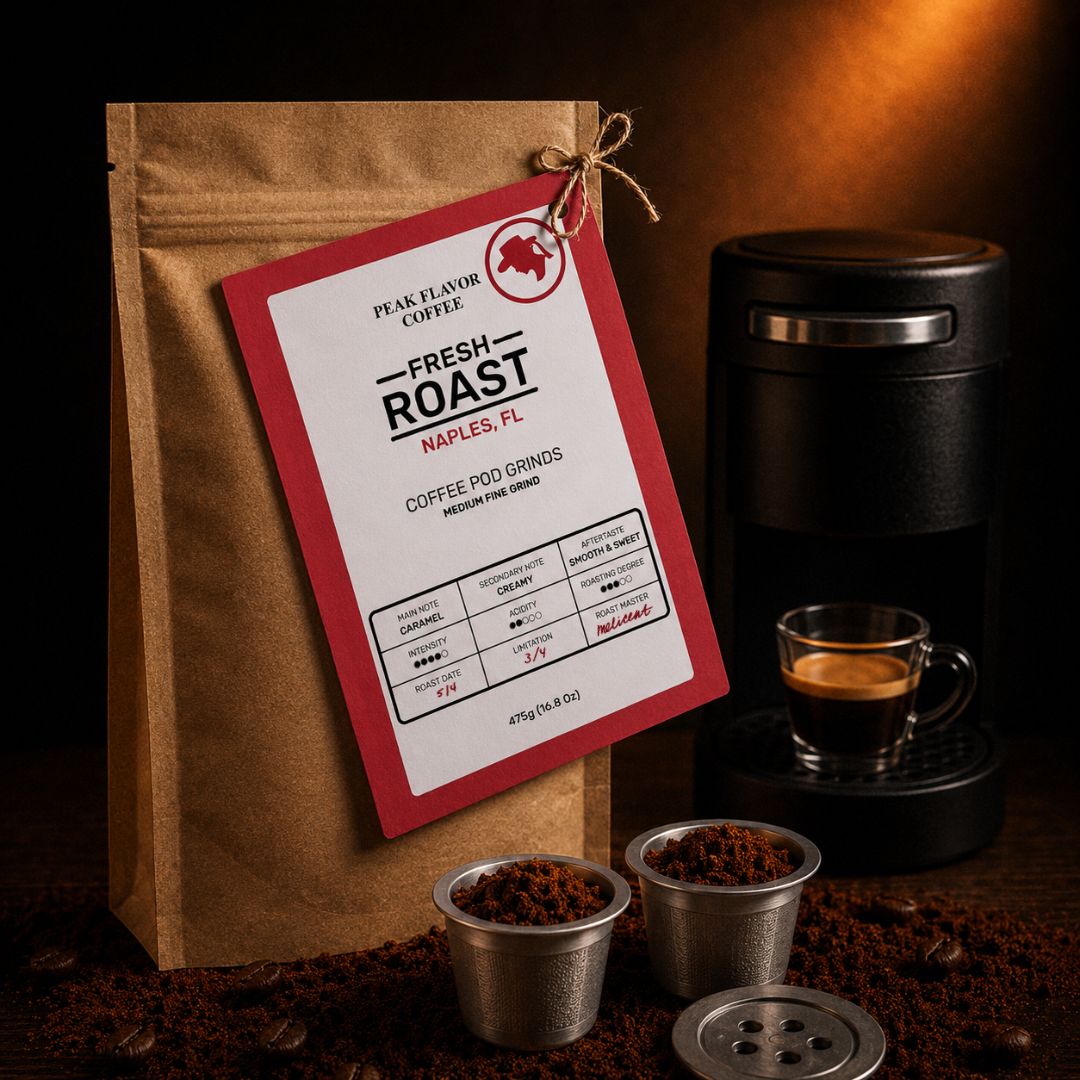
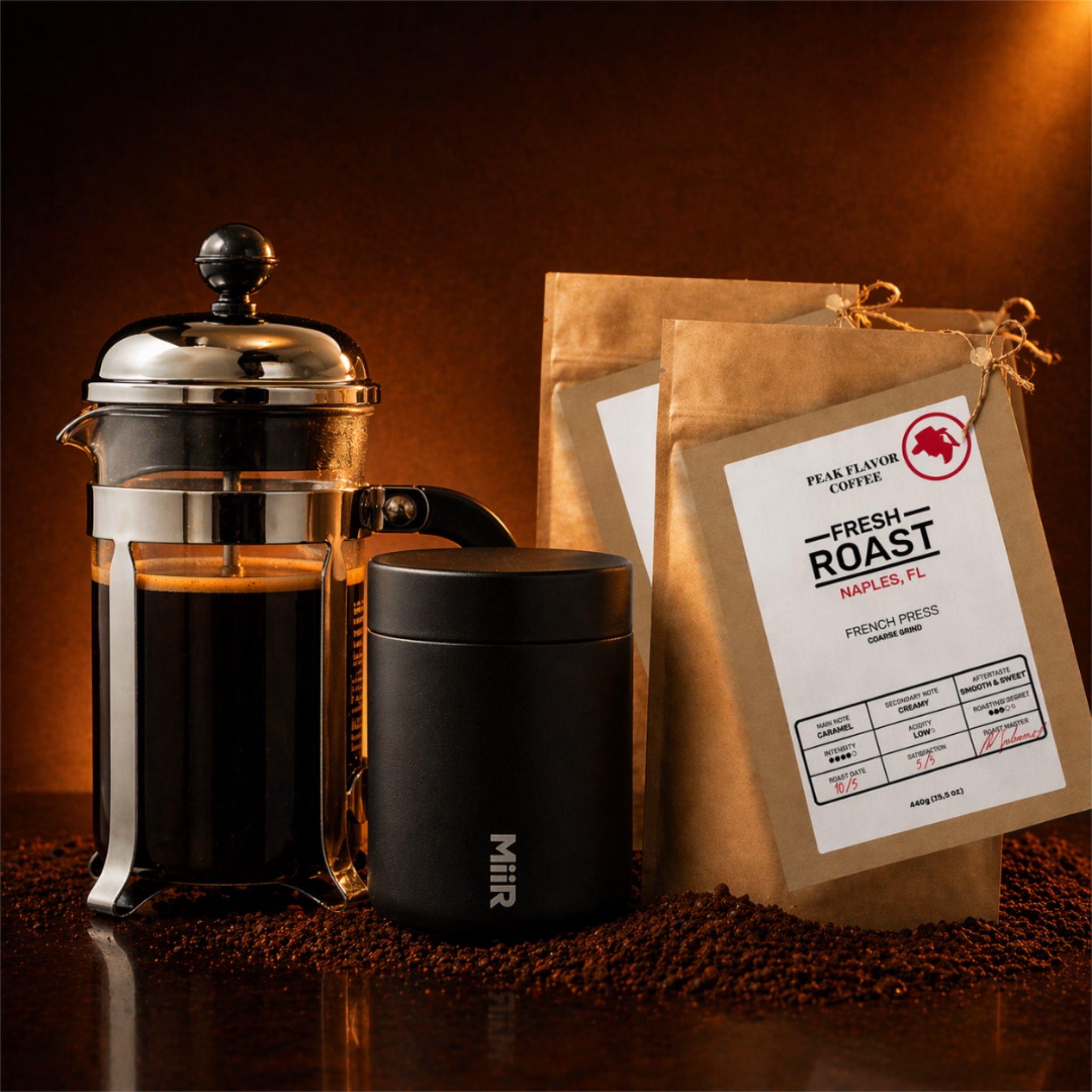
Skip the frustrating trial-and-error of dialing in your machine. Peak Flavor removes the guesswork entirely by precision-milling our custom Italian blends to an exact 250-micron spec right before shipping. Learn about the right grind size for ristretto or learn how to pull the perfect ristretto shot.
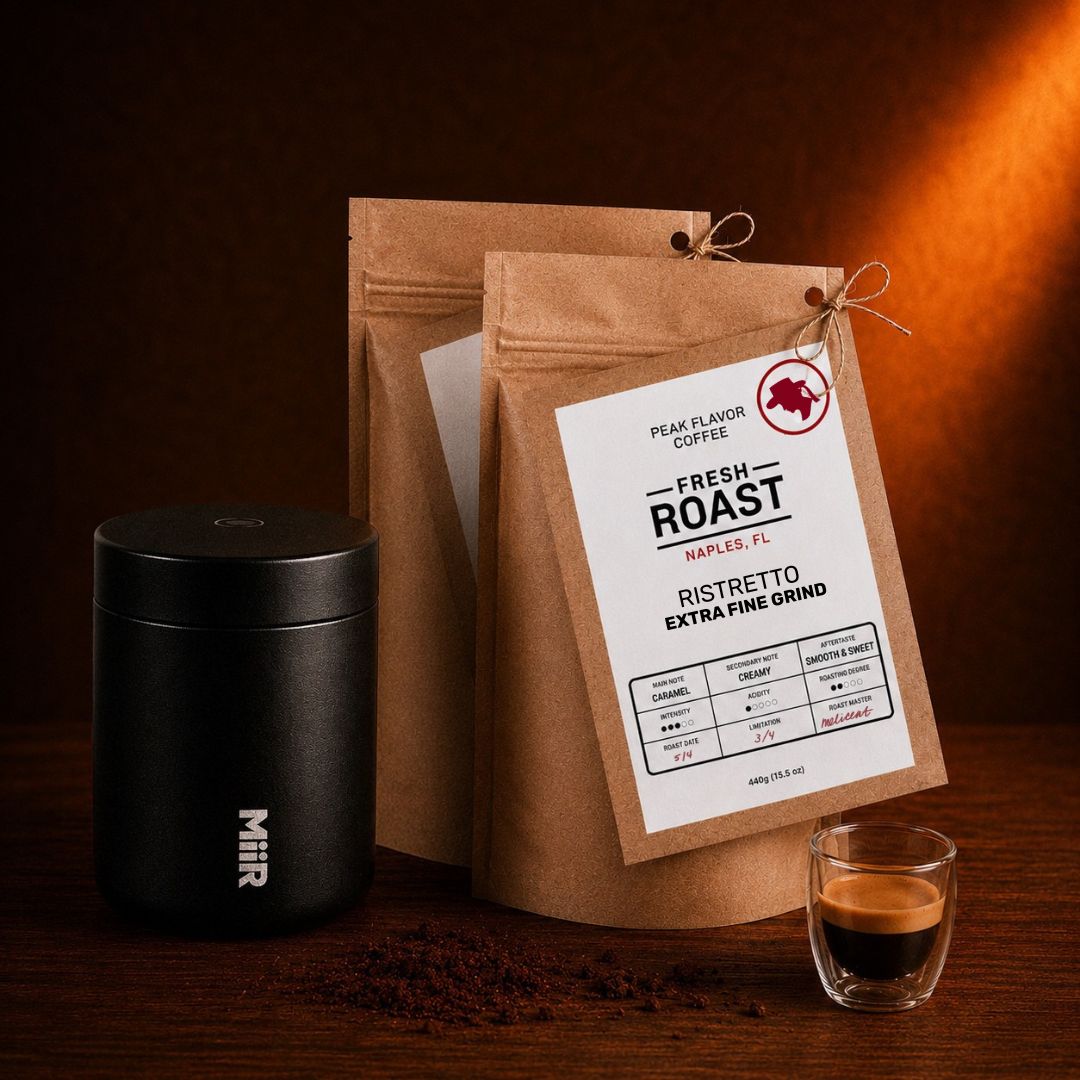
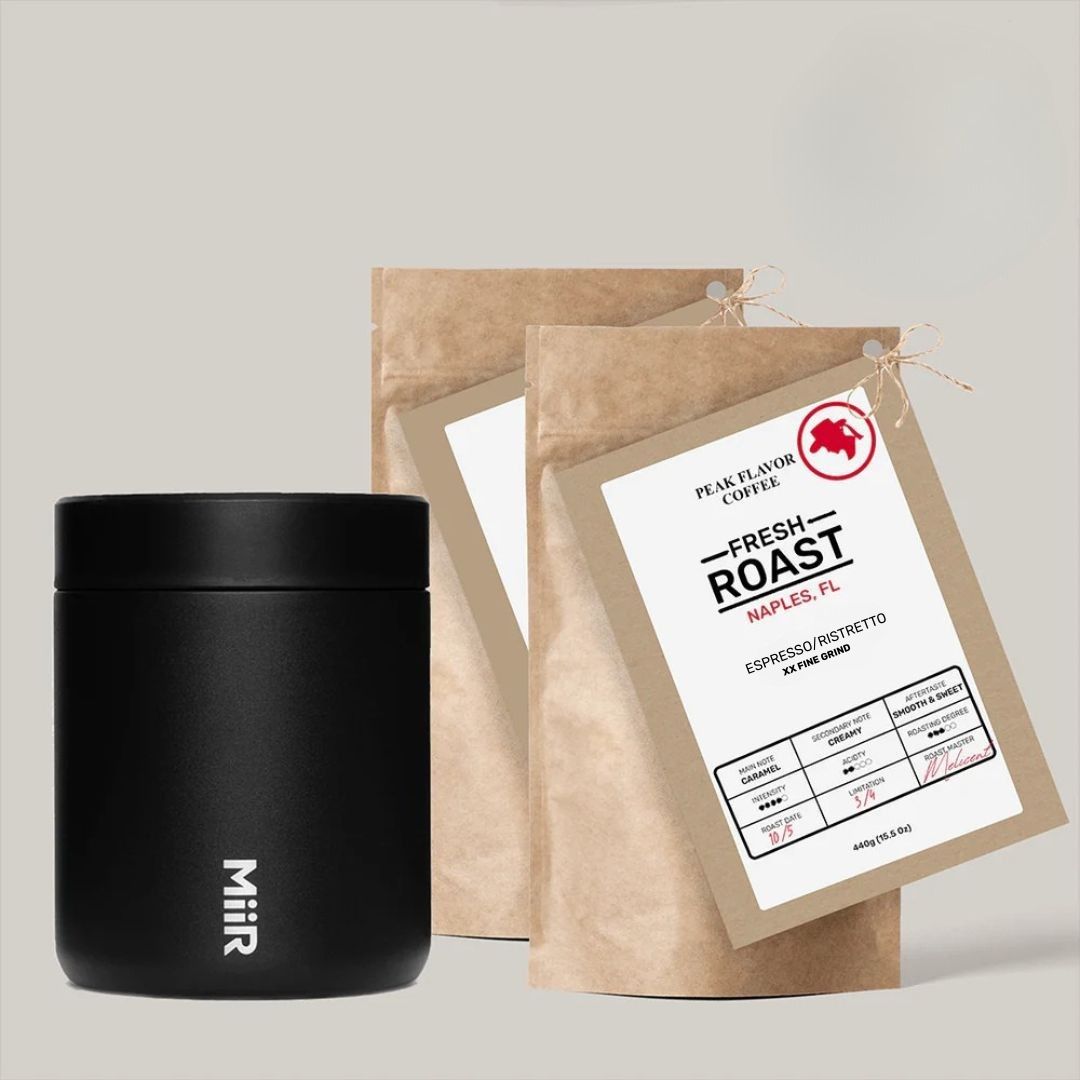
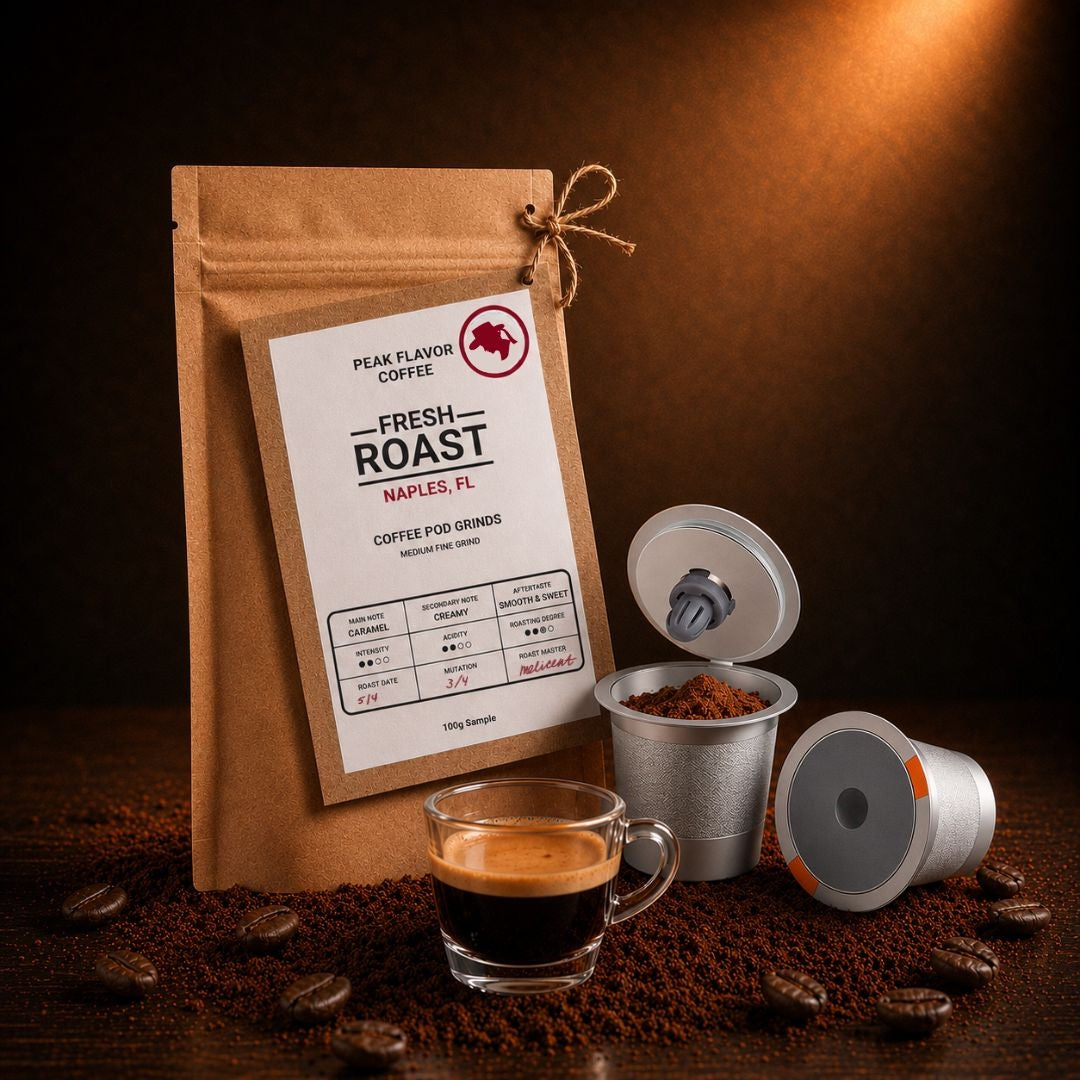
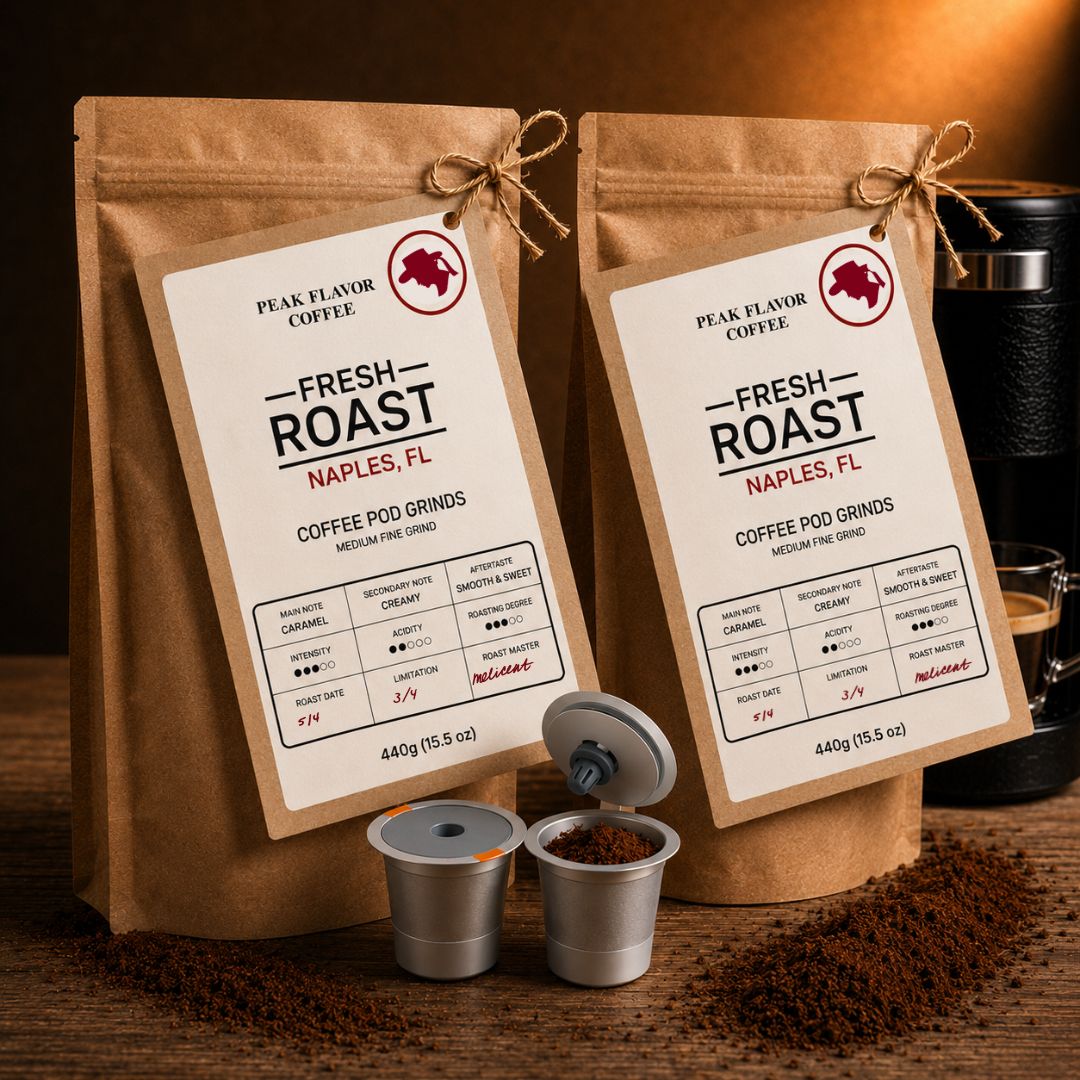
To see the physical extraction requirements in depth or to shop our collection, explore our comprehensive Italian ristretto shot guide. You can Shop Peak Flavor's pre-ground 250-micron ristretto coffee today to experience true barista craftsmanship, or grab an introductory trial size bag of our ristretto beans to brew 10 flawless shots for just $9.95 (with Free Shipping) on your home machine!
FAQ: Home Barista's Also Ask
What type of coffee beans work best for a ristretto shot?
The best coffee beans for a restricted pull are high-altitude, specialty-grade Arabica varieties blended with a precise splash (around 15%) of premium Robusta. High-grown Arabica beans develop concentrated natural sugars that dissolve immediately into the short stream, while the Robusta adds structural body and a thick crema layer. Choosing the right bean profile is especially critical if you enjoy milk-based drinks and are deciding between a ristretto flat white vs espresso base for your morning routine.
Why does a ristretto shot taste less bitter than a standard espresso?
A ristretto tastes significantly sweeter and less bitter because its short brewing cycle deliberately cuts off the final extraction phase where harsh, astringent plant matter dissolves. High-pressure water extracts bright acids and natural caramelized sugars first, leaving the heavy bitterness behind in the coffee puck. For a complete chemical breakdown of how extraction timelines and water volume affect your flavor profile, explore our full guide on ristretto vs espresso chemistry.
Can I pull a proper ristretto shot using standard espresso beans and grinds?
While you can use the same high-quality espresso beans, you cannot use a standard espresso grind size. A typical espresso grind (around 350 microns) is too coarse for a short shot, causing the water to rush through too fast and leaving you with a sour, thin liquid. A true ristretto requires a finer 250-micron grind to naturally restrict water flow and build proper hydraulic back-pressure. To learn how to dial in your grinder and calibrate your machine perfectly, browse our home barista questions.