



Top 5 Questions about Italian Ristretto to Prove it's more than just Hipster Coffee Marketing
Spend ten minutes browsing specialty coffee forums, and you will notice a recurring theme: home baristas love to debate extraction physics. Somewhere between analyzing TDS metrics and tweaking temperature curves, the classic ristretto shot frequently gets caught in the crossfire.
Skeptics argue that the short shot is just pretentious marketing—a clever trick cafes use to charge full price for half the liquid. Meanwhile, purists swear it represents the absolute peak of Italian coffee craftsmanship.
Italian coffee experts consider typical Ristretto to be the best base for milk-based espresso drinks such as cappuccino, cortado, and latte macchiato.
To settle the debate, let's unpack the top five questions home baristas ask about the ristretto on public fora, looking past the hype to see how real extraction science transforms premium ground coffee into liquid gold.

1. Is a Ristretto Just a Lazy, Cut-Short Espresso Shot?
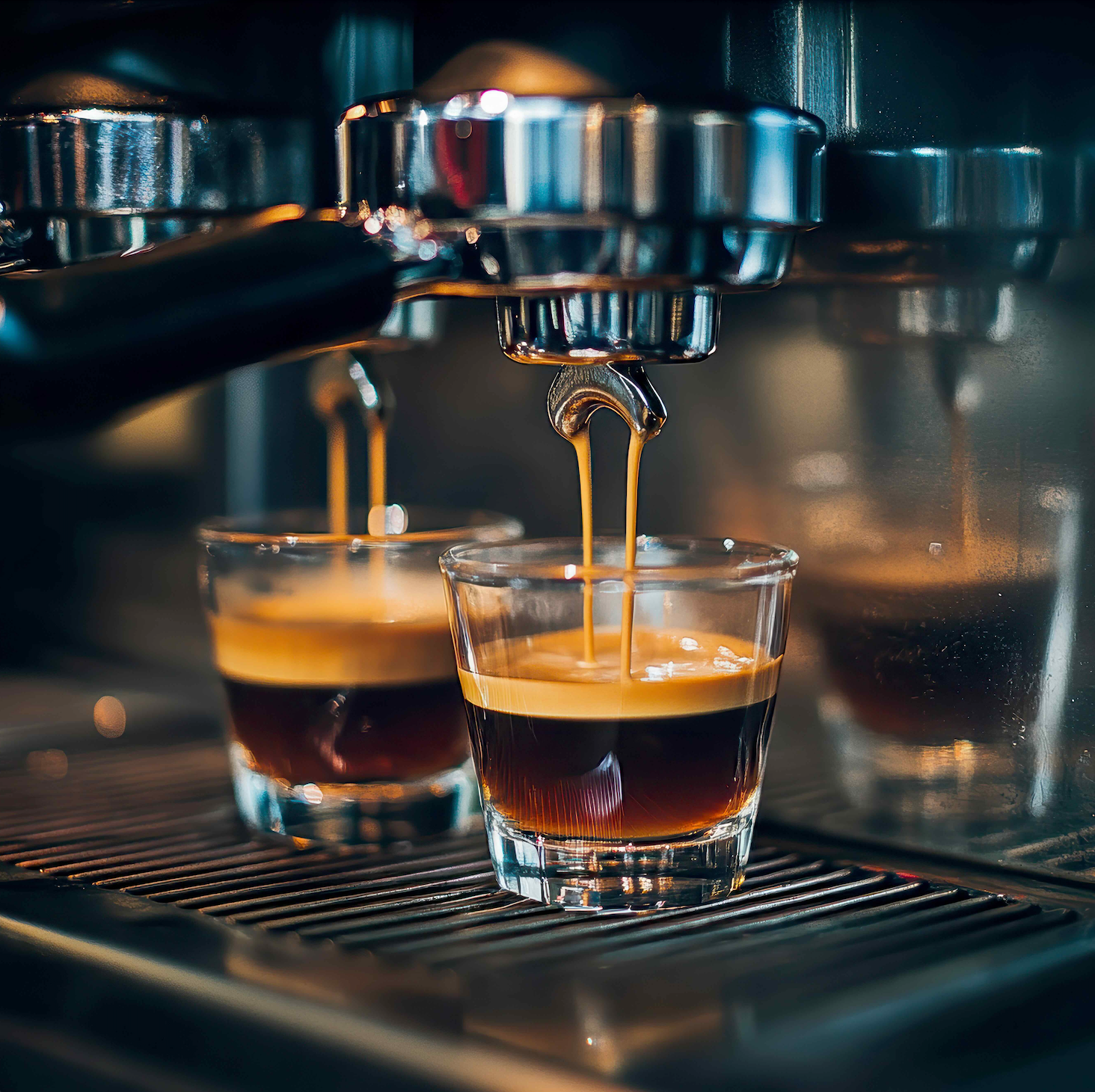
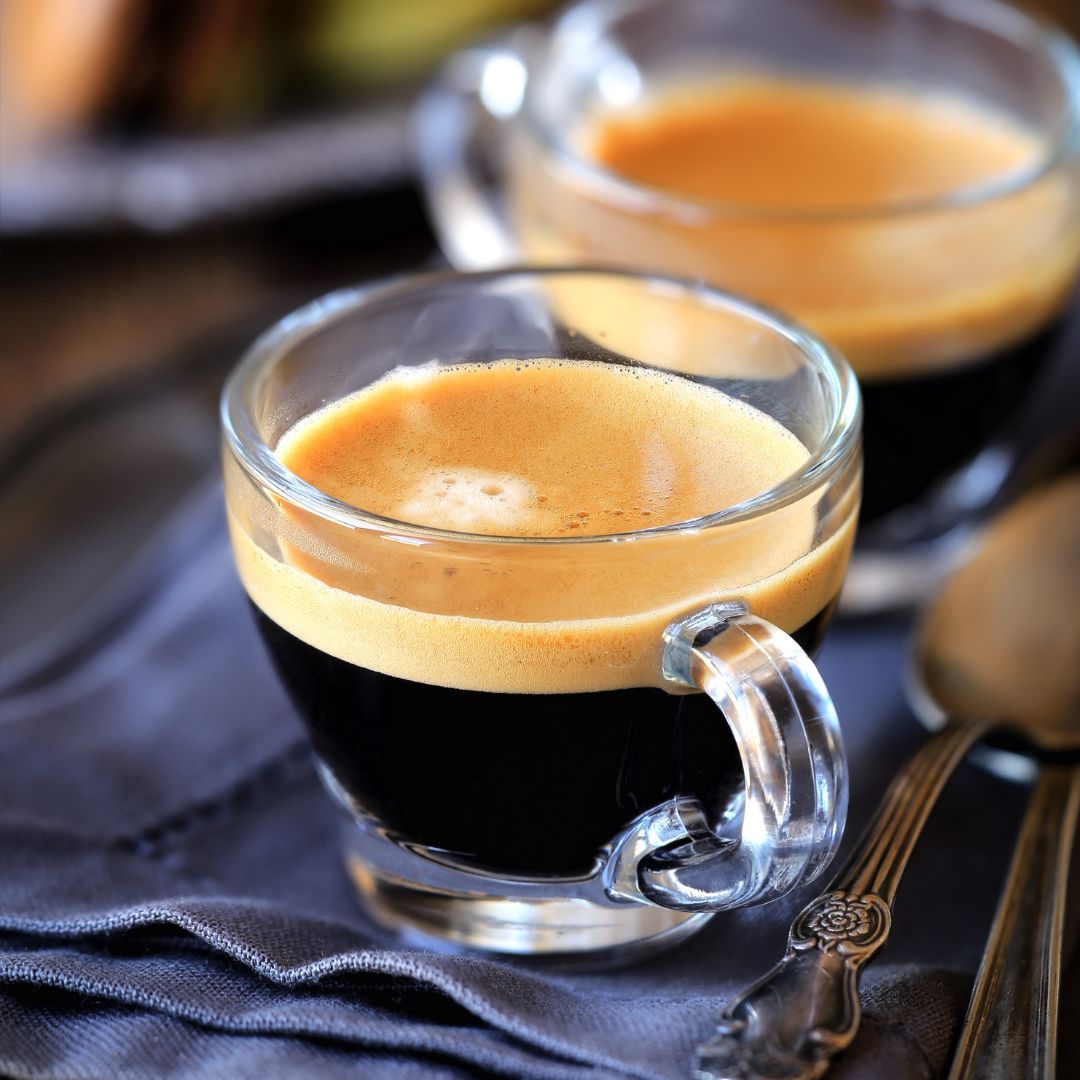
The short answer is no—at least, it shouldn't be. In standard terminology, a regular espresso uses a 1:2 brew ratio (e.g., 18g of coffee grounds yielding 36g of liquid). A ristretto cuts that restriction down to a tight 1:1 or 1:1.5 ratio.
However, pulling an authentic Italian ristretto isn't as simple as stopping your machine's pump at the 15-second mark. Doing that to a standard grind yields a sour, under-extracted mess.
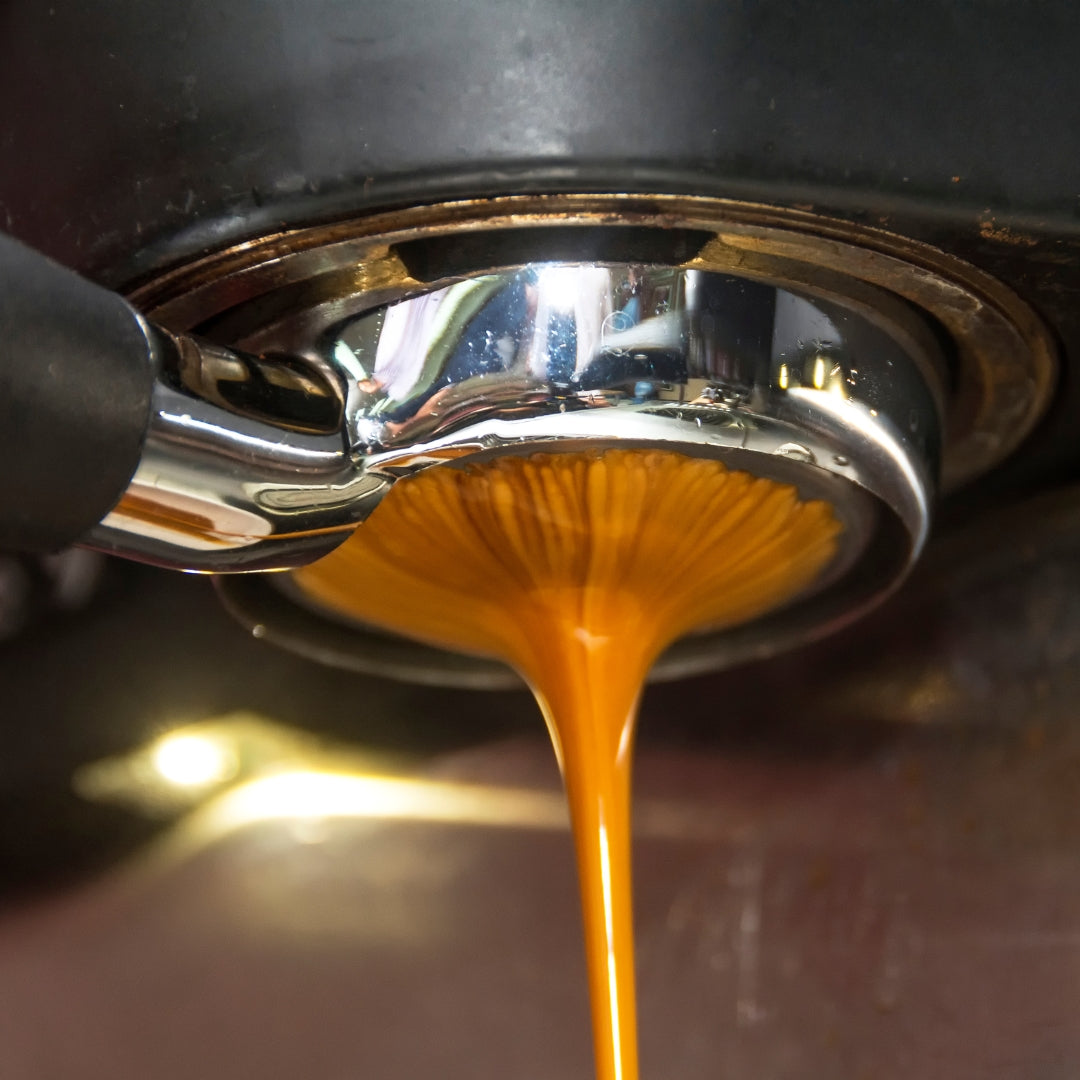
True ristretto brewing requires selecting the right espresso beans, increasing your dose, or tightening your grind to keep extraction time around 25 to 30 seconds.

2. Why Does a Shorter Shot Taste So Much Sweeter?
The secret to naturally sweet ristretto brewing lies in extraction kinetics. Flavor compounds do not dissolve at the same speed. The intense fruit sugars, vibrant organic acids, and rich, syrupy oils dissolve within the first few seconds of brewing. The harsh, woody, and bitter elements only emerge at the end of the cycle.
By restricting the total fluid volume, you capture the peak sweetness of your organic coffee and stop the extraction before the bitter components can escape into the cup. When working with exceptional arabica coffee beans, this restricted brewing method highlights intense notes of dark chocolate and honeyed caramel that are often lost in a larger volume. Explore the science about espresso extraction kinetics.

⚠️ The Precision Problem:
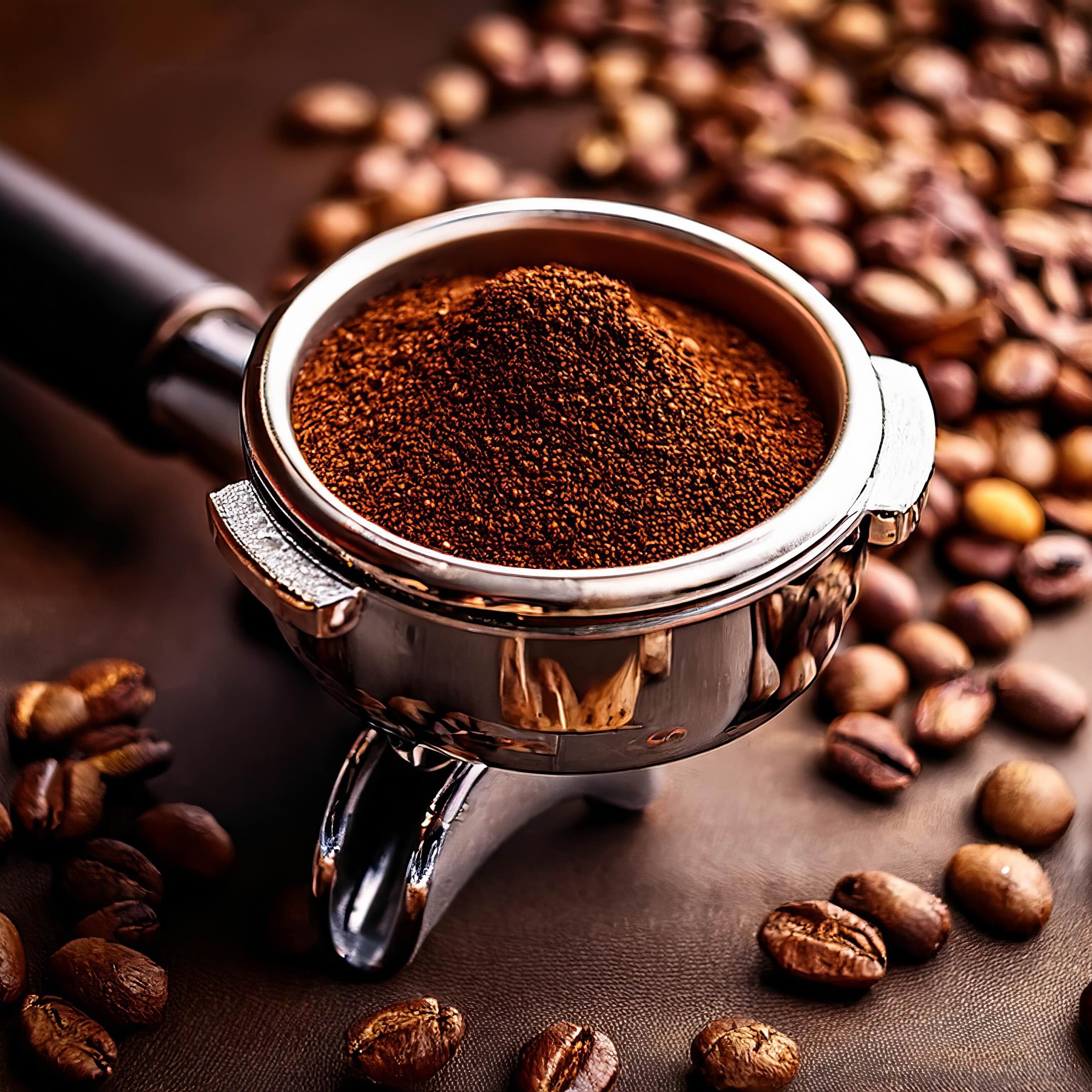
If your home grinder can't hit a perfectly uniform 250 microns, your shot will taste thin and sour.
Because a ristretto relies on massive hydraulic resistance, a low-grade or conventional grinder will create microscopic "fines" that clog your machine and "boulders" that cause water to channel violently, completely ruining the extraction.
3. Does it Really Make a Better Flat White or Latte?
Yes, Ristretto's concentrated caramel notes slice through steamed milk for a richer, naturally sweeter milk-based espresso drink.
This is one of the most popular debates on social platforms. Home baristas frequently jump onto community threads to share flat white recipes, discussing whether swapping a standard double shot for a double ristretto produces a superior beverage.
The consensus? Absolutely. Because a ristretto has less water, its heavy texture and concentrated, caramel-like notes slice straight through steamed milk. This creates a balanced, naturally sweet flat white, cappuccino, latte macchiato, or cortado without requiring a single grain of added sugar.

4. Will a Ristretto Reduce My Morning Caffeine Intake?
Surprisingly, yes—but only slightly. Because caffeine is highly water-soluble, the vast majority of it extracts right away when water hits the puck.
However, since a ristretto cuts off the final phase of the pour, it leaves behind the trailing remnants of caffeine that dissolve later in a standard volume. You still get a strong morning jolt, but with slightly less total caffeine mass than a full lungo or normale.
Understand why ristretto has a little less caffeine than espresso before your next brew.
5. Why are Premium Espresso Beans Essential for this Shot?
A ristretto acts like a magnifying glass for coffee quality. If you use cheap, stale, or poorly roasted commodity coffee, its structural defects will taste incredibly harsh when concentrated at a 1:1 ratio.
To pull a sweet, heavy shot, you need premium espresso beans specifically roasted for balanced espresso profiles. High-grade specialty coffee thrives under low water volumes because the beans have been carefully cultivated and roasted to yield maximum body, low acidity, and deep tasting notes.
Want to see this extraction physics in action? Check out our quick video breakdown on how to identify naturally sweet Italian ristretto coffee beans.
To achieve this level of flavor clarity, using fresh roasted coffee is entirely non-negotiable. As coffee ages, it loses the trapped carbon dioxide gases required to build a dense, protective crema layer. Without these fresh gases, water punches uneven channels through your espresso grounds, destroying the syrupy mouthfeel that defines real Italian coffee.
The Verdict: The Home Espresso Challenge
The ristretto is definitely worth the hype, but it uncovers a major structural issue for the home enthusiast. Pulling an authentic ristretto at home is notoriously difficult because standard residential equipment and consumer-grade coffee grinders simply cannot mimic the extreme uniformity and mechanical standards of commercial Italian café machinery. Without commercial-grade precision, your short shots will almost always default to being frustratingly sour or bitterly choked.
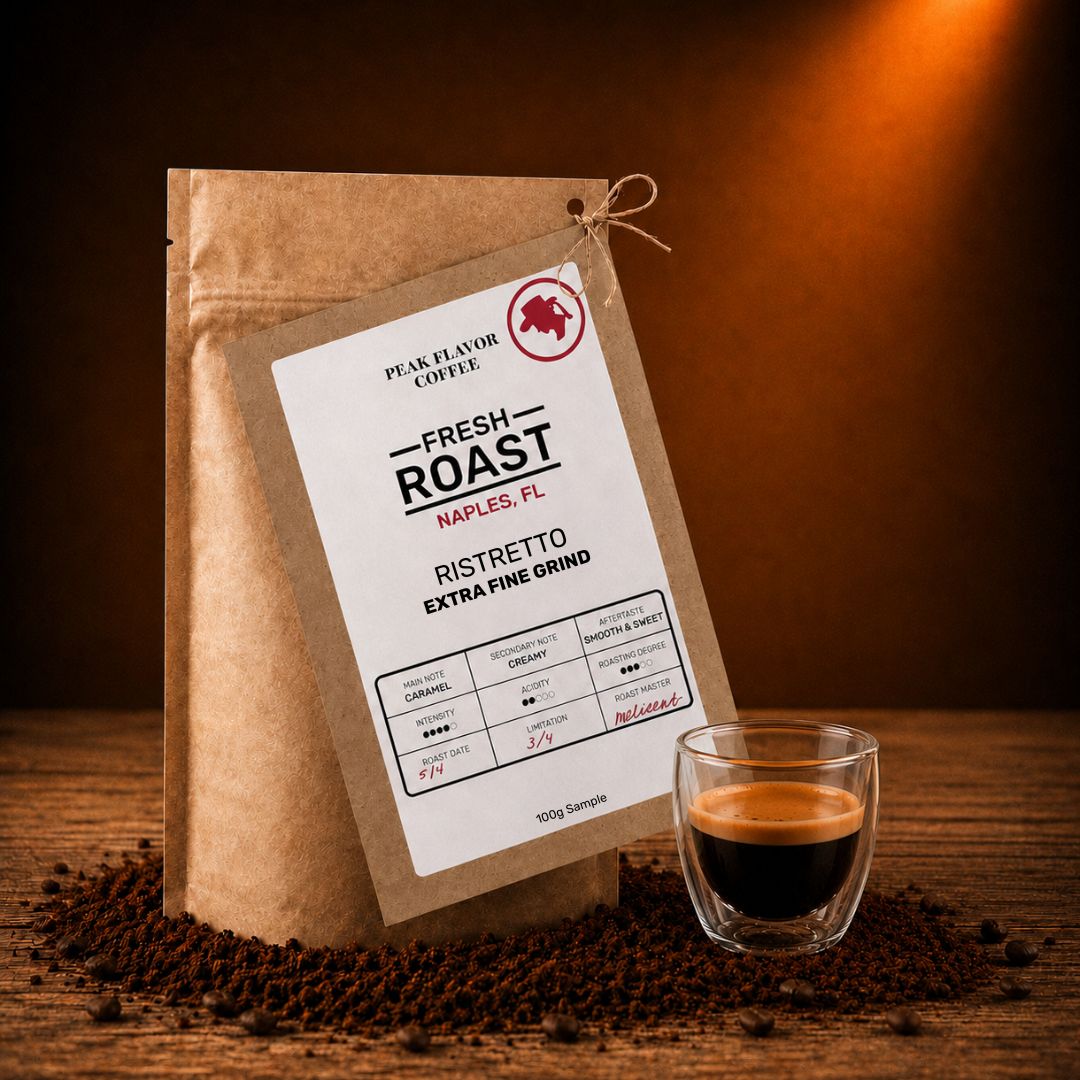
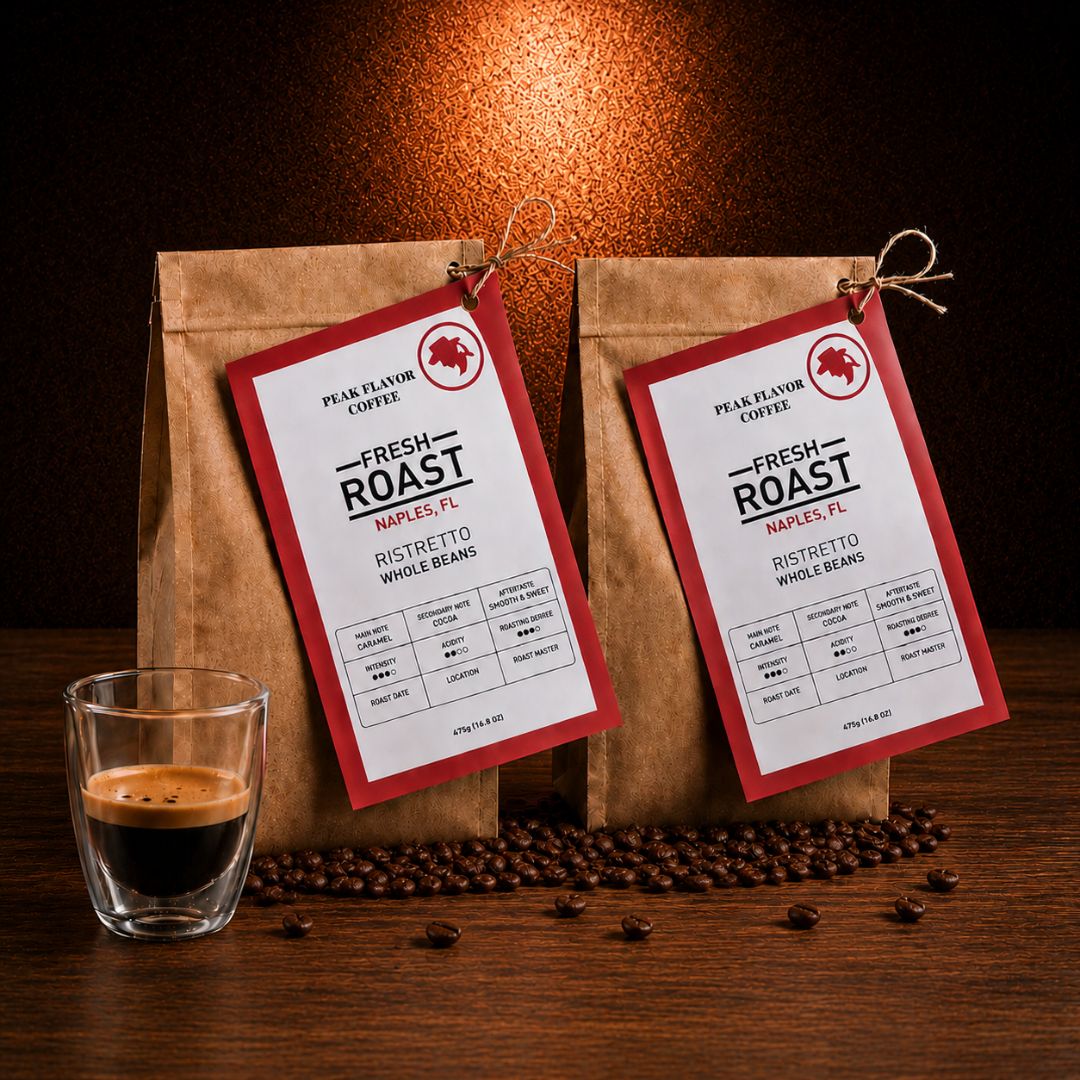
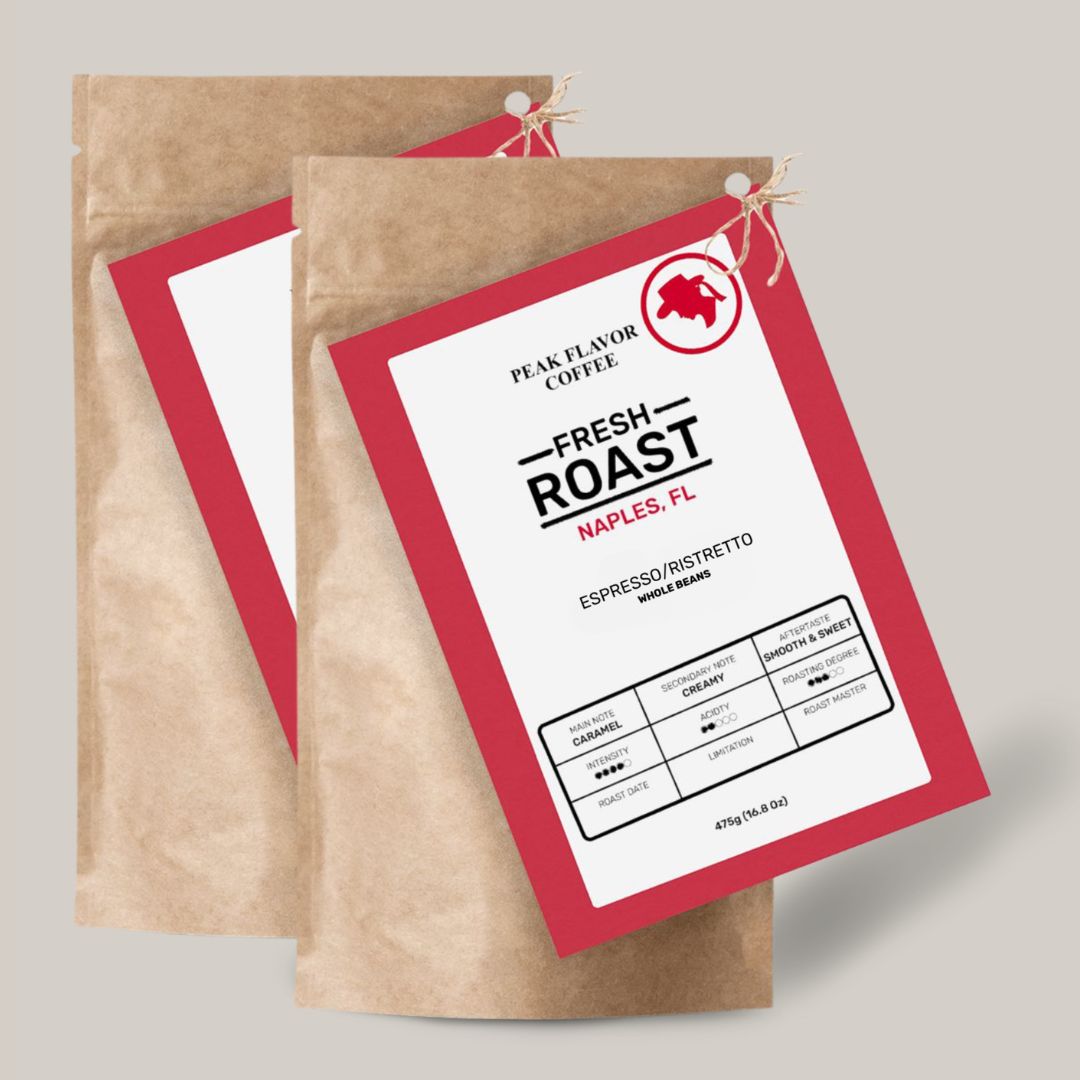
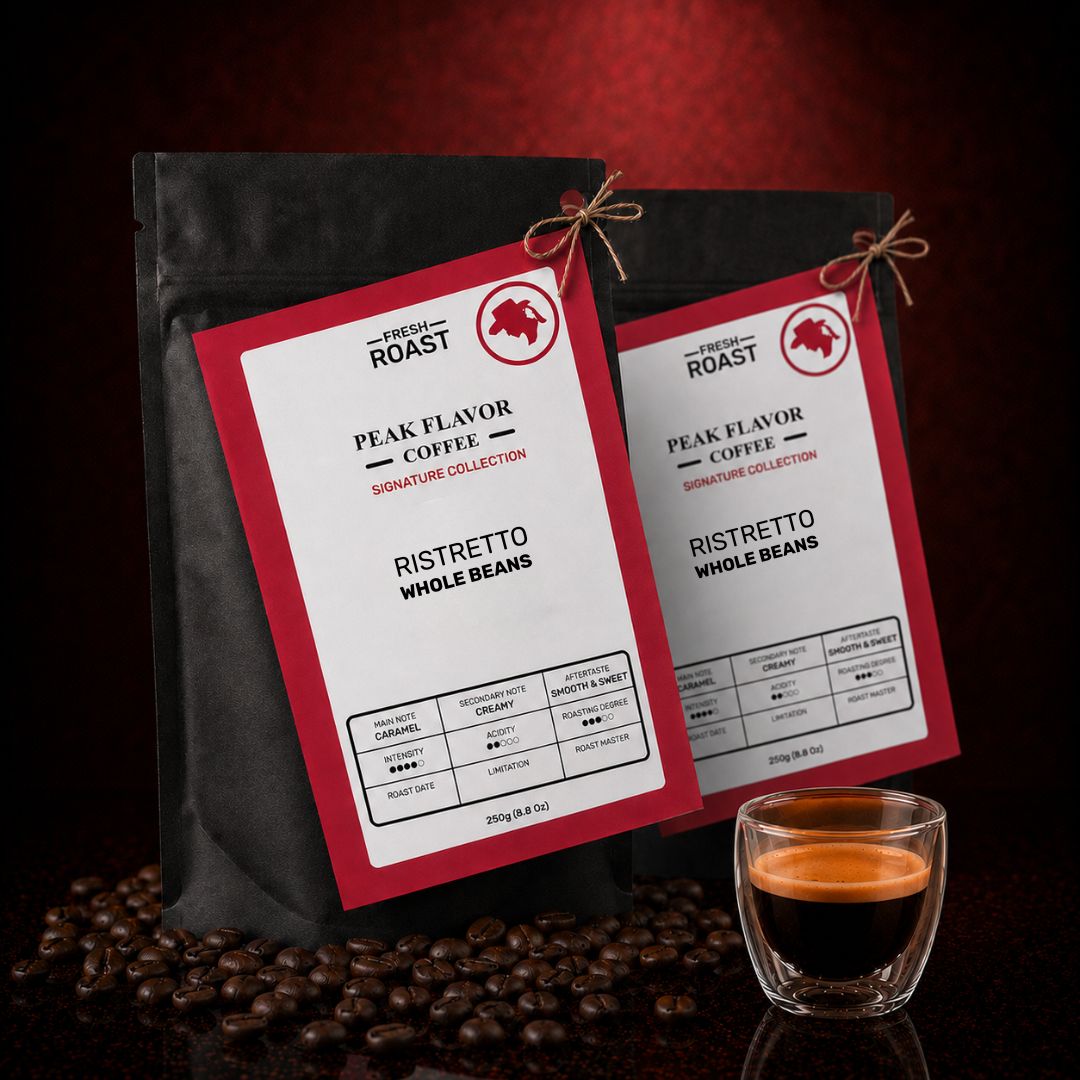
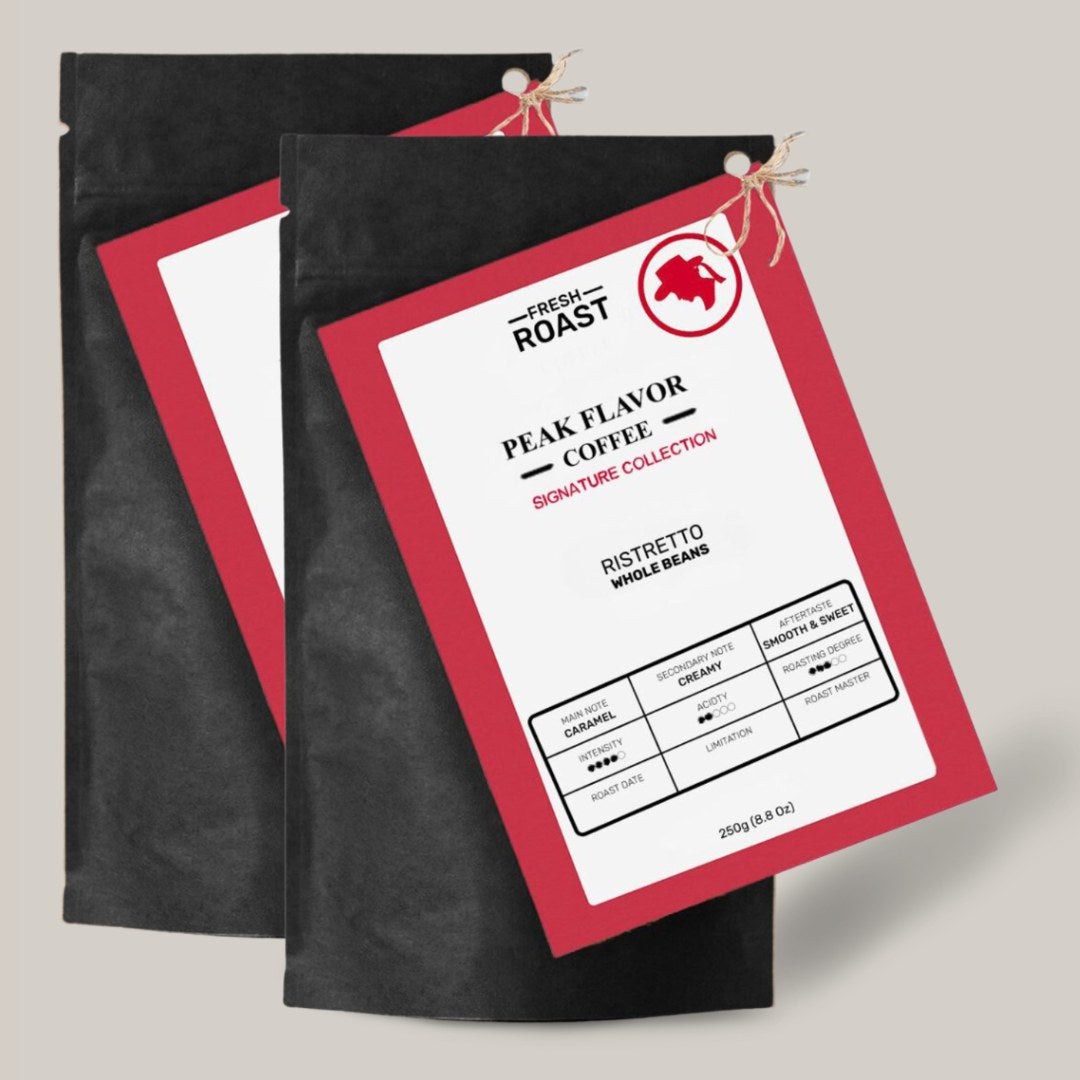
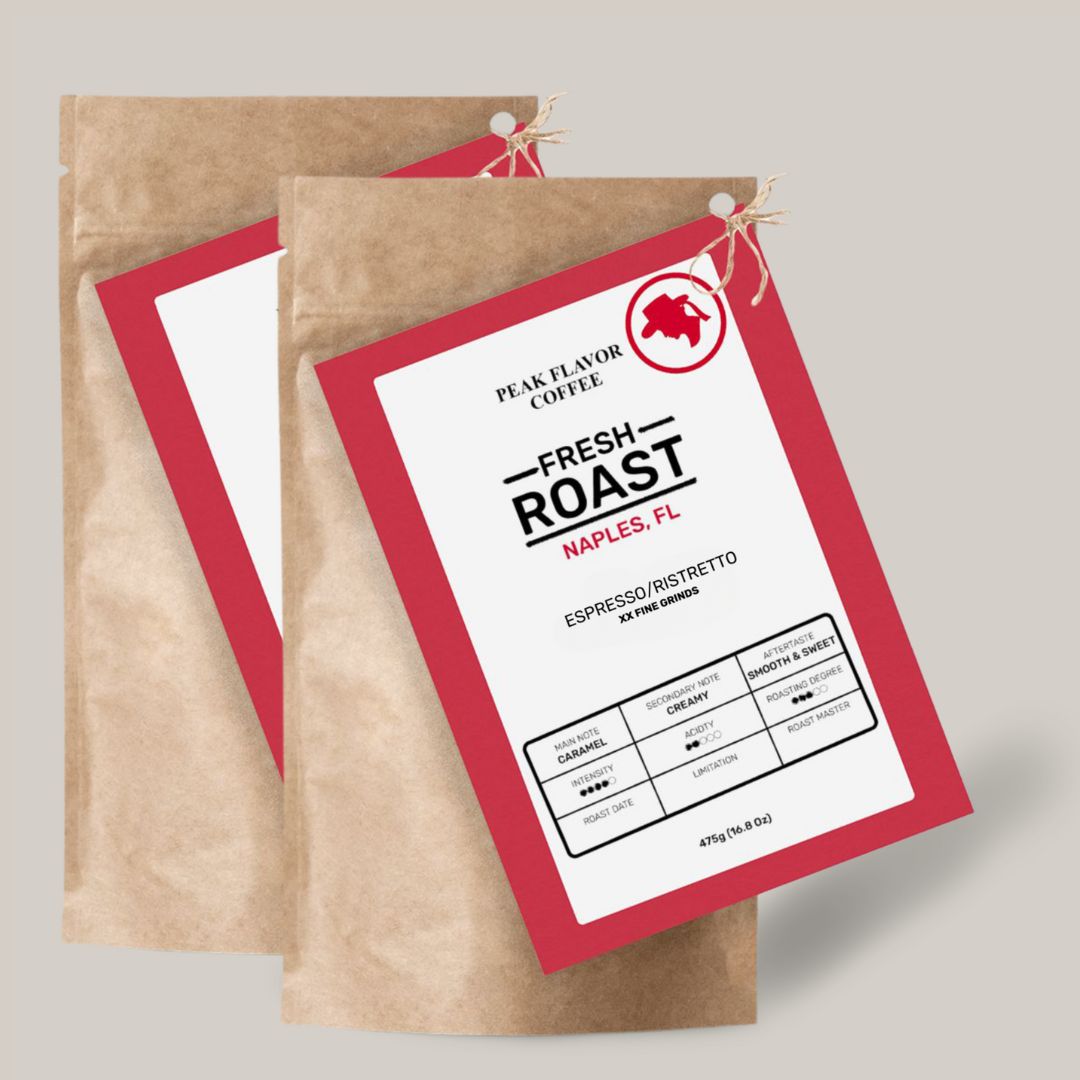
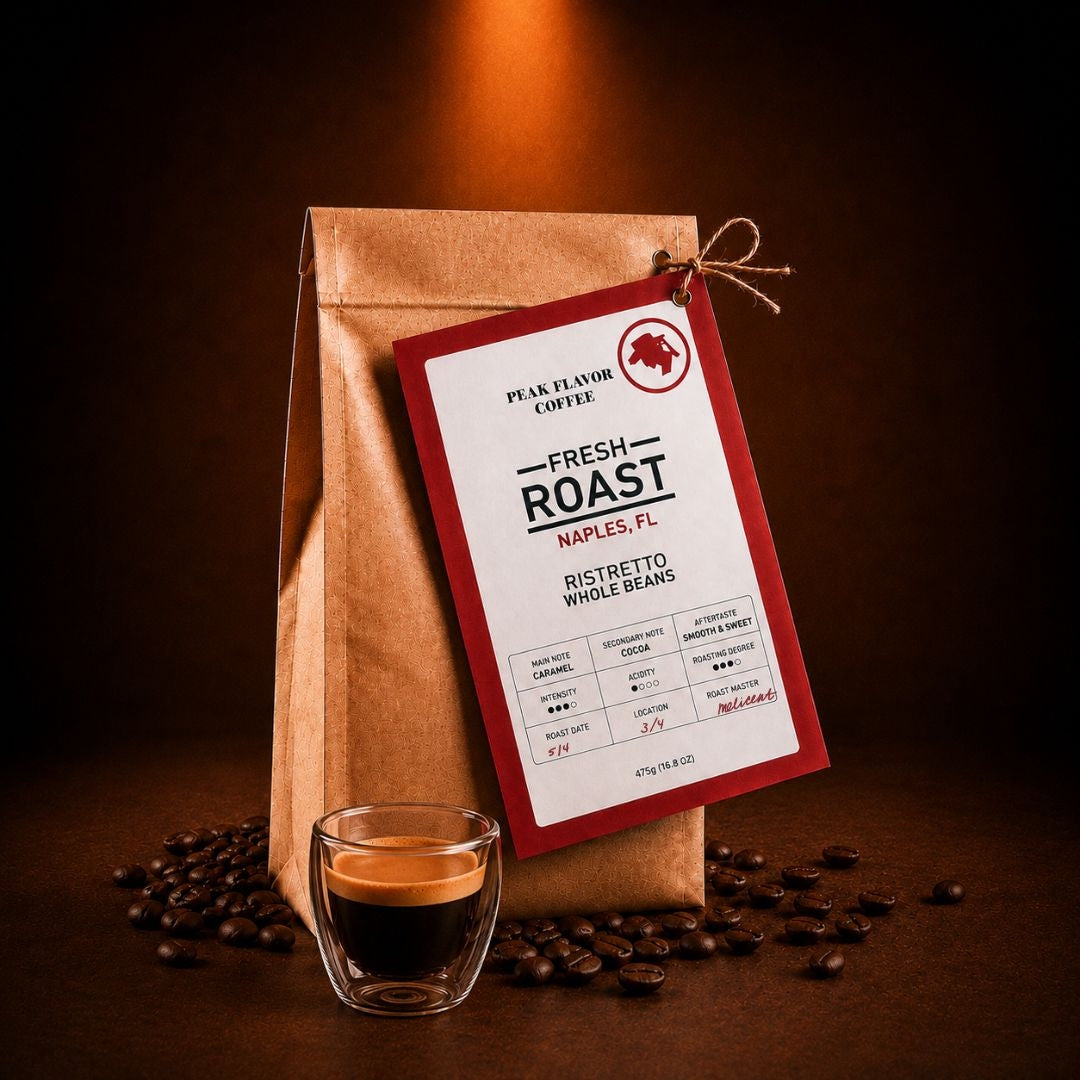
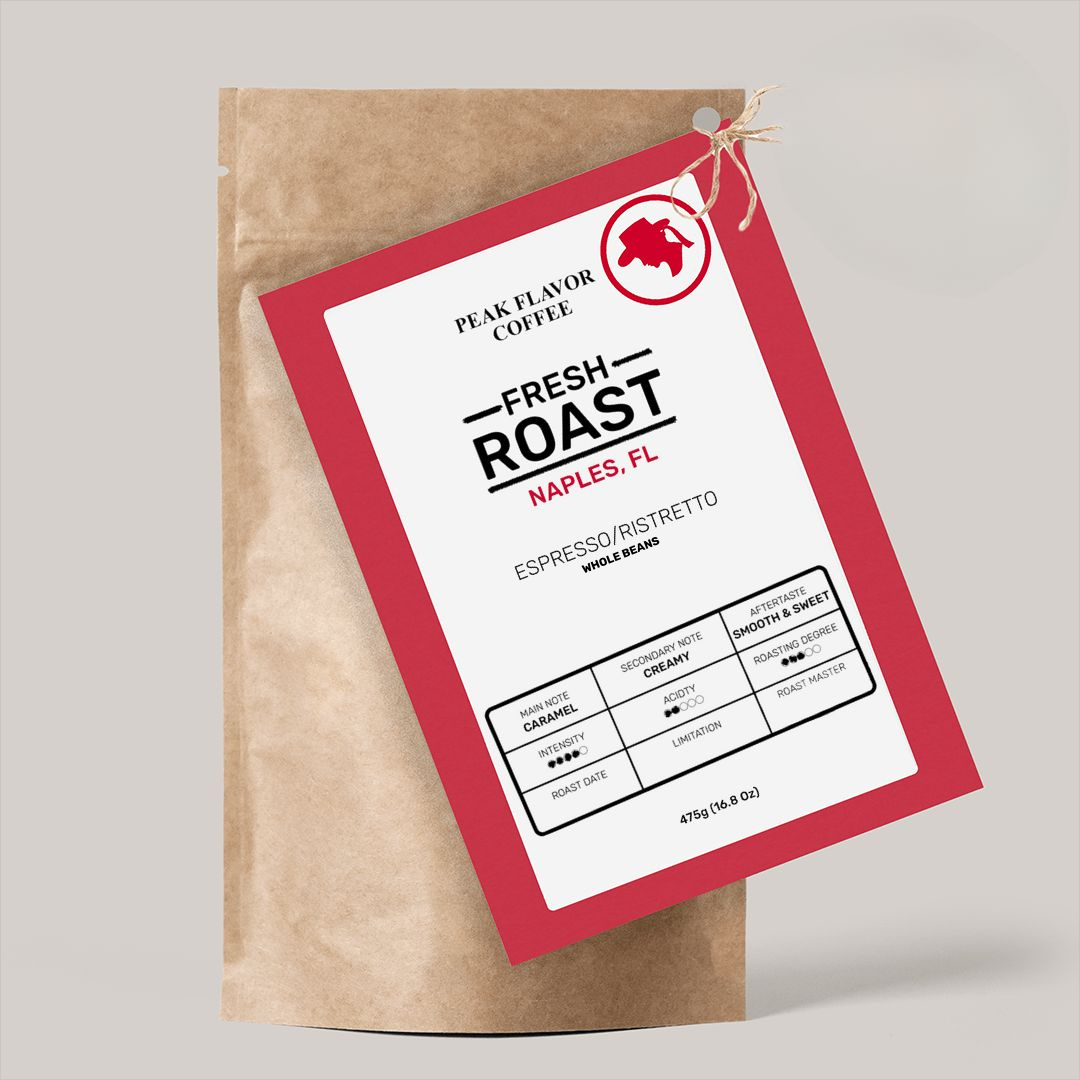
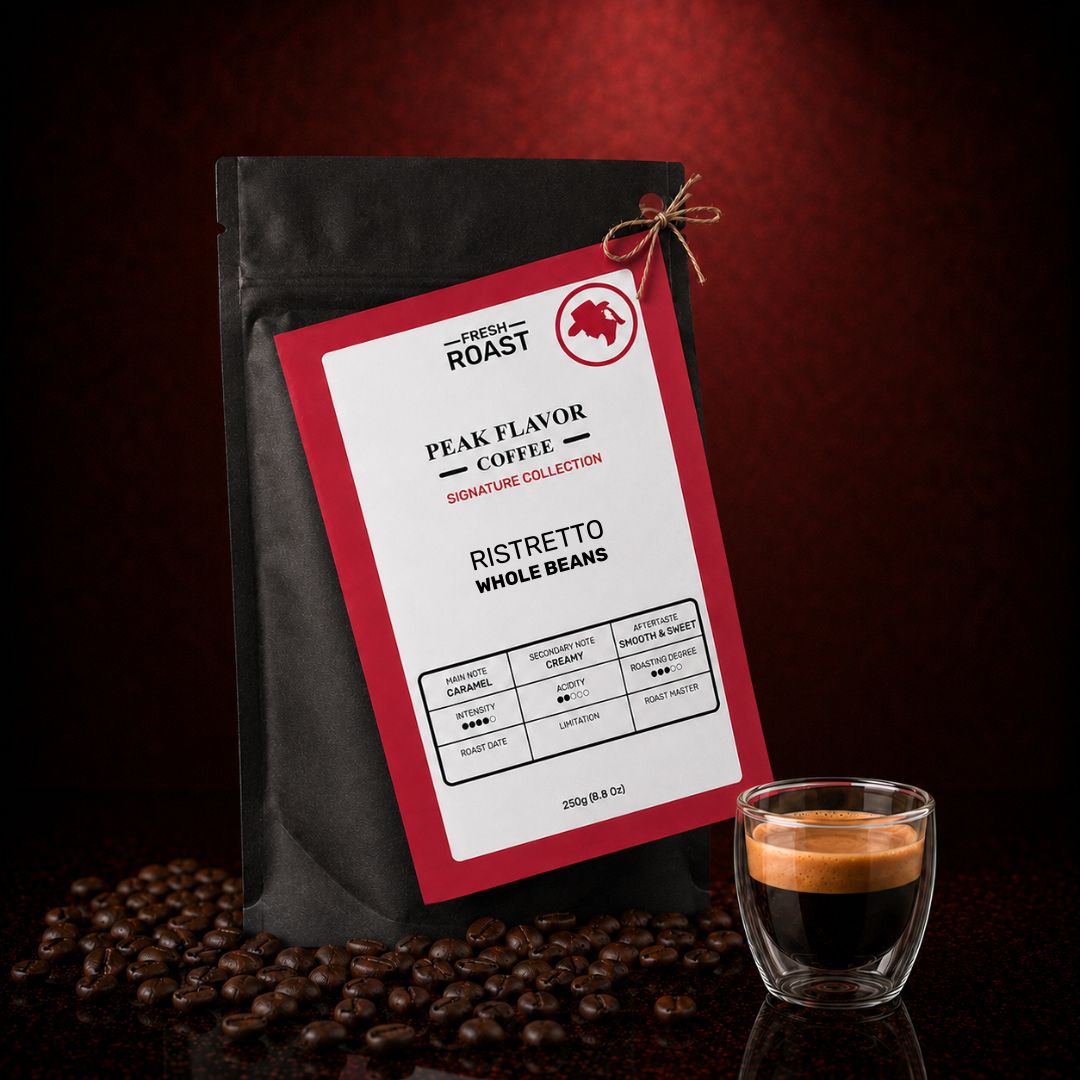
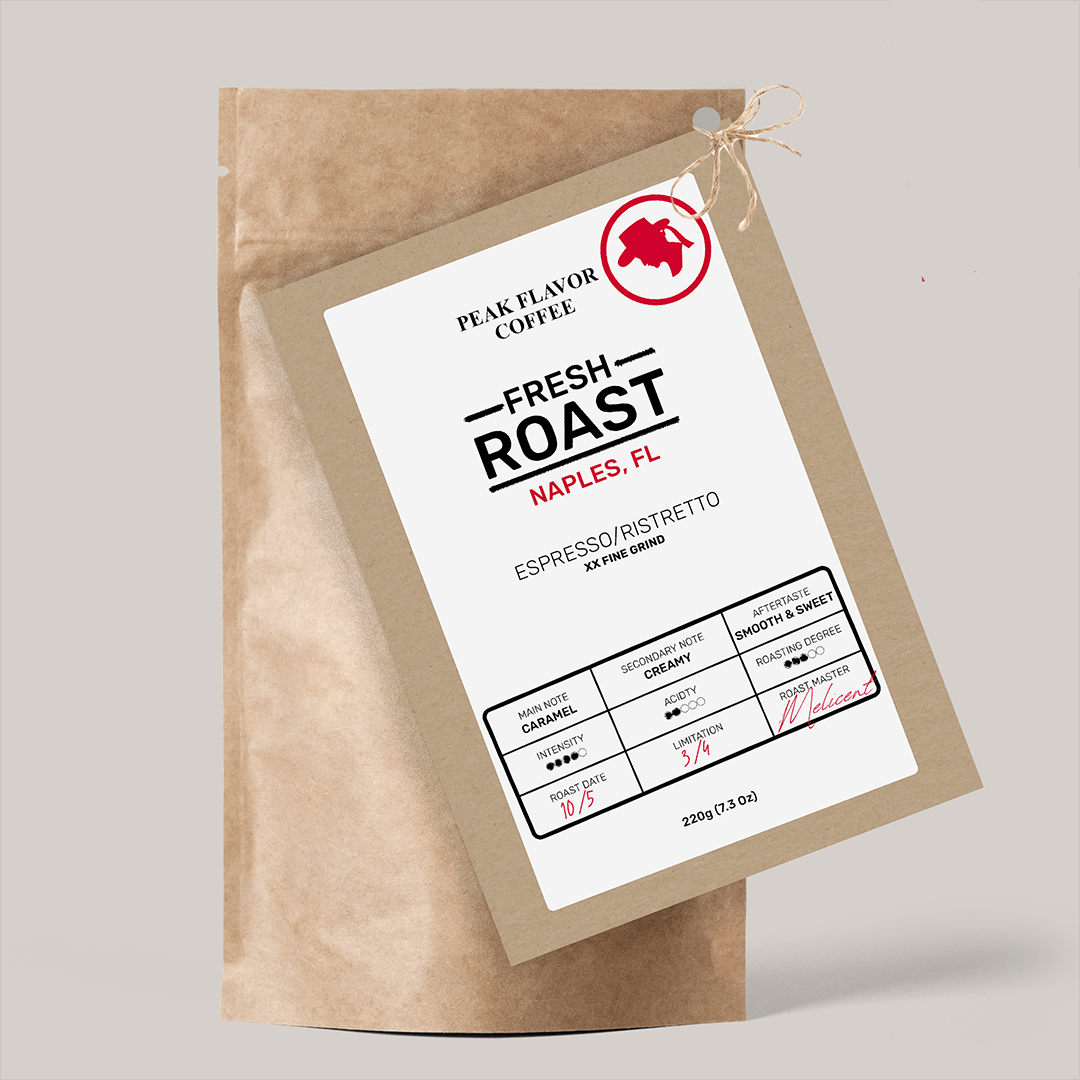
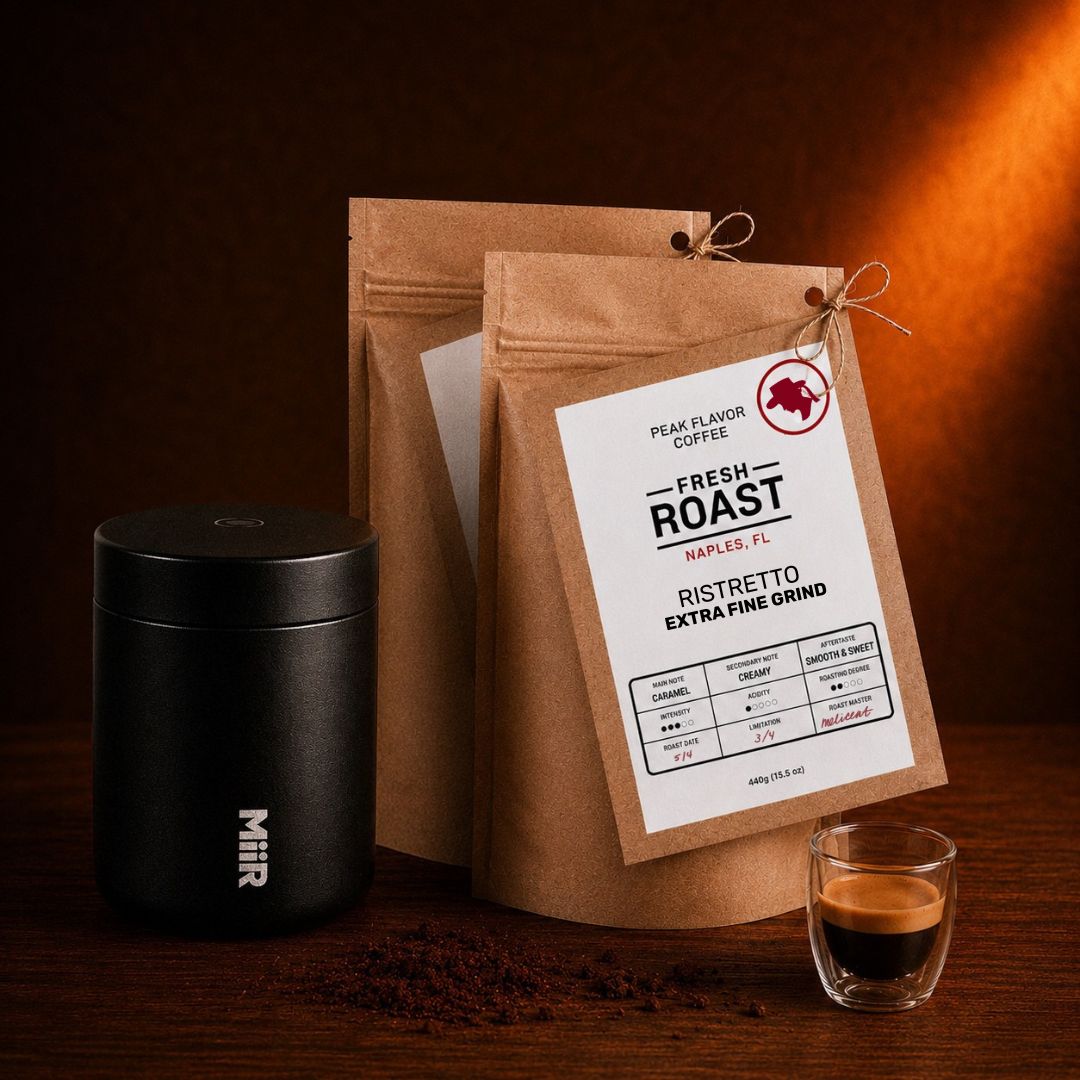
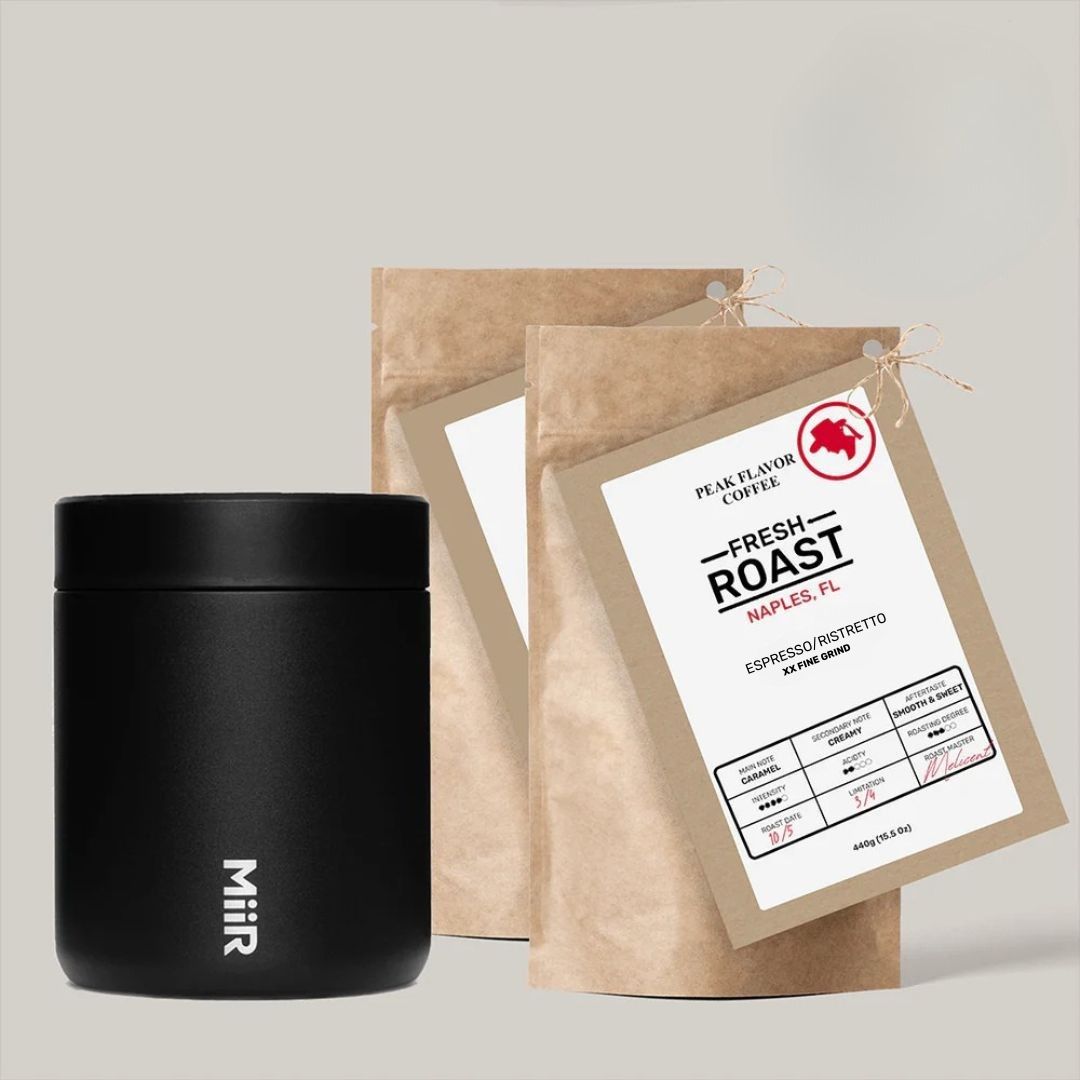
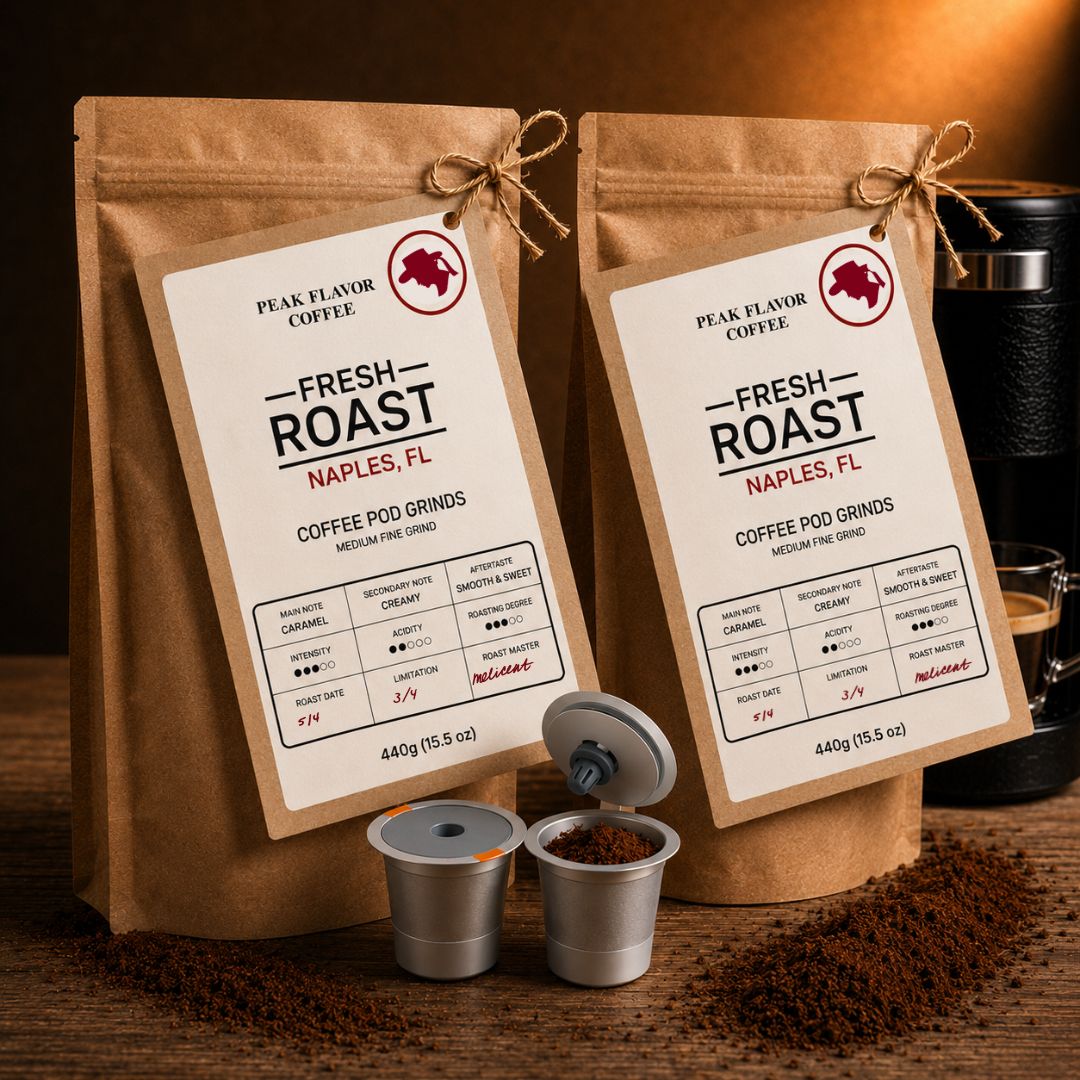
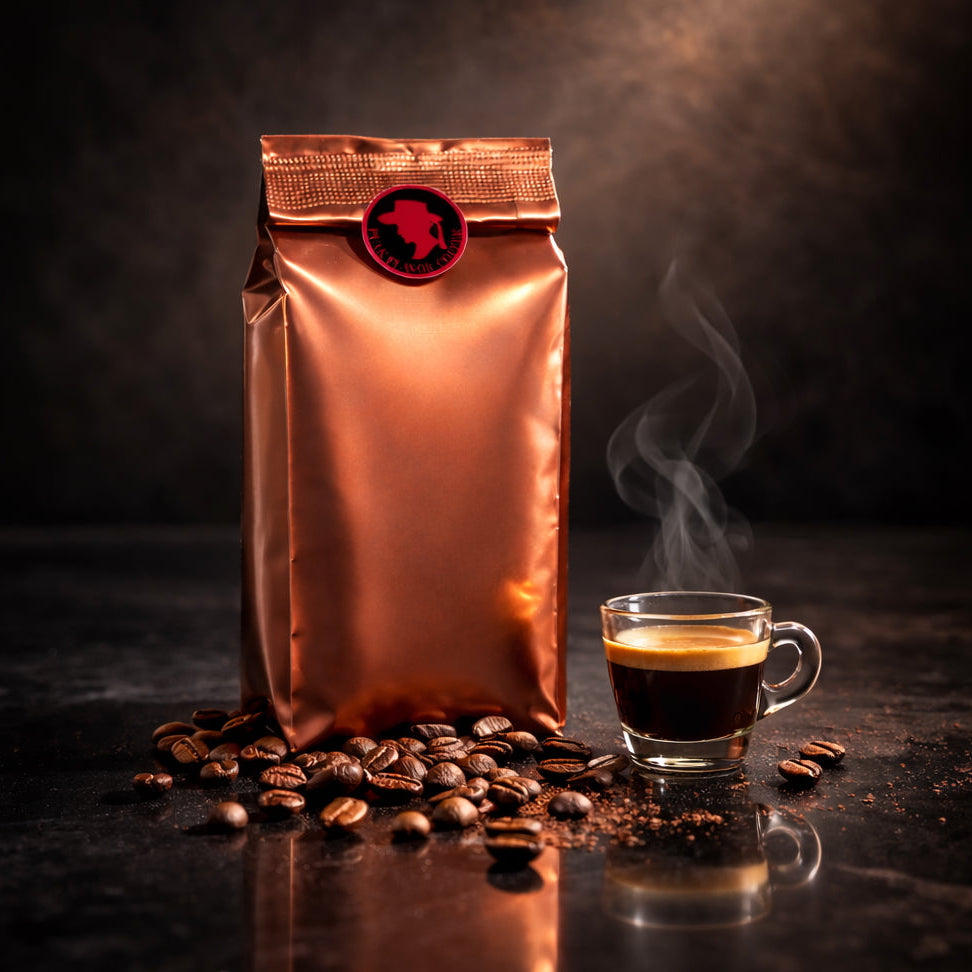
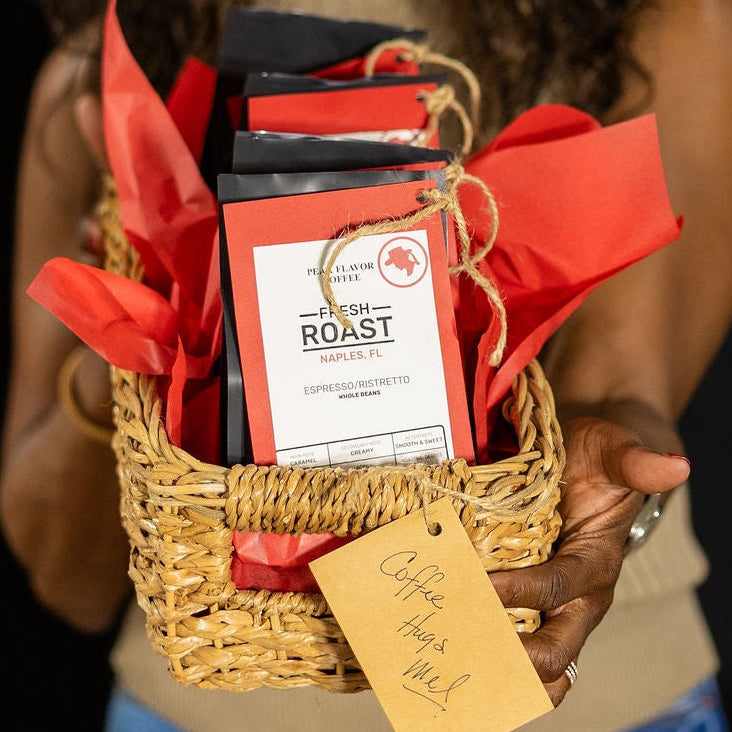
That's why we craft ristretto for your home espresso machine. Why wait with pulling your first ristretto shot? Grab a trial size ristretto beans or ristretto coffee grounds today and brew 10 shots for only $9.95 (Free Shipping)

Upgrade Your Home Espresso Setup
Stop fighting the frustrating trial-and-error of dialing in your home grinder.
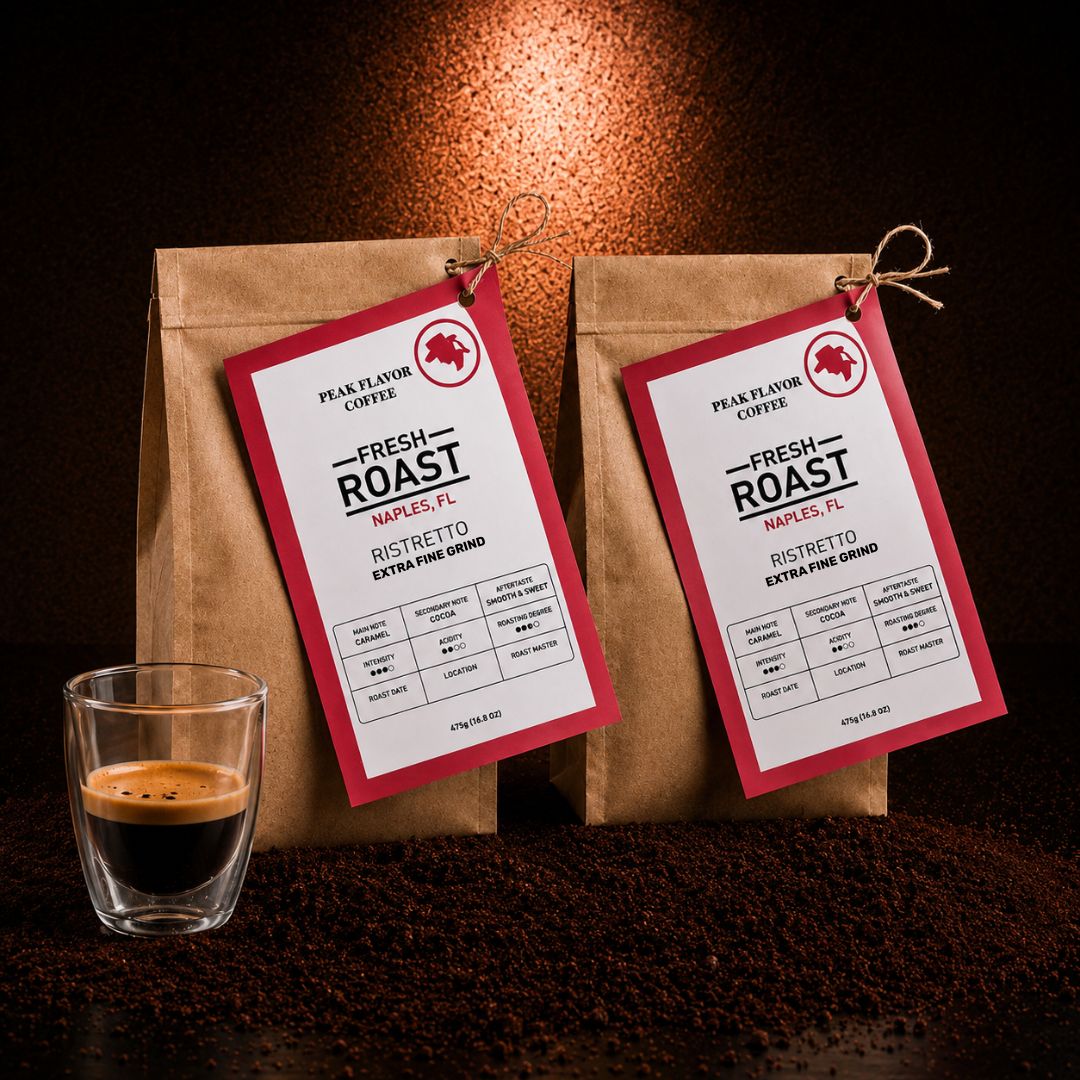
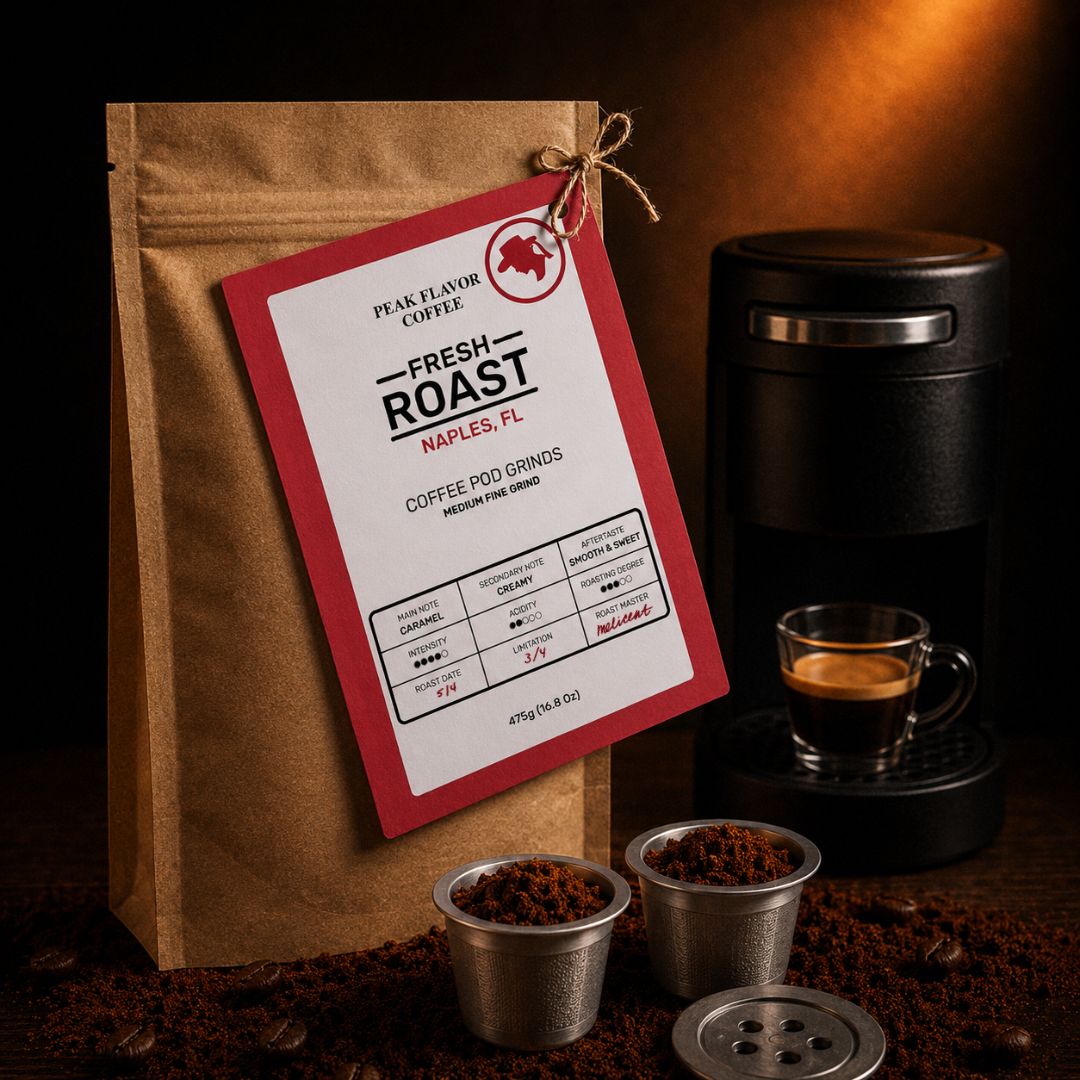
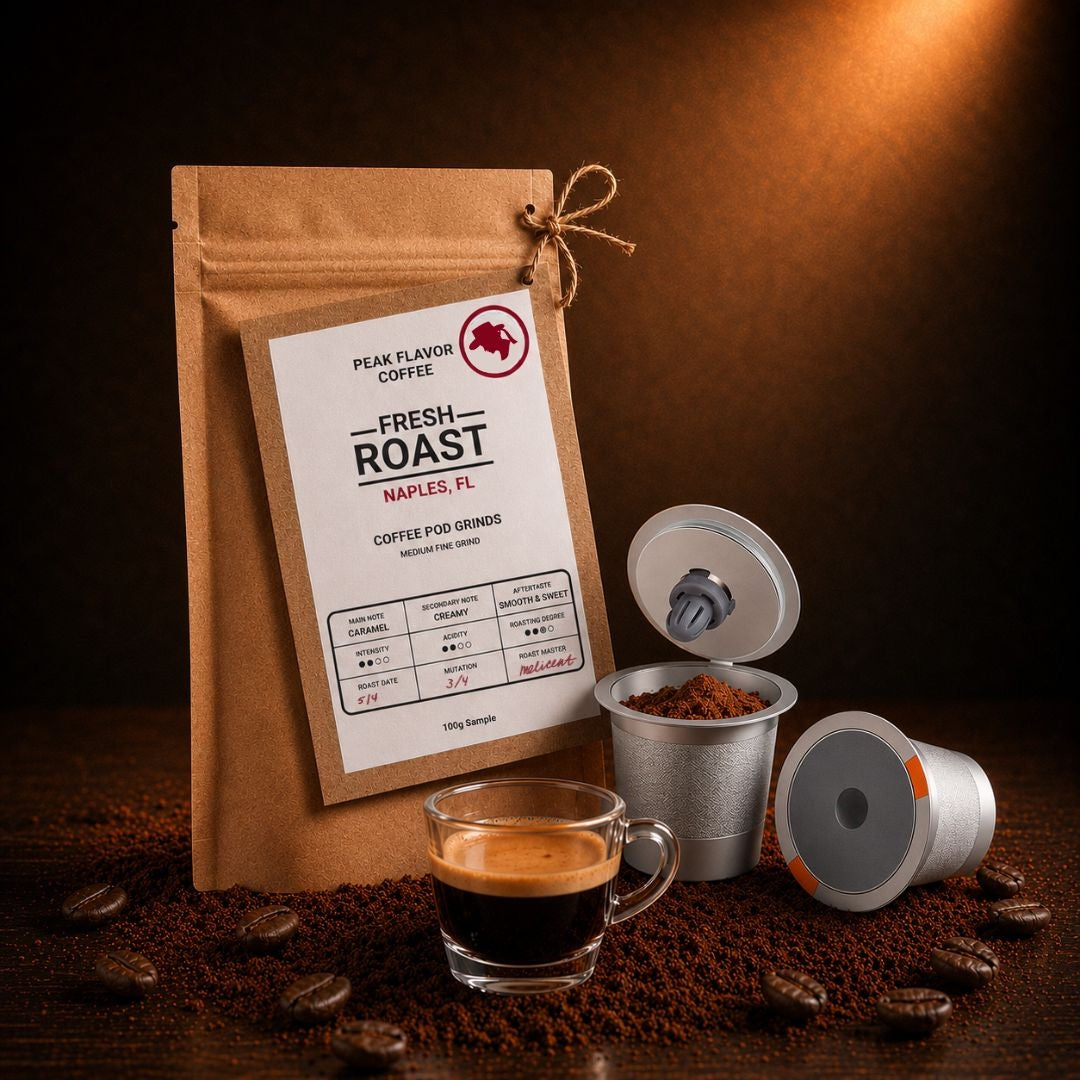
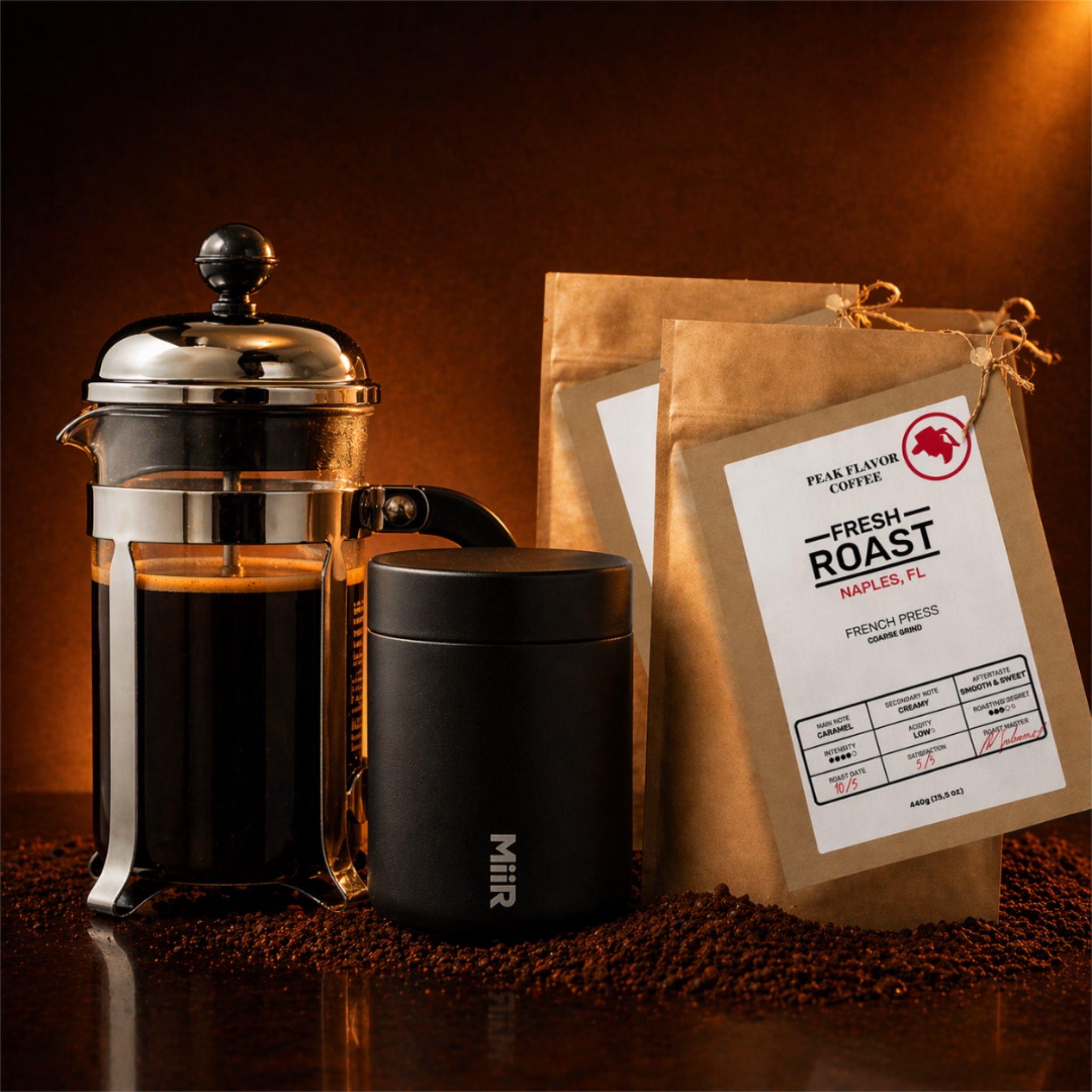
Peak Flavor completely eliminates the guesswork by custom-roasting your batch to order and precision-milling the grounds to an exact, uniform spec right before shipping.
Skip the equipment headache entirely—Shop Peak Flavor's pre-ground ristretto coffee today, or grab an introductory trial size bag of our ristretto beans to brew 10 flawless shots for just $9.95 (with Free Shipping) on your home machine!
Most Frequently Asked Questions About Ristretto
What is the difference between an Espresso and a Ristretto?
An espresso uses a standard 1:2 ratio over 25–30 seconds, while a ristretto uses a tighter 1:1 to 1:1.5 ratio pulled in roughly 15 seconds for a sweeter, less bitter taste. Explore our guide on the difference: Ristretto vs Espresso.
Is a Ristretto stronger than an Espresso?
In terms of concentration and taste intensity, yes. However, because less water passes through the grounds, a ristretto shot actually contains slightly less total caffeine than a full espresso shot. Understand why ristretto has a little less caffeine than espresso.
What does Ristretto mean in Italian?
The word "ristretto" translates literally to "restricted," "narrow," or "limited," referencing the restricted flow of water used to extract the coffee. Browse our collection of blogs on ristretto.
What is the best grind size for a Ristretto shot?
It requires an ultra-fine grind size, typically around 250 microns. This is finer than standard espresso grounds to create the hydraulic resistance needed for a short extraction. Learn about the right grind size for ristretto.
How do you drink a Ristretto?
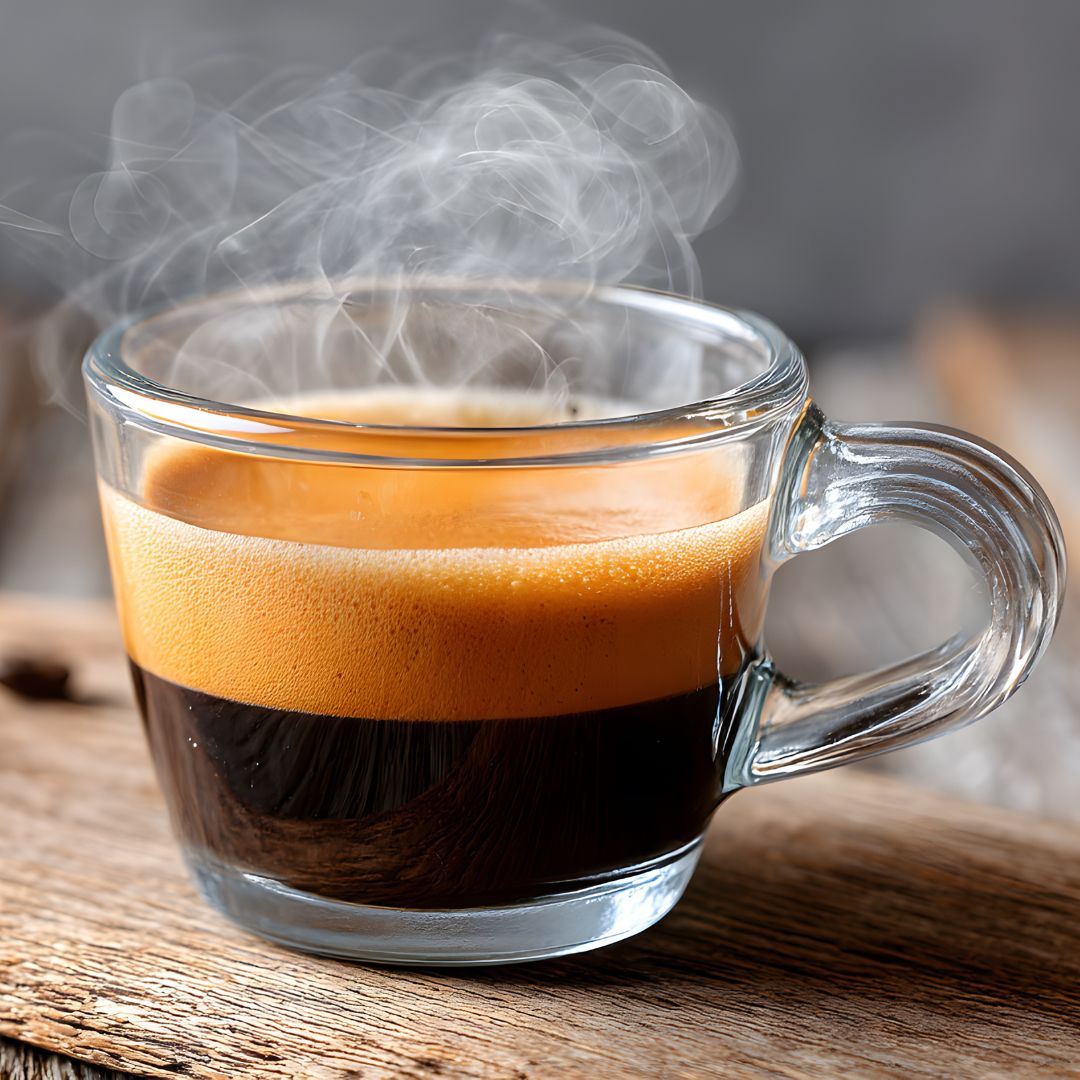
It is traditionally enjoyed straight in a demitasse cup, often preceded by a sip of sparkling water to cleanse the palate so you can fully appreciate its sweet, syrupy notes. Discover Ristretto as the perfect base for Flat White and other Iconic Italian coffee drinks.