





Why Italian coffee experts ditch standard espresso shots to craft the ultimate non-bitter flat white at home.
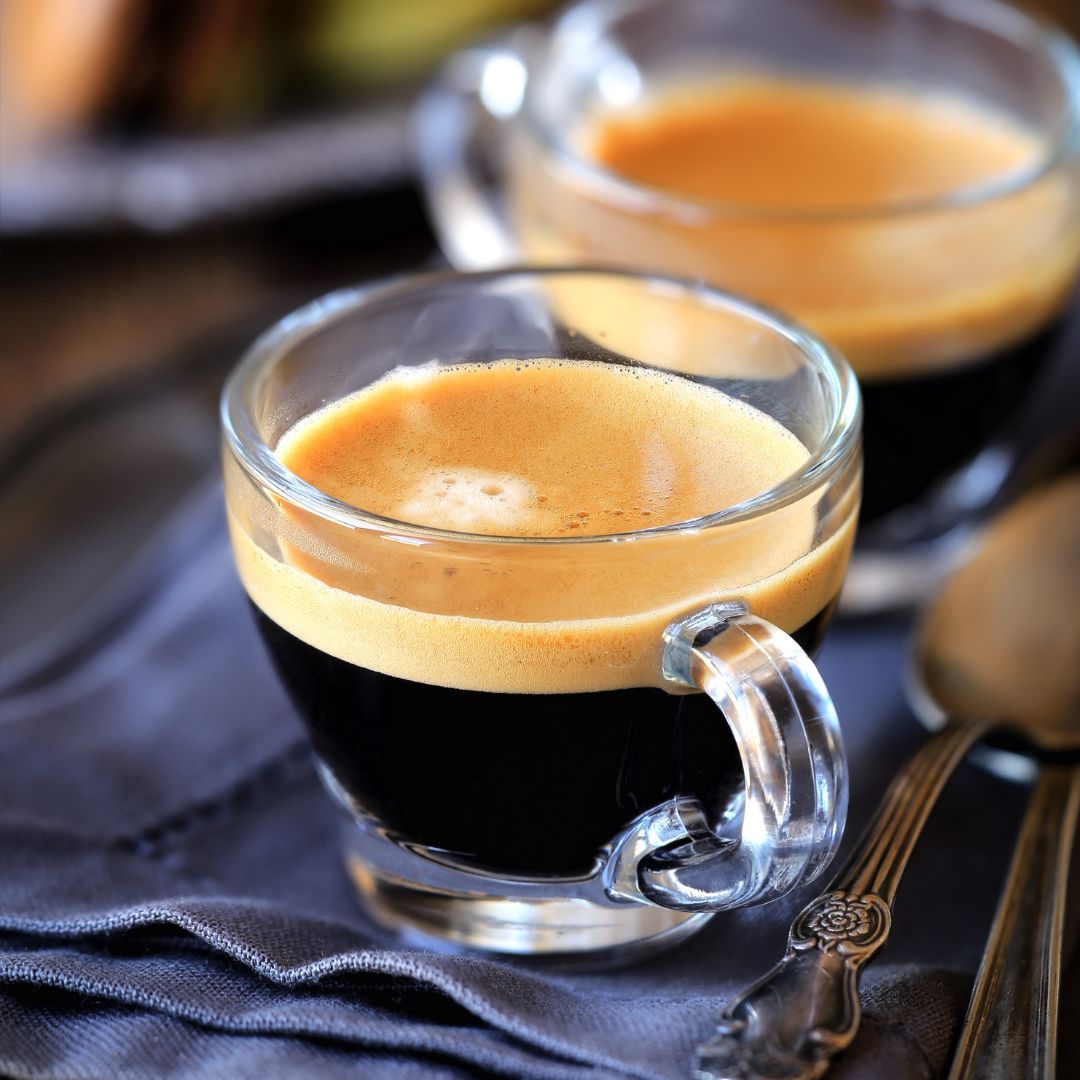
Italian coffee experts swap a standard espresso for a ristretto shot in a flat white because the restricted 1:1 extraction eliminates bitter plant tannins while preserving the intense coffee strength and heavy crema needed to cut through steamed milk.
This short-pour mechanic isolates the bean's natural sweetness, preventing your milk-based drinks from tasting ash-dry or unpleasantly bitter. Watch the video about the great Italian coffee debate: Ristretto vs Espresso.
If you have ever ordered a flat white at a high-end specialty café, you have probably noticed a velvety, rich sweetness that seems impossible to replicate on your home espresso machine. You use the highest quality organic coffee, steam your microfoam to a silky gloss, and yet your home brews still cross the line from rich to uncomfortably bitter or hollow.
The secret isn't your steaming wand—it's an old-school Italian coffee tradition. In the bars of Trieste and Milan, true coffee masters rarely use a standard espresso shot as the foundation for a flat white, cappuccino, or cortado. Instead, they pull a ristretto shot.
By understanding the physics of the short pull, you can completely transform your morning routine from a bitter guessing game into a sweet, balanced, café-quality experience.

Why a Ristretto Harmonizes Perfectly with Milk
A flat white relies on a fragile culinary balance. Unlike a latte, which drowns the coffee in a large volume of liquid, a flat white demands that the true character of your chosen Arabica coffee beans shines directly through the milk. To achieve this harmony, you need an extraction that delivers two foundational elements: perfect coffee strength and unmistakable coffee intensity.
What is Coffee Strength?
While a high-strength shot results in a rich, heavy liquid that coats your tongue, a low-strength brew tastes thin and watery.
- In simple terms, coffee strength is just a measure of how concentrated your drink is. Think of it like a glass of chocolate milk—add more cocoa powder to the same amount of milk, and it gets thicker, darker, and stronger. For coffee lovers, a high-strength shot means a rich, heavy liquid that coats your tongue, while a low-strength brew tastes thin, weak, and watery.
- In professional tasting terms, this exact concentration is referred to as Total Dissolved Solids (TDS). It represents the literal percentage of coffee solubles—the physical mass of natural oils, sugars, and organic compounds suspended in the water—that gives your drink its structural body, weight, and mouthfeel on your palate. Understanding how to manage this physical concentration is critical when trying to balance your brew with milk, as detailed in an analytical study on coffee brew strength and sensory profiles published in Scientific Reports, which tracks exactly how shifting your concentration parameters alters the underlying flavor chemistry of the cup.
Coffee strength is a measure of how concentrated the final drink is. Professionally referred to as Total Dissolved Solids (TDS), it represents the literal percentage of coffee solubles—such as natural oils, sugars, and organic compounds—suspended in the water.
To achieve the ideal coffee strength capable of balancing with milk foam, Italian masters rely on a precise structural blend of specialty coffee beans. A base of high-altitude Arabica coffee beans provides the necessary acidity, aromatic complexity, and deep caramel notes. However, 100% Arabica can sometimes get lost when mixed with dairy.
The secret weapon is the strategic inclusion of a small percentage of premium, high-grade Robusta coffee beans. This touch of Robusta injects massive physical strength into the shot, providing a deep, dark-chocolate punctuation mark and an amplified crema that acts as a natural shield against the dilution of the milk.

The Micron Hurdle: Changing Your Grind for Intensity
To pull this off at home, you cannot simply use your everyday espresso grounds and switch off your machine early. If you try to run water through a standard espresso grind for only 15 seconds, you will end up with an under-extracted, sour, and watery mess.
What is Coffee Intensity?
While strength measures the physical concentration of solids, coffee intensity is the sensory impact and richness of the flavor profile. Think of it as the volume control on your coffee's personality: it is the chemical expression of the coffee's character—the depth of the roasty, aromatic, and flavor compounds that determine whether the coffee taste can punch through the natural sugars of steamed milk.
This complex relationship between extraction dynamics and sensory impact is a core focus in a sensory analysis study on coffee flavor profiles in the journal Nature Scientific Reports, which tracks exactly how volatile aromatic compounds and roast levels dictate the perceived intensity of a brew.
Standard espresso grounds cause fast extraction, leaving you with a sour, thin, and watery brew.
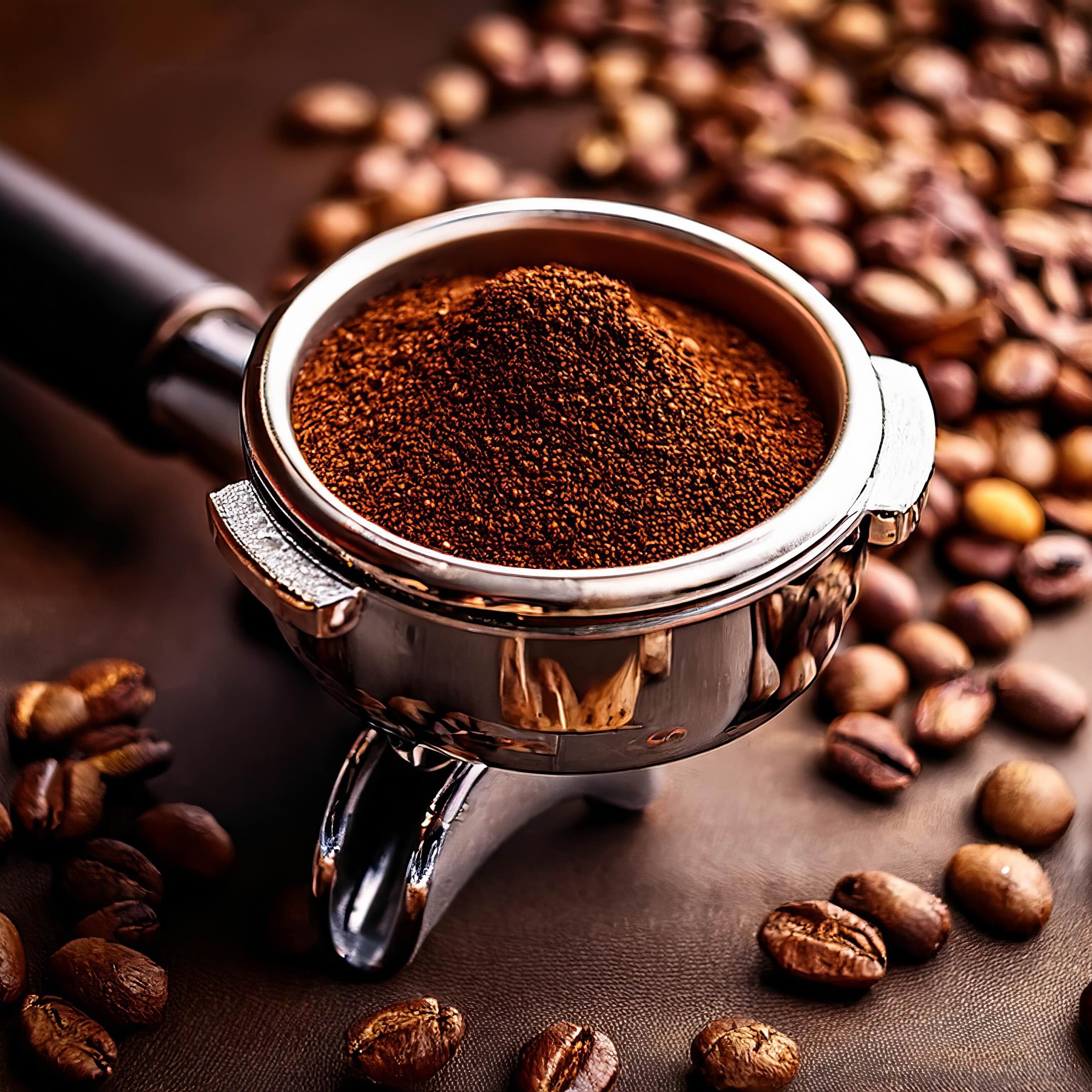
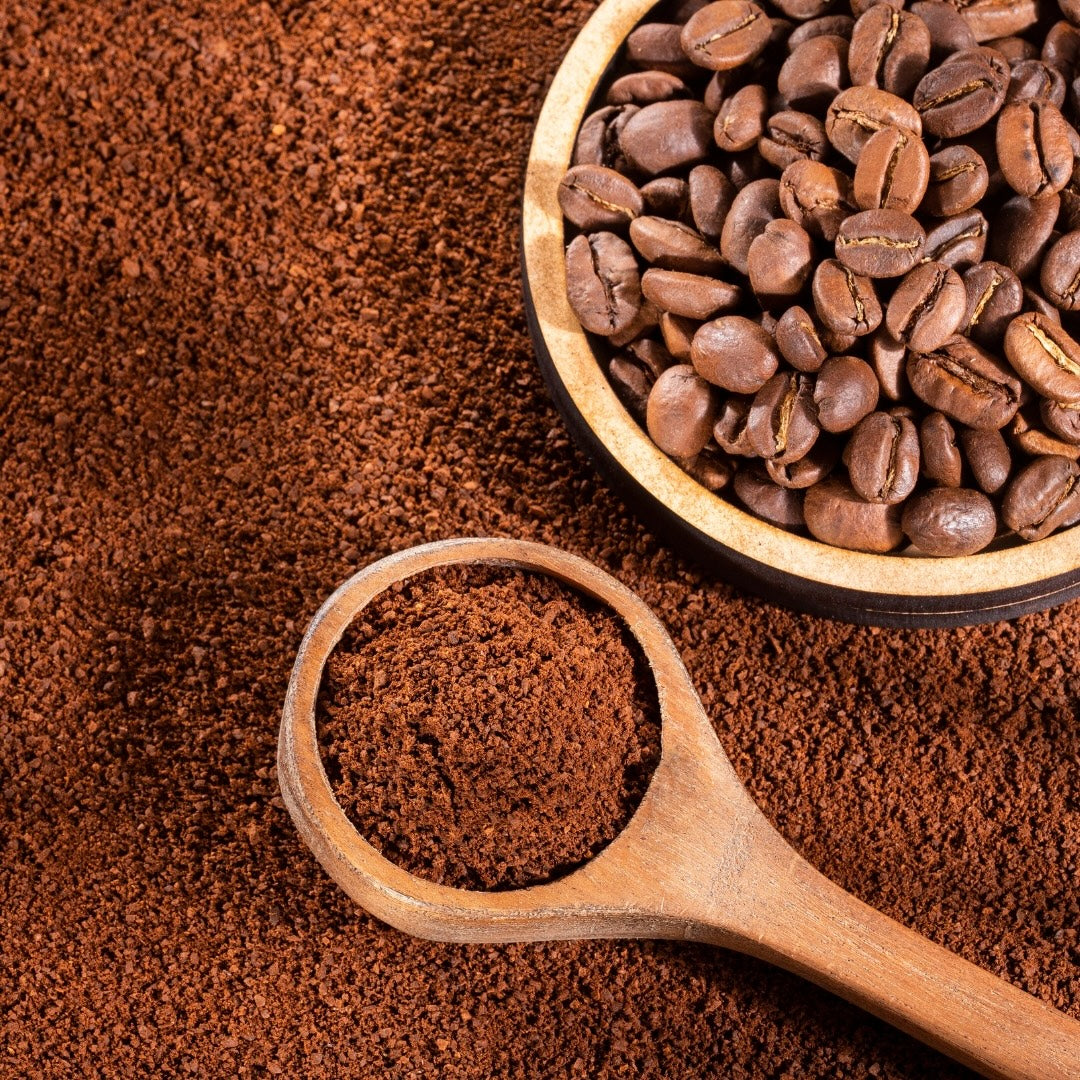
To force maximum coffee intensity into a restricted volume of water, your espresso machine needs to fight against tighter hydraulic resistance. This requires shifting your grind size down from a standard espresso profile (roughly 350 microns) to a ultra-fine ristretto profile (around 250 microns). This microscopic adjustment restricts the water flow naturally, forcing the pressurized water to extract only the premium, syrupy oils during its brief contact time.

Expanding the Ristretto Base: Cappuccinos, Cortados, and Macchiatos
Once you master using a restricted extraction for your flat white, you unlock the ultimate foundational base for the entire Italian café menu. The same extraction mechanics apply across every classic milk-to-coffee ratio:
The Cappuccino Upgrades
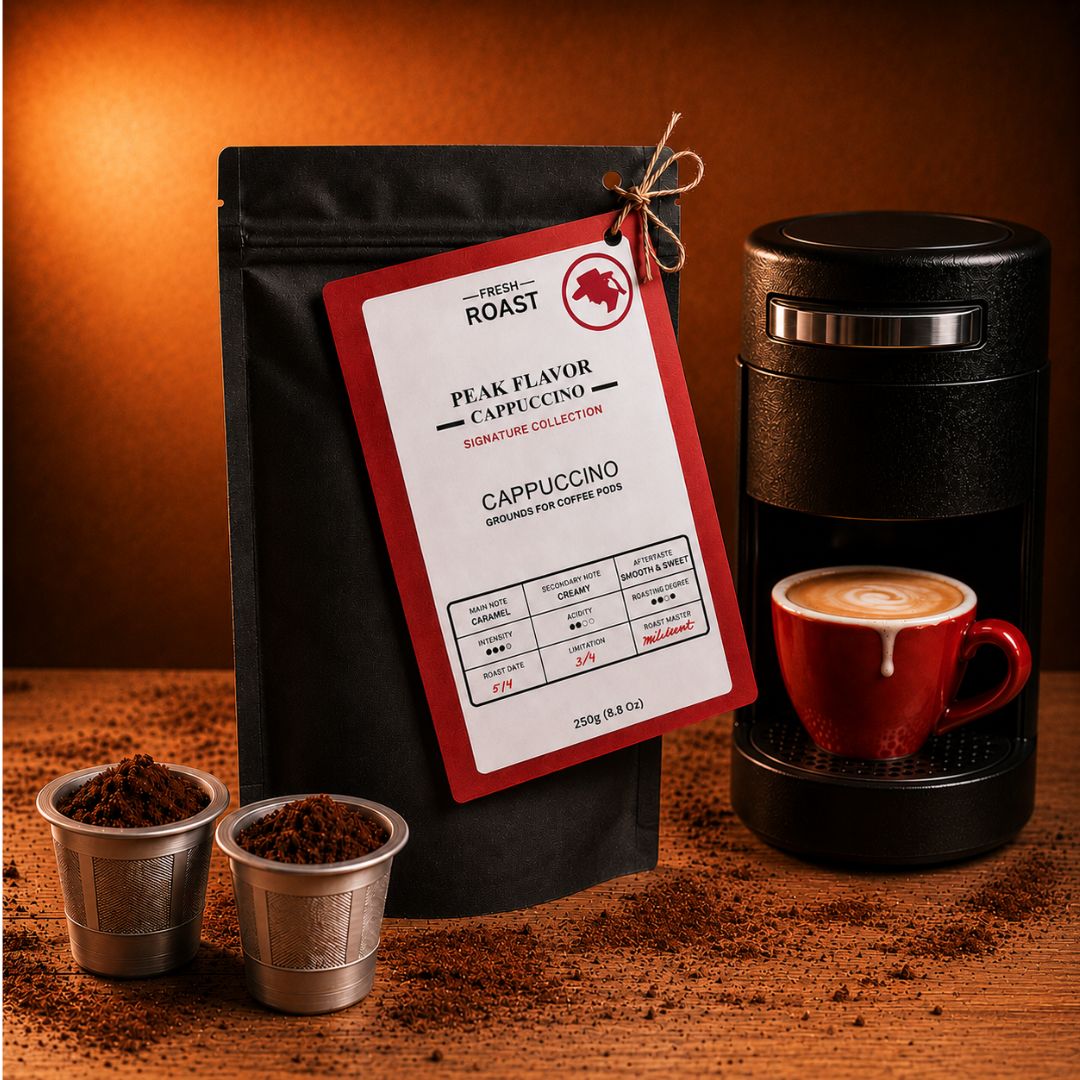
A traditional cappuccino features a airy cushion of thick milk foam. Standard espresso grounds often leave a lingering, dry bitterness underneath that foam layer. Using a sweeter, denser ristretto base ensures that every spoonful of foam is met with a smooth, liquid-caramel finish instead of an ashy aftertaste.

The Cortado Balance
The cortado is an exacting 1:1 balance of espresso and warm, un-textured milk. Because there is so little milk to hide behind, any off-notes or over-extracted bitterness from your espresso beans will immediately ruin the beverage. Shifting to a fine-ground ristretto ensures a rich, punchy coffee taste that remains entirely velvety and smooth from the first sip to the last.

The Pure Espresso Macchiato
An espresso macchiato is simply a bold shot marked with a single dollop of microfoam. By utilizing optimized espresso beans for a ristretto pull, you craft a highly concentrated, low-acid liquor. The tiny crown of milk foam doesn't have to fight to mask bitterness; instead, it gently opens up the concentrated berry and chocolate notes locked inside the short shot.

The Solution: Skip the Grinder Trial-and-Error
The biggest frustration for home baristas trying to enjoy a rich, non-bitter flat white is the waste. You can easily burn through an entire bag of expensive specialty coffee just trying to dial in the exact 250-micron resistance required to pull a perfect 1:1 shot without choking your machine.
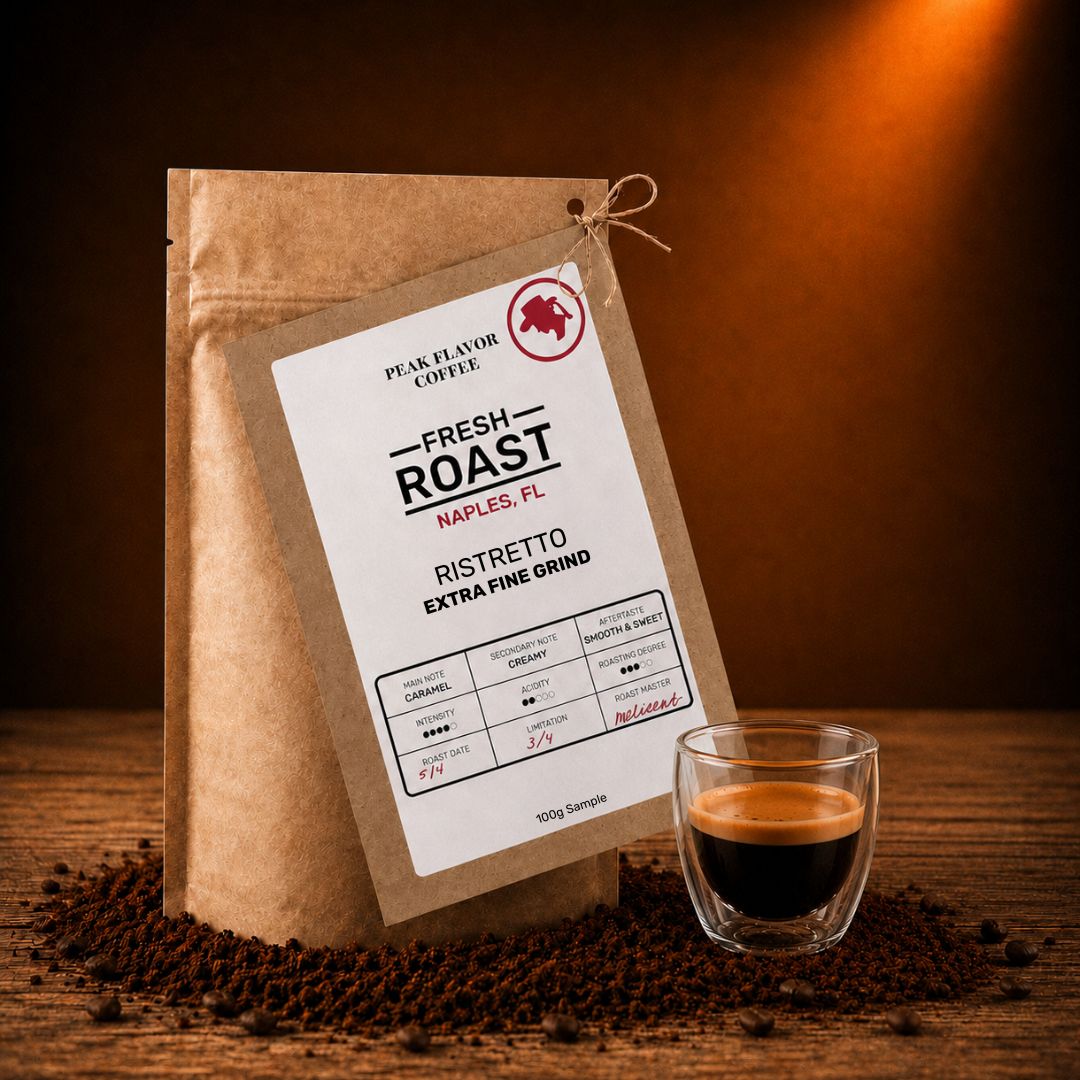
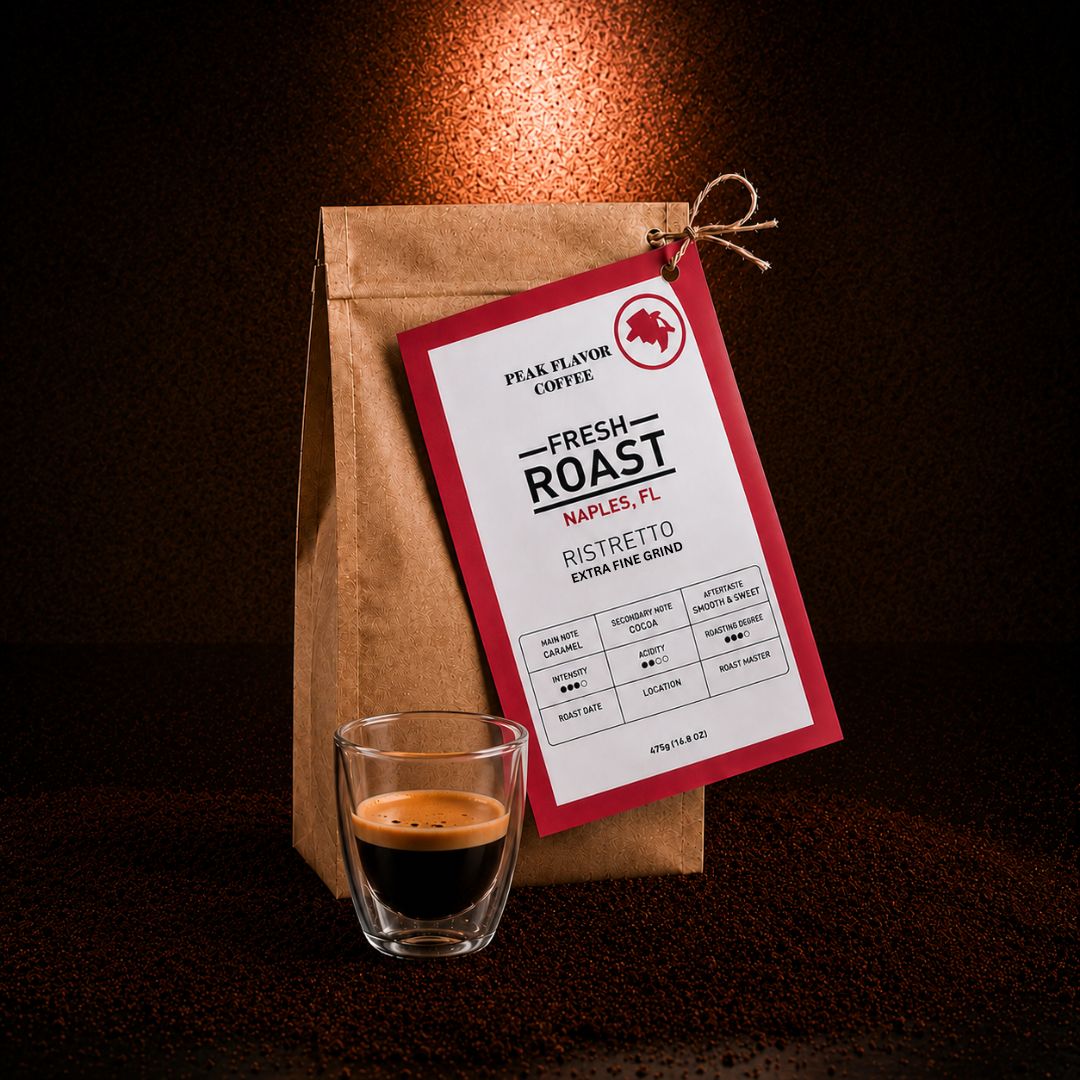
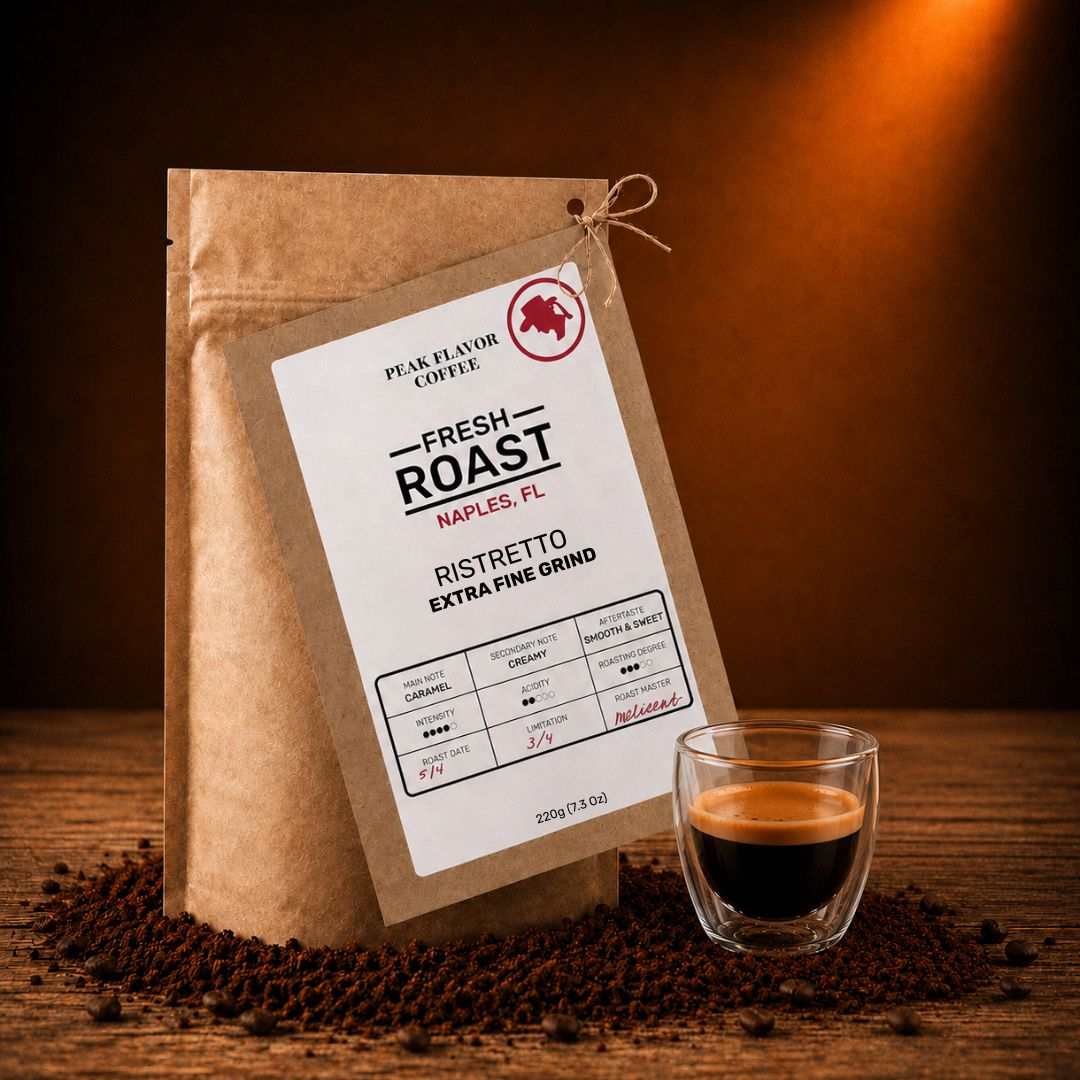
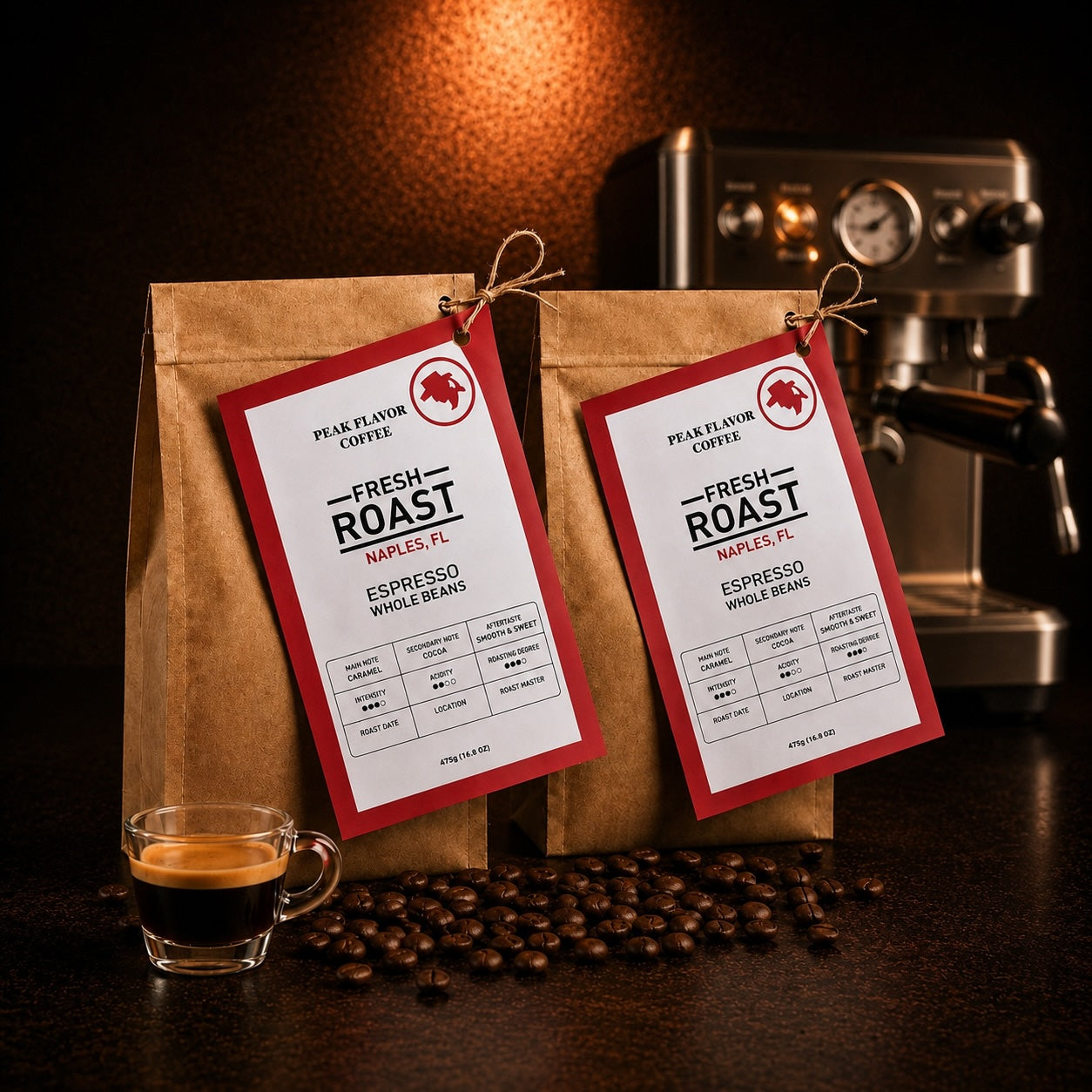
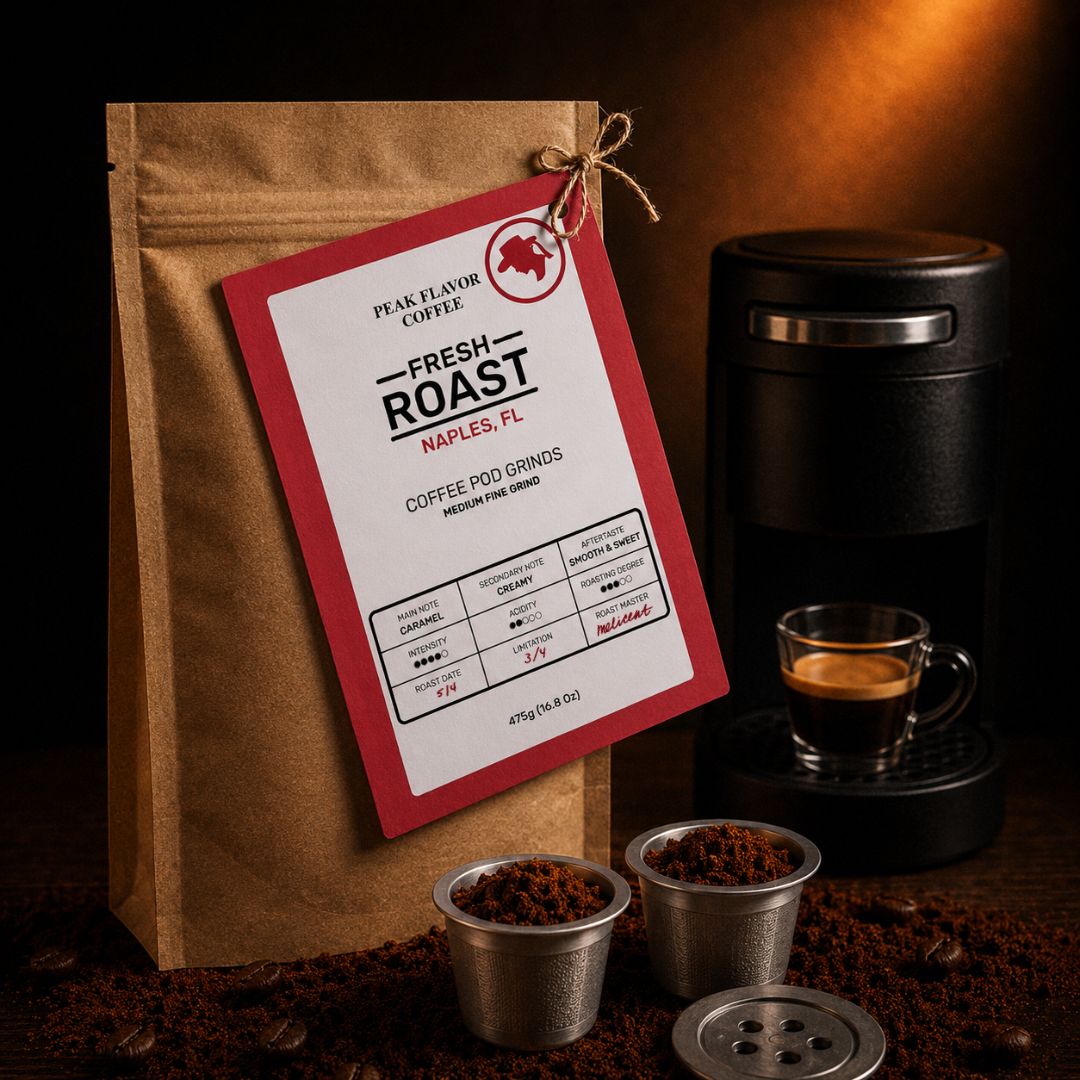
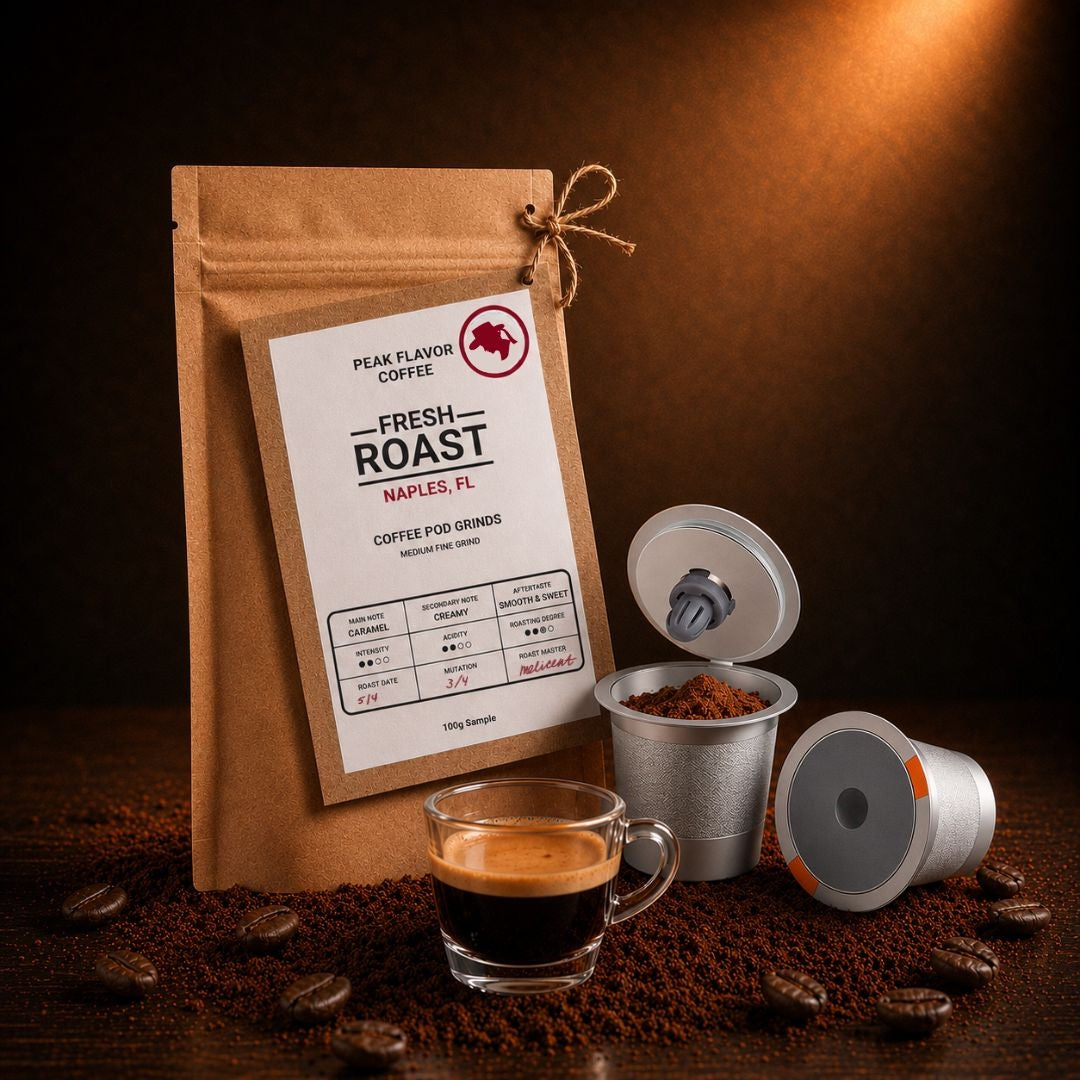
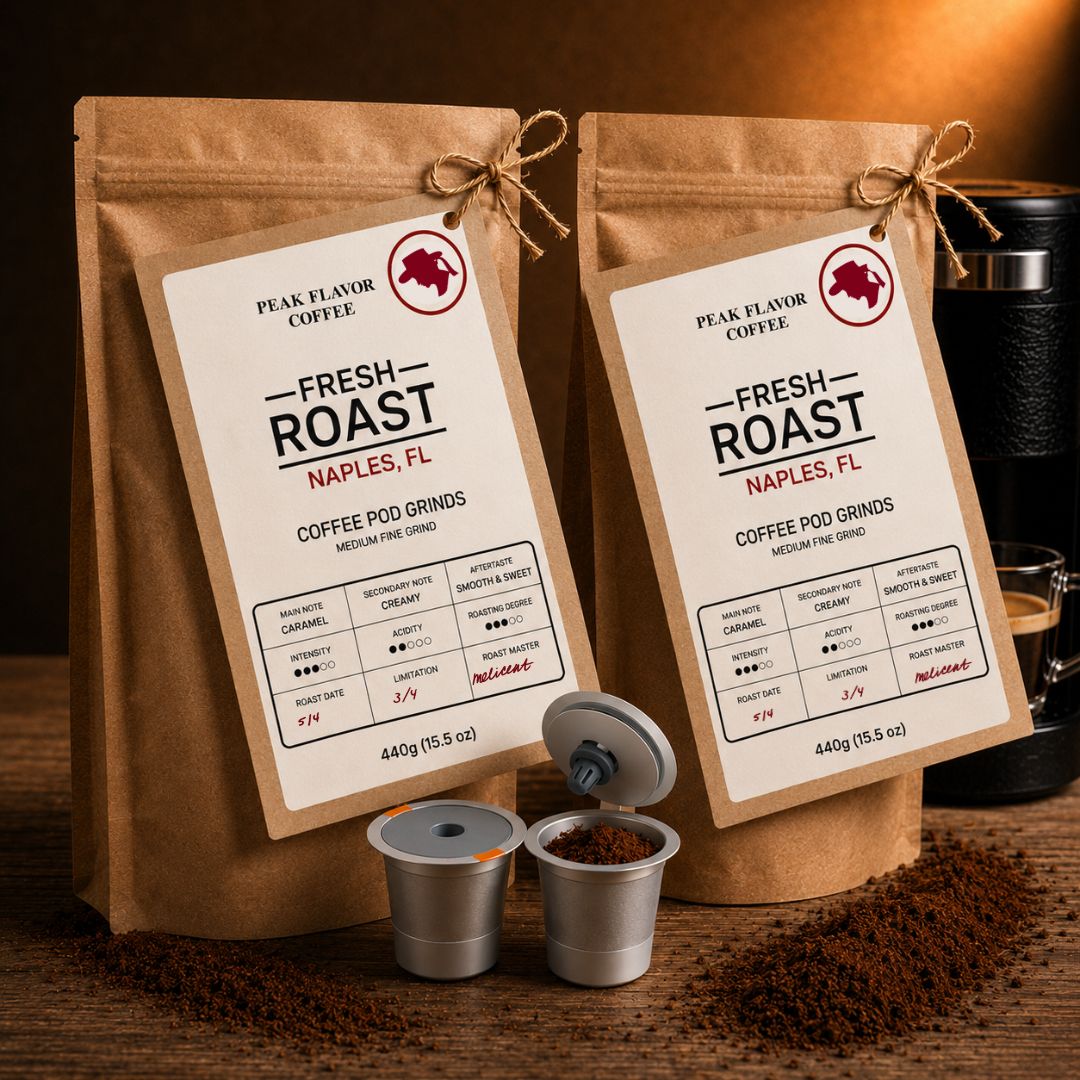
At Peak Flavor Coffee, we eliminate that frustrating learning curve entirely. We source pristine organic coffee, roast it in small batches to an authentic Italian profile, and custom-mill your order using precision industrial grinders calibrated specifically for short-pour physics. We ship your coffee ground perfectly to order, ensuring your home machine pulls a flawless, sweet, and syrupy shot on the very first try.

Ready to Pull the Perfect Short Shot at Home?
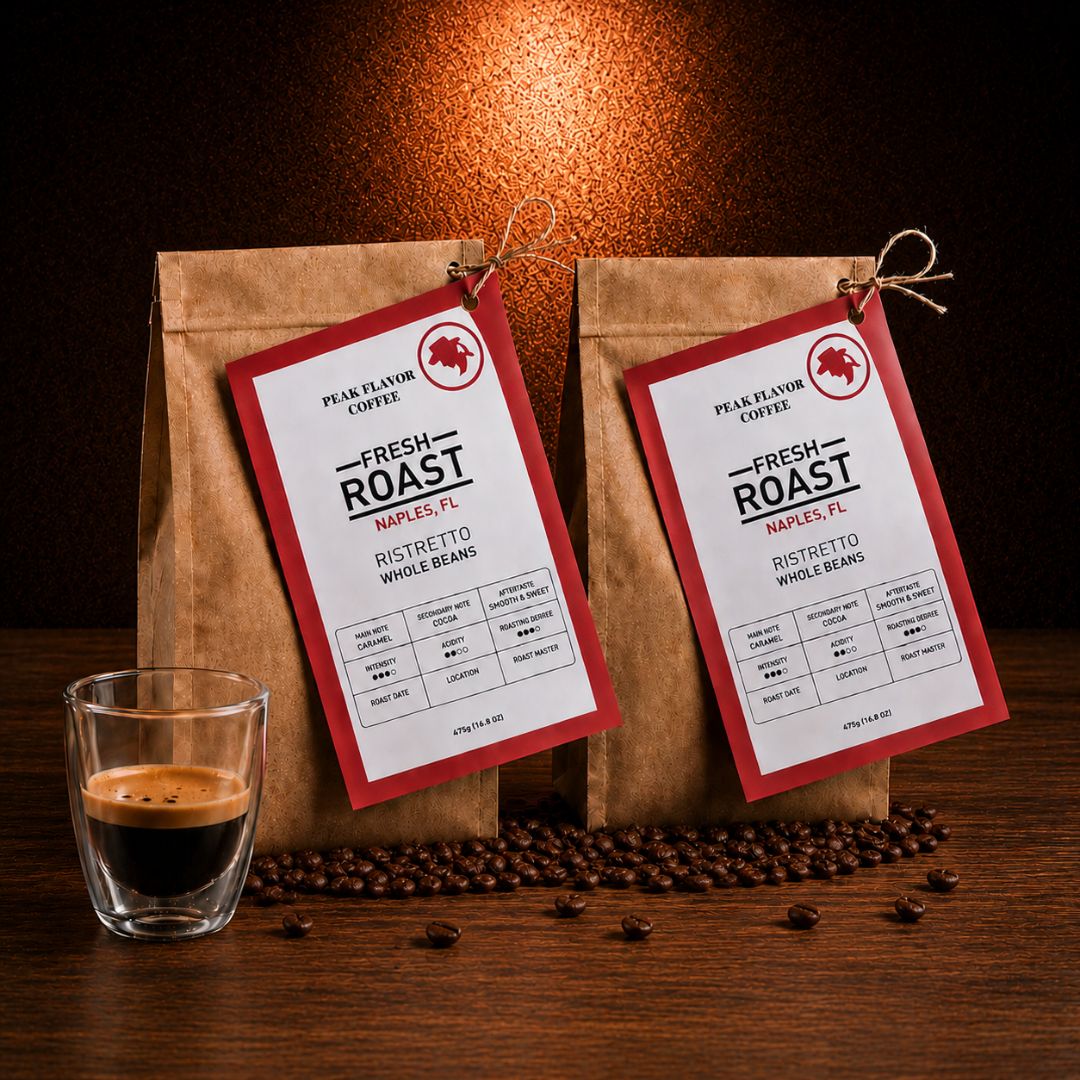
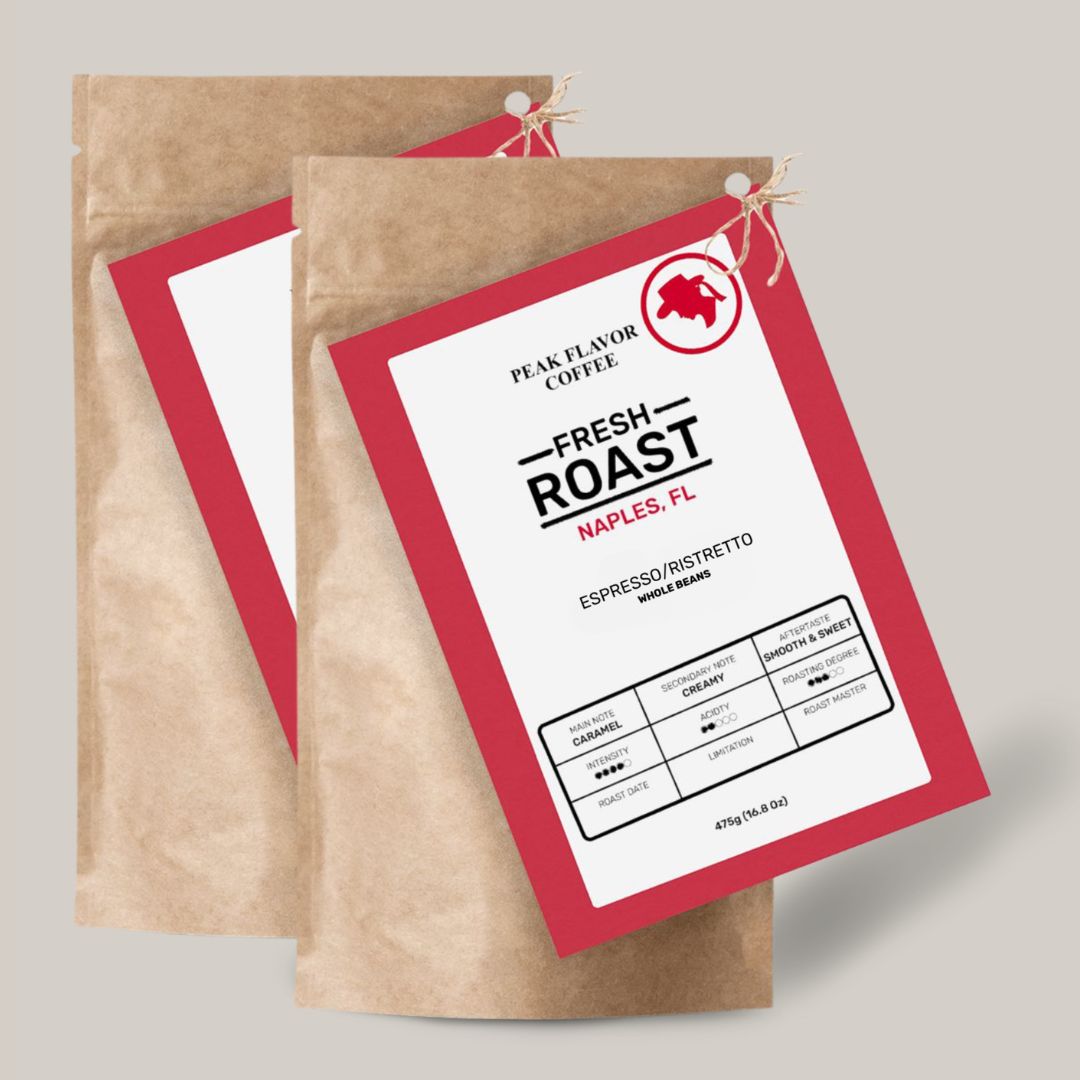
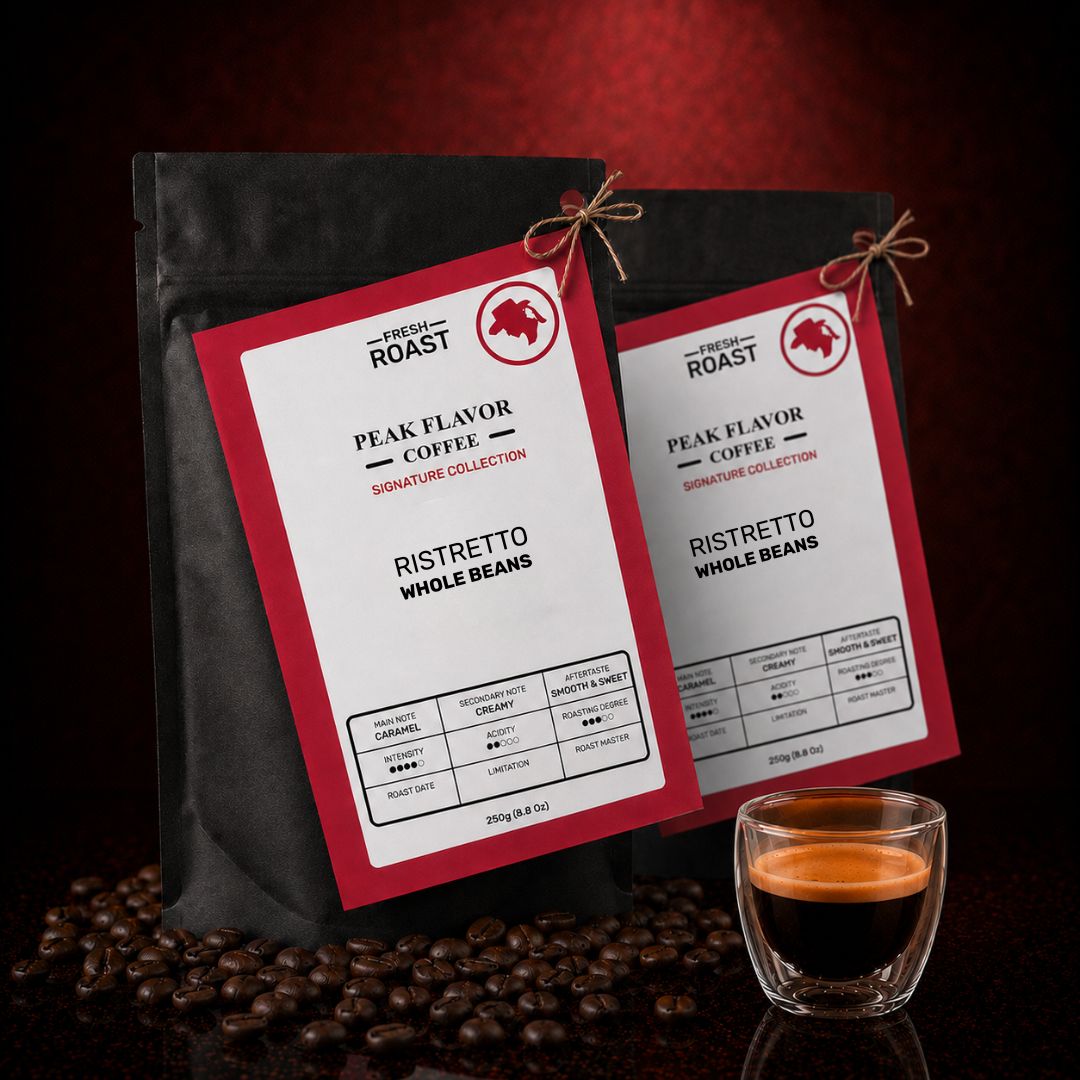
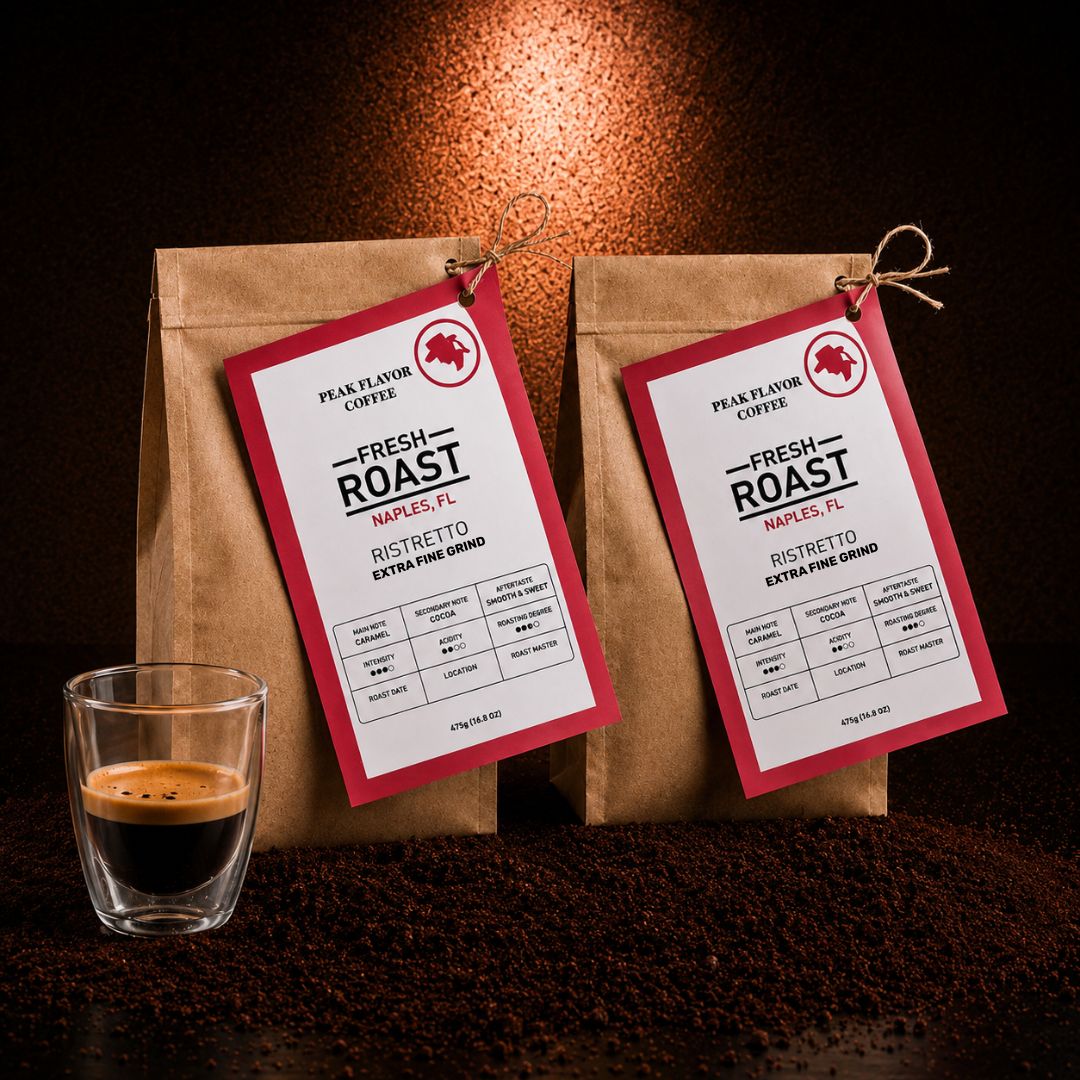
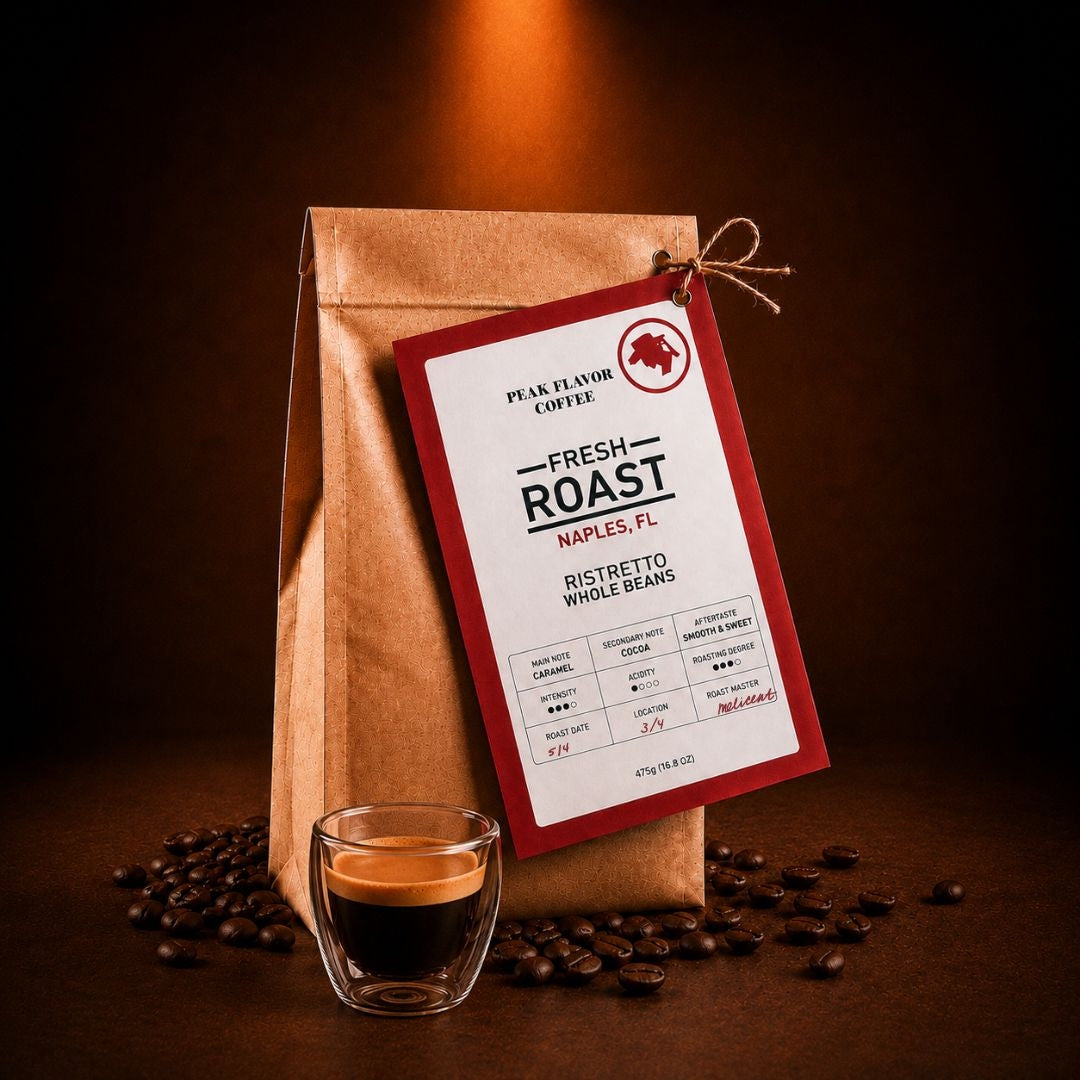
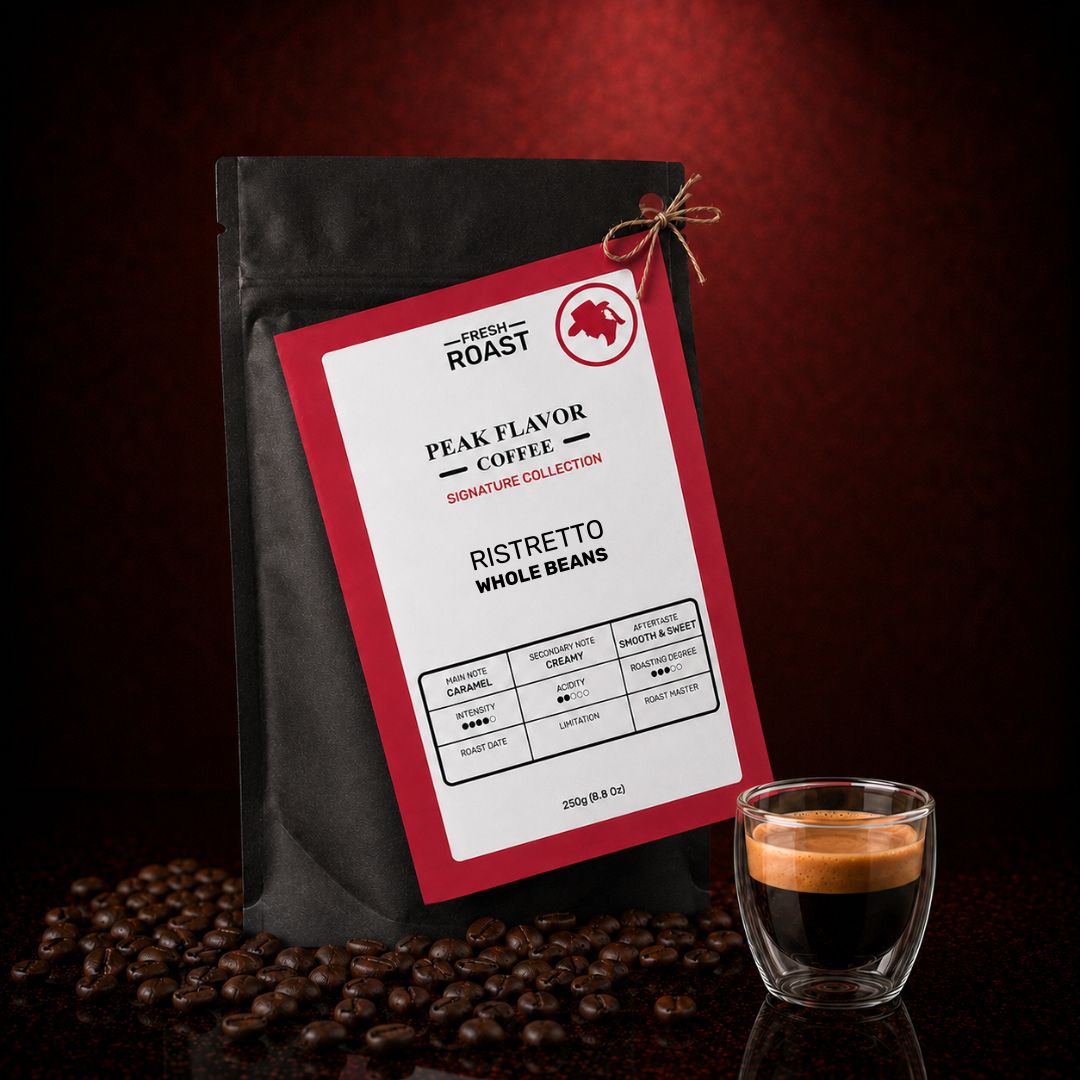
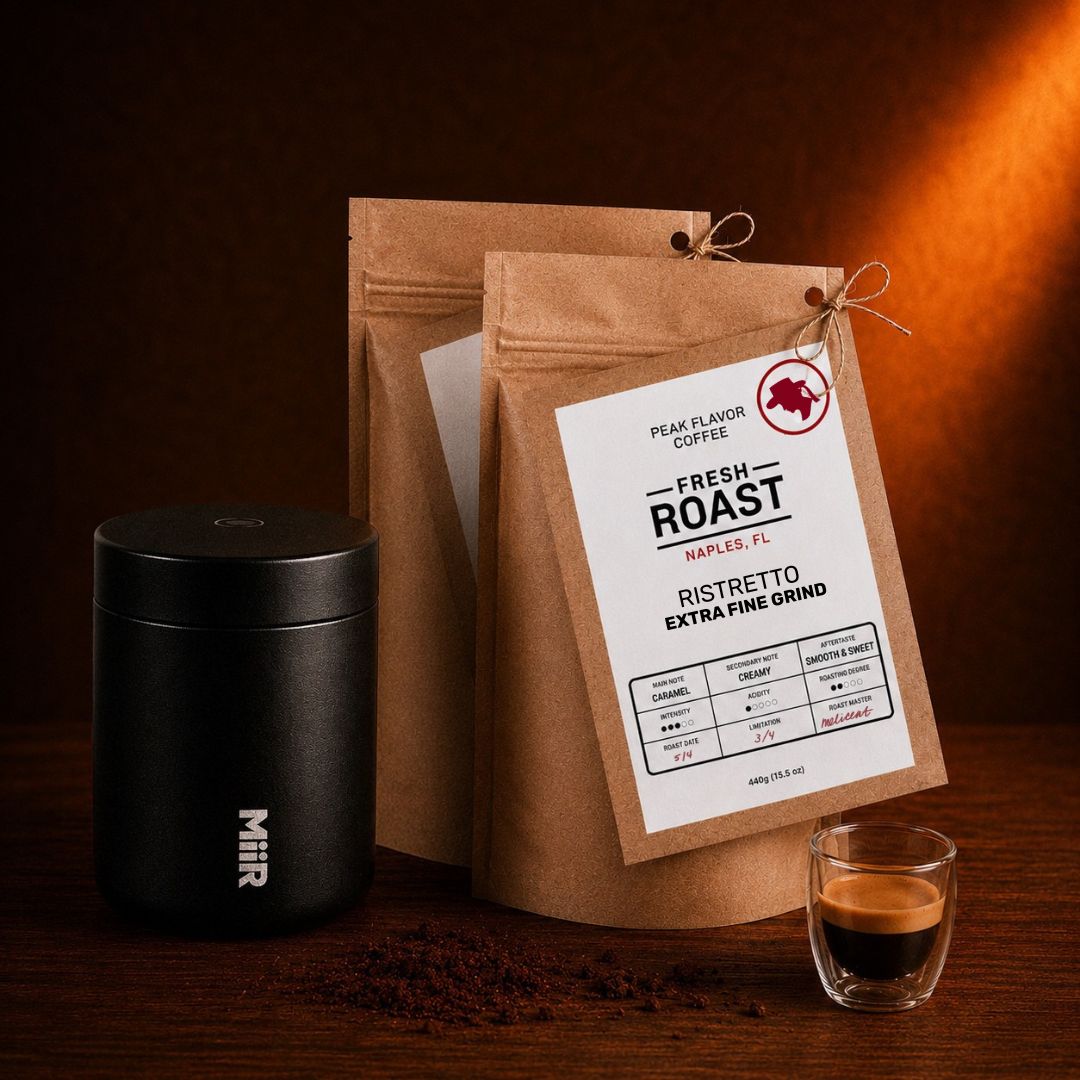
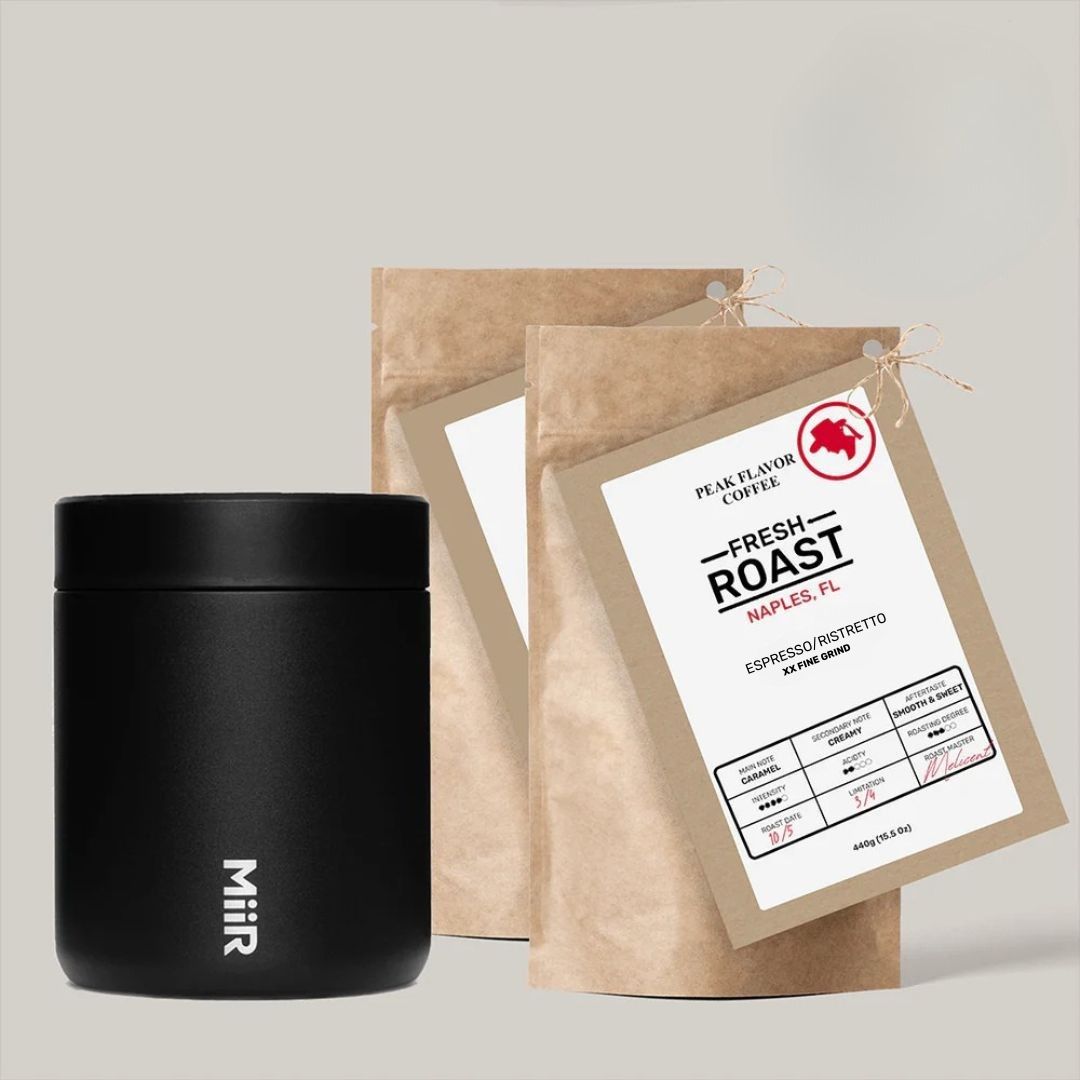
Stop burning through expensive bags of coffee trying to dial in the perfect 250-micron flow resistance. We eliminate the frustrating trial-and-error by roasting and precision-milling your coffee to order. Grab a fresh-roasted trial bag of our signature ristretto espresso beans to lock in your custom home grind, or select our perfectly calibrated pre-ground specialty coffee for ristretto shots to enjoy 10 sweet, non-bitter flat whites, cappuccinos, or cortados for just $9.95 with Free Shipping!
Frequently Asked Questions
What is coffee strength?
Coffee strength is a measure of how concentrated the brewed liquid is. Professionally measured as Total Dissolved Solids (TDS), it represents the literal percentage of coffee solubles—like natural oils and sugars—dissolved in the water. A high-strength brew feels thick and heavy on the palate, while low strength tastes thin and watery.
What is coffee intensity?
Coffee intensity refers to the sensory impact, richness, and power of a coffee's flavor profile. Unlike strength (which measures physical concentration), intensity is driven by dark roast levels, bold aromatic compounds, and deep flavor notes that allow the coffee taste to punch through ingredients like steamed milk.
What is a Ristretto?
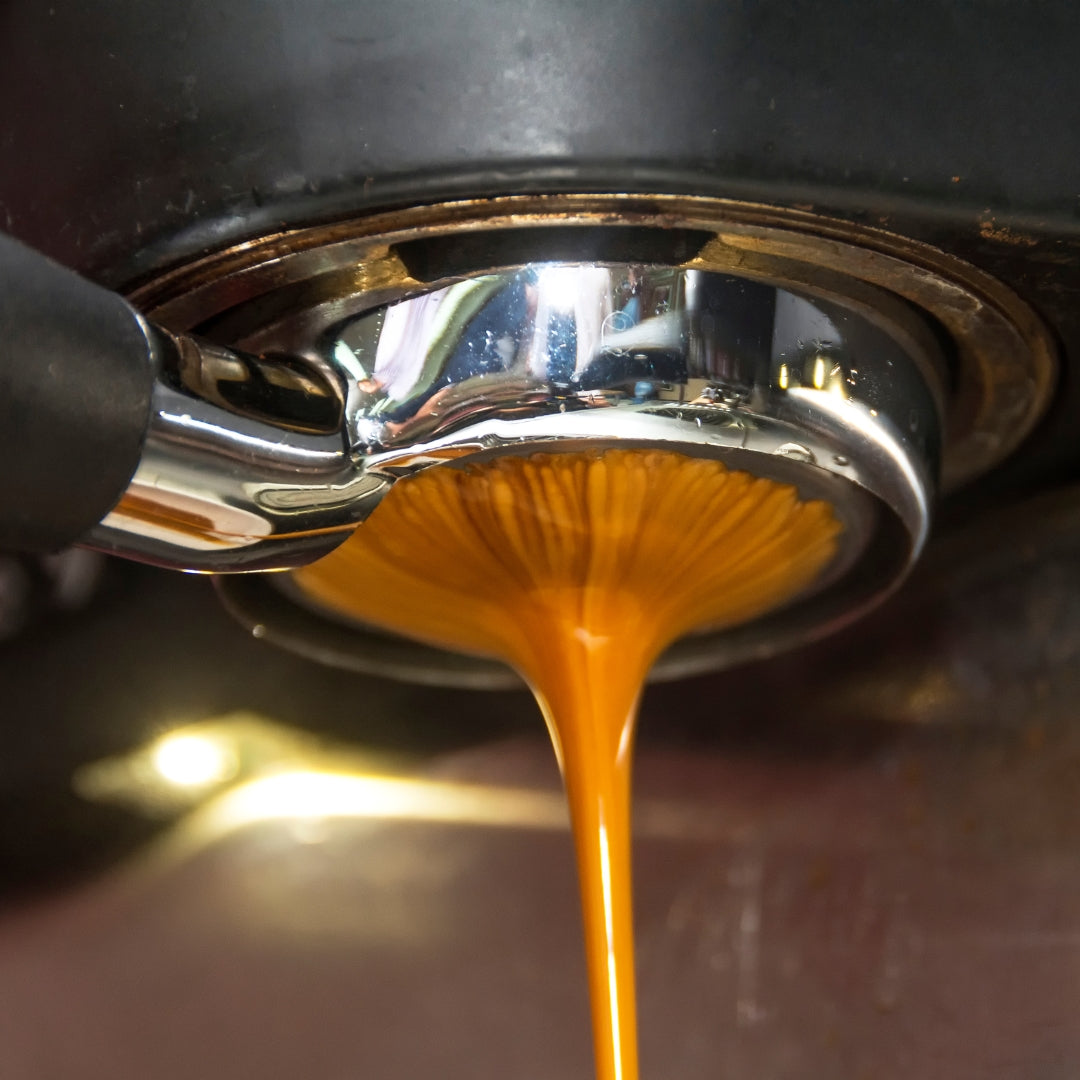
A Ristretto is a short, highly concentrated shot of espresso made with the same amount of coffee grounds but half the water. Extracted in about 15 seconds using a finer grind, it pulls only the sweetest, richest aromatic oils, eliminating the bitter notes found at the end of a standard espresso shot. Explore the guide on Mastering the Italian Ristretto Shot.
What is a Cortado?
A Cortado is a balanced espresso beverage consisting of equal parts espresso and warm, gently steamed milk (usually a 1:1 ratio). Originating in Spain, the milk is not frothy or texturized like a cappuccino; its sole purpose is to cut the acidity and intense bitterness of the espresso without diluting its flavor.
What is an Espresso Macchiato?
An Espresso Macchiato is a standard shot of espresso "stained" or marked with a small dollop of hot, frothed milk or microfoam on top. It offers a bold, forward espresso flavor profile with just a touch of creamy sweetness to soften the initial sharpness of the shot.