


Have you ever walked into a high-end specialty coffee shop, looked at the menu, and wondered why the elusive ristretto shot is nowhere to be found? Cafés rarely offer a true ristretto because it requires a separate grinder setting from espresso: 250 vs 350 microns.
High-volume coffee shops simply cannot pause service to recalibrate their primary espresso grinding equipment for a single order of ristretto.
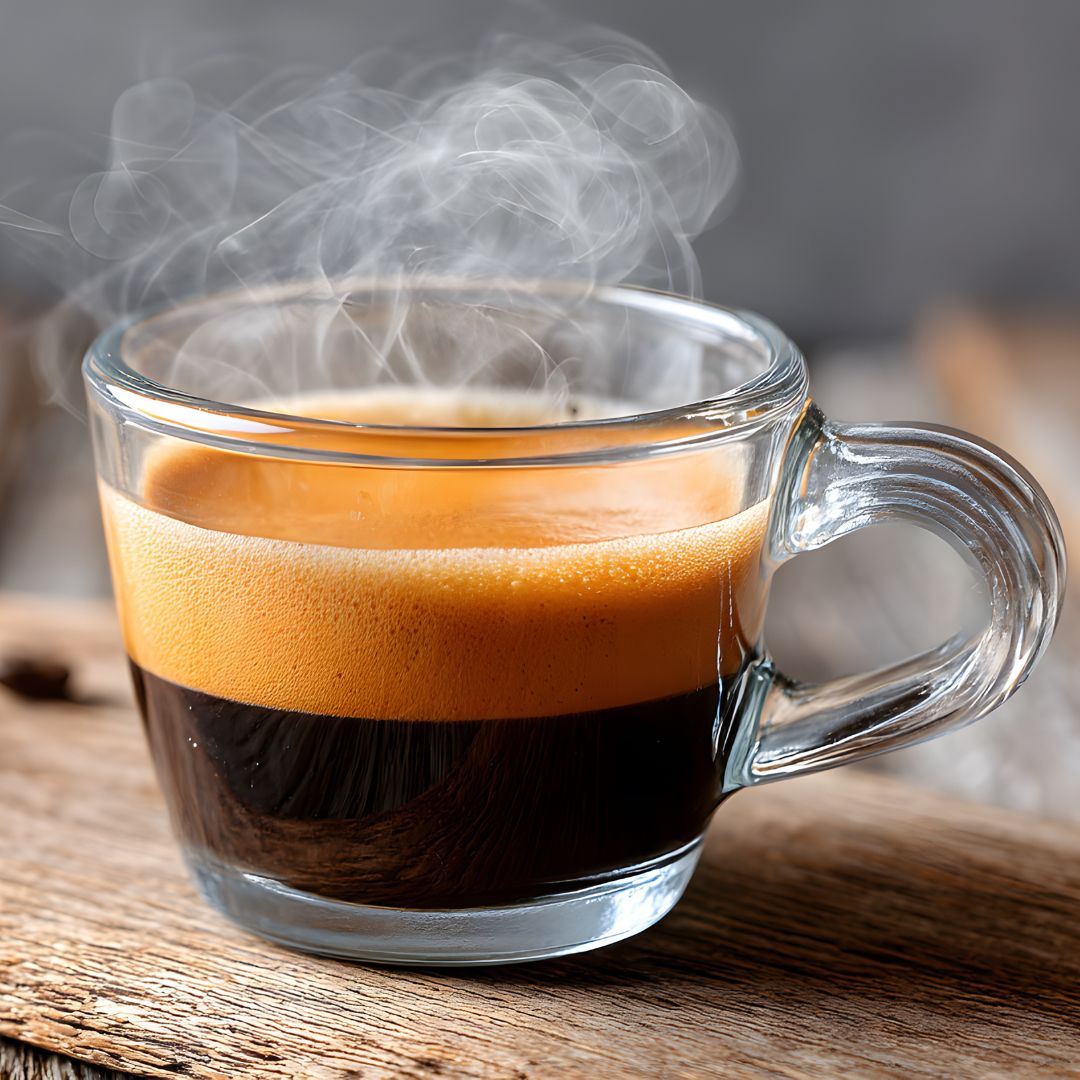
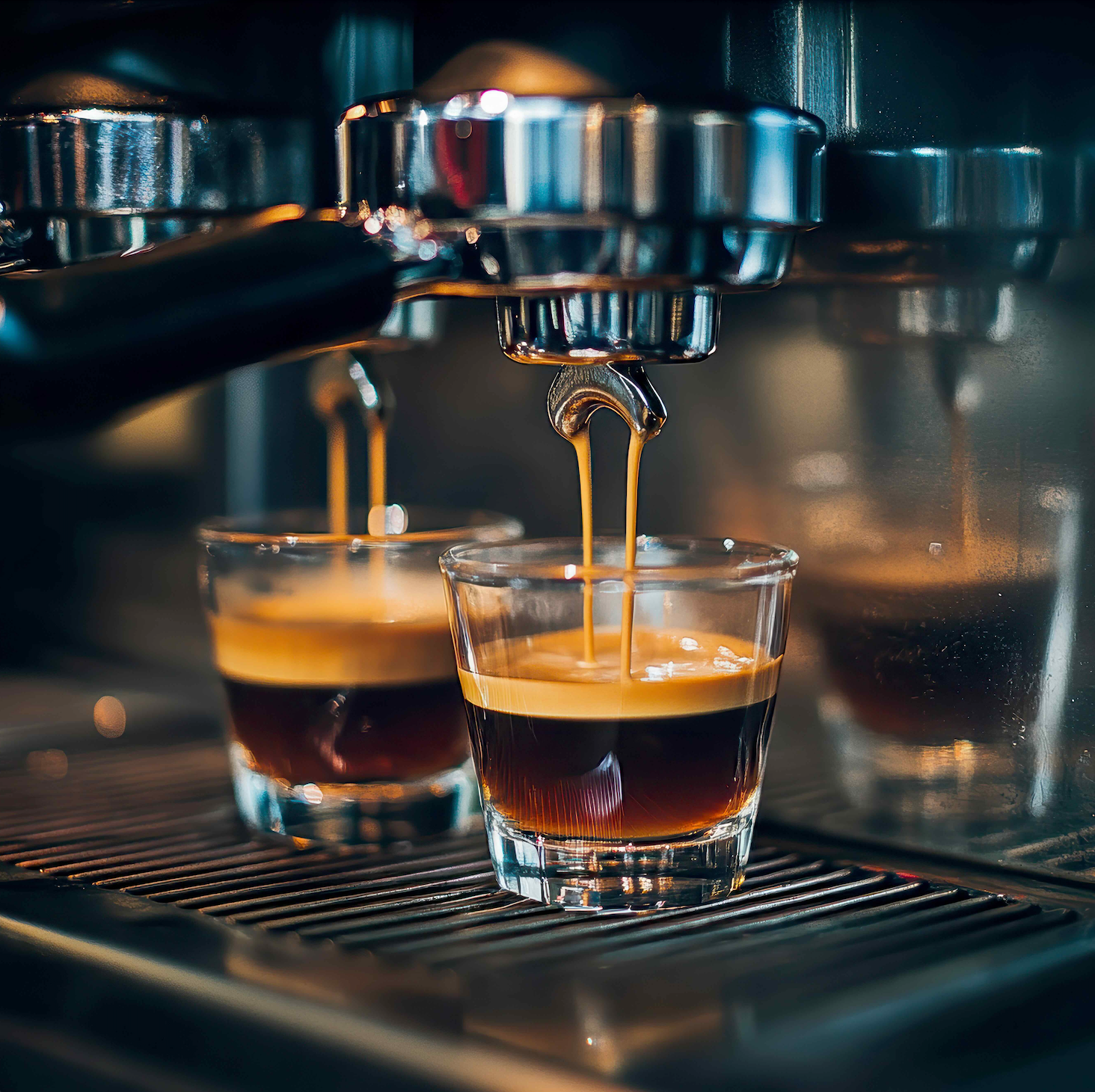
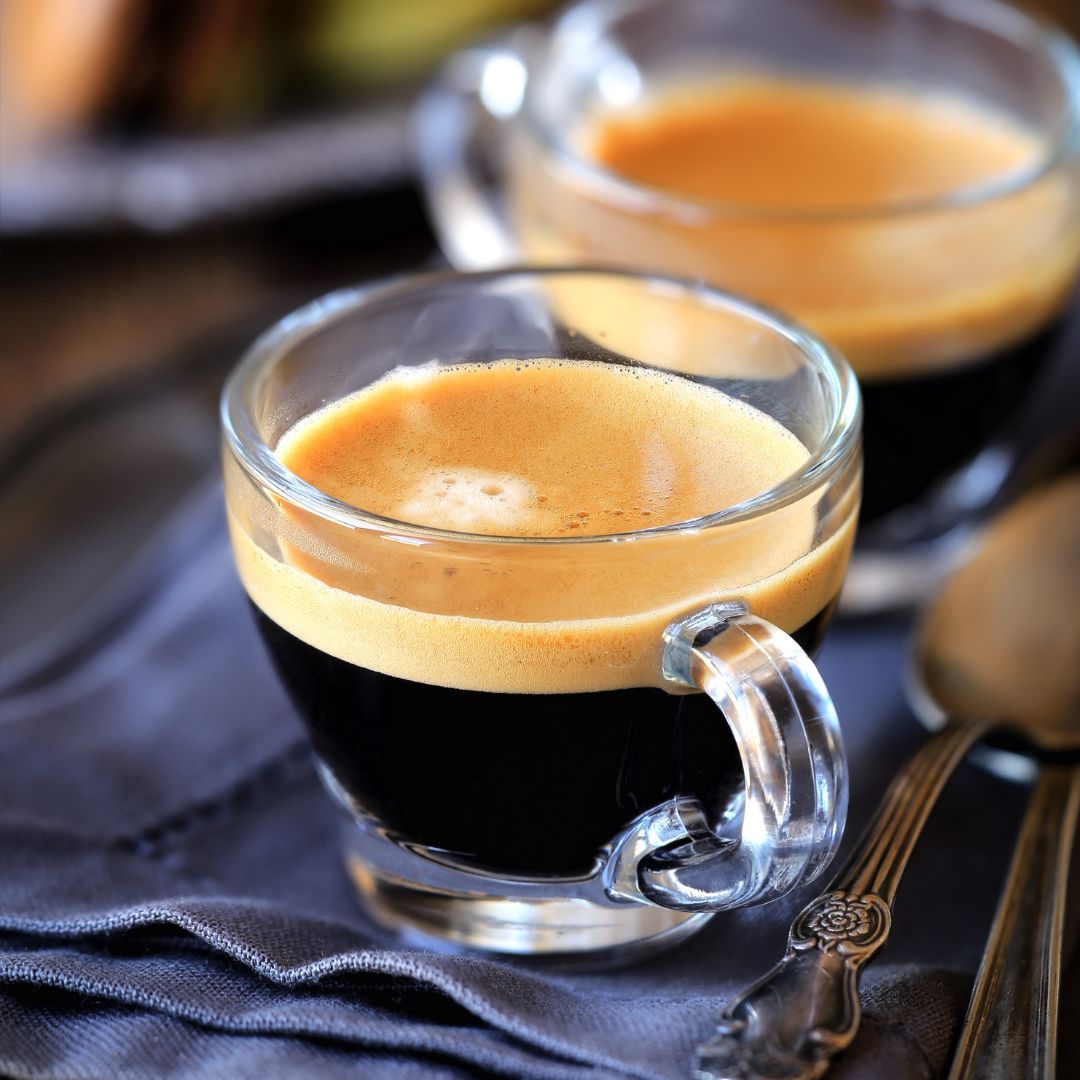
You might think a premium coffee shop would jump at the chance to serve this ultra-concentrated, syrupy, and intensely sweet variant of traditional espresso. After all, a perfectly pulled ristretto cuts out the bitter notes found at the tail end of an extraction, leaving you with the pure, rich heart of the bean.
Yet, if you ask your favorite barista for one, you'll likely get a polite hesitation or a compromised "short pour" that isn't a true ristretto. Why does the specialty coffee industry secretly hate the short shot? In fact, coffee lovers frequently debate whether most coffee shops offer ristretto shots if requested, only to find that operational limitations stand in the way.
The answer isn't a lack of skill—it's a matter of strict extraction science, operational headaches, and a definitive 250-micron grind rule.

The 250-Micron Grind Riddle: Ristretto vs Espresso
To understand why a true ristretto is a café's logistical nightmare, we have to look at the dial-in kinetics of espresso.
Standard Espresso Extraction Requires a 350-Micron Grind
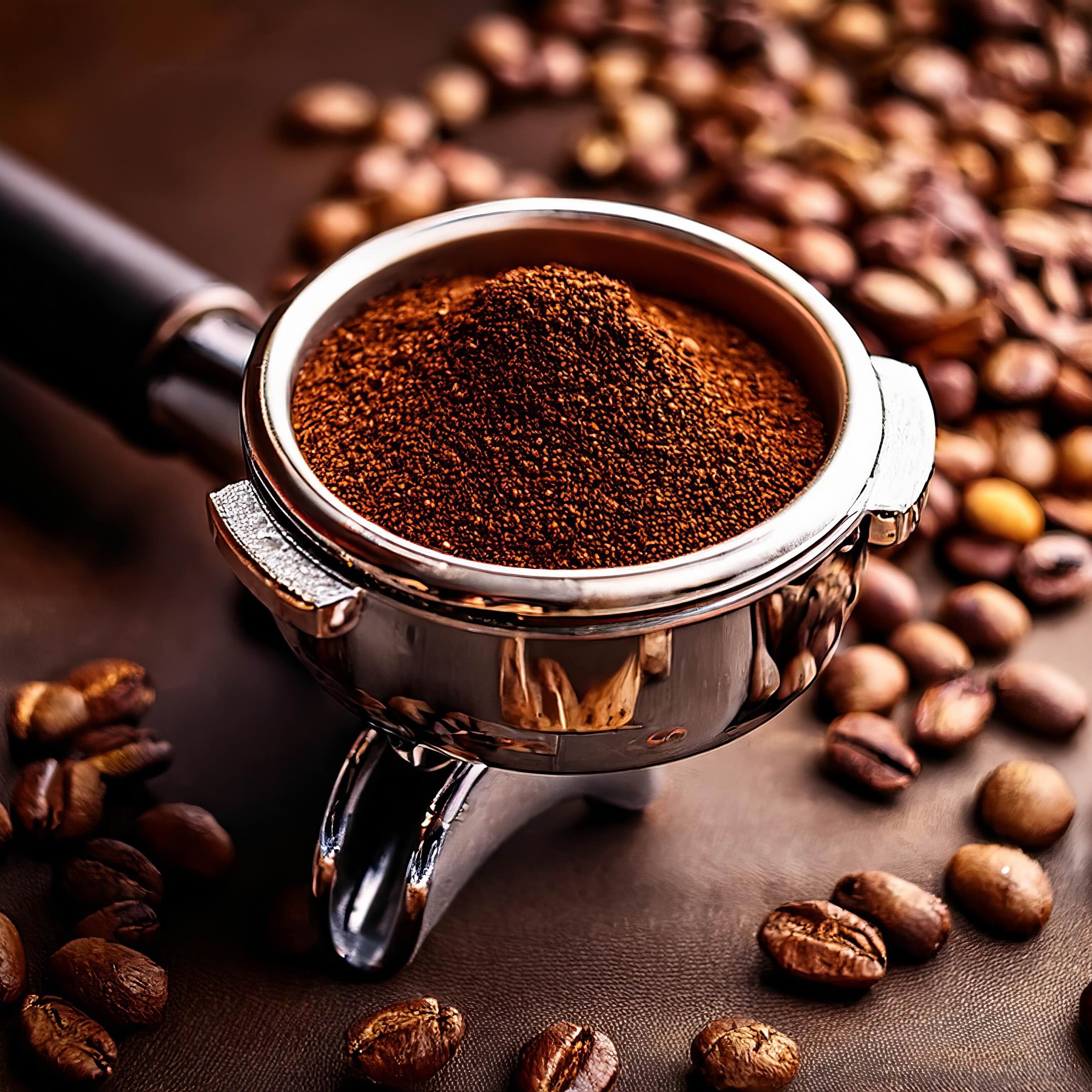
Espresso extraction relies heavily on the particle size of your espresso grounds. For a standard, well-balanced specialty coffee espresso, commercial grinders are typically calibrated to a particle size of roughly 350 microns.
This grind size is backed by rigid data; a landmark study on espresso extraction dynamics by computational chemist Dr. Christopher H. Hendon proves that specific micron sizes and grind distributions directly regulate the flow of pressurized water. Precise particle spacing with high grind size consistency allows water to flow through the coffee bed under pressure at a rate that yields a standard 1:2 brewing ratio (e.g., 18 grams of dry coffee to 36 grams of liquid espresso) in about 25 to 30 seconds. Tweaking the micron limits directly dictates your extraction yield and shot-to-shot reproducibility.

True Italian Ristretto Requires a Finer 250-Micron Grind
A true ristretto, however, requires a strict 1:1 or 1:1.5 ratio. To get that thick, restricted pour without under-extracting and producing a sour, weak mess, a barista cannot just stop the machine early. As professionals point out when discussing pulling a ristretto the proper way, they must adapt the grind settings to be significantly finer—exactly around 250 microns.
| Coffee Style | Target Particle Size | Target Brew Ratio |
|---|---|---|
| Standard Espresso | ~350 Microns | 1:2 (e.g., 18g in / 36g out) |
| True Italian Ristretto | ~250 Microns | 1:1 (e.g., 18g in / 18g out) |
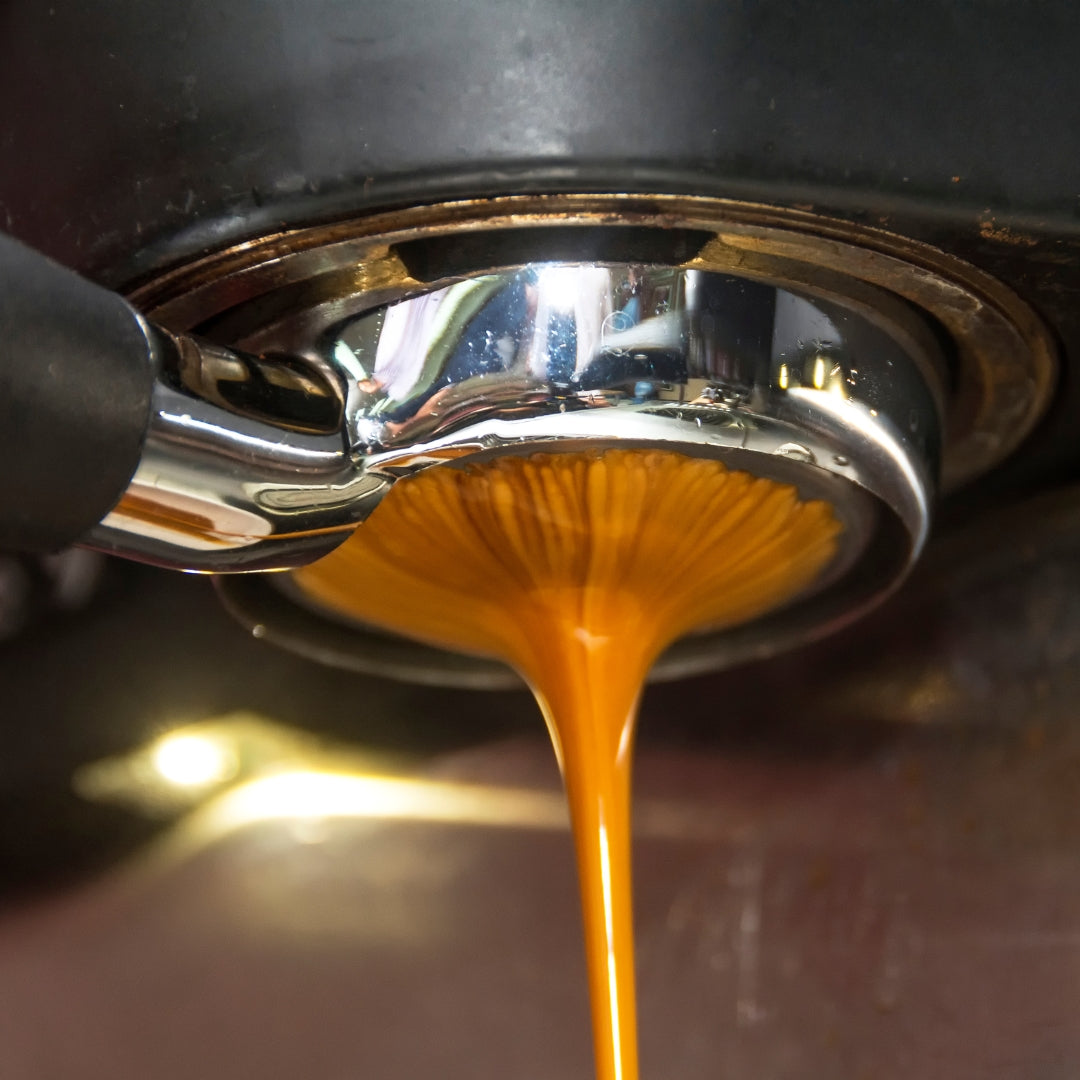
By shifting to an ultra-fine 250-micron grind, the water meets much higher resistance. This slows the flow rate dramatically, allowing the high-pressure water to extract those intensely sweet, heavy solubles while keeping the liquid yield incredibly short.

Why High-Volume Cafés Can't Pause Production
In a busy café environment, achieving this 250-micron perfection is next to impossible on the fly.
Dialing in a single grinder for the house espresso takes time, precision, and wasted coffee. If a barista were to adjust their main grinder down to 250 microns for your single order, they would completely ruin the calibration for every standard espresso order waiting in line behind you. Purging the grinder, changing the micron setting, and re-checking the flow rate locks up the station.
The Café Problem with Pulling a Quality Ristretto: High-volume coffee shops cannot pause service to adjust and recalibrate their primary commercial grinders down to an ultra-fine 250 microns for a single, non-standard order without completely disrupting the workflow and delaying every customer waiting in line.
For a café to offer an authentic ristretto shot safely, they would need to dedicate a completely separate, commercial-grade grinder exclusively to that 250-micron profile. Because high-volume shops can't pause to recalibrate their equipment for a single cup, they simply leave it off the menu.

Why Peak Extraction Belongs at Home
Because cafés struggle with the operational headache of the short shot, true ristretto perfection has shifted away from the commercial counter and straight to the home barista. When you control the espresso machine, you don't have to worry about a line of impatient customers behind you. You can focus entirely on achieving that thick, syrupy cup.
However, hitting that ultra-precise 250-micron sweet spot on a standard home grinder can be frustrating. Many prosumer grinders don't have the micro-adjustments needed to transition smoothly from standard espresso grounds to an ultra-fine ristretto grind, often resulting in stalled extractions or bitter channels.
Fortunately, you don't need a $3,000 commercial setup to enjoy a premium ristretto at your kitchen counter. You just need coffee that is engineered exactly for the task.

Bring the Perfect Ristretto Shot to Your Kitchen
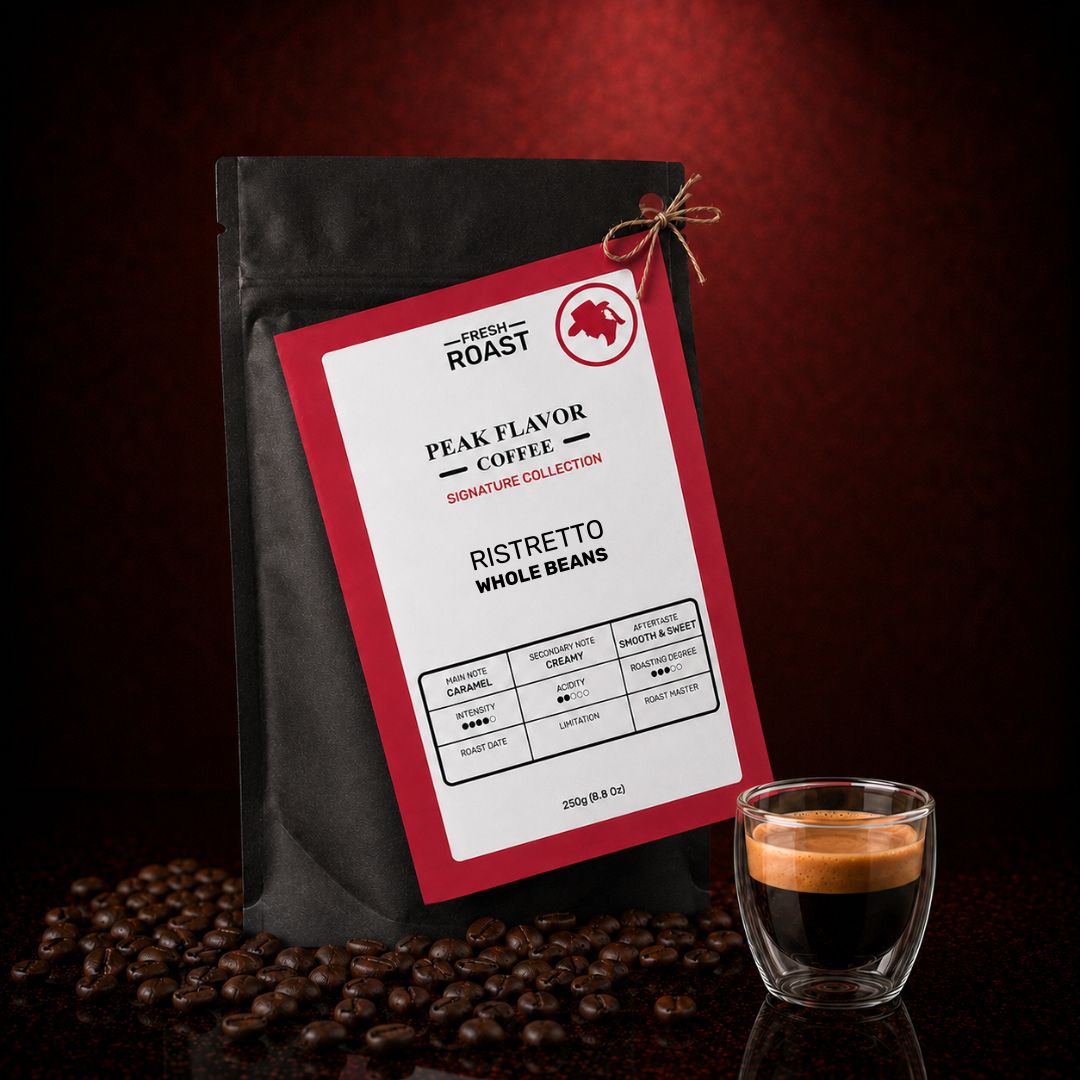
While busy cafés can't afford to break their workflow for a 250-micron shot, your home espresso machine is the perfect canvas for peak extraction. Skip the commercial operational headaches and pull a flawless, syrupy short shot at home with selections engineered perfectly for the task:
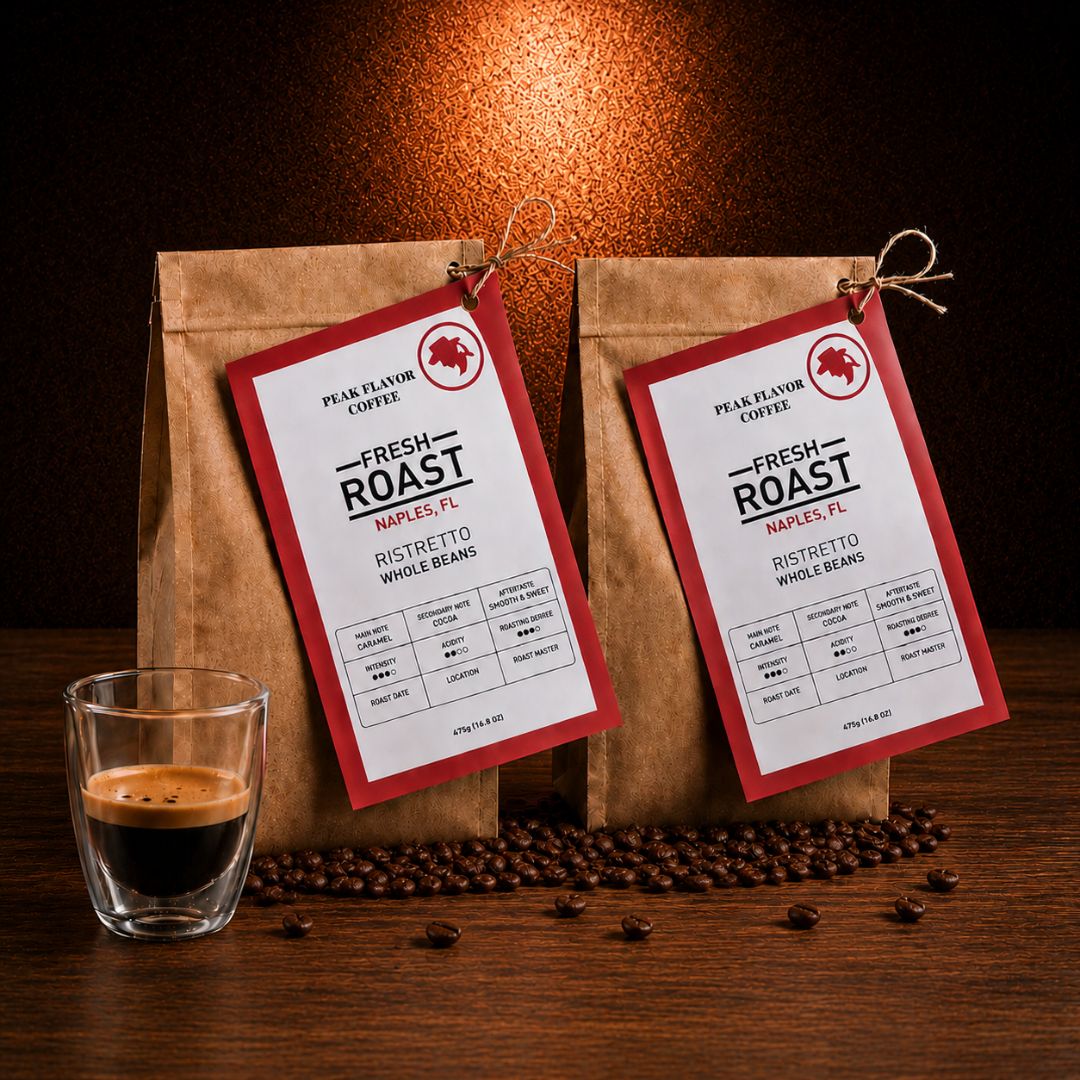
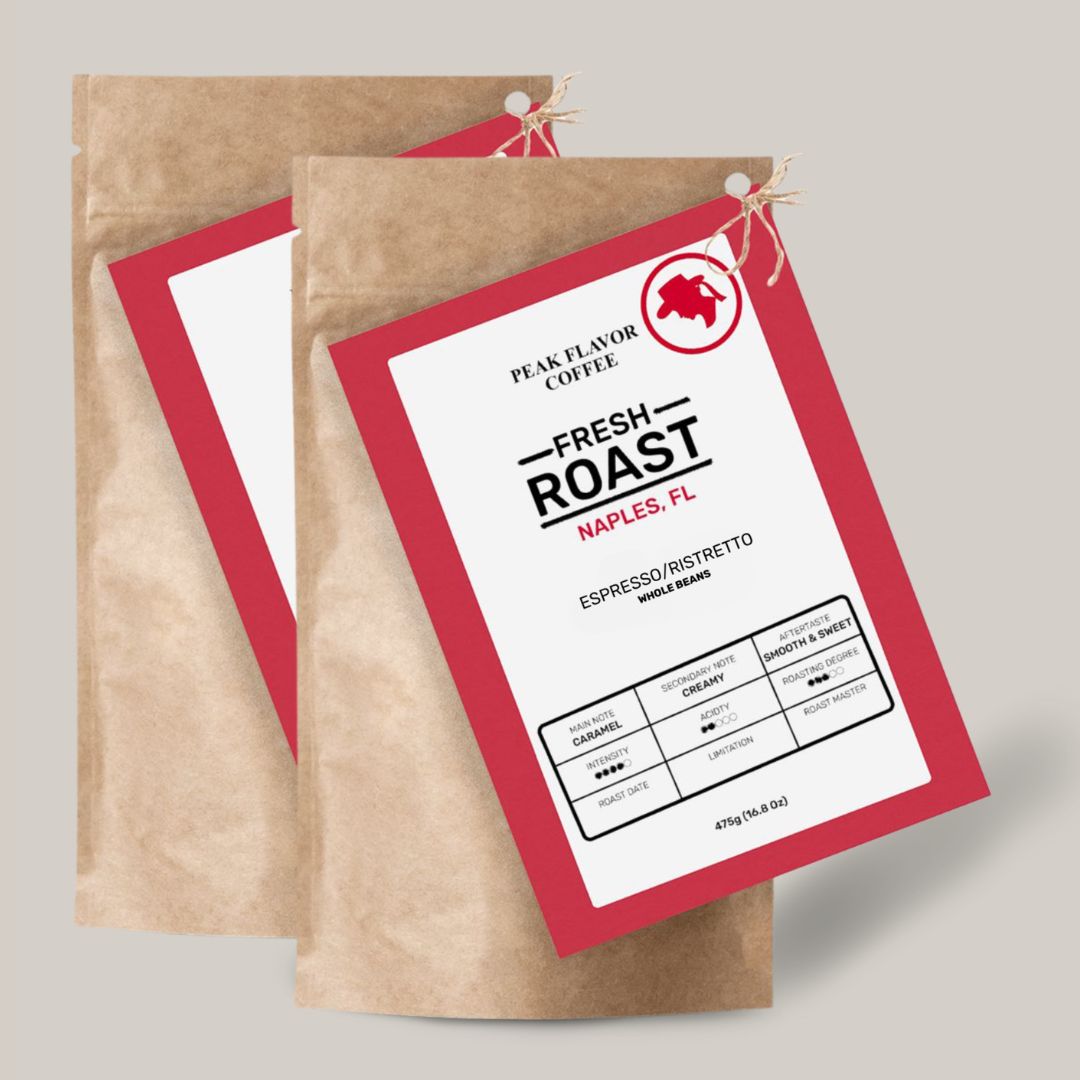
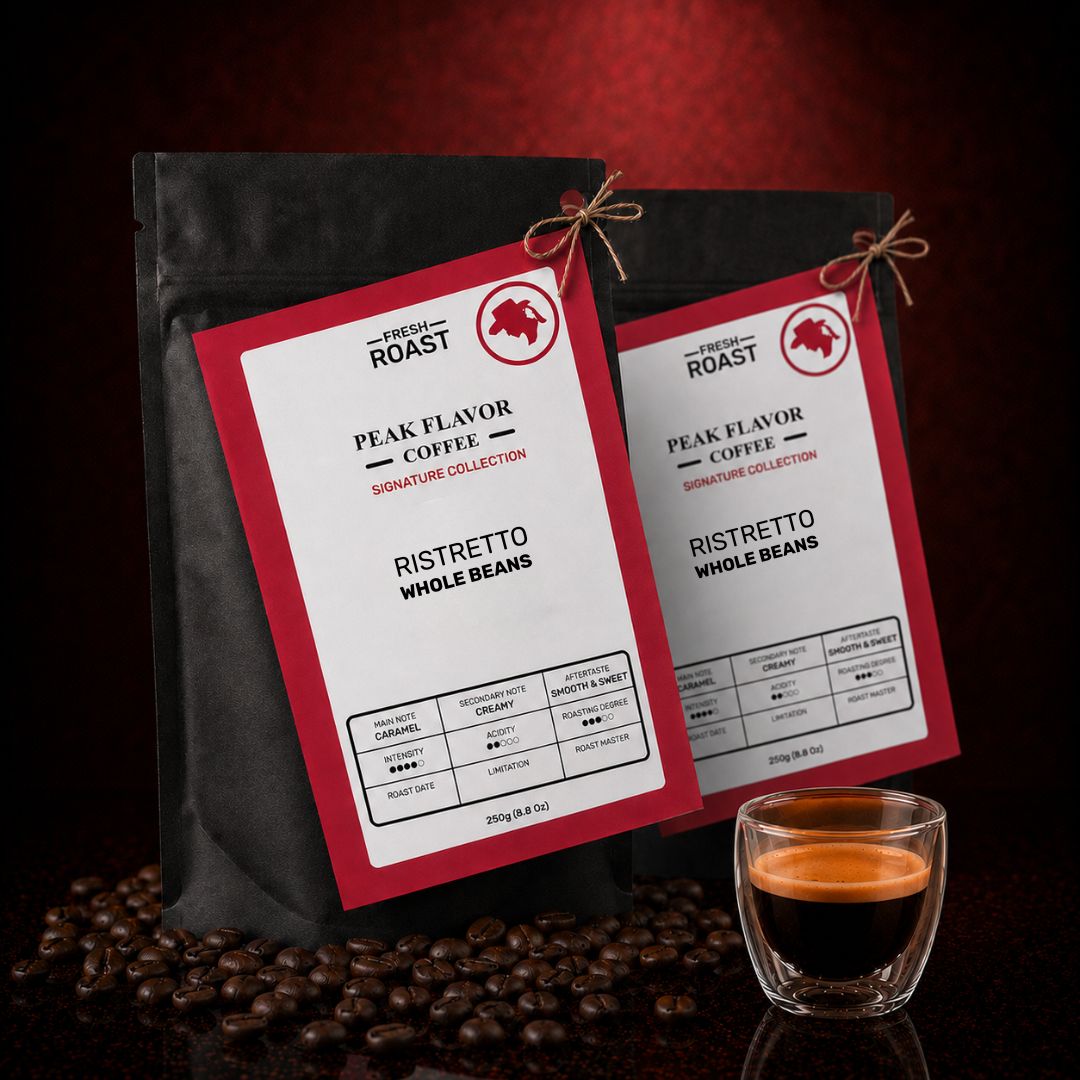
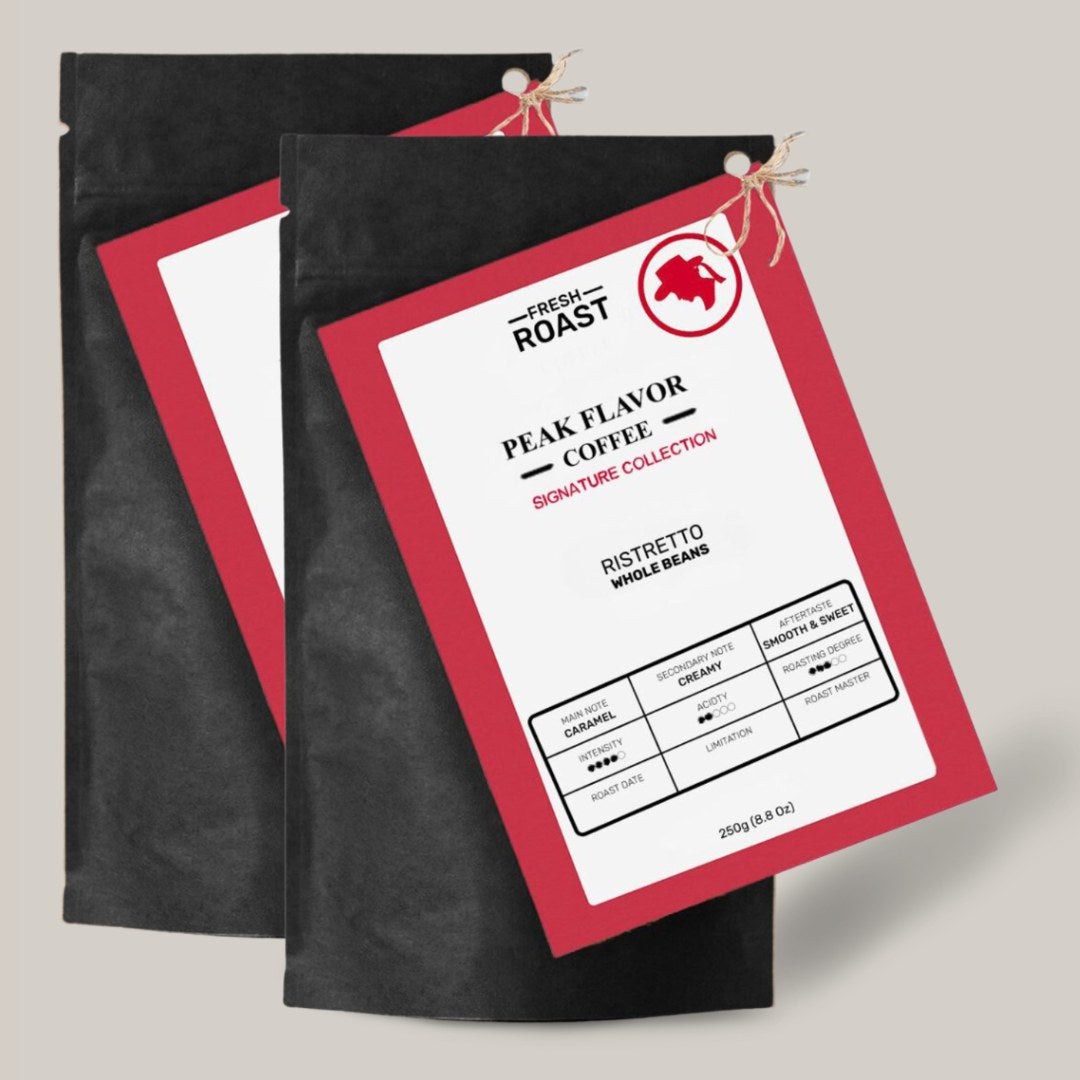
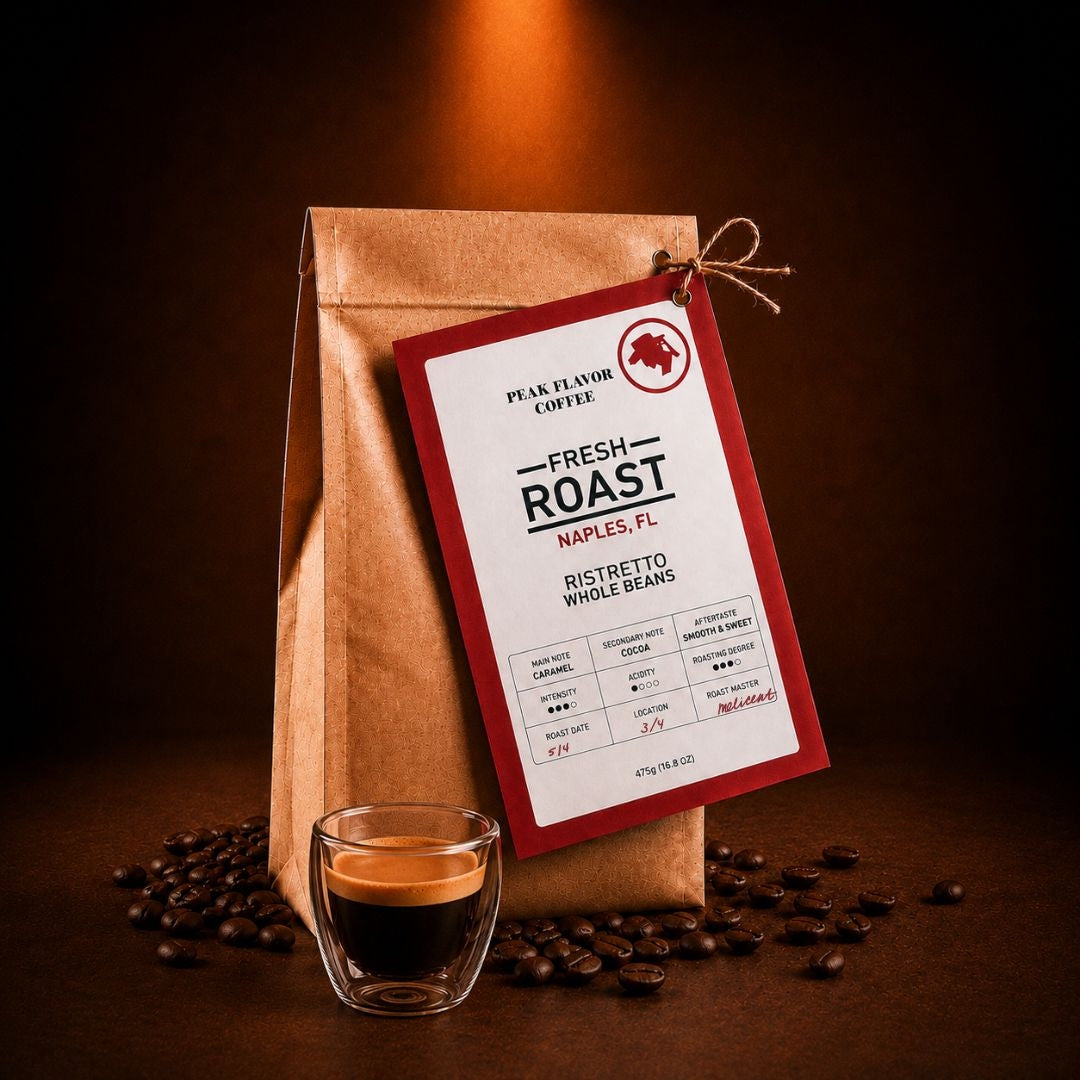
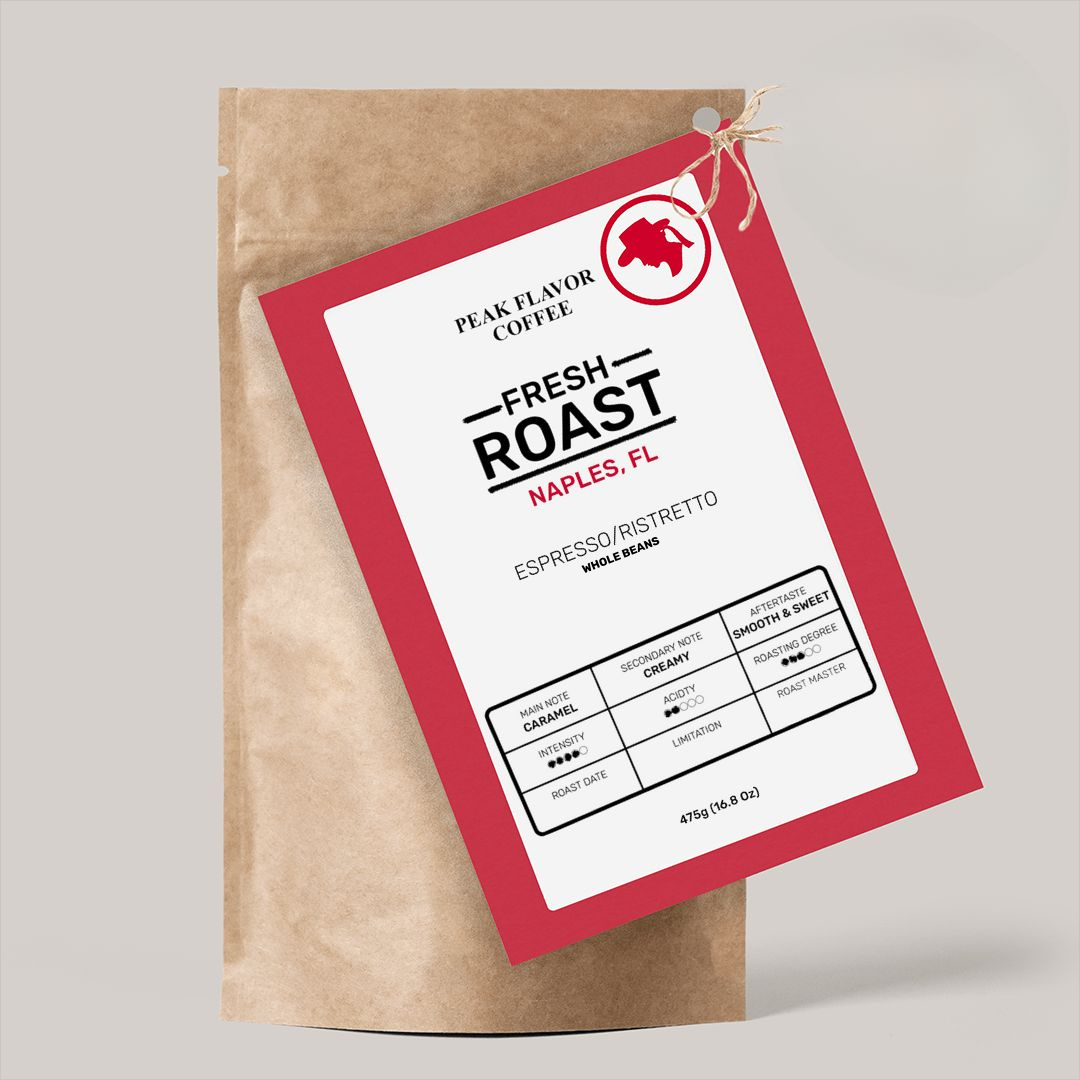
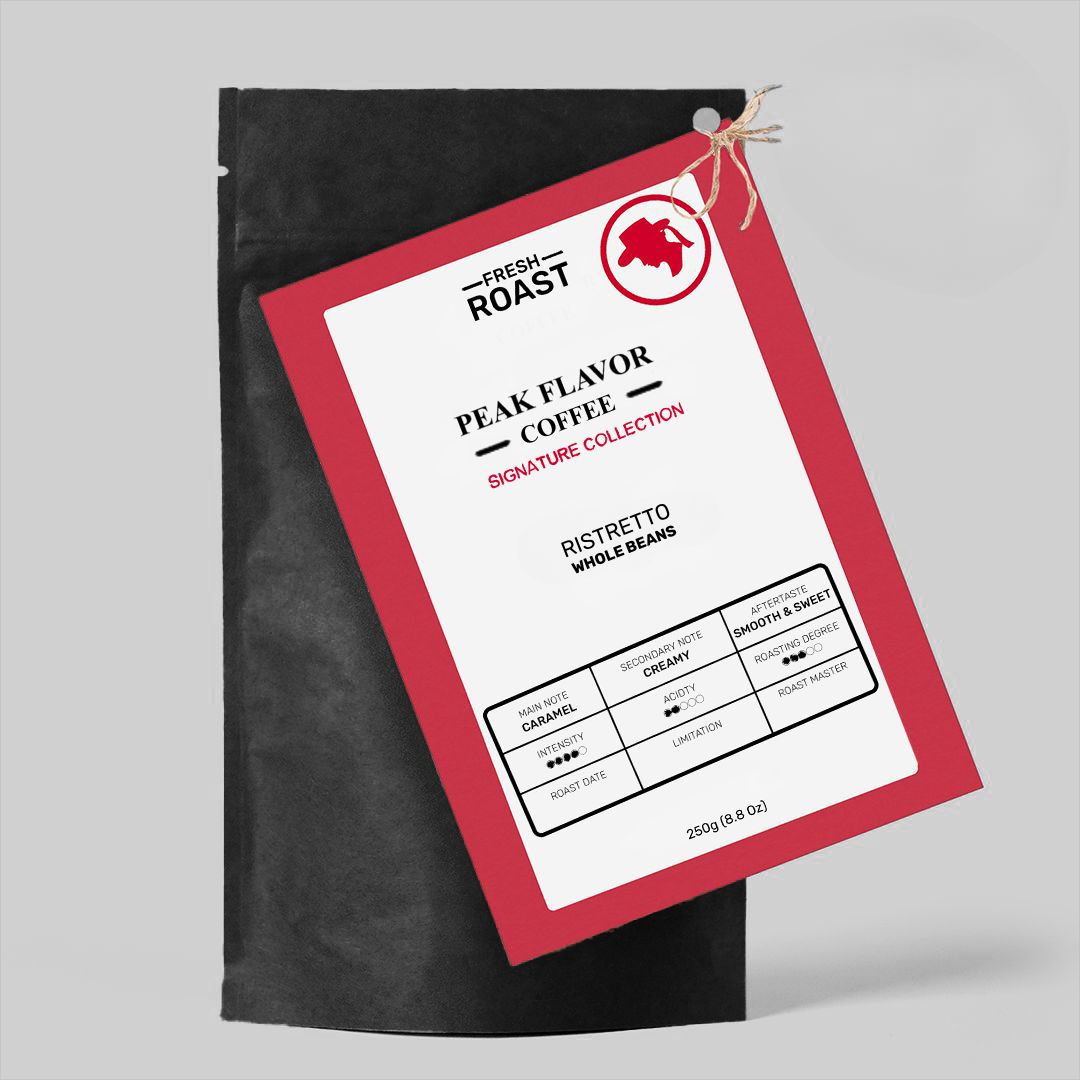
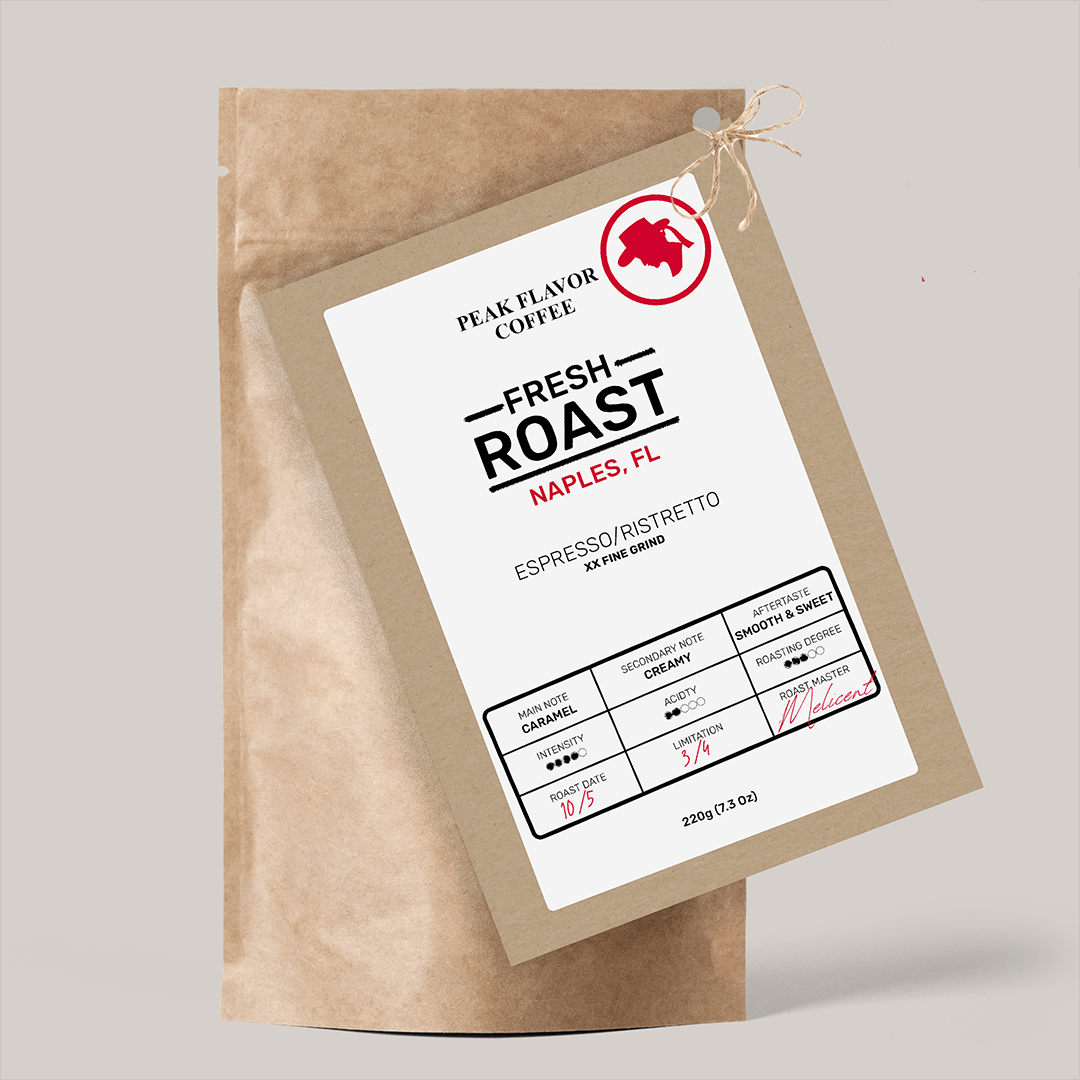
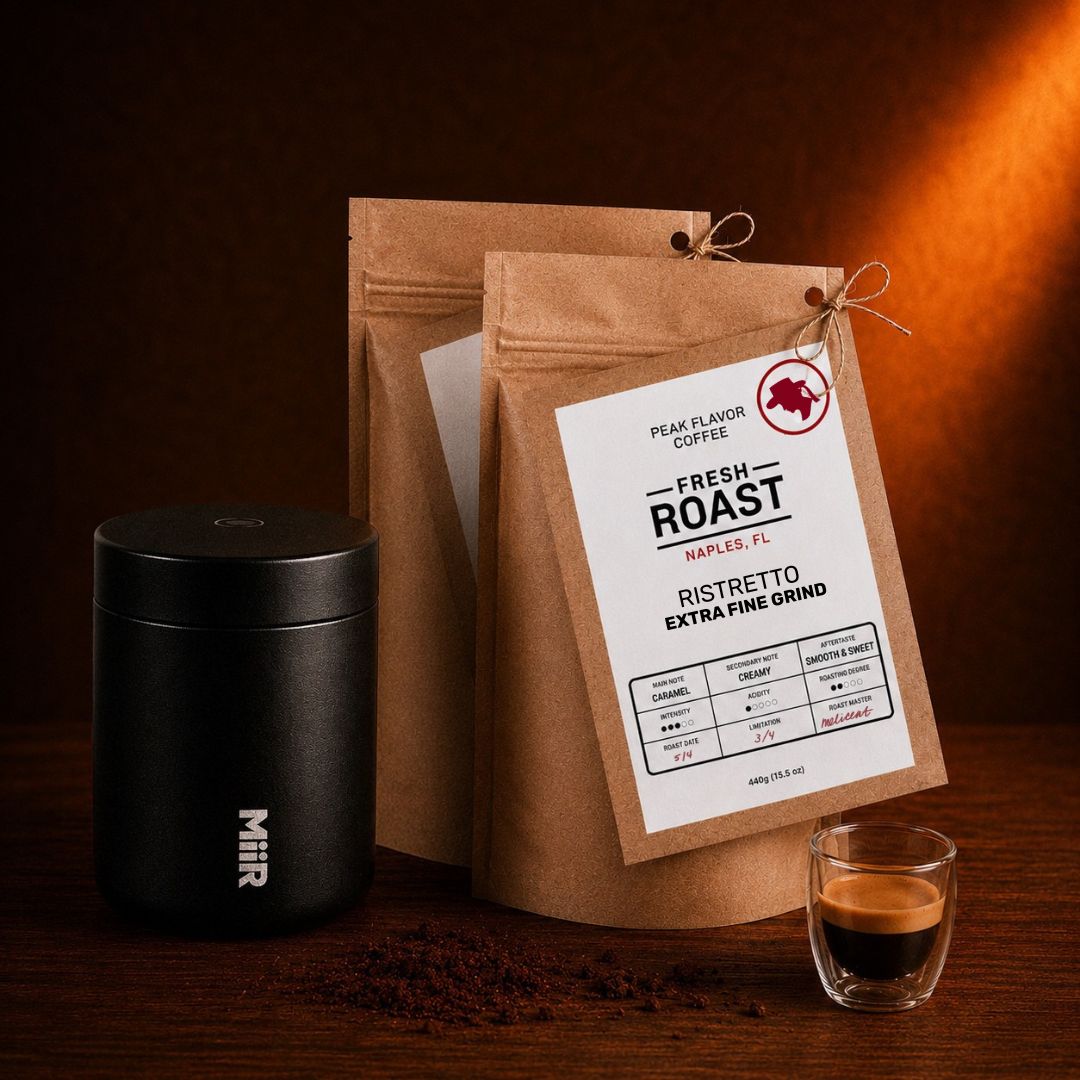
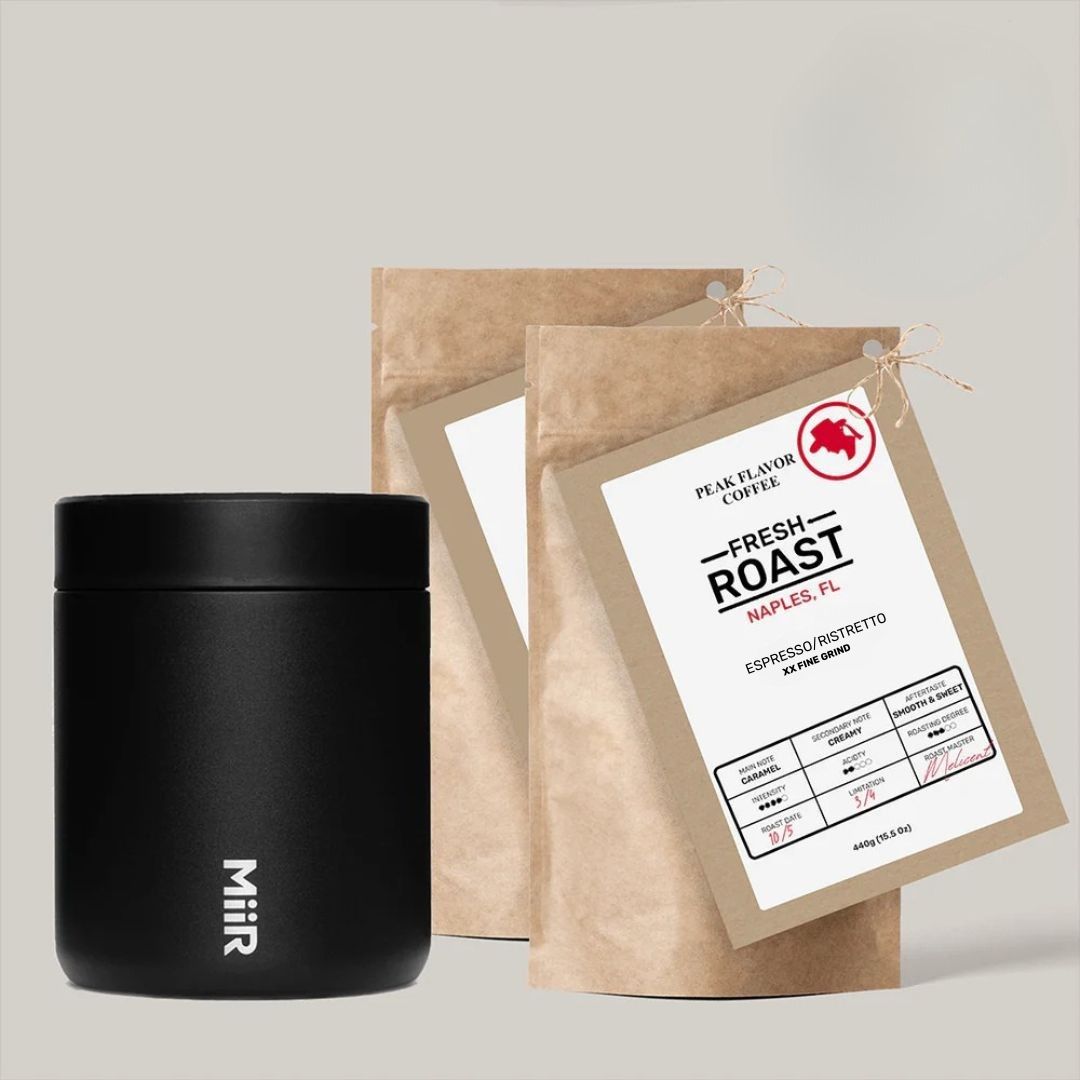
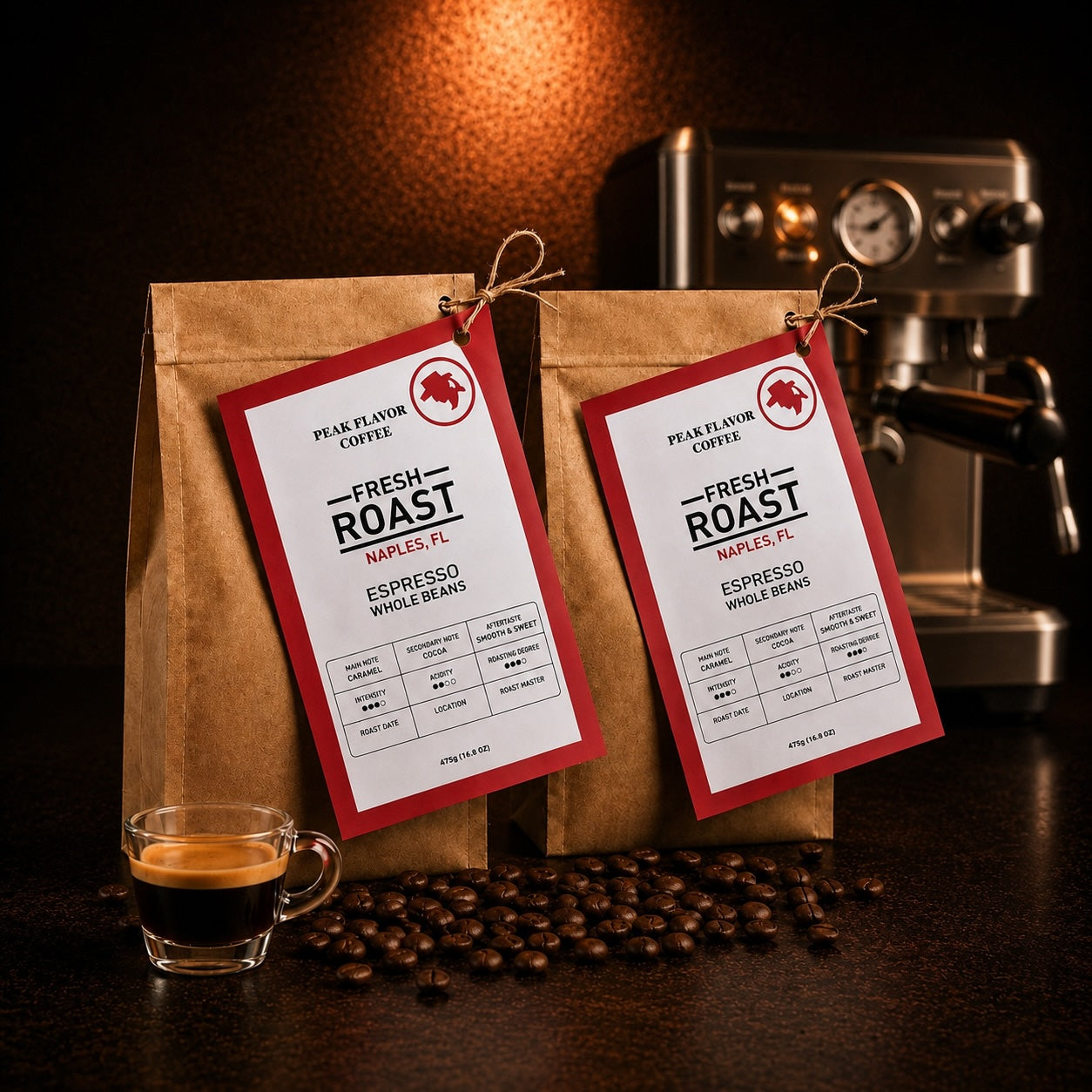
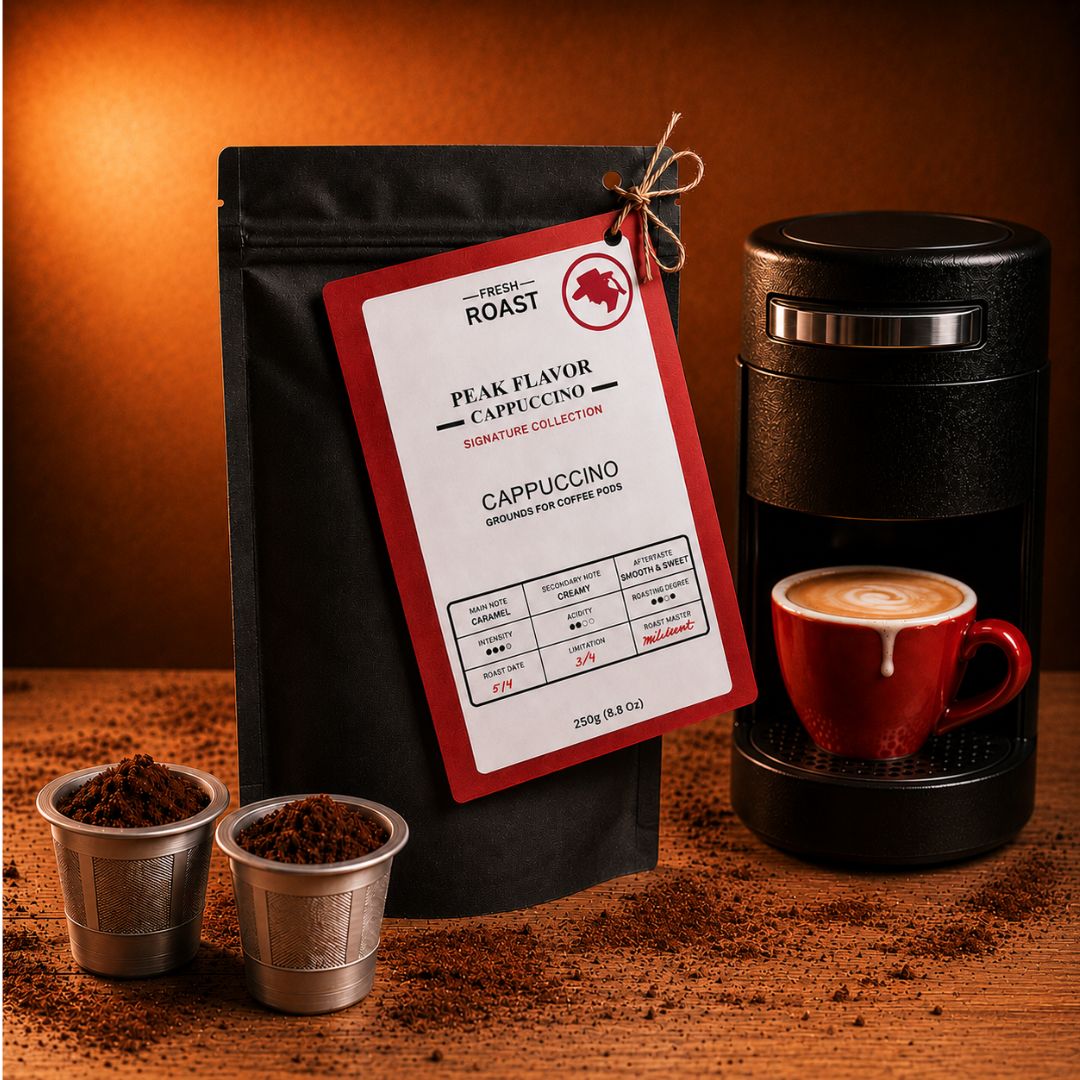
- Dial in your own home grinder: Skip the trial and error with our fresh-roasted, premium coffee selections. Try Espresso Beans Made for Ristretto (100g Tasting Sample) to transform your morning ritual.
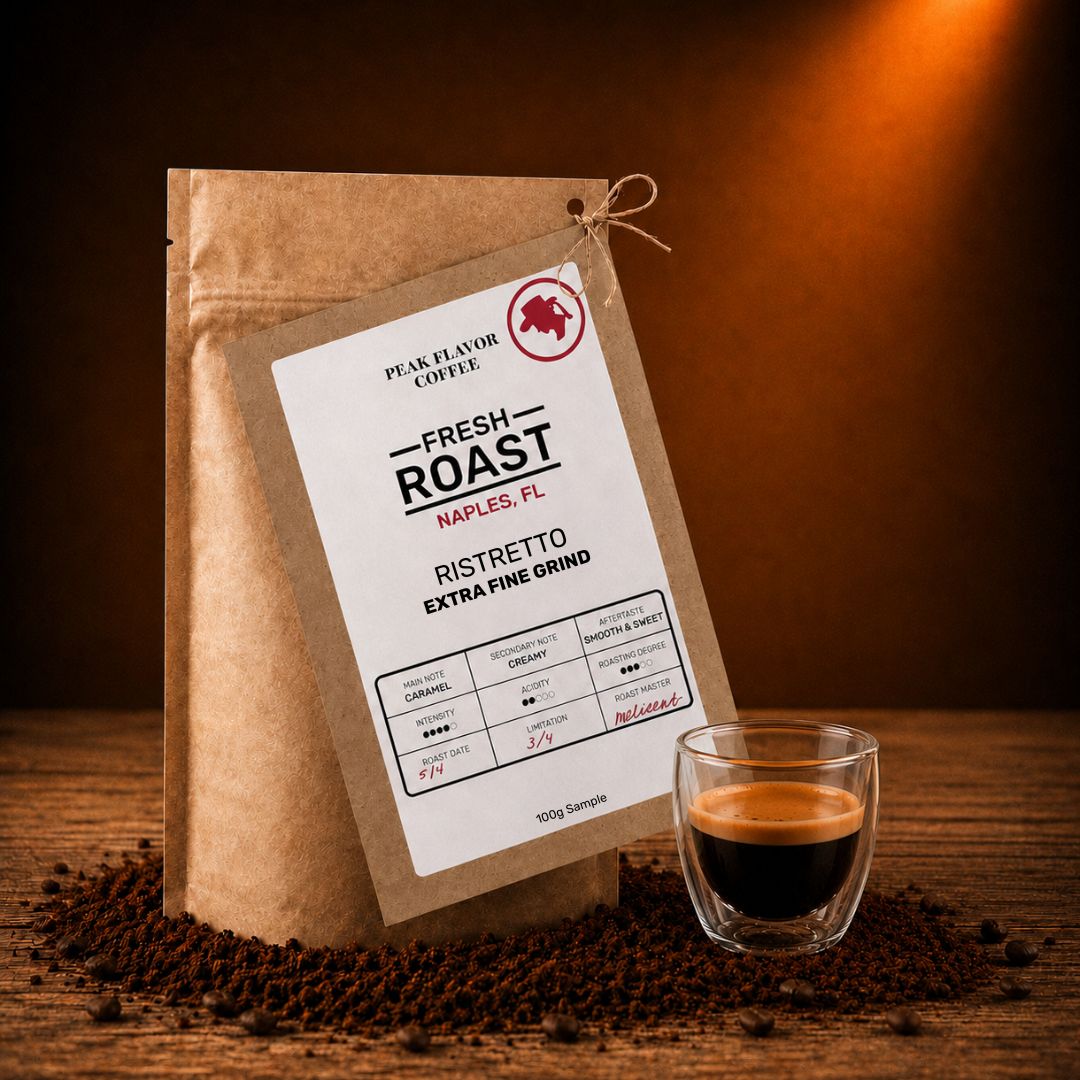
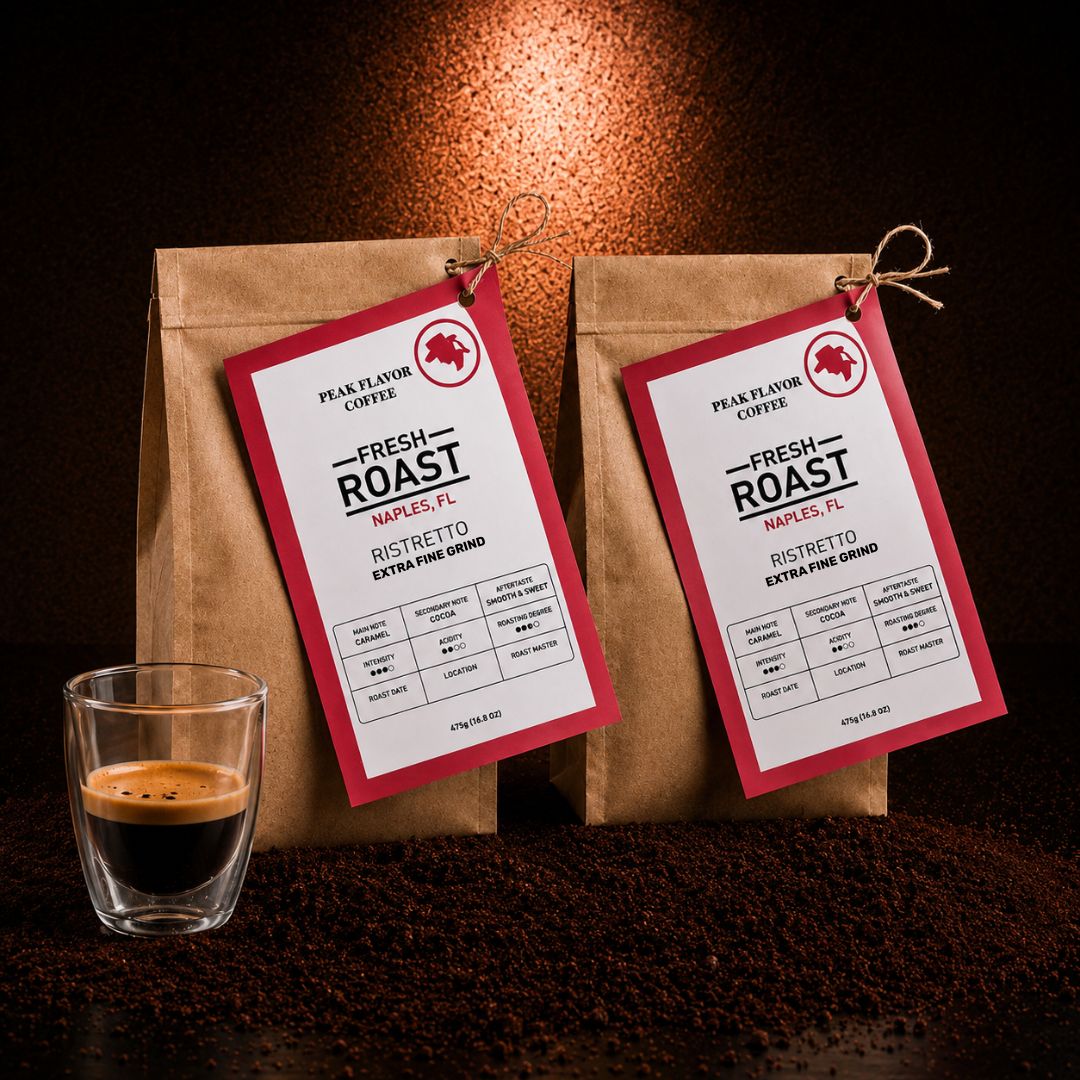
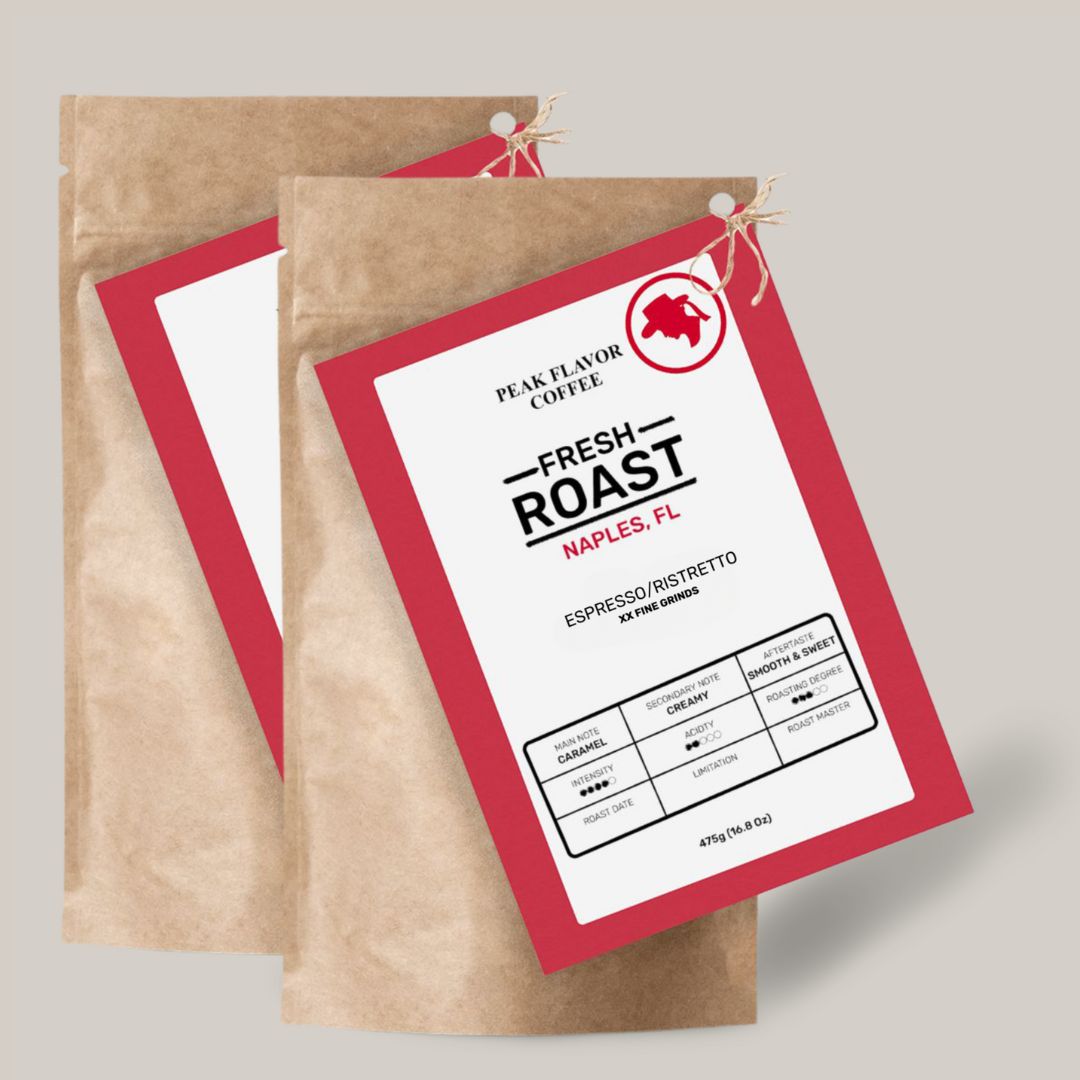
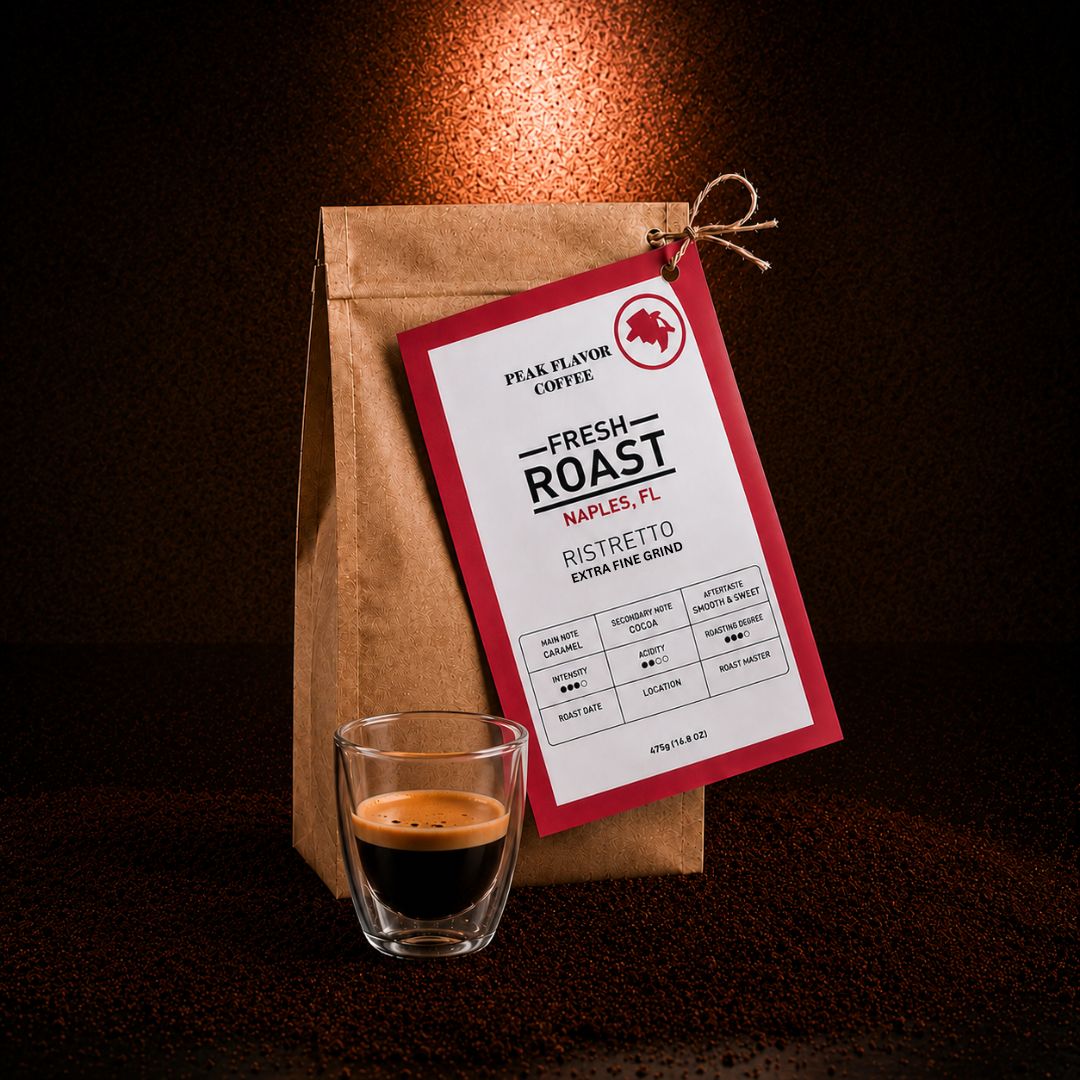
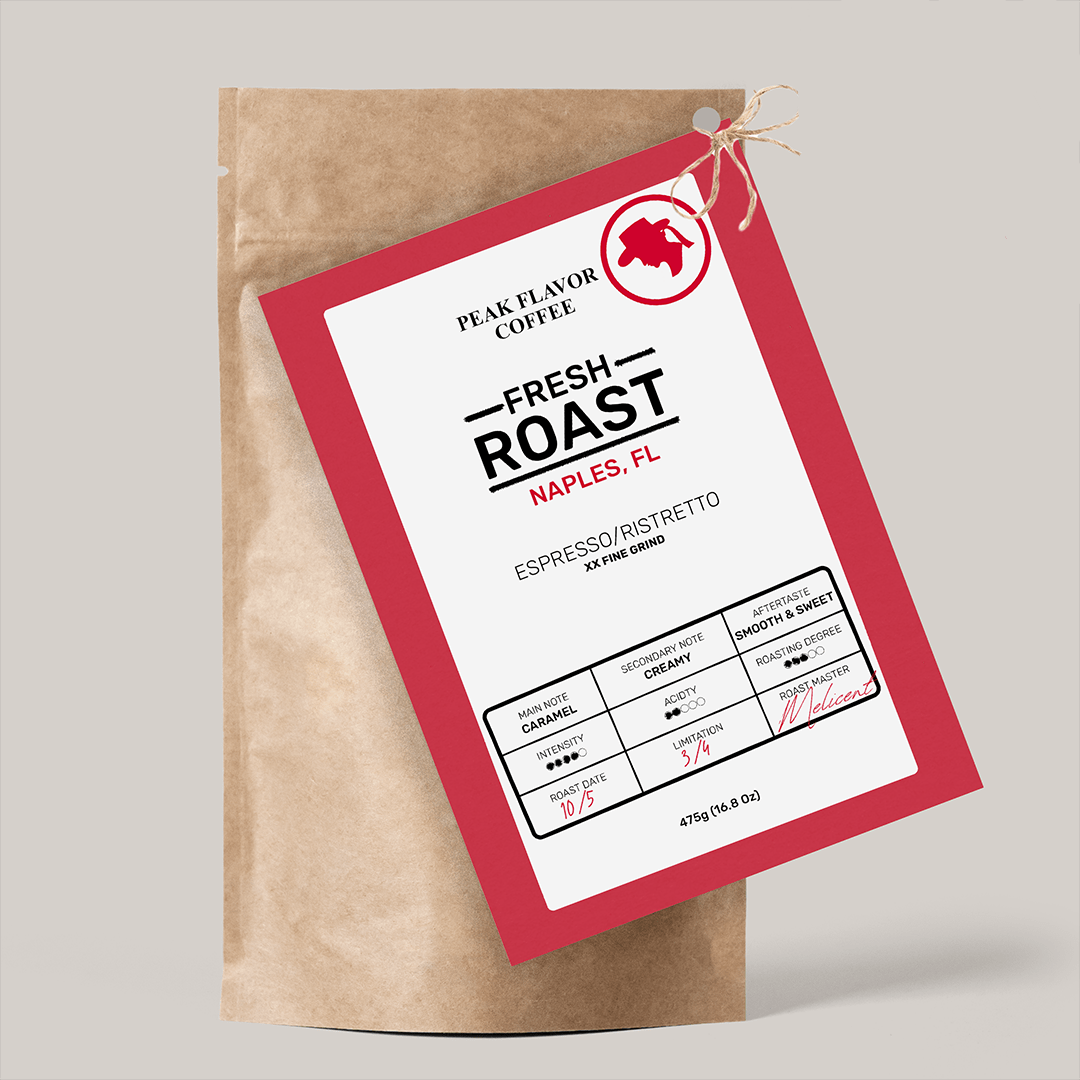
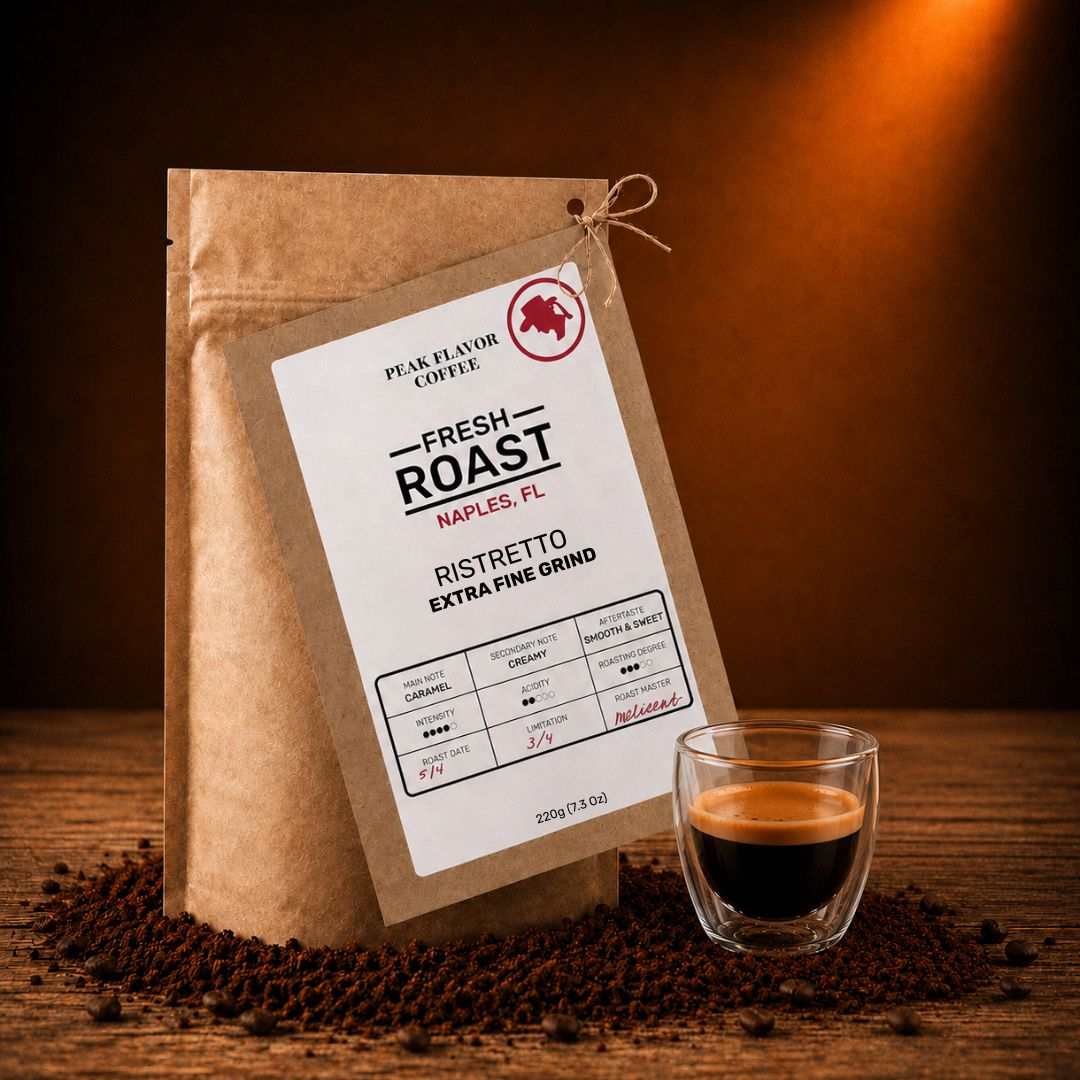
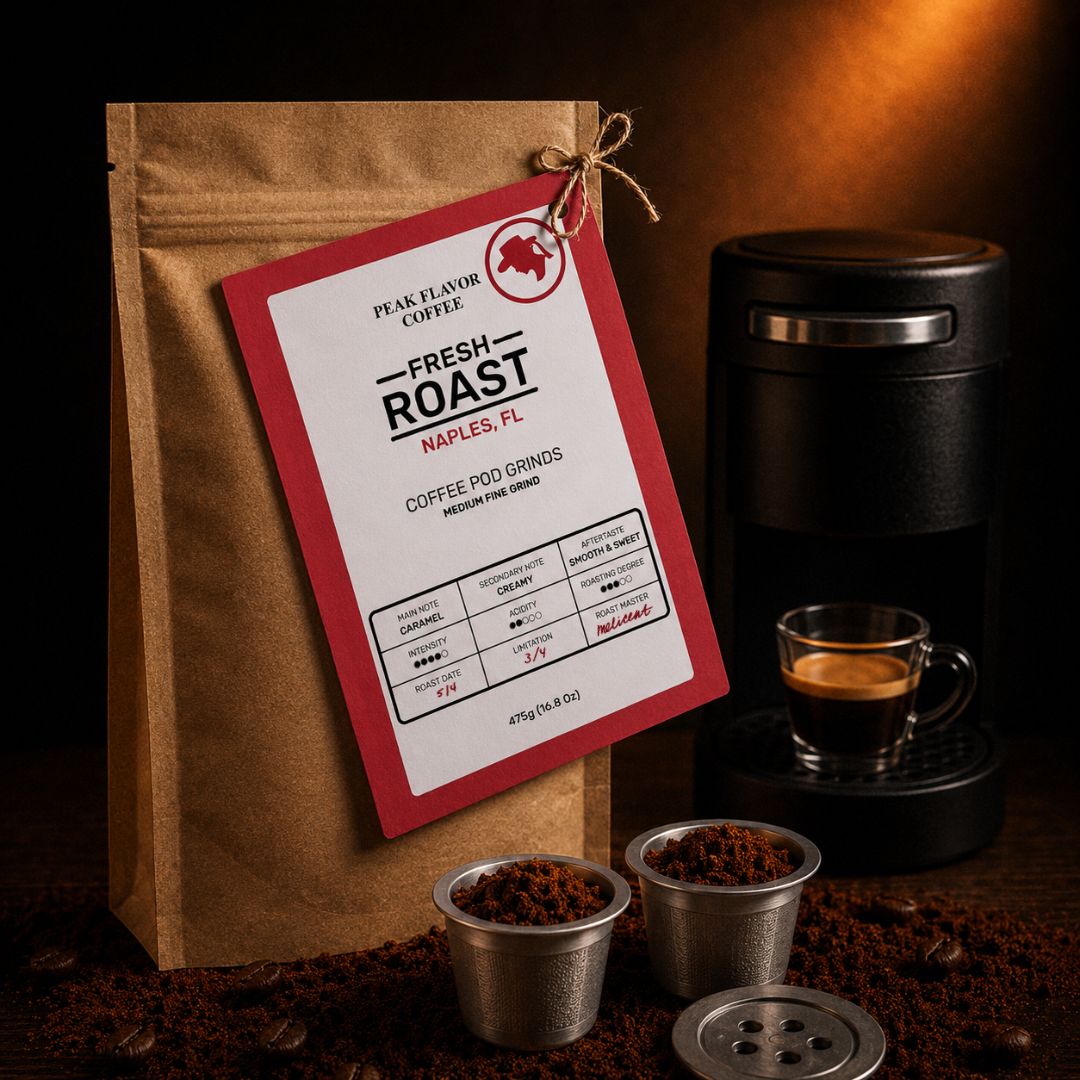
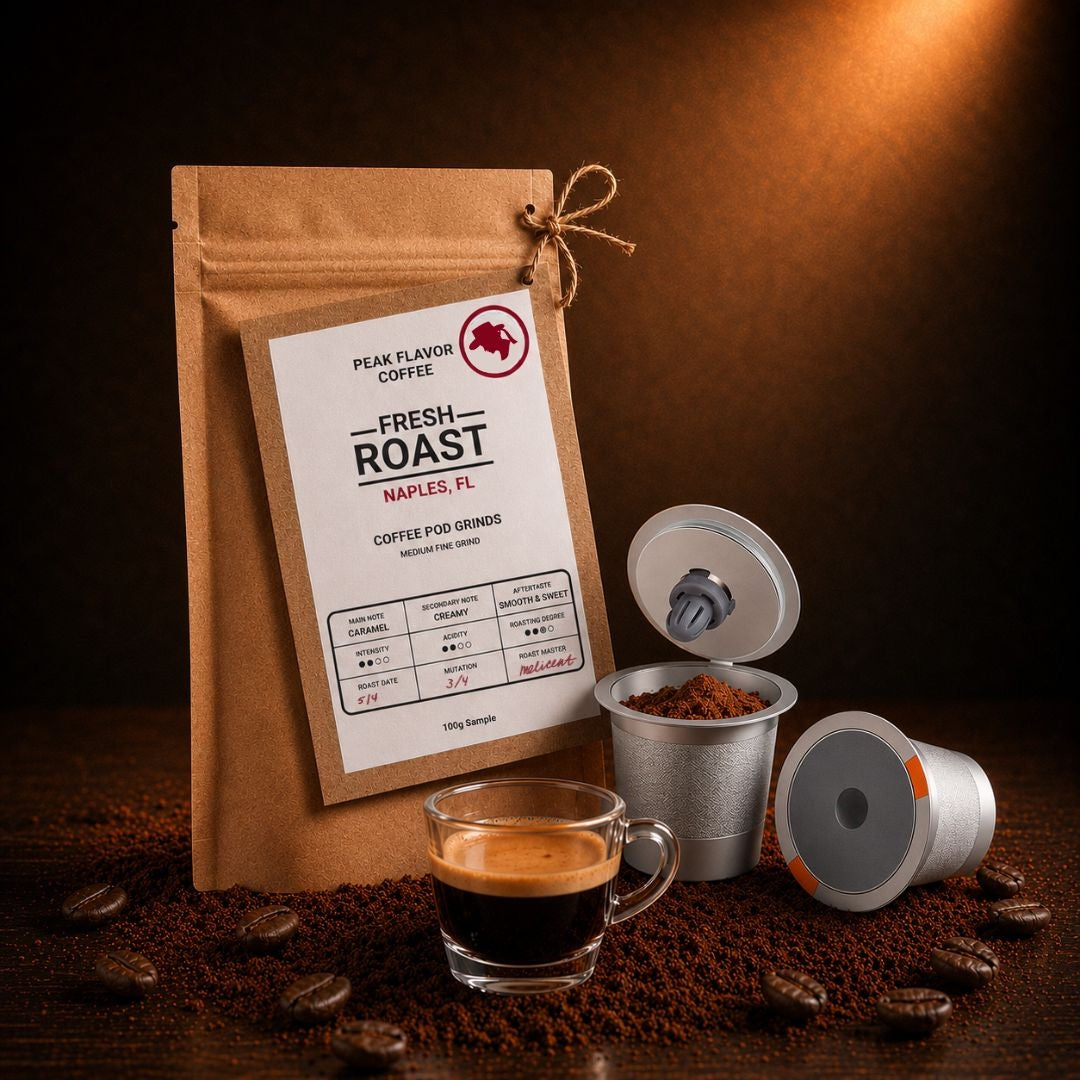
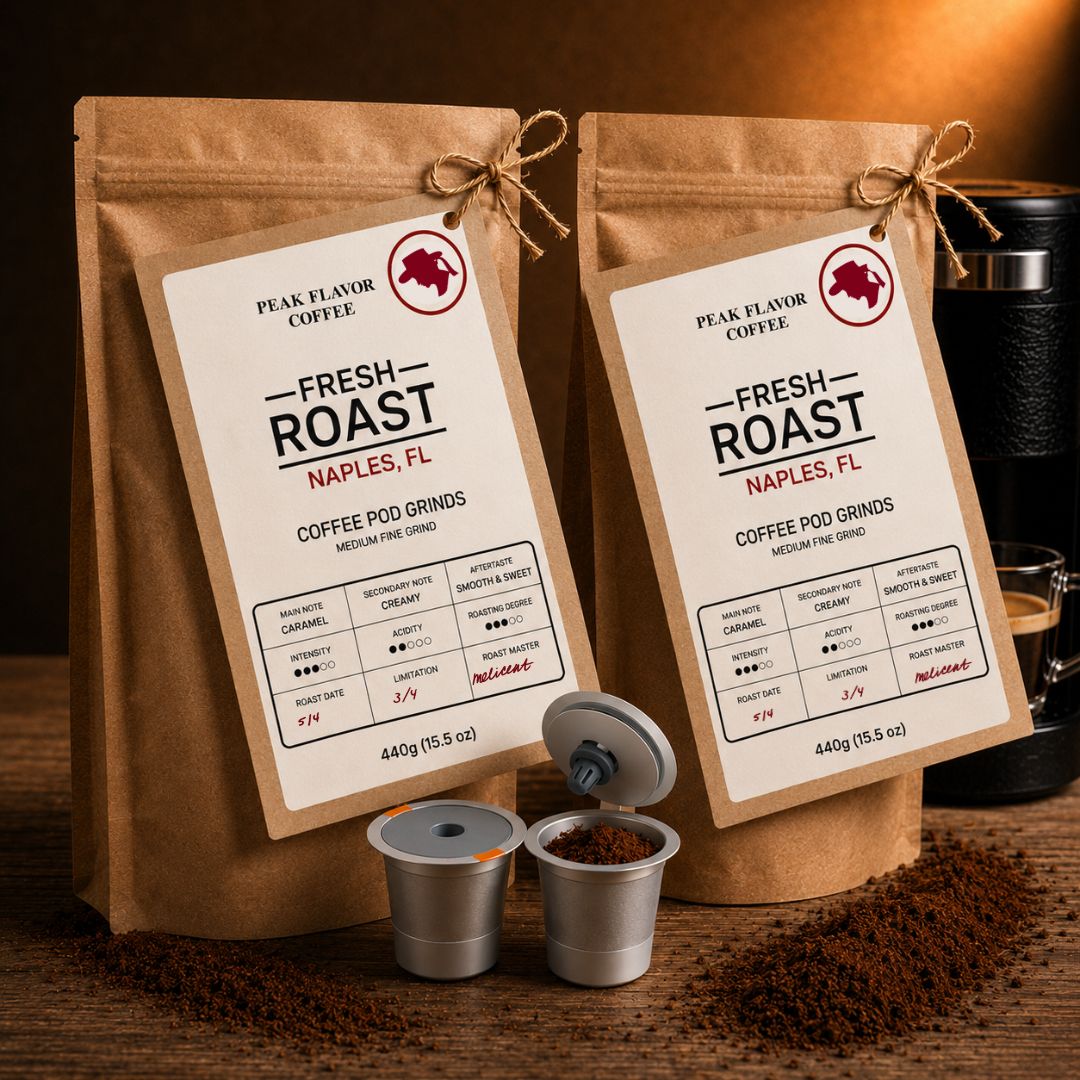
- Skip the grinder settings entirely: Get flawless, commercial-grade grind size consistency right out of the bag. Shop Pre-Ground Specialty Coffee for Italian Ristretto (100g Tasting Sample) tailored specifically for your machine.