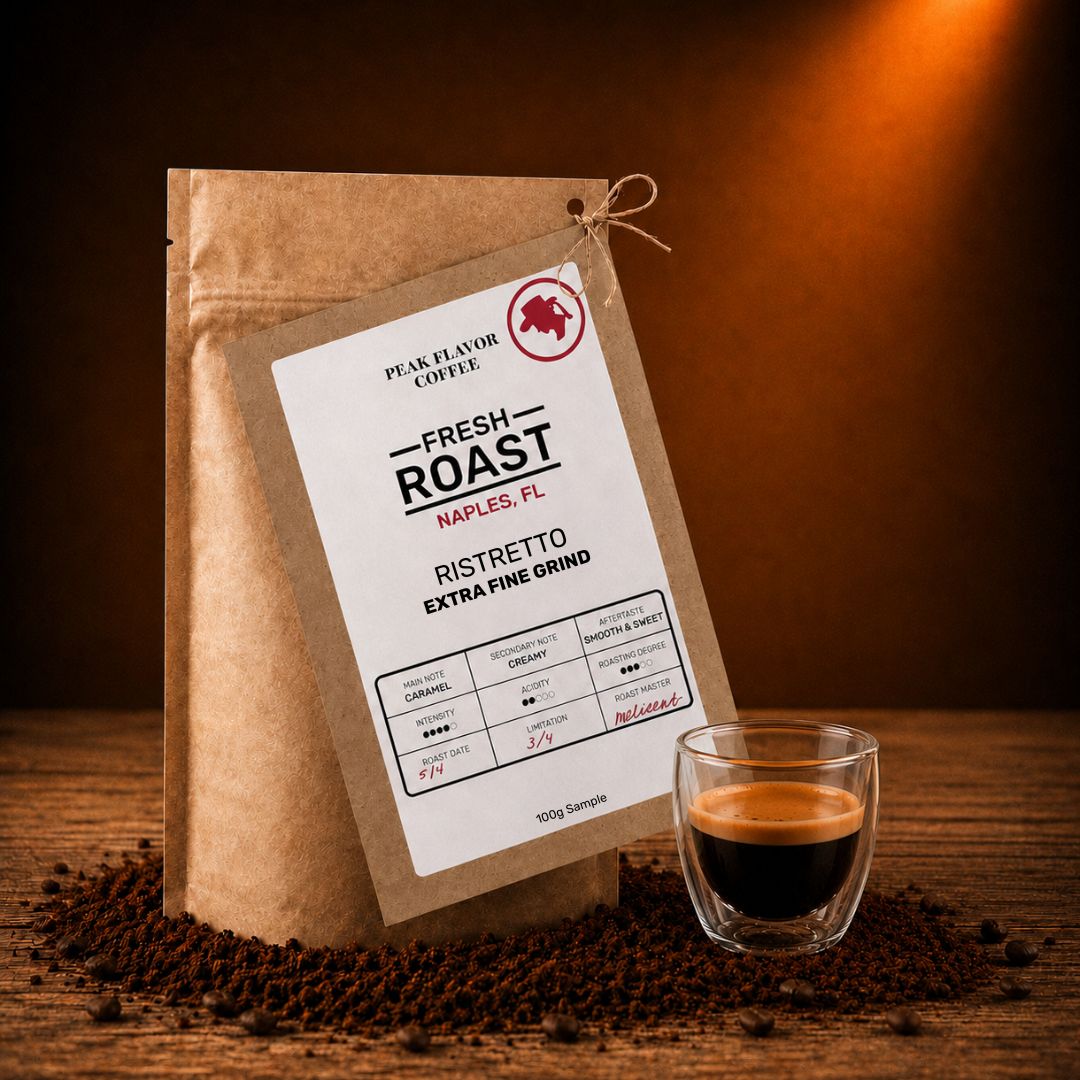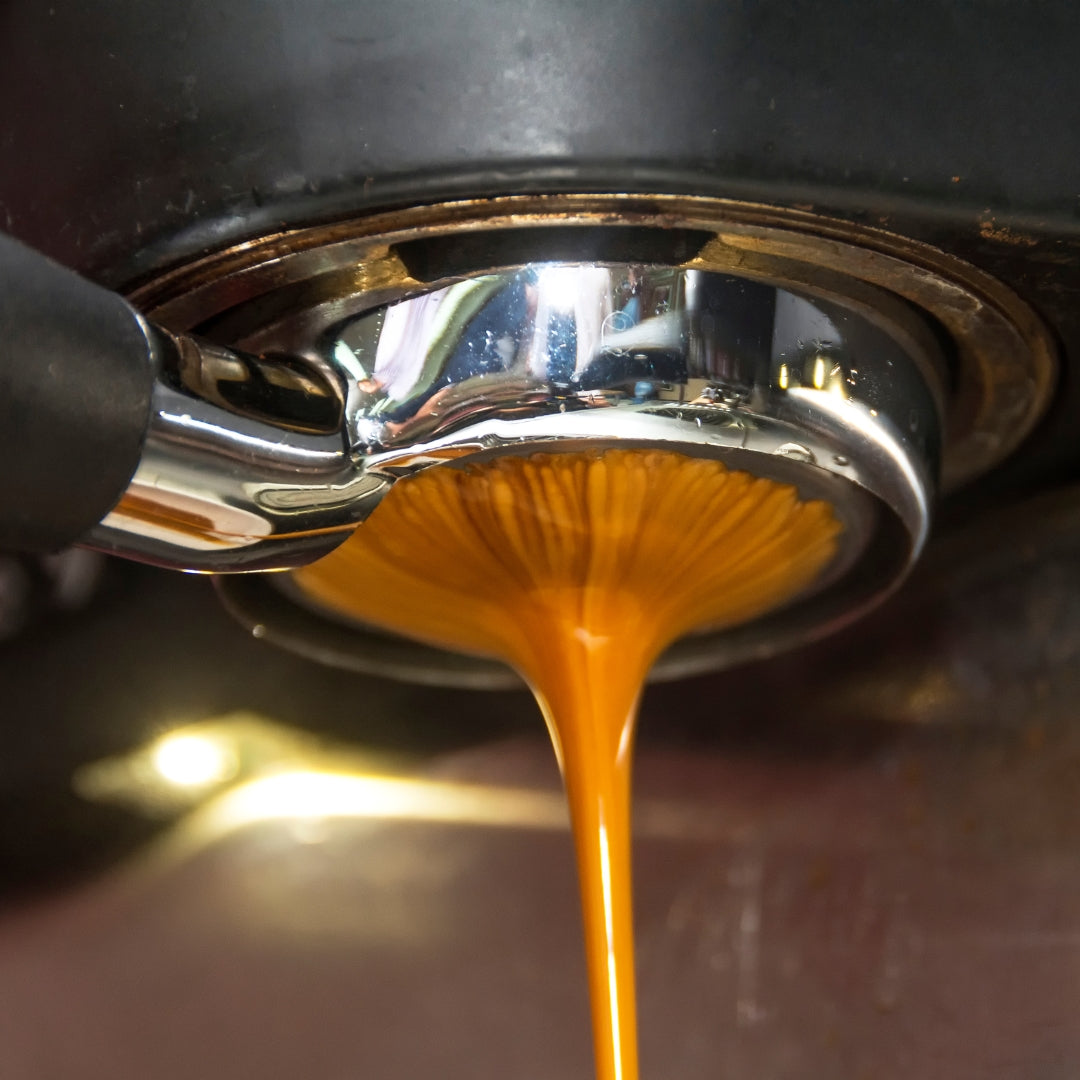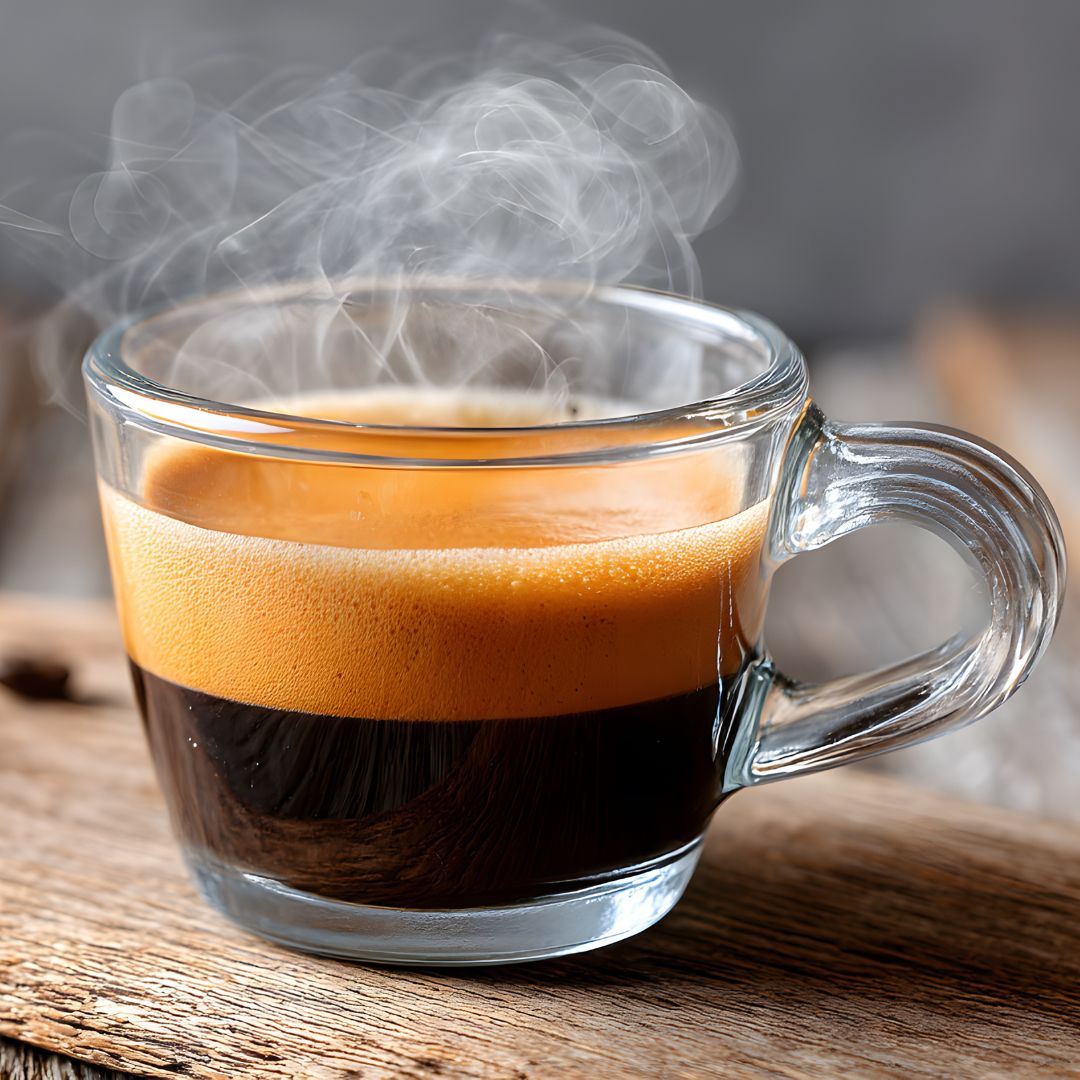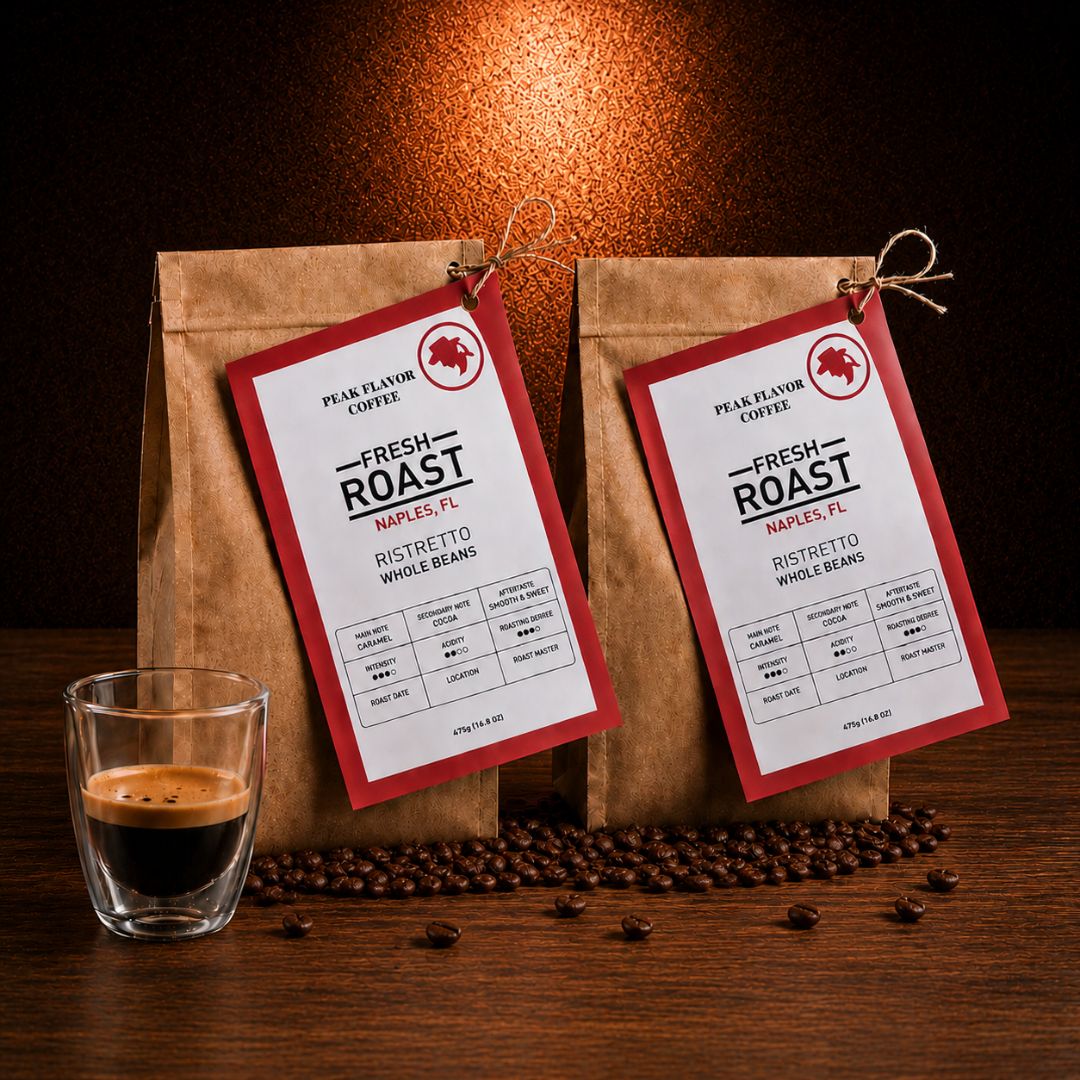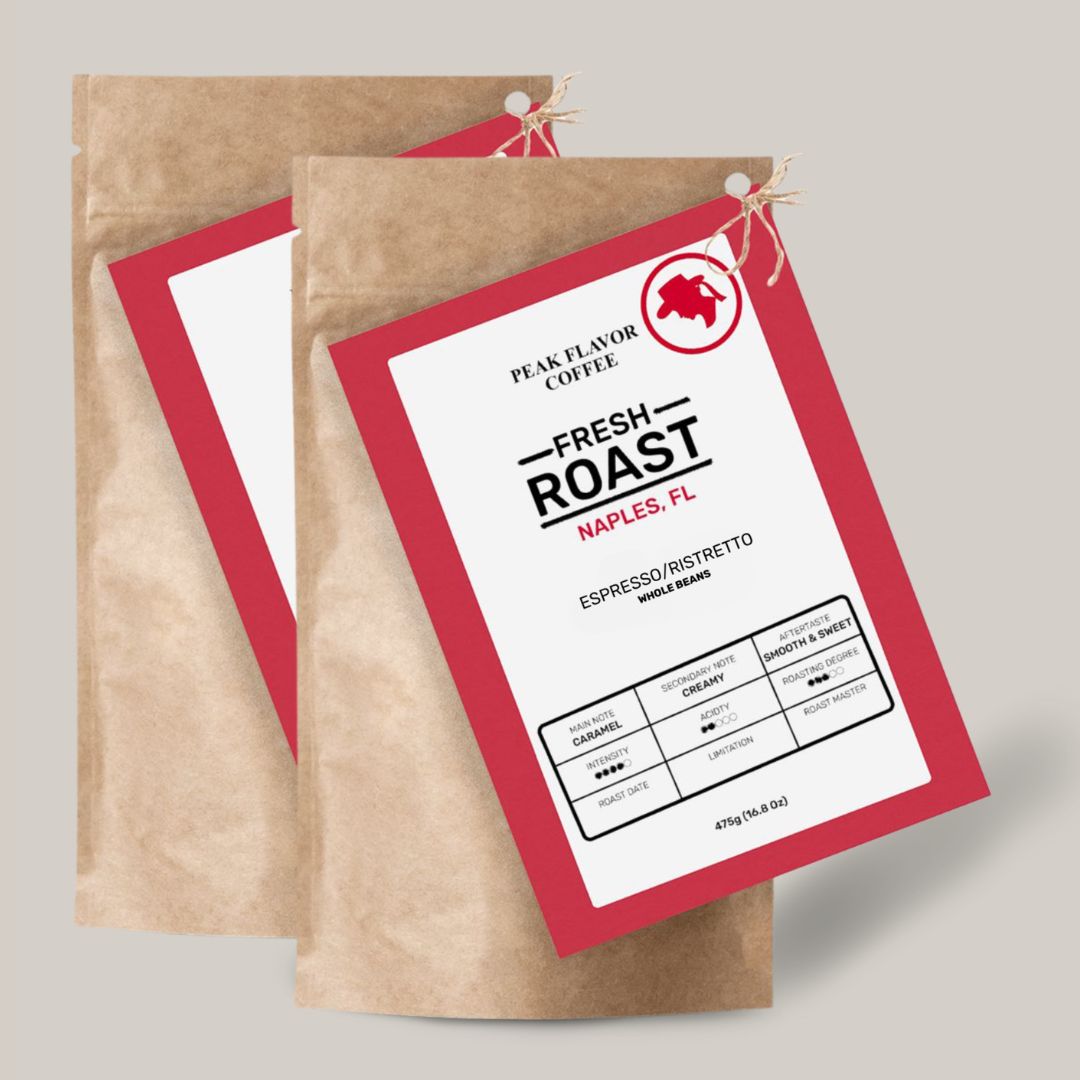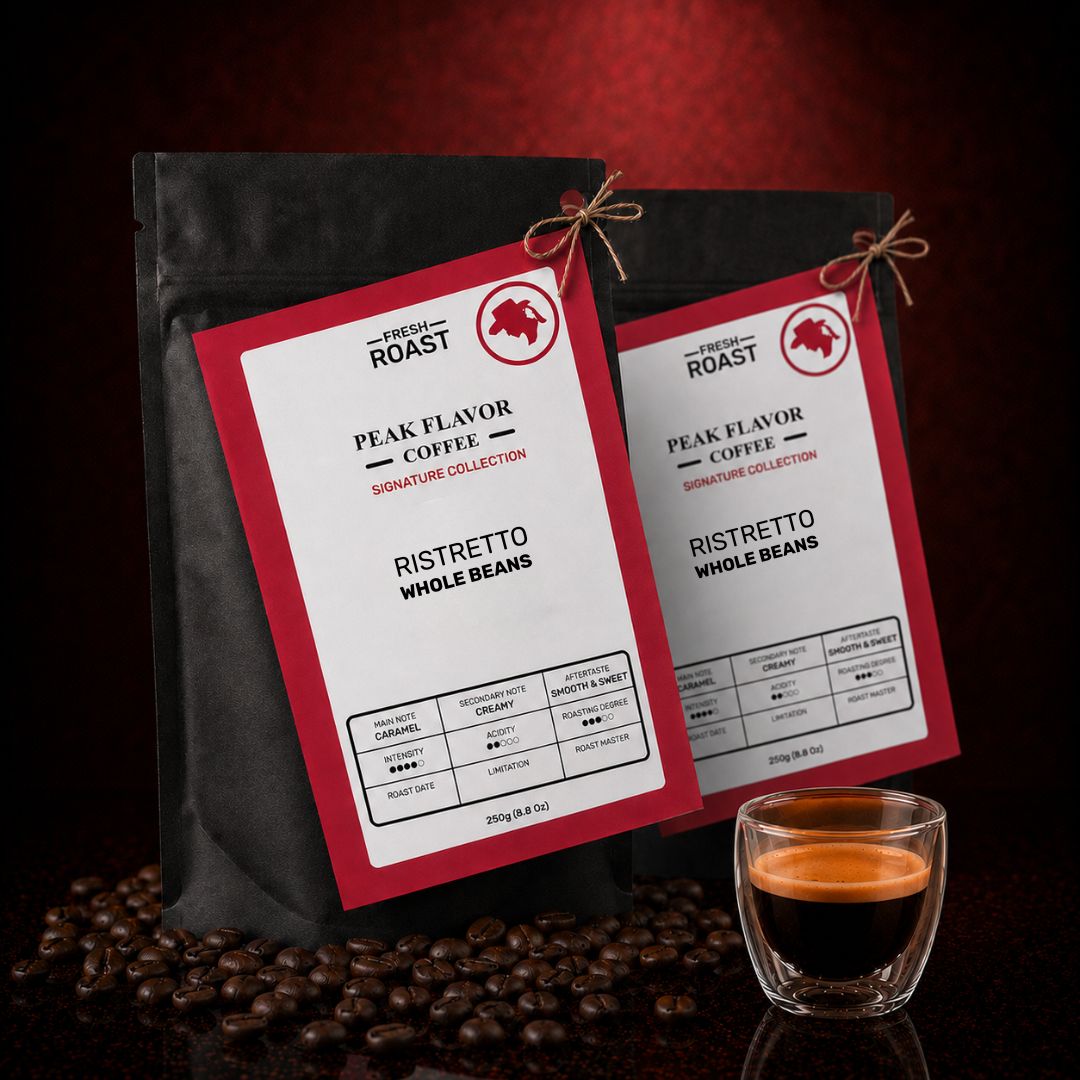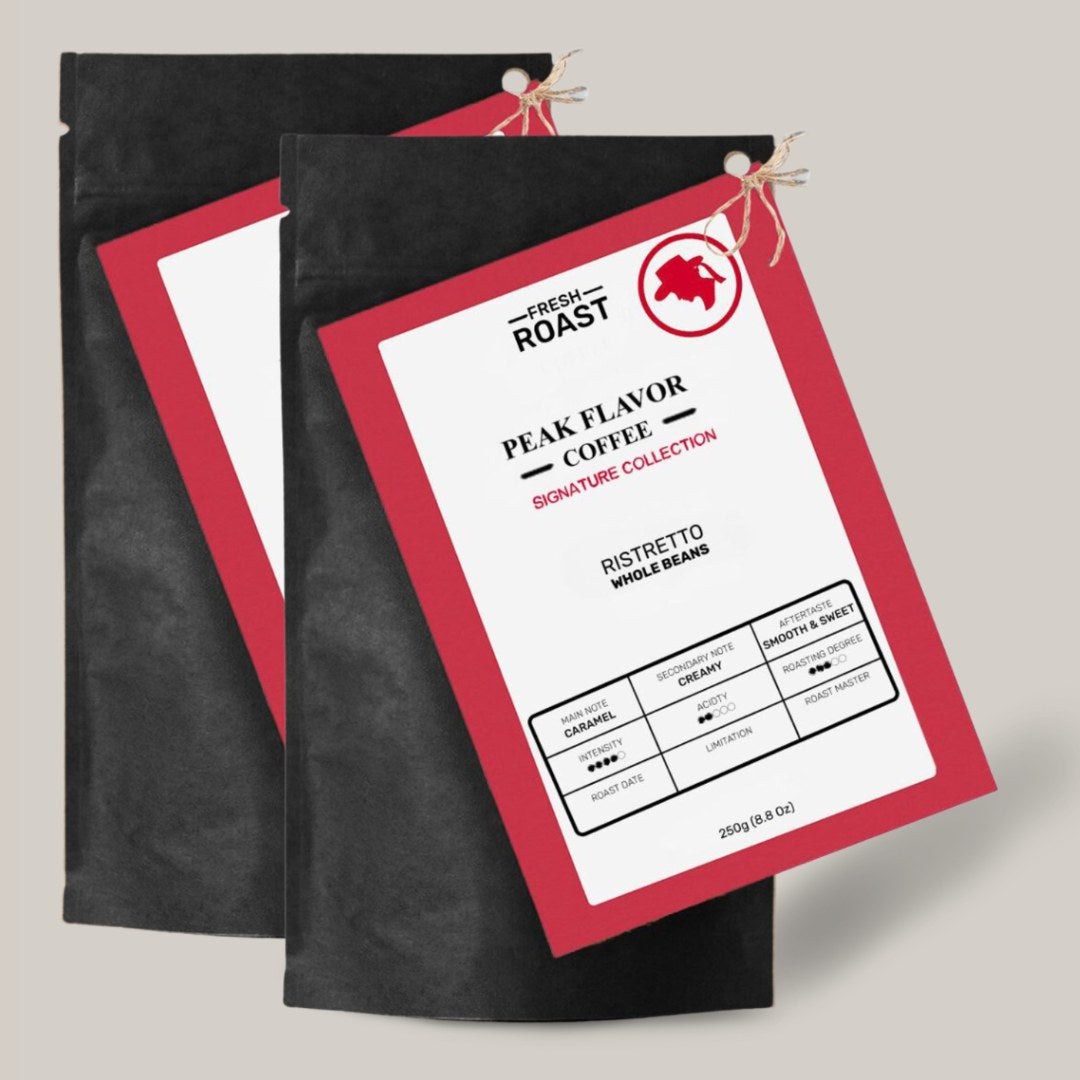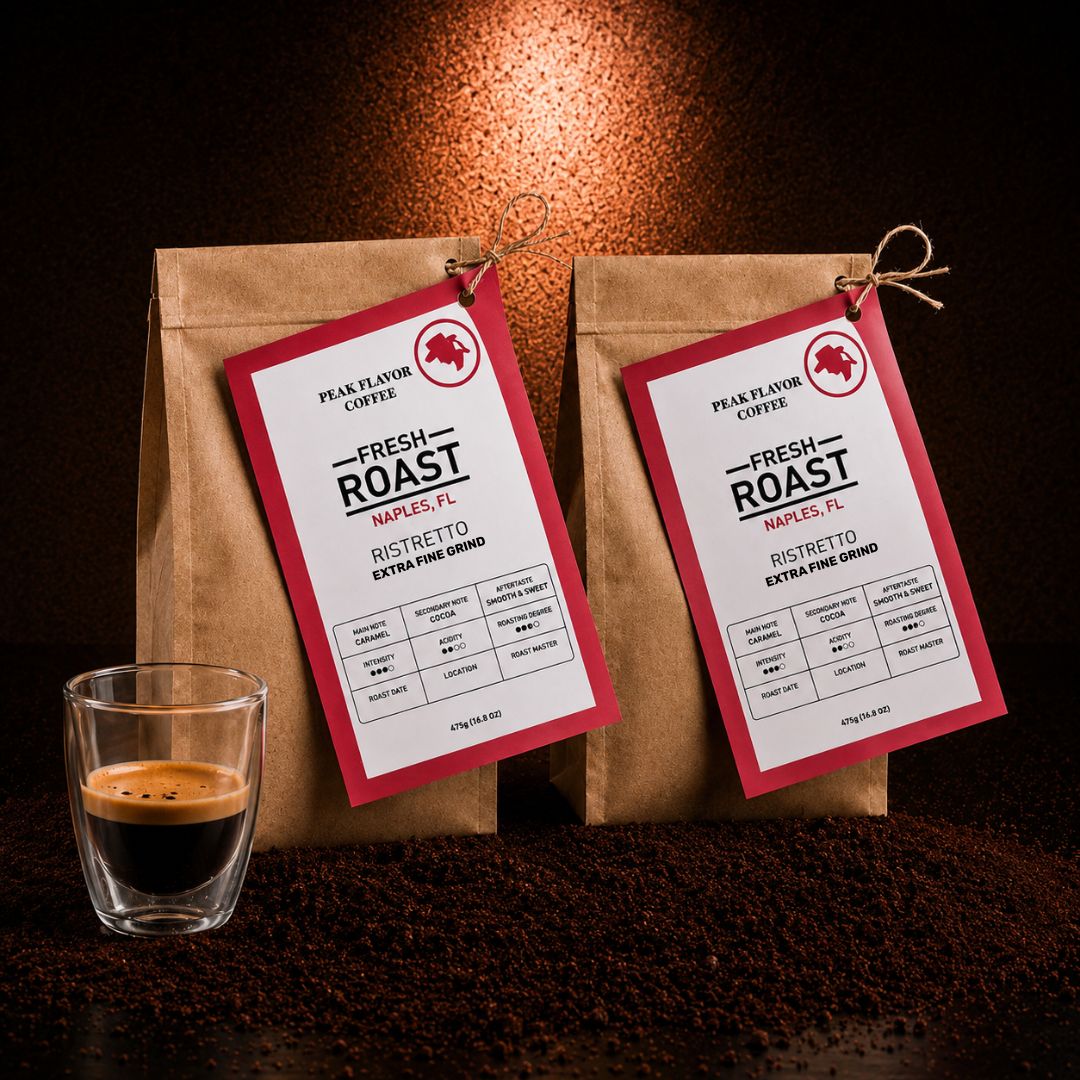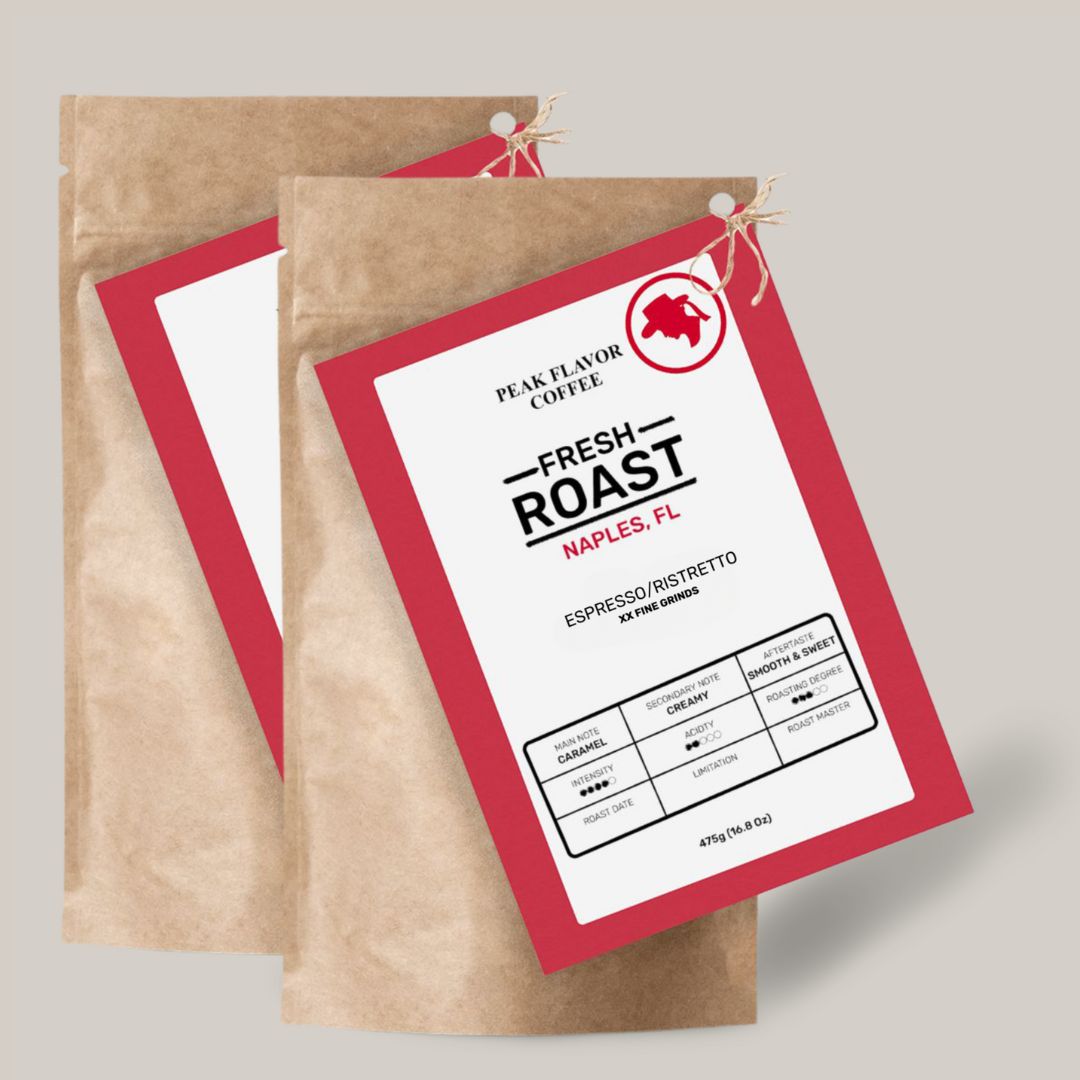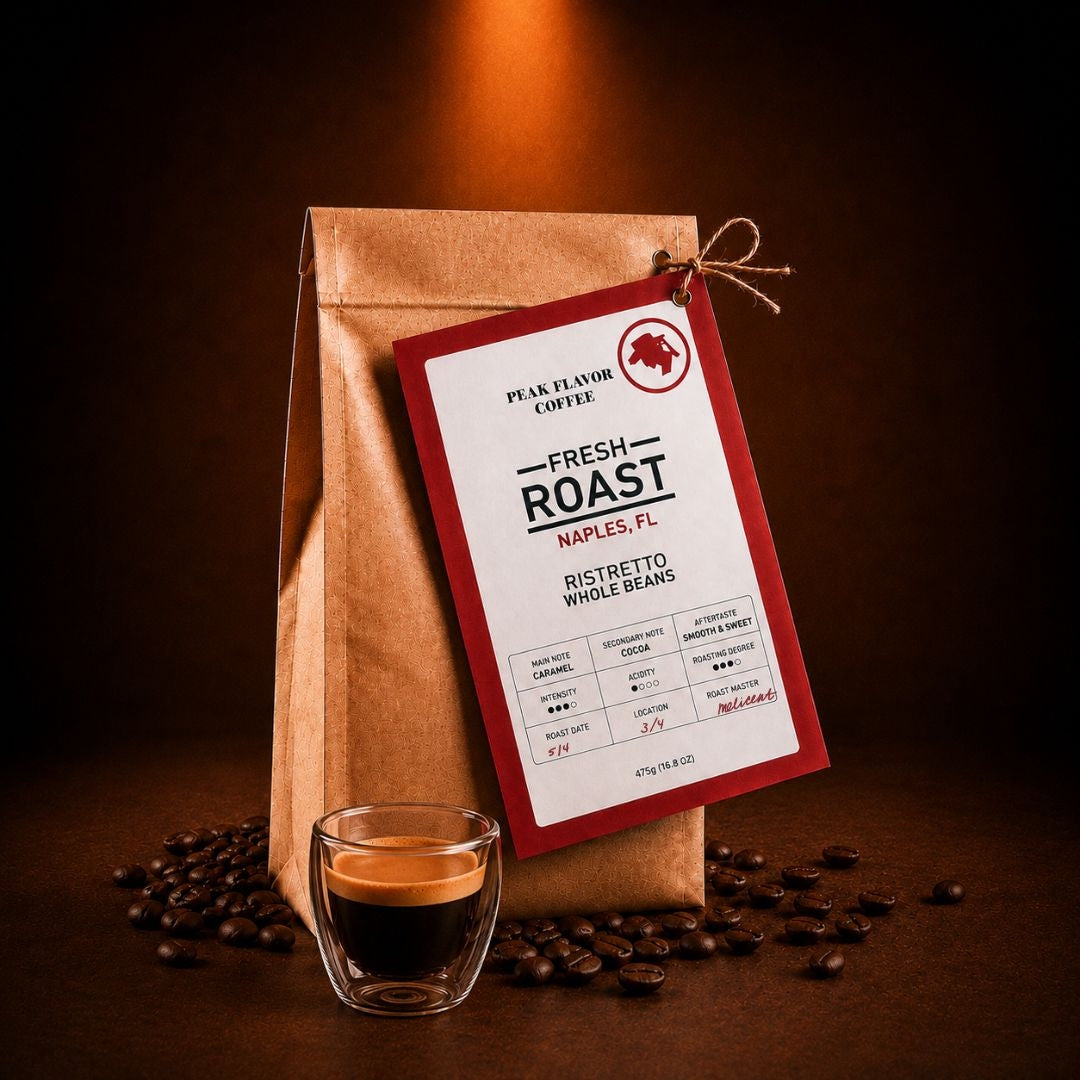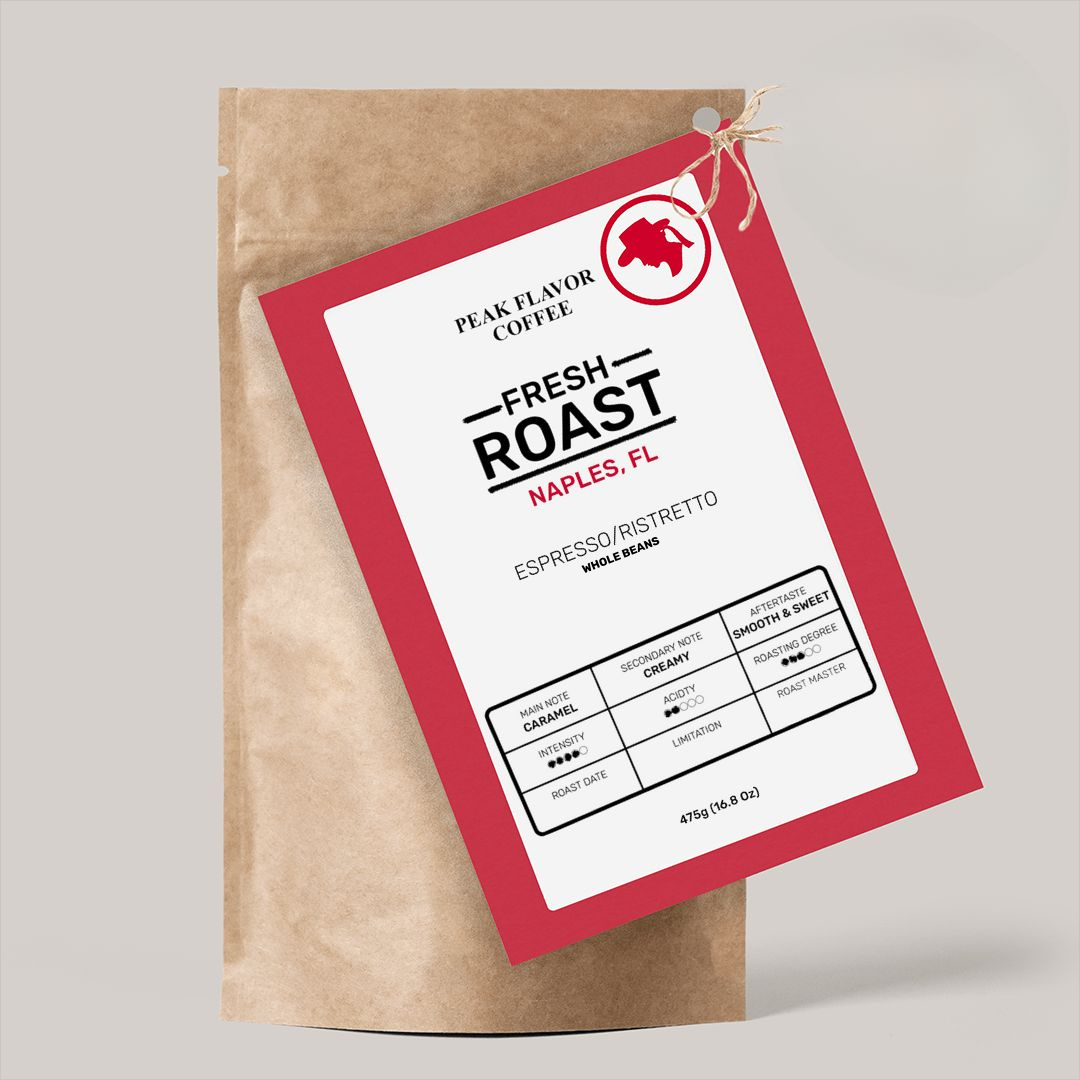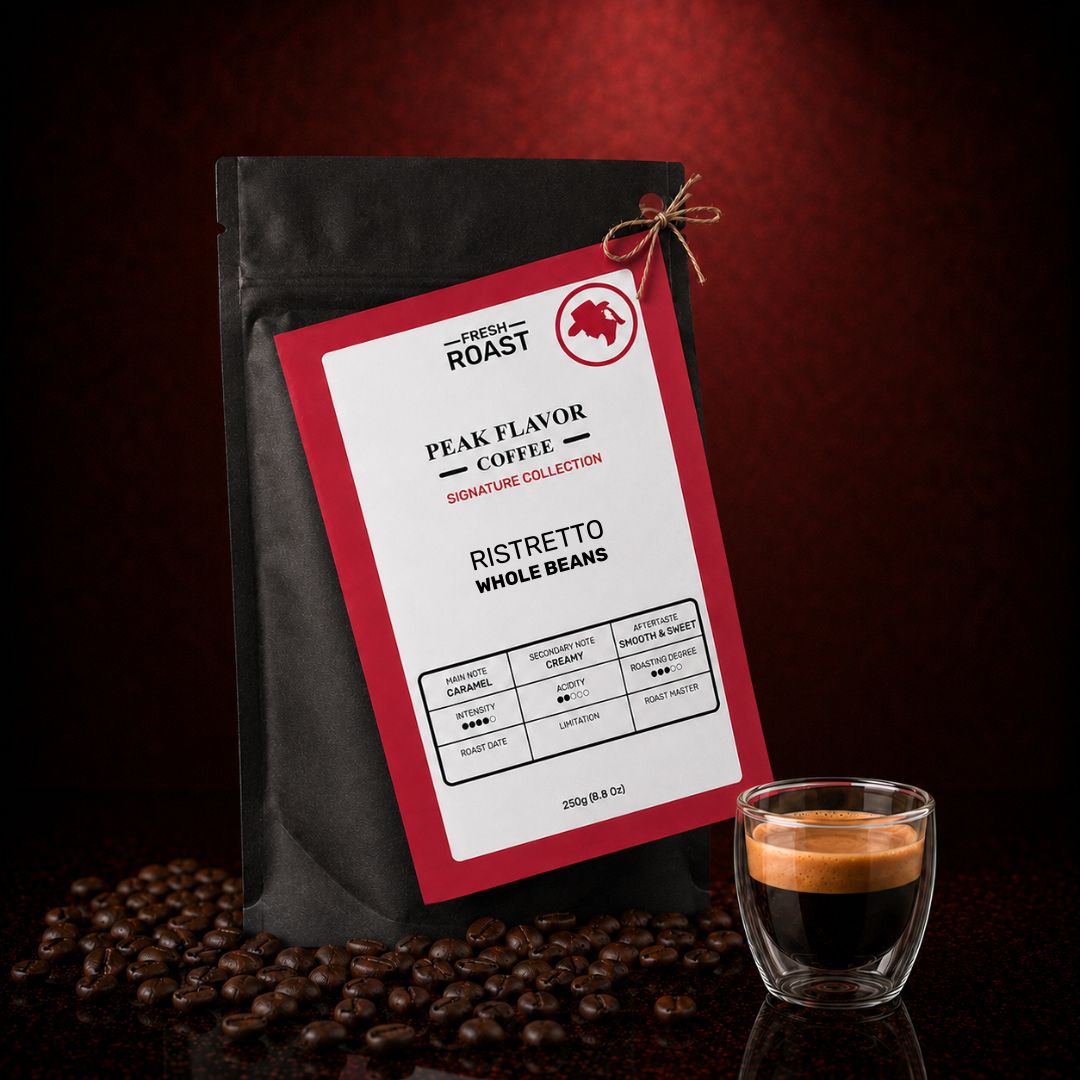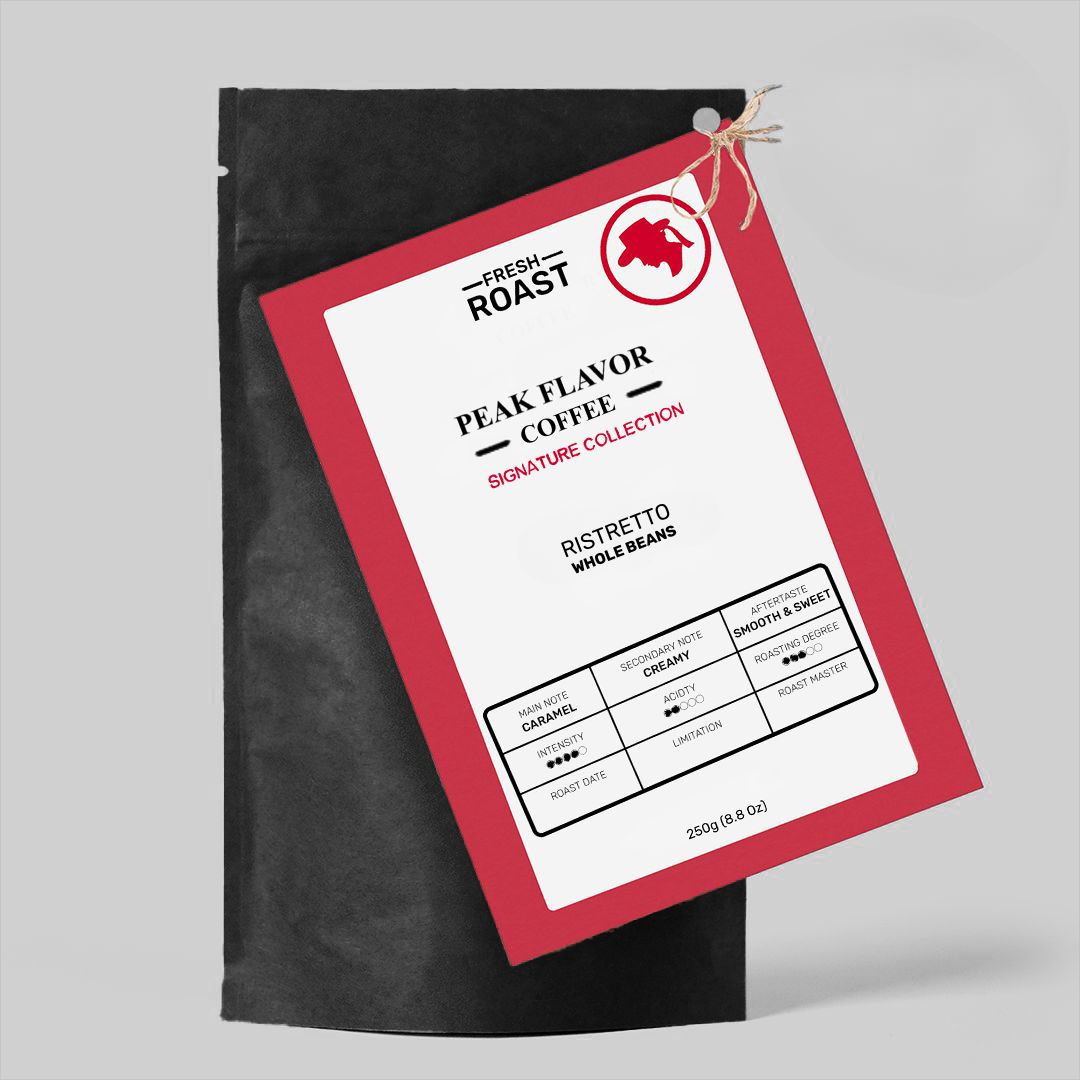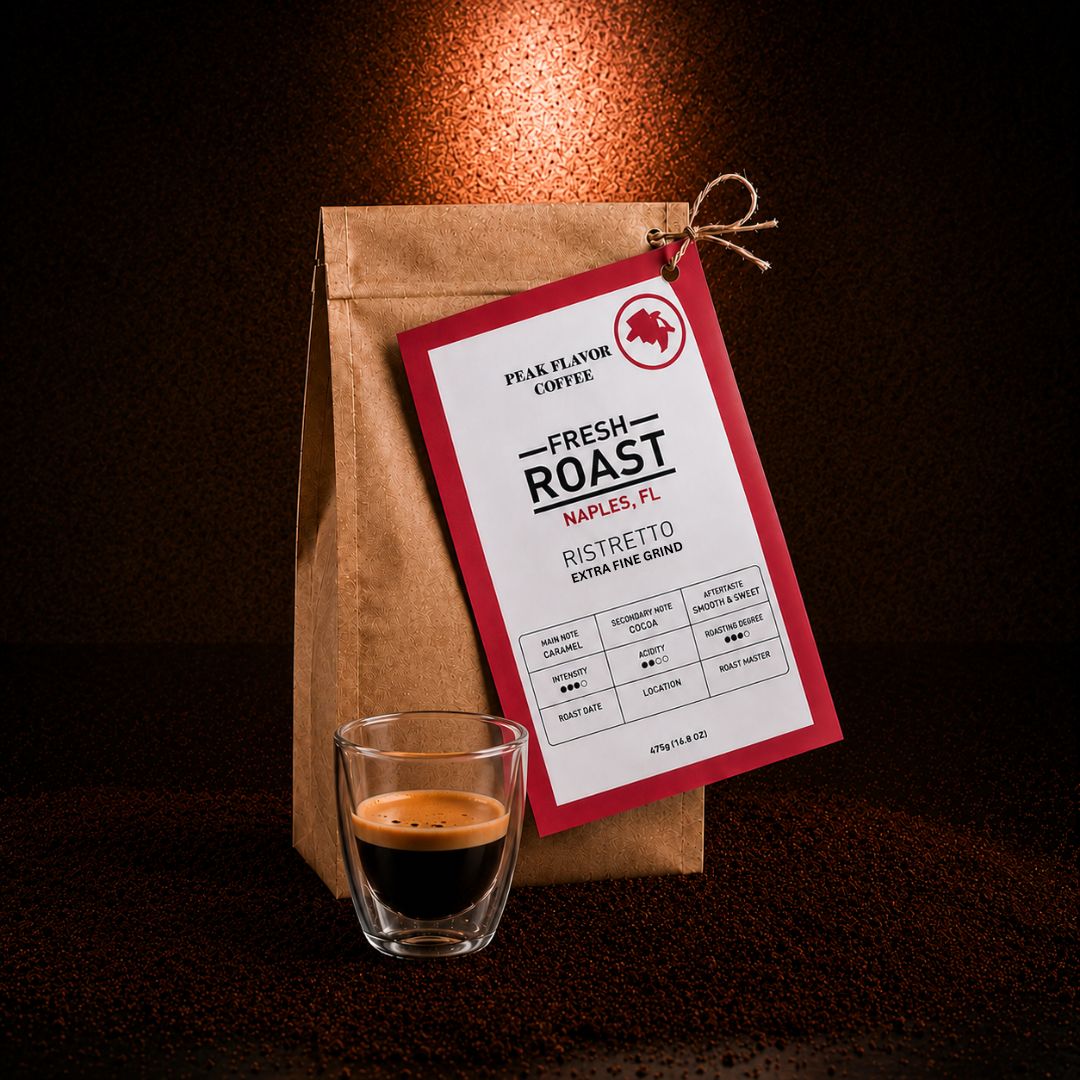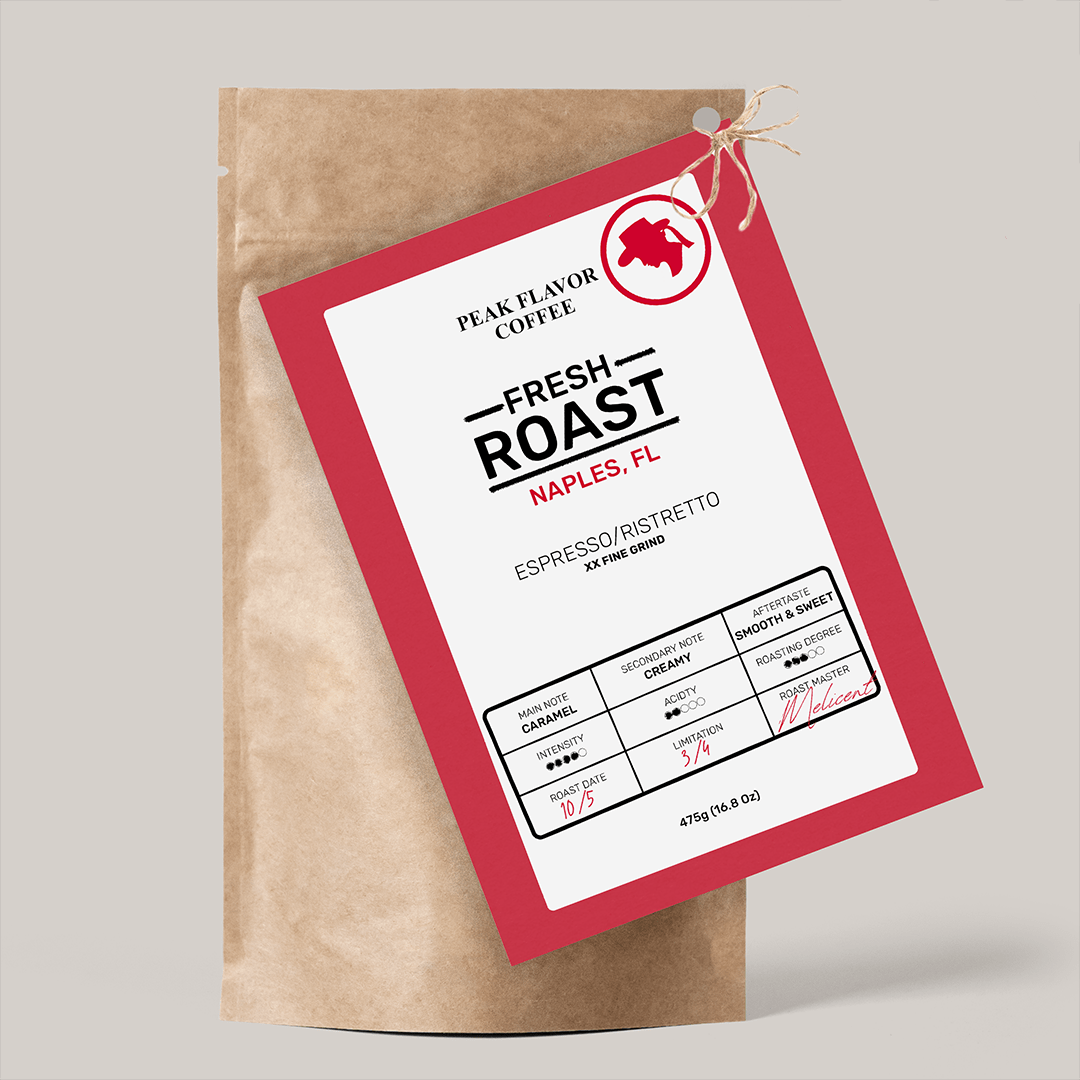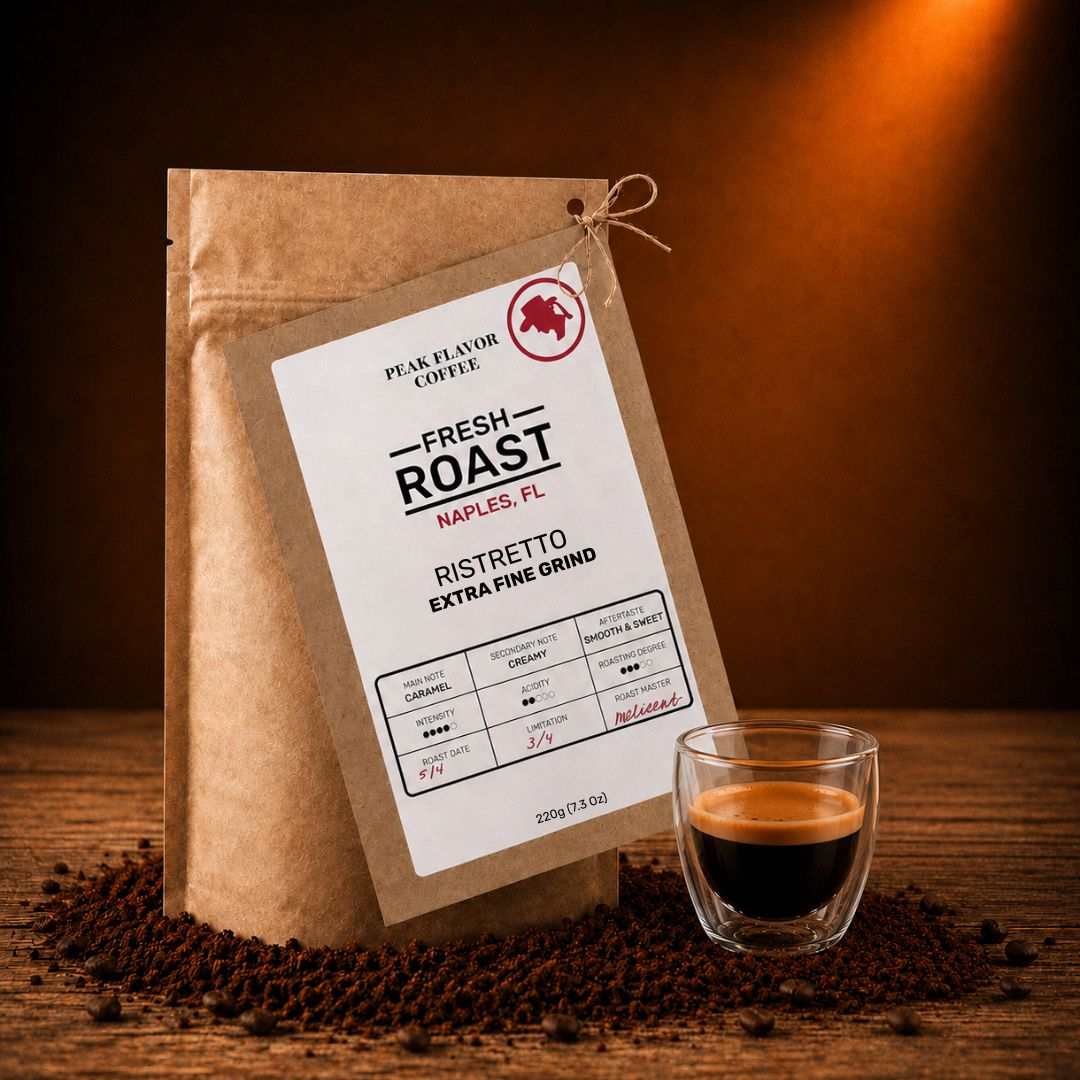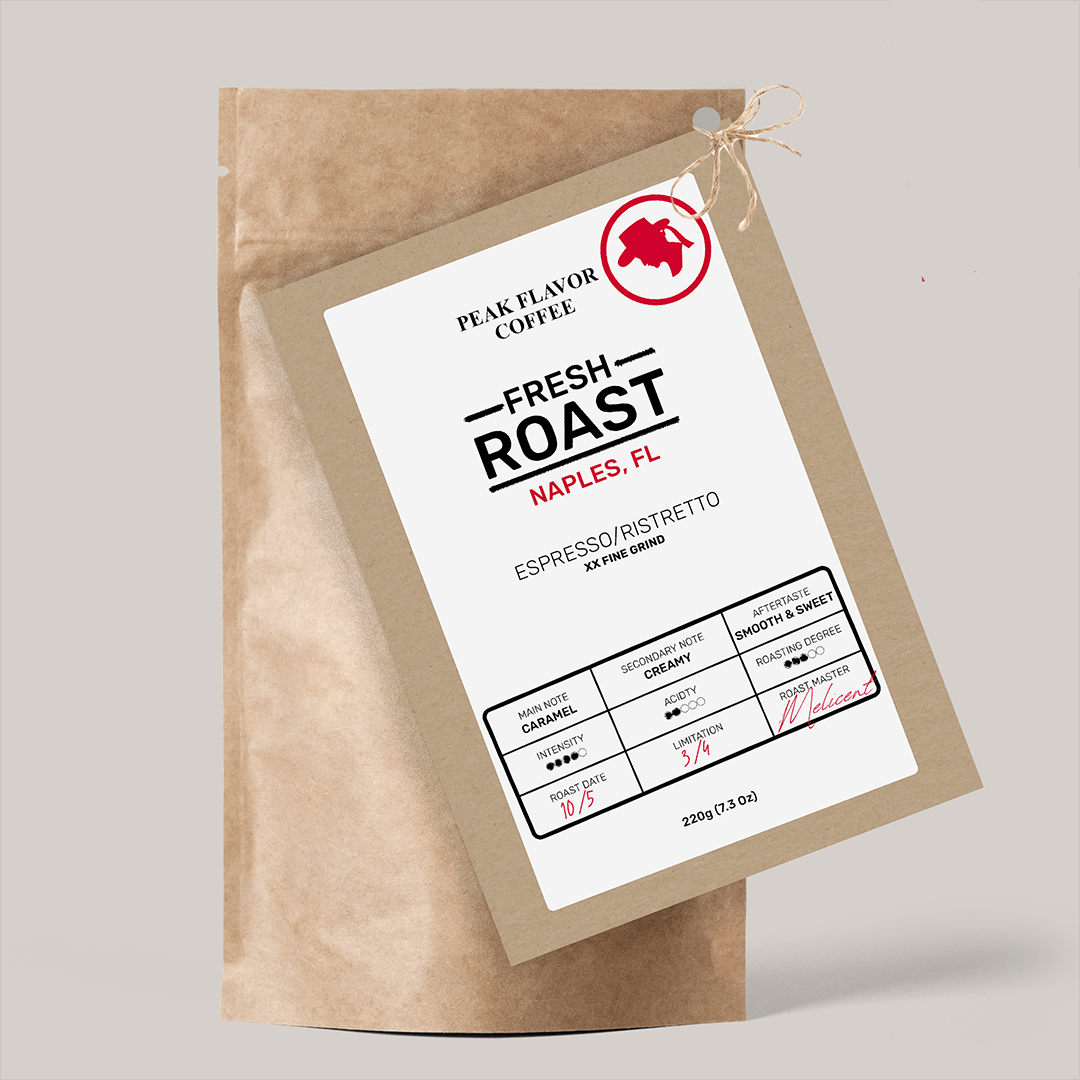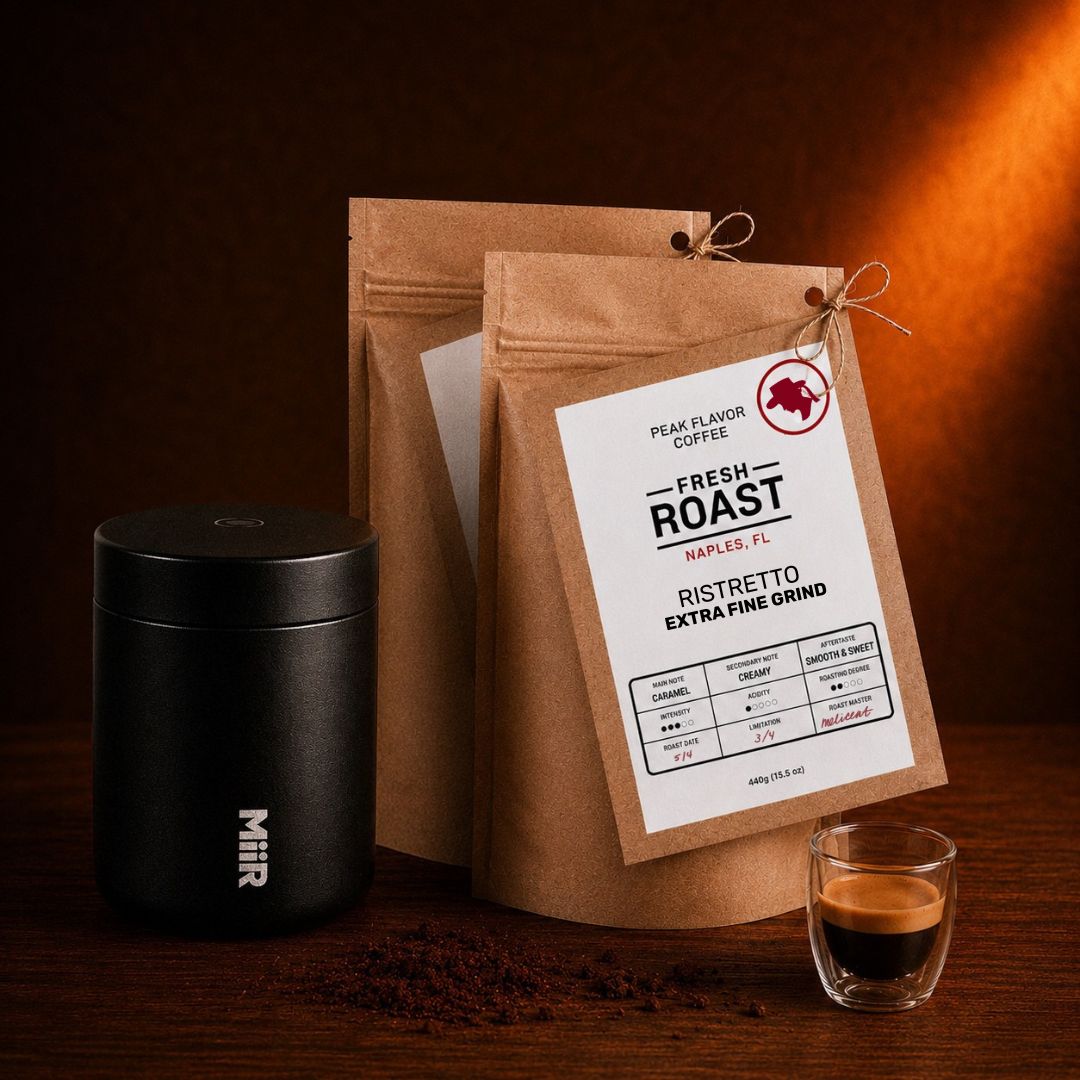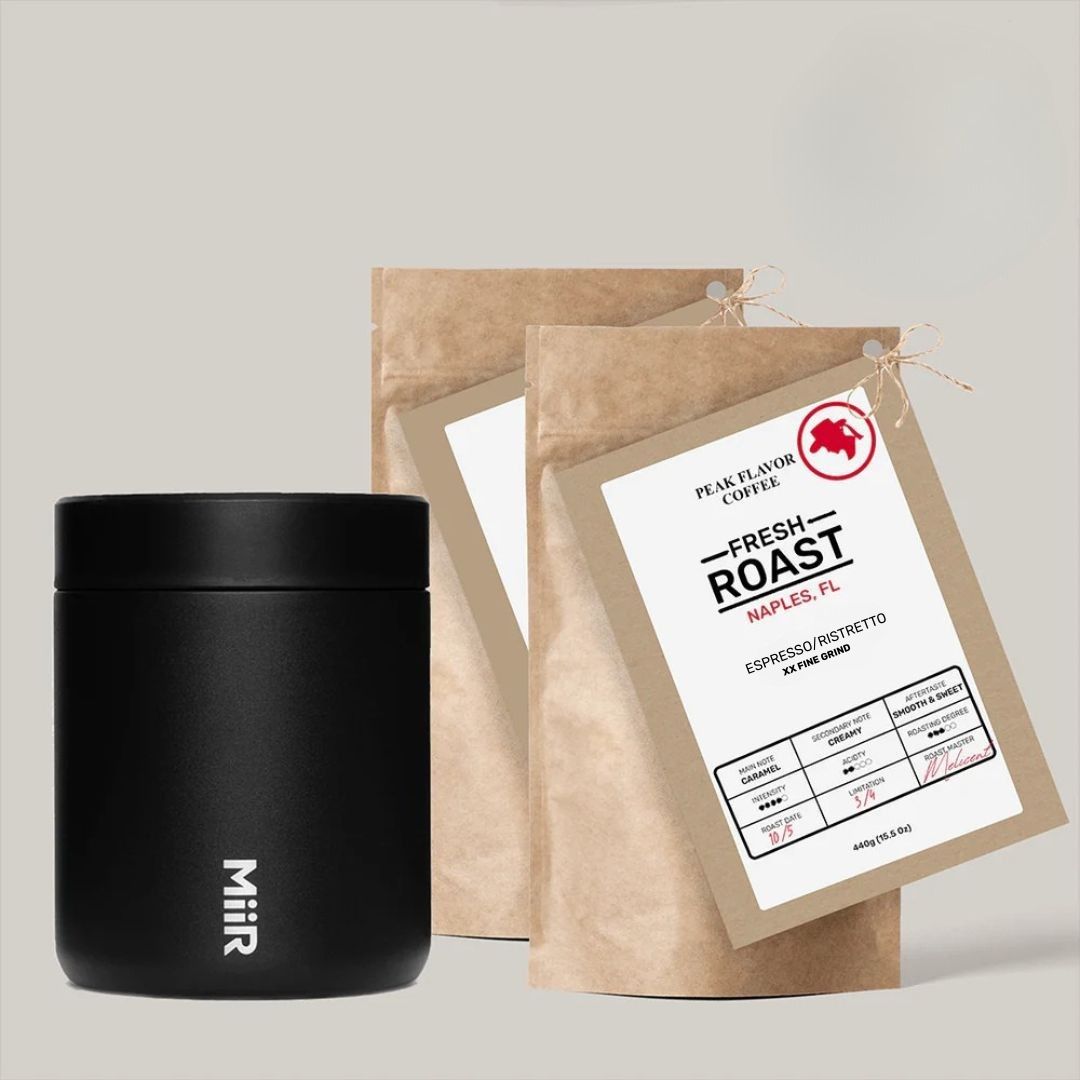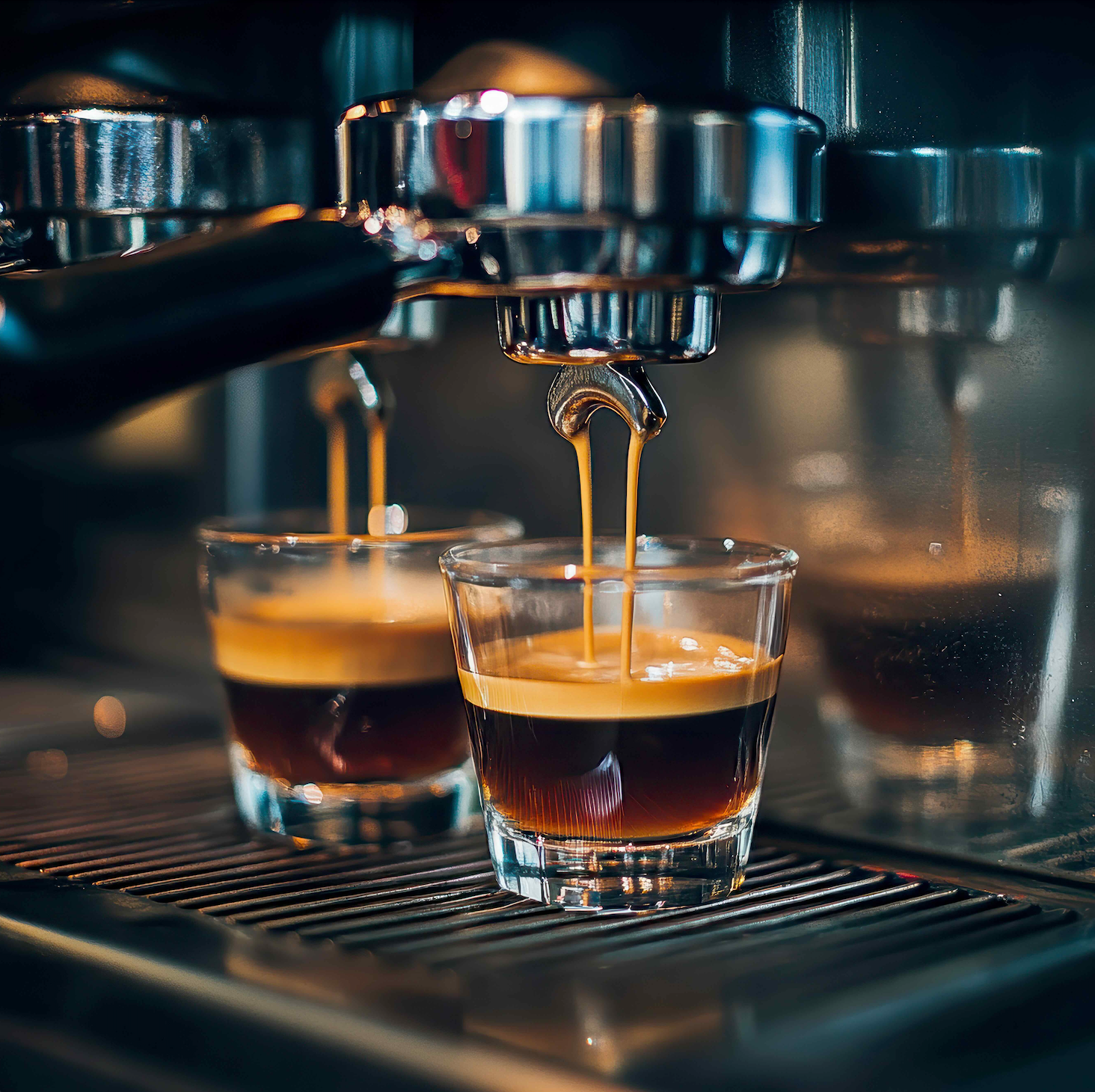
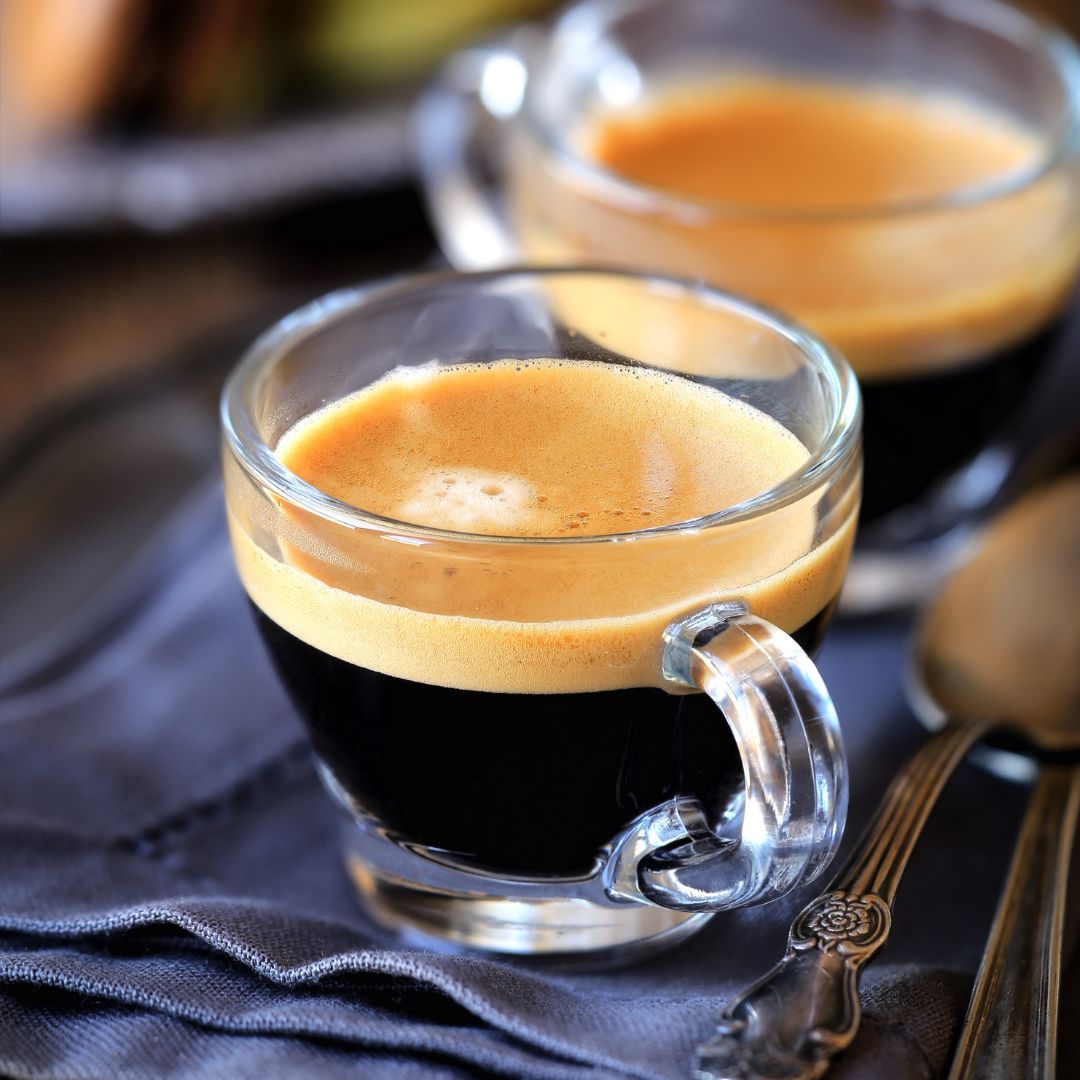
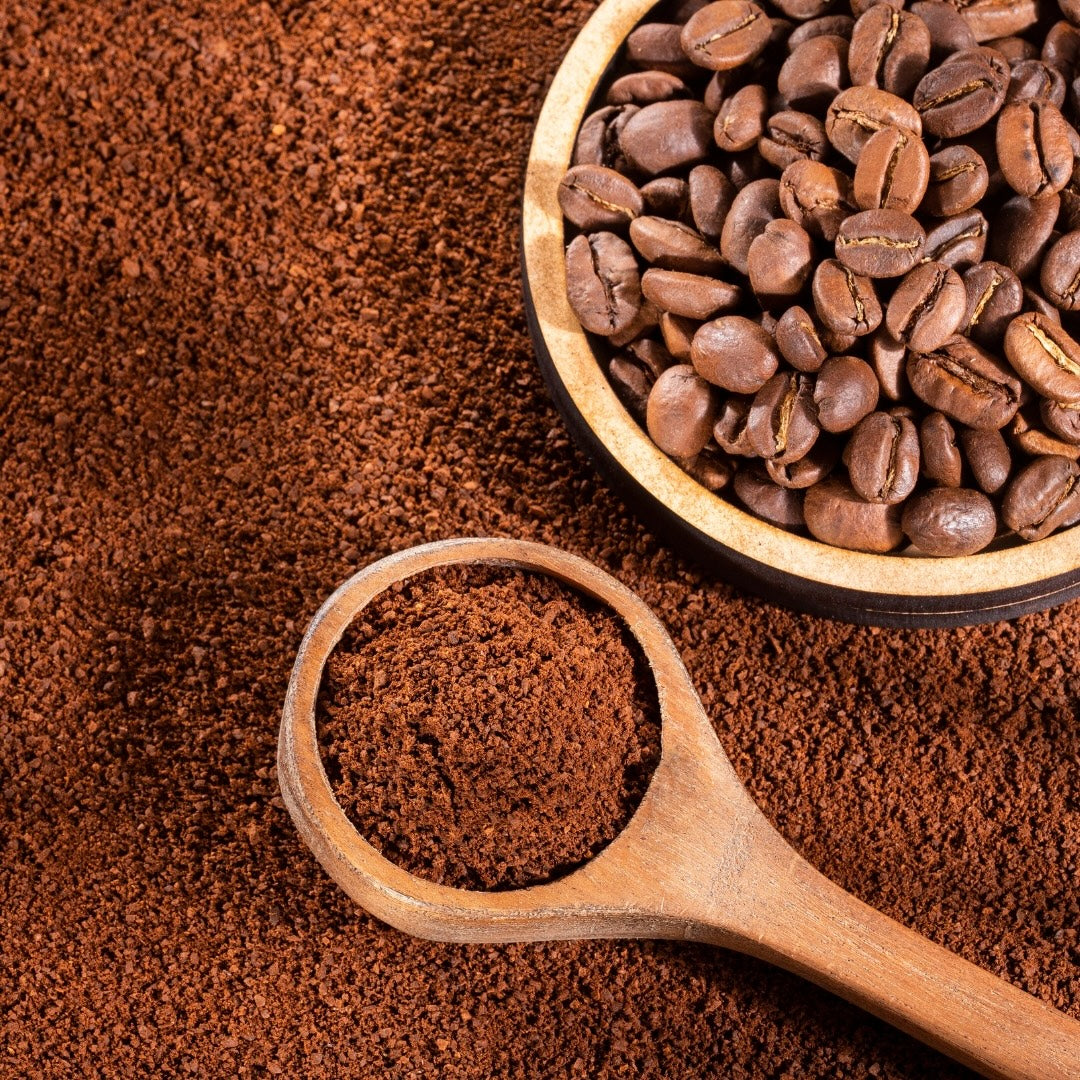


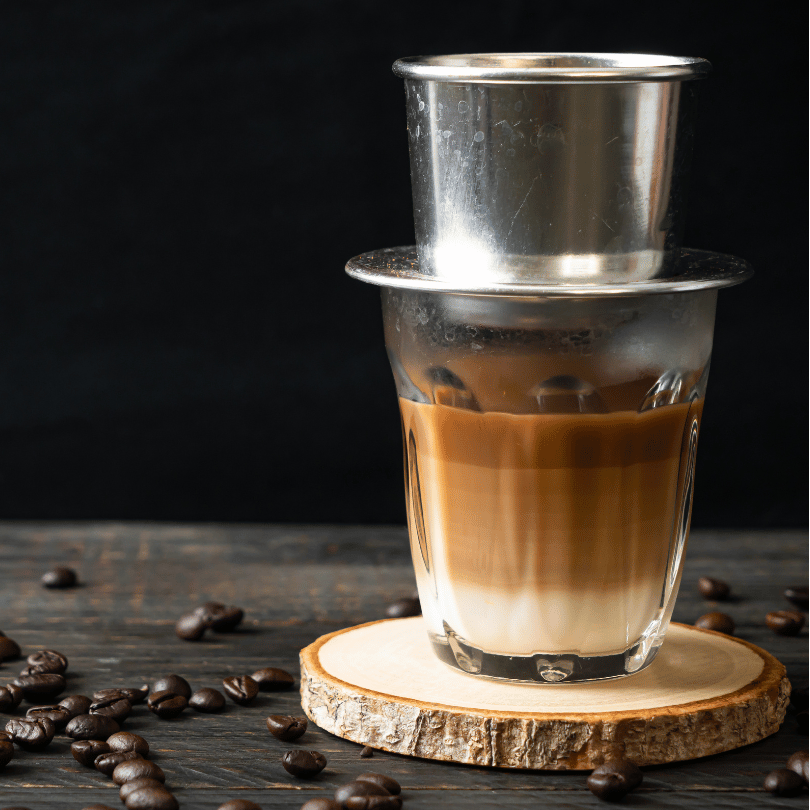
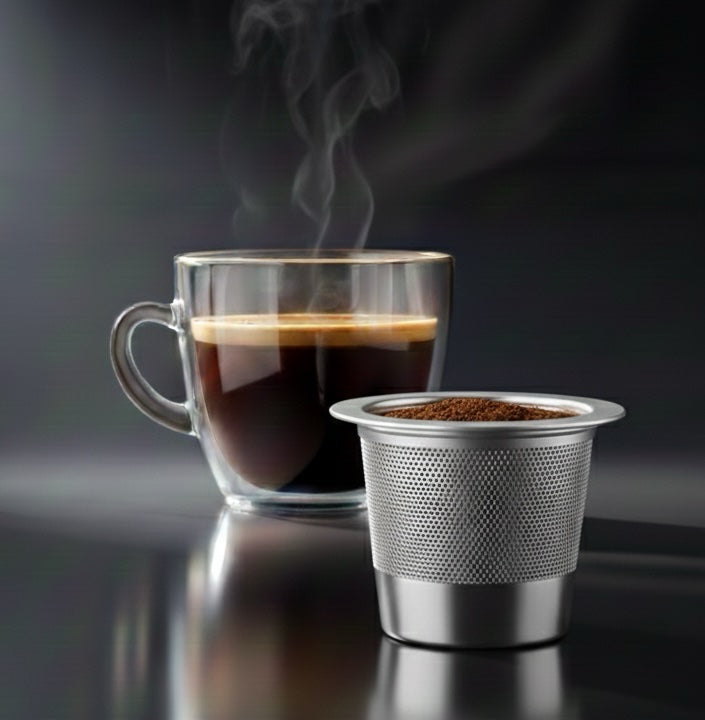
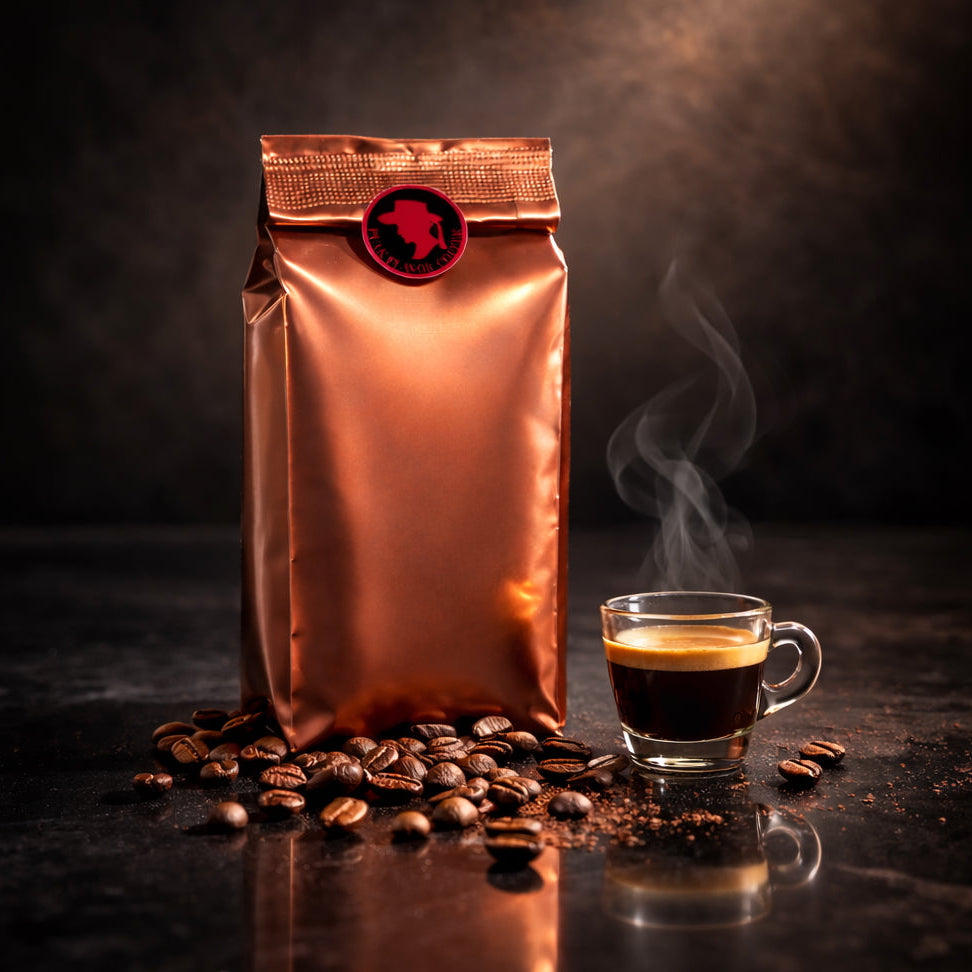


A typical ristretto shot? It's the shorter, syrupy Italian espresso variant that locks in intense sweetness without the bitterness. Made from high grown organic Arabica coffee beans, Italian ristretto requires a finer grind (250 microns) than espresso for the perfect shot.
Ristretto vs Espresso: Unlike espresso, a ristretto restricts water and extraction time to capture only the sweetest, most aromatic oils while leaving harsh, bitter compounds behind.
Until you pull a true ristretto shot on your home espresso machine, you haven't experienced the full capability of your setup. Many home baristas mistake it for a bitter, over-concentrated flavor bomb. In reality, it is the exact opposite: an elegant, smooth, and naturally sweet variant that leaves the harsh bitterness behind.

Ristretto vs Espresso: What's the Difference?
The primary difference between a ristretto and an espresso is the volume of water used and the overall extraction time. While both methods use the exact same amount of coffee grounds, a traditional espresso pulls 30mL of liquid over 25 to 30 seconds. A ristretto shot restricts the water volume to roughly 15mL and stops brewing at the 22-second mark, capturing only the sweetest, most aromatic oils while leaving the bitter compounds behind.
The Chemistry of a Ristretto Shot
"Ristretto" translates to "restricted" in Italian. While a traditional espresso pull continues extracting for 25 to 30 seconds, a standard ristretto shot cuts the water volume in half and halts the brewing process between 15 and 22 seconds.
This truncated timeline changes the extraction chemistry. The first compounds to dissolve from your coffee grounds into your cup are the delicate floral notes, fruit acids, and rich, complex sugars.
The heavy plant tannins, chlorogenic acids, and smoky bitter compounds extract much later in the cycle. By restricting the shot time, you capture the absolute sweetest yield of the bean.
Below graph illustrates how natural coffee oils and fruit sugars get extracted before the bitter tannins dissolve into your cup, which explains why ristretto is naturally sweeter than espresso and often has more crema.

Why Did Italians Invent Ristretto?
The creation of the ristretto highlights a fascinating historical preference within classic Italian coffee culture. According to a deep-dive regional Italian espresso guide, the country developed a clear flavor split:
- The North (Milan/Turin): Tended to prefer slightly longer, milder normale shots using lighter-roasted, delicate arabica coffee beans.
- The South (Naples/Sicily): Craved incredibly dark, slow-roasted profiles with immense body. Southern baristas embraced the ultra-restricted, syrupy ristretto method to tame the intense roasts, turning what could have been a brutally bitter cup into a smooth, concentrated shot of pure dark chocolate and caramel.
Ultimately, the ristretto exists because Italian baristas mastered the relationship between pressure, time, and flavor—proving that when it comes to coffee quality, sometimes less water yields a much richer experience.

Why Ristretto Sometimes Tastes Bitter?
A ristretto shot should be an ultra-smooth, naturally sweet Italian coffee variant, yet home extractions often turn out harsh and unpleasantly bitter. This off-flavor typically stems from three common brewing mistakes:
- Incorrect Coffee Beans: Relying on low-quality Arabica or traditional blends that contain an excessive amount of Robusta coffee beans will inherently introduce an aggressive, rubbery bitterness into your cup.
- Improper Grind Size: While a standard espresso requires a 350-micron grind, a true ristretto demands an ultra-fine 250 microns profile to build the precise hydraulic resistance needed to prevent uneven extraction.
- Stale Coffee Roasts: To extract the best flavor profile without a bitter aftertaste, you must use fresh roasted coffee beans. The coffee needs to have been roasted within the past two weeks to lock in rich sugars.
Fixing these variables ensures a syrupy, sweet shot every time.
The Bitterness Trap: Ristretto turns bitter when you use low-quality, high-Robusta beans, a grind size larger than 250 microns, or coffee beans roasted more than two weeks ago.

What Are the Best Coffee Beans for Ristretto?
The best coffee beans for a ristretto shot are a traditional Italian blend pairing 85% organic Arabica beans for sweetness with 15% high-quality Robusta beans for a thick, rich crema.
High-quality robusta is the secret to traditional Italian espresso blends for two key reasons:
- Thick, Rich Crema: As documented in peer-reviewed research on coffee foam stability, Robusta's lower lipid (oil) content and unique chemical makeup produce a dense, long-lasting foam layer that Arabica struggles to replicate alone.
- Full Body: It lends a heavy, creamy mouthfeel and a deep, earthy, chocolatey profile that cuts beautifully through milk in traditional Italian espresso preparations.
Watch the video guide about the right coffee beans for Italian ristretto.
What is the Right Grind Size for Ristretto?
The right grind size for a ristretto shot is a tight, ultra-fine profile of 250 microns with a 98% consistency rating. Because a ristretto uses significantly less water than a standard espresso, the grounds must be fine and uniform enough to create massive hydraulic resistance inside the portafilter to prevent channeling.
However, hitting 250 microns is only half the battle; the real magic lies in uniformity. You need an incredible 98% grind size consistency. As heavily debated across the r/espresso home barista community on Reddit, if your home grinder suffers from "burr drift" and produces a wide mix of massive chunks and microscopic dust, water will channel through the gaps. This ruins your extraction yield, turning your shot sour and watery. A rigid 98% consistency ensures every single coffee particle extracts at the exact same rate, delivering that rich, flawless Italian profile.
This graph illustrates that the right grind size with high consistency improves flavor.

The Perfect Shot Formula
Defeating ristretto bitterness requires a two-part scientific fix: the right blend and the right geometry. Pairing 85% Arabica with 15% high-quality Robusta naturally tames harsh acidity, but the real secret is a rigid 250-micron grind size held at a flawless 98% uniformity. When every single particle is the exact same size, they extract perfectly in unison, locking in pure, syrupy sweetness without a trace of bitter aftertaste.
Defeating Ristretto Bitterness: Overcome bitterness by blending 85% Arabica with 15% Robusta to tame acidity. Then, utilize a rigid 250-micron grind size at 98% uniformity for perfectly unified, sweet extraction.
Choosing the Right Coffee for Your Espresso Maker Set-Up
To pull this off at home, the physics of extraction require absolute grind uniformity. Without a precise grind profile, water under 9 bars of pressure channels through the coffee bed unevenly, destroying your extraction yield.

Depending on your current kitchen counter setup, here is how you can achieve cafe-quality perfection:
- The High-End Gear Route: If you own a high-quality, micro-adjustable burr grinder at home capable of exact micron control, match your gear with our fresh-roasted whole espresso beans for authentic Italian ristretto. Using premium, fresh roasted coffee beans allows you to dial in your flow rate with absolute precision.
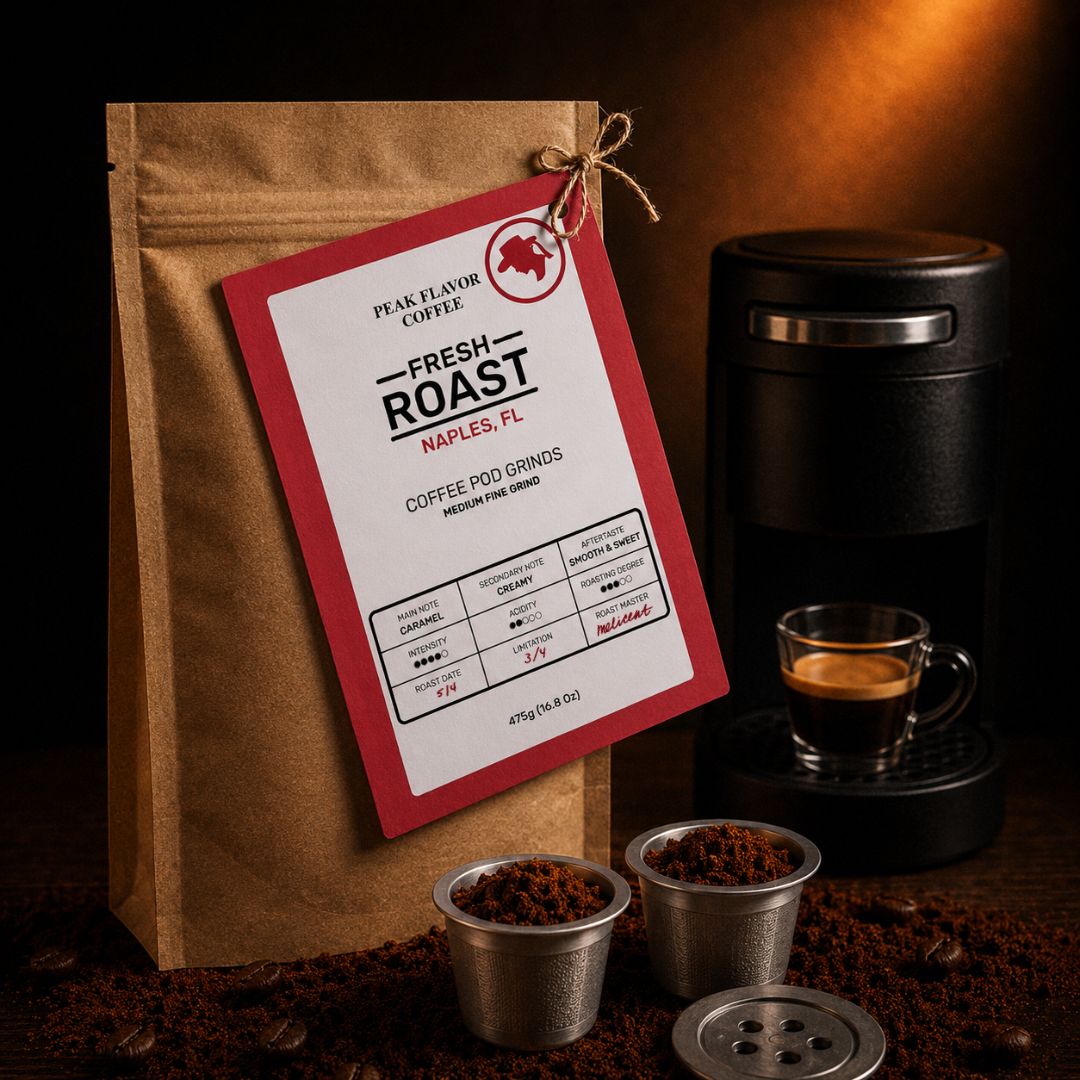
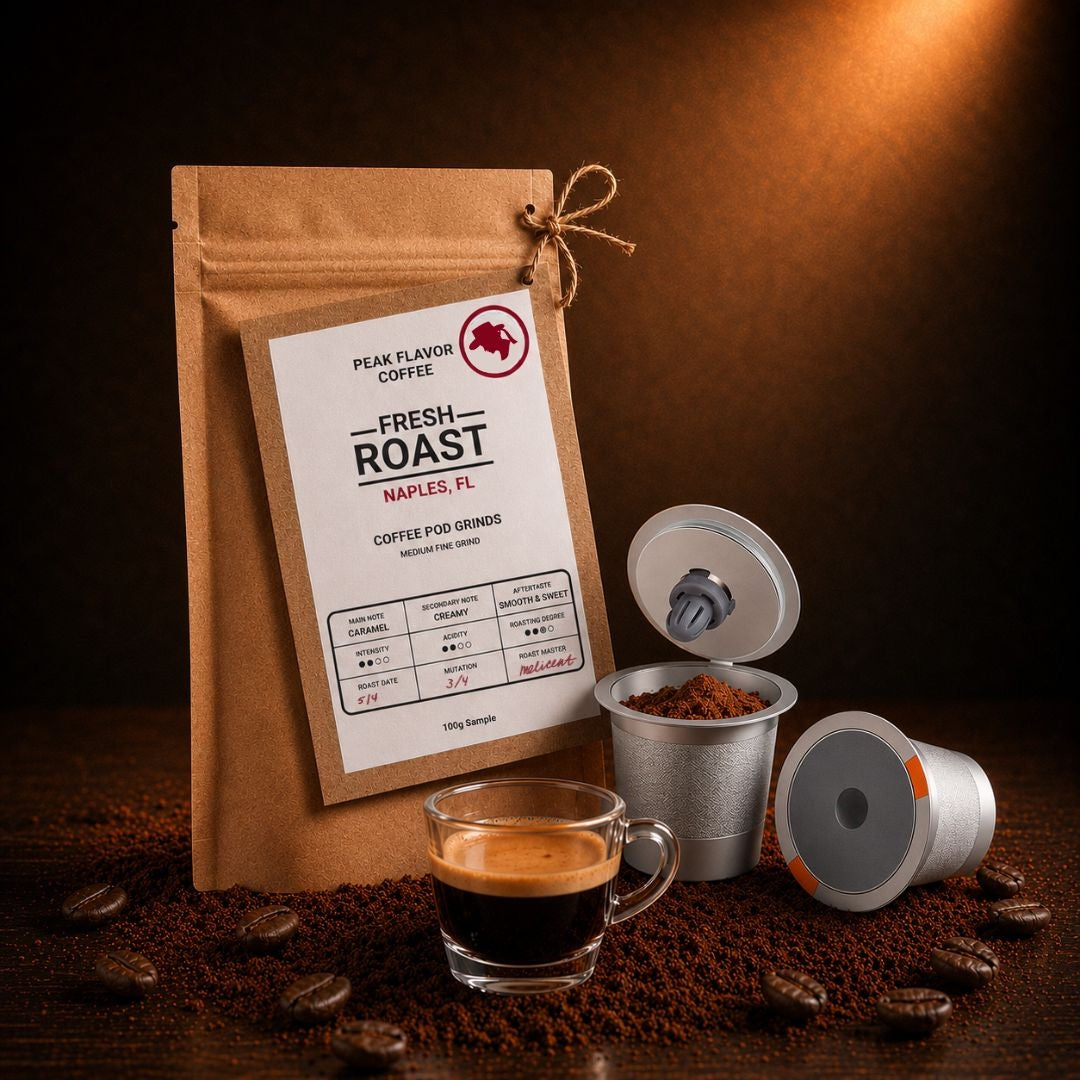
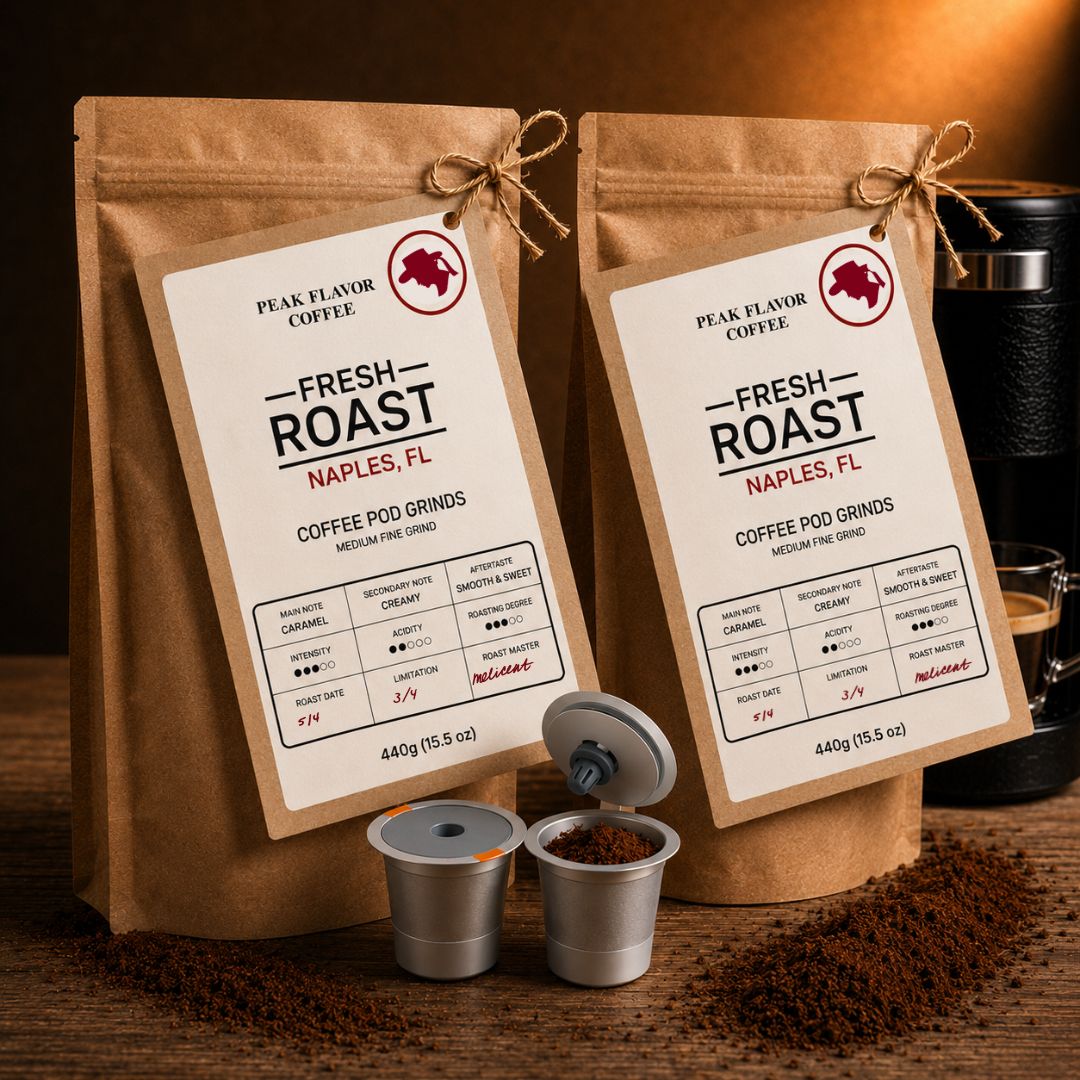
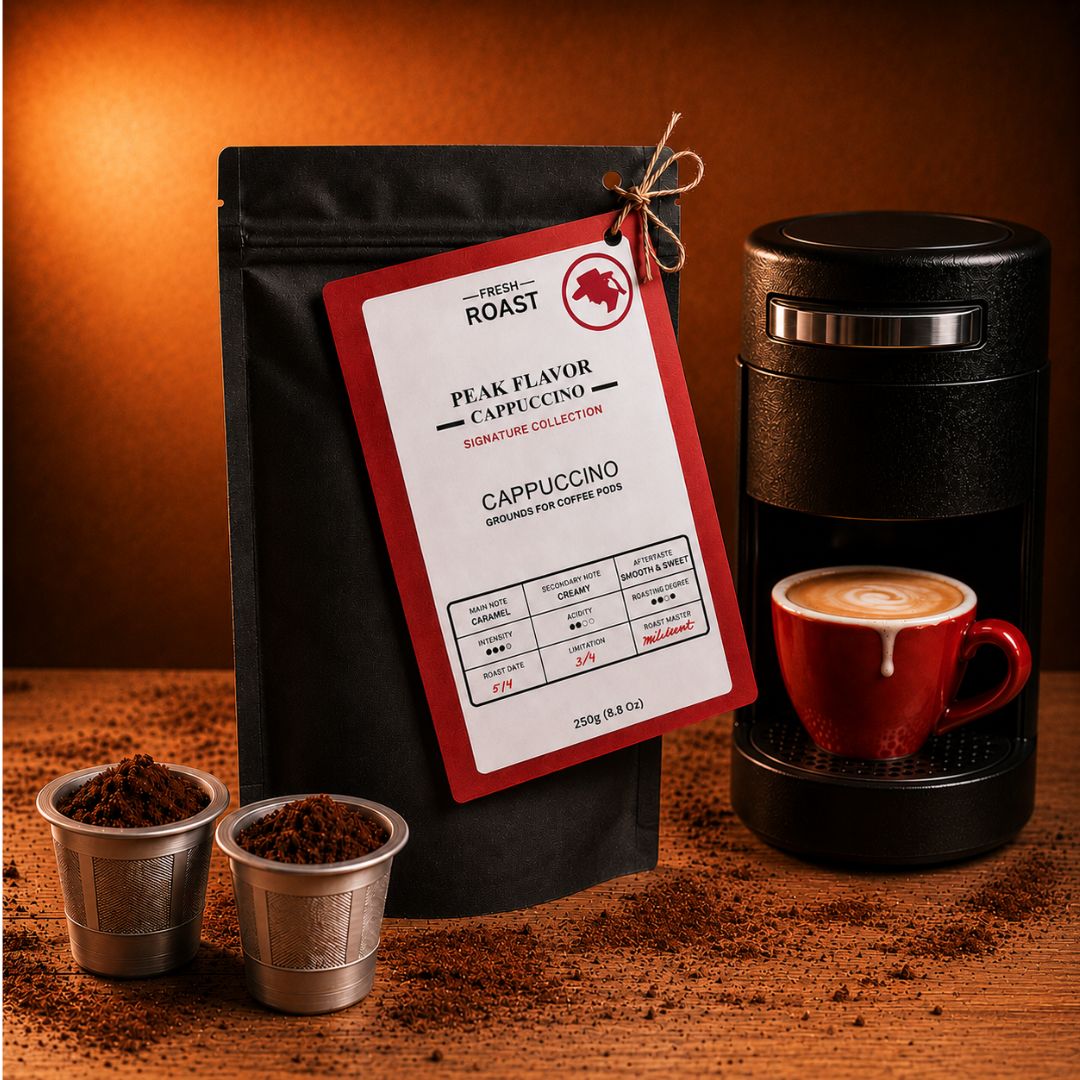
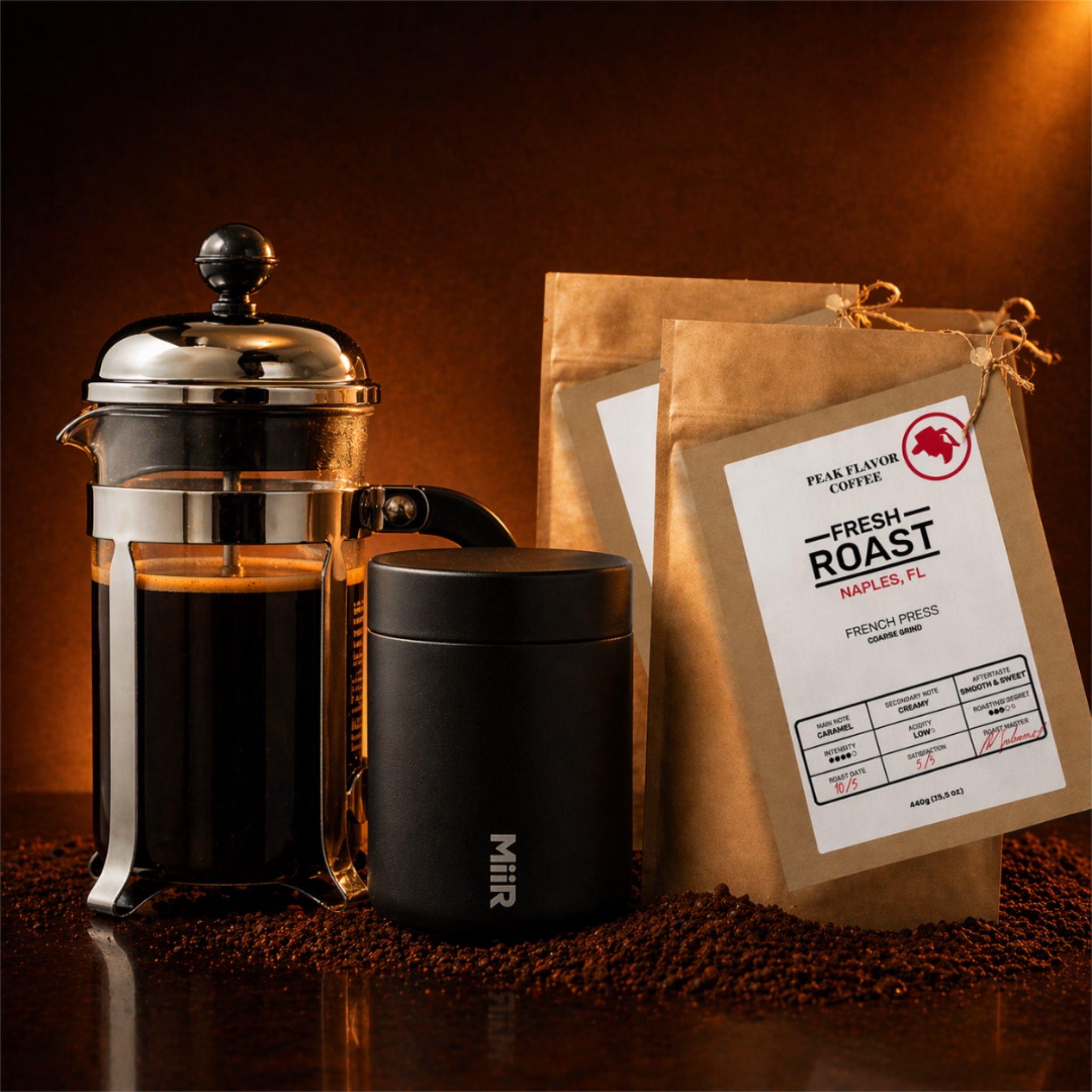
- The No-Grinder Shortcut: Skip the massive financial investment and daily trial-and-error of a commercial-grade grinder. Let our industrial mills handle the heavy lifting with our precision-milled specialty espresso grounds. We pack and ship our fresh ground coffee instantly, calibrated to an exact 250-micron profile with 98% uniformity so it pulls a flawless, sweet ristretto shot right out of the box.
Frequently Asked Questions
What is Ristretto?
A ristretto is a shorter, sweeter Italian espresso variant. It uses the same amount of coffee but restricts the water volume to 15mL, stopping early to avoid bitter compounds.
Why is my ristretto bitter?
Your ristretto is bitter because of three common mistakes: using low-quality or high-Robusta beans, utilizing a grind size larger than 250 microns, or brewing with stale, older coffee roasts.
Discover the answers to the most common questions about ristretto by home baristas.
What are the best coffee beans for ristretto?
The best coffee beans are a traditional Italian blend pairing 85% organic Arabica for natural sweetness with 15% high-quality Robusta to deliver a heavy body and thick, rich crema.
Learn more about the right coffee beans for the perfect ristretto.
What is the right grind size for ristretto?
The right grind size for a ristretto shot is an ultra-fine profile of 250 microns. This tight grind creates the necessary hydraulic resistance inside the portafilter to prevent channeling.
Discover why you don't need an expensive burr grinder to pull a ristretto shot at home.
What is grind size consistency?
Grind size consistency means every coffee particle is the exact same size. Achieving a 98% uniformity rating ensures uniform extraction, eliminating burr drift, channeling, and harsh or sour flavors.
Discover how mathematical modeling of grind uniformity eliminates channeling and improves espresso flavor.